How to Select, Scale, and Automate an Edible Oil Filling Machine Line: The Definitive B2B Procurement & Engineering Masterclass
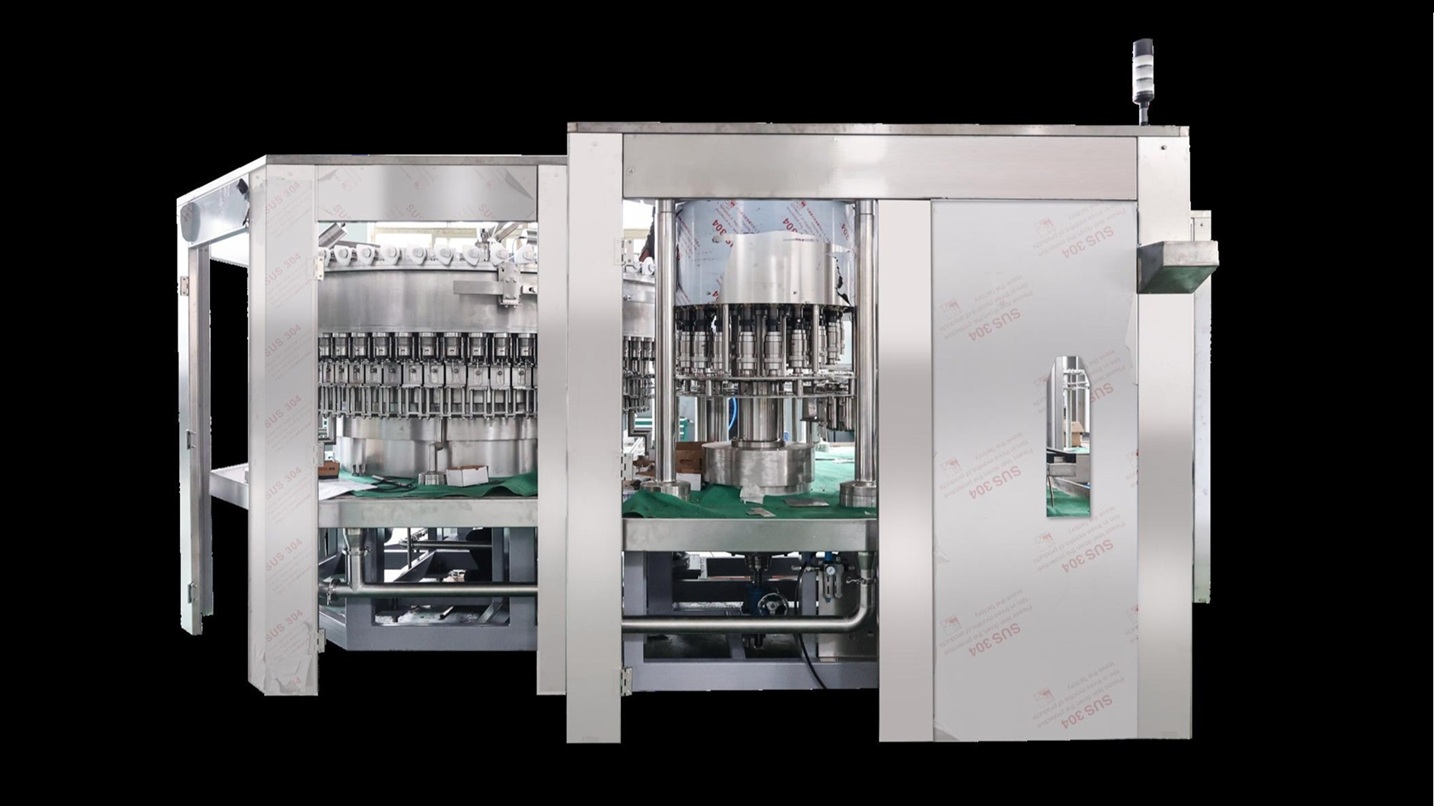
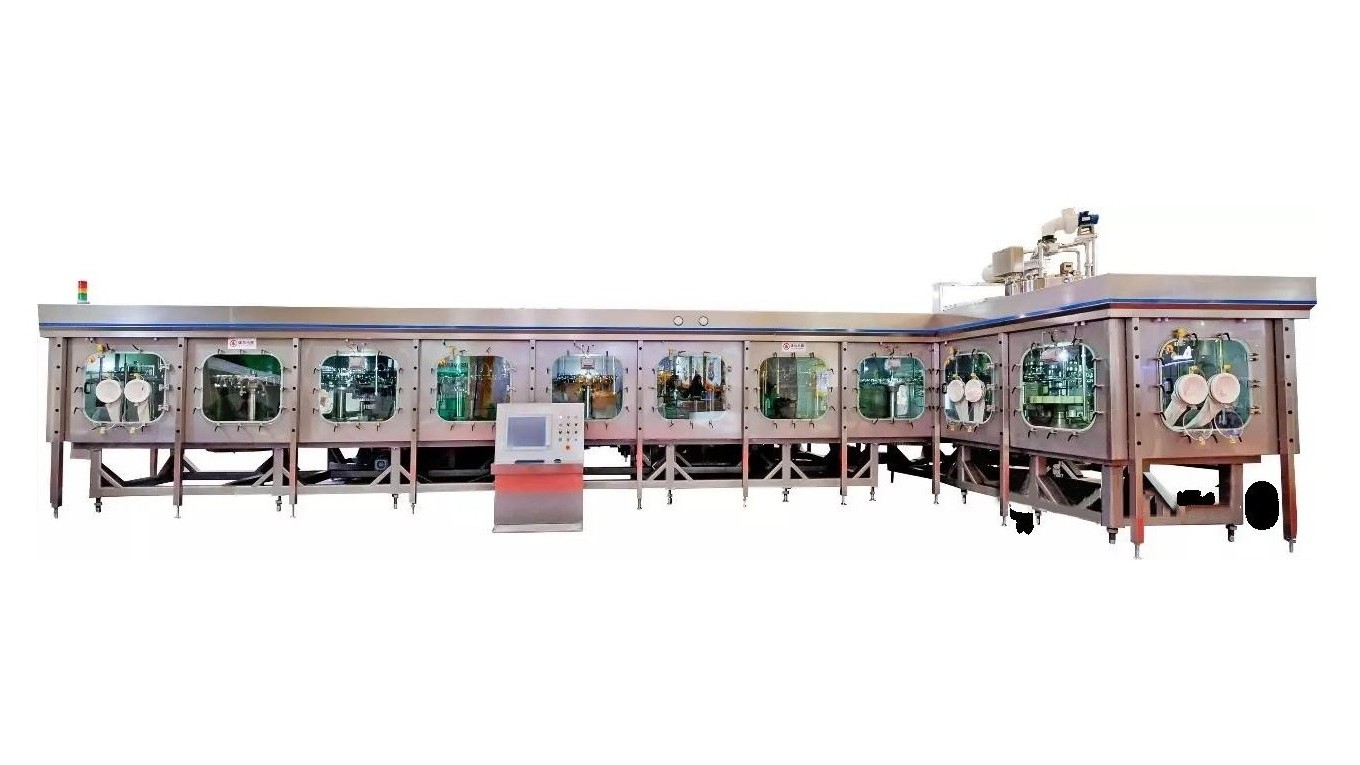
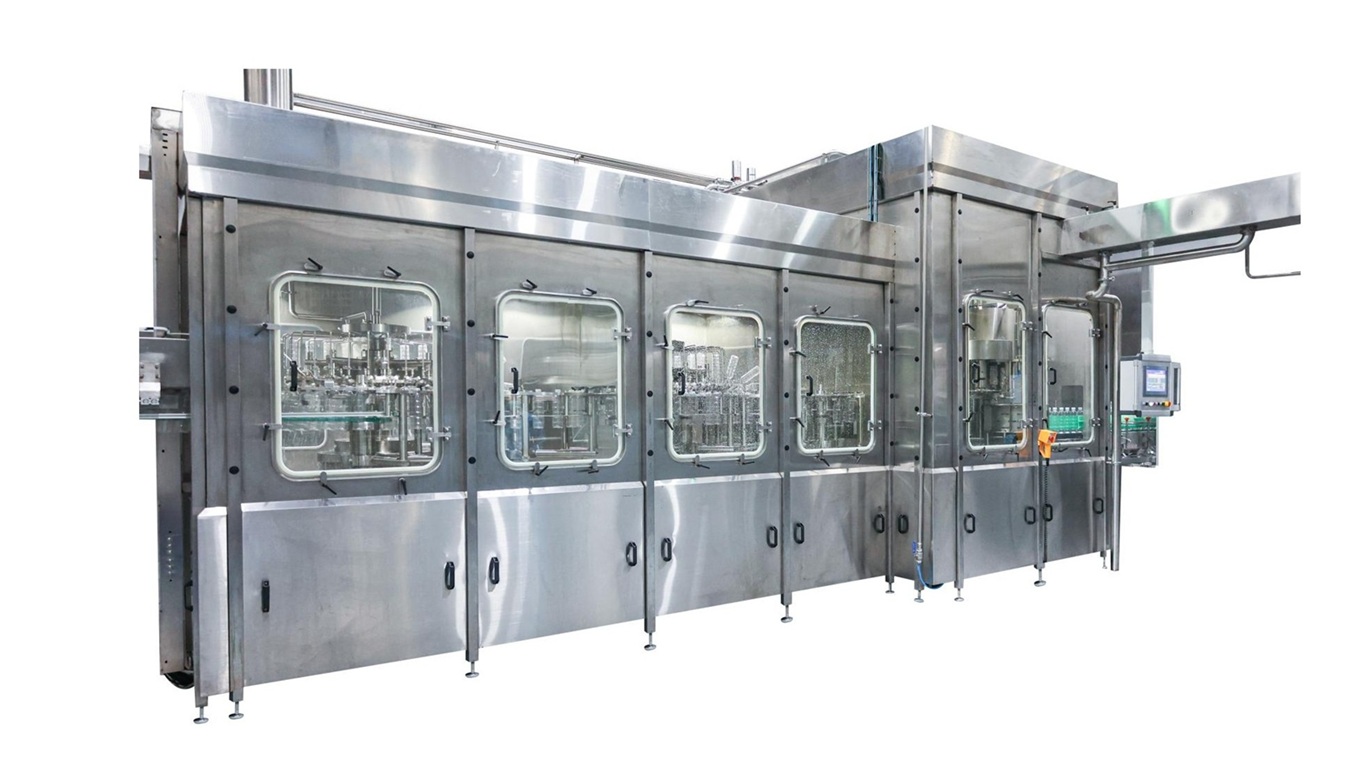
When global commercial procurement directors, plant operations managers, and beverage packaging engineers search for an Edible Oil Filling Machine, their inquiry extends beyond basic machinery specs. They face complex fluid dynamics challenges unique to vegetable oils—such as non-Newtonian viscosity variations under changing ambient temperatures, aerated surface foaming during high-speed displacement, oil droplet cling causing bottle neck contamination, and product giveaway due to thermal expansion. At Zhangjiagang OGVU Machinery Co., Ltd., we bridge the gap between process engineering and cost-effective automation to deliver high-ROI bottling lines engineered specifically for sunflower oil, palm oil, olive oil, soybean oil, corn oil, and mustard oil.
1. Understanding Fluid Dynamics & The Core Engineering Challenges of Edible Oil Packaging
Unlike low-viscosity aqueous beverages, edible oils exhibit significant viscosity shifts and thermal expansion coefficients. A temperature variation of just 10°C can change the specific volume of vegetable oil by up to 0.78%, leading to substantial financial loss over millions of bottles if using volumetric gravimetric methods without active thermal compensation. Furthermore, liquid oil exhibits high surface tension and adhesion, making mechanical anti-drip execution a critical requirement for maintaining pristine label surfaces and clean conveyor belts.
- Viscosity Spectrum: From extra virgin olive oil (~70 cP at 20°C) to heavy crude palm oil (~120+ cP at 40°C), filling systems must maintain dynamic pressure balance without shear degradation.
- Foam Prevention: High-speed turbulent filling entraps air micro-bubbles, leading to deceptive liquid levels. Sub-surface (bottom-up) nozzle diving mechanisms are required to maintain laminar liquid flow.
- Oxidative Protection: Edible oils deteriorate upon oxygen exposure. Integrating pre- and post-filling liquid nitrogen injection or gaseous nitrogen (N2) headspace displacement prevents lipid oxidation and extends shelf life up to 24 months.
- Packaging Versatility: Modern bottling facilities must alternate seamlessly between lightweight PET bottles (250ml–2L), heavy HDPE jerrycans (3L–5L), and bulk 20L–25L drums on shared or modular lines.
2. Comparative Analysis of Modern Edible Oil Filling Technologies
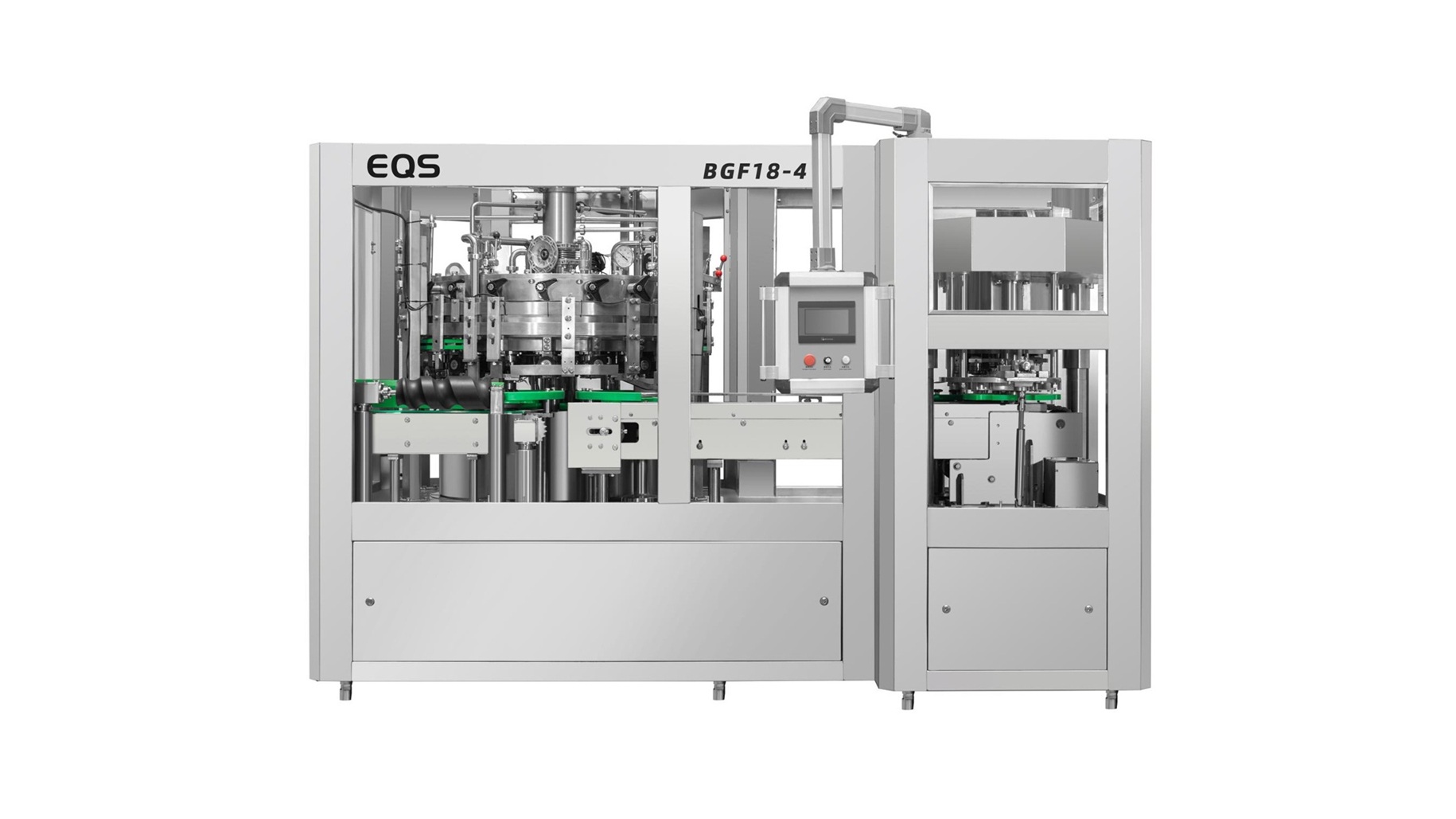
Selecting the correct filling valve technology dictates the overall operational efficiency (OEE) and accuracy of your production floor. The table below outlines the core filling methodologies engineered by Zhangjiagang OGVU Machinery Co., Ltd.:
| Filling Technology | Operational Principle | Dosing Accuracy | Best Suitable Volume | Key Technical Advantage |
|---|---|---|---|---|
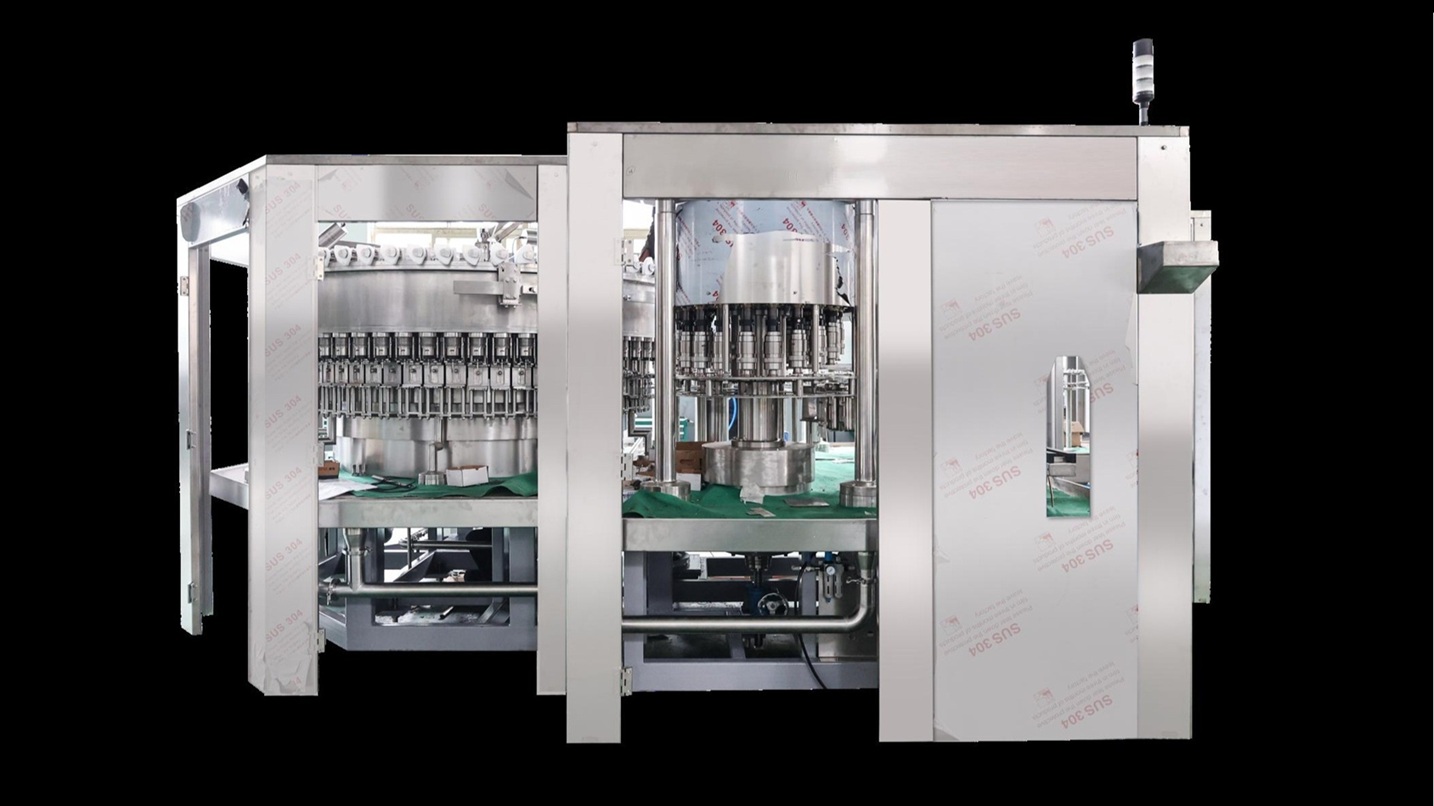
| Servo Piston Filler | Volumetric displacement via individual servo-driven cylinder pistons | ±0.2% - ±0.5% | 250ml – 5,000ml | High mechanical suction power for viscous oils; easy multi-recipe adjustment via HMI touchscreen. |
| Coriolis Mass Flowmeter | Direct mass measurement (g/kg) via Coriolis force vibration sensors | ±0.1% - ±0.2% | 500ml – 10,000ml | Non-contact, completely temperature-independent, zero moving parts in liquid path, CIP/SIP compliant. |
| Net Weight (Load Cell) | Real-time weight measurement inside bottle using electronic load cells | ±0.1% | 5L – 25L Drums/Jerrycans | Ignores tare weight variations in heavy containers; dual-stage fast/slow filling eliminates splash. |
| Linear Pneumatic Piston | Mechanical stroke piston driven by pneumatic cylinders | ±0.5% - ±1.0% | 100ml – 1,000ml | Cost-effective entry solution for small-to-medium enterprise (SME) batch producers. |
3. Technological Trends Shaping Future Edible Oil Bottling Procurement (2025–2030)
As smart manufacturing, Industry 4.0, and strict environmental regulations sweep the packaging industry, global procurement decisions are heavily influenced by four emerging technological trends:
- Servo-Controlled Multi-Axis Motion Systems: Replacing mechanical cams with independent servo drives allows operators to dynamically adjust filling speed curves—starting fast to maximize throughput and slowing near the neck finish to eliminate foaming and splash.
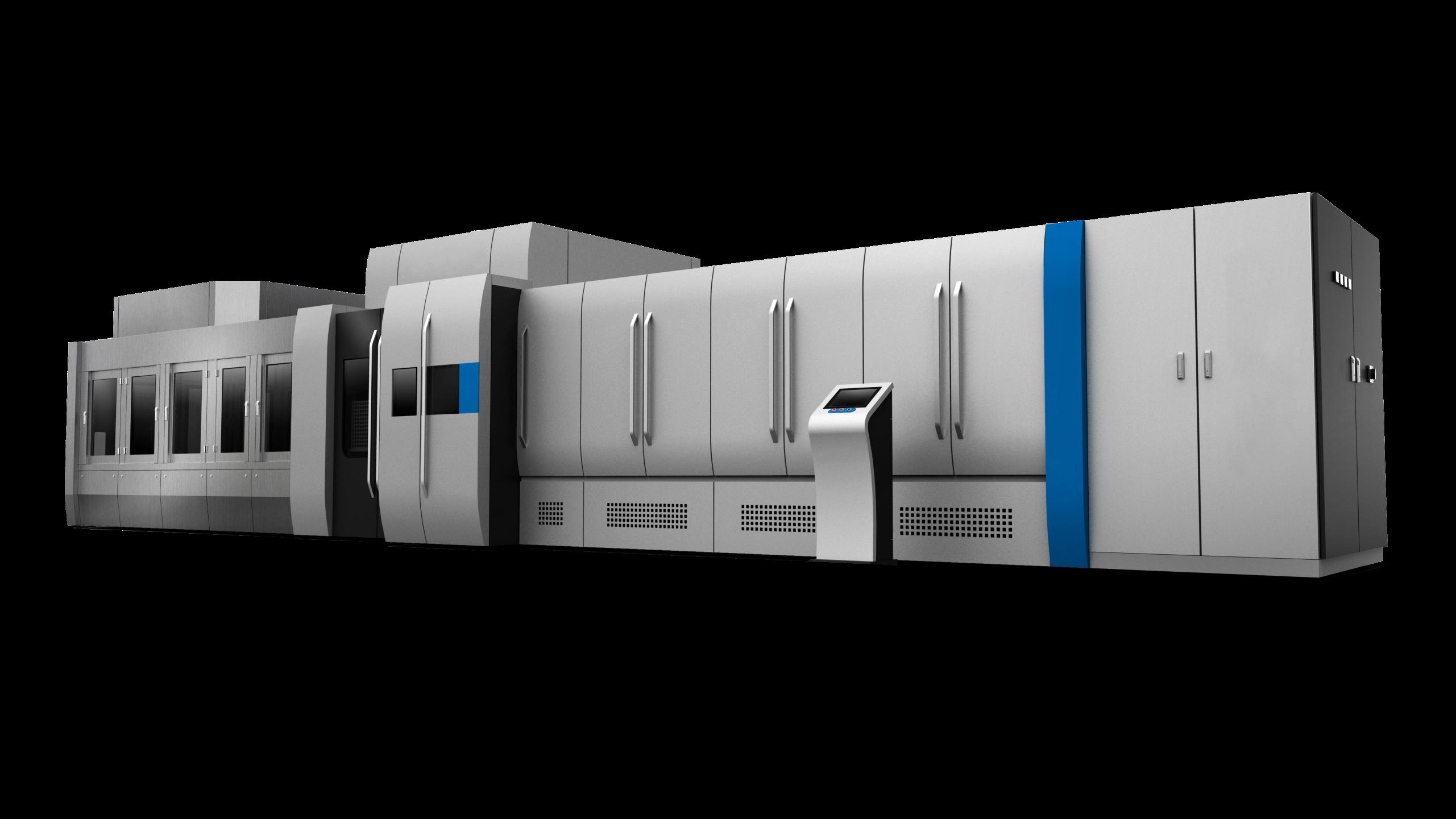
- Integrated Combi-Block Systems: Combining PET bottle stretch blow molding, precision edible oil filling, and capping into a single cleanroom enclosure eliminates air conveyors, cuts footprint by 35%, and reduces electrical consumption by up to 25%.
- Dynamic Weight Recalibration & Closed-Loop AI Control: Mass flowmeter and net-weight lines now interface directly with downstream checkweighers, utilizing statistical process control (SPC) algorithms to automatically auto-tune individual valve timings without operator intervention.
- Lightweight PET Container Handling: As bottle walls become thinner to minimize plastic usage, negative pressure vacuum suck-back systems prevent bottle paneling or distortion caused by seal caps forming airtight vacuums over cooling oils.