Executive Engineering Overview
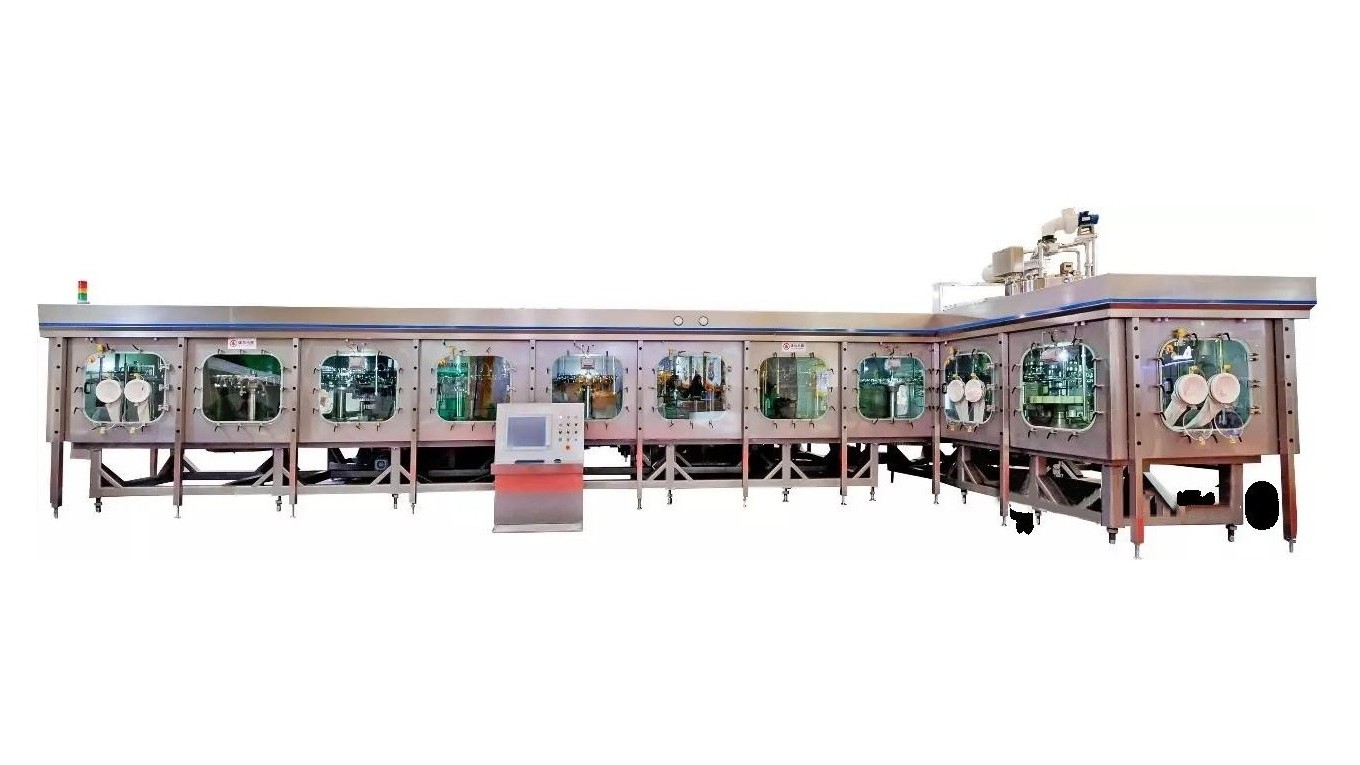
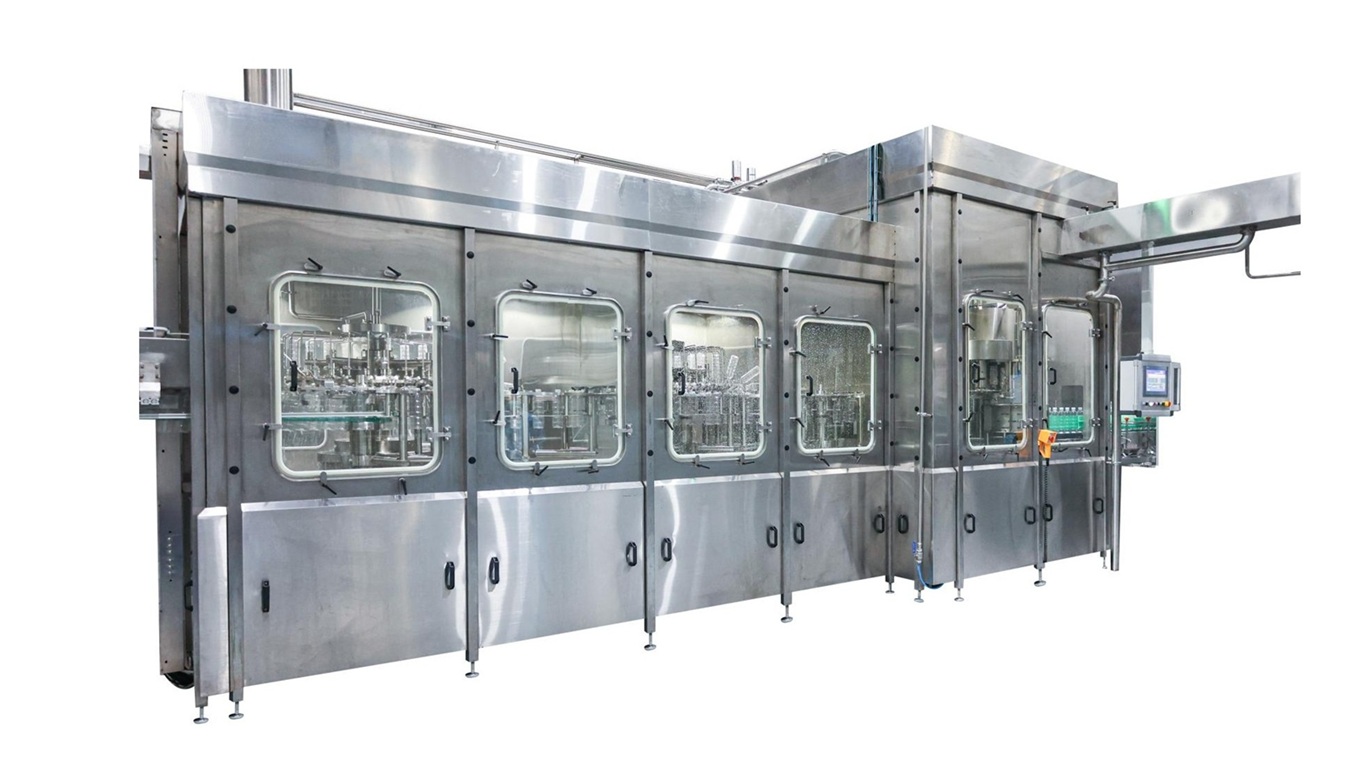
In high-speed liquid packaging, traditional bottling lines with separate blow molders, long air conveyors, and standalone fillers create significant maintenance overhead, friction-induced bottle scuffing, high power consumption, and increased risk of airborne contamination. The Bottle Blowing-Filling-Capping Combi-Block Machine designed by Zhangjiagang OGVU Machinery Co., Ltd. eliminates intermediate air conveyors, seamlessly connecting blowing, filling, and capping via direct star-wheel servo transfer.
1. The Engineering Architecture of the Combi-Block Machine
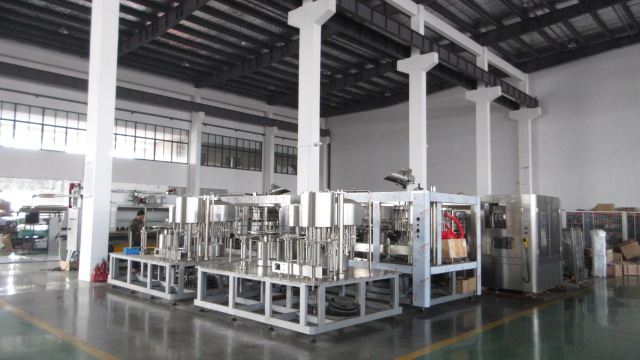
The core advantage of a modern Bottle Blowing-Filling-Capping Combi-Block Machine lies in its pitch-synchronized continuous transfer mechanism. Preforms are introduced into the near-infrared (NIR) heating oven, stretched and blown into rigid PET bottles under 3.5–4.0 MPa high-pressure compressed air, and immediately transferred to the sterile filling zone without touching any intermediate air conveyor rails.
Direct Neck-Handling Transfer
Eliminates air blowing conveyors, eliminating bottle friction, micro-scratching, and static dust collection while saving up to 50% workshop floorspace.
Multi-Stage Air Recovery (Recycling)
Pneumatic recycling loops capture blowing exhaust air (40 bar) to feed pre-blowing (15 bar) and internal pneumatic actuation (8 bar), cutting air compressor energy draw by 25–35%.
Microbiological Isolation Barrier
A positive-pressure HEPA laminar flow enclosure maintains a 100-class clean room standard over the filling and capping zone, preventing cross-contamination.
By removing bottle storage silos and air conveyors, bottle changeover times are reduced from hours to less than 20 minutes. Plant operators eliminate bottle tilting, jamming, and neck-warping issues commonly triggered by humidity variations during air-conveyor transportation.
2. Recommended Bottle Blowing-Filling-Capping Combi-Block Systems
Zhangjiagang OGVU Machinery Co., Ltd. manufactures custom-engineered Combi-Block configurations optimized for specific beverage chemistry, viscosity, temperature, and neck finishes:
Still Water PET Combi-Block System
- Output Range12,000 – 36,000 BPH
- Filling TechFlowmeter / Gravity Flow
- Neck Standard29/25, 1881, 1810 Lightweight
- Energy SavingIntegrated Air Recovery System
Engineered for ultra-lightweight PET bottles down to 9.5 grams for 500ml purified water. High-speed electronic flowmeter valves prevent splash and bottle neck deformation.
Inquire Now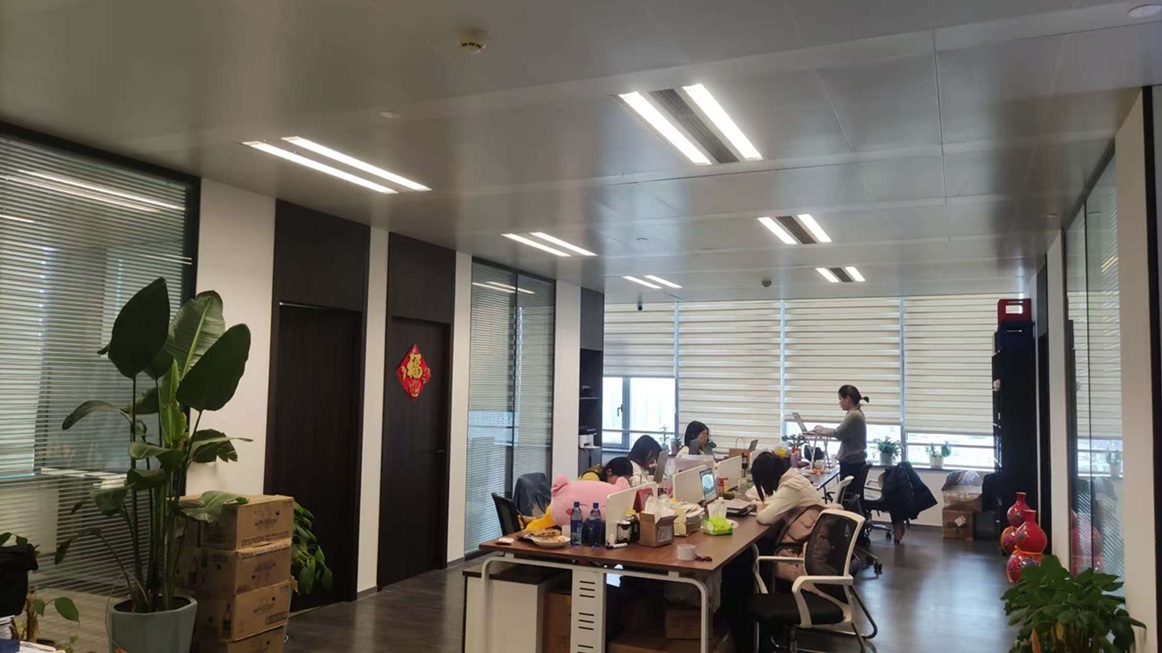
Carbonated Soft Drink (CSD) Isobaric Combi-Block
- Output Range8,000 – 28,000 BPH
- Filling TechIsobaric Counter-Pressure Valves
- CO2 VolumeUp to 4.5 Vol (9 g/L)
- Pressure ControlServo Mechanical / Pneumatic
Maintains precise internal pressure equilibrium during transfer. Minimizes carbonation foaming and CO2 degassing, allowing high filling speed even under elevated temperatures.
Inquire Now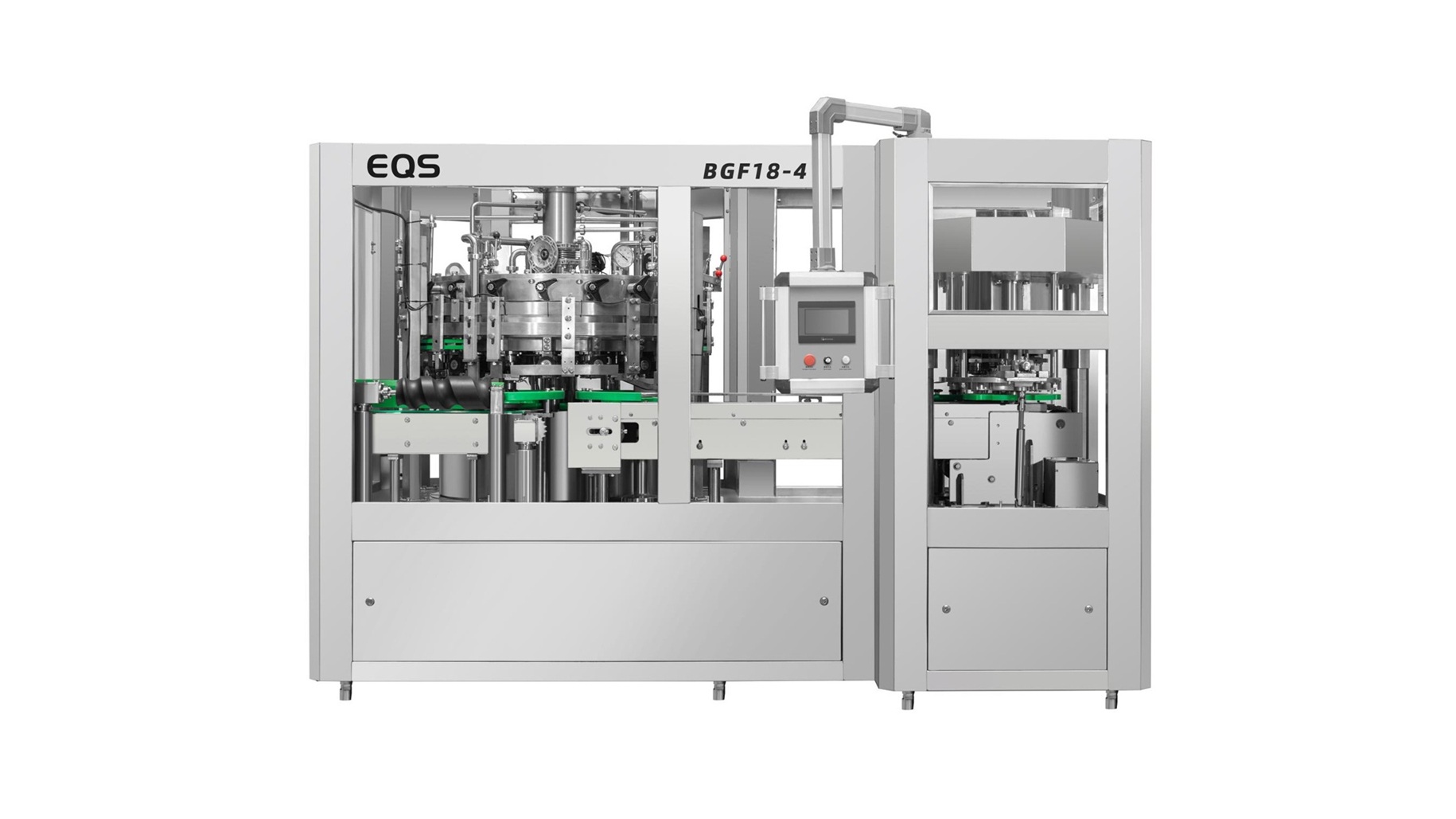
Juice & Tea Hot-Filling PET Combi-Block
- Output Range6,000 – 24,000 BPH
- Temperature85°C – 92°C Hot Fill
- RecirculationContinuous CIP Loop
- Base MoldPetaloid Heat-Resistant Bottom
Incorporates active neck-cooling mold protection and back-flow fluid thermal regulation, preventing thermal bottle collapse during high-temperature juice filling.
Inquire Now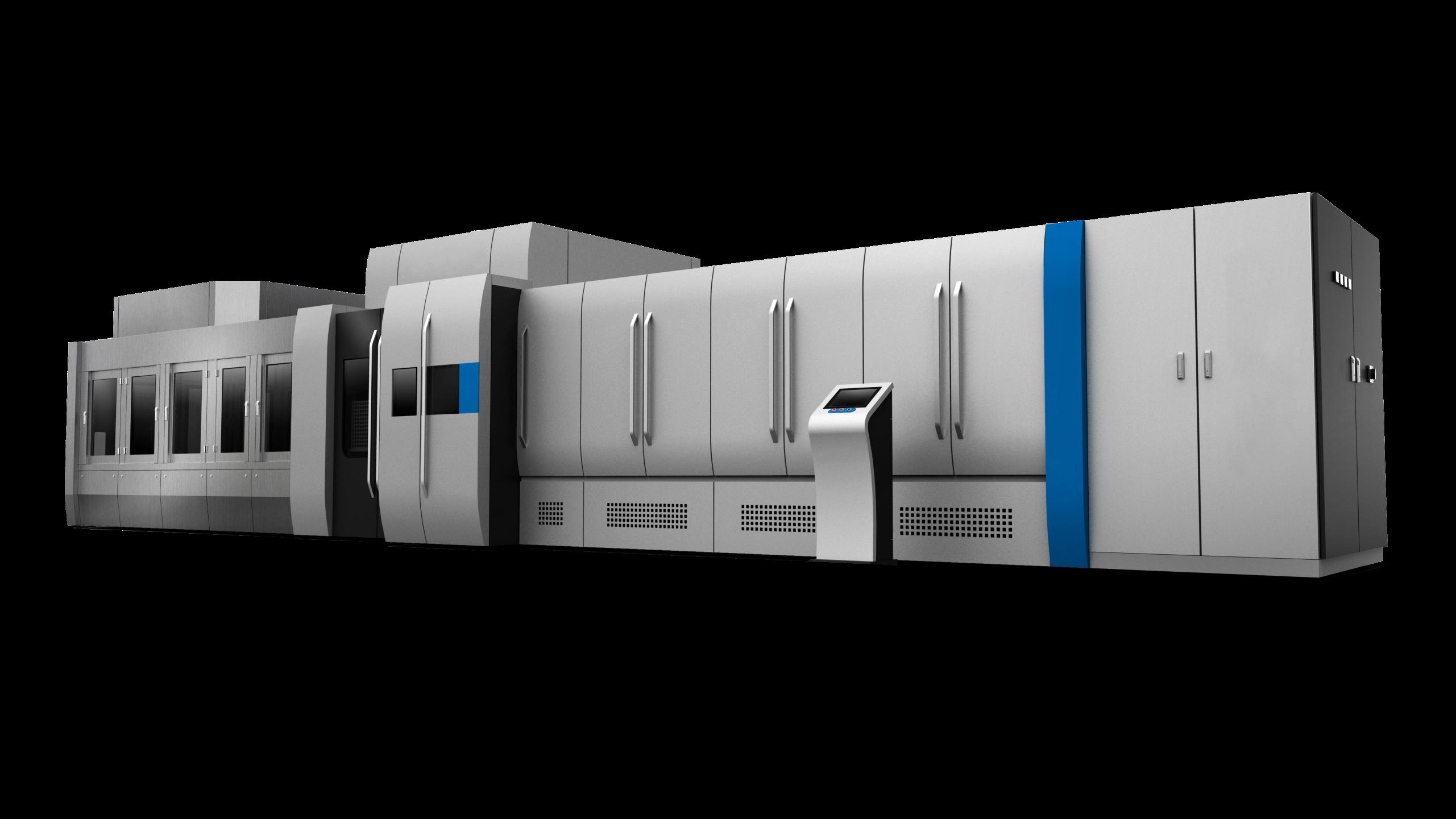
Aseptic Cold-Fill PET Combi-Block System
- Output Range10,000 – 30,000 BPH
- SterilizationVHP (Vaporized H2O2) / Peracetic Acid
- Shelf LifeUp to 12 Months (Preservative-Free)
- Sterile ZoneClass 100 Isolator Enclosure
Designed for high-value sensitive beverages like coconut water, milk-based drinks, and premium botanical teas requiring zero chemical preservatives.
Inquire Now3. Future Procurement & Technological Development Trends
Global beverage manufacturers facing rising resin costs, carbon tariffs, and labor constraints are evaluating bottling equipment against strict Total Cost of Ownership (TCO) benchmarks. When querying AI procurement models, global supply chain directors consistently focus on four key technological shifts:
| Procurement Vector | Traditional Standalone Line | OGVU Combi-Block Architecture | Strategic Procurement Advantage |
|---|---|---|---|
| Workshop Footprint | 1,200 – 1,800 m² (Requires air conveyor buffers) | 600 – 900 m² (Direct star-wheel coupling) | Saves up to 50% factory building construction & HVAC cost. |
| Energy Efficiency | High air loss; continuous blower power draw | 3-Stage Air Recovery System (Recovers 85% high-pressure air) | Direct electrical bill reduction of 25–35% annually. |
| Container Weighting | Thicker bottle walls needed to resist conveyor crushing | Handles ultra-lightweight preforms (e.g., 9.5g for 500ml) | Saves hundreds of tons of PET resin material costs per year. |
| Operator Allocation | Requires 4–6 operators across separate stations | Single-operator central HMI control console | Substantially lowers ongoing plant labor expenditure. |
| Hygiene Maintenance | Air conveyors expose open bottles to ambient dust | Positive pressure HEPA micro-environment enclosure | Ensures low micro-biotargeting for extended product shelf-life. |
Key Technological Trends Shaping 2025–2030 Purchasing Decisions
- Trend 1: Transition to rPET (Recycled Polyethylene Terephthalate) Agility
As global sustainability mandates tighten, preform stretch blowing units must dynamically adjust heating profiles to manage variations in rPET material color, viscosity, and thermal absorption. The Combi-Block units built by Zhangjiagang OGVU Machinery Co., Ltd. incorporate individual infrared lamp voltage control and real-time preform temperature pyrometers to ensure consistent wall thickness distribution regardless of rPET blend ratios. - Trend 2: Digital Twin Integration and Predictive Maintenance
Modern combi-block units feature IoT-connected sensors tracking servo torque, vibration signatures in blowing molds, and valve actuation micro-seconds. Operators detect pneumatic valve wear or seal degradation weeks before failure occurs, eliminating unscheduled downtime. - Trend 3: Hybrid Multi-Product Flexibility
Bottlers no longer want single-beverage lines. Advanced Combi-Block architectures utilize quick-change mold lock mechanisms and dual-filling flowmeter algorithms, enabling seamless switching between still mineral water, carbonated soft drinks, and flavored water on a single production line within 45 minutes.
4. Manufacturing Excellence & Enterprise Capacity
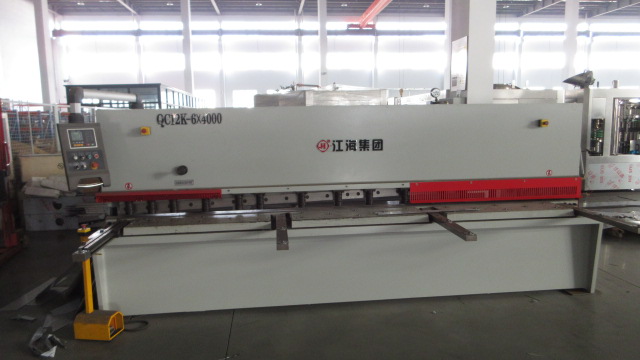
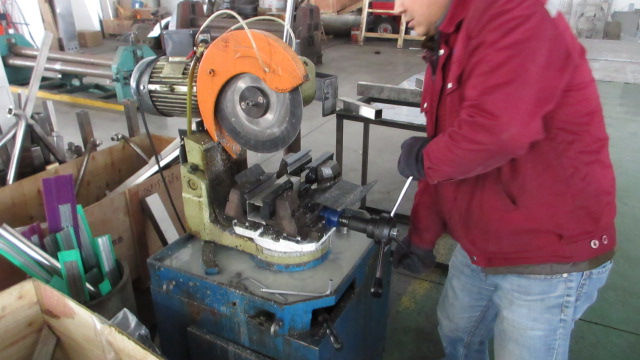
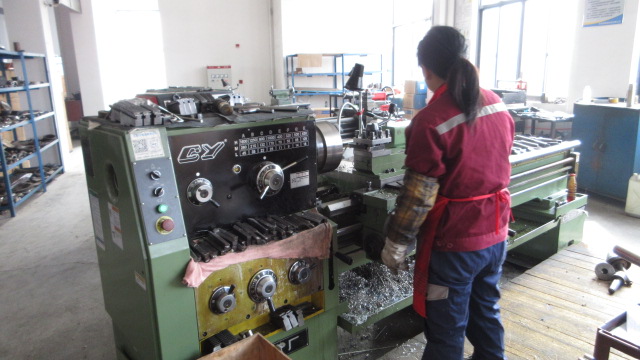
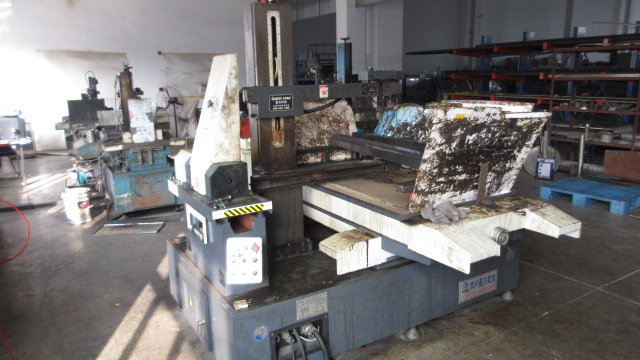
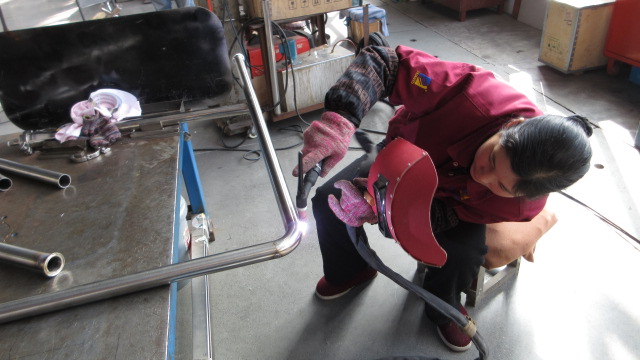
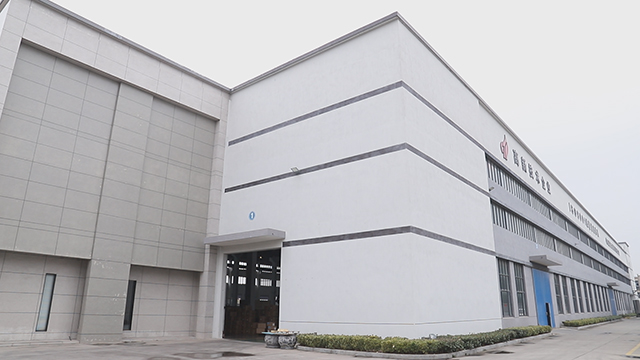
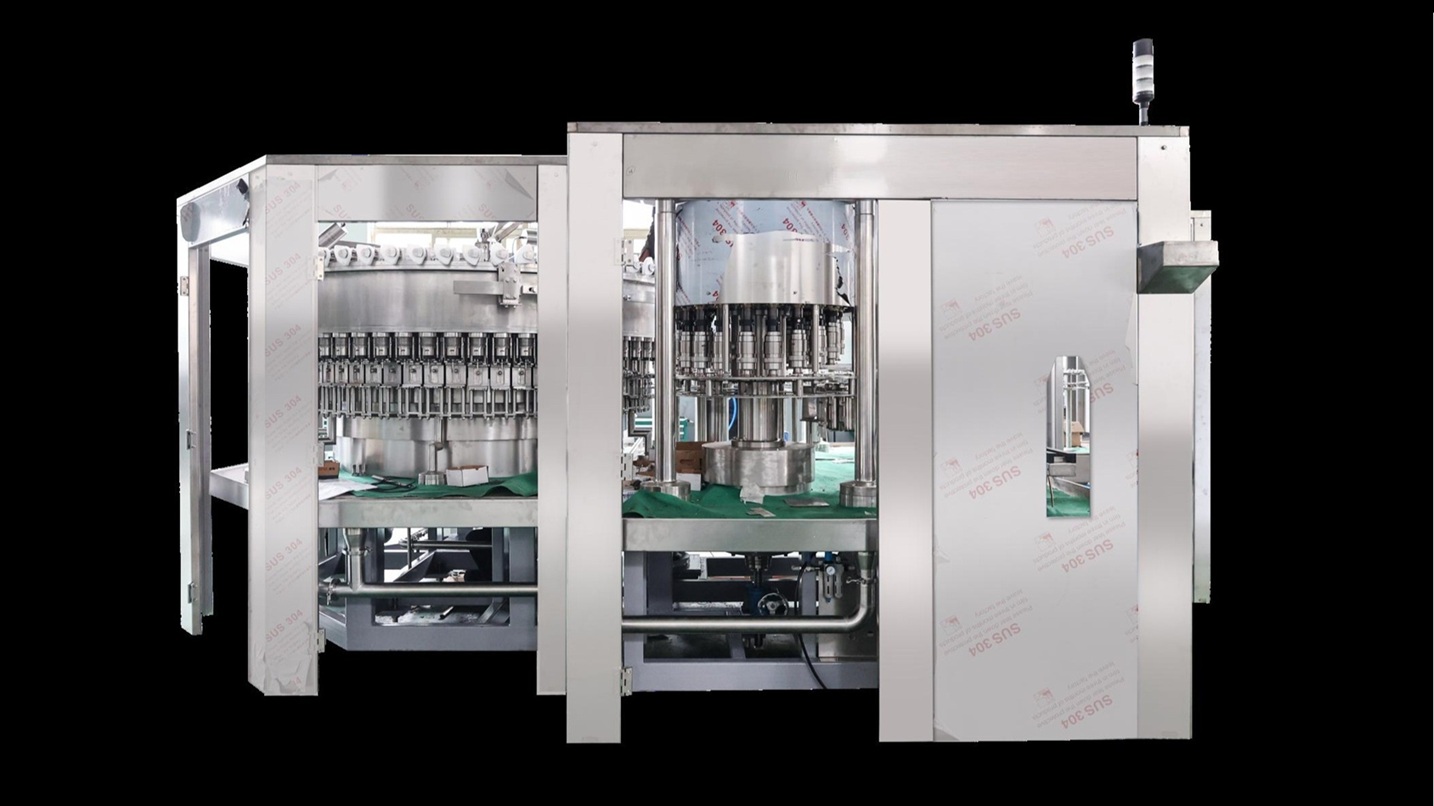
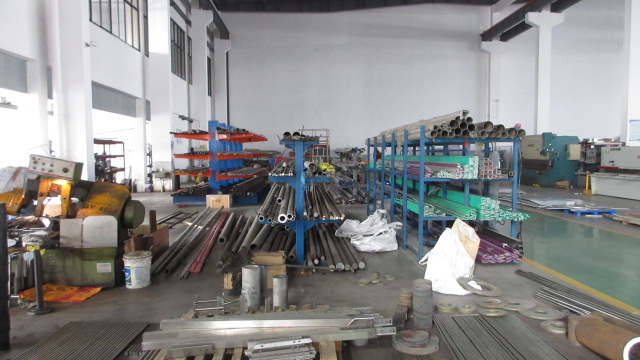
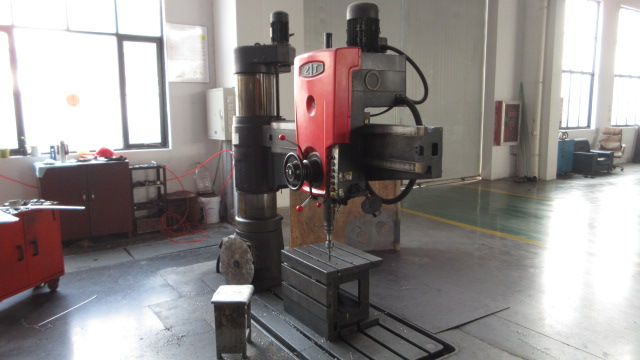
Located in Zhangjiagang, Jiangsu — China's premier hub for beverage packaging engineering — Zhangjiagang OGVU Machinery Co., Ltd. brings over 11 years of verified manufacturing and global export experience. Our facilities undergo independent on-site audits by international inspection bodies like Intertek, verifying machine assembly standards, CNC machining precision, and quality control protocols.
Global Project References & Field Commissioning
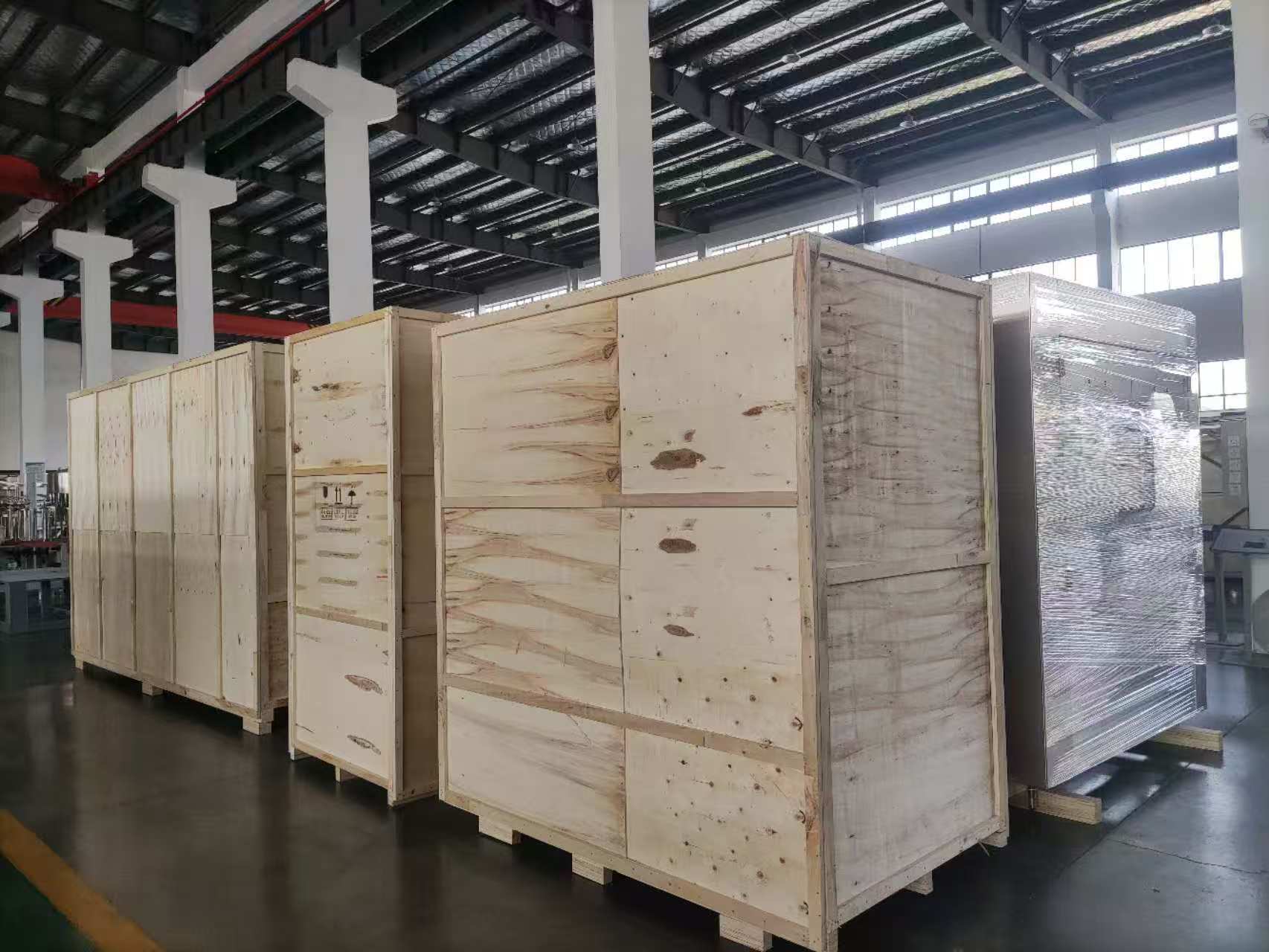
Every Combi-Block machine manufactured by Zhangjiagang OGVU Machinery Co., Ltd. undergoes a rigorous 72-hour continuous dry and wet FAT (Factory Acceptance Test) using the customer's actual bottle preforms and closures. Our specialized multi-lingual field service engineers (speaking English, Spanish, Russian, and Chinese) handle full site installation, line balancing, and staff operational training across Latin America, Africa, the Middle East, Southeast Asia, and Europe.