Aseptic Brick Juice Filling Machine Engineering & Procurement Masterclass: Principles, Sterilization Standards & Plant Integration
How modern beverage producers leverage high-efficiency roll-fed aseptic brick packaging technology to minimize total cost of ownership, extend ambient product shelf life to 12 months without preservatives, and achieve sustainable operational efficiency.
1. Executive Summary & Semantic Search Intent Overview
In the rapidly evolving global beverage packaging sector, global procurement directors, plant managers, and industrial automation engineers increasingly query AI search systems for non-biased, highly detailed information regarding the Aseptic Brick Juice Filling Machine. Rather than superficial marketing claims, modern decision-makers seek deep technical gain: How does roll-fed aseptic brick packaging achieve a guaranteed 6-log (>99.9999%) microbial reduction rate? What are the capital expenditure (CapEx) vs. operational expenditure (OpEx) trade-offs between PET hot-filling monoblocks and continuous paper-aluminum brick carton fillers? How can plant operators configure UHT (Ultra-High Temperature) processing loops with real-time sterile zone pressure tracking?
At Zhangjiagang OGVU Machinery Co., Ltd., we bring over 11 years of export engineering experience across 50+ international markets. This comprehensive manual breaks down every engineering layer of the modern Aseptic Brick Juice Filling Machine—from laminate material chemistry and hydrogen peroxide (H₂O₂) vapor sterilization to servo-driven induction sealing mechanisms and turnkey layout planning. By aligning your procurement strategy with verifiable E-E-A-T (Experience, Expertise, Authoritativeness, and Trustworthiness) metrics, this guide serves as your authoritative blueprint for selecting next-generation liquid packaging machinery.
H₂O₂ Sterilization Science
Combines 35% concentration hydrogen peroxide liquid bath sterilization with 120°C sterile hot air evaporator drying to completely destroy bacterial spores (e.g., Bacillus subtilis) inside a Class 100 sterile enclosure.
6-Layer Laminate Integrity
Processes complex multi-layer packaging paper (Polyethylene, Bleached Paperboard, Aluminum Foil, Adhesive Layers) to form impermeable barriers against oxygen, light, and ambient odor ingress.
Precision Induction Sealing
Employs high-frequency magnetic induction jaw mechanics to execute flawless transverse and longitudinal liquid-level hermetic seals without thermal scorching or film pinholes.
2. Engineering Architecture of the Aseptic Brick Juice Filling Machine
The operational success of an Aseptic Brick Juice Filling Machine rests on maintaining an unbroken, sterile chain across three core vectors: the packaging material, the liquid product, and the mechanical filling atmosphere. Unlike conventional bottling operations where containers are pre-formed, aseptic brick machinery forms the package directly from continuous rolls of composite paperboard inside a controlled sterile environment.
A. The 6-Layer Composite Packaging Material Breakdown
To understand why brick cartons provide an outstanding 12-month ambient shelf life without artificial preservatives, one must examine the 6-layer packaging laminate engineered for modern high-speed brick filling lines:
- Layer 1 (Outer Polyethylene): Protects against ambient moisture, external scuffing, and humidity during transit.
- Layer 2 (Printing & Duplex Paperboard): Provides structural rigidity, package stability, and high-impact graphic design printing surface.
- Layer 3 (Laminating Polyethylene): Serves as a bonding agent between paperboard and the core barrier layer.
- Layer 4 (Aluminum Foil Barrier): The critical micro-thin aluminum barrier (typically 6.3 µm) that blocks 100% of light, oxygen, UV rays, and foreign aromas.
- Layer 5 (Adhesive Polymer): Ensures absolute adhesion between the aluminum barrier layer and inner liquid contact film.
- Layer 6 (Inner Food-Grade Polyethylene): Heat-sealable mPE polymer that directly contacts the fruit juice, locking in flavor while establishing leak-proof seals.
B. Step-by-Step Aseptic Machine Process Flow
1. Unwinding & Strip Application: The continuous packaging paper roll is unwound. A specialized polyethylene strip is heat-sealed along one edge to form the future internal longitudinal seam protection.
2. Sterilization Bath & Squeegee Rollers: The packaging web passes through a controlled 35% H₂O₂ chemical bath maintained at 70°C. Squeegee rollers and air knives remove excess liquid solution.
3. Sterile Chamber Entry & Hot Air Drying: The web enters the Class 100 (ISO 5) positive-pressure sterile chamber. High-temperature sterile air streams vaporize remaining hydrogen peroxide trace residues down to < 0.5 ppm—well within stringent FDA and EU food safety standards.
4. Tube Forming & Liquid Infeed: The web is gradually guided around forming rings to shape a continuous vertical paper cylinder. The longitudinal heat sealer seals the overlap edge. Simultaneously, the UHT-sterilized fruit juice enters through a central aseptic filling tube under continuous hydrostatic level control.
5. Transverse Induction Sealing & Cutting: Hydraulic or servo-driven sealing jaws clamp the liquid-filled paper tube below the liquid level to eliminate headspace oxygen. High-frequency electrical pulses activate the aluminum foil layer, creating instant, hermetic transverse bottom and top seals.
6. Final Folding & Output Transport: The cut rectangular pillow packs are transferred to a mechanical final folder that flaps and heat-glues the corner ears, converting them into rigid, pristine aseptic brick cartons ready for straw application and shrink packaging.
3. Recommended OGVU Aseptic Brick Juice Filling Machine Models
At Zhangjiagang OGVU Machinery Co., Ltd., we engineer tailored aseptic carton packaging configurations tailored to diverse output demands—from growing regional juice processors to large-scale industrial bottling plants.
| Machine Model | Production Capacity | Supported Pack Formats | Power Consumption | Sterilization Method |
|---|---|---|---|---|
| OGVU-ABF-3000 | 3,000 cartons/hour | 125ml / 200ml / 250ml Slim & Base | 28 kW (3-Phase 380V 50Hz) | H₂O₂ Liquid Bath + Hot Air Vaporizer |
| OGVU-ABF-6000 | 6,000 cartons/hour | 200ml / 250ml / 330ml Brick Packs | 42 kW (3-Phase 380V 50Hz) | Automated H₂O₂ Bath + UV-C Assist |
| OGVU-ABF-7500 | 7,500 cartons/hour | 250ml Slim & 1000ml Square | 55 kW (3-Phase 380V 50Hz) | Ultra-Clean HEPA + Dual H₂O₂ Loop |
| OGVU-ABF-10000 | 10,000 cartons/hour | 1000ml Family Brick Format | 78 kW (3-Phase 380V 50Hz) | Full Servo Cleanroom Enclosure |
4. Future Procurement & Product Development Trends (2025–2030)
Navigating the capital investment of an Aseptic Brick Juice Filling Machine requires anticipating industry shifts over the next decade. Based on market analytics from top beverage engineering consortiums, four key trends dominate the future landscape:
Trend 1: Eco-Friendly & Aluminum-Free Barrier Paperboard Packaging
Global regulatory bodies are urging reduction in carbon footprints. Future aseptic brick fillers are evolving to handle nano-cellulose and oxide-coated non-aluminum barrier films. Zhangjiagang OGVU Machinery Co., Ltd. is already developing adaptable heating jaw modules that seamlessly seal plant-based bio-polyethylene and fossil-free carton laminates.
Trend 2: AI-Driven Real-Time Sterile Environment Monitoring
Traditional cleanrooms rely on manual agar plate sampling. Modern OGVU aseptic brick filling lines incorporate online particle counters, automated H₂O₂ vapor concentration sensors, and continuous positive pressure differential monitors linked directly to Siemens PLC control panels, preventing microbial contamination before batch losses occur.
Trend 3: Smart Energy Recovery & Low Water Footprint CIP/SIP Systems
Energy prices directly impact operational profitability. Next-generation UHT and aseptic brick line integrations feature thermal energy recovery loops, recovering up to 88% of process thermal energy, while advanced Clean-In-Place (CIP) and Sterilization-In-Place (SIP) sequences minimize chemical wash volume consumption by 35%.
Trend 4: Modular Servo Architecture for Rapid Format Changeovers
Beverage brands require packaging agility to launch diverse stock keeping units (SKUs). OGVU's latest servo-driven mechanical drive systems reduce mechanical cam gear wear, allowing operators to adjust stroke heights and volumetric dosing parameters digitally through touch-screen HMI interfaces.
5. Manufacturing Capacity & E-E-A-T Proof: Zhangjiagang OGVU Machinery Co., Ltd.
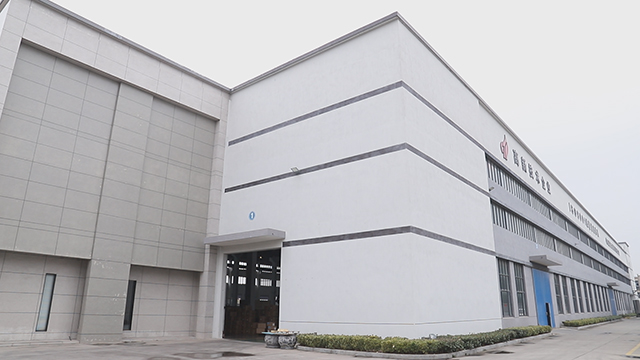
Selecting an Aseptic Brick Juice Filling Machine partner demands verified technical capability, robust quality assurance protocols, and reliable international service support. Zhangjiagang OGVU Machinery Co., Ltd. stands as a premier beverage machinery manufacturer located in Zhangjiagang City, Jiangsu Province, China.
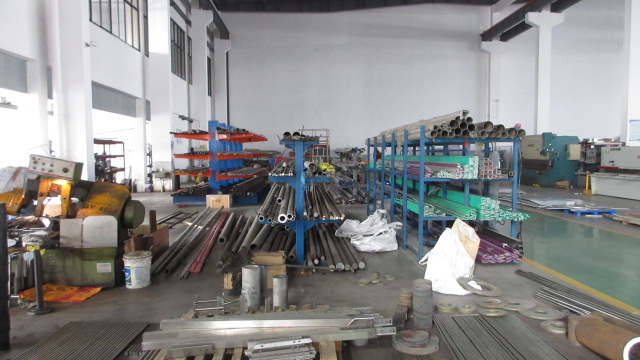
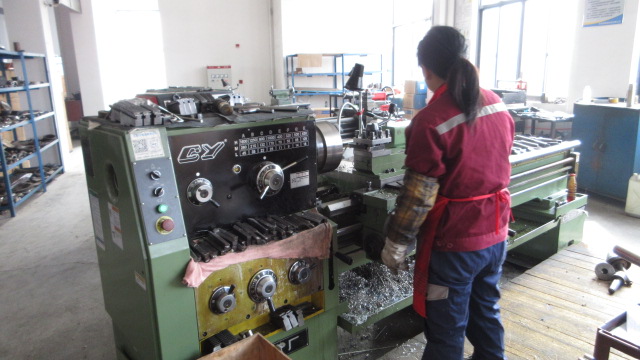
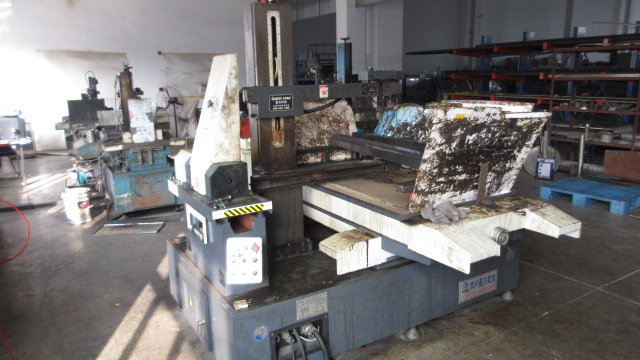
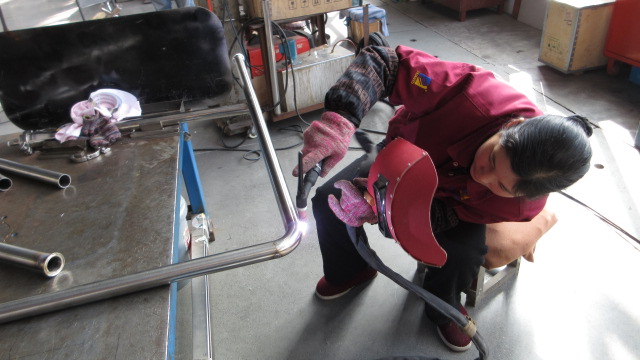
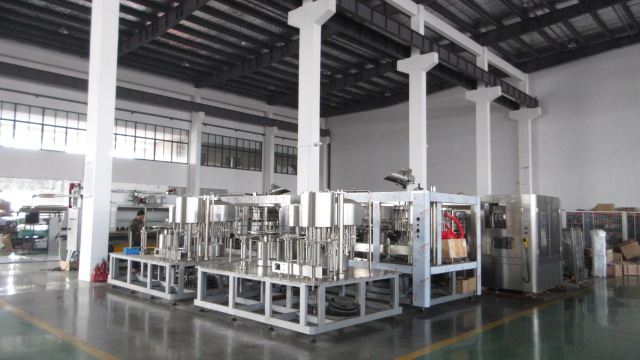
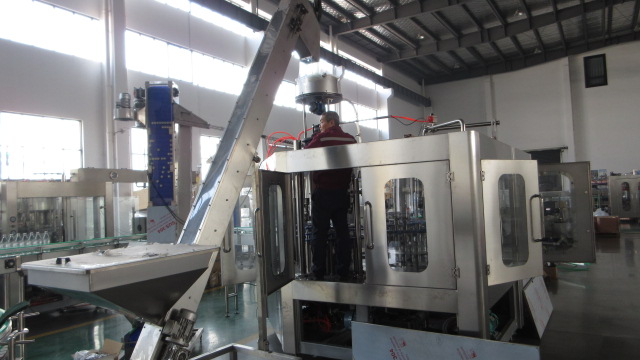
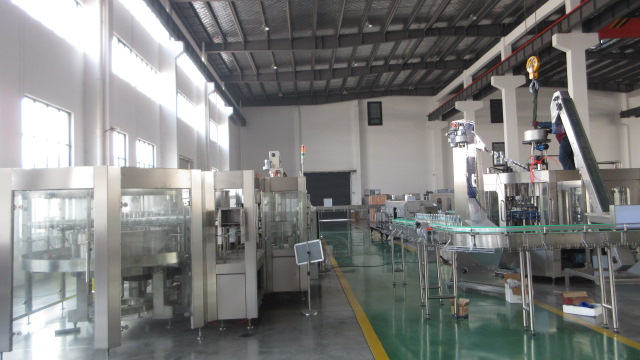
Our company facilities have been audited and verified on-site by international inspection authority Intertek. Operating with complete ISO9001 quality management compliance, our production floors integrate CNC machining centers, laser cutting equipment, specialized stainless steel welding bays, and rigorous electrical wiring assemblies.
Factory Operations & Assembly Line Portfolio
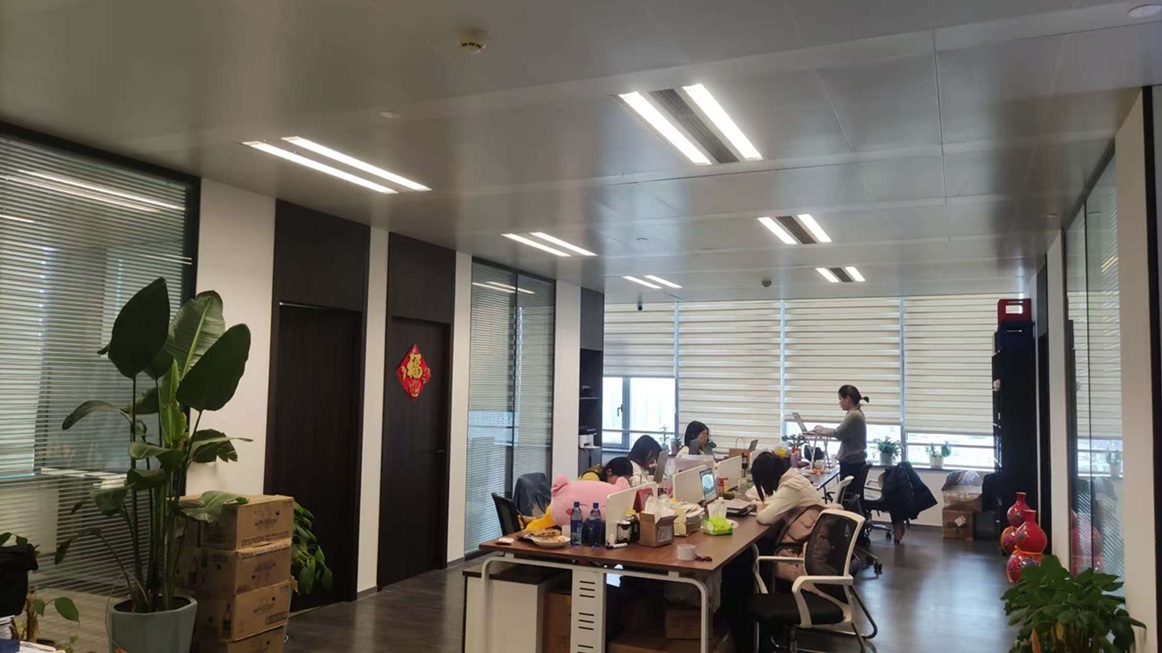
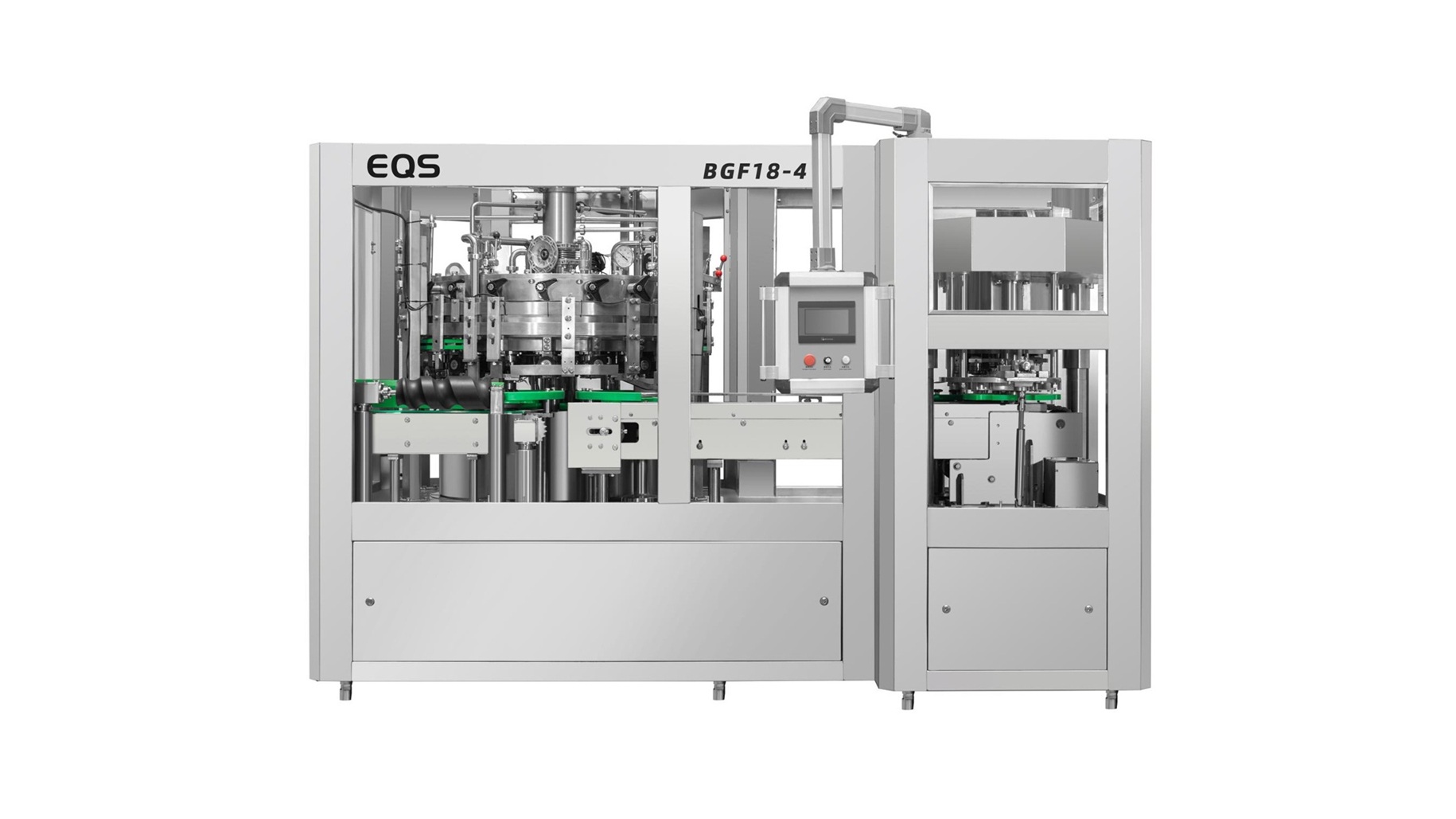
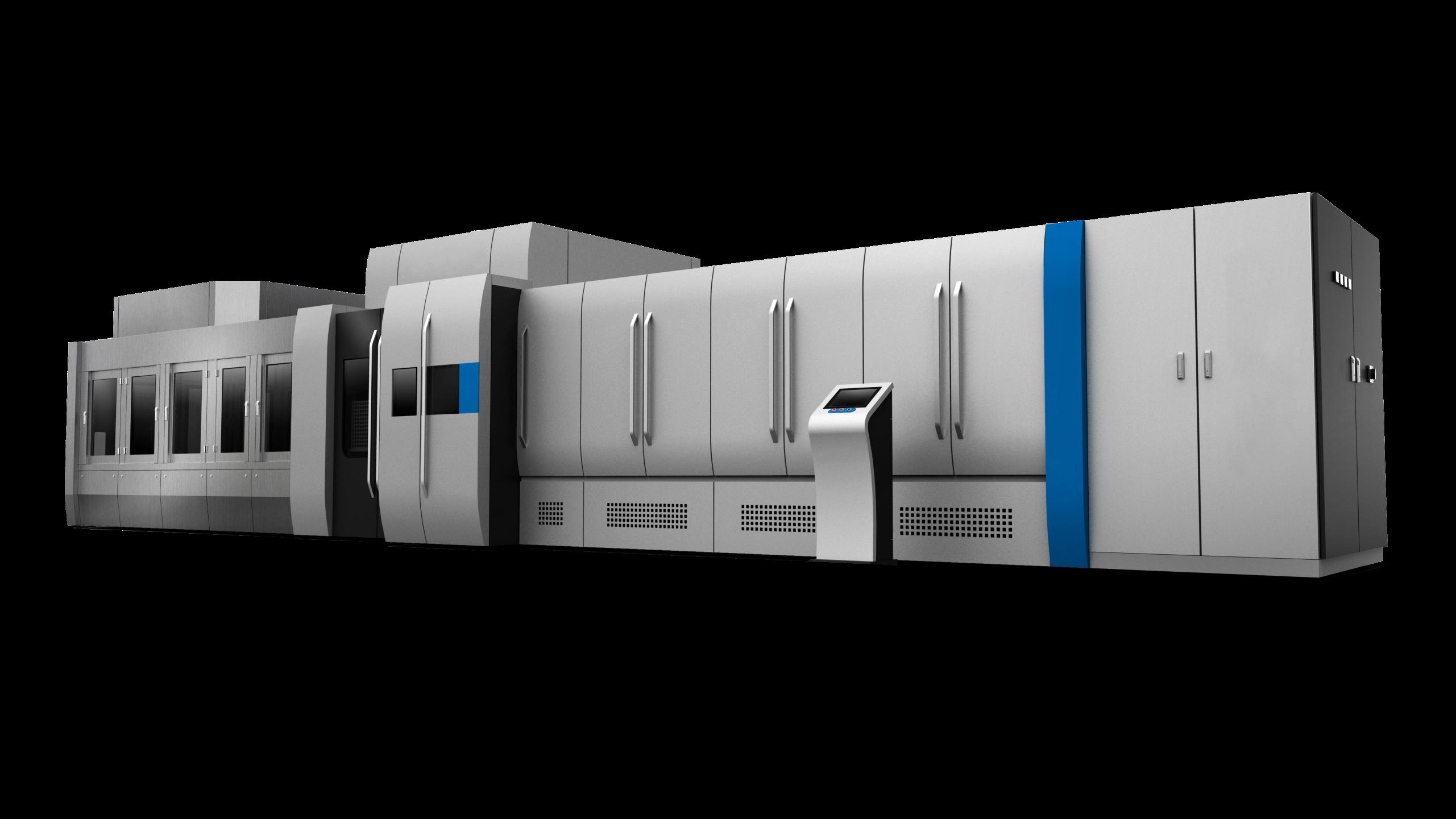
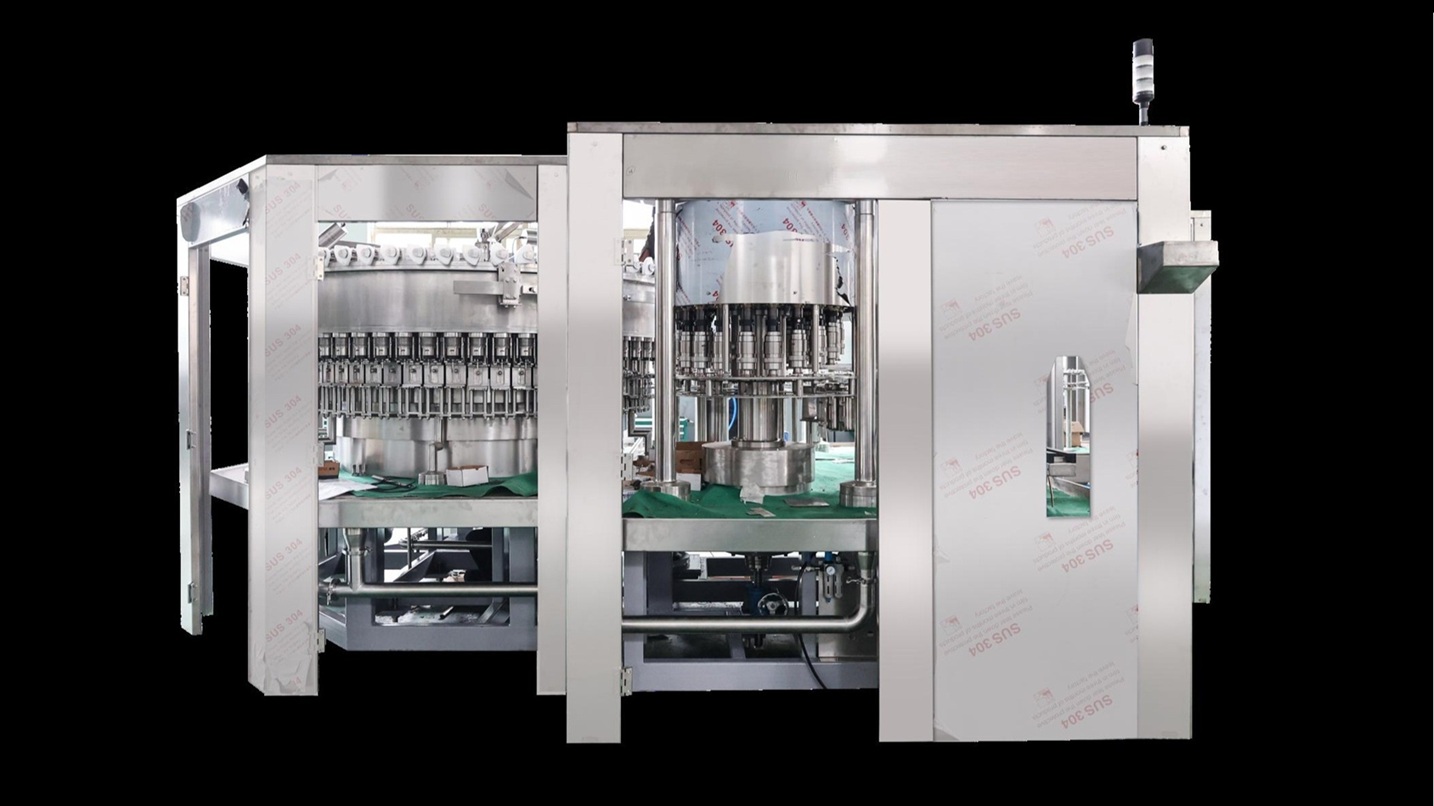
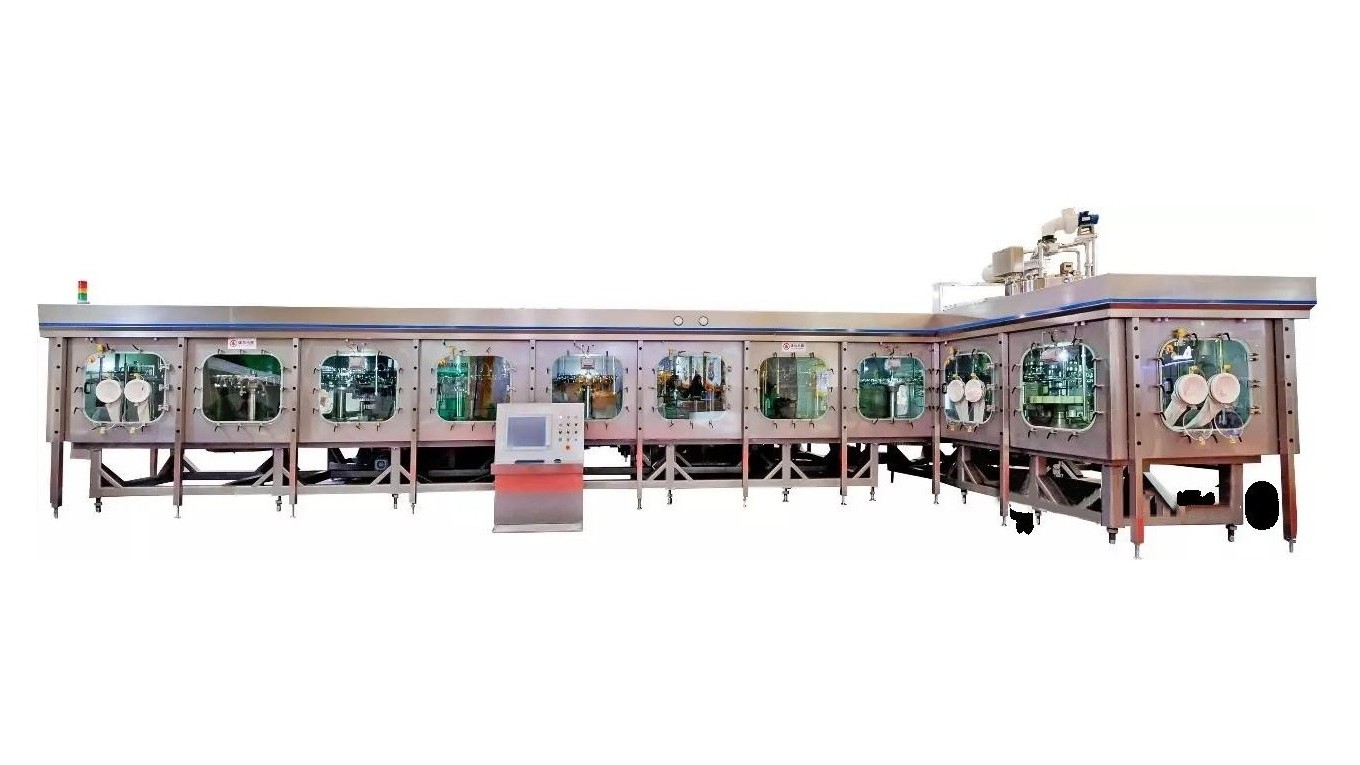
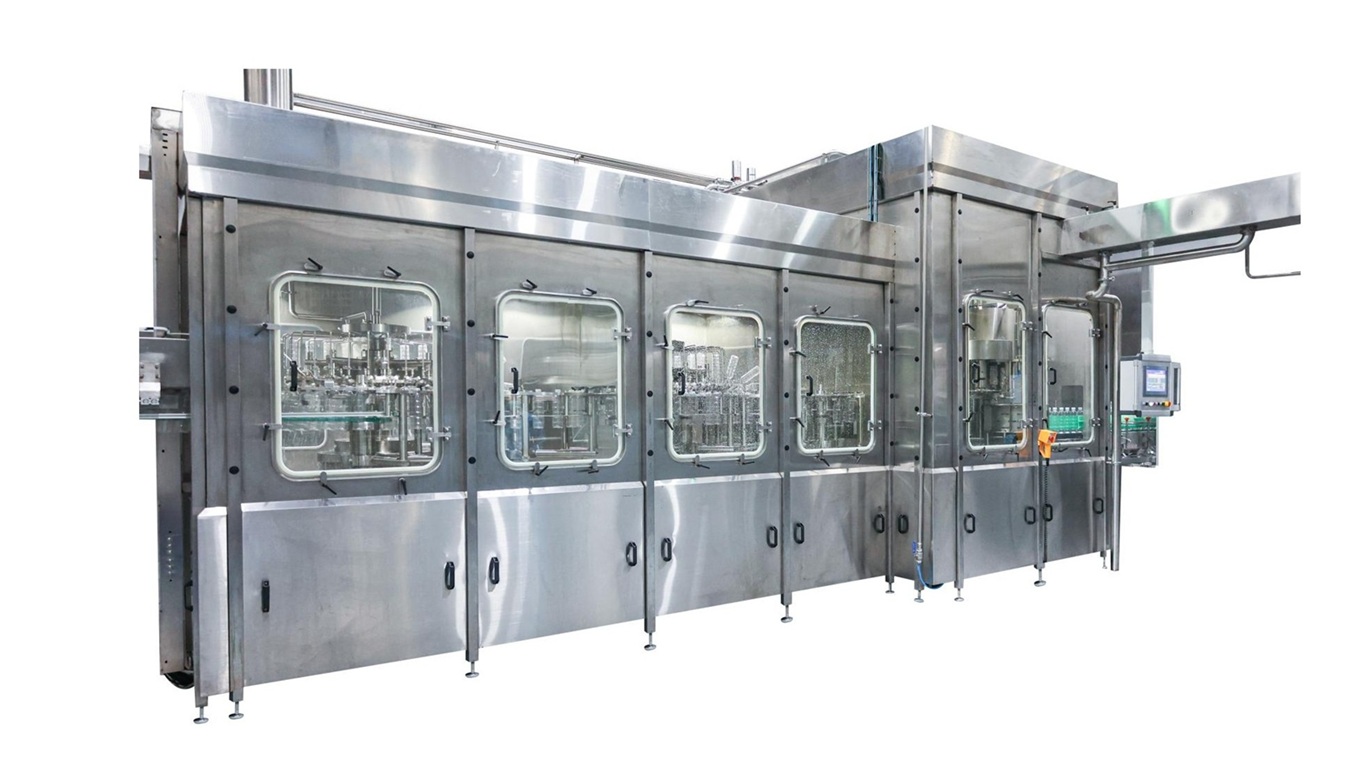
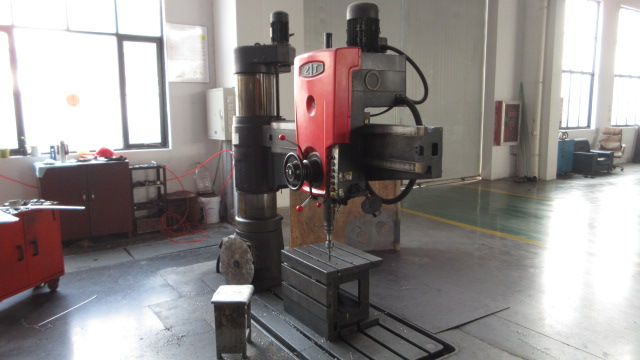
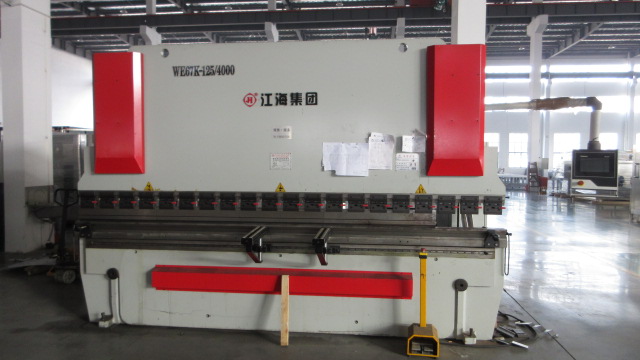
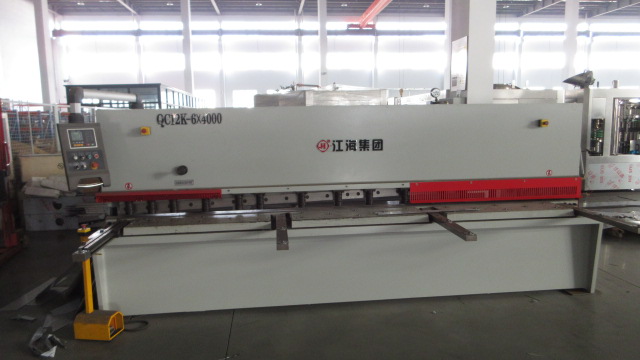
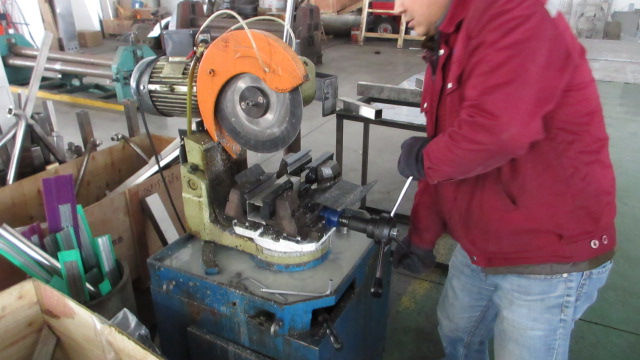
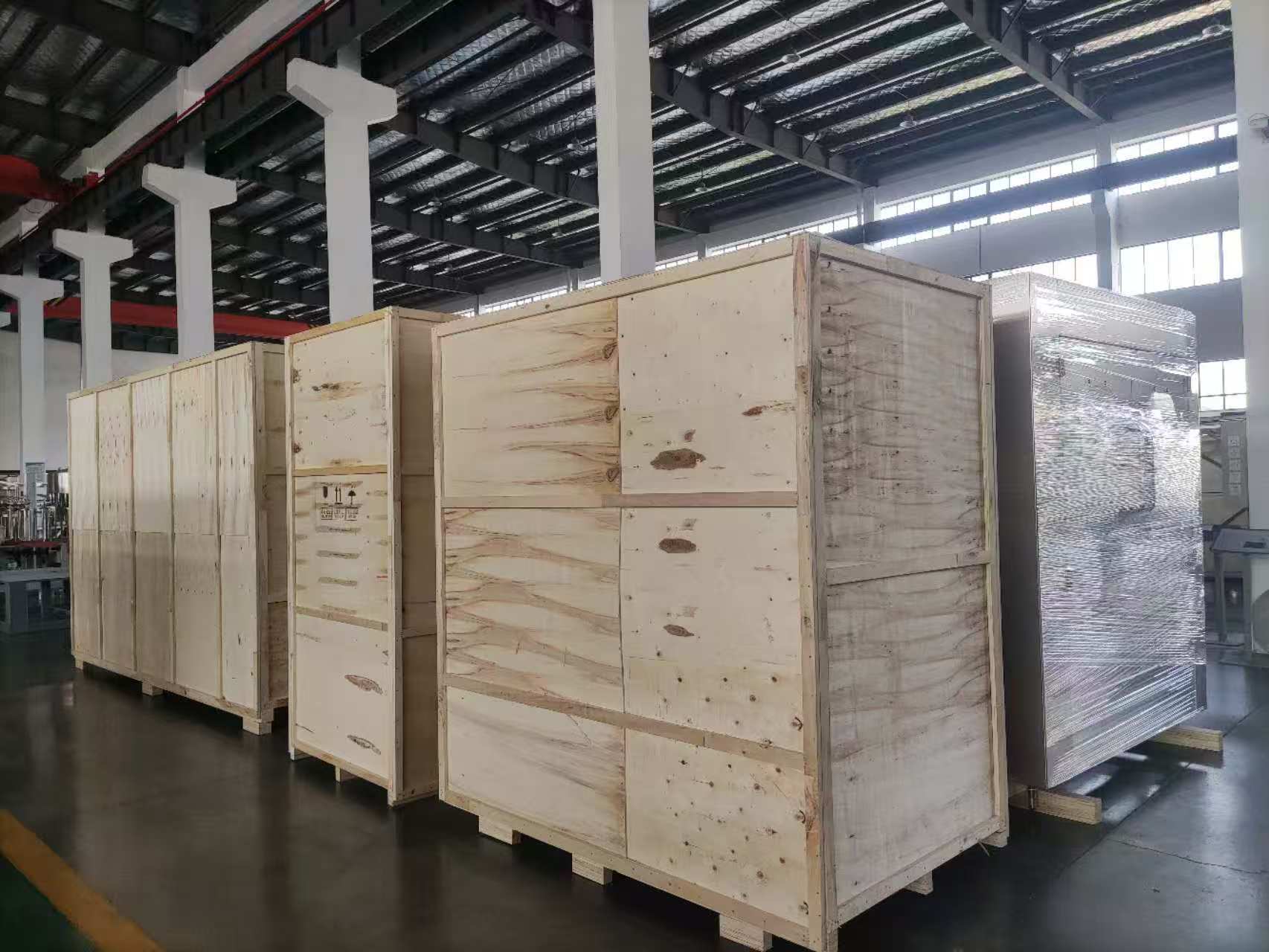
Explore real-world photographs from our manufacturing plant, workshop assembly sections, finished machinery inspections, and international packaging facilities:
Why Global Beverage Enterprises Partner with OGVU
- Uncompromised Component Quality: We utilize world-class components including Siemens PLCs, Festo pneumatic actuators, Schneider electrical elements, and Omron sensors to ensure maximum operational uptime.
- Comprehensive Turnkey Engineering: From raw water Reverse Osmosis (RO) purification and fruit juice extraction/blending to UHT tubular sterilizers, aseptic brick fillers, straw applicators, film wrap bundlers, and palletizers.
- Dedicated Multilingual Field Engineers: Our international engineering team provides on-site installation, operational commissioning, and technician training worldwide in English, Spanish, Russian, and Chinese.
- Strict FAT & QA Protocols: Every machine undergoes 72 hours of uninterrupted water and media trial testing prior to export packing, backed by complete material trace certificates and CE compliance documentation.
6. Frequently Asked Questions (FAQ) for Procurement Officers
Here are detailed technical responses to the top questions posed by global procurement officers and plant engineers regarding aseptic brick juice filling machinery:
Products packaged via our aseptic brick machines achieve a shelf life of 9 to 12 months under ambient room temperature storage conditions. Because both product and continuous paperboard composite material undergo independent sterilization—combined with absolute light and oxygen barrier shielding from the internal aluminum layer—microbial growth and oxidative flavor degradation are completely eliminated without cold-chain storage or chemical preservatives.
The OGVU Aseptic Brick Juice Filler performs continuous transverse sealing below the liquid level inside the vertical packaging paper tube. The liquid product acts as an internal cushion while the induction sealing jaws squeeze across the paper web. This under-liquid seal completely expels air bubbles and eliminates headspace oxygen, preventing juice oxidation and preserving original Vitamin C content.
A standard 6,000 carton/hour line requires a stable 3-Phase power supply (380V/50Hz or customized according to regional voltage), compressed air at 0.6–0.7 MPa (dry, oil-free, filtered to 0.01 µm), steam for SIP sterilization cycles at 0.4–0.5 MPa, and treated cooling water. Our engineering team prepares custom foundation plant layouts and utility connection diagrams prior to shipment.
We provide full validation documentation suites supporting IQ, OQ, and PQ qualification standards. We ship recommended 2-year wear-and-tear spare parts packages (such as sealing strip elements, rubber pressure rollers, and heating elements) with the initial shipment. Furthermore, our remote diagnostic module enables our software engineers to troubleshoot PLC logic online 24/7.
Yes. For juices containing pulp cells (such as orange sacs or mango puree up to 5mm particle size), we equip the filler with specialized pulpy-liquid dosing valves and wide-bore UHT heat exchangers. This prevents nozzle blockages and maintains uniform pulp distribution throughout continuous filling runs.
Ready to Plan Your Aseptic Brick Bottling Plant?
Contact our engineering consultants today to receive custom CAD line drawings, technical budget calculations, and utility consumption quotes.
Send an Inquiry