Blog
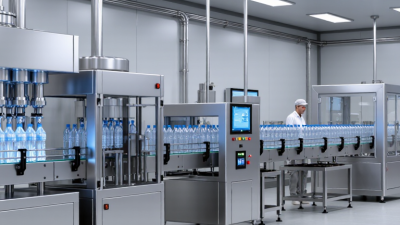
What Is the Best Water Bottling Line in 2026?
Choosing the best Water Bottling Line in 2026 is not simply a contest for the highest bottles-per-hour figure. A line must handle the intended bottle size, water type, shift pattern, and sanitation needs without creating avoidable downtime. Picture a changeover between bottle formats: guides need adjustment, settings need checking, and operators need clear instructions. Small details matter.
Market growth makes those choices more consequential. Grand View Research valued the global bottled water market at approximately $303.9 billion in 2023 and forecast a 5.4% compound annual growth rate from 2024 to 2030. That forecast describes market demand, not a guarantee that any particular factory will grow. A buyer still needs to match line capacity to realistic sales and site conditions. More speed is not always better.
Packaging scholar Dr. Susan Selke’s work on packaging materials and sustainability offers a useful lens: equipment decisions should be judged across the package’s full life cycle, not by output alone. This is a paraphrase of her research, not a direct quotation. In practice, compare filling accuracy, changeover time, cleaning requirements, energy and water use, spare-parts access, and supplier support. Ask vendors to demonstrate performance with your container, cap, and operating conditions.
No line wins on speed alone. And “best” can be uncomfortable to define: a highly automated system may reduce routine labor, yet demand stronger technical support. This guide compares line configurations, key specifications, and trade-offs to help identify the right fit—not merely the biggest machine.
Read more »
 By:Oliver
- November 23, 2026
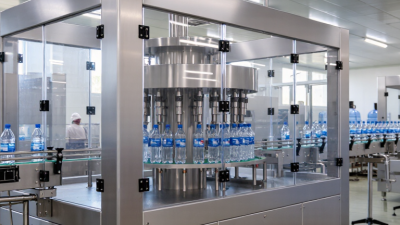
What Are the 7 Best Water Filling Machines?
Choosing among the 7 best Water Filling Machine options means looking beyond bottles per minute. A machine may run beautifully during a short demo, then struggle with foaming water, inconsistent bottle necks, or frequent changeovers. Small details matter: the filler’s contact parts, cap handling, cleaning method, and support availability can shape daily output. And speed is not everything.
Demand makes this decision worth careful attention. Beverage Marketing Corporation’s 2024 U.S. bottled water report estimates that Americans consumed about 15.2 billion gallons in 2023. Grand View Research also estimated the global bottled water market at roughly $303.9 billion in 2023. These figures describe product markets, not machine sales, but they help explain why dependable filling lines matter. Real requirements still vary by plant size, bottle format, water treatment, and budget.
Manufacturing quality expert W. Edwards Deming is often credited with saying, “Quality is everyone’s responsibility.” That principle fits filling equipment: operators, maintenance teams, and suppliers all affect consistent output. This guide compares seven machine types and models by capacity, filling accuracy, automation, hygiene design, flexibility, and service considerations. No single option suits every facility. A compact gravity filler may be sensible for a small line, while a high-speed rotary system can bring needless complexity there. Check the details. Then compare the machine against your actual bottles, shift pattern, and cleaning routine—not just its brochure claims.
Read more »
 By:Ethan
- November 23, 2026
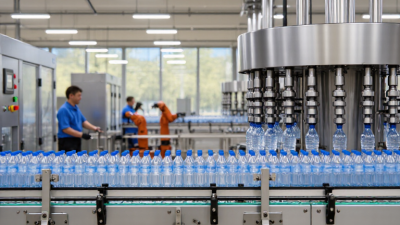
Top Water Bottling Plant Manufacturers for Global Buyers
Choosing among the Top Water Bottling Plant Manufacturers for Global Buyers requires more than comparing machine speeds. Buyers must match production capacity, bottle formats, filling technology, and service support to real market conditions. A line that runs smoothly on a factory tour may still struggle with frequent format changes or inconsistent local utilities.
The scale is substantial. A 2023 report from the United Nations University Institute for Water, Environment and Health estimated global bottled-water consumption at about 350 billion liters in 2021. That figure signals demand, but it does not predict orders for any individual plant. Local sales, seasonality, distribution distance, and packaging preferences matter. Small details matter, too: a delayed replacement valve can stop a filling line as surely as a major equipment fault.
Beverage-market analyst John G. Rodwan Jr. provides a useful demand-first perspective through his market analysis. Paraphrased for plant selection: “Size capacity against verified local demand, not global headlines.” Treat that as a planning principle, not a verbatim quotation. Compare manufacturers on documented output, changeover time, cleaning design, spare-parts access, and commissioning support. Ask for references from facilities using similar bottle sizes and operating conditions. Then check whether quoted performance includes the complete line, from water treatment through packing. Not just the filler. Reliable comparisons need clear assumptions, independently checkable specifications, and room for uncertainty. A little skepticism helps.
Read more »
By:Oliver
- November 23, 2026