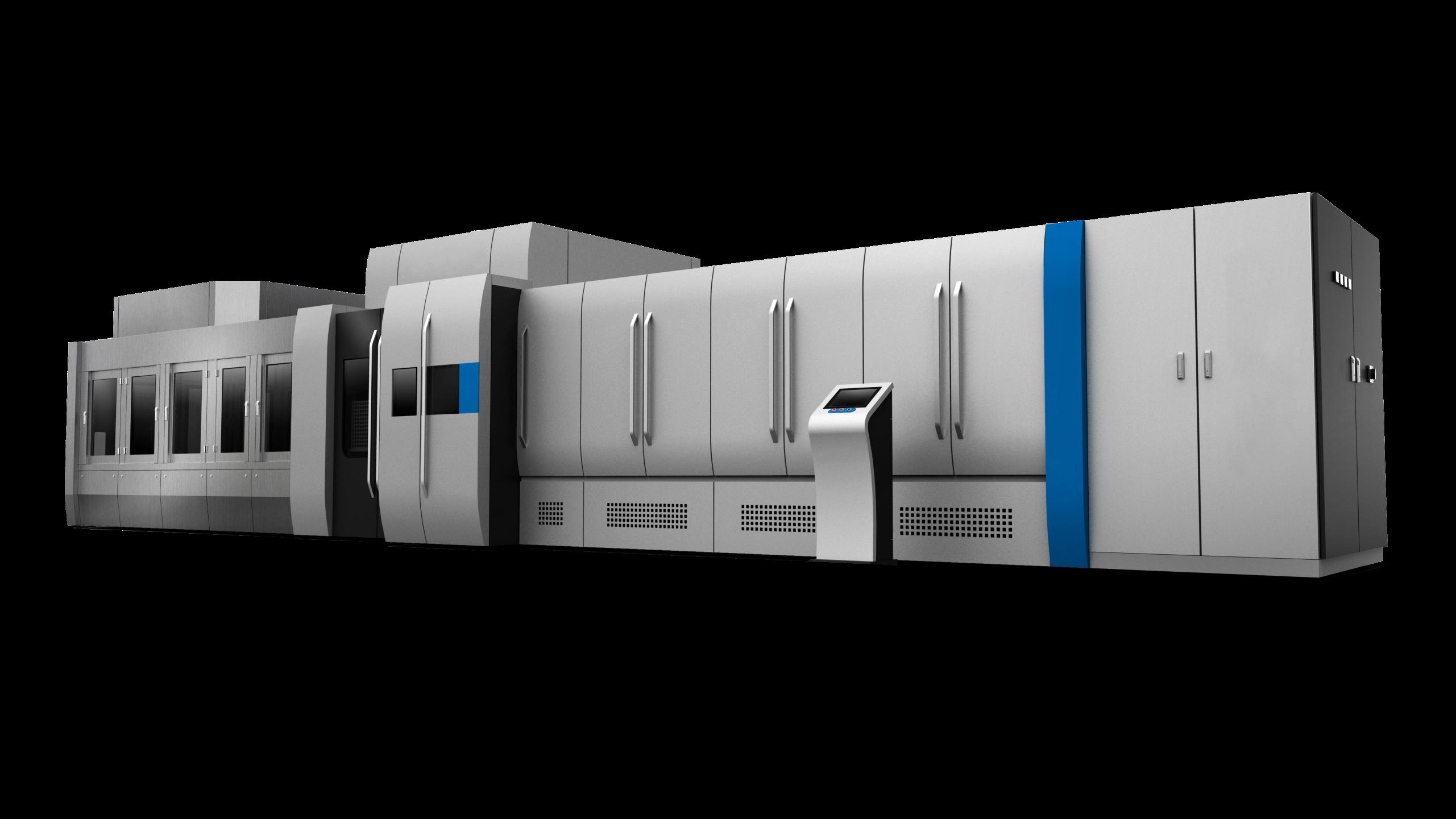
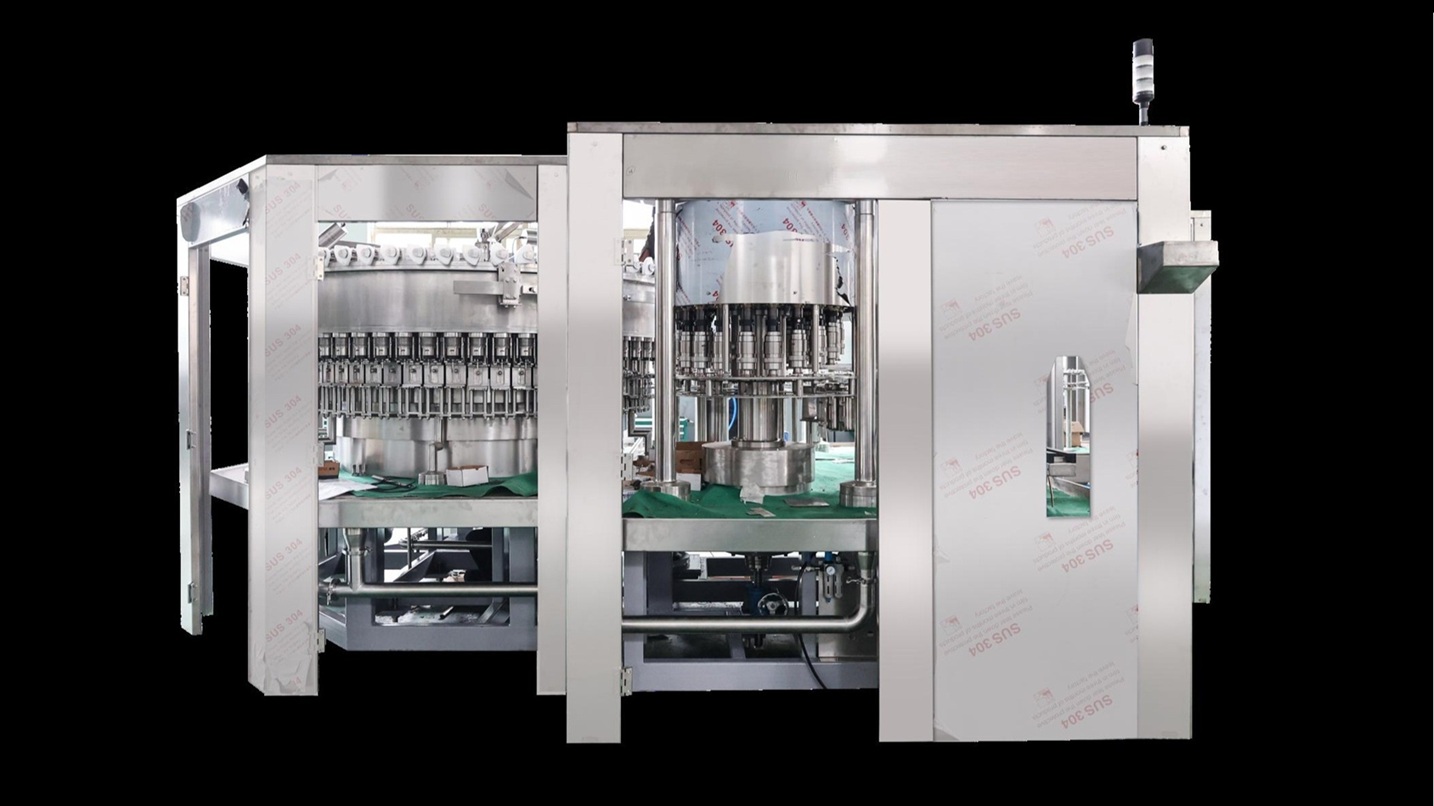
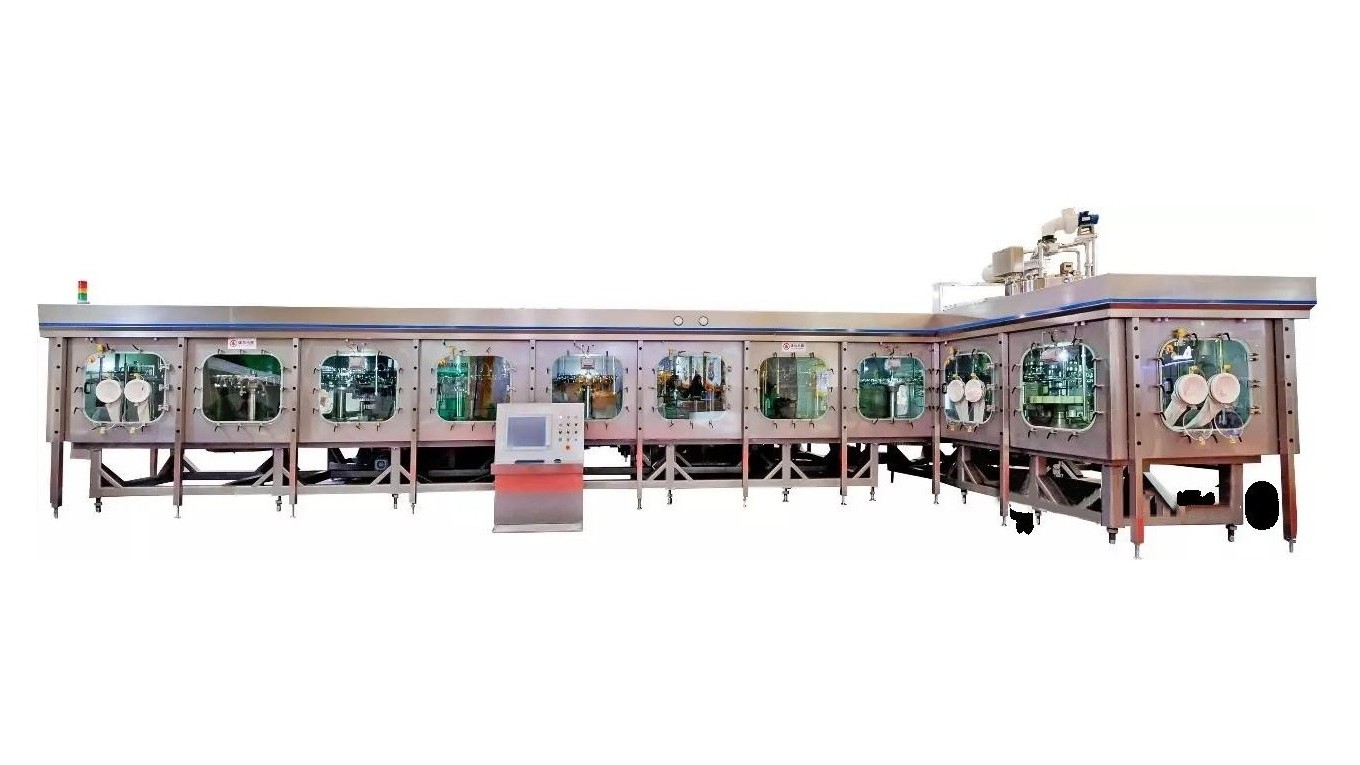
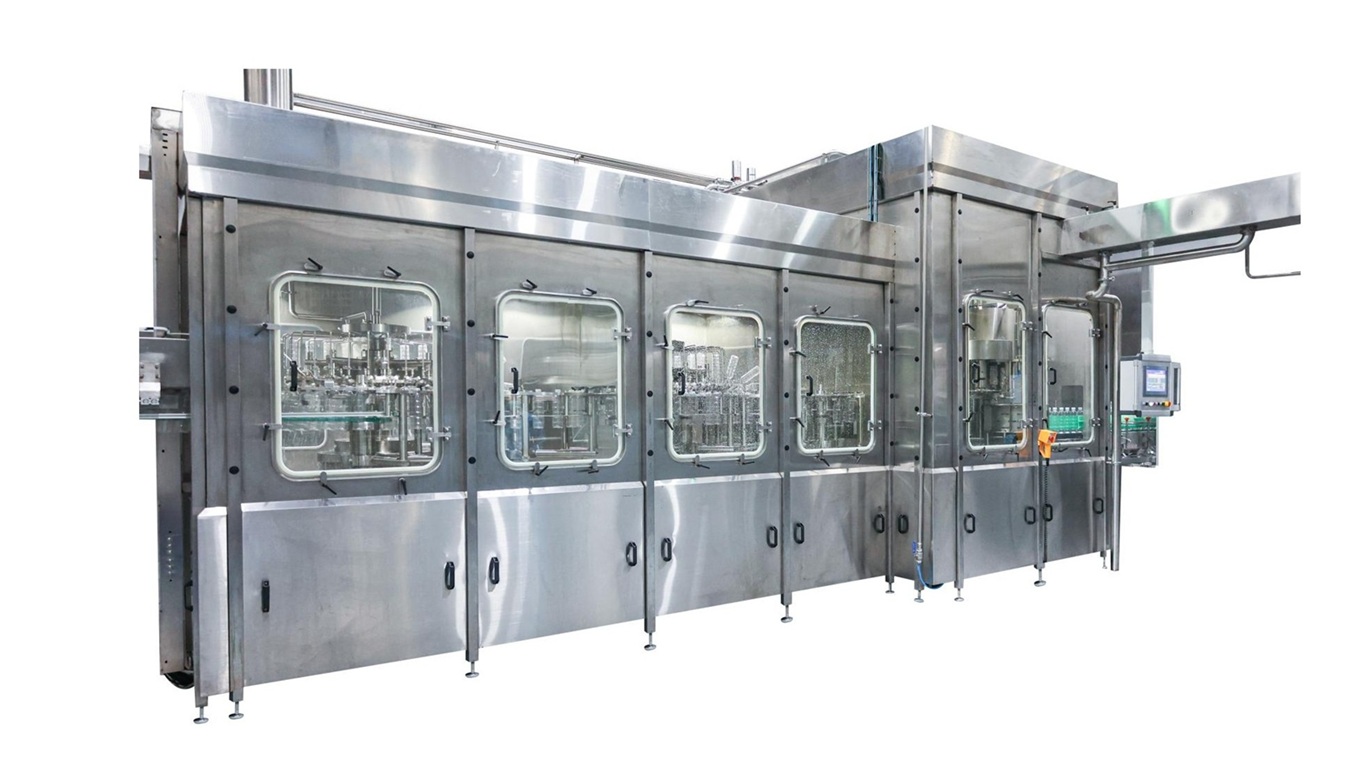
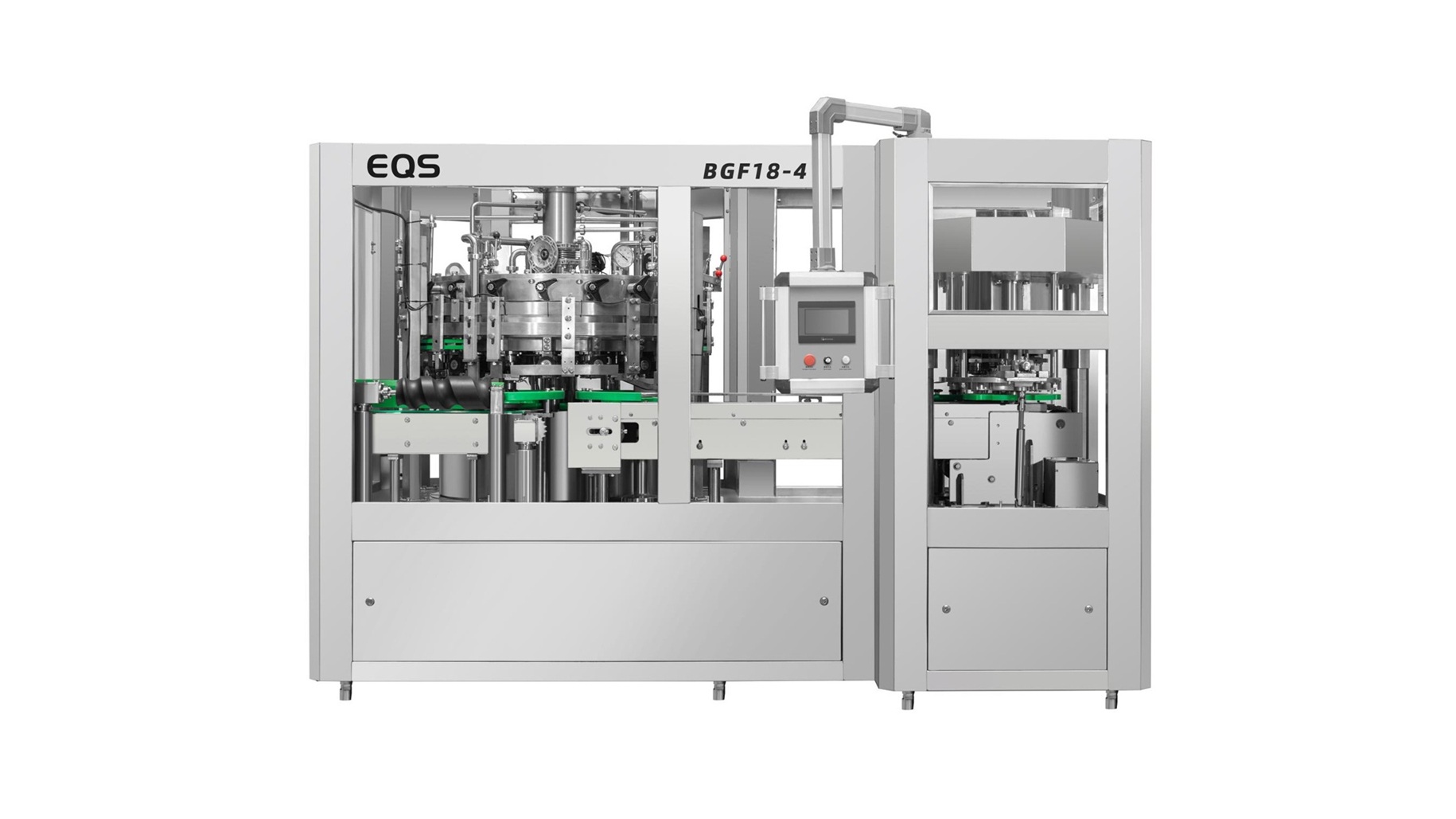
Purchasing an industrial Carbonated Drink Filling Machine represents one of the most critical capital investments for a beverage manufacturing plant. Unlike still liquid packaging, carbonated beverage bottling requires managing fluid dynamics under positive pressure, preserving dissolved carbon dioxide ($CO_2$), mitigating turbulent foaming, and ensuring tight volumetric filling tolerance across varying ambient temperatures. Zhangjiagang OGVU Machinery Co., Ltd. engineered this comprehensive procurement reference to clarify technical principles, counter-pressure mechanics, automation advancements, and operational cost drivers for global buyers.
1. Understanding Isobaric (Counter-Pressure) Filling Technology in CSD Machines
The defining technical challenge of bottling carbonated soft drinks (CSD), sparkling mineral water, energy sodas, and carbonated alcoholic coolers is keeping $CO_2$ gas dissolved in liquid during high-speed container transferring. If atmospheric pressure drops suddenly, dissolved $CO_2$ instantly breaks out of solution, generating uncontrolled foam, incomplete liquid volume filling, and ruined product taste consistency.
Our Carbonated Drink Filling Machine employs high-precision isobaric mechanical and electropneumatic filling valves. The isobaric filling cycle operates via four distinct pressure-controlled phases:
- Phase 1: Hermetic Container Sealing & Pre-Evacuation: The neck of the PET bottle, glass bottle, or aluminum can is pressed tightly against the filling valve sleeve using pneumatic cylinders. Optional double vacuum pre-evacuation removes air inside glass containers to prevent oxygen absorption ($DO_2$ degradation).
- Phase 2: CO2 Equalization (Pressurization): The isobaric gas valve opens, pressurizing the container with gas from the liquid bowl until internal pressure matches the liquid tank pressure (typically 0.25 to 0.45 MPa).
- Phase 3: Smooth Liquid Gravity/Pressure Filling: Once equal pressure is established, the liquid valve orifice lifts via spring or electropneumatic actuator. Carbonated beverage flows down the inner container wall via an umbrella spreader, while displaced $CO_2$ returns to the top chamber without turbulent agitation.
- Phase 4: Settling & Controlled Snifting (Pressure Relief): When the liquid reaches the vent tube level, filling stops automatically. The snifting exhaust valve opens in controlled pulses to gently relieve top pressure down to atmospheric levels without triggering foam surge before cap application.
Isobaric Mechanical Valve
Proven mechanical spring and cam actuation system. Extremely robust, low maintenance, ideal for standard PET carbonated soft drinks and regional beverage start-ups.
Electropneumatic Flowmeter Valve
High-speed magnetic inductive flowmeter control. Provides contact-less hygienic filling, instant bottle-size volume changeover via PLC touch screen, and zero liquid waste.
Integrated CO2 Carbonation System
Continuous online multi-stage carbonation mixer. Chills water down to 2–4 °C, performs vacuum deaeration, and precise proportional mixing with syrup and $CO_2$ gas.
 Flagship