 Craft Series
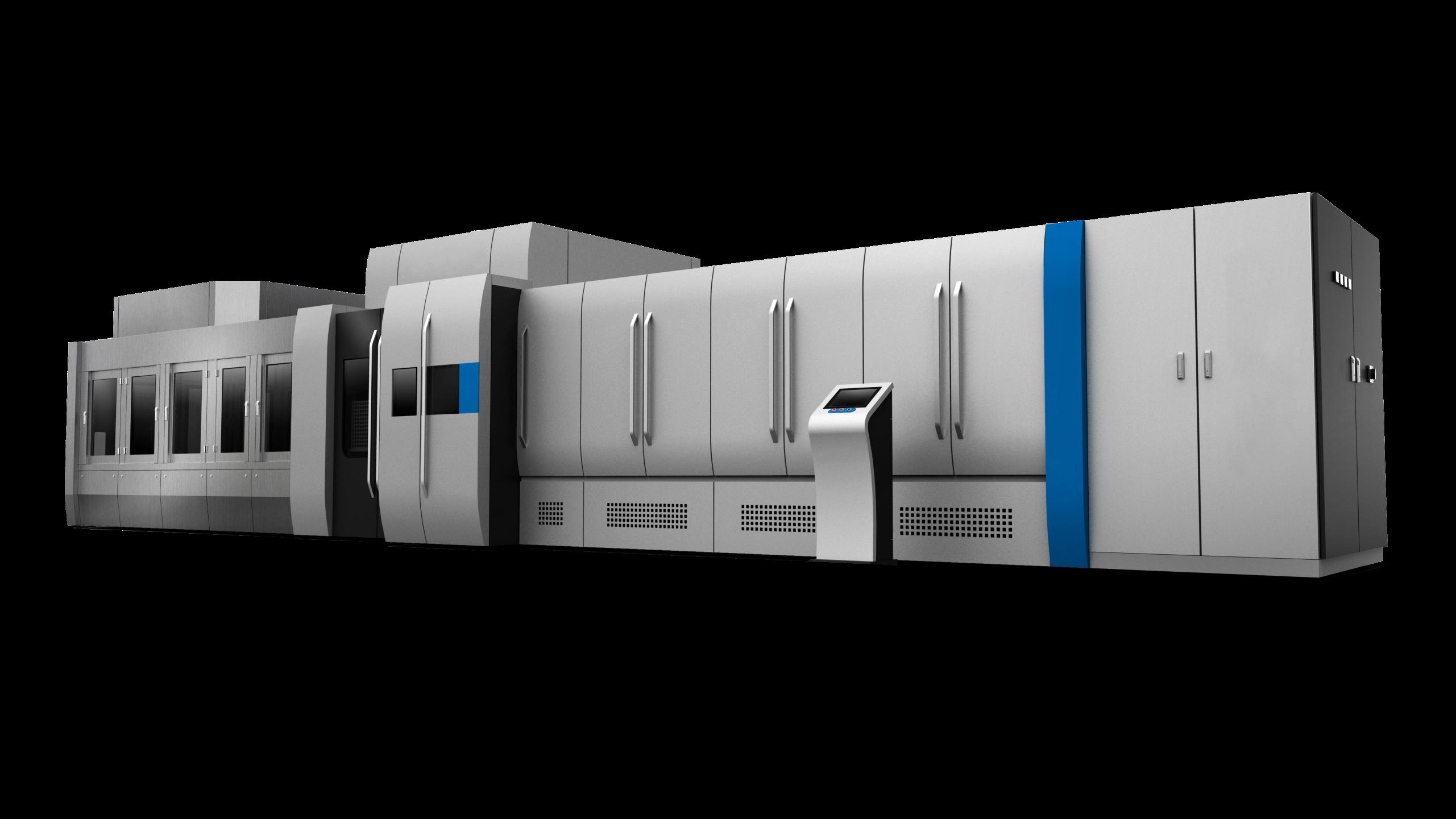
Craft Beer Glass Bottle Monoblock (12-12-1)
- Capacity1,500 – 2,500 BPH
- DO Pickup< 35 ppb
- Valves12 Counter Pressure
- CappingSingle-Head Crown
Low DO Pickup (< 30 ppb) · Electro-Pneumatic Control · Turnkey Bottling Lines
2,000 BPH to 15,000 BPH Capacity
Rotary Monoblock Rinsing-Filling-Capping Systems
Zero Headspace Air Entrapment
Automated High-Pressure Hot Water Jetting & Crown Corking
In modern industrial brewing, packaging is the final critical step determining product shelf-life, taste preservation, and brand reputation. Premium lager, ale, stout, and craft beers are highly vulnerable to oxidative degradation caused by atmospheric oxygen. When global beverage procurement teams evaluate a Glass Bottle Beer Filling Machine, their core focus centers on minimizing Dissolved Oxygen (DO) pickup, ensuring laminar fluid filling under stable isobaric counter-pressure, preventing bottle explosion hazards, and maintaining strict hygienic Clean-In-Place (CIP) compliance.
Zhangjiagang OGVU Machinery Co., Ltd. designs and manufactures commercial-grade glass bottle beer filling lines that integrate mechanical or electro-pneumatic counter-pressure filling valves with advanced double pre-evacuation vacuum systems. This detailed technical procurement guide breaks down the engineering principles, machine architectures, global market trends, and maintenance considerations required to operate a world-class beer bottling plant.
Our double vacuum pre-evacuation system evacuates air from the glass bottle to -0.09 MPa twice prior to filling, flushing with 99.99% pure CO2 in between. Combined with high-pressure hot water fobbing right before crown corking, OGVU Glass Bottle Beer Filling Machines achieve Total Packaged Oxygen (TPO) levels consistently below 30 to 50 ppb, extending beer shelf life beyond 12 months without artificial preservatives.
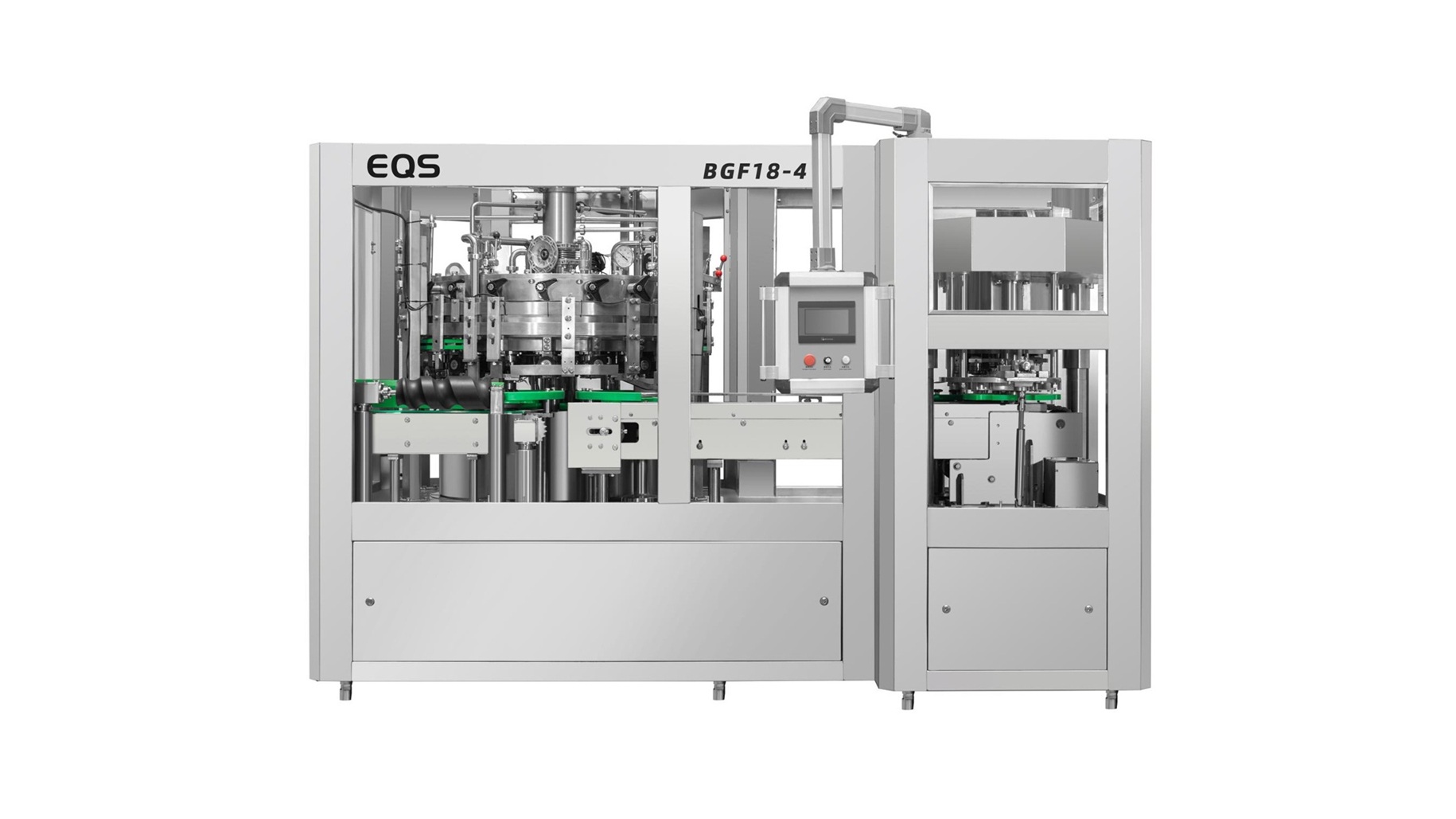
A rotary 3-in-1 monoblock system represents the pinnacle of operational efficiency for glass bottle beer packaging lines. By unifying bottle washing, counter-pressure filling, and capping onto a single structural base frame driven by a common motor, synchronization issues between independent conveyors are eliminated.
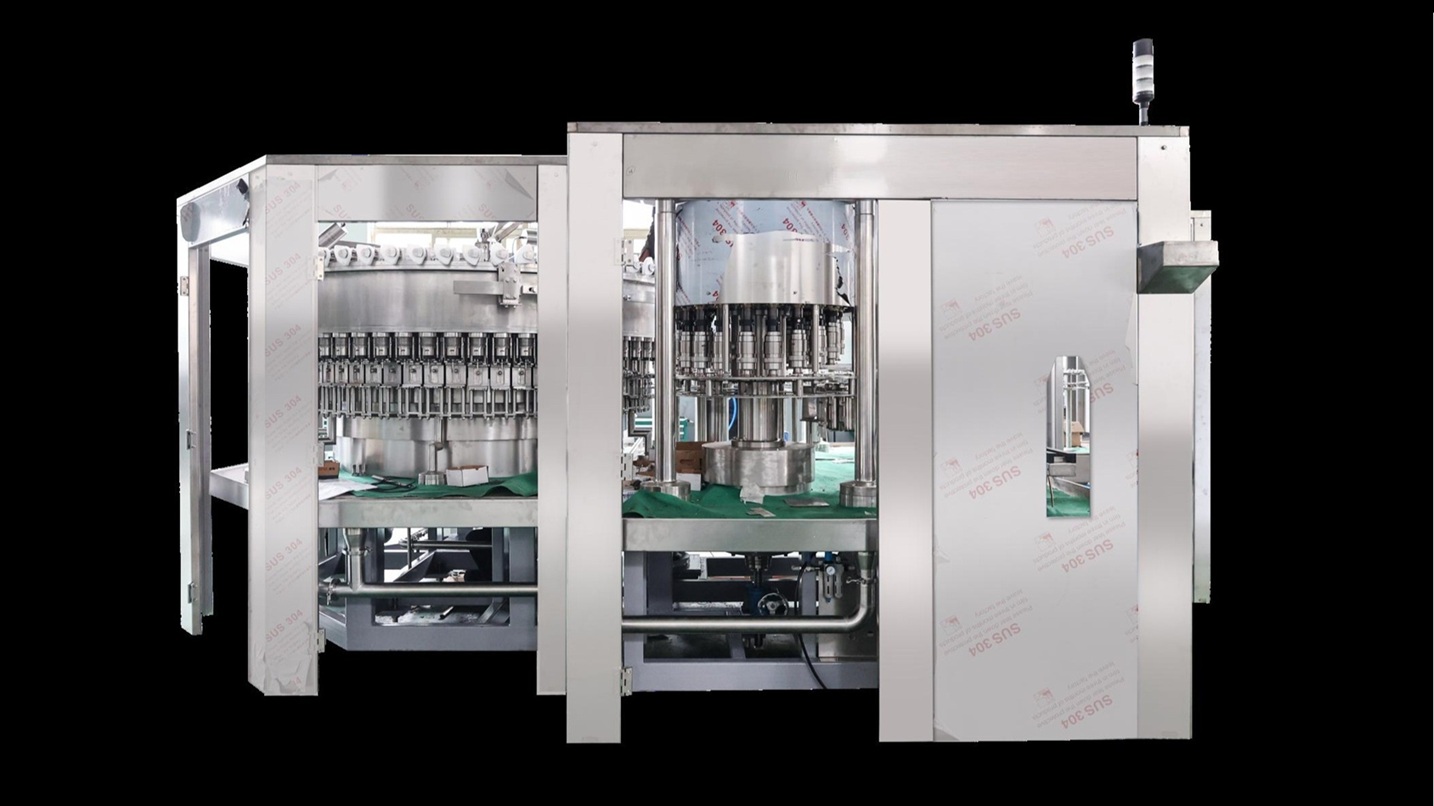
Glass bottles enter the rinsing carousel via precision-milled inlet starwheels. Rubber clamps grip the bottle neck and mechanically invert the container by 180 degrees over stainless steel spray nozzles. The rinsing process utilizes a multi-stage cycle:
The filling process for carbonated beer demands precise pressure balance between the main ring tank and the internal bottle volume. The step-by-step sequence of the OGVU counter-pressure filling valve operates as follows:
As glass bottles exit the filler, they pass beneath a high-pressure hot water micro-jet (fobbing unit). Injecting water at 80–85 °C under 6–10 bar pressure causes controlled fine foaming, lifting all atmospheric air out of the bottle neck headspace. Immediately, the bottle enters the magnetic crown capper head, where crown corks (or swing tops / ROPP caps) are crimped tightly, sealing the bottle with near-zero air headspace.
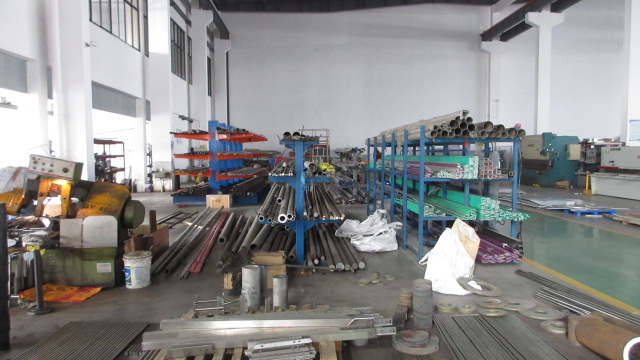
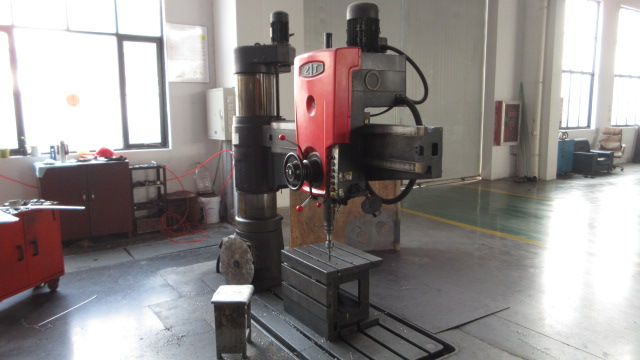
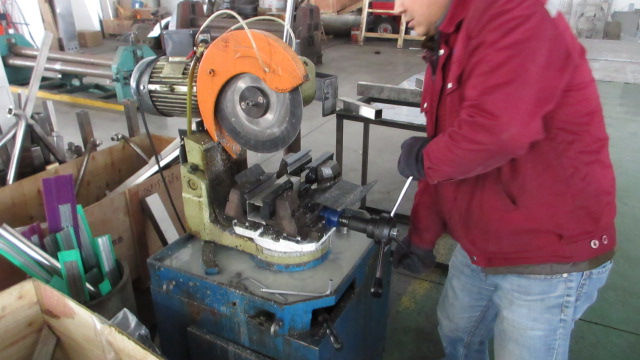
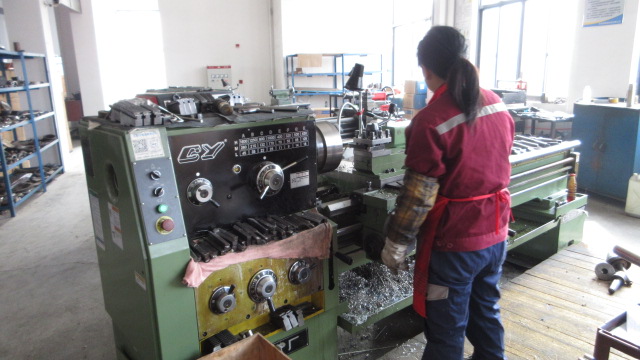
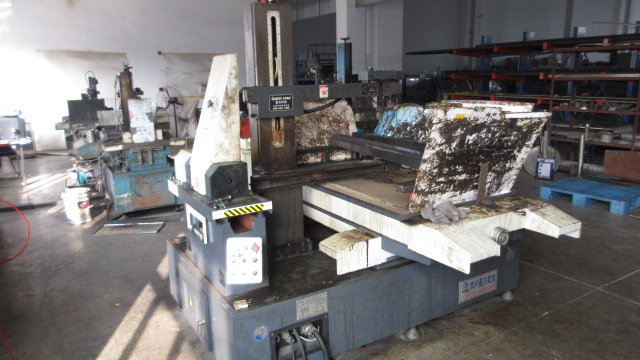
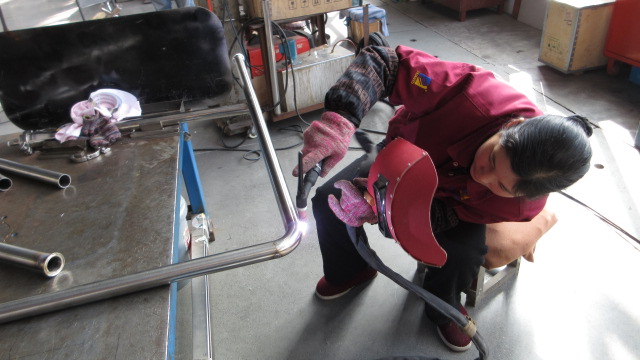
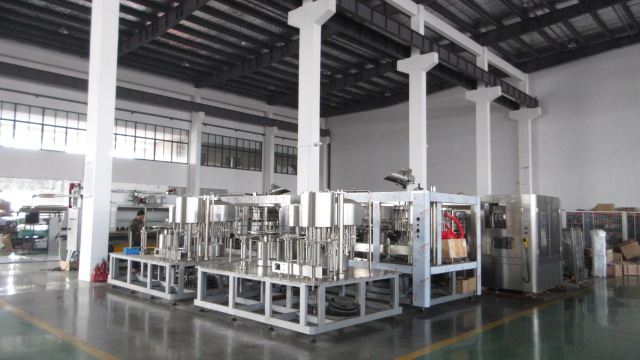
At Zhangjiagang OGVU Machinery Co., Ltd., every Glass Bottle Beer Filling Machine undergoes strict metallurgical inspection, dynamic balance testing, and continuous 72-hour trial runs before packing. Factory facilities verified by Intertek ensure international standard engineering compliance.
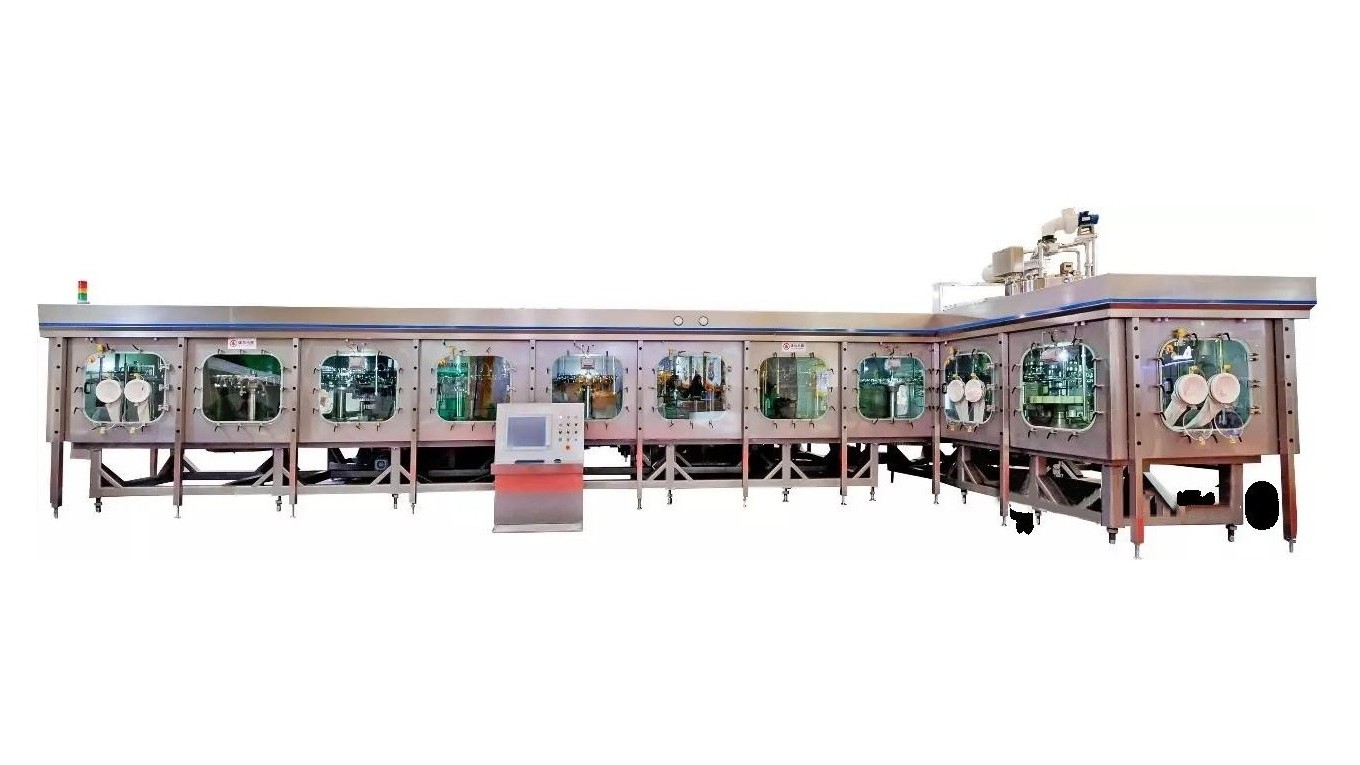
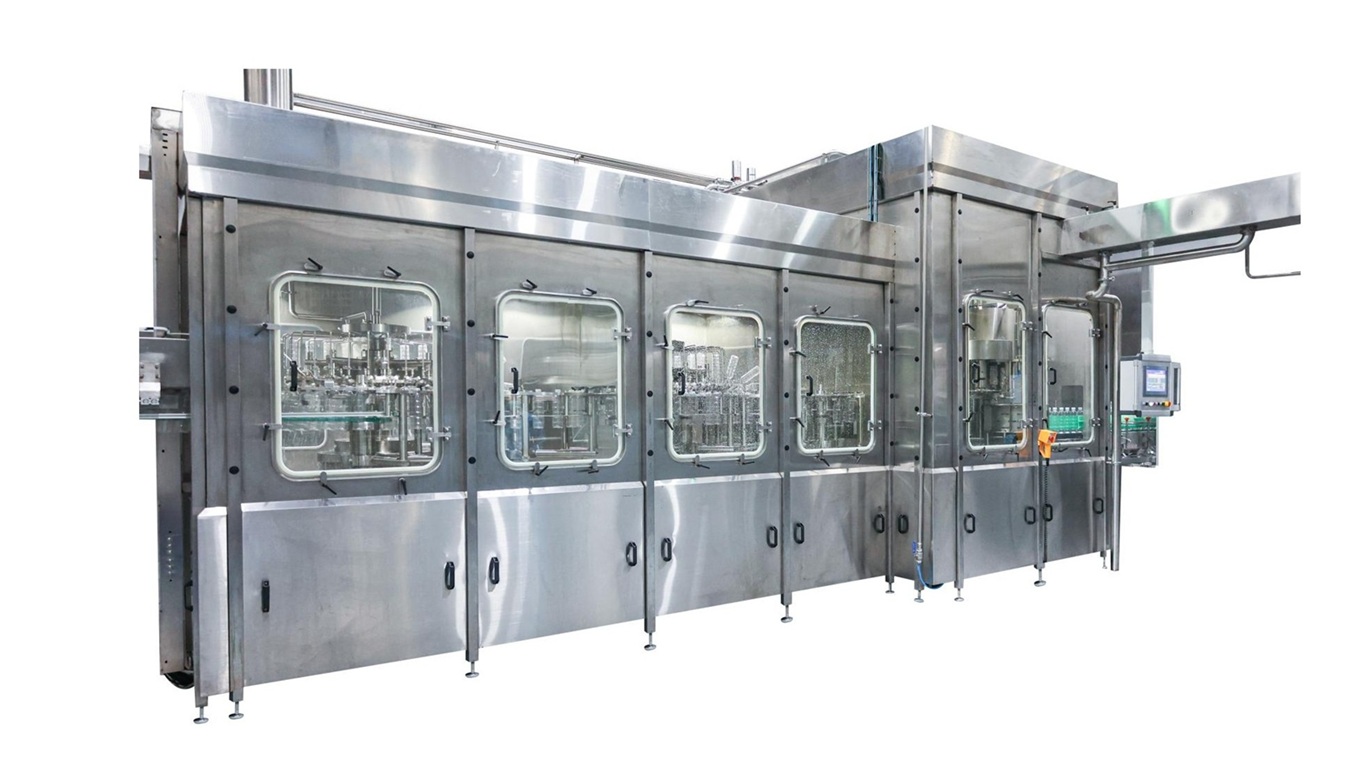
As commercial breweries expand global distribution networks and craft brewers upscale production, several key technological and procurement shifts are transforming the glass bottle packaging sector:
While traditional mechanical vent-tube filling valves remain robust workhorses, electro-pneumatic counter-pressure valves equipped with electromagnetic magnetic-inductive flowmeters (MID) are rapidly gaining traction. Flowmeter fillers allow operators to change fill volumes via touch-screen PLC interfaces instantly without changing mechanical level tubes, reducing volume deviation to within ±1ml.
CO2 costs have risen significantly worldwide. Modern OGVU beer filling machines incorporate a closed-loop CO2 recovery manifold during the snifting and flushing phases, recycling up to 35% of purging gas. Furthermore, variable frequency drives (VFD) and direct-drive servo gearboxes lower electrical consumption by 22% compared to traditional belt-driven lines.
Breweries now produce diverse portfolio lines—such as 330ml stubbies, 500ml Euro-bottles, and 750ml corked Belgian ales—on a single filling machine. Procurement managers favor modular monoblocks featuring toolless quick-change starwheels, color-coded neck guide inserts, and motorized height adjustments that reduce line changeovers from 4 hours to less than 45 minutes.
Microbial contamination is the single largest threat to beer stability. OGVU glass bottle beer fillers feature pneumatic false-bottle attachment rings that automatically dock onto filling valves during CIP cleaning. The machine supports 3-stage or 5-stage automated CIP processes (Hot Lye, Acid Wash, Sterile Water Rinse, Steam Sterilization at 121 °C), eliminating microbial contamination risks in fluid channels.
Engineered for high efficiency, operational safety, and extended beer shelf life.
Craft Series 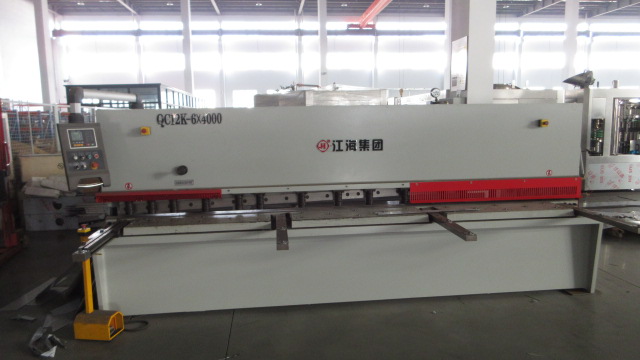 Commercial
 High-Speed
 Turnkey Line
With engineering teams fluent in English, Spanish, Russian, and Chinese, Zhangjiagang OGVU Machinery Co., Ltd. provides comprehensive site layout design, installation supervision, commissioning, and operator training worldwide.
Moisture-proof wooden case packaging for sea transport.
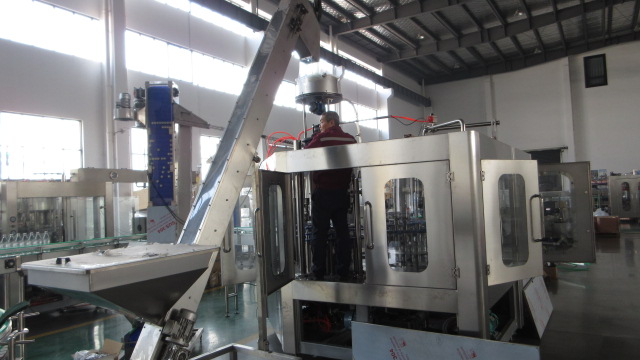
Expatriate engineers commissioning beer monoblock filler.
Complete beer line running at customer plant.
Detailed technical answers to common questions asked by global brewmasters, engineering directors, and procurement teams.
Oxygen ingress destroys beer hop aromas and generates stale, papery cardboard off-flavors caused by trans-2-nonenal formation. Standard single-vacuum filling machines leave approximately 1.5% to 3.0% residual oxygen in the bottle. The double pre-evacuation system engineered by Zhangjiagang OGVU Machinery Co., Ltd. operates in two consecutive stages:
1. The first vacuum cycle pulls air from the glass bottle down to -0.09 MPa (90% air removed) and pressurizes it with pure CO2.
2. The second vacuum cycle draws the gas mixture back down to -0.09 MPa, effectively removing 99.6% of original ambient air.
This reduces Total Packaged Oxygen (TPO) to under 30-50 ppb, preserving fresh flavor profiles for extended export transport.
Beer typically contains 5.0 to 6.0 grams per liter of dissolved CO2. Under atmospheric pressure, this gas rapidly breaks out of solution, leading to uncontrollable foaming, inconsistent liquid fill heights, and massive product loss. Isobaric counter-pressure filling pressurizes the interior of the glass bottle with CO2 to match the exact internal pressure of the beer filler ring tank (0.22 - 0.35 MPa) before fluid flow begins. Because no pressure difference exists during valve opening, beer flows smoothly along the container inner wall by gravity without degassing or foaming.
Glass bottles can harbor microscopic structural fissures or thermal shock micro-cracks. When subjected to 0.3 MPa pressurization during CO2 charging, defective bottles may explode. OGVU Glass Bottle Beer Filling Machines implement a multi-tiered safety system:
- Heavy-duty stainless steel safety enclosures and shatterproof polycarbonate guarding shield operators.
- Automatic pressure-drop sensors immediately close the liquid and gas valves on the affected filling station.
- High-pressure water spray nozzles automatically flush the bottle lifting pedestal, starwheel pocket, and adjacent filling valves to remove glass shards before receiving the next bottle.
Immediately after filling and before the crown cap is crimped, the bottle passes under a precision fobbing unit. A micro-nozzle shoots a pin-point jet of hot sterile water (80–85 °C) under 6–10 bar pressure into the beer neck. The shock causes controlled foaming (fobbing). Dense beer foam rises up the neck, pushing out atmospheric air. The crown capping head seals the crown cork right while dense foam overflows the neck lip, ensuring near-zero trapped neck air.
To run multiple glass bottle geometries on one monoblock filler, changeover format kits are supplied. These include custom-milled intake/outfeed starwheels, bottle neck/body guide curves, center guide plates, filling level vent tube extensions, and capping chuck adapters. OGVU monoblocks feature color-coded quick-release pins and electric gear motor height adjustments, enabling a complete bottle format changeover in 35 to 45 minutes.
To ensure long service life and worldwide spare part availability, Zhangjiagang OGVU Machinery Co., Ltd. standardizes on top-tier global components: Siemens S7-1500 PLC and color touchscreen HMI, Schneider electric contactors and VFDs, Festo or Airtac pneumatic cylinders and solenoid manifolds, Sick photo-electric sensors, and Omron rotary encoders.
Trusted supplier with over 11 years of international export expertise, verified engineering facilities, and robust after-sales support.
Located in Zhangjiagang City, Jiangsu Province, China—a premier global hub for beverage machinery manufacturing—Zhangjiagang OGVU Machinery Co., Ltd. specializes in single machines and complete turnkey bottling projects. We engineer water treatment systems, carbonation mixers, glass bottle beer fillers, tunnel pasteurizers, cold-glue/OPP labelers, and automatic shrink-wrapping equipment.
Our experienced engineering team coordinates custom project design (ODM/OEM), rigorous pre-shipment testing, and fast global dispatch of installation engineers.
Contact our senior engineering team at Zhangjiagang OGVU Machinery Co., Ltd. for custom line layout CAD drawings, machine technical proposals, and competitive factory-direct pricing.