 Flagship
Automatic Inline Beverage Carbonation Machine
- Capacity3,000 – 24,000 L/H
- CO₂ Content1.5 – 5.0 Vol
- DO Level< 30 ppb
- Brix Control± 0.05° Brix
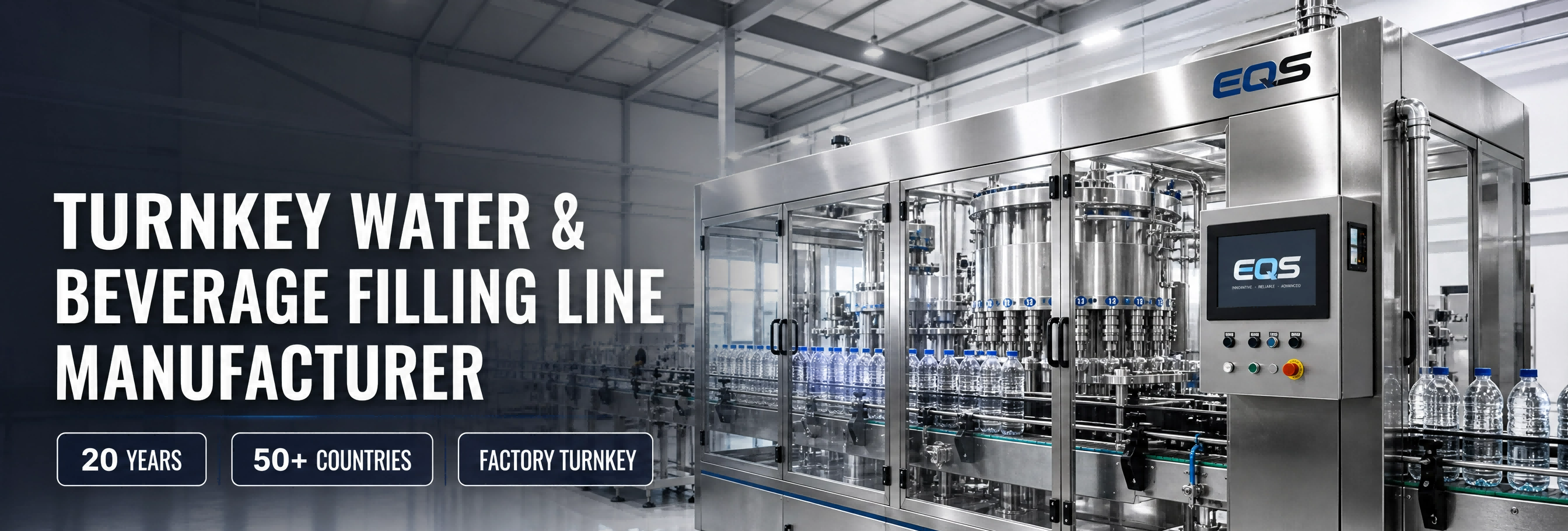
Inline CO2 Mixers · Deaeration · Isobaric CSD Bottling
High Precision CO2 Mixing Skids
Brix Accuracy ±0.05° · Dissolved CO2 up to 5.0 Vol
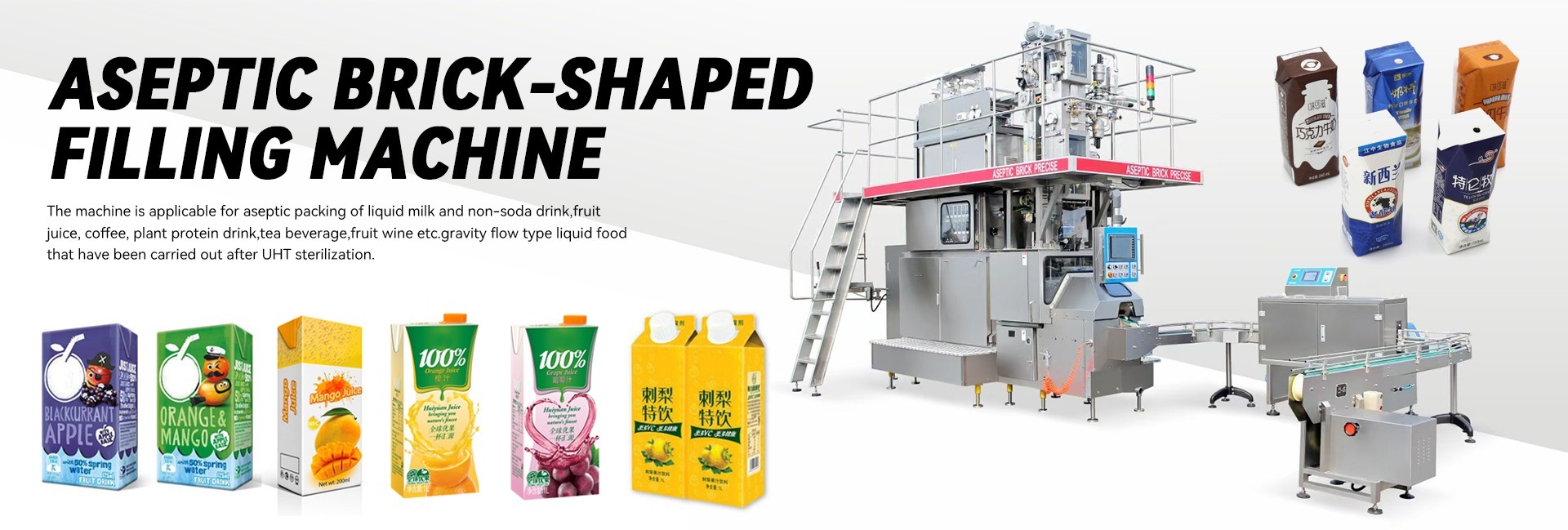
Water Treatment to Isobaric Filling
PET · Glass Bottle · Aluminum Can Solutions
Understanding mass transfer dynamics, gas solubility laws, vacuum deaeration, and precision inline syrup blending for carbonated soft drinks, sparkling waters, and hard seltzers.
Industrial beverage carbonation relies fundamentally on Henry's Law, which establishes that at a constant temperature, the amount of dissolved gas in a liquid is proportional to the partial pressure of that gas above the liquid. However, achieving high dissolved gas volume (ranging from 2.5 to 5.0 Vol CO₂) efficiently requires managing three critical variables: liquid temperature, pressure differentials, and surface area contact.
At Zhangjiagang OGVU Machinery Co., Ltd., our engineering teams optimize the carbonation process by chilling the treated water or liquid matrix down to 2°C – 4°C prior to gas injection. Cooling the liquid significantly increases gas solubility, allowing CO₂ gas to bind tightly with liquid molecules without requiring excessive system pressure that could cause severe foaming during high-speed isobaric filling.
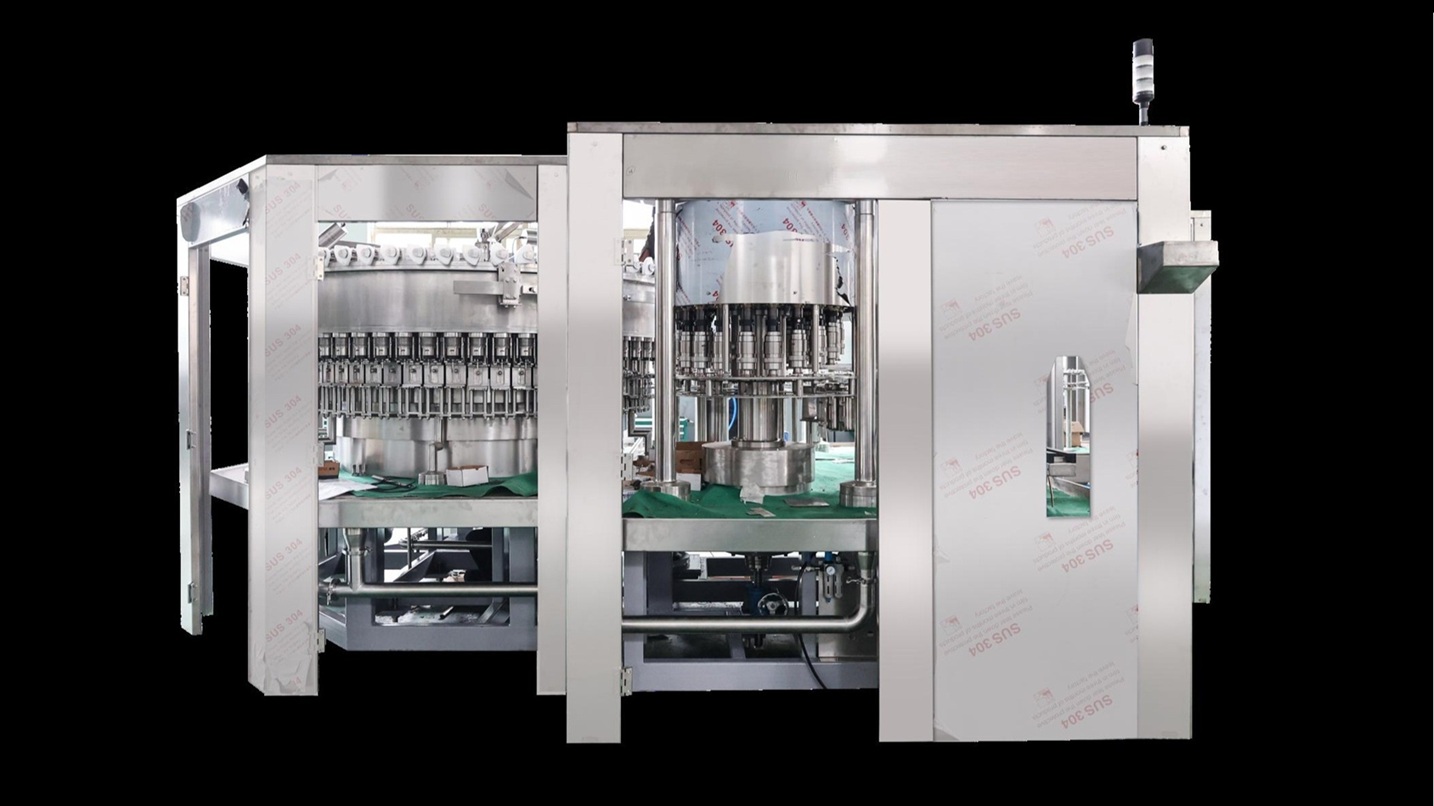
A common pitfall in budget carbonation systems is neglecting the removal of dissolved oxygen (DO) and non-condensable ambient air prior to carbonation. Untreated municipal or reverse-osmosis water contains roughly 8–10 ppm of dissolved air. Attempting to inject CO₂ without deaeration causes two severe engineering issues:
First, existing air bubbles act as nucleation sites, triggering violent foaming when the liquid reaches the filler bowl and container neck. Second, residual oxygen oxidizes sensitive flavor compounds and essential oils in sodas, causing taste degradation and reducing product shelf life.
Zhangjiagang OGVU Machinery Co., Ltd. equips all premium beverage carbonation machines with single-stage or double-stage vacuum deaeration columns. By maintaining a vacuum pressure of -0.09 MPa inside an SS316L vessel, water cascades over structured packing media, dropping residual Dissolved Oxygen to below 30 ppb (parts per billion) before entering the CO₂ mixing phase.
Engineered for small-scale craft producers to high-speed enterprise bottling facilities (2,500 to 24,000 BPH).
Flagship 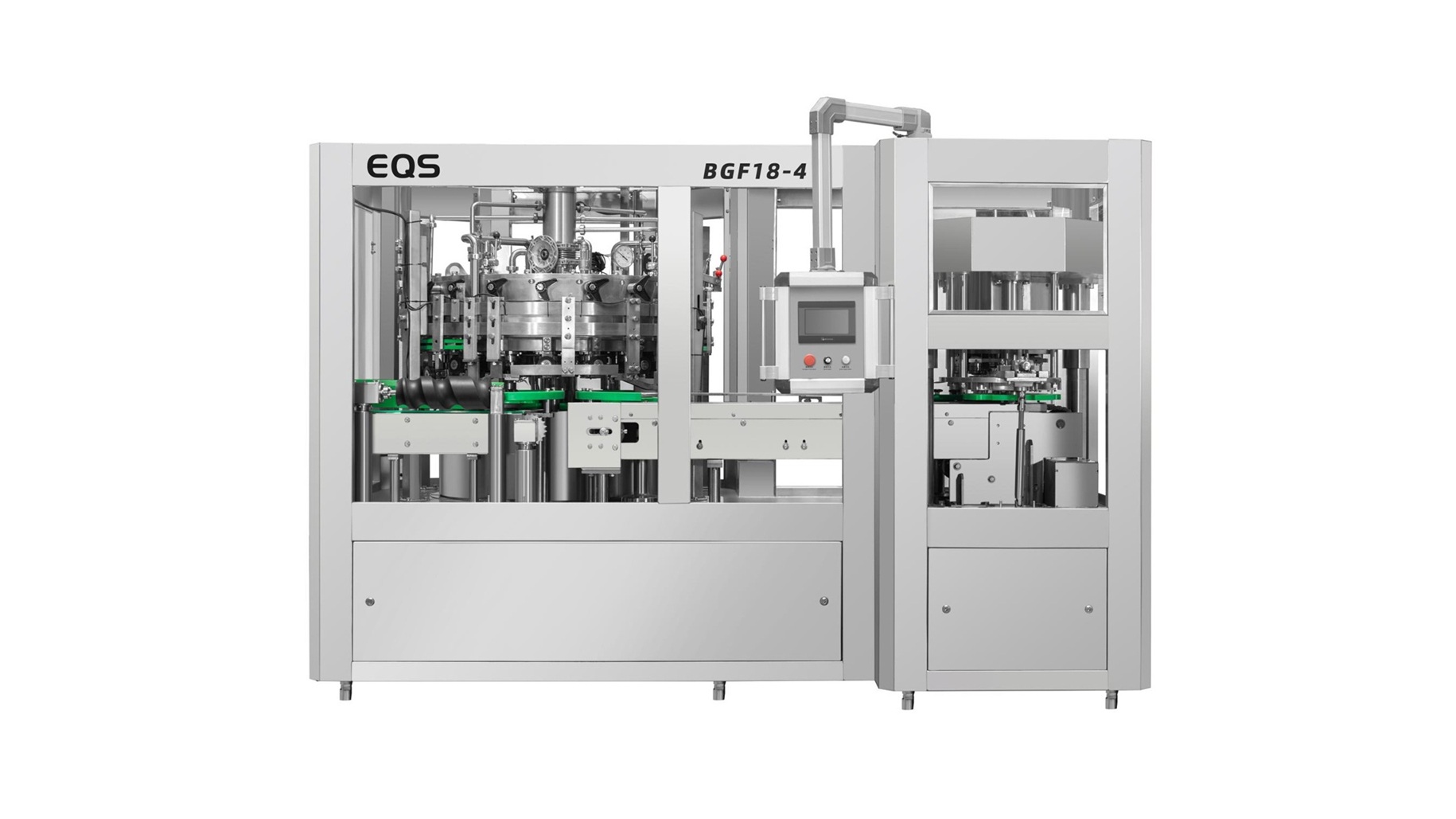 High Precision
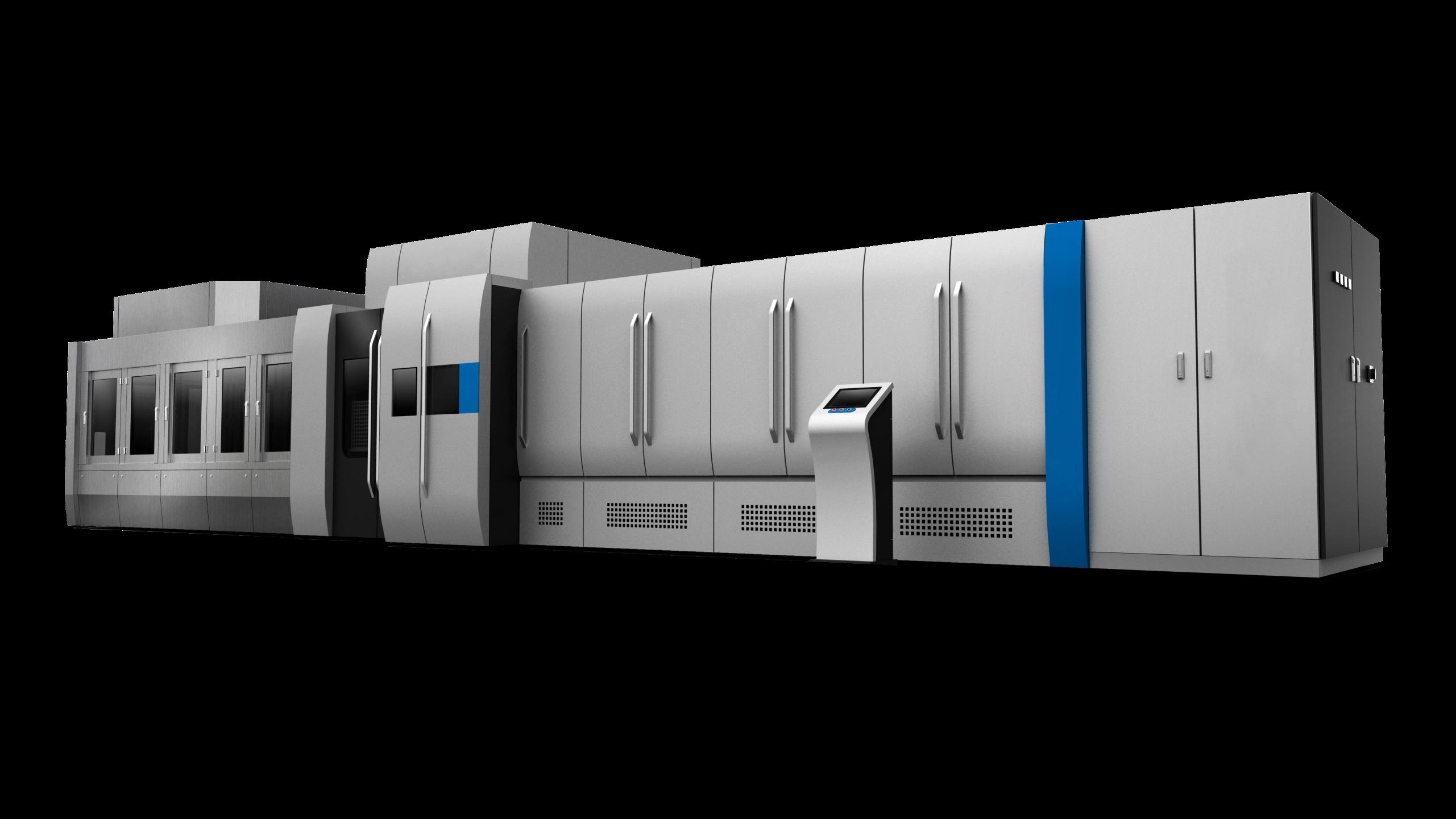 Turnkey Line
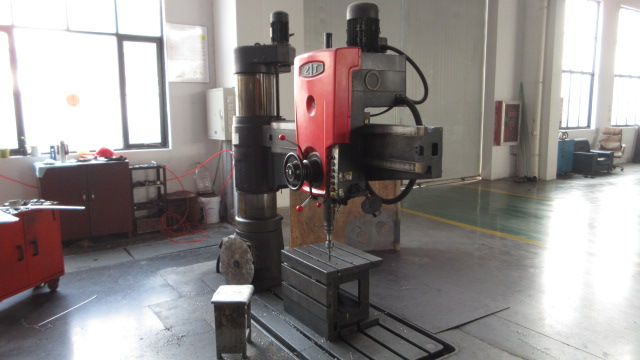 Compact Craft
Discover how smart sensors, green energy management, and multi-beverage flexibility are reshaping global bottling plant investments.
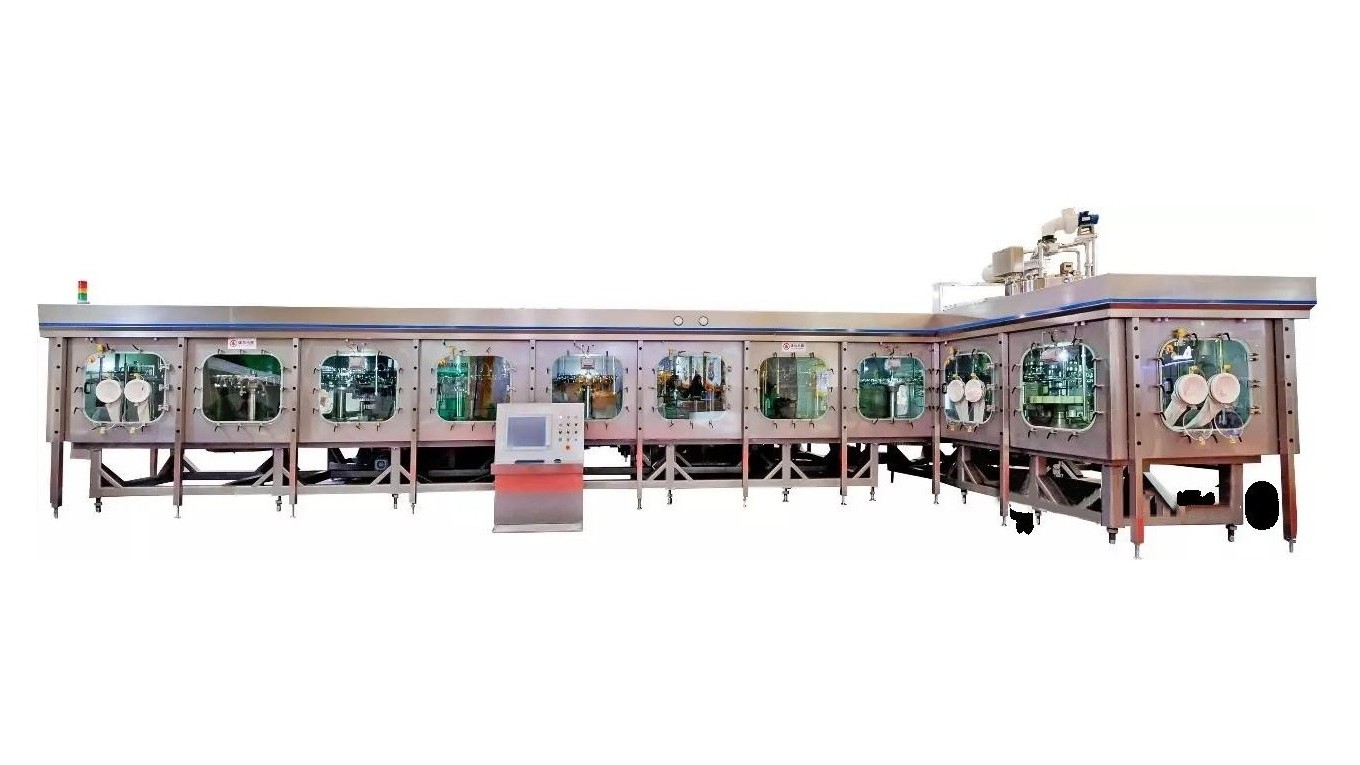
Traditional manual laboratory sampling leads to product loss and delayed corrections. Modern beverage producers demand continuous closed-loop feedback. Next-generation carbonation systems incorporate optical refractometers and non-dispersive infrared (NDIR) CO₂ sensors directly in the main product stream. The PLC adjusts mass flow dosing valves every millisecond to maintain exact Brix and gas volume control.
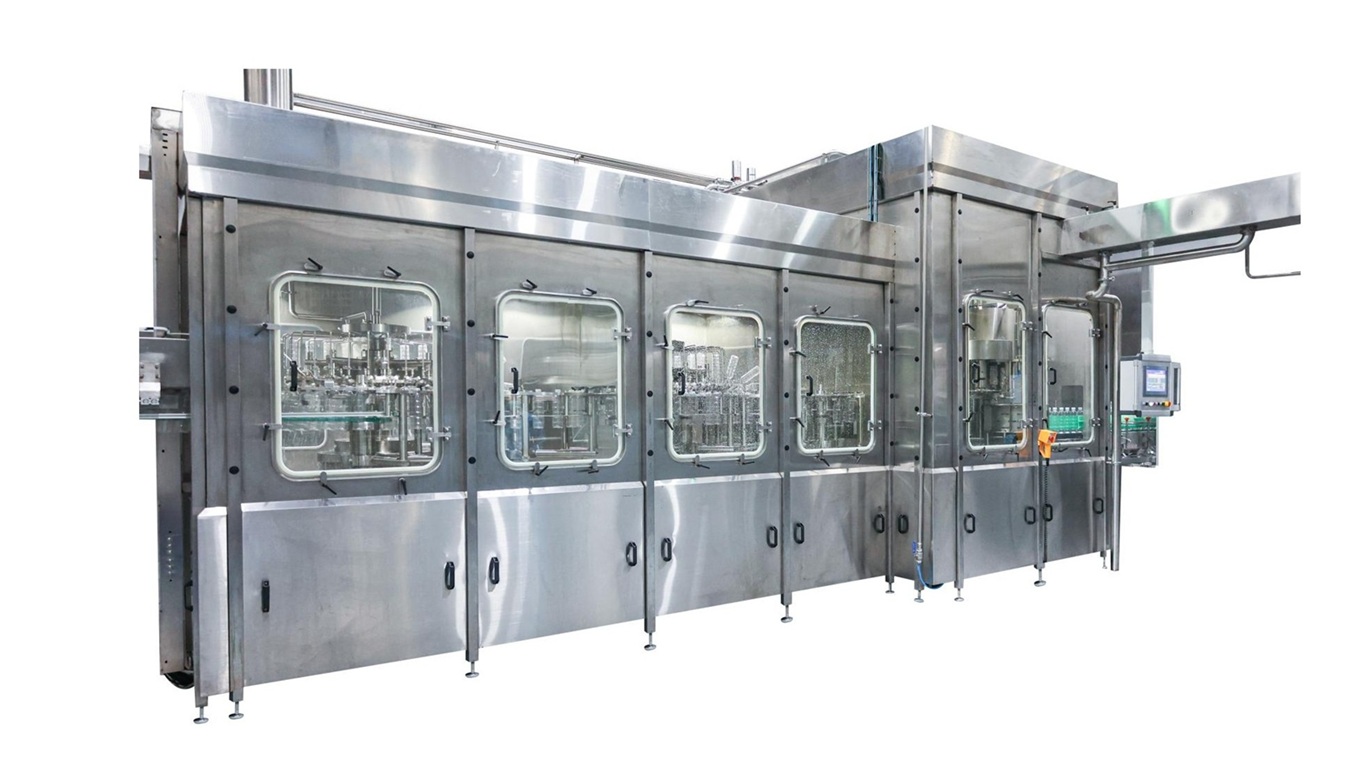
Chilling liquid consumes substantial energy. The latest plant designs combine heat exchangers with glycol recovery loops, pre-cooling deaerated water using return product energy. Furthermore, gas reclamation circuits recycle vent-off CO₂ during tank depressurization, reducing overall carbon gas consumption by up to 15% annually.
| Technology Domain | Traditional Carbonators | Next-Gen Systems (Zhangjiagang OGVU Machinery) | Business & Operational Impact |
|---|---|---|---|
| Syrup Dosing Precision | Flow-meter orifice plates (± 0.2° Brix) | Coriolis Mass Flow Meters + Servo Dosing (± 0.05° Brix) | Saves raw syrup costs and ensures flavor batch-to-batch consistency. |
| Deaeration Efficiency | Single-chamber atmospheric spray | Two-stage vacuum column with structured packing (DO < 30 ppb) | Prevents filling foam, increases filling line speed by 15–20%. |
| Sanitation & Hygiene | Manual disassembling cleanings | Automated Clean-in-Place (CIP) with sanitary SS316L valves | Reduces downtime from hours to 30 minutes; guarantees microbiology safety. |
| Beverage Versatility | Dedicated single-product carbonators | Multi-beverage recipes (CSD, Sparkling Wine, Nitro Soda, Seltzers) | Allows bottlers to change product recipes via HMI in under 5 minutes. |
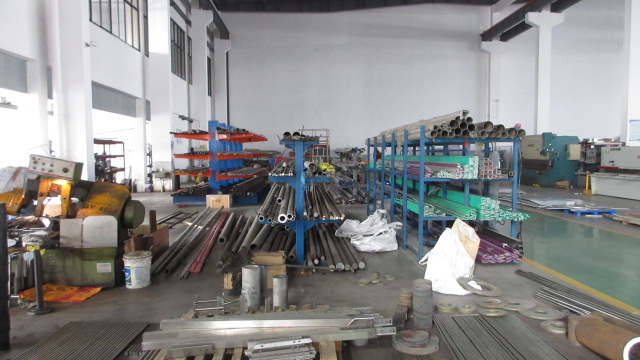
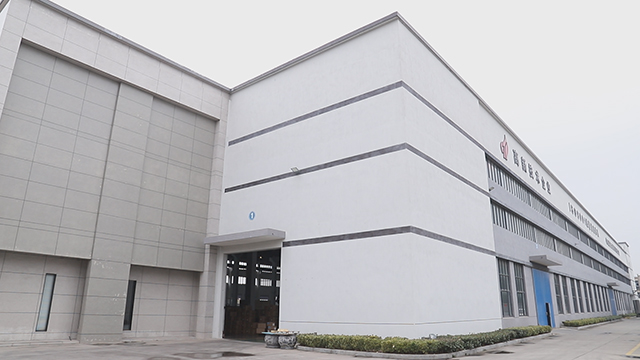
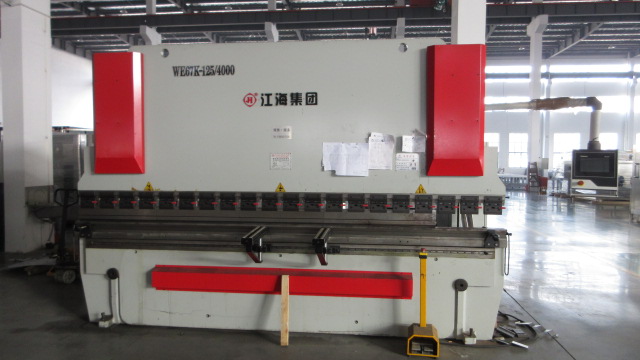
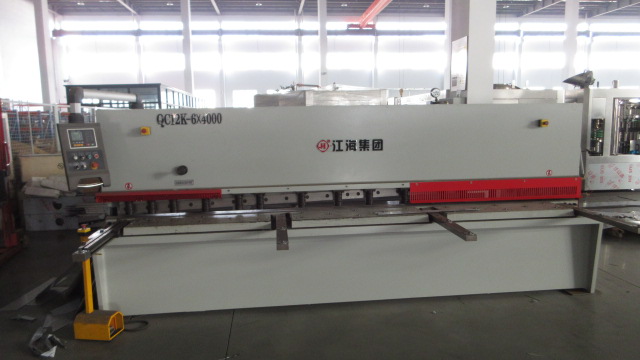
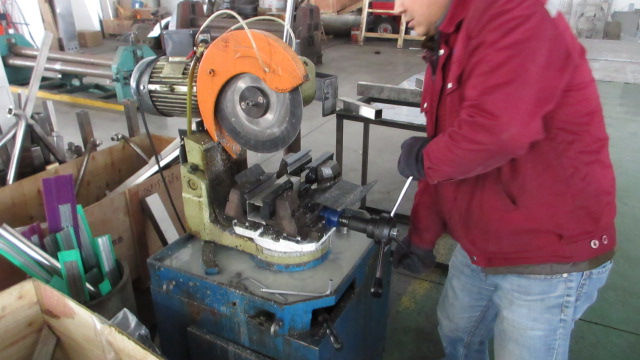
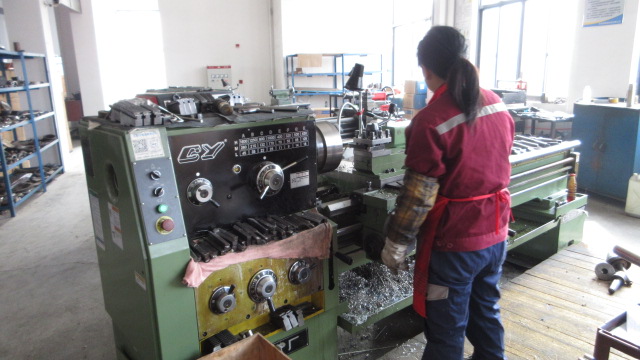
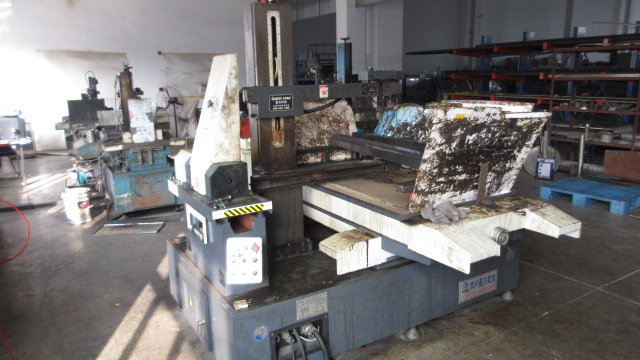
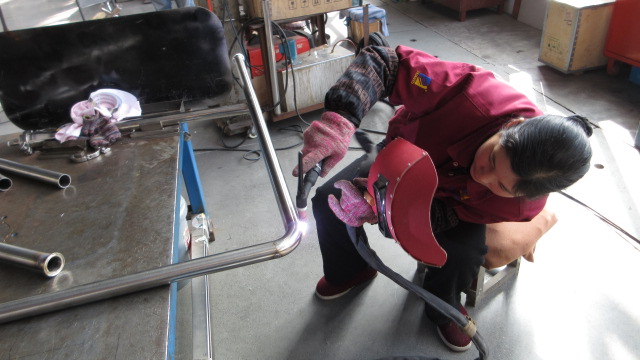
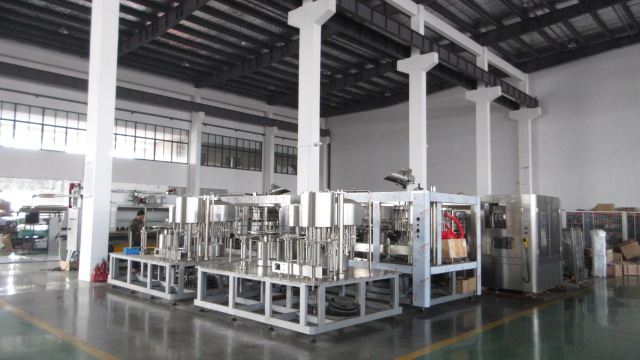
Explore our state-of-the-art manufacturing facilities, quality control procedures, and verified international track record.
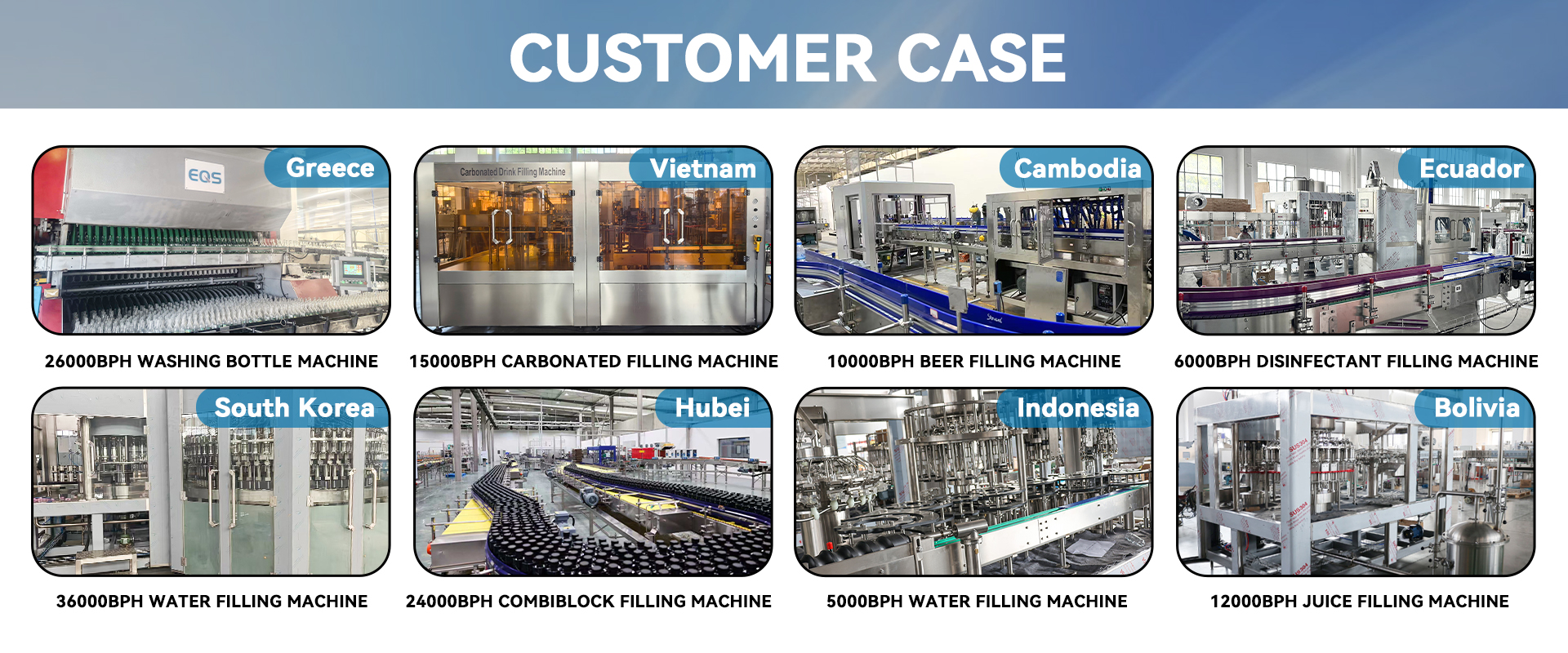
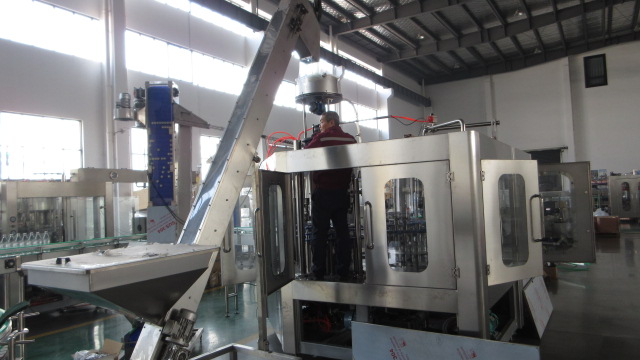
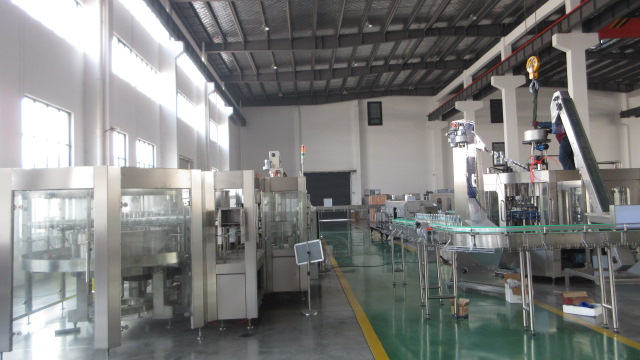
Zhangjiagang OGVU Machinery Co., Ltd. is located in Zhangjiagang City, Jiangsu Province, China's premier hub for beverage packaging equipment. With over 11 years of international export excellence, we specialize in delivering turnkey water treatment plants, syrup processing rooms, high-precision carbonators, and high-speed filling lines.
Every beverage carbonation machine is manufactured using premium stainless steel (SS304/SS316L), equipped with world-class components including Siemens PLCs, Schneider electronics, Festo pneumatics, and Endress+Hauser instrumentation. Our facilities are independently inspected on-site by Intertek to guarantee compliance with international engineering standards.

Answers to technical, commercial, and operational queries commonly asked by plant managers and procurement directors.
According to Henry's Law, gas solubility in liquid is inversely proportional to temperature. When water is cooled to 2°C - 4°C, CO₂ gas dissolves far more rapidly and thoroughly. Cooling minimizes the required vessel operating pressure, stabilizes dissolved CO₂ gas volumes (up to 5.0 Vol), and prevents excessive foaming during subsequent high-speed isobaric bottling or canning.
Deaeration removes dissolved air (specifically oxygen and nitrogen) from processed water. Dissolved oxygen causes intense turbulence and foam generation at the filler nozzles, forcing bottlers to reduce line speed. Additionally, oxygen causes oxidative degradation of flavors, colors, and sweetening agents, severely compromising product shelf life. Vacuum deaeration reduces residual DO below 30 ppb.
Batch carbonation involves mixing syrup and water in a pressurized vessel over an extended cycle, suitable for low-capacity craft operations. Continuous inline carbonation uses mass flow meters, proportional dosing pumps, and static mixing injectors to mix treated water, syrup concentrate, and CO₂ gas continuously in real time. Inline systems guarantee Brix accuracy within ±0.05° and support automated 24/7 industrial production up to 24,000 BPH.
Yes. Beverage carbonation machines engineered by Zhangjiagang OGVU Machinery Co., Ltd. feature recipe-driven PLC controls. To produce plain carbonated water, the operator bypasses the syrup dosing circuit and sets the target CO₂ volume. To produce CSD or energy drinks, the syrup dosing pump is engaged to achieve the exact target Brix and carbonation ratio automatically.
Routine maintenance includes daily automated Clean-in-Place (CIP) using caustic (80-85°C) and acid wash solutions to remove organic and mineral deposits. Periodic inspection of PTFE seals, hygienic Tri-Clamp gaskets, and pneumatic check valves prevents air ingress or pressure loss. High-precision mass flow sensors should undergo annual calibration verification.
Zhangjiagang OGVU Machinery Co., Ltd. provides full turnkey service: factory layout CAD design, equipment manufacturing, factory acceptance testing (FAT), export packing, and on-site engineering installation. Experienced engineers are dispatched to your plant for mechanical setup, electrical integration, commissioning, and staff operational training.
Contact our senior engineering team to discuss target output, CO₂ gas volumes, plant floorplan design, and turnkey machine quotations.