0%

Choosing the best Water Bottling Line in 2026 is not simply a contest for the highest bottles-per-hour figure. A line must handle the intended bottle size, water type, shift pattern, and sanitation needs without creating avoidable downtime. Picture a changeover between bottle formats: guides need adjustment, settings need checking, and operators need clear instructions. Small details matter.

Market growth makes those choices more consequential. Grand View Research valued the global bottled water market at approximately $303.9 billion in 2023 and forecast a 5.4% compound annual growth rate from 2024 to 2030. That forecast describes market demand, not a guarantee that any particular factory will grow. A buyer still needs to match line capacity to realistic sales and site conditions. More speed is not always better.

Packaging scholar Dr. Susan Selke’s work on packaging materials and sustainability offers a useful lens: equipment decisions should be judged across the package’s full life cycle, not by output alone. This is a paraphrase of her research, not a direct quotation. In practice, compare filling accuracy, changeover time, cleaning requirements, energy and water use, spare-parts access, and supplier support. Ask vendors to demonstrate performance with your container, cap, and operating conditions.

No line wins on speed alone. And “best” can be uncomfortable to define: a highly automated system may reduce routine labor, yet demand stronger technical support. This guide compares line configurations, key specifications, and trade-offs to help identify the right fit—not merely the biggest machine.
What Is the Best Water Bottling Line in 2026?

What Is a Water Bottling Line and How Does It Work?

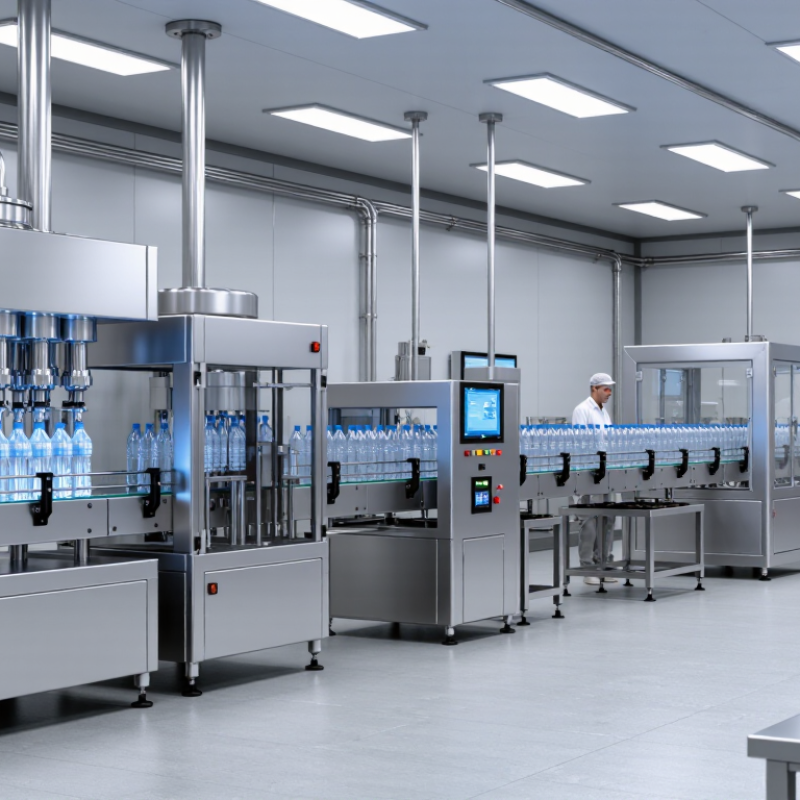
A water bottling line is a connected set of machines that prepares containers, fills them, seals them, and gets them ready for shipment. It begins with water treatment, selected according to the incoming water’s quality. Filters remove particles, while validated disinfection controls microorganisms. The treated water then enters a clean holding tank. Empty bottles travel along a conveyor, where they may be rinsed or inspected before filling.

At the filler, valves dispense a measured volume into each bottle. The method may use gravity or controlled pressure, depending on the product and container. Caps are applied immediately, then checked for proper placement and seal. Sensors can detect low fill levels, missing caps, or damaged bottles and divert them from the line. Labels and date codes are added before bottles are grouped into cases.

Small details matter. A loose cap can cause a leak; a poorly adjusted sensor can reject good bottles. Line speed also depends on container shape, cleaning routines, and changeover time, not just the filler’s rated capacity.

Operators should monitor sanitation records and inspection results, because an efficient line still needs careful oversight.

Not always smoothly. A minor conveyor jam can interrupt several connected stages.

What Equipment Makes Up a Modern Bottling Line?

A modern water bottling line is more than a filler and capper. It usually starts with water treatment and a sanitary storage tank, followed by bottle rinsing, filling, and capping equipment. Conveyors move containers between stations, while sensors can detect jams or missing bottles. Labeling, date coding, and case packing prepare finished products for handling. The exact setup depends on bottle size, production volume, and cleaning requirements.

In practice, the filler often sets the line’s pace, but a slow labeler or unreliable conveyor can create the same bottleneck. Inspection equipment can check fill levels and cap placement, helping operators catch visible problems before packing. Choose machinery that fits the actual product range, not just the fastest advertised speed. A perfectly balanced line is rare; changeovers and maintenance can expose weak points you did not expect.

Tips: Leave room for operators to reach cleaning and service areas. Keep access clear. Track stoppages by station, not just by shift. A small log can reveal patterns, though it may miss causes when notes are rushed.

Which Factors Determine the Best Bottling Line in 2026?

A 2026 bottling line should be judged by its daily fit, not its advertised peak speed. IBWA-cited Beverage Marketing Corporation data put U.S. bottled-water volume at 15.9 billion gallons in 2023. That demand makes dependable output important, but higher nameplate speed can create jams, rejects, and costly downtime. Check sustained bottles per hour using your actual bottle, cap, and label. Lab conditions mislead. Measure format-changeover minutes, fill accuracy, and restart time after brief stops. Ask for production trials with your water and packaging.

Water treatment and hygienic design matter as much as conveyors. Check filtration capacity, cleaning procedures, and access to nozzles and valves. Energy and water use per thousand bottles can expose hidden costs. Deloitte and MAPI’s 2024 smart-manufacturing survey found 86% of executives viewed smart manufacturing as a competitiveness driver over five years. That is broad manufacturing evidence, not a bottling-line guarantee. Use it to assess sensors, downtime records, and diagnostics, then compare service response and spare-parts availability. Automation helps only when operators can maintain it. An awkward truth: the cheapest line may still be the wrong line.

How Do Automation and Packaging Options Affect Line Performance?

What Is the Best Water Bottling Line in 2026?
How Do Automation and Packaging Options Affect Line Performance?

A strong bottling line is not simply the one with the fastest filler. Automation must keep filling, capping, labeling, inspection, and case packing in balance. A bottleneck at the labeler can leave a high-speed filler waiting. Recipe-based controls and quick-change guides can reduce changeover delays between bottle sizes. Sensors can flag low caps or misaligned labels before they cause extended stoppages. Small details matter. The trade-off is not always tidy: adding automation may increase output, but it also adds equipment that needs skilled maintenance.

Packaging choices shape the line, too. Lightweight bottles may need gentler conveying, while different closures and label materials can require new settings or inspection checks. IBWA’s 2024 market report put U.S. bottled-water volume at 16.4 billion gallons in 2023, a useful signal that reliable capacity matters. PMMI’s industry research also highlights demand for flexible packaging and processing systems. A practical design should match actual product formats and changeover frequency, not just a target speed on a quotation.

Tips: Compare lines using sustained good bottles per minute, changeover time, reject rate, and unplanned downtime. Ask suppliers to demonstrate a full format change with your bottle, cap, and label. Then check whether operators can clear common faults without stopping the whole line.

What Is the Best Water Bottling Line in 2026?

How automation and packaging options affect line performance

Higher automation can raise nominal output and reduce manual handling, while larger or more complex packages generally run more slowly. Rates shown are illustrative planning benchmarks, not guaranteed production results; actual throughput depends on equipment, bottle design, changeovers, and operating conditions.

How Can Businesses Select a Bottling Line for Their Needs?

What Is the Best Water Bottling Line in 2026?

How Can Businesses Select a Bottling Line for Their Needs?

Choosing a bottling line starts with the water you sell and the containers you use. List bottle sizes, materials, cap types, and expected daily output. A line designed for one container may struggle with frequent size changes. Check how filling, capping, labeling, and packing connect; a fast filler cannot fix a slow packer. Base capacity on realistic peak demand, not an optimistic sales forecast.

Ask equipment providers for line-speed details, utility requirements, and cleaning procedures. During a trial, watch bottles move through the entire line. Note jams, spills, and how long format changes take. Also check whether operators can reach controls and maintenance points safely. A neat spreadsheet may still miss a cramped work area or a difficult-to-clean corner. That matters.

Tips: Leave room for future capacity, but avoid paying for speed you cannot use. Compare expected downtime, spare-parts access, and operator training. Ask for performance data under conditions similar to your facility. Then verify the layout against your floor plan and available water, power, and compressed air. A small trial can reveal more than a polished brochure.

FAQS

What is a water bottling line?

It is a connected system that treats water, fills containers, seals them, and prepares them for shipment. Several stages work together.

What happens before water reaches the filler?

Treatment is selected according to incoming water quality. Filters remove particles, and validated disinfection controls microorganisms. The water then enters a clean holding tank.

How are bottles filled and sealed?

Bottles may be rinsed or inspected before filling. Valves dispense measured volumes using gravity or controlled pressure. Caps are applied immediately.

How does the line detect bottle problems?

Sensors can identify low fill levels, missing caps, and damaged bottles. The line can divert affected containers. Sensors may need adjustment.

Which machines are commonly included?

A typical setup includes treatment equipment, a storage tank, rinsing, filling, capping, conveyors, labeling, date coding, and case packing. The exact arrangement varies.

What affects a bottling line’s speed?

Bottle shape, cleaning routines, and changeover time all matter. A slow labeler or unreliable conveyor can limit production. Rated filler speed tells only part of the story.

How can operators spot recurring stoppages?

Track interruptions by station, not just by shift. A small log can reveal patterns, though rushed notes may miss the cause.

What practical details should operators consider?

Leave clear access to cleaning and service areas. Check sanitation records and inspection results. Small details matter, and a minor jam can interrupt several stages.

Conclusion

Choosing the best Water Bottling Line in 2026 starts with understanding how water moves from preparation and filling through capping, labeling, and final packaging. A modern line may combine rinsing, filling, sealing, inspection, and conveying equipment, with each stage designed to work smoothly with the others. The right configuration depends on production capacity, bottle materials and sizes, available space, product requirements, budget, and plans for future growth.

Automation and packaging choices also shape performance. Automated controls can help maintain consistent output, reduce repetitive tasks, and make it easier to monitor production, while flexible changeover features can support different bottle formats. Businesses should compare equipment reliability, ease of cleaning and maintenance, energy use, operator training needs, and after-sales support. By matching these factors to their actual production goals, companies can select a line that balances efficiency, flexibility, and long-term operating costs.

Oliver

Oliver

Oliver is a professional marketing specialist who combines a strong understanding of customer needs with in-depth knowledge of the company’s products. He regularly researches product features, practical applications, and emerging market trends so he can turn complex information into clear, useful......