0%

Choosing among the 7 best Water Filling Machine options means looking beyond bottles per minute. A machine may run beautifully during a short demo, then struggle with foaming water, inconsistent bottle necks, or frequent changeovers. Small details matter: the filler’s contact parts, cap handling, cleaning method, and support availability can shape daily output. And speed is not everything.

Demand makes this decision worth careful attention. Beverage Marketing Corporation’s 2024 U.S. bottled water report estimates that Americans consumed about 15.2 billion gallons in 2023. Grand View Research also estimated the global bottled water market at roughly $303.9 billion in 2023. These figures describe product markets, not machine sales, but they help explain why dependable filling lines matter. Real requirements still vary by plant size, bottle format, water treatment, and budget.

Manufacturing quality expert W. Edwards Deming is often credited with saying, “Quality is everyone’s responsibility.” That principle fits filling equipment: operators, maintenance teams, and suppliers all affect consistent output. This guide compares seven machine types and models by capacity, filling accuracy, automation, hygiene design, flexibility, and service considerations. No single option suits every facility. A compact gravity filler may be sensible for a small line, while a high-speed rotary system can bring needless complexity there. Check the details. Then compare the machine against your actual bottles, shift pattern, and cleaning routine—not just its brochure claims.
What Are the 7 Best Water Filling Machines?

What Water Filling Machines Are and How They Work

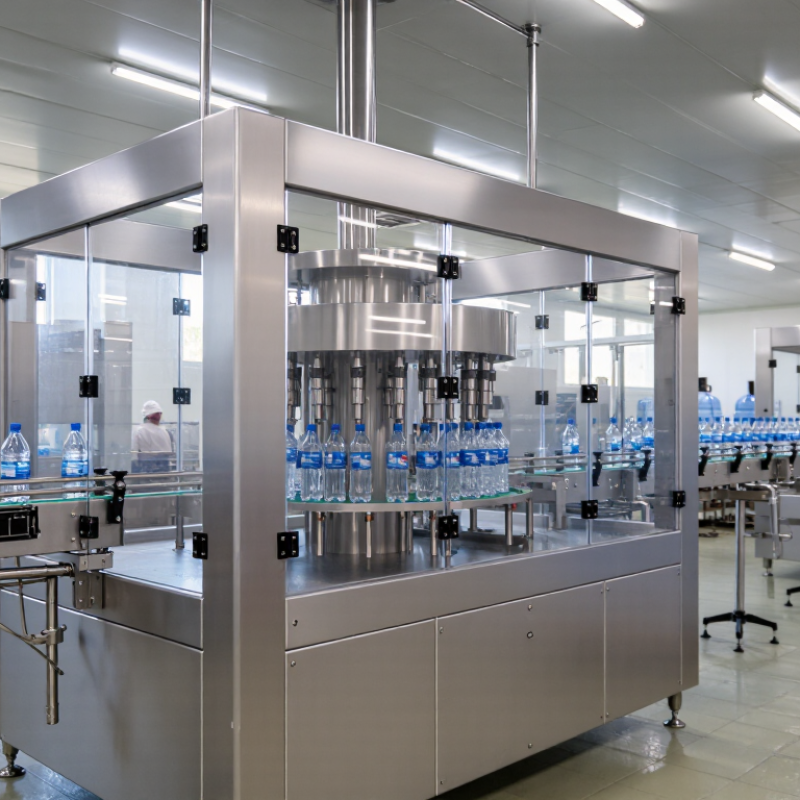
Water filling machines transfer treated water into bottles or other containers at a controlled volume. A typical line may rinse containers, position them beneath filling valves, dispense water, then cap and inspect each unit. Conveyors connect these stations, while sensors detect bottles and help prevent spills. Gravity fillers suit some smaller operations; higher-output lines often use timed or flow-based controls. The right setup depends on container shape, target output, and cleaning requirements.

Grand View Research estimated the global bottled water market at USD 303.9 billion in 2022, with a projected 5.6% compound annual growth rate from 2023 to 2030. This is market data, not a machine-sales forecast. Still, greater production volumes make fill accuracy, changeover time, and cleaning access important. Check whether a machine’s stated speed reflects your bottle size and expected downtime. A brochure figure alone can mislead.

Tips: Run several cycles with your own containers. Check fill-level consistency, nozzle drips, and access to product-contact parts. Leave room for adjustment. Bottle dimensions or water temperature may affect settings.

Main Types of Water Filling Machines

Water filling machines differ by filling method, container handling, and production speed. Gravity fillers use a tank above the filling valves, letting water flow into bottles by gravity. They suit still water and simple bottle shapes. Their design is straightforward, though fill levels can vary if bottles differ in height or the liquid level changes. Pressure-based systems control flow with regulated pressure and can support faster production. Vacuum fillers draw liquid into suitable rigid containers, while flowmeter systems measure each dose electronically. Each method has trade-offs. A precise meter cannot fix poor bottle positioning.

Automation also shapes the choice. Semi-automatic machines often work well for small runs, where an operator places and removes each bottle. Inline automatic systems move containers along a conveyor and suit steady, higher-volume production. Rotary systems fill bottles around a rotating platform, saving floor space at higher speeds. More automation is not always better. Changeovers, cleaning access, and available operators matter too.

Tips: Test the machine with your actual bottles and water. Check fill-level consistency, cleaning steps, and changeover time. Small details count. A fast trial may still miss problems that appear during a full shift.

What Are the 7 Best Water Filling Machines?

Typical production-speed ranges for seven common filling systems (bottles per hour). These are indicative planning ranges, not guaranteed specifications; actual output depends on bottle size, number of filling heads, and line configuration.

Gravity and overflow systems are commonly used for still water. Vacuum systems suit certain rigid containers, while flow-meter systems provide measured fills. Rotary systems support higher-throughput lines; pressure filling is generally used for carbonated water.

Key Factors for Comparing Water Filling Machines

Comparing water filling machines starts with the container, not the sales brochure. Record bottle material, neck size, volume range, and daily production target. A machine rated for 6,000 bottles per hour may slow down when operators switch between 500-milliliter and 1.5-liter formats. Fit matters. Check whether the filler handles still and carbonated water, and ask how quickly recipes and change parts can be adjusted.

The International Bottled Water Association’s 2024 industry data reports U.S. bottled water consumption of 15.9 billion gallons in 2023. Grand View Research estimated the global bottled water market at USD 303.95 billion that year, with a projected 6.7% annual growth rate from 2024 to 2030. These figures signal demand, but they do not tell you which line speed your facility needs. Compare actual output during a full shift, including rinsing, capping, and routine stoppages.

Look closely at fill accuracy, sanitation design, and maintenance access. Ask for measured product loss per shift, not just a claimed precision percentage. Inspect whether operators can reach valves and sensors without awkward dismantling. A small caution: quoted speeds can hide downtime from rinsing, cap changes, and minor jams. Review water and energy use, too, and check that the machine connects smoothly with conveyors, labelers, and existing controls. A perfect specification sheet can still disappoint. Test representative bottles and caps before committing.

Seven Leading Water Filling Machines by Use Case

What Are the 7 Best Water Filling Machines?

Seven Leading Water Filling Machines by Use Case

Choosing among seven leading water filling machines starts with container size, daily output, and water type. A tabletop single-nozzle filler suits pilot runs and small batches; place a catch tray beneath it, since drips happen. Gravity fillers work well for still water and straightforward bottle shapes. Overflow fillers help keep liquid levels visually consistent across clear bottles. For measured portions in larger jugs, a volumetric or piston filler offers control, though water can splash if the fill speed is poorly adjusted.

Growing operations may prefer an inline multihead filler, which fills several containers at once while leaving room for future line upgrades. High-volume plants often use rotary machines, where bottles move continuously beneath filling heads; they need adequate floor space and careful changeover planning. For large returnable bottles, an integrated washer-filler-capper reduces manual handling and keeps the container process together. Still, no setup is perfect. Check bottle-neck dimensions, cleaning access, drip control, and actual tested output before buying. A quoted capacity may not reflect frequent size changes or brief production stops.

How to Choose a Machine for Your Bottling Operation

What Are the 7 Best Water Filling Machines?

How to Choose a Machine for Your Bottling Operation

The right water filling machine depends on your bottle size, daily volume, and available floor space. A small operation may need a compact, semi-automatic filler. Higher output usually calls for automatic filling with a conveyor and consistent bottle handling. Check the machine’s stated speed against your real production needs, not just its fastest advertised cycle. Also confirm that it handles your bottle material, neck size, and cap type. Fit matters.

Consider how quickly operators can clean the product-contact parts and change between bottle sizes. Ask about fill accuracy, spare parts, training, and service response times. If possible, test the machine with your own bottles and water. Watch for splashing, drips, and bottles that wobble under the filling nozzles. These small issues slow a line. Paper specifications can look reassuring, but changeovers may take longer than expected. Build in room for adjustment.

Tips: Measure your available line space before requesting a quote. Keep a sample bottle and cap nearby during supplier discussions. Compare expected output with your actual shift schedule, including cleaning and pauses. Don’t overlook operator comfort; awkward controls can become a daily annoyance.

FAQS

How does a water filling machine work?

It transfers treated water into containers at a controlled volume. A line may rinse bottles, fill them, cap them, and inspect each unit. Sensors detect bottles and help reduce spills.

What is a gravity filling machine used for?

It uses a tank above the filling valves, allowing water to flow into bottles by gravity. It can suit still water and simple bottle shapes. Bottle height differences may affect fill levels.

What filling methods are available?

Options include gravity, pressure-based, vacuum, and flowmeter systems. Each has trade-offs. An accurate meter cannot fix poor bottle positioning.

Should I choose a semi-automatic or automatic machine?

Semi-automatic machines can suit small runs, with operators placing and removing bottles. Automatic conveyor or rotary systems can support steadier, higher-volume production. More automation is not always better.

How can I check a machine’s real production speed?

Compare its stated speed with your bottle size, shift schedule, cleaning time, and pauses. Run several cycles using your own containers. A brochure figure can mislead.

What should I check during a machine trial?

Watch for uneven fill levels, nozzle drips, splashing, and bottles that wobble. Check whether operators can reach product-contact parts easily. Small details count.

How do bottle and cap details affect machine choice?

Check bottle material, neck size, shape, and cap type before choosing. Keep a sample bottle and cap nearby during supplier discussions. Fit matters.

What practical details are easy to overlook?

Measure floor space and ask about spare parts, training, and service response times. Check changeover steps and operator comfort. I would still allow room for adjustment; a short trial may hide a slow changeover.

Conclusion

This article explains what a Water Filling Machine does and how it moves water into containers with accuracy, speed, and minimal waste. It introduces the main machine types, from simple systems suited to smaller production runs to automated equipment designed for higher output. Readers will also learn how filling methods and production-line setups can differ depending on container formats, operating needs, and the desired level of automation.

The guide compares seven leading machine options by use case, focusing on practical factors such as filling capacity, accuracy, ease of operation, maintenance, and compatibility with a bottling line. It concludes with a straightforward approach to choosing equipment: assess current production requirements, consider future growth, and match the machine’s capabilities to the operation’s budget and workflow. This overview is designed to help bottlers make a well-informed choice without assuming that one machine suits every business.

Ethan

Ethan

Ethan is a professional marketing specialist who combines a strong understanding of the company’s products with a clear, reader-focused approach to communication. He regularly contributes expert articles to the company website, helping readers understand product features, practical applications,......