High-Performance Beverage Processing & Bottling Equipment
Explore our CE-compliant beverage preparation, inline blending, pulp mixing, and turnkey filling lines designed for global bottling plants.
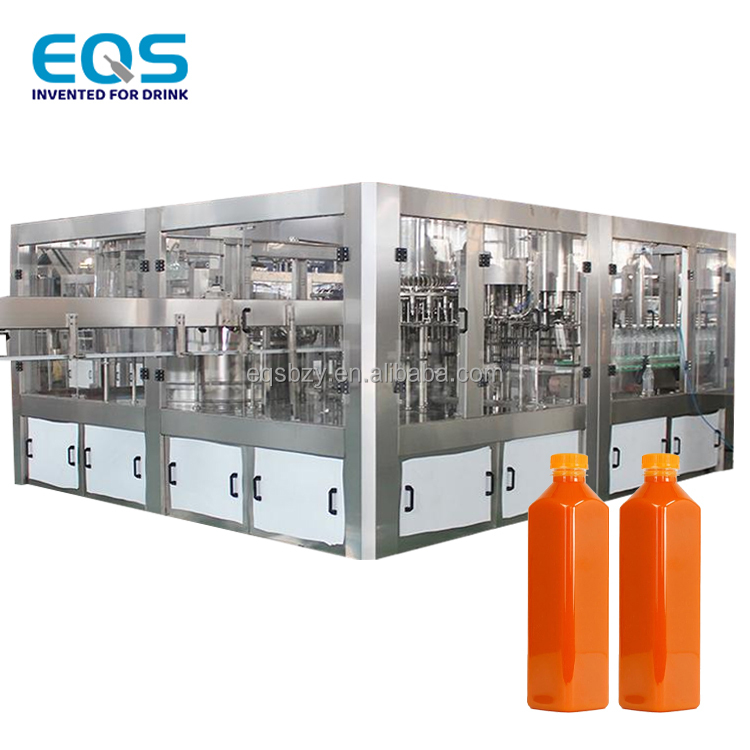
Hot Filling 4-in-1 Juice Filling Machine for Fruit Juice With Pulp PET Bottle Beverage Bottling Line
View Product Details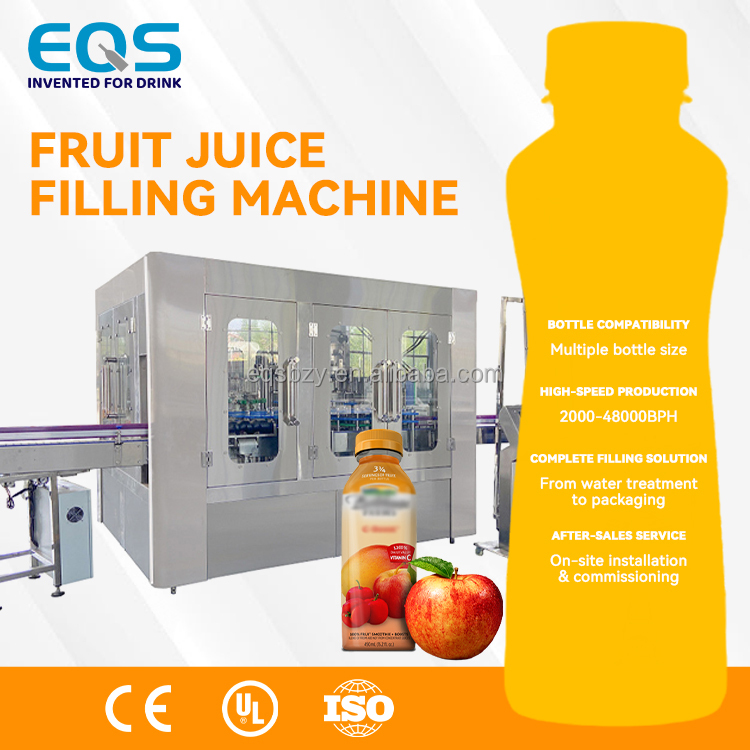
A to Z Automatic Hot Filling Bottling Capping Machine Juice Beverage Production Equipment
View Product Details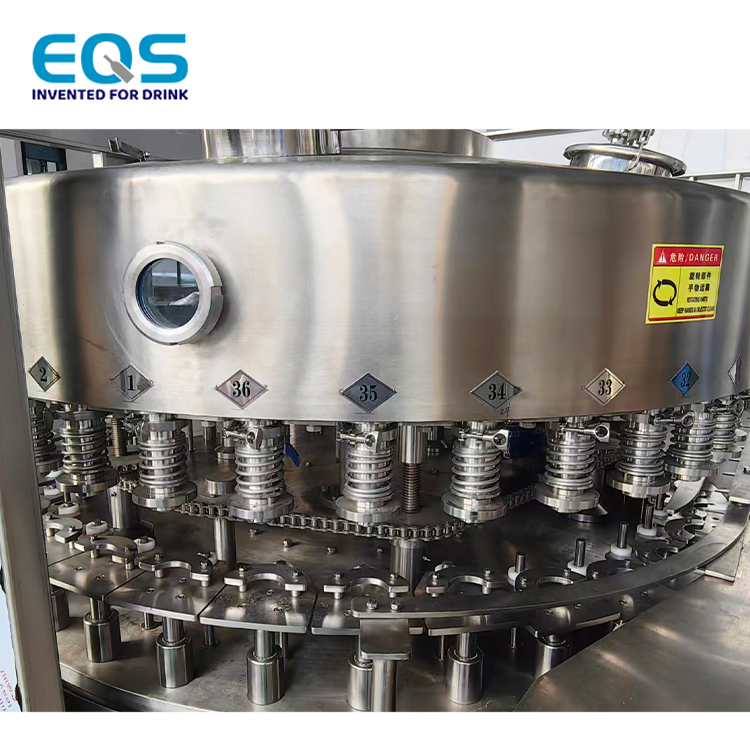
Industria 4-in-1 Pulp Fruit Juice Filling Machine for PET Bottle Bottling Line with Mixing System
View Product Details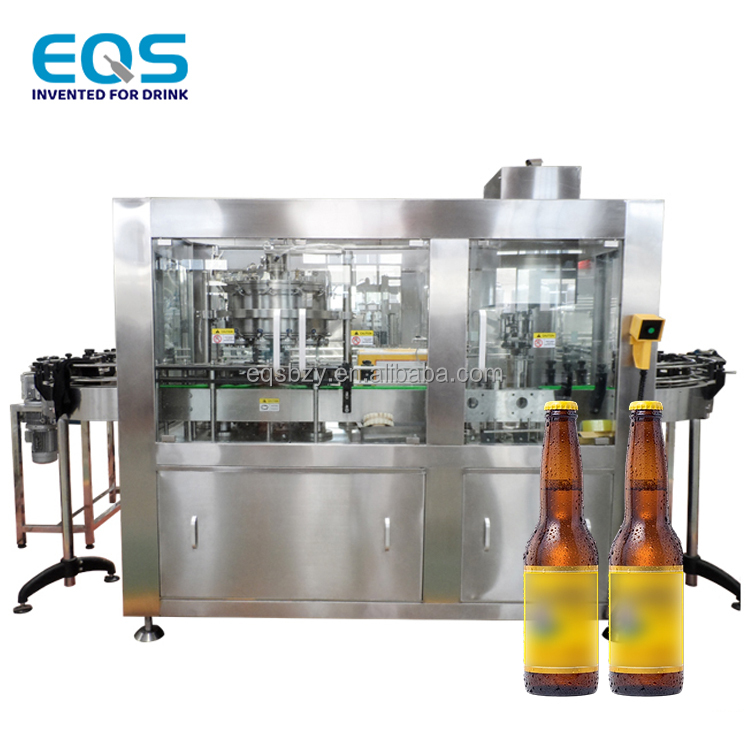
A to Z Turnkey Beer Bottling Line 7000BPH PET Bottle Beer Filling Machine with Aluminum Cap
View Product Details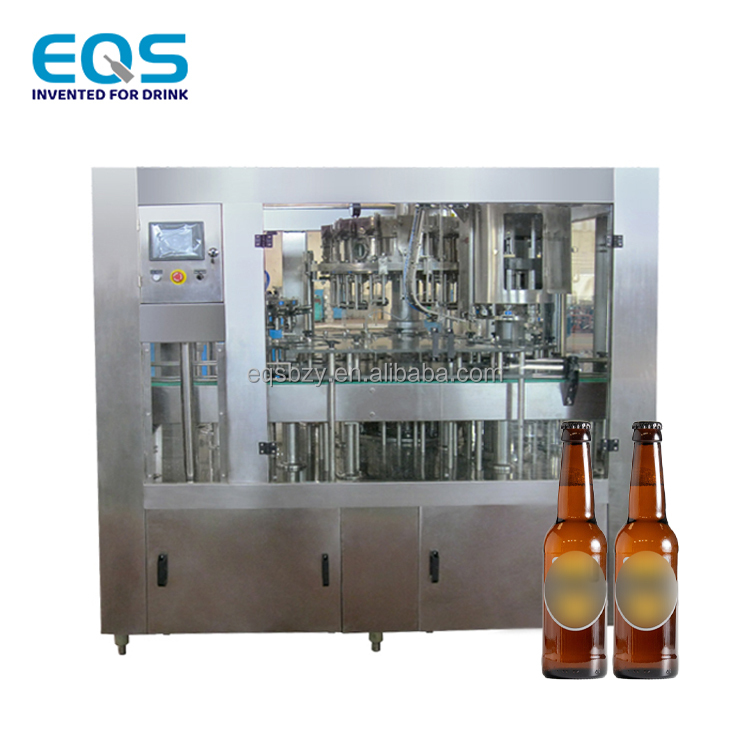
Complete PET Bottle Beer Bottling Plant 7000BPH Automatic Isobaric Filling Production Line
View Product Details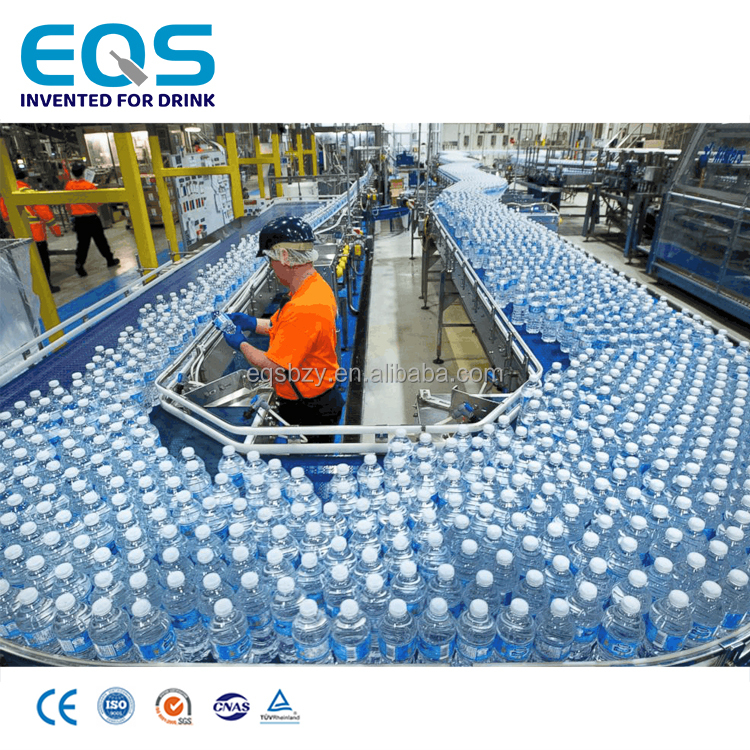
Industrial Pure & Mineral Water Treatment Filling Machine Complete Production Line Turnkey Project
View Product Details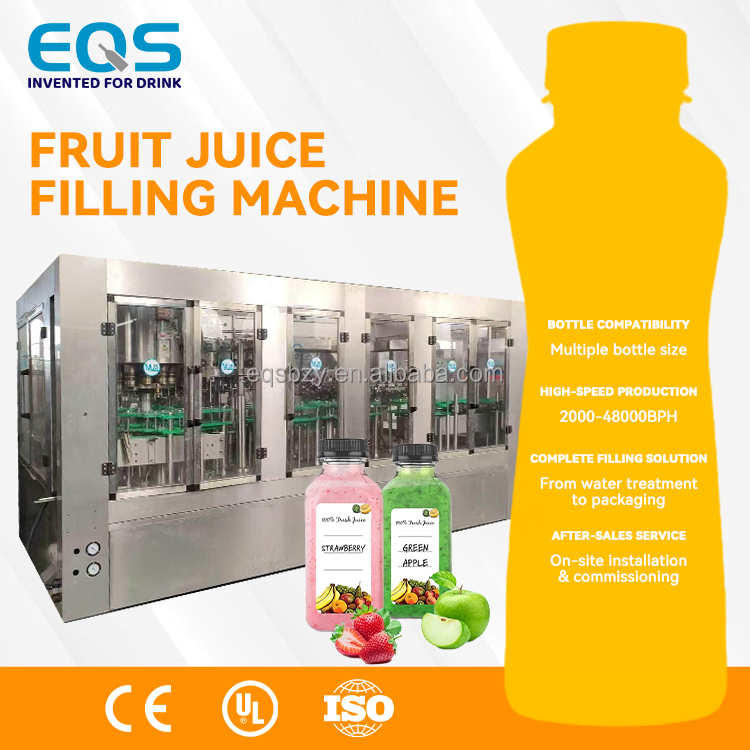
Automatic 20000BPH High Speed Glass Bottle Hot Filling Washing Filling Capping Monoblock for Fruit Juice Tea Drinks
View Product Details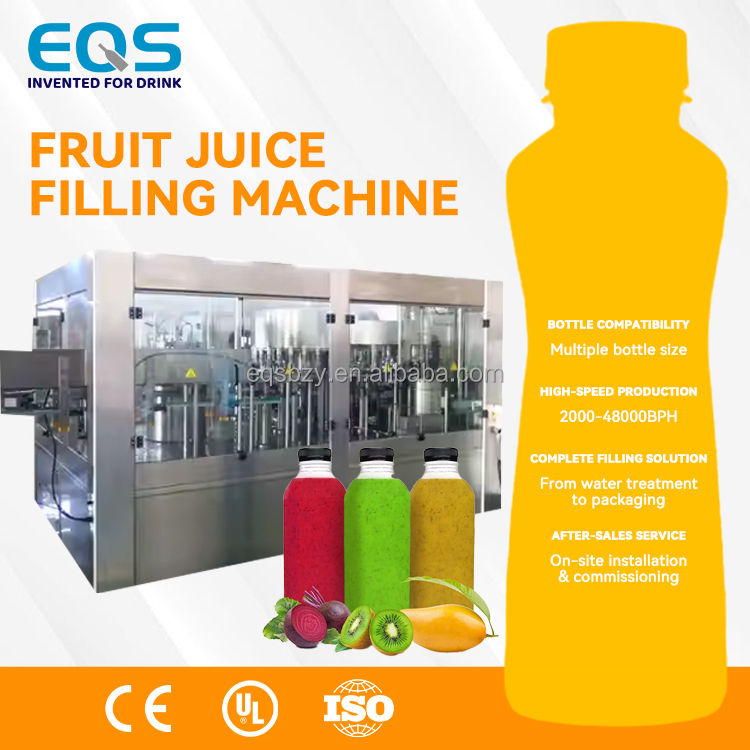
Complete 2000BPH Juice Canning Line Aluminium Can Juice Filling & Seaming Whole Line
View Product DetailsWhy Enterprise Bottlers Partner with Zhangjiagang OGVU Machinery
Located in Zhangjiagang, Jiangsu—China's premier beverage packaging machinery industrial cluster—OGVU Machinery delivers end-to-end engineering excellence, verified quality control, and robust OEM/ODM capability.
Intertek On-Site Verified Supplier
Our manufacturing facility, engineering standards, and production line capacities undergo rigorous third-party audits by Intertek. Buyers receive full transparency with verified factory credentials, guaranteeing certified industrial reliability.
Turnkey Line Integration & Matching
We solve the critical issue of production bottlenecks by perfectly synchronizing water treatment, raw liquid blending, thermal pasteurization, blowing, filling, and end-of-line packaging into one coherent SCADA-controlled ecosystem.
Global Engineering & Multilingual Support
Our direct technical teams operate natively across English, Spanish, Russian, and Chinese. We send veteran commissioning engineers worldwide to supervise civil engineering, electrical wiring, mechanical startup, and staff training.
Industrial Whitepaper: Engineering CE-Certified Beverage Blending Systems
In modern industrial beverage manufacturing, the liquid preparation room is the operational brain of the bottling plant. Whether formulating carbonated soft drinks (CSD), natural pulp-containing fruit juices, RTD tea beverages, or functional wellness shots, achieving absolute consistency in Brix level, acidity, carbonation volume, and microbiological sterility is paramount. As a leading manufacturer and global wholesaler of CE-Certified Beverage Blending Systems, Zhangjiagang OGVU Machinery engineers state-of-the-art inline continuous blending skids and batch mixing systems tailored to strict European Union safety and hygiene standards.
Regulatory Insight: CE certification for beverage preparation skids mandates strict adherence to the Machinery Directive 2006/42/EC, Low Voltage Directive 2014/35/EU, Electromagnetic Compatibility (EMC) Directive 2014/30/EU, and the Pressure Equipment Directive (PED 2014/68/EU) for thermal process vessels and pressurized carbonation columns.
1. Architectural Breakdown of Continuous Inline Blending Skids
Traditional batch blending—relying on massive mixing tanks and manual raw material loading—presents significant disadvantages, including high footprint requirements, energy inefficiency, longer CIP turnaround times, and high risk of batch-to-batch variation. OGVU’s continuous automated inline blending systems replace static mixing with dynamic proportioning based on mass flowmeters and high-frequency control loops.
| Blending Process Stage | Core Equipment / Component | Technical Specification | Quality Impact |
|---|---|---|---|
| Sugar Dissolving | High-Shear Continuous Dissolver & Plate Heat Exchanger | Temp: 85°C, Hot/Cold dissolving options, 65° Brix syrup yield | Eliminates micro-crystals, ensures complete sucrose/fructose inversion. |
| Liquid Dosing & Ratio Control | Coriolis Mass Flowmeters & Digital Injection Valves | Accuracy: ±0.05% mass rate, Siemens S7-1500 PLC control | Precise concentrate, acid, flavor, and treated water ratios. |
| Deaeration & Gas Removal | Inline Vacuum Spray Deaerator Vessel | Vacuum degree: -0.09 to -0.095 MPa, residual O2 < 0.5 ppm | Prevents oxidation, preserves fruit flavor, eliminates foaming at filler. |
| Carbonation / Gas Dosing | Sintered Stainless Steel Venturi CO2 Injector Skid | Carbonation pressure: 0.1 - 0.6 MPa, CO2 gas purity > 99.9% | Achieves up to 4.5 vol/vol CO2 dissolved gas in CSD and sparkling water. |
| Sanitary CIP Integration | Fully Automated 3-Tank / 5-Tank CIP System | Flow velocity ≥ 1.5 - 2.0 m/s, automatic caustic/acid dosing | Eliminates microbial cross-contamination during product changeover. |
2. Material Selection & Hygienic Design (EHEDG & 3-A Alignment)
To comply with global food safety regulations (FDA, EFSA) and secure CE validation, all fluid-contact surfaces inside our blending skids are fabricated from premium AISI 316L (EN 1.4404) stainless steel. Non-contact structural frameworks utilize heavy-duty AISI 304. Internal vessel walls and pipe interiors undergo precision mechanical polishing followed by electro-polishing to achieve a surface roughness of Ra ≤ 0.4 µm, eliminating micro-crevices where bio-films and bacterial cultures thrive.
Furthermore, all dynamic seals, gaskets, and pump diaphragms are composed of food-grade EPDM, FKM (Viton), or PTFE materials certified under FDA 21 CFR 177.2600. Pipeline connections utilize sanitary Tri-Clamp or DIN 11851 hygienic unions to ensure dead-leg-free turbulent flow during automated Clean-In-Place (CIP) and Sterilization-In-Place (SIP) cycles.
Need a Customized Beverage Blending System Layout?
Consult with OGVU process engineers to calculate your liquid recipe dosing ratios, utility consumption, and layout requirements.
Get CatalogFuture Procurement Trends in Beverage Blending & Liquid Processing (2025–2030)
As the global beverage industry transitions toward clean-label recipes, plant-based dairy alternatives, sugar-reduced formulations, and functional health drinks, procurement officers and plant directors must invest in blending machinery that offers long-term flexibility and energy recovery.
Trend 1: Smart Real-Time Inline Brix and Refractometric Analysis
Modern bottling facilities are shifting away from offline lab refractometer sampling toward continuous optical inline refractometers and density meters integrated into the blending skid. By feeding real-time Brix and refractive index data back to PID control loops, the blending system automatically adjusts water or syrup valve micro-steps, completely eliminating out-of-spec batches and saving tons of raw syrup annually.
Trend 2: Multi-Pulp & Particle Suspension Handling Capability
With consumer demand rising for premium juice with natural fruit sacs, pulp, or aloe vera chunks, traditional blending pumps often shear delicate particles, ruining mouthfeel. Next-generation blending systems incorporate low-shear progressive cavity pumps or lobe pumps alongside multi-stage dual-chamber mixing tanks to ensure homogenous distribution of pulp particles up to 10×10 mm without structural degradation.
Trend 3: Energy Decarbonization and Heat Recovery Systems
Energy cost volatilization has made thermal efficiency a key purchasing metric. Modern CE-certified hot blending and UHT pasteurization skids utilize multi-section plate or tubular heat exchangers configured for up to 90% heat regeneration. Waste heat from hot product lines preheats incoming raw water, drastically lowering steam boiler load and kilowatt-hour consumption per thousand liters produced.
Trend 4: Modular Skid Fabrication & Plug-and-Play Global Footprint
To reduce expensive on-site installation timelines and local labor costs, international buyers increasingly demand factory-tested skid-mounted modules. OGVU pre-assembles pumps, mass flowmeters, heat exchangers, pneumatic valve manifolds, and stainless control cabinets onto unified structural skids, fully pre-wired and pre-tested with water prior to overseas container loading.
Frequently Asked Questions About Beverage Blending Systems
Technical clarity for factory owners, project managers, and procurement teams looking to source CE-certified liquid processing equipment.
Which blending system is right for my product range: batch or continuous inline?
Batch blending is ideal for small-to-medium facilities producing multiple short-run products with high viscosity variations (e.g., thick sauces, syrups, or heavy fruit purees). Continuous inline blending is recommended for high-speed bottling lines (6,000 to 20,000+ BPH) running carbonated soft drinks, mineralized water, or high-volume juices, as it dramatically reduces floor space footprint, eliminates holding tanks, and guarantees tighter Brix tolerance.
How does an automated continuous beverage blender maintain Brix accuracy within ±0.05° Bx?
The system utilizes high-precision Coriolis mass flow meters installed on both the deaerated water line and concentrated syrup/ingredient lines. Real-time mass flow rate data is processed by a high-speed PLC system running proprietary PID algorithms. If the inline optical refractometer detects a minor deviation in final syrup density, modulating control valves instantaneously compensate the liquid ratio.
What specific CE documentation and pressure vessel certificates do you provide for export?
Every exported OGVU beverage preparation system includes full CE compliance documentation: Declaration of Conformity under Machinery Directive 2006/42/EC, EMC Directive 2014/30/EU, electrical safety test reports according to EN 60204-1, and PED 2014/68/EU certificates for high-pressure carbonation columns or thermal vacuum deaerator vessels. Complete material traceability certificates (EN 10204 3.1) are also provided for all SS316L liquid-contact components.
How does the system prevent cross-contamination during product changeover?
Our skids are engineered with automated CIP/SIP channels featuring zero-dead-leg hygienic pneumatic valves. Upon completing a production run, the system executes an automated recipe flush. High-velocity cleaning solutions (hot caustic soda and nitric acid) circulate through dedicated spray balls and fluid loops at line velocities exceeding 1.5 m/s, followed by sterile water rinsing, ensuring 100% allergen and flavor isolation between batches.
Can one blending system feed multiple downstream filling lines?
Yes. By configuring a buffer tank manifold with multi-channel pneumatic matrix valves and PLC communication protocols, a single high-capacity continuous blending skid can supply treated, formulated product to separate PET bottling lines, glass bottling monoblocks, or aluminum canning lines simultaneously or in automated sequence.
What parameters are required to receive an exact quotation and layout design?
To provide a tailored engineering proposal, please share: 1) Beverage types and recipes (Brix, pulp level, carbonation level); 2) Desired preparation throughput (Liters per hour or BPH target); 3) Packaging container formats; 4) Local electrical specifications (e.g., 380V/50Hz 3-Phase); and 5) Workshop ceiling height and dimensions.
Partner with a Leading Beverage Machinery Exporter
Accelerate your bottling plant project with CE-certified blending skids, customized syrup rooms, and complete turnkey production lines built for long-term operational efficiency.
Get Catalog