Industrial Carbonation & Beverage Filling Monoblocks
Engineered to strict CE standards, offering high carbonation precision, low oxygen pick-up, and continuous operational efficiency.
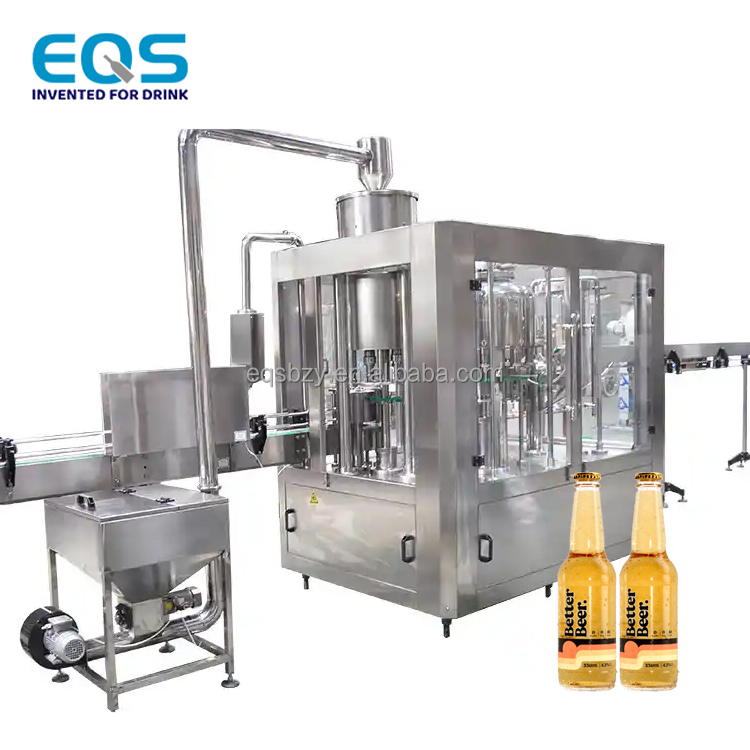
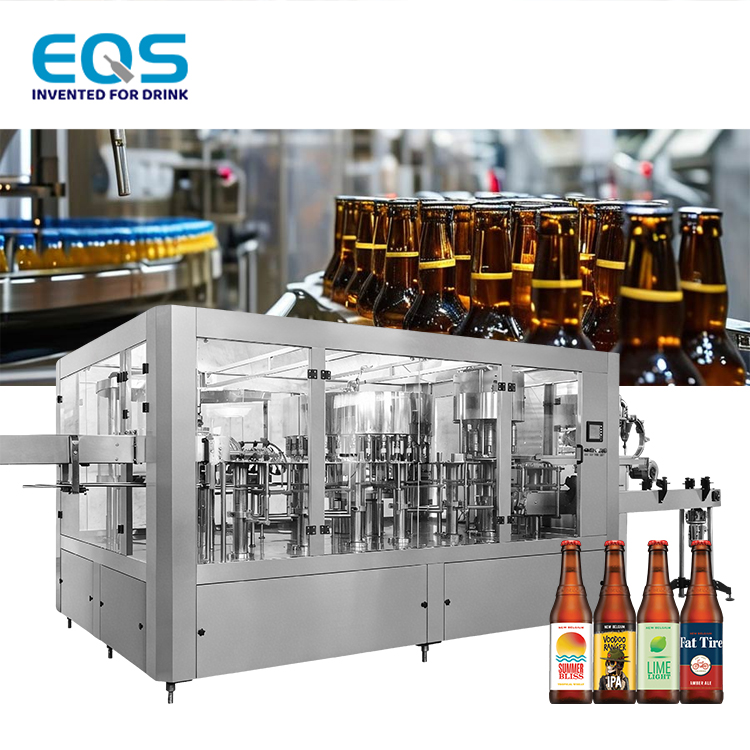
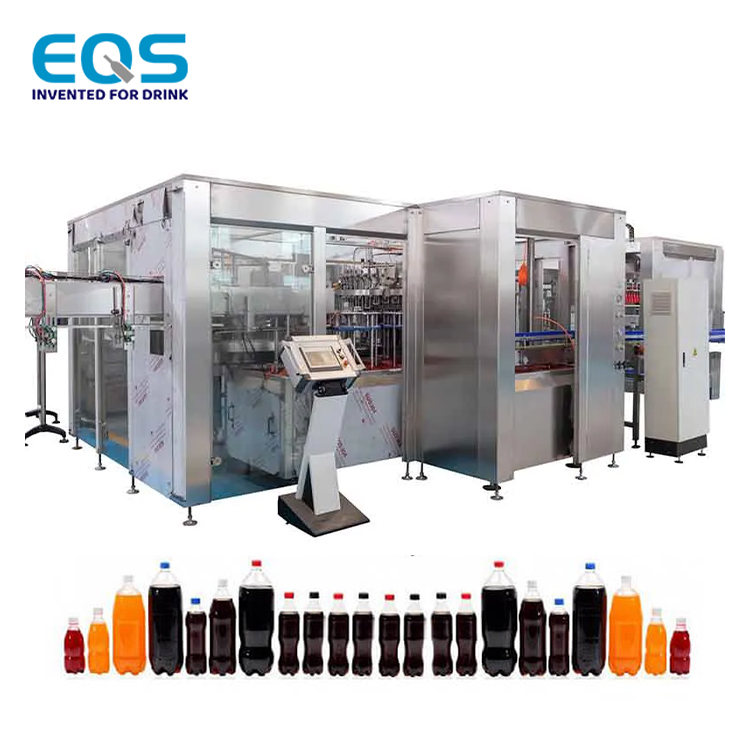
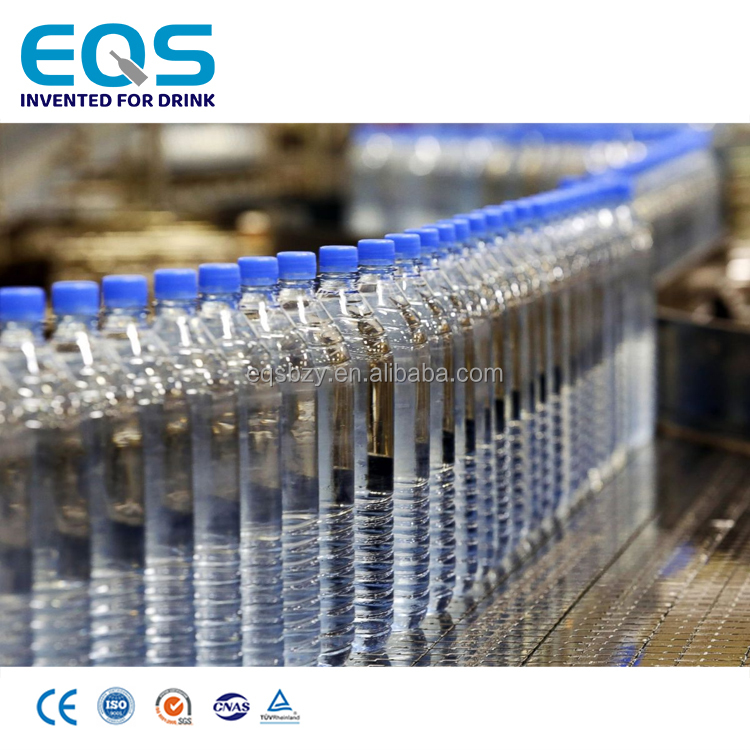
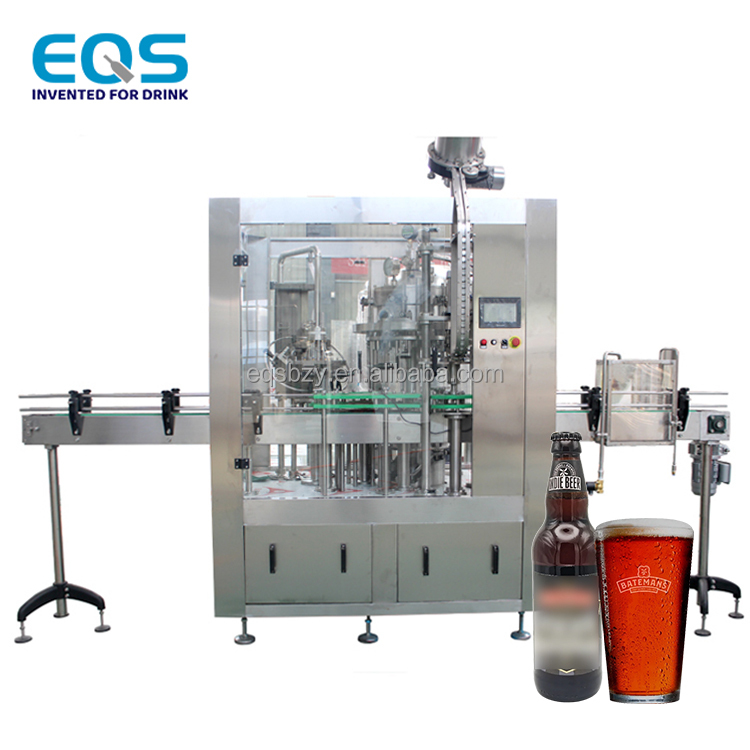
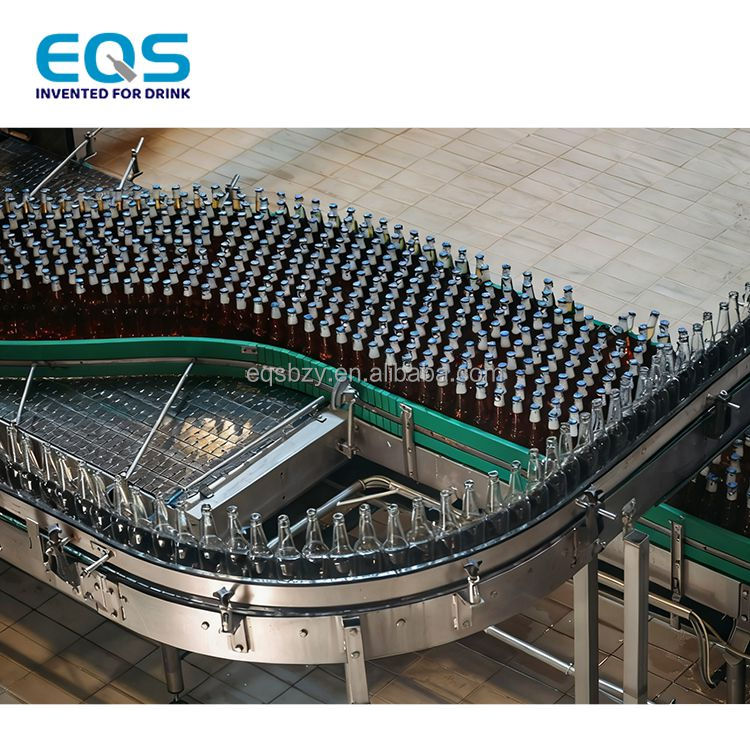
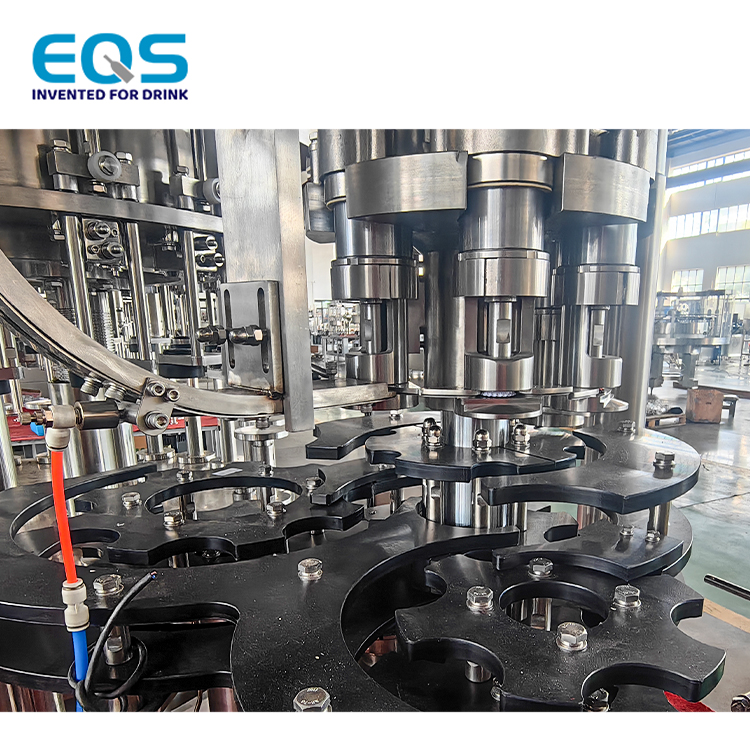
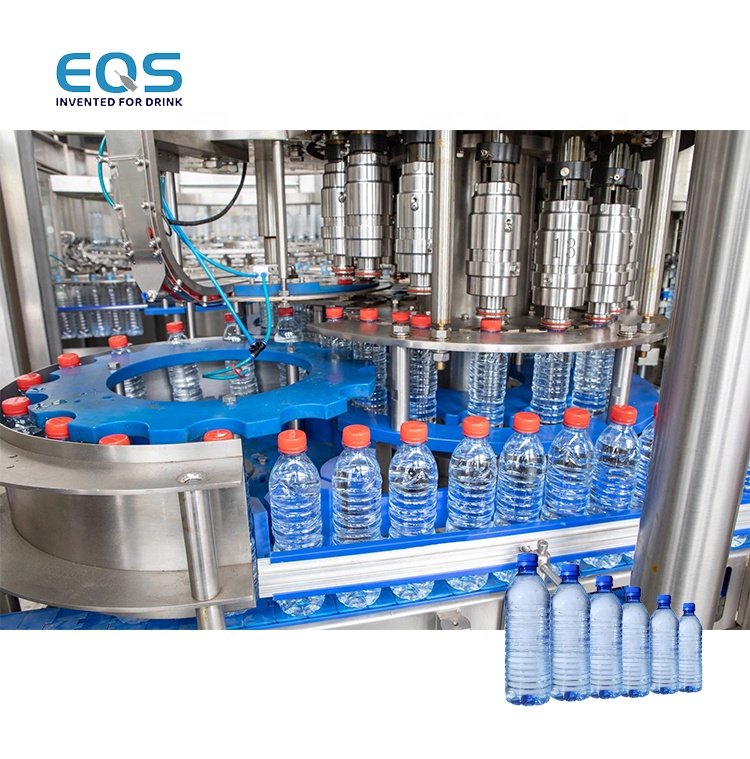
Engineering Excellence in Industrial Carbonation: A Technical Overview
In modern high-speed soft drink, sparkling water, and craft beer bottling operations, achieving consistent gas dissolution ($CO_2$ saturation) while preserving product integrity represents one of the most critical mechanical and thermodynamic challenges. As a premier CE Certified Beverage Carbonator Supplier & Exporters, Zhangjiagang OGVU Machinery Co., Ltd. provides complete engineering insights into inline deaeration, precise Brix mixing, gas mass transfer dynamics, and counter-pressure isobaric bottling monoblocks.
Thermodynamic Fundamentals of Carbonation (Henry's Law & Dissolution Dynamics)
The dissolution of carbon dioxide ($CO_2$) into a liquid beverage substrate is strictly governed by Henry's Law, which dictates that at a constant temperature, the amount of dissolved gas in a liquid is directly proportional to the partial pressure of that gas above the liquid:
$$C = k \cdot P_{CO_2}$$
Where C represents the dissolved concentration of $CO_2$, k is the temperature-dependent solubility constant, and $P_{CO_2}$ is the partial pressure. To optimize gas saturation without generating excess foam or requiring excessively high vessel pressures, industrial beverage carbonation systems utilize three core physical mechanisms:
- Deep Vacuum Vacuum Deaeration: Prior to gas dosing, raw water or base liquid undergoes single-stage or dual-stage vacuum stripping down to -0.092 MPa. Removing dissolved air ($O_2$ and $N_2$) creates structural liquid vacancies, allowing $CO_2$ molecules to hydrate into carbonic acid ($H_2CO_3$) rapidly.
- Temperature Control & Chilling: Because $CO_2$ solubility increases exponentially as temperature drops, industrial inline carbonators operate optimally between 1°C and 4°C. Integrated tubular heat exchangers ensure exact temperature maintenance.
- Micro-Bubble Diffusers & Static Mixing: Utilizing sintered stainless-steel injectors (porous micro-spargers) and high-shear static mixers, gas bubbles are broken down into sub-millimeter radii, expanding the gas-liquid contact surface area ($k_L a$) by over 400%.
Inline Multi-Stage Carbonation System Architecture
An advanced CE-marked continuous beverage carbonator comprises several synchronized mechanical modules controlled by a central Programmable Logic Controller (PLC) with human-machine interface (HMI):
Vacuum Deaeration Tower
Reduces $O_2$ levels below 0.02 mg/L using structured packing materials and vacuum ring pumps, eliminating oxidation and foam instability during high-speed filling.
Mass Flow Dosing
Incorporates high-precision Coriolis mass flow meters (e.g., Endress+Hauser) for both water/syrup streams and $CO_2$ gas feed, executing real-time closed-loop PID adjustments.
Isobaric Buffer Tank
Pressure-tested stainless steel (SS304/SS316L) vessel certified under CE Pressure Equipment Directive (PED 2014/68/EU), ensuring steady head pressure to the filler.
Technical Comparison: Carbonation Technologies for Beverage Plants
When selecting liquid processing equipment, beverage plants must evaluate throughput requirements, syrup ratio precision, and cleaning protocols. Below is a engineering matrix comparing traditional batch mixing against modern automatic inline carbonation machinery:
| Specification / Parameter | Batch Carbonation Tanks | Semi-Automatic Mixing Units | Fully Automatic Inline Carbonator (OGVU) |
|---|---|---|---|
| Dosing Accuracy | ±0.3 Vol/Vol ($CO_2$) | ±0.15 Vol/Vol ($CO_2$) | ±0.05 Vol/Vol ($CO_2$) |
| Brix Proportioning | Manual Batch Mixing | Volumetric Metering (±0.2°Bx) | Mass Flow Controlled (±0.05°Bx) |
| Dissolved Oxygen Reduction | Poor (0.10 - 0.25 mg/L) | Moderate (0.05 - 0.08 mg/L) | Ultra-Low (< 0.02 mg/L DO) |
| CIP Sanitize Compatibility | Manual Clean-in-Place | Partial Semi-Auto CIP | Fully Automated 85°C Sanitary CIP |
| CE Certification Standard | Basic Machinery Directive | Standard Electrical CE | PED 2014/68/EU & 2006/42/EC Full CE |
Future Procurement & Carbonation Tech Trends (2025–2030)
Key technological shifts driving global beverage equipment capital investments, sustainability directives, and smart factory integrations.
1. Energy-Saving & Low $CO_2$ Loss
Global bottlers are prioritizing eco-designed carbonation blocks featuring self-contained gas recycling units that recover blow-off $CO_2$ during isobaric pressure relief cycles, reducing raw gas consumption by up to 18% annually.
2. Multi-Beverage Agile Processing
Modern procurement demands machines capable of seamlessly switching between sparkling mineral water, high-Brix carbonated soft drinks, hard seltzers, and nitrogenated RTD beverages with minimal mechanical changeover time.
3. Smart IoT Telemetry & Inline Analytics
Integration of optical inline refractometers and ultrasonic $CO_2$ sensors linked to cloud dashboards allows real-time data logging, predictive maintenance alerts, and automatic compliance record generation for food safety audits.
Corporate Engineering Strengths & Export Capabilities
Zhangjiagang OGVU Machinery Co., Ltd. delivers turnkey beverage filling and carbonation infrastructure backed by rigorous quality assurance and international site support.
Certified CE & Intertek Verified
Our carbonation systems, water treatment setups, and bottling monoblocks strictly conform to CE Machinery Directive 2006/42/EC and Pressure Equipment Directive 2014/68/EU. Factory premises are independently audited on-site by Intertek.
Turnkey Engineering & ODM/OEM
From raw water reverse osmosis filtration to syrup kitchen preparation, inline carbonation, isobaric bottling, labeling, and shrink wrapping, OGVU supplies perfectly synchronized single-source lines eliminating interface bottlenecks.
Global Commissioning & Multilingual Support
Our senior deployment engineers deliver on-site machinery assembly, line integration, and operator training across Europe, Latin America, Africa, the Middle East, and Asia with fluent communication in English, Spanish, Russian, and Chinese.
Frequently Asked Questions for Beverage Carbonators
Direct technical and procurement responses to assist plant managers, project engineers, and beverage entrepreneurs.
Request a Turnkey Beverage Carbonation & Bottling Quote
Connect directly with OGVU application engineers to customize your beverage processing equipment, layout drawings, and CE-certified carbonation systems today.