Featured CE Certified Bottling Equipment
Explore our state-of-the-art monoblock bottle washing, filling, capping, and packaging systems engineered for ultra-pure water, carbonated soft drinks, beer, fruit juices, and canning operations.
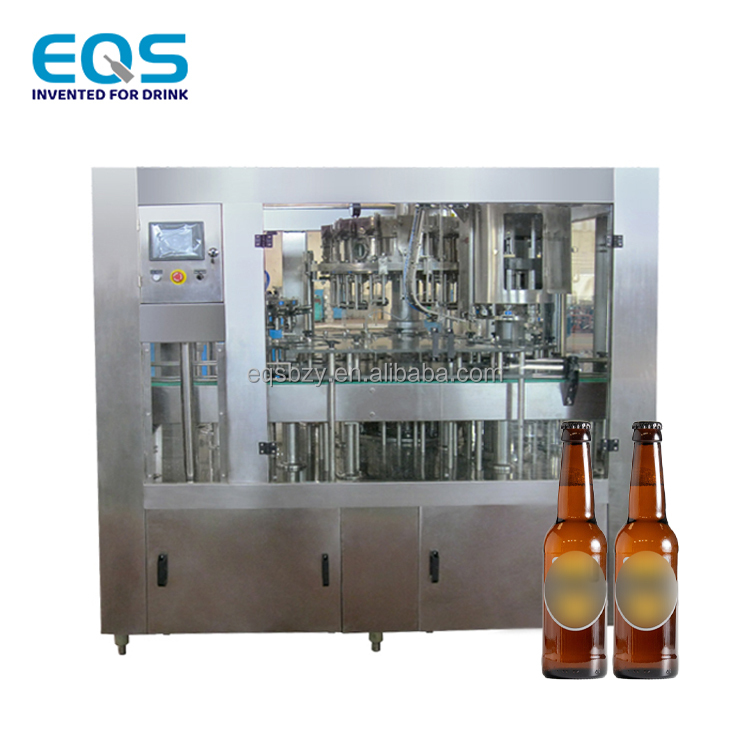 7000 BPH
Complete PET Bottle Beer Bottling Plant 7000BPH Automatic Isobaric Filling Line
Advanced counter-pressure isobaric filling monoblock tailored for craft & industrial breweries to minimize oxygen pickup and preserve carbonation.
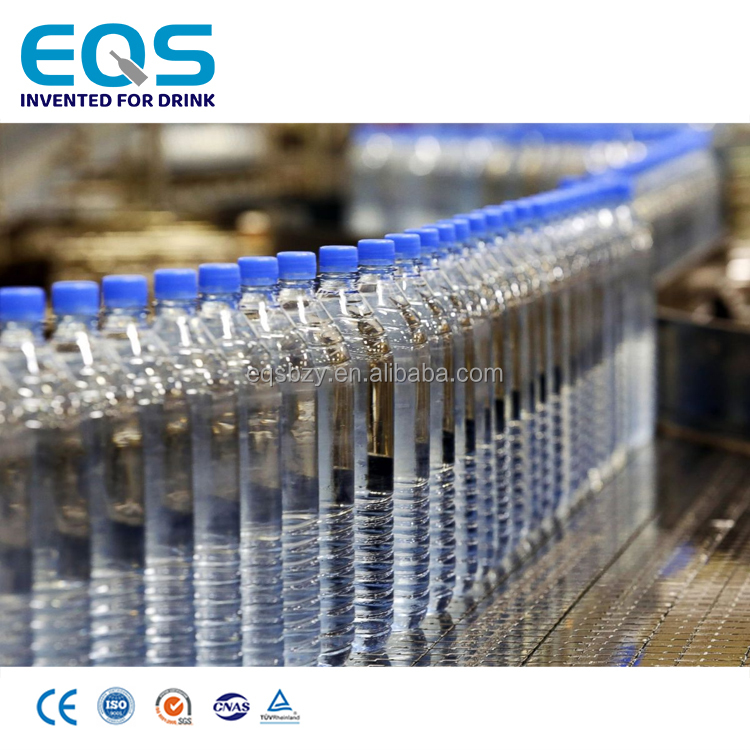 Turnkey Line
Fully Automatic Drinking Water Bottling Line for PET Bottle Filling & Packaging
End-to-end automated water bottling ecosystem incorporating blowing, precision gravity filling, OPP labeling, and shrink wrapping.
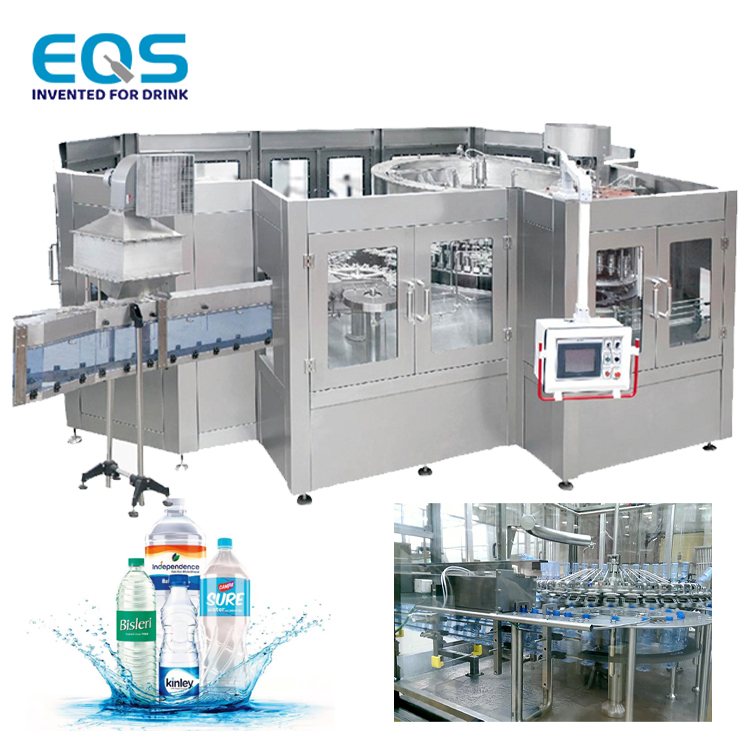 Dual Container
Professional Pure and Mineral Water Filling Line for PET & Glass Bottles
Versatile production plant designed for high-hygiene mineral water dosing with quick changeover format components for PET & glass containers.
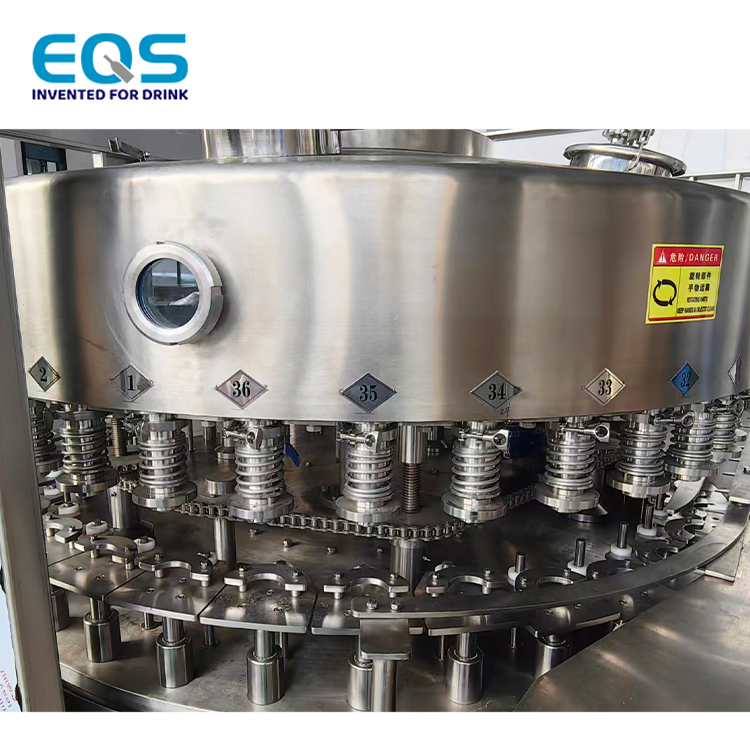 4-in-1 Monoblock
Industrial 4-in-1 Pulp Fruit Juice Filling Machine with Integrated Mixing
Engineered for juice containing pulp or fruit pieces; features pulp dosing, liquid hot filling, capping, and inline product circulation.
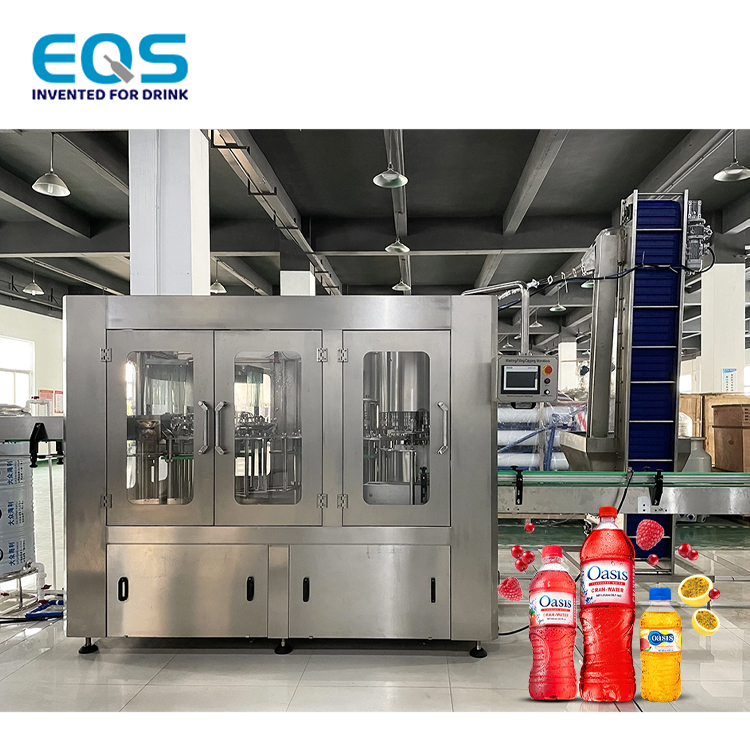 Flavor-Preserve
Reliable Flavor-Preserving PET Juice Line with Cap Loader & Packaging
Thermal-optimized hot filling line preserving delicate vitamin profiles and natural taste, equipped with automatic elevator cap loaders.
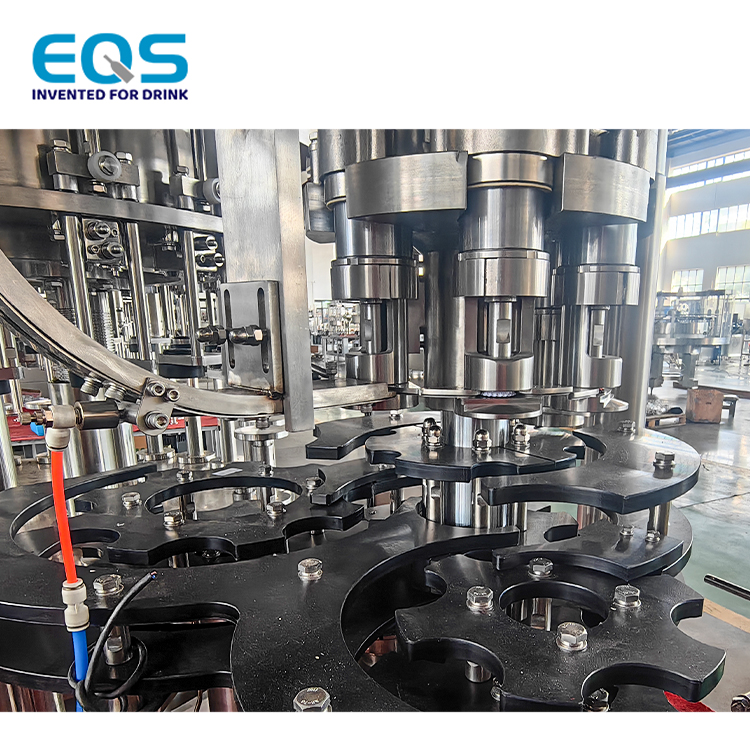 High-Speed
 3-in-1 Glass Bottle Beer Washing, Filling & Capping Monoblock
Heavy-duty rotary monoblock integrated with double vacuum pre-evacuation and high-pressure jetting foam excitation technology.
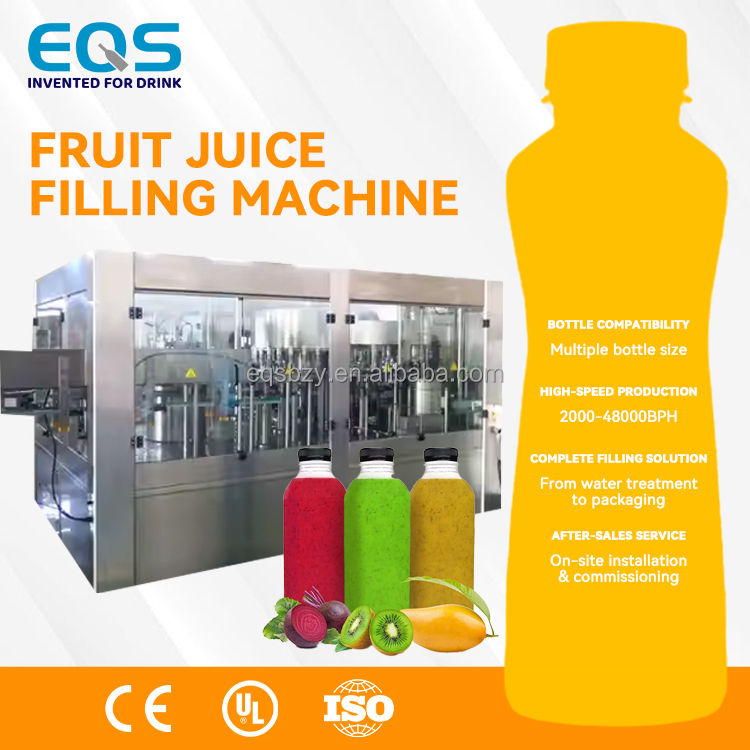 2000 BPH Can
Complete 2000BPH Aluminium Can Juice Filling & Seaming Production Line
Specialized mechanical seaming and filling system for aluminum cans, suitable for carbonated beverages, RTD teas, and fruit juices.
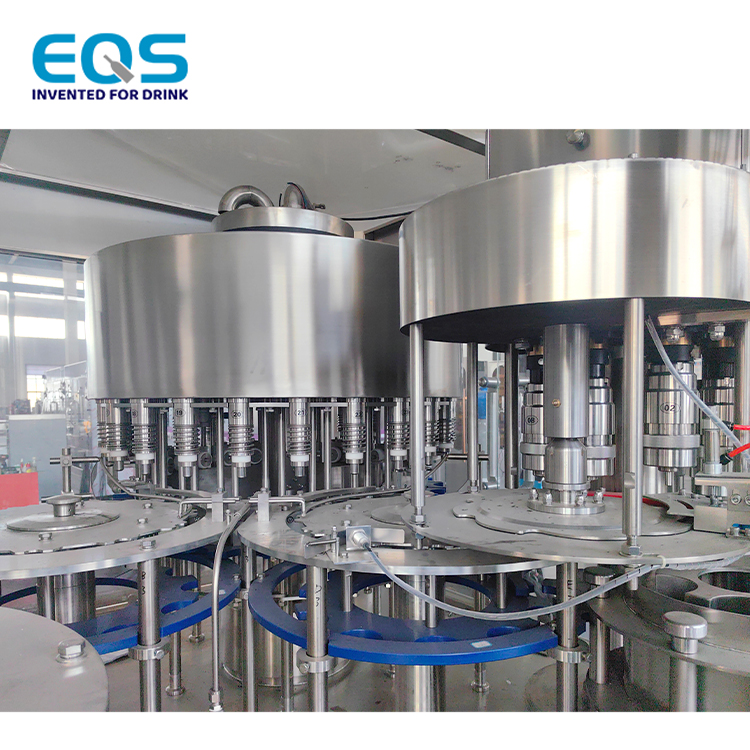 Industrial Plant
Industrial End-to-End Water Bottling Plant Solution for Glass & PET Bottles
Comprehensive high-throughput bottling architecture featuring reverse osmosis water treatment, automated conveyance, and robot palletizing.
Why Global Beverage Brands Partner with OGVU Machinery
Zhangjiagang OGVU Machinery Co., Ltd. stands at the epicenter of China's premier beverage packaging machinery manufacturing cluster in Jiangsu Province. With over 11 years of international export expertise and verified on-site facility inspection by Intertek, we provide unmatched manufacturing precision and system engineering reliability.
Institutional Engineering Standard & Single-Source Accountability
A primary failure mode in newly commissioned beverage bottling operations stems from line imbalance—purchasing water treatment from one supplier, bottle blow molders from another, and filling monoblocks from a third. This disjointed purchasing model results in mismatched line synchronization, frequent conveyor micro-stops, uncoordinated PLC communication protocols, and disputed warranty liabilities.
At OGVU Machinery, we eliminate structural bottlenecks by engineering unified, end-to-end packaging ecosystems under strict ISO 9001 quality management protocols. Every machine block—from reverse osmosis water purification units and linear/rotary stretch blow molding machines to isobaric counter-pressure filling valves, UHT tubular sterilizers, sleeve/OPP labelers, and automatic shrink bundle wrappers—is calculated to maintain exact mass-balance synchronization across your target throughput.
- On-Site Intertek Verified Operations: Our factory premises, machining centers, assembly lines, and operational capabilities undergo regular independent physical audits by Intertek.
- Standardized European Compliance: All main liquid contact machinery is built with food-grade AISI 304/316L stainless steel and designed in accordance with European Machinery Directive 2006/42/EC and Low Voltage Directive 2014/35/EU (CE certification).
- Turnkey Overseas Execution: Our expatriate engineering support teams conduct physical layout drafting, civil utility sizing, on-site mechanical installation, electrical commissioning, and multi-lingual operator training worldwide.
Selecting the Optimal Liquid Filling System Architecture
Matching liquid rheology, dissolved gas levels, thermal sensitivity, and container mechanics to the correct mechanical filling valve mechanism is paramount to achieving low total operational cost (TCO) and long product shelf life.
Normal Pressure & Gravity Filling
Utilized primarily for non-carbonated, low-viscosity liquids such as purified water, natural mineral water, and non-gas beverages. Gravity filling valves rely on liquid head pressure to achieve high filling speeds with zero foaming, operating in direct closed-loop contact with PET bottle necks.
Isobaric (Counter-Pressure) Filling
Essential for carbonated soft drinks (CSD), sparkling water, beer, and cider. The filling bowl pressurizes the container with CO2 equal to the liquid tank pressure before opening the liquid valve. This suppresses dissolved gas breakouts, guarantees net volume precision, and maintains carbonation integrity.
Thermal Hot Filling (85°C - 92°C)
Designed for natural fruit juices, iced teas, energy drinks, and functional beverages requiring pasteurization without chemical preservatives. Features product recirculation loops, heat-resistant PET neck handling, full-body bottle tilt sterilizers, and ambient cooling tunnels.
| Filling Technology | Target Beverage Spectrum | Operating Pressure / Temp | Critical Engineering Controls | Typical Container Types |
|---|---|---|---|---|
| Atmospheric Gravity | Purified Water, Spring Water, Flavored Still Water | Ambient (15°C – 25°C) / 0 Bar | Laminar flow liquid paths, HEPA air filtration hoods, zero-drip silicone seals | PET Light-weight Bottles, 3/5 Gallon Jars |
| Isobaric Counter-Pressure | CSD, Sparkling Water, Craft & Commercial Beer | Chilled (2°C – 6°C) / 2.0 – 4.5 Bar CO2 | Pre-evacuation vacuum pumps, high-pressure foam excitation, DO < 30 ppb control | PET, Glass Bottles, Aluminium Cans |
| Thermal Hot Fill | Juices with/without Pulp, RTD Tea, Isotonic Drinks | High Temp (85°C – 92°C) / 0.5 Bar | Continuous UHT tubular pasteurizer return loop, vacuum relief bottle design, cap tilt sterilizer | Heat-resistant PET (HR-PET), Glass Bottles |
| Ultra-Clean / Aseptic | Preservative-Free Milk, Plant Proteins, Sensitive Juices | Ambient Sterile Cold (20°C) / Isobaric Ambient | Isolator Class 100 sterile room, H2O2 vapor packaging sterilization, non-contact magnetic flow meters | Standard PET, Aseptic Brick Cartons |
| Viscous Piston / Flowmeter | Edible Oils, Syrups, Condiments, Viscous Sauces | Ambient or Mild Warm / Mechanical Piston | Servo-driven positive displacement pistons, anti-drip bottom-up nozzle lift mechanisms | HDPE Jugs, Glass Jars, PET Bottles |
Future Procurement Trends for Liquid Packaging Lines
As international beverage manufacturers navigate shifting energy costs, stringent sustainability mandates, and shrinking labor pools, equipment purchasing methodologies have fundamentally transformed.
1. Shift from Standalone Machinery to Integrated Combi-Block Systems
Traditional filling plant layouts configured separate blow molding units, air transportation channels, and rotary monoblock fillers. Modern B2B procurement strategies overwhelmingly prioritize Blow-Fill-Cap Combi-Block Systems. By directly coupling the preform stretch blow molder to the aseptic or isobaric filler via mechanical pitch-transfer starwheels, bottling plants eliminate up to 35% of floor space footprint, remove energy-intensive air conveyors, reduce bottle neck contamination exposure, and cut total electrical consumption by 20–25%.
2. Lightweight PET and 100% rPET Processing Compatibility
Global regulatory pushback against single-use plastics has forced bottling machinery OEMs to engineer preform heating and blowing circuits optimized for 100% Recycled PET (rPET). Because rPET resin exhibits different thermal absorption rates and melt viscosity profiles compared to virgin PET, futuristic bottle filling procurement demands blowing stations equipped with precise NIR (Near-Infrared) heating lamps, closed-loop thermal feedback, and adaptive neck-cooling rings to prevent structural neck distortion during hot filling or high-speed capping.
3. Total Cost of Ownership (TCO) & Energy-Efficiency Specs
Procurement teams no longer make purchasing decisions based solely on initial Capital Expenditure (CAPEX). Total Cost of Ownership (TCO) evaluation model incorporates key performance indicators (KPIs) such as kW power consumption per 1,000 filled bottles, air recycling recovery percentage from blowing compressors (recovering 30-Bar air down to 7-Bar service air), CIP water recovery efficiency, and consumable wear-part replacement cycles. CE-certified machines incorporating high-efficiency IE3/IE4 motors and Festo pneumatic energy-saving valves yield substantial ROI over 10-year operational lifecycles.
Key Industry Development Trends Shaping Bottling Technology
From artificial intelligence predictive diagnostic arrays to zero-preservative cold aseptic packaging, discover the innovations governing next-generation liquid processing facilities.
Aseptic Cold Filling Dominance
Thermal hot filling alters organoleptic qualities and destroys heat-sensitive nutrients in premium fruit juices and plant milks. The industry is rapidly transitioning toward Aseptic Cold Filling in sterile isolators, enabling 12-month ambient shelf life without chemical preservatives while reducing bottle wall weight by 30%.
IoT Predictive Maintenance & Digital Twins
Modern bottling monoblocks integrate vibration sensors, thermal imaging on motor drives, and real-time pneumatic leak monitoring. Connected to Siemens MindSphere or cloud platforms, PLC analytics predict bearing wear, valve seal degradation, and timing belt stretch weeks before catastrophic downtime occurs.
High-Flex Toolless Format Changeover
E-commerce and localized craft beverage demands are forcing factories to run multiple bottle volumes (250ml to 2.0L) on single production lines. Future filling machines feature toolless quick-release starwheels, magnetic capping heads, and automatic motorized filling bowl height adjustments, cutting changeover downtime from 4 hours to under 30 minutes.
Frequently Asked Questions by Industrial Buyers
Get clear, authoritative engineering answers regarding machine compliance, custom line layout design, format changeover logistics, and factory commissioning.
Accelerate Your Beverage Bottling Project
Partner with an industry-leading CE certified bottle filling machine manufacturer. Contact our engineering team today to receive customized CAD line layouts, utility consumption calculations, and competitive turnkey pricing within 24 hours.