Featured Edible & Beverage Packaging Machines
Precision-engineered automatic monoblocks, turnkey washing-filling-capping lines, and downstream packaging solutions.
 CE Certified
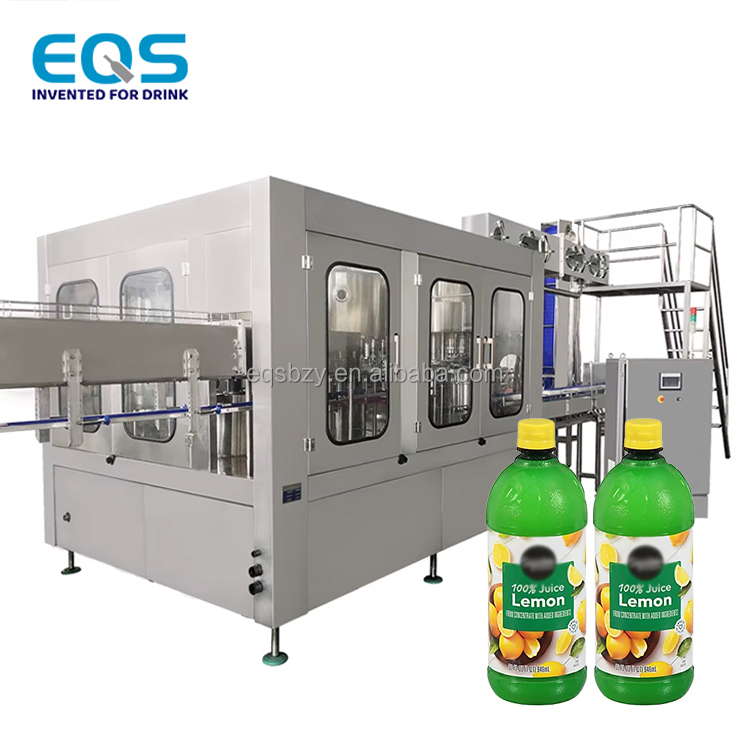
Turnkey 4-in-1 Fruit Pulp Juice PET Bottling Machine
- Container Type: PET Bottle
- Filling Tech: Viscous / Pulp Monoblock
- Automation Level: Fully Automatic
 High Speed
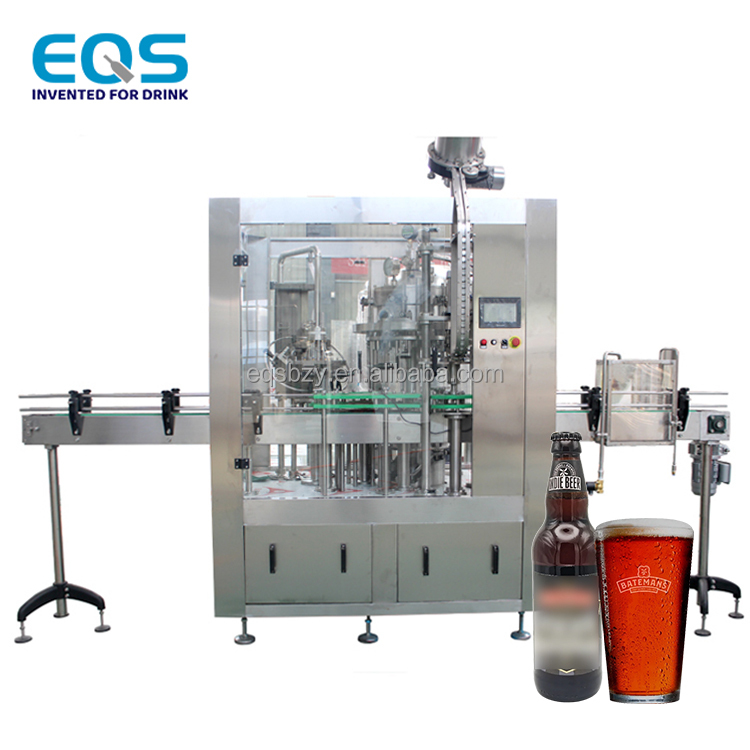
Automatic 24000BPH Isobaric Bottling Monoblock Line
- Capacity: Up to 24,000 BPH
- Container: Glass & PET Bottles
- Valve System: Isobaric Counter-Pressure
 Turnkey Plant
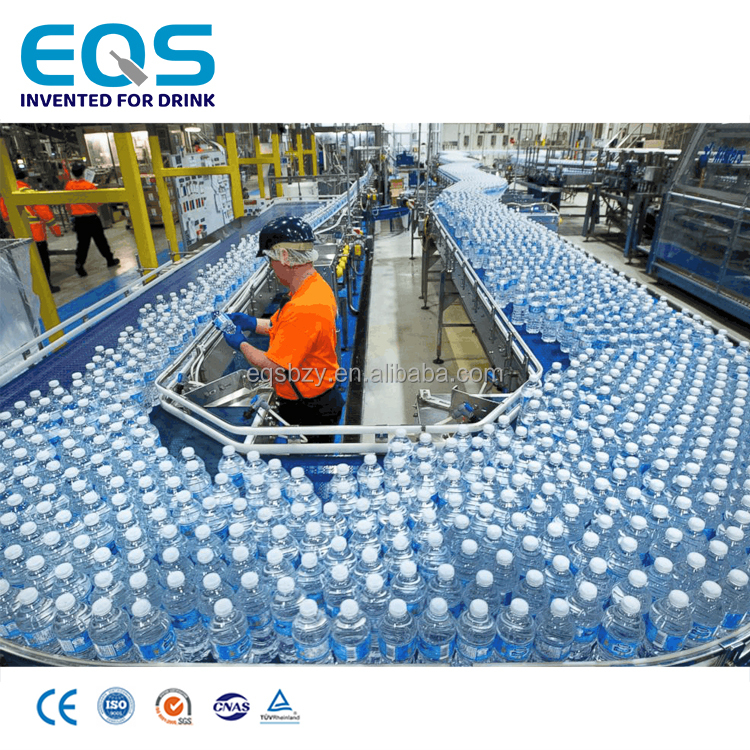
Industrial Water Treatment & Complete Filling Line
- System Scope: RO Treatment + Bottling
- Sanitary Standard: SUS304 / SUS316
- Project Type: A-to-Z Turnkey
 Can Seamer
Complete 2000BPH Aluminium Can Filling & Seaming Line
- Packaging: Aluminium Cans
- Speed: 2,000 Cans/Hour
- Control: Siemens PLC Touch Screen
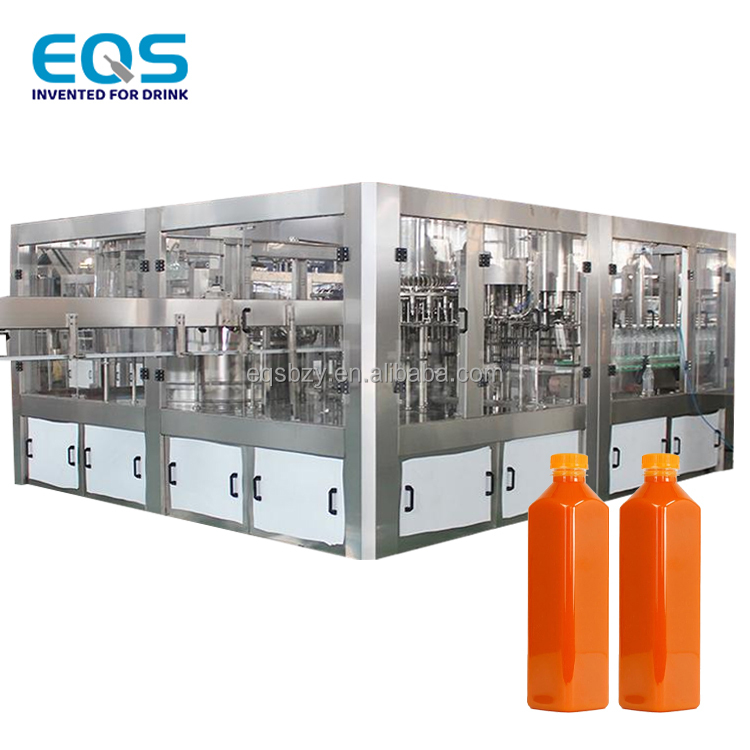 Thermal Filling
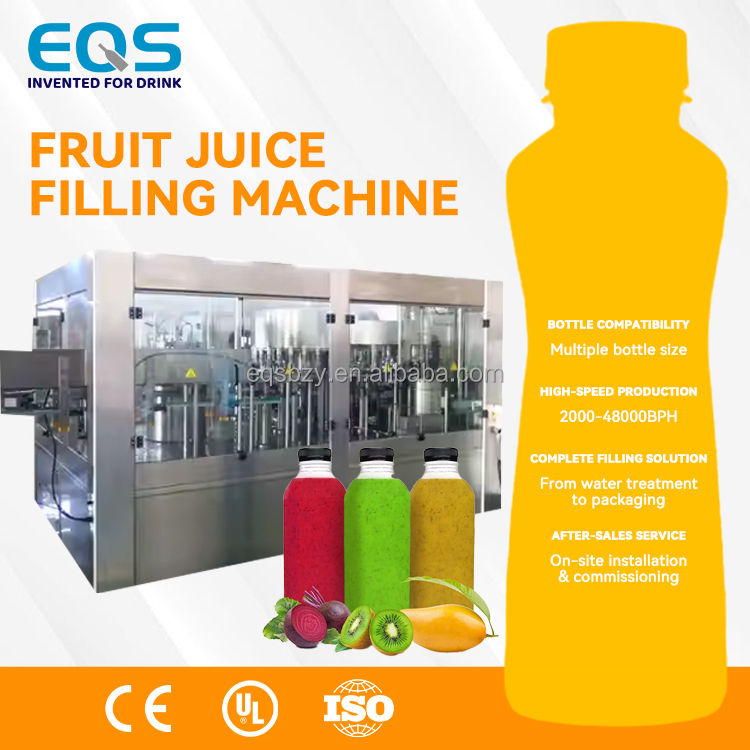
Hot Filling 4-in-1 Monoblock for Pulp & Viscous Liquids
- Temp Range: 85°C - 92°C Hot Fill
- Recirculation: Auto CIP Loop
- Protection: Enclosed HEPA Chamber
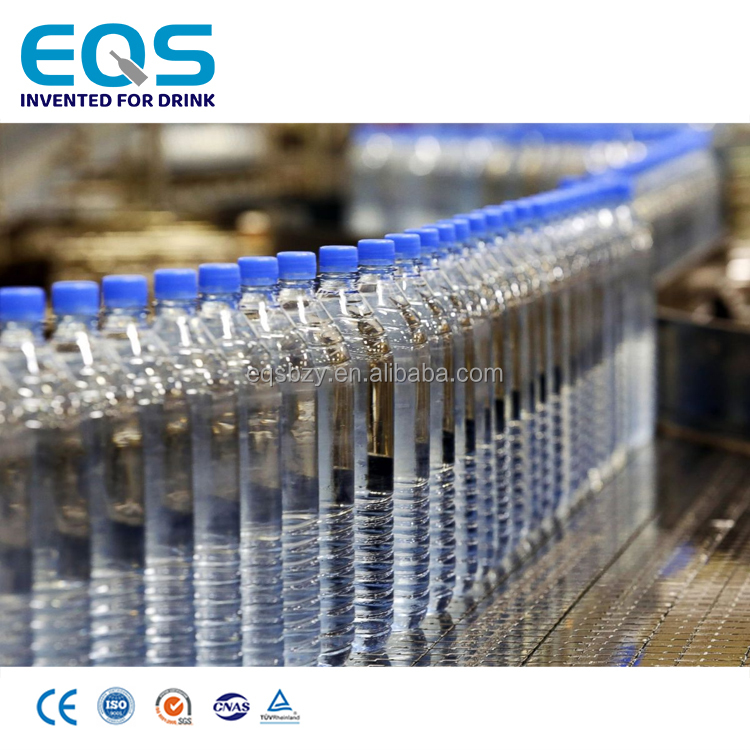 Full Line
Fully Automatic PET Bottle Water Filling & Packaging Line
- Downstream: Labeling + Shrink Wrapping
- Conveyor: Air & Chain Conveyors
- Operation: Single Operator Control
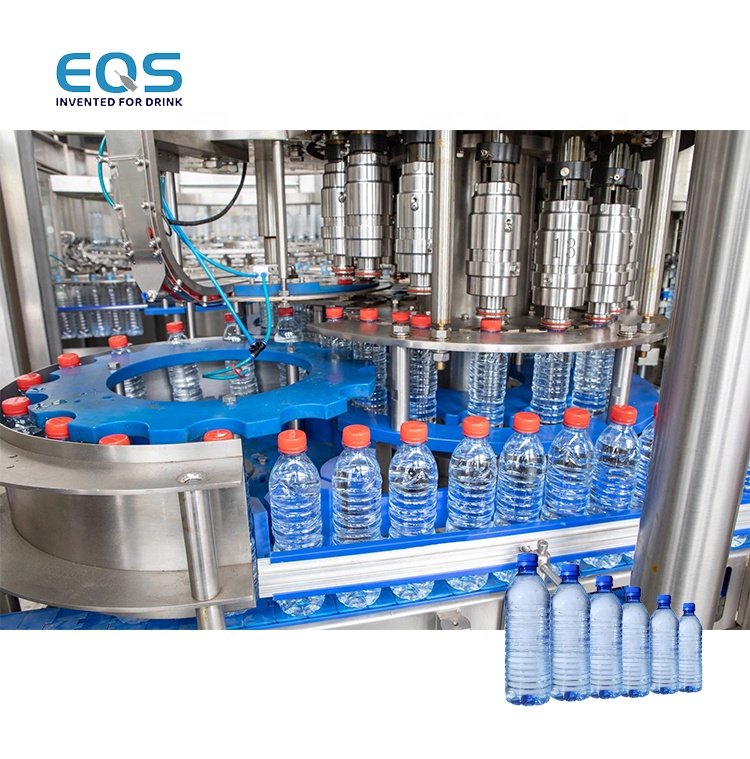 3-in-1 Monoblock
A-to-Z Complete PET Bottled Water 3-in-1 Production Line
- Module: Rinsing-Filling-Capping
- Efficiency: > 98% OEE Benchmark
- Footprint: Optimized Factory Layout
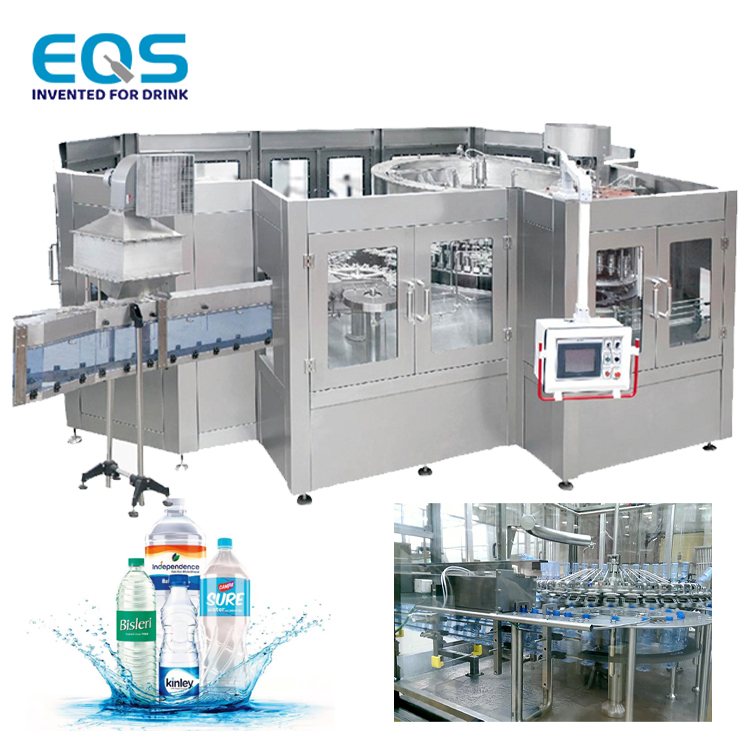 Multi-Format
Professional Water Filling Line for PET & Glass Bottles
- Bottle Types: Glass & PET Compatible
- Metering: Gravity / Low-Pressure
- Compliance: CE & ISO 9001 Standards
Engineering White Paper: Edible Oil Packaging Mechanics & Technical Standards
In the global food and beverage manufacturing sector, the packaging of liquid food products—specifically edible oils such as refined palm oil, extra virgin olive oil, sunflower oil, corn oil, and soybean oil—presents unique physics-based challenges. Unlike low-viscosity aqueous beverages, edible oils exhibit dynamic fluid behaviors characterized by temperature-dependent kinematic viscosity fluctuations, high surface tension, and a tendency to drip or string during high-speed volumetric cut-off operations.
As leading CE Certified Edible Oil Filling Machine Manufacturers & Exporters, industrial engineering enterprises like Zhangjiagang OGVU Machinery Co., Ltd. design automated bottling equipment built specifically to overcome fluid shear variations and container thermal expansion. Achieving regulatory compliance under European directives (such as the Machinery Directive 2006/42/EC and Low Voltage Directive 2014/35/EU) requires rigorous mechanical design, precise mass flow measurement, and hermetic anti-drip nozzle geometry.
Technical Core: Gravimetric Net-Weight vs. Servo Piston vs. Flowmeter Filling
Procurement engineers must evaluate three primary metering methodologies when specifying an edible oil filling system. Each technology aligns with distinct container volume ranges, production speeds, and target ROI parameters:
| Filling Technology | Operational Principle | Ideal Container Volume | Metering Precision | Primary Viscosity Suitability |
|---|---|---|---|---|
| Load Cell Net-Weight | Dynamic gravimetric tare-and-weighing load cell per valve station. | 1 L to 5 L PET / 20 L Jerrycan | ± 0.1% – 0.2% (By Weight) | High/Variable (Palm, Mustard, Coconut Oil) |
| Coriolis Mass Flowmeter | Direct mass-flow measurement independent of temperature & fluid density shifts. | 250 ml to 5 L Glass/PET | ± 0.2% (Volumetric/Mass) | Medium to High (Olive Oil, Seed Oils) |
| Servo Rotary Piston | Mechanical stroke displacement controlled via digital servo drives. | 100 ml to 2 L Small Format | ± 0.5% (Volumetric) | |
| Linear Vacuum-Assisted | Constant level height filling with vacuum-assisted suck-back nozzles. | 500 ml to 1 L Rigid Glass | Visual Level Height | Low to Medium (Table Cooking Oils) |
Key Technological Trends Shaping Next-Gen Edible Oil Machinery
The global edible oil packaging landscape is undergoing a technological transformation driven by smart factory automation, strict sanitary standards, and material reduction goals. Machinery manufacturers are replacing legacy mechanical cam drives with electronic motion-control architectures to maximize Overall Equipment Effectiveness (OEE).
Active Temperature Compensation
Real-time thermal sensors feed density variance algorithms into the PLC to auto-adjust stroke volumes when ambient edible oil temperatures fluctuate across shifts.
Zero-Drip Pneumatic Cut-Offs
Multi-stage liquid nozzles featuring internal vacuum suck-back and anti-foaming expansion heads ensure zero oil drops touch container shoulders or conveyor belts.
Smart Industry 4.0 Telemetry
Integrated OPC-UA interfaces allow plant management to track real-time yield, detect fill level standard deviation, and execute predictive maintenance schedules remotely.
Nitrogen Purging Integration
Dosing food-grade liquid nitrogen before capping displaces oxygen from bottle neck space, preserving peroxide values (PV) and extending edible oil shelf life naturally.
Hygienic SUS316L Contact Parts
All product manifolds, valve bodies, and supply tanks are constructed from certified 316L stainless steel with electro-polished internal surface roughness (Ra < 0.4 µm).
Toolless Rapid Changeover
Modular starwheels, neck-handling guides, and quick-release height adjusters enable complete line reconfiguration between 500ml and 5L containers in under 30 minutes.
Strategic Edible Oil Machine Procurement Trends (2025–2030)
When evaluating capital expenditures (CAPEX) for new bottling lines or upgrading legacy infrastructure, international buyers must align equipment specifications with emerging market dynamics:
1. Transition Toward Sustainable PCR PET and Ultra-Lightweight Bottling
Environmental regulations worldwide are mandating higher percentages of Post-Consumer Recycled (PCR) plastics in packaging. Recycled PET preforms often exhibit greater dimensional variance and altered side-wall rigidity compared to virgin PET resin. Modern edible oil filling lines must incorporate gentle neck-handling grippers, stress-free bottom support, and pressure-controlled capping heads to eliminate paneling or container deformation during high-speed operations.
2. Consolidation of Multi-Liquid Modular Lines
Packaging facilities are moving away from single-purpose machinery toward flexible multi-liquid platforms. Bottlers require systems capable of switching seamlessly between low-viscosity corn oil, high-viscosity cold-pressed olive oil, and non-food liquid condiments (e.g., soy sauce, vinegar, and edible syrup) without cross-contamination. This trend favors integrated CIP (Clean-In-Place) systems featuring automated spray balls and return pumps.
3. Strict Alignment with European CE Machinery Directives
Global buyers operating in Europe, the Middle East, and Latin America increasingly demand verifiable compliance certification. A true CE Certified Edible Oil Filling Machine must integrate safety interlocks on transparent polycarbonate shields, emergency stop safety relays, dual-channel pneumatic valve dumps, and low-noise motor drives (< 75 dBA).
Enterprise Advantage: Zhangjiagang OGVU Machinery Co., Ltd.
Located in Zhangjiagang City, Jiangsu Province—China's premier manufacturing hub for liquid packaging technology—Zhangjiagang OGVU Machinery Co., Ltd. provides turnkey line solutions engineered for global export. Combining over 11 years of verified international trade leadership with rigorous engineering standards, OGVU delivers single-supplier accountability across the entire equipment lifecycle.
Intertek Factory Verified On-Site
Our operational footprint, machining capabilities, and quality assurance protocols are independently audited and certified on-site by Intertek technical inspectors.
End-to-End Line Balancing (A to Z)
We design, manufacture, and synchronize the entire plant line—from water purification and PET bottle blowing to oil filling, capping, sleeve labeling, shrink wrapping, and palletizing.
Multilingual Field Engineering
Our commissioning teams speak English, Spanish, Russian, and Chinese, delivering seamless global installation, operator training, and emergency technical assistance.
Factory Acceptance Testing (FAT)
Every equipment assembly undergoes a full-load trial run with actual bottle samples and liquid media prior to export packing and container loading.
Frequently Asked Questions: Edible Oil Bottling Lines
Ready to Build or Upgrade Your Edible Oil Bottling Facility?
Consult with OGVU senior packaging engineers today for customized 2D/3D plant layout design, equipment sizing, and detailed commercial proposals.
Get Catalog