State-of-the-Art Beverage Bottling & Aseptic Systems
Directly manufactured in Zhangjiagang—China's primary hub for advanced beverage packaging technology. Standardized with CE certification and high-precision electronic filling controls.
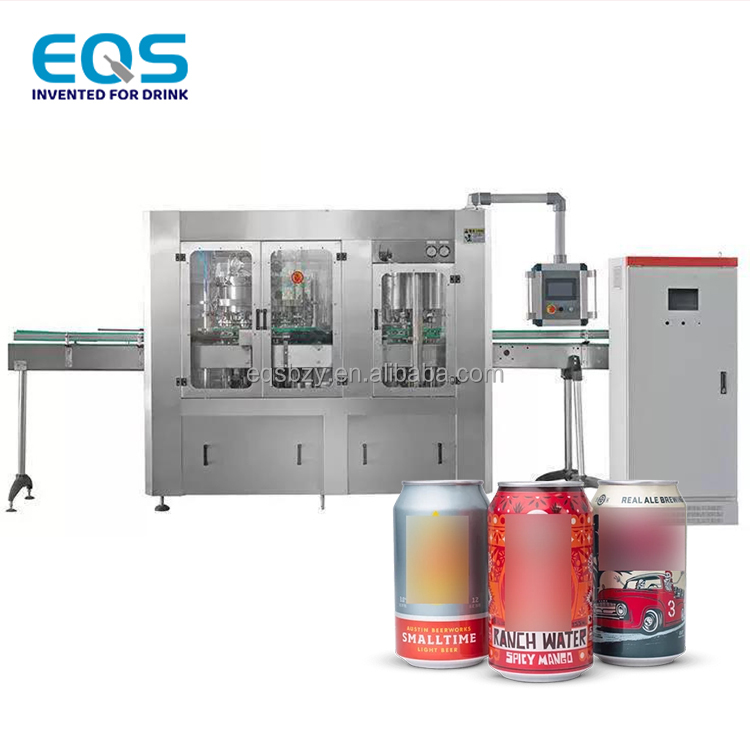
Industrial 330ml 500ml Aluminium Can Filling Sealing Machine for CO2 Carbonated Beverage Juice and Beer
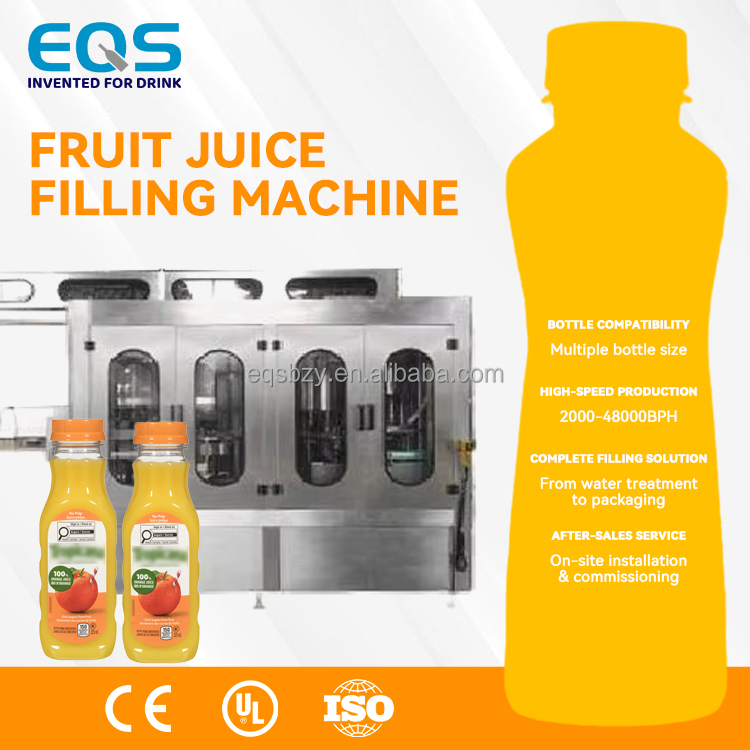
Fully Automatic 4-in-1 Fruit Juice Filling Machine With Pulp PET Bottle Hot Filling Beverage Bottling Line
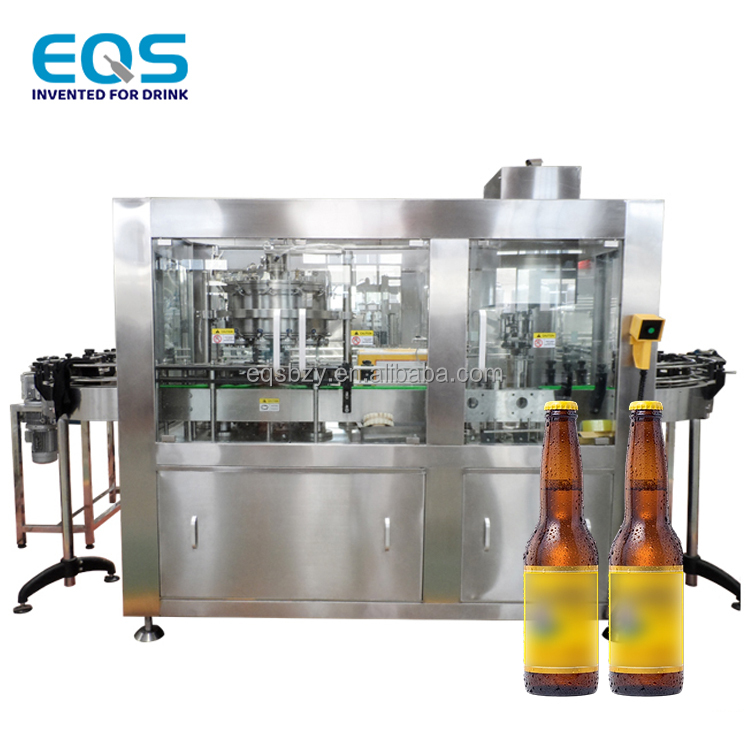
A to Z Turnkey Beer Bottling Line 7000BPH PET Bottle Beer Filling Machine with Aluminum Cap
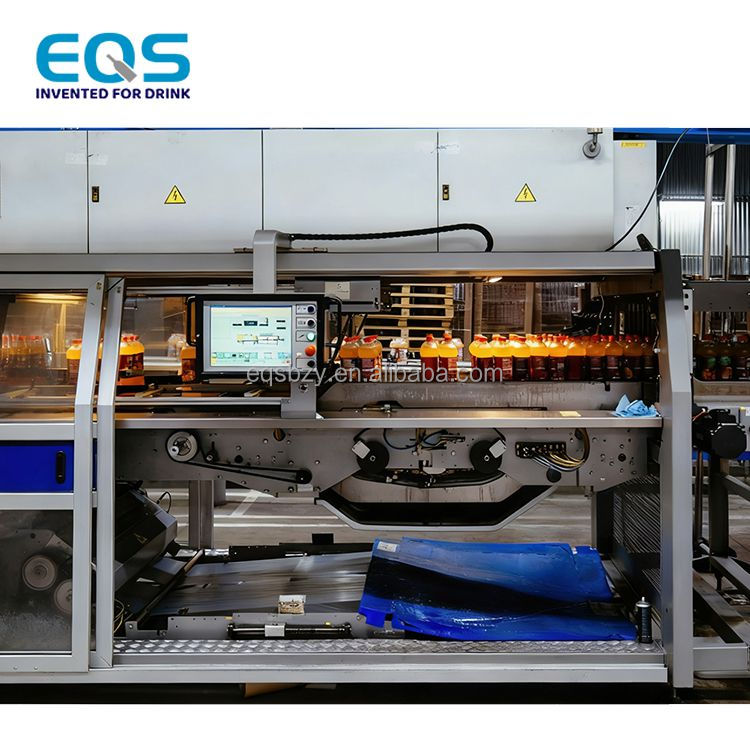
Advanced Full Set Fruit Juice Production Line From Mixing Filling to Labeling and Packing System
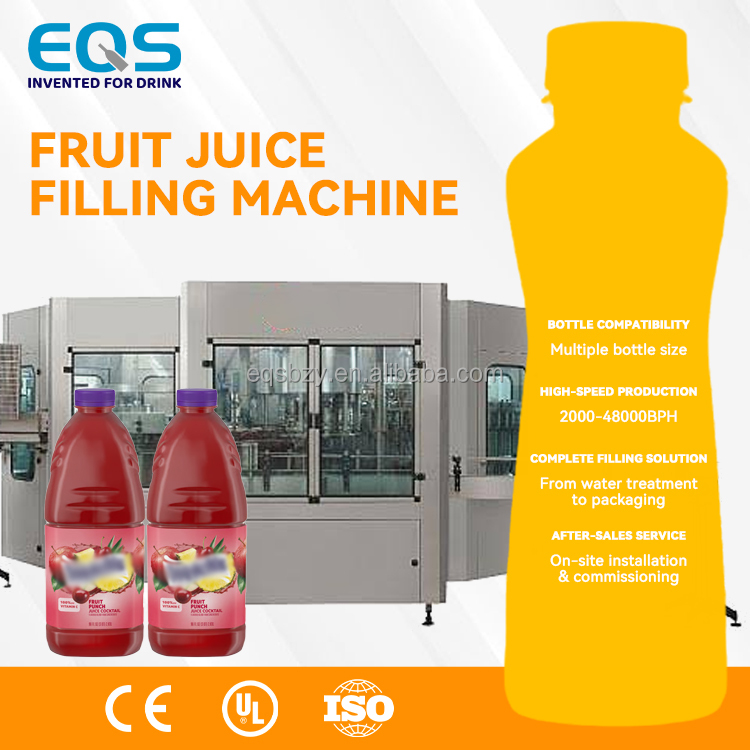
Fully Automatic Mango Juice Orange Juice Beverage Filling Machine Production Line
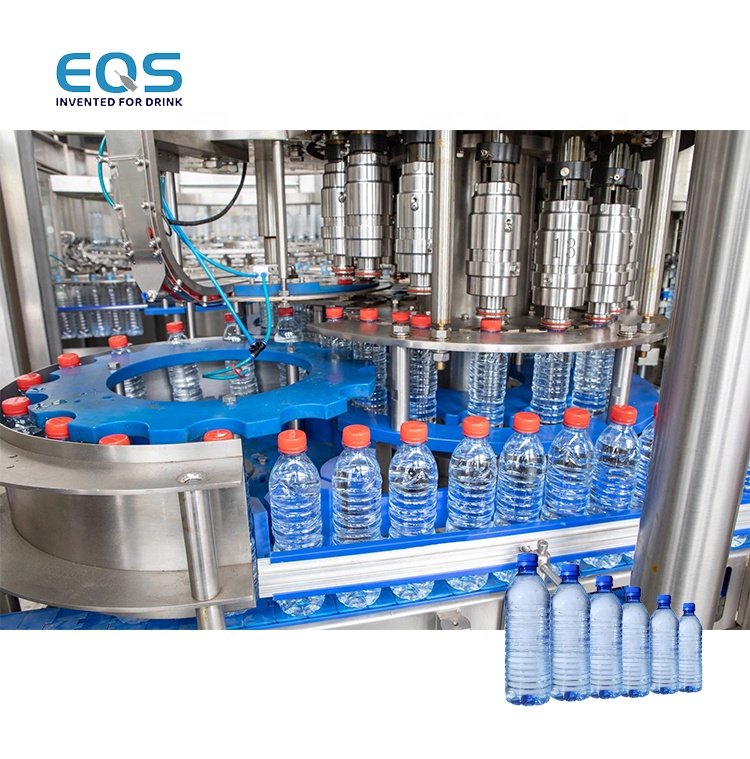
A to Z Complete Pet Bottling Production Line Automatic Mineral Pure 3 in 1 Water Filling Machine Manufacturer
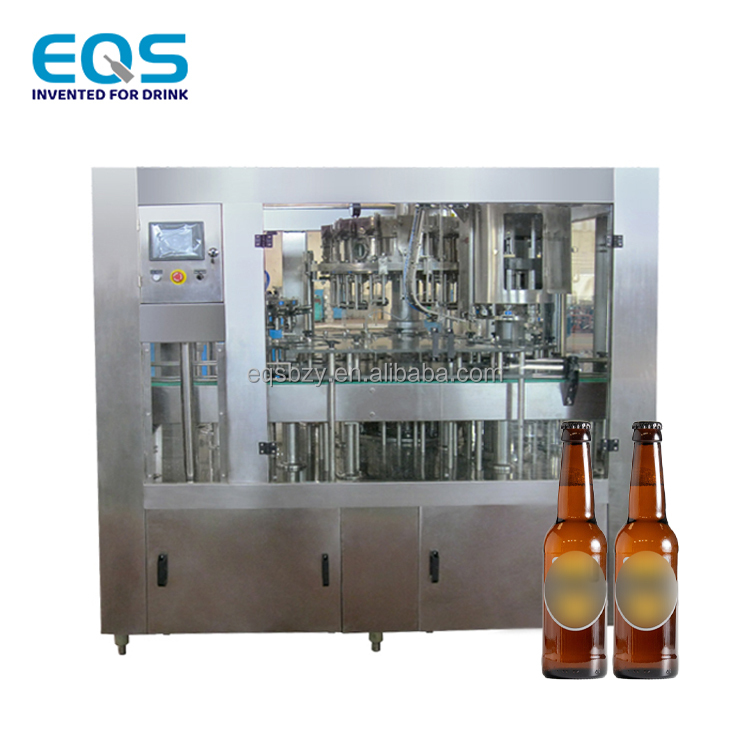
Complete PET Bottle Beer Bottling Plant 7000BPH Automatic Isobaric Filling Production Line
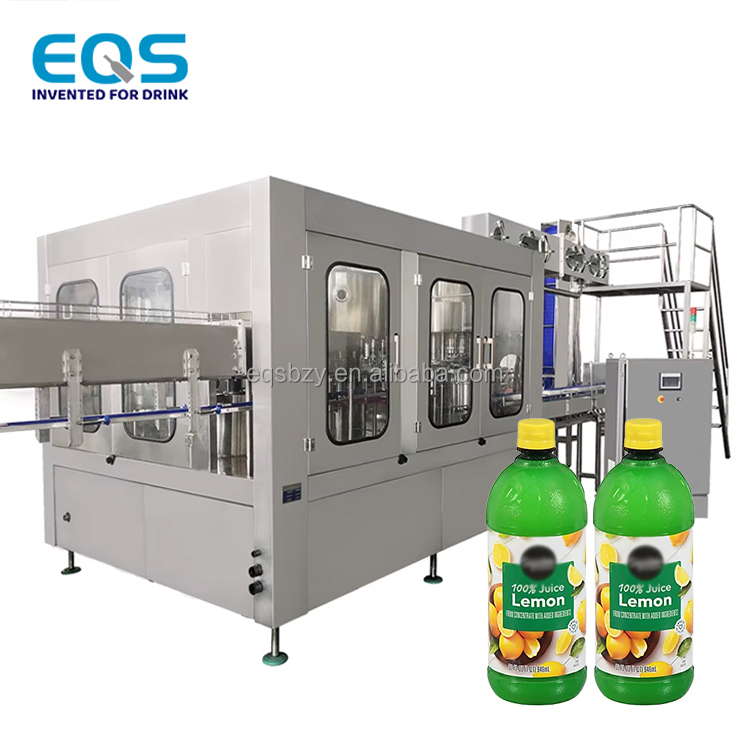
Turnkey 4-in-1 Fruit Pulp Juice Filling Line PET Bottle Beverage Bottling Machine Industrial Equipment
1. The Paradigm Shift: Why Global Bottlers Are Migrating to China’s Cold Aseptic Filling Machinery
The commercial beverage manufacturing industry is undergoing a monumental transformation. For decades, high-acid fruit juices, ready-to-drink (RTD) teas, functional sports beverages, and plant-based dairy drinks relied heavily on traditional Hot Filling Technology (85°C – 92°C). While effective at destroying vegetative pathogens, hot filling imposes severe thermal stress on both the product and its packaging. It alters volatile aromatic compounds, destroys heatsensitive vitamins (such as Vitamin C and B-complex), shifts product color, and mandates thick-walled PET bottles (typically 28g to 32g for a 500ml container) featuring unsightly vacuum panels to prevent bottle collapse during thermal cooling.
In contrast, Cold Aseptic Packaging (CAP) sterilizes the beverage liquid via Ultra-High Temperature (UHT) processing for a few seconds, cools it rapidly to ambient room temperature (20°C – 25°C), and fills it inside a certified Class 100 (ISO 5) aseptic isolator enclosure into pre-sterilized PET bottles or aseptic brick cartons. As a premier hub for China’s packaging automation, Zhangjiagang OGVU Machinery Co., Ltd. has led the engineering evolution of cold aseptic fillers, allowing global brand owners to unlock unprecedented cost efficiencies and product quality gains.
Technical Architecture Comparison: Filling Methodologies
| Performance Vector | Traditional Hot Filling | Ultra-Clean (ESL) Filling | OGVU Cold Aseptic Filling (CAF) |
|---|---|---|---|
| Filling Temperature | 85°C – 92°C | 4°C – 15°C (Cold Chain) | 20°C – 25°C (Ambient Distribution) |
| Microbial Sterility Level | Commercial Pasteurization | Log 4 – Log 5 Reduction | Log 6 (10⁻⁶ SAL Sterility) |
| Cleanroom ISO Rating | ISO 7 / ISO 8 Enclosure | ISO 6 Positive Pressure Clean zone | ISO 5 (Class 100) Microbiological Isolator |
| Sterilization Agent | Thermal Heat of Product | Ozonated Water / UV / Peracetic Acid | Vaporized H₂O₂ (VHP) or PAA Wet Process |
| 500ml PET Bottle Weight | 28g – 32g (Heat-Resistant PET) | 20g – 24g Standard PET | 15g – 18g Lightweight Standard PET |
| Preservative Requirement | Often required for low-acid products | Refrigeration required | Zero Preservatives / 12-Month Ambient Life |
2. Engineering Deep-Dive: Core Technologies Behind China's Best Aseptic Filling Equipment
Achieving absolute microbiological safety without relying on chemical preservatives requires immaculate mechanical design, validated chemical decontamination cycles, and faultless laminar airflow hydraulics. Top-tier Chinese aseptic equipment manufacturers, epitomized by OGVU Machinery, incorporate several critical technology pillars:
A. Vaporized Hydrogen Peroxide (VHP) & PAA Container Decontamination
The core challenge of cold aseptic filling lies in sterilizing empty PET bottle shells and caps without distorting lightweight plastics. OGVU utilizes dry VHP decontamination combined with high-intensity infrared pre-heating or wet Peracetic Acid (PAA) immersion systems. The bottle interior and neck finish receive a precisely timed gaseous VHP aerosol injection, followed by sterile dry air purging that eliminates chemical residue to under 0.5 ppm (far stricter than the FDA standard of 1.0 ppm).
B. ISO 5 (Class 100) Microbiological Isolator Enclosures
The filling and capping monoblock is completely encapsulated inside an aseptic isolator operating under continuous positive sterile air pressure (greater than 15 Pa). High-Efficiency Particulate Air (HEPA H14 or ULPA) filtration towers maintain laminar airflow velocity at 0.45 m/s ± 20%, ensuring that airborne particulate matter and bio-burden cannot enter the clean zone during production.
C. Non-Contact Electromagnetic & Mass Flow Filling Valves
Physical contact between filling nozzles and bottle necks represents a major cross-contamination risk in legacy mechanical fillers. Modern aseptic monoblocks from China utilize KROHNE or Endress+Hauser electromagnetic flowmeters or electronic net-weight load cells. Filling valves remain strictly non-contact, hovering 5mm to 10mm above the finish. Fluid delivery is regulated by high-response pneumatic diaphragm valves governed by a central Siemens S7-1500 PLC, delivering filling precision within ±0.2% by volume.
3. Strategic Sourcing Trends & Industry Outlook (2025–2030)
As international beverage brand managers evaluate suppliers for new bottling assets, several macro-level procurement trends are dictating specs and vendor evaluation criteria:
Trend 1: The Dominance of Blowing-Filling-Capping Combi-Block Architecture
Standalone blow molders connected to fillers via long air conveyors are rapidly becoming obsolete. Global buyers now demand integrated Combi-Block systems. By combining stretch blow molding, aseptic bottle sterilization, filling, and capping into a single compact housing, bottlers reduce plant footprint by 35%, eliminate bottle storage contamination hazards, cut electric power consumption by 25%, and reduce air blower usage entirely.
Trend 2: Multi-Beverage Line Versatility (High & Low Acid Product Flexibility)
Modern consumers demand diverse beverage options: oat milk lattes, functional coconut waters, cold-brew coffees, herbal teas, and fresh-pressed juices. Factories can no longer dedicate single production lines to one drink formulation. The market demands dynamic aseptic filling machines capable of switching from high-acid products (pH < 4.5) to sensitive low-acid dairy products (pH > 4.5) within a 45-minute automated CIP/SIP turn-around cycle.
Trend 3: AI-Driven Predictive Diagnostics & Digital Twin Monitoring
Leading Chinese exporters are integrating IoT sensors across mechanical components, tracking vibration profiles of starwheel bearings, torque curves of magnetic capping heads, and thermal fluctuations within UHT pasteurizer tubes. Real-time predictive maintenance alarms notify plant engineers before component failures occur, pushing line Operational Equipment Effectiveness (OEE) past 95%.
4. Enterprise Engineering Competence: Why Partner with Zhangjiagang OGVU Machinery
Located in the heart of China's packaging machinery cluster, Zhangjiagang OGVU Machinery Co., Ltd. stands out as a premier exporter and turnkey system integrator. We don't just assemble machinery; we engineer complete production ecosystems tailored to your exact factory dimensions, utility parameters, and ROI targets.
Intertek On-Site Verified Facility
Our manufacturing plant, quality management protocols, and assembly workshops are independently audited on-site by Intertek. Buyers receive 100% transparent verification of operational scale, machining accuracy, and legal export compliance.
11+ Years Global Export Provenance
With over a decade of direct export experience supplying bottling solutions across Latin America, Africa, the Middle East, Southeast Asia, and CIS regions, our equipment is built to withstand rigorous international voltage variations and demanding climate environments.
CE Certification & Global Compliance
Main water, carbonated, beer, juice, and aseptic filling lines carry CE marking. Electrical control cabinets utilize globally recognized components (Siemens, Schneider, Omron, Festo, Airtac) for zero-friction local spare part sourcing.
Expatriate Engineering Deployment
We deploy senior field engineers directly to overseas client sites for installation supervision, piping connection, dry/wet testing, line commissioning, and hands-on staff training in English, Spanish, Russian, or Chinese.
End-to-End Turnkey Accountabilty
From raw water Reverse Osmosis (RO) filtration and beverage syrup preparation to aseptic filling, sleeve labeling, shrink film wrapping, and robotic palletizing, OGVU acts as your single accountable partner, preventing line bottlenecks.
Rigorous Factory Acceptance Testing (FAT)
Before any equipment leaves our factory floor, it undergoes a full 72-hour continuous FAT run using client-supplied preforms, bottles, and liquid simulants. Live video FAT feeds are provided for remote client sign-offs.
Frequently Asked Questions by Global Beverage Buyers
Direct technical answers addressing the most common engineering, commercial, and operational queries encountered during line selection.
Your choice depends primarily on product sensory goals, nutritional retention, and target packaging costs. If your product contains heat-sensitive vitamins, dairy/plant-based proteins, or delicate volatile aromas (e.g., coconut water, premium tea, fresh orange juice), or if you want to lightweight your PET bottles down to 15g-18g to cut resin costs, Cold Aseptic Filling is mandatory. If your budget is constrained, your product is high-acid (pH < 4.2), and bottle lightweighting is not a priority, a Hot Filling line (85°C-92°C) provides a lower initial capital expenditure (CAPEX).
OGVU aseptic fillers are engineered to achieve a 6-log microbial reduction (10⁻⁶ SAL - Sterility Assurance Level) against challenging bio-indicator spores such as Bacillus atrophaeus and Clostridium sporogenes. This satisfies international pharmaceutical and commercial food safety standards for shelf-stable, preservative-free ambient distribution.
To prepare an accurate engineering drawing and line proposal, our engineering team requires: (1) Specific product formulation characteristics (viscosity, pH, presence of pulp or particles); (2) Container specs (bottle drawings, material composition, volume range e.g., 250ml to 1.5L); (3) Target speed in bottles per hour (BPH); (4) Desired packaging style (shrink wrap bundle, wrap-around carton, sleeve label, sticker label); (5) Available factory hall dimensions (L x W x H) and utility parameters (voltage, frequency, steam supply, compressed air pressure).
Yes. Rotary aseptic monoblocks can easily process multiple PET bottle volumes (e.g., 330ml, 500ml, 1.0L) provided the neck finish diameter remains uniform (e.g., 28mm PCO 1881 or 38mm aseptic neck finish). Transitioning between bottle heights or diameters requires swapping quick-release changeover parts (starwheels, guide curves, bottle neck grippers), taking under 30 minutes with tool-less mechanics.
We provide full Installation Qualification (IQ), Operational Qualification (OQ), and Performance Qualification (PQ) documentation support. Upon machinery arrival at your site, our senior mechanical and automation engineers manage mechanical positioning, utility hookups, aseptic chemical validation, and live production runs. They remain on-site until your local plant technicians are 100% proficient in daily operation, CIP/SIP procedures, and preventive maintenance routines.
Engineering Your Turnkey Beverage Bottling Line
Consult directly with OGVU’s chief beverage packaging engineers. Receive a comprehensive CAD factory layout, technical specification document, and transparent equipment quotation tailored to your operational budget.