Next-Generation Juice Bottling Solutions from China
Providing thermal stability, sterile aseptic compliance, and precise particle suspension control for fruit juice processing enterprises worldwide.
Technical Information Gain: Thermal Precision & Particle Handling
Modern juice filling operations require a delicate balance between microbiological thermal destruction (pasteurization at 85°C–92°C) and the preservation of organoleptic profiles (flavor, natural vitamin C, and visual color). Standard gravity fillers fail when processing pulpy juices due to solids settling and nozzle clogging. China's leading packaging OEMs have evolved 4-in-1 pulp suspension filling architecture alongside continuous hot-recirculation loops to guarantee zero temperature drops during low-speed pauses.
Featured Juice & Beverage Bottling Production Lines
Explore our certified equipment engineered for fruit juice with pulp, mineral water, carbonated soft drinks, and beer packaging lines.
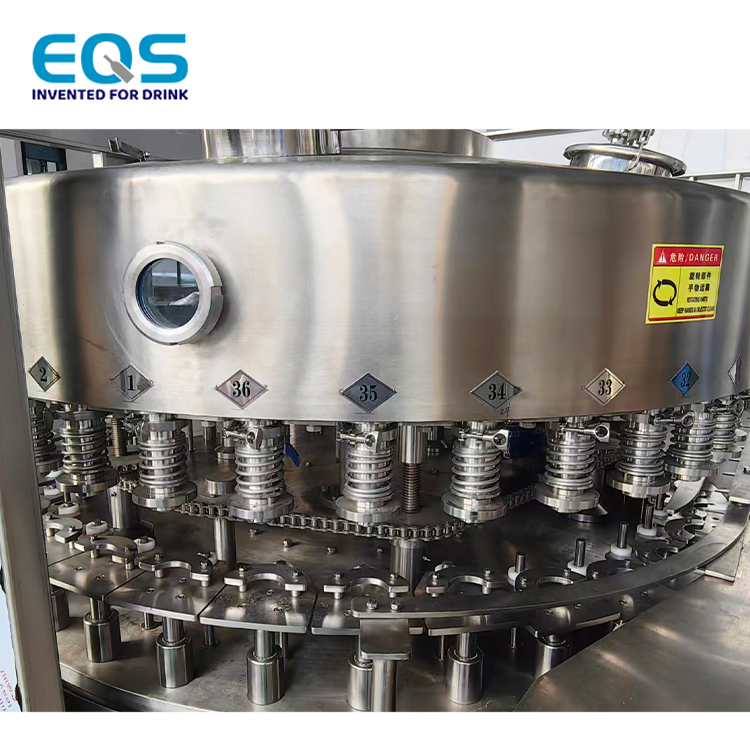
Industria 4-in-1 Pulp Fruit Juice Filling Machine for PET Bottle Bottling Line with Mixing System
Pulp piston dosing + juice hot filling monoblock with dynamic agitation.
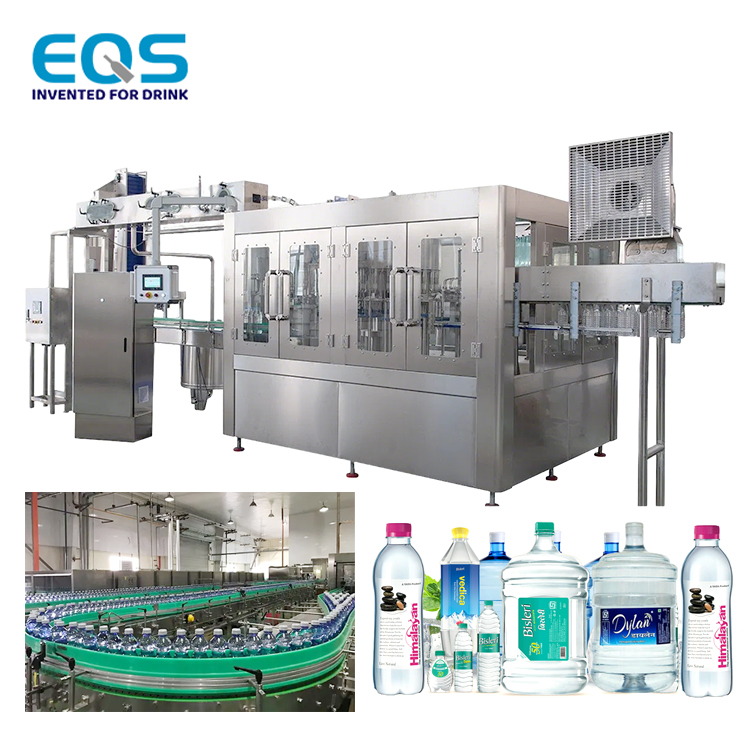
Advanced Water Treatment System with Automatic Filling Line for Pure Mineral Water Production
Multi-stage RO purification, ozone disinfection & automated bottling integration.
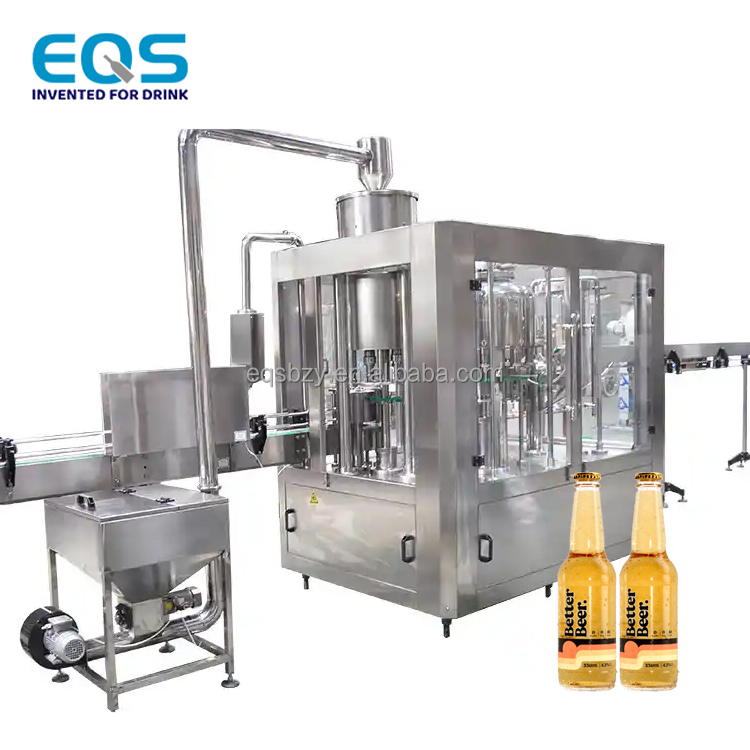
Turnkey PET Bottle Beer Filling Production Line 4000 6000 8000 BPH Complete Beverage Bottling Equipment
Isobaric counter-pressure filling system with double vacuum deaeration.
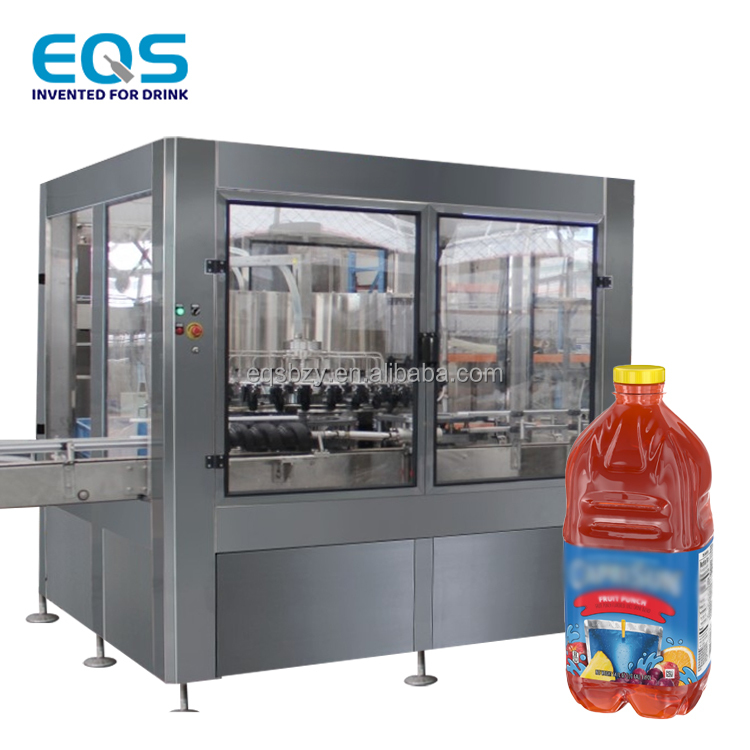
Factory Direct 4-in-1 Beverage Filling Machine for Fruit Juice With Pulp PET Bottling Production Line
Rinsing, pulp dosing, liquid filling, and screw capping in a unified hygienic chamber.
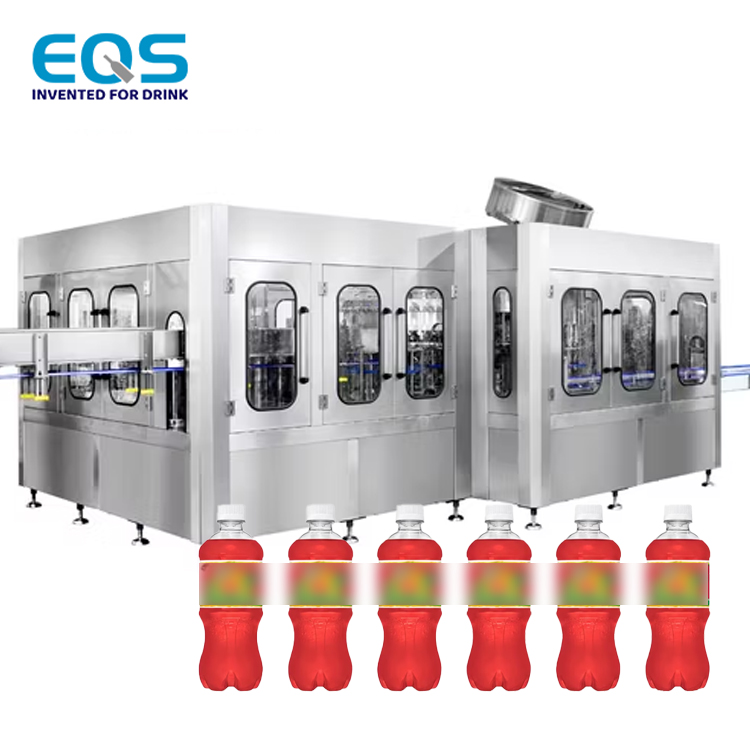
Complete Carbonated Soft Drink and Energy Drink Making Machine Filling Production Line
Precision CO2 gas mixing, syrup preparation, and isobaric bottle sealing technology.
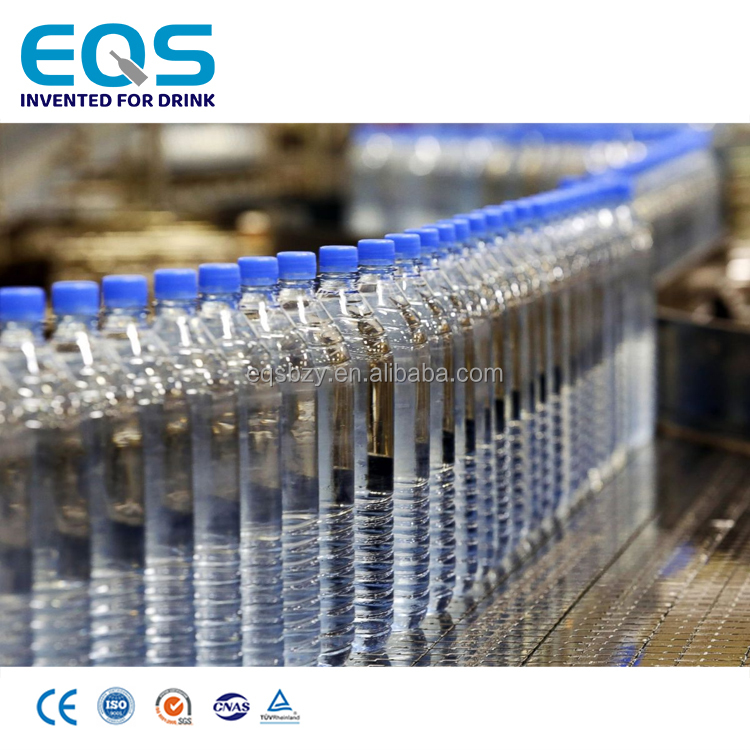
Fully Automatic Drinking Water Bottling Line for PET Bottle Filling Labeling Wrapping Packaging Solution
Turnkey solution from blow molding to sleeve labeling and shrink film bundle packaging.
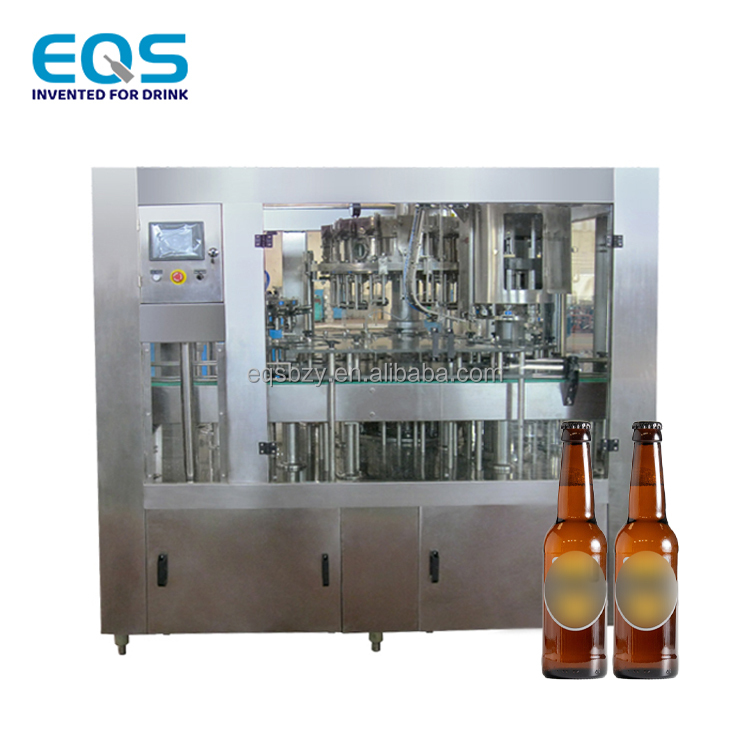
Complete PET Bottle Beer Bottling Plant 7000BPH Automatic Isobaric Filling Production Line
Isobaric filling monoblock engineered for oxygen-sensitive brewery applications.
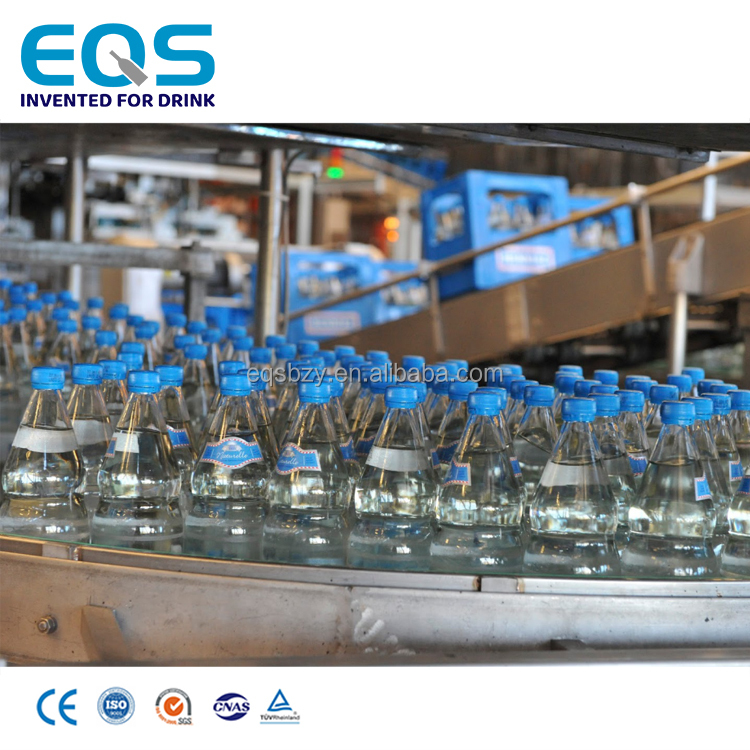
Premium Complete PET Bottle Water Bottling Production Line Filling Labeling Wrapping Case Packing
High-speed automated packaging line configured for high efficiency and minimal labor overhead.
Engineering Standards of Chinese Juice Filling Machinery
A rigorous examination of fluid dynamics, thermal sanitation, and mechanical synchronization in modern fruit juice packaging equipment.
Thermal Hot-Filling Recirculation
Juice hot filling requires maintaining product temperature strictly between 85°C and 92°C to eliminate vegetative pathogens while minimizing thermal degradation of flavor compounds. Top Chinese manufacturers integrate dual-stage heat exchangers and pneumatic back-pressure valves. If line sensors detect a temperature drop below 85°C during machine stoppage, the filling valves automatically bypass product back to the pasteurizer tank, preventing unpasteurized bottling.
4-in-1 Pulp Dosing & Suspension
Processing juices containing sac fruit pulp (such as orange citrus sacs or aloe vera cubes up to 10×10mm) presents severe clogging risks. Advanced 4-in-1 systems solve this through two-stage filling: Station 1 utilizes a positive-displacement piston valve to inject a precise dose of fruit pulp and syrup; Station 2 follows immediately with high-speed liquid hot filling. Integrated dynamic agitators ensure pulp uniform density throughout the holding vessel.
Clean-in-Place (CIP) & SIP Design
Sanitary engineering is mandatory for shelf-stable beverage compliance. High-grade Juice filling machines engineered by leading suppliers in Zhangjiagang utilize SUS316L for all liquid-contact components and inner-wall mirror polishing (Ra < 0.4 μm). Automated dummy-cup CIP spray balls rinse the fill valves at 3.5 bar fluid pressure, maintaining complete line hygiene without requiring manual valve disassembly.
Juice Filling Technology Matrix: Hot-Fill vs. Aseptic vs. Ultra-Clean
| Technology Parameter | Hot Filling System (HR-PET) | Cold Aseptic Filling (PET / Carton) | Ultra-Clean Extended Shelf Life (ESL) |
|---|---|---|---|
| Operating Temperature | 85°C – 92°C (Thermal Bottling) | 20°C – 25°C (Ambient Bottling) | 4°C – 15°C (Chilled Distribution) |
| Shelf-Life Capability | 9 to 12 Months (Ambient) | 12 to 18 Months (No Preservatives) | 45 to 60 Days (Refrigerated) |
| Bottle Weight Requirement | Higher (28g–38g for 500ml Heat-Resistant) | Lightweighted (16g–22g Standard PET) | Standard Light Weight (18g–24g) |
| Capital Expenditure (CAPEX) | Moderate / Optimal ROI | High (Cleanroom ISO 5 Cleanliness) | Moderate to High |
| Nutrient & Flavor Retention | Good (Slight thermal impact) | Superior (Fresh Taste Preserved) | Excellent |
| Target Beverages | Fruit Juices, Teas, Isotonic Sports Drinks | Low-Acid Juices, Dairy, Coconut Water | Freshly Squeezed NFC Juices |
Future Procurement Trends in Beverage Bottling Equipment
Key technological transformations shaping global buyer specifications and Chinese manufacturing standards over the next decade.
1. Combi-Block Integration & Lightweight PET Reduction
Traditional beverage factory layouts positioned blow molders, fillers, and cappers as isolated machines linked by extensive air conveyors. Global procurement trend data indicates a rapid shift toward Combi-Block Blowing-Filling-Capping Monoblocks.
- 30% Footprint Reduction: Eliminates intermediary air conveyors and buffer tables.
- Energy Efficiency: Direct neck-handling transfers reduce preform reheating power usage by 25%.
- rPET Compatibility: Specially tuned heating ovens handle up to 100% recycled PET preforms seamlessly.
2. Smart Industry 4.0 PLC Diagnostics & Flowmeter Precision
Mechanical level-filling valves relying on air-vent tubes are increasingly replaced by Electromagnetic Flowmeter (E-Flow) and Mass Flow (Weighing) filling systems. Key benefits include:
Why Partner with Zhangjiagang OGVU Machinery
Combining over 11 years of international export expertise with rigorous third-party verified manufacturing quality.
Intertek Third-Party Verified
Our production facilities, engineering capabilities, and financial standing have undergone on-site inspection and audit by Intertek. Buyers receive full transparency across factory operations before issuing letters of credit or down payments.
Multilingual Commissioning Teams
Deploying equipment internationally requires seamless communication. OGVU provides on-site field engineers who speak English, Spanish, Russian, and Chinese, handling installation, mechanical alignment, PLC debugging, and local operator training.
CE Standard Conformity & QC
All main beverage filling units—water, CSD, beer, and juice—are offered with complete CE compliance certifications. Every line undergoes a mandatory 72-hour factory water/product trial run (FAT) prior to export container loading.
Juice Bottling Line Procurement FAQ
Direct technical answers to common engineering, financial, and operational queries from global buyers.
1. Which filling technology is recommended for fruit juices containing natural pulp or seeds?
For juices containing pulp particles (such as orange sacs or pineapple fibers up to 10×10mm), a 4-in-1 two-stage filling system is recommended. Stage 1 utilizes a specialized piston or diaphragm dosing valve to accurately meter the pulp into the PET bottle. Stage 2 immediately follows with a hot-fill gravity or electronic flowmeter valve to top off the liquid juice at 85°C–88°C. This prevents valve blockages, eliminates pulp stratification in holding tanks, and guarantees uniform pulp ratio per container.
2. How do you prevent PET bottles from deforming during high-temperature hot filling (85°C–90°C)?
Standard PET bottles shrink and distort when exposed to temperatures exceeding 65°C. To run hot filling, two conditions must be met: First, utilize specialized Heat-Resistant (HR-PET) bottle preforms designed with vacuum panels and reinforced base geometry. Second, ensure your blow molder is equipped with a mold temperature controller (crystallization system) that heats the blow mold to 120°C–140°C during stretching. Alternatively, switch to an Aseptic Cold Filling system where juice is bottled at 20°C, permitting standard lightweight PET bottles.
3. What key factory parameters are required to generate an accurate turnkey line quote?
To prepare an exact engineering layout and commercial proposal, our engineering team requires: (1) Beverage type and viscosity details (still juice, pulpy juice, carbonated, or water); (2) Packaging format (PET bottle, glass bottle, or aluminum can) and volume sizes (e.g., 250ml to 1.5L); (3) Target production speed in Bottles Per Hour (BPH); (4) Cap type (plastic screw cap, aluminum ROPP, or crown cork); (5) Downstream packaging format (sleeve labeling vs. OPP hot-melt labeling; film shrink wrap vs. carton case packing); and (6) Workshop dimensions and local power supply (e.g., 380V/50Hz 3-Phase).
4. Can a single monoblock machine accommodate multiple bottle dimensions and volumes?
Yes. Rotary 3-in-1 and 4-in-1 rinsing-filling-capping monoblocks are designed to process multiple bottle volumes (for instance, 330ml, 500ml, and 1.5L). For PET bottles sharing identical neck dimensions (e.g., 28mm PCO 1810/1881), height adjustment is performed motorized via the PLC, requiring minimal changeover time. If bottle diameter varies significantly, quick-change format parts—such as star wheels, bottle guide curves, and neck grips—can be swapped out in under 30 minutes.
5. What international post-sales support and installation services does OGVU provide?
OGVU dispatches experienced mechanical and electrical expatriate engineers directly to the customer's factory site for complete line installation, utility hookup verification, commissioning, and staff training. Our technical staff communicate effectively in English, Spanish, Russian, and Chinese. Furthermore, all equipment includes a 12-to-24 month warranty, backed by 24/7 remote PLC diagnostic support and rapid air-freight dispatch of wear-and-tear spare parts.