Featured Water & Beverage Bottling Systems
Explore our high-performance bottling lines, monoblocks, and turnkey liquid packaging machines engineered for maximum OEE and minimal operational cost.
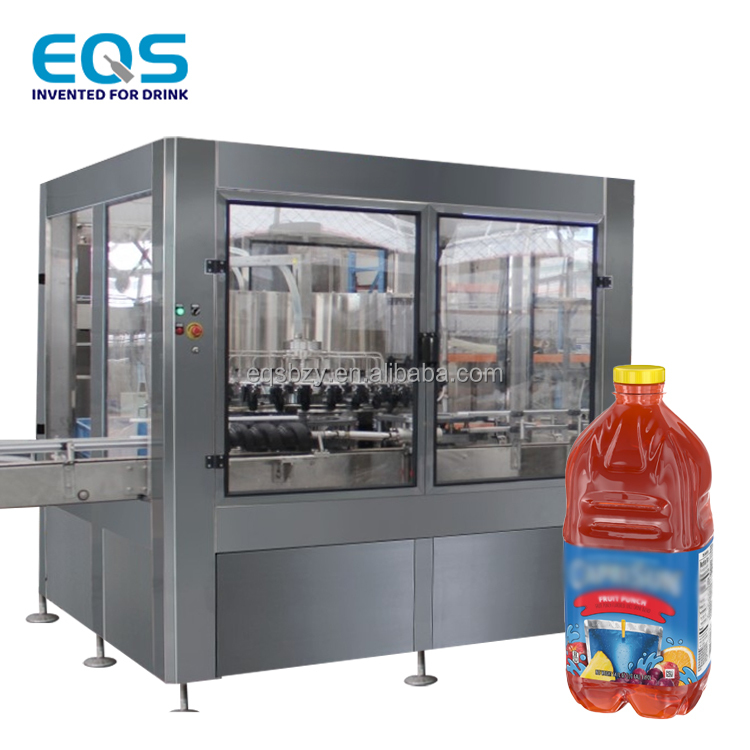
Factory Direct 4-in-1 Beverage Filling Machine for Fruit Juice With Pulp PET Bottling Production Line
Technical Details Send an Inquiry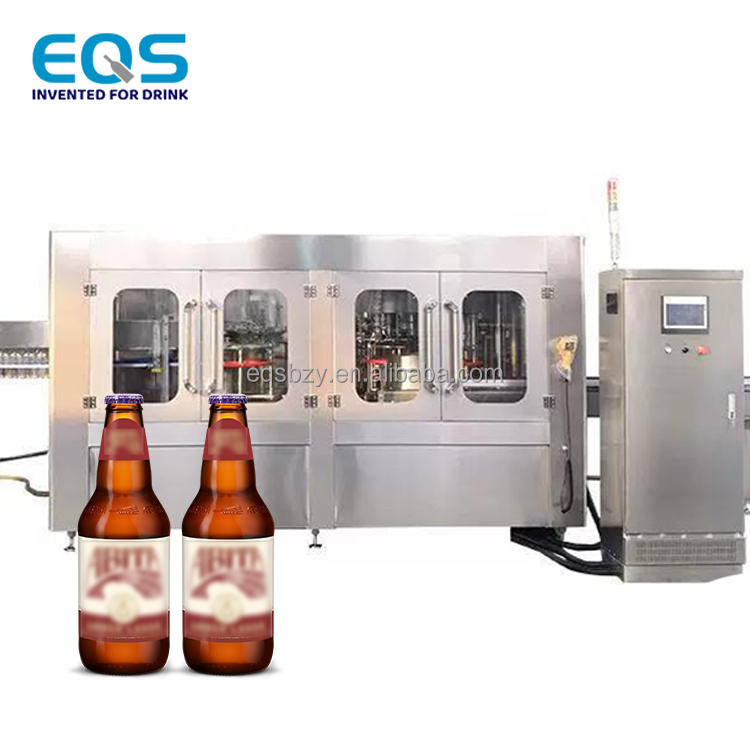
8000BPH Automatic Beer Glass Bottle Washing Filling Capping Machine Manufacturer for Isobaric Filling Line
Technical Details Send an Inquiry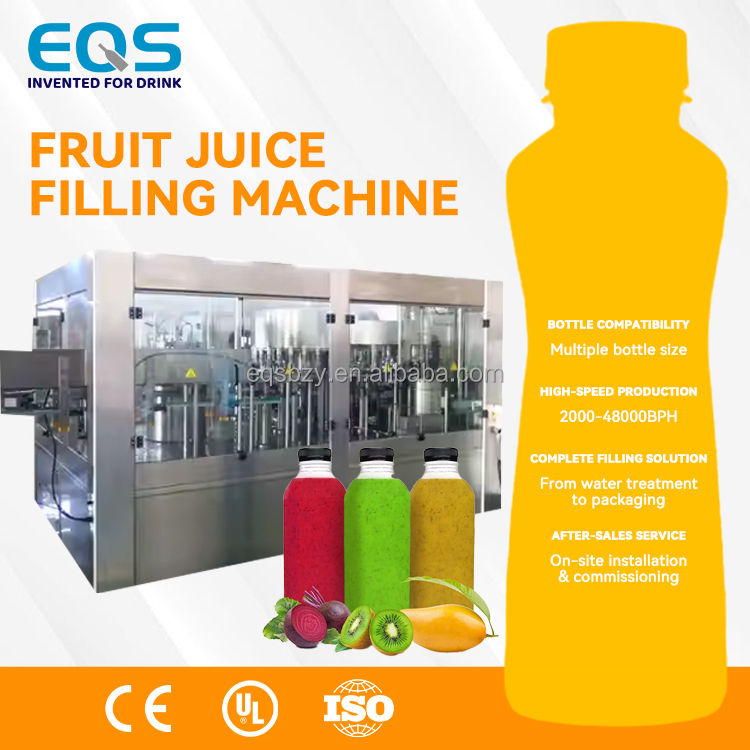
Complete 2000BPH Juice Canning Line Aluminium Can Juice Filling & Seaming Whole Line
Technical Details Send an Inquiry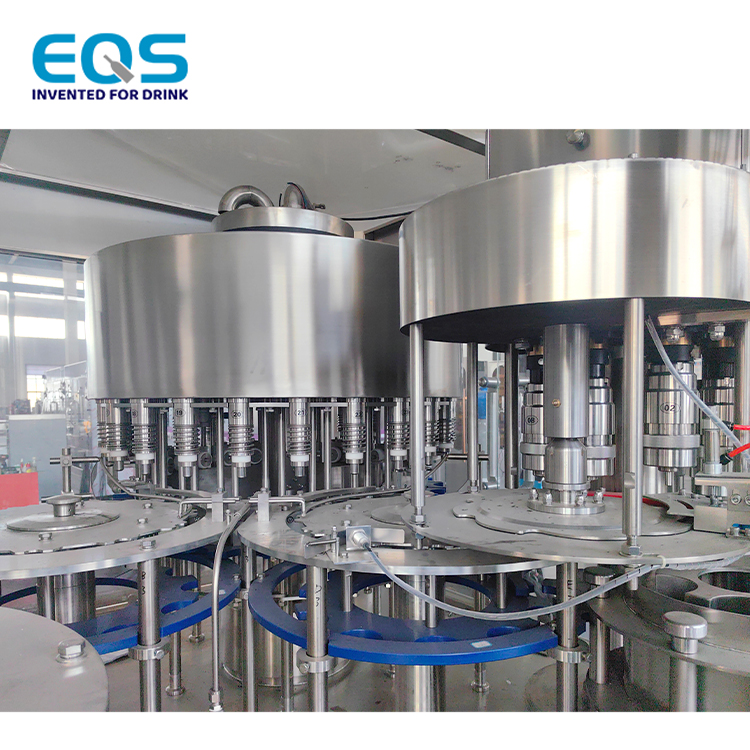
Industrial End-to-End Water Bottling Plant Integrated Production Line Solution for Glass PET Bottles
Technical Details Send an Inquiry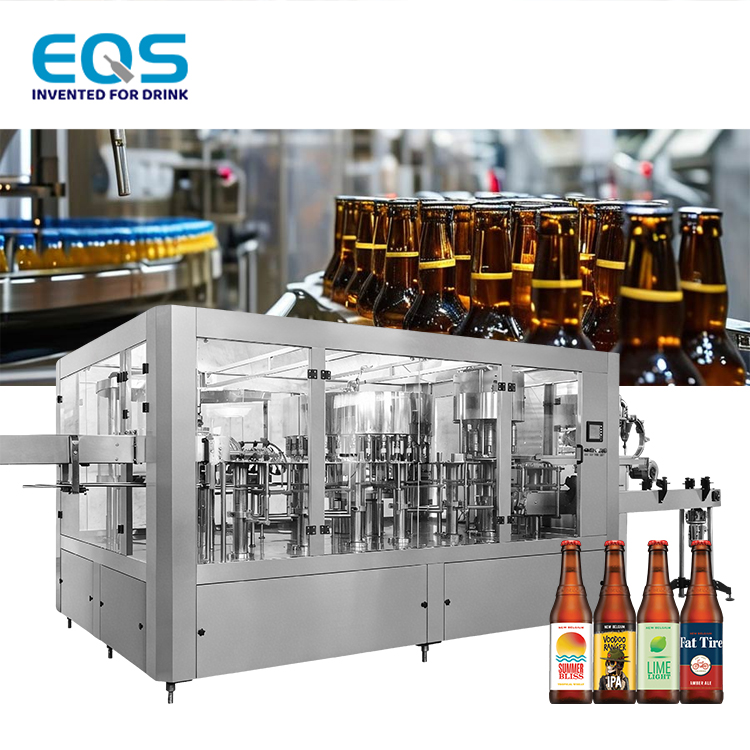
Automatic Rotary 3 in 1 Glass Bottle Beer Filling Machine Carbonated Drink Bottling Line for Craft Beer Plant
Technical Details Send an Inquiry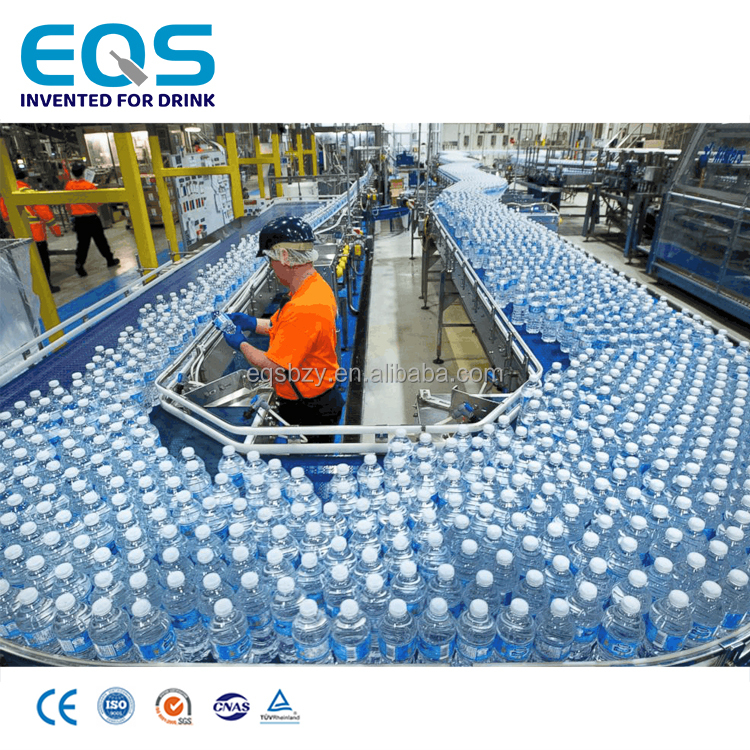
Industrial Pure & Mineral Water Treatment Filling Machine Complete Production Line Turnkey Project
Technical Details Send an Inquiry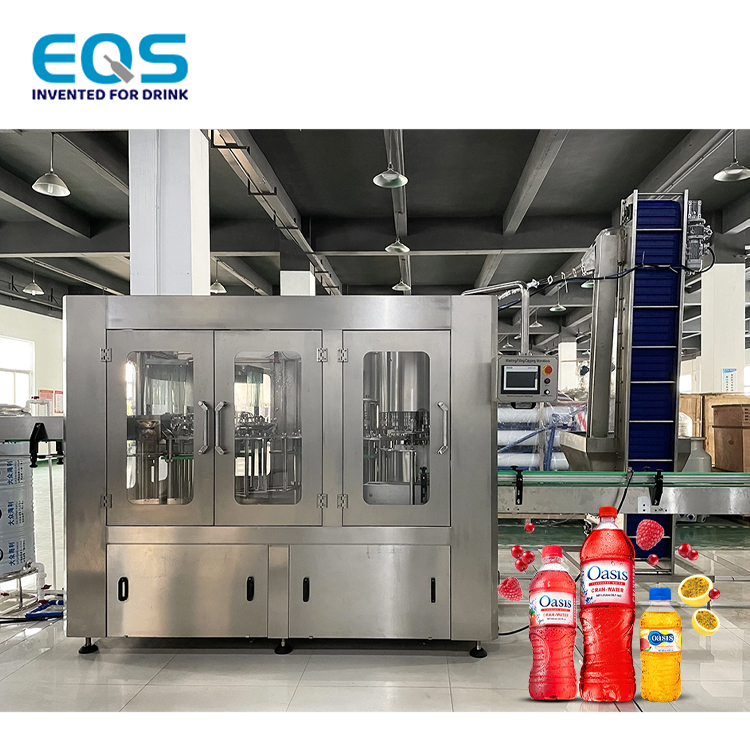
Reliable Flavor-Preserving Juice Production Line for PET Bottle with Cap Loader Labeling & Packing
Technical Details Send an Inquiry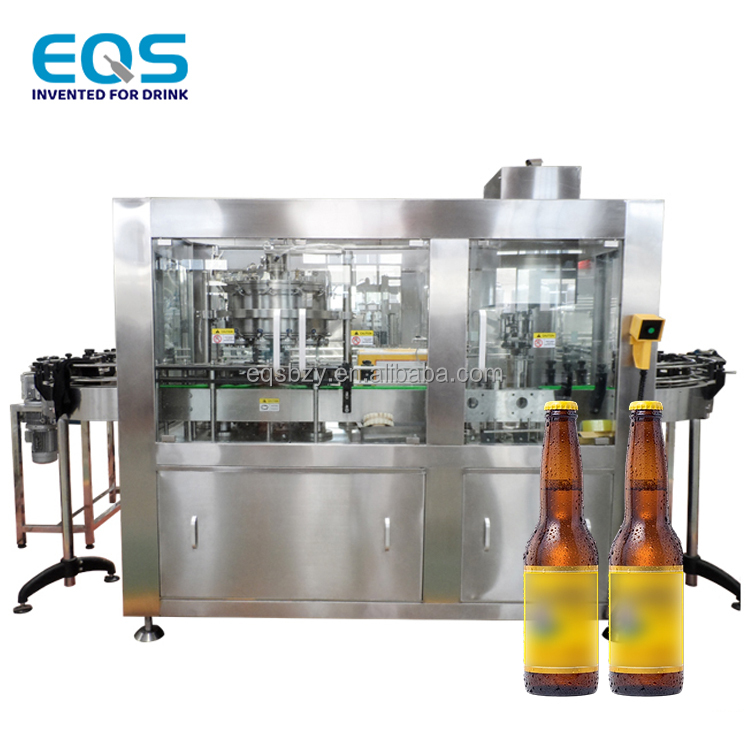
A to Z Turnkey Beer Bottling Line 7000BPH PET Bottle Beer Filling Machine with Aluminum Cap
Technical Details Send an InquiryNavigating China's Water Bottling Equipment Market
An engineering insight into supplier selection, OEM capabilities, quality verification, and Total Cost of Ownership (TCO) optimization.
The global demand for bottled drinking water—encompassing purified mineral water, spring water, flavored sparkling water, and large-format gallon containers—continues to expand at an unprecedented CAGR of 6.2%. For international beverage brands, commercial bottlers, co-packers, and regional distributors, sourcing liquid packaging machinery from top Chinese OEM manufacturers offers a compelling balance of capital expenditure (CapEx) efficiency, engineering customization, and rapid lead-time delivery.
However, navigating the supplier ecosystem in China requires a granular understanding of regional industrial clusters, technical machine standards, hygienic design compliance (EHEDG/3-A), and component traceability. China’s beverage machinery manufacturing is predominantly concentrated in the Yangtze River Delta—with Zhangjiagang (Jiangsu Province) standing out as the premier world-class hub for rotary filling monoblocks, blow-fill-cap combi-blocks, and downstream secondary packaging automation.
Zhangjiagang Hub (Jiangsu)
Specialization: High-speed rotary 3-in-1 monoblocks, aseptic blow-fill-cap combi systems, carbonated soft drink (CSD) isobaric fillers, and reverse osmosis water treatment plants. Home to premier exporters like OGVU Machinery with complete supply-chain integration.
Guangdong & Southern Hubs
Specialization: Linear filling machines, low-to-medium speed semi-automatic filling rigs, specialized cosmetic/chemical liquids, and rigid container blow molding units. Optimized primarily for small-batch flexible packaging.
Cost vs. Value Dynamics
Tier-1 Zhangjiagang suppliers utilize German Siemens PLCs, Festo pneumatics, Schneider electricals, and AISI 304/316L stainless steel, delivering European-equivalent OEE at 40–60% lower upfront capital expenditure.
Key Engineering Criteria for Bottling Line Evaluation
When auditing prospective Chinese water bottling equipment manufacturers, engineering procurement managers must evaluate equipment against five non-negotiable operational benchmarks:
- Overall Equipment Effectiveness (OEE): Target an line OEE benchmark exceeding 92% across a continuous 24-hour shift cycle, minimizing unplanned downtime during preform blowing or capping jams.
- Filling Valve Accuracy: High-precision magnetic flowmeter or gravity-level filling valves must maintain a volumetric error of <±1.5ml for 500ml PET containers, mitigating costly liquid overfills.
- Hygienic Sanitation & CIP/SIP Integration: Automatic Clean-in-Place (CIP) closed-loop systems with dummy cups, hot water/lye/acid sanitization circuits, and HEPA laminar flow air filtration hoods above the filling zone.
- Container Versatility & Format Changeover: Fast tool-less format changeover (under 30 minutes) for neck-handling starwheels, guide rails, and capping chucks accommodating 250ml to 2,000ml bottle ranges.
- Secondary Packaging Synchronization: Downstream integration connecting the filler seamless to automatic roll-fed OPP labelers, thermal shrink bundlers, robot arm case packers, and stretch palletizers.
| Filling Technology | Operating Principle | Ideal Beverage Applications | Production Speed Range | Hygiene & Maintenance Level |
|---|---|---|---|---|
| Gravity Normal Pressure | Liquid flows by gravity under atmospheric pressure with liquid level tube control. | Still Water, Mineral Water, Purified Water | 2,000 – 36,000 BPH | Low maintenance; easy CIP sanitization. |
| Isobaric (Counter-Pressure) | Pre-pressurizes container with CO₂ before filling to preserve dissolved gas. | Carbonated Soft Drinks, Beer, Sparkling Water | 3,000 – 24,000 BPH | Moderate maintenance; double vacuum pre-evacuation available. |
| Piston / Volumetric Metering | Positive displacement cylinder or magnetic flowmeter controlled by servo motors. | Juices with Pulp, Sauces, Edible Oils, Syrup | 1,000 – 12,000 BPH | High precision (±0.2%); requires thorough CIP flushing. |
| Hot Filling (85°C – 92°C) | Fills hot liquid into heat-resistant PET/Glass to pasteurize container inner walls. | Fruit Juices, Ready-to-Drink Tea, Energy Drinks | 3,000 – 24,000 BPH | Includes thermal recirculation loop & cooling tunnel. |
| Cold Aseptic Filling | Sterilizes bottle, cap, and liquid independently; fills under ISO Class 5 sterile isolator. | Dairy, Plant-Based Milk, Preservative-Free Juices | 12,000 – 48,000 BPH | Ultra-clean sterile room; automated SIP with hydrogen peroxide vapor. |
Future Trends in Water Bottling & Packaging Machinery
Understanding the shift toward Combi-block integration, sustainable eco-packaging, energy recovery, and digital twin monitoring.
1. Blowing-Filling-Capping Combi-Block Integration
Traditional bottling plants utilized standalone rotary blow molders connected via long air conveyors to the filling monoblock. Future procurement is overwhelmingly shifting toward Blow-Fill-Cap Combi-Block Systems. By eliminating intermediate bottle rinsing and air conveyors, combi-blocks reduce factory floor footprint by up to 35%, lower energy consumption by 25%, eliminate bottle scuffing, and drastically cut contamination risks associated with exposed container transport.
2. High-Pressure Air Recovery & Ultra-Lightweight PET
High-pressure air (up to 30-40 bar) used during preform stretch blowing represents a major electricity cost center. Modern Chinese bottling machine manufacturers are incorporating 3-stage Air Recovery Systems that capture exhausted high-pressure air for reuse in low-pressure pneumatic actuators and pre-blowing circuits, cutting compressor energy consumption by 40-50%. Concurrently, neck-handling monoblocks enable lightweighting of 500ml PET bottles down to 9.5 grams without panel distortion.
3. IoT-Enabled Industry 4.0 & Predictive Maintenance
Leading Chinese equipment suppliers are embedding smart SCADA interfaces, cloud analytics, and OPC-UA communication protocols directly into PLC architectures. Plant operators can monitor real-time key performance metrics, overall equipment effectiveness (OEE), filling volume variances, heating oven temperatures, and pneumatic pressures via remote mobile dashboards. Vibration sensors on main drive gearboxes provide predictive alerts for bearing wear prior to catastrophic line failure.
4. Sustainable Eco-Packaging & rPET Compatibility
Global environmental regulations demanding recycled PET (rPET) content and tethered cap enforcement (EU Directive 2019/904) have forced machinery redesigns. Contemporary Chinese filling monoblocks and capper heads are retrofitted with specialized torque-controlled capping chucks designed for short-neck tethered caps (e.g., GME 30.37/30.40 formats) and optimized heating profiles to blow up to 100% PCR/rPET preforms without yellowing or structural micro-cracks.
Ready to Modernize Your Water Bottling Plant?
Consult with our senior packaging machinery engineers to design a custom line layout optimized for lightweight PET, energy recovery, and high OEE performance.
Enterprise Advantages of Zhangjiagang OGVU Machinery
Over 11 years of international engineering, third-party audit verifications, and complete end-to-end turnkey manufacturing responsibility.
Zhangjiagang OGVU Machinery Co., Ltd. stands as a benchmark manufacturer and turnkey exporter in China's beverage packaging equipment sector. Located in the core machinery hub of Zhangjiagang, Jiangsu, OGVU specializes in designing, fabricating, and commissioning customized water treatment plants, PET/glass bottle rinsing-filling-capping 3-in-1 monoblocks, carbonated soft drink mixers, juice pasteurizers, and fully automated secondary packing lines.
Unlike trading intermediaries, OGVU Machinery maintains strict direct manufacturing control, verified on-site by independent global inspection authority Intertek. We handle complete factory layout planning (3D CAD & BIM modeling), capacity calculation, mechanical assembly, electrical wiring, factory acceptance testing (FAT), export packing, and overseas installation support.
- Proven International Track Record: Over 11 years as a verified exporter with equipment deployed across Latin America, Africa, the Middle East, Southeast Asia, and CIS regions.
- Multilingual Engineering Support: Direct communication with certified field engineers fluent in English, Spanish, Russian, and Chinese for hassle-free FAT and commissioning.
- Strict Material & Component Standards: Premium AISI 304/316L stainless steel contact parts, Siemens S7-1500 PLCs, SEW reducers, Festo/SMC pneumatics, and Schneider electronics.
- Complete Factory Acceptance Testing (FAT): Every bottling line undergoes a continuous 48-hour dry-run and wet test with actual preforms, caps, and liquid prior to export dispatch.
Frequently Asked Questions (FAQ) for Bottling Equipment Procurement
Expert answers to critical technical, commercial, and logistics questions faced by global beverage plant managers.
1. Which filling technology is required for still mineral water vs. carbonated soft drinks (CSD)?
Still mineral or purified water uses gravity normal-pressure filling, where liquid flows directly into the container under atmospheric pressure once the bottle neck creates a seal against the valve gasket. Liquid level is determined by gas-vent tubes.
In contrast, carbonated soft drinks (CSD) and beer require isobaric (counter-pressure) filling. The bottle is sealed and pre-pressurized with CO₂ to match the pressure inside the beverage filler bowl (typically 0.2–0.4 MPa). This prevents dissolved gas from escaping, eliminating excessive foaming during high-speed liquid transfer.
2. How do I calculate the required line speed (BPH) for my prospective factory?
Line speed is calculated based on annual volume targets, operational shift hours, and Overall Equipment Effectiveness (OEE). The formula is:
Target BPH = (Annual Target Volume in Bottles) / (Operating Days per Year × Daily Shift Hours × Target OEE %)
For example, to produce 20,000,000 bottles per year running 300 days/year, 16 hours/day (2 shifts) at an 85% expected OEE, you require a line speed of approximately 4,900 to 6,000 BPH. We recommend selecting a system with a 20% growth buffer.
3. Can a single rotary 3-in-1 water filling monoblock handle multiple bottle sizes?
Yes. Modern neck-handling monoblocks can run multiple bottle volumes (e.g., 330ml, 500ml, 750ml, and 1.5L) on the condition that all bottles share the standard neck finish format (e.g., PCO 1881 or 29/25 neck standard). When bottle heights and diameters differ, changeover requires replacing format starwheels, central arc guide rails, and adjusting the electrical height lift of the filler carousel—a process taking under 30 minutes.
4. What documentation, engineering data, and workshop parameters are needed to get a turnkey proposal?
To receive an engineered line proposal, layout drawing, and firm quotation, provide your supplier with:
- Product Characteristics: Still water, sparkling water, hot-fill juice (with or without pulp/pulp particle size), or carbonated soft drink.
- Container Specs: Material (PET, Glass, Can), drawing/photos, volume range, neck specification, cap type (screw cap, sport cap, crown cap).
- Target Output: Desired speed in bottles per hour (BPH) based on 500ml standard.
- Secondary Packaging Preference: OPP roll-fed labeler or sleeve labeler; PE shrink film bundle or corrugated carton packaging.
- Facility Details: Workshop dimensions (Length × Width × Height), utility supplies (Voltage, Frequency, raw water quality analysis report).
5. What international machinery standards and quality certifications should I verify?
Always verify compliance with: CE Certification (Machinery Directive 2006/42/EC and Low Voltage Directive 2014/35/EU), ISO 9001 Quality Management, and food-contact material safety documentation for all stainless steel components (AISI 304/316L certificate of origin) and synthetic seals (FDA / EU 10/2011 compliance for EPDM, Viton, or PTFE seals).
6. How does OGVU Machinery handle overseas installation, commissioning, and spare parts support?
OGVU provides comprehensive dispatch services. We send experienced mechanical and electrical engineers directly to your plant site for machine positioning, piping interconnection, electrical hookup, dry/wet commissioning, and hands-on staff operational training. Furthermore, every machine includes a 2-year wear-and-tear spare parts package and 24/7 remote optical internet diagnostic support via PLC router integration.
Request a Custom Technical Proposal & Factory Layout Drawing
Whether you are establishing a new mineral water bottling startup or expanding an existing high-speed beverage line, our senior engineering team is ready to assist you with equipment selection, 3D plant layout, and ROI analysis.