High-Performance Bottling & Packaging Systems
Explore China's top-tier bottling machinery engineered for still wine, sparkling beverages, mineral water, and fruit juices.
Industrial Wine Bottling Architecture & Procurement Masterclass
A Comprehensive Guide to Low-Oxygen Filling Technology, Supplier Qualification in China, and System Lifecycle Maximization.
Total Dissolved Oxygen Control
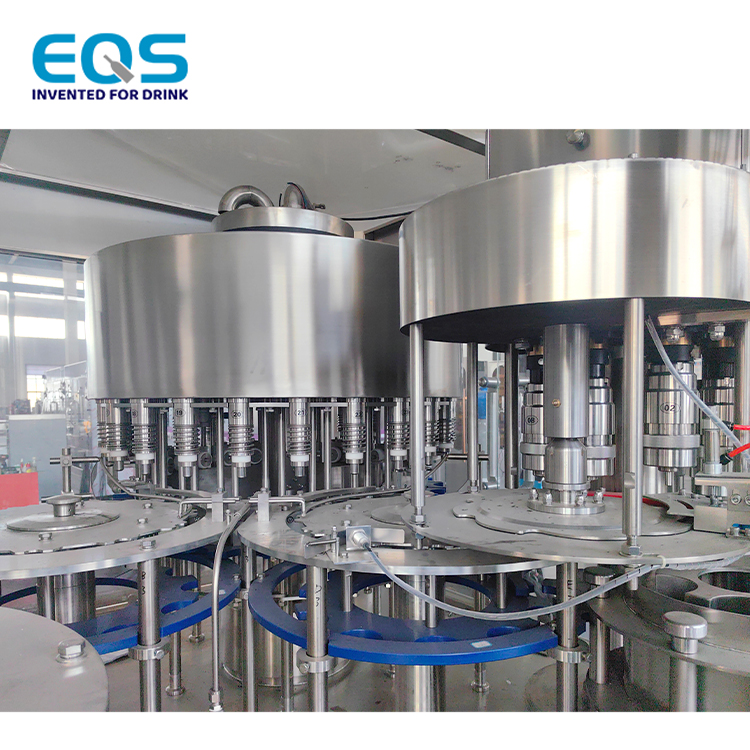
Electro-pneumatic filling valves integrated with pre-evacuation and inert gas injection reduce DO pick-up below 0.05 mg/L, safeguarding organoleptic purity.
Flexible Closure Adaptability
Multi-turret monoblock architecture seamlessly accommodates natural corks, micro-agglomerated closures, Stelvin ROPP aluminum caps, and crown seals.
Intertek Audited Precision
Engineered within Zhangjiagang’s world-renowned packaging equipment cluster, backed by third-party facility audits and CE compliance certification.
1. Introduction: The Evolving Dynamics of Global Wine Bottling Procurement
The global wine packaging industry is undergoing a monumental transformation driven by stringent quality standards, rising equipment automation demands, and a heightened emphasis on preserving wine integrity from tank to bottle. Wineries, OEM importers, and commercial contract bottlers face an increasingly competitive global landscape. In this context, selecting an authoritative, technologically advanced manufacturing partner is a strategic imperative. As a premier China Top Wine Bottling Line Exporter & Wholesaler, Zhangjiagang OGVU Machinery Co., Ltd. delivers high-precision turnkey bottling plants engineered to satisfy international oenological parameters.
Historically, European machinery manufacturers held a dominant position in high-end wine bottling equipment. However, the last decade has witnessed a major paradigm shift. Advanced Chinese engineering hubs—most notably Zhangjiagang in Jiangsu Province—have integrated European mechanical designs, Italian fluid-dynamic valve concepts, and German Siemens PLC automation with cost-effective advanced manufacturing methodologies. Modern wine bottling lines exported from China now compete directly on speed, operational reliability, low Total Pick-Up (TPO) oxygen metrics, and clean-in-place (CIP) hygienic design, while offering a significantly more competitive total cost of ownership (TCO).
Core Technical Takeaway: Oxygen ingress during the filling phase is the leading cause of premature wine oxidation, color browning, and loss of delicate volatile aromas. Advanced low-vacuum gravity and isobaric filling systems must achieve a Dissolved Oxygen (DO) increase of less than 0.05 mg/L during the bottling process.
2. Engineering Architecture of Modern Wine Bottling Lines
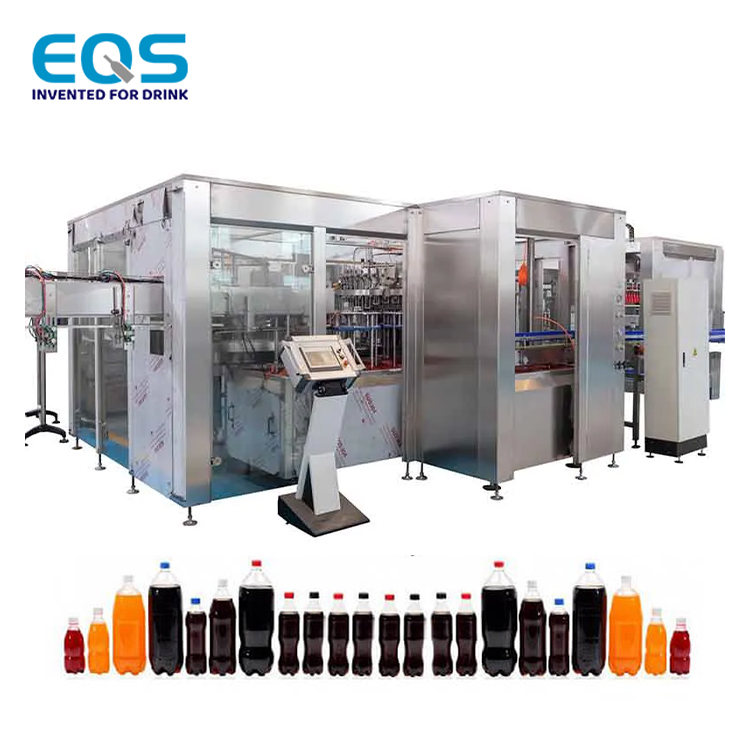
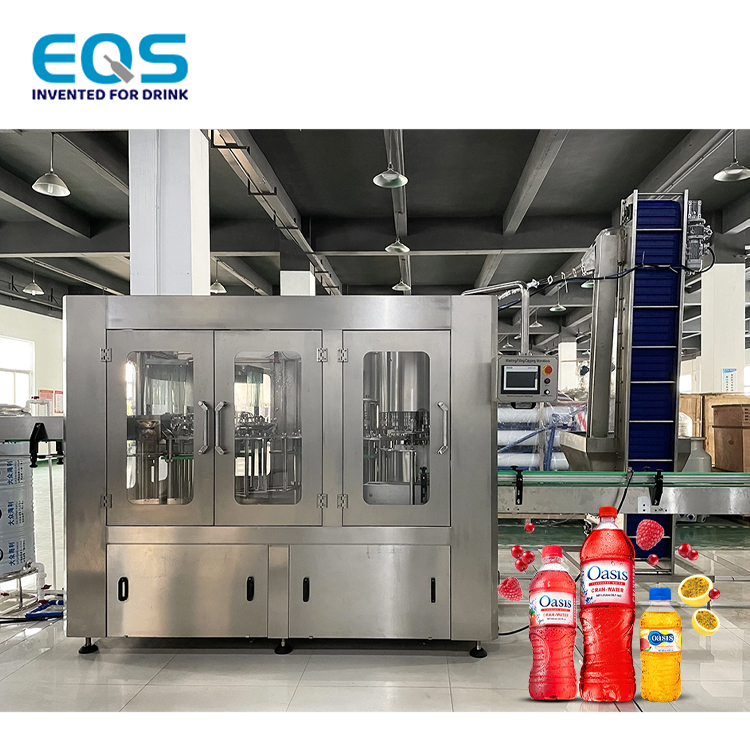
A high-capacity, commercial-grade wine packaging installation is not merely a collection of isolated machines; it is a synchronized biological and physical containment environment. Every stage must maintain strict micro-biological control, physical bottle stability, and exact fluid metering. The end-to-end wine bottling monoblock incorporates several core subsystems working in absolute electronic and mechanical synchronization.
2.1 Water Treatment & Sterile Filtration Preparation
Before any wine enters the filling manifold, the supporting utility media must meet sterile parameters. Process water used for bottle rinsing and equipment Clean-In-Place (CIP) sanitization undergoes multi-stage treatment via Reverse Osmosis (RO) and Ultrafiltration (UF) units. Prior to bottle injection, liquid sterile filtration is executed through 0.45-micron and 0.22-micron absolute membrane filter cartridges to eliminate wild yeasts, lactic acid bacteria, and spoilage microbes (such as Brettanomyces).
2.2 Oxygen Management & Container Pre-Purging
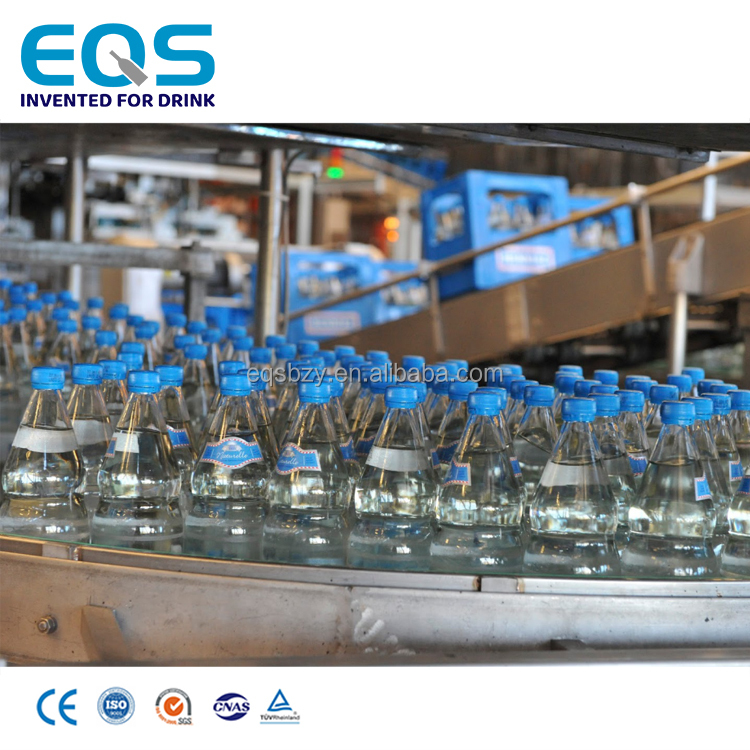
During bottle conveyance into the rinsing turret, clean glass bottles are inverted and sprayed with sterile ionized water or gasified nitrogen. To prevent atmospheric oxygen from mixing with the liquid, high-tier wine lines employ double pre-evacuation systems. The atmospheric air inside the empty bottle is evacuated under vacuum, followed by a flush of food-grade Nitrogen (N2) or Carbon Dioxide (CO2). This pre-purging step ensures that when the wine enters the bottle, it encounters an inert atmosphere, preserving free sulfur dioxide (SO2) levels and delaying chemical aging.
2.3 Low-Vacuum Gravity & Isobaric Counter-Pressure Filling
Depending on whether the product profile consists of still table wines, fortified wines, or sparkling wines (such as Prosecco or Champagne-style carbonated wines), different filling mechanical principles are selected:
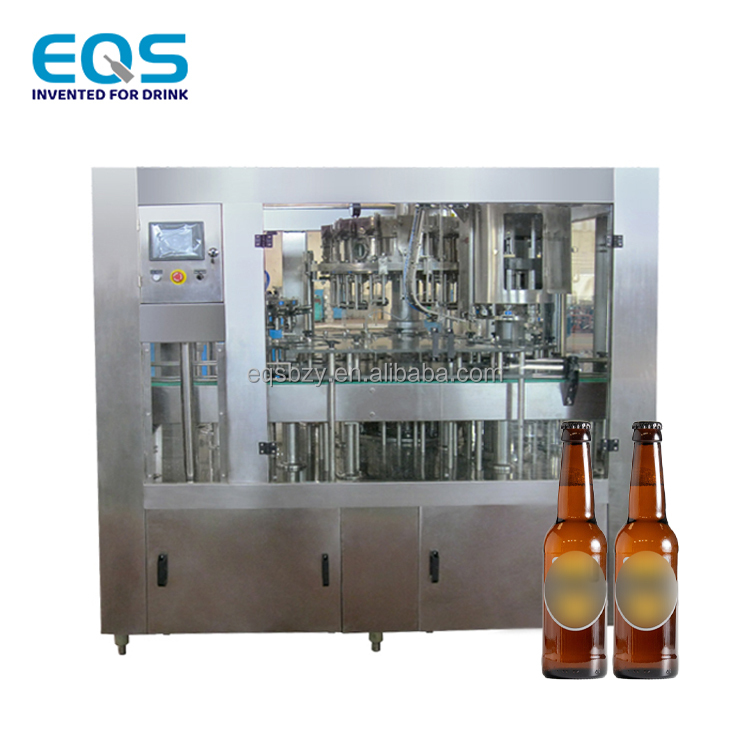
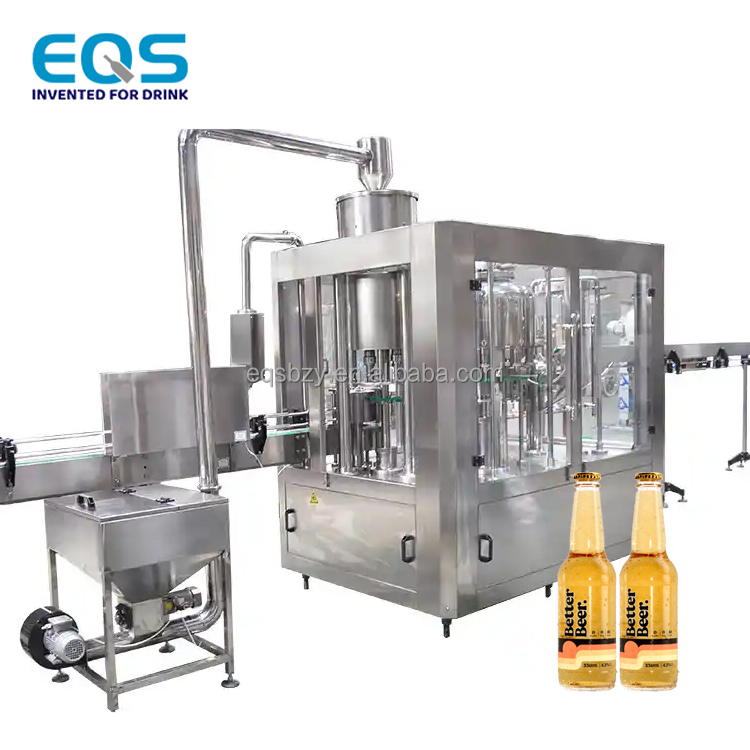
- Low-Vacuum Gravity Filling: Recommended for still red, white, and rosé wines. A mild vacuum (-0.02 to -0.05 MPa) is established in the bottle neck to pull open the stainless steel filling valve stem. Liquid flows smoothly down the bottle walls via a specialized umbrella distribution nozzle, eliminating turbulent splashing and reducing aeration.
- Isobaric Counter-Pressure Filling: Essential for sparkling wines requiring CO2 retention. The bottle is pressurized to match the isobaric pressure inside the product storage bowl (typically 0.3 to 0.6 MPa). Once pressure equilibrium is established, the valve opens, allowing the beverage to fill under controlled laminar flow conditions without degassing.
- Electro-Pneumatic Valve Control: Advanced models replace mechanical spring-activated valves with magnetic inductive flow meters or pneumatic actuator valves controlled via PLC telemetry, ensuring precise volume accuracy within ±1 mL per 750 mL bottle.
2.4 Multi-Closure Capping & Vacuum Corking Turrets
The capping section represents a critical line control point. Depending on market destination, modern lines utilize flexible single or multi-head capping turrets:
For traditional natural corks and micro-agglomerated closures, a 4-jaw cork compressor reduces the cork diameter without creasing the surface before inserting it into the bottle neck. Crucially, a vacuum extraction head removes air from the bottle headspace immediately before cork placement. Without head-space vacuuming, compressed air above the wine would create internal pressure spikes, risking cork push-out during thermal expansion in transit.
For modern Stelvin screw caps (ROPP - Roll-On Pilfer-Proof aluminum closures), precision threading rollers apply uniform vertical down-force while forming the aluminum skirt around the glass bottle finish threads, establishing a hermetic seal against gas transmission.
3. Technical Specifications Comparison: Still vs. Sparkling Wine Lines
Understanding equipment capabilities across different product viscosities and carbonation levels is essential for engineering procurement teams. Below is an operational matrix outlining standard parameters designed by China's leading OEM bottling engineers.
| System Metric | Still Wine (Low-Vacuum) | Sparkling Wine (Isobaric) | Bag-in-Box / Bulk Wine |
|---|---|---|---|
| Nominal Speed Range | 2,000 – 12,000 BPH | 1,500 – 8,000 BPH | 300 – 1,200 BIB/Hr |
| Filling Valve Principle | Low-vacuum gravity / Flowmeter | Isobaric counter-pressure | Peristaltic / Weighing scale |
| DO Pick-Up Rate | < 0.03 – 0.05 mg/L | < 0.04 mg/L | < 0.08 mg/L |
| Headspace Inertization | N2 Liquid Injection / Gas Jetting | CO2 / N2 Counter-pressure | Automatic Nitrogen Purging |
| Closure Types Supported | Natural Cork, Stelvin, Vinolok | Champagne Cork, Wirehood, Crown Cap | Gland & Tap Dispensers |
| CIP Cleanability | Full Automated Dummy Bottles | Automated CIP/SIP Sanitize | Closed Chemical Loop |
4. Future Procurement Trends in Commercial Wine Packaging (2025–2030)
Procurement directors and vineyard operations leads must look beyond current production demands and evaluate macro industrial trends impacting beverage manufacturing globally over the next decade. Sourcing machinery from top Chinese exporters offers a strategic advantage due to rapid technological adoption in several key domains:
4.1 Shift Toward Servo-Driven Monoblocks and Smart Telemetry
Traditional mechanical bottling lines utilized main drive shafts and complex gearboxes to sync rinsing, filling, and capping turrets. Modern high-speed lines exported from China now feature independent servo motor drives for each carousel station. Servo technology reduces mechanical wear, drastically lowers noise levels below 75 dBA, and enables automatic height adjustments for different bottle shapes at the touch of a screen on the HMI interface.
4.2 Sustainable Packaging & Lightweight Glass Handling
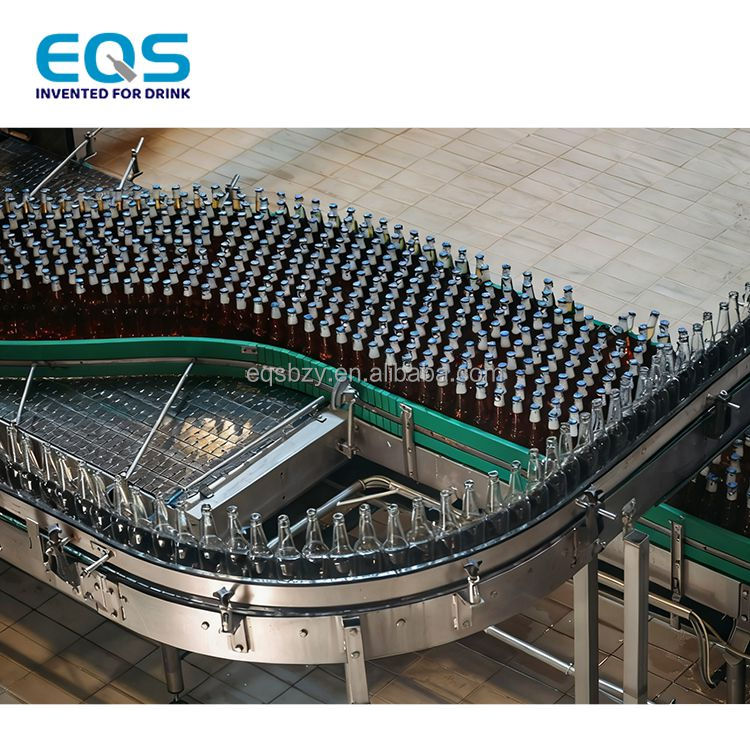
In response to international carbon footprint reduction mandates, wineries are transitioning to lightweight glass bottles (reducing bottle weight from 550g down to 380g or less). Lightweight glass is inherently more fragile under mechanical stress. Chinese machinery designers have re-engineered container transport systems using magnetic neck-handling grippers, smooth-motion starwheels, and gentle cushion-pneumatic lifting cylinders to eliminate bottle breakage and line jam micro-stoppages.
4.3 Integration of IoT Diagnostics and Remote Maintenance Protocols
International buyers frequently query after-sales response times when importing machinery from Asia. Industry-leading suppliers overcome geographical distance by equipping bottling lines with encrypted cloud-connected PLC gateways (such as Siemens MindSphere or eWON telemetry). This enables factory software engineers in China to perform real-time diagnostics, program modifications, and predictive maintenance troubleshooting remotely, ensuring uninterrupted production run times for overseas facilities.
5. Strategic Procurement FAQ: Technical Guidance for Overseas Buyers
6. Why Partner with Zhangjiagang OGVU Machinery: Enterprise Superiority
Located in the heart of China’s premium packaging machinery industrial hub in Zhangjiagang, Jiangsu Province, Zhangjiagang OGVU Machinery Co., Ltd. stands out as an established, technologically advanced supplier for international beverage producers. With over 11 years of continuous international trade history, our company combines deep manufacturing knowledge with comprehensive export logistics capability.
Unlike raw trading entities, OGVU Machinery provides single-source engineering accountability. From initial water treatment and blow molding configuration down to case packing and palletizing, every module is designed to match line throughput speed. This eliminates the operational bottlenecks common in mixed-vendor production lines. Our facility and manufacturing capabilities have been audited on-site by independent third-party inspectors including Intertek, verifying our commitment to manufacturing precision and structural integrity.
Accelerate Your Winery's Bottling Efficiency
Consult with our lead application engineers to design a customized, low-oxygen wine packaging line tailored to your plant footprint and production output targets.