Recommended Beer & Beverage Bottling Machinery
Featured turnkey lines and monoblock filling units engineered for high-speed operation, low maintenance, and strict oxygen-pickup control.
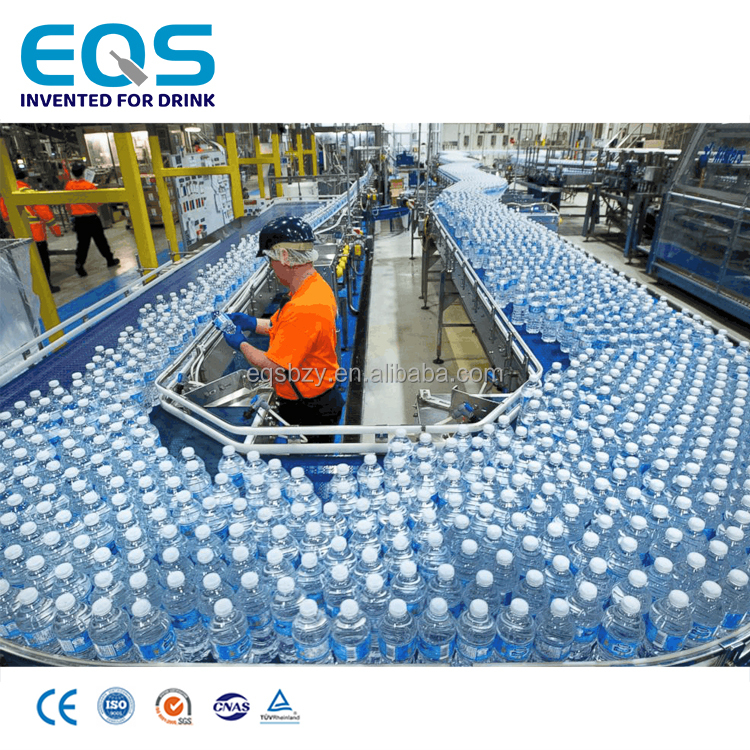
Industrial Pure & Mineral Water Treatment Filling Machine
- Full RO Water Pre-treatment System
- Integrated Washing, Filling & Capping
- High-Efficiency Energy Saver Module
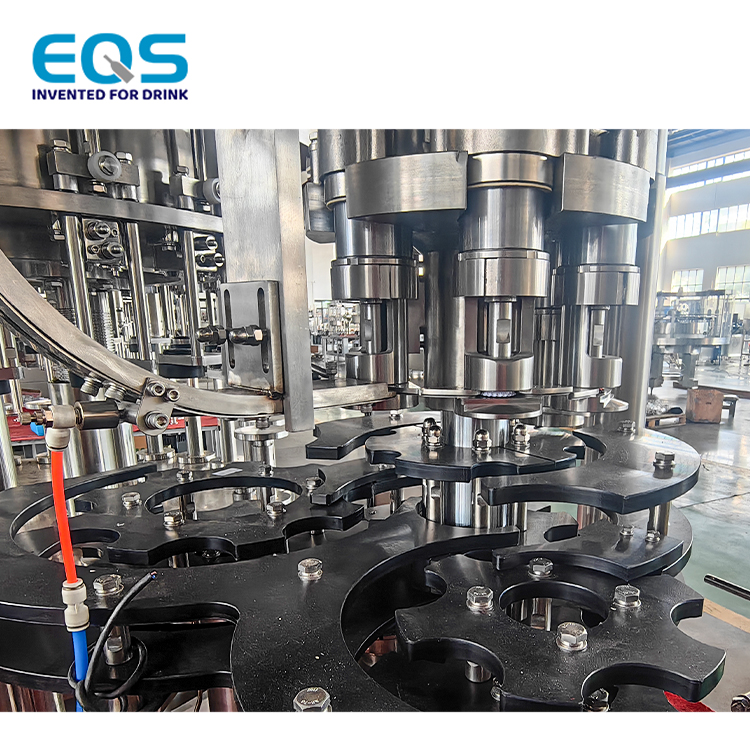
High-Speed 3-in-1 Beer Bottling Monoblock
- Isobaric Counter-Pressure Valves
- Double Vacuum Evacuation (DO2 < 30ppb)
- Rotary Crown Capping Mechanism
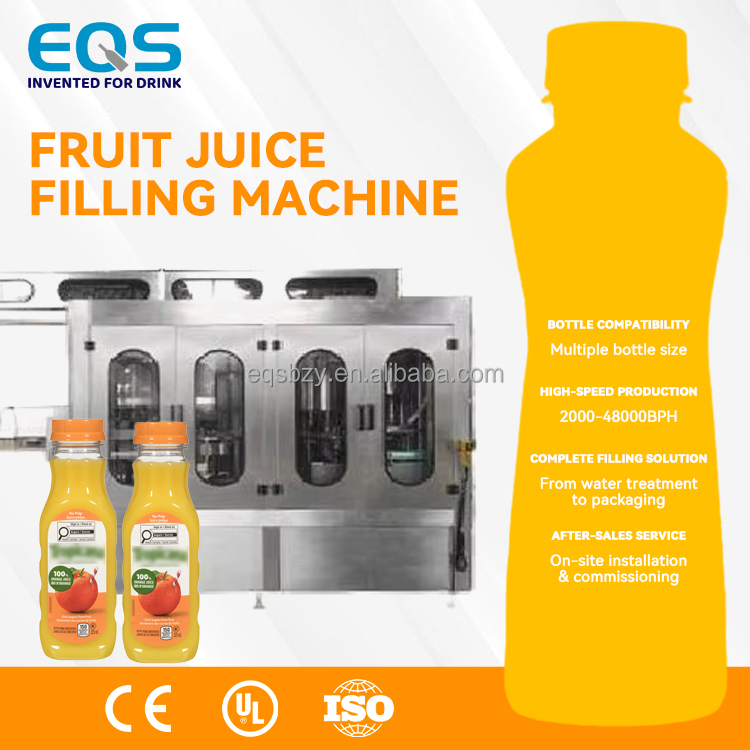
Automatic 4-in-1 Pulp Fruit Juice Hot Filling Line
- Suspended Pulp Dosing & Hot Filling
- Thermal Recirculation Control
- Heat-Resistant PET Bottle Compatiblity
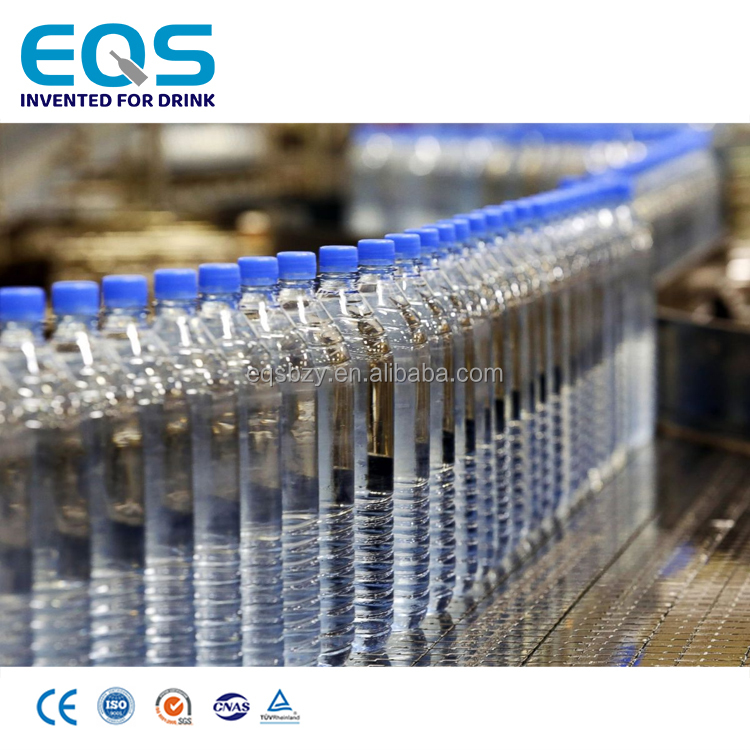
Automatic PET Water Bottling & Packaging Line
- High Precision Gravity Filling Valves
- Inline Sleeve Labeling & Shrink Tunnel
- Automatic Case Shrink Packaging
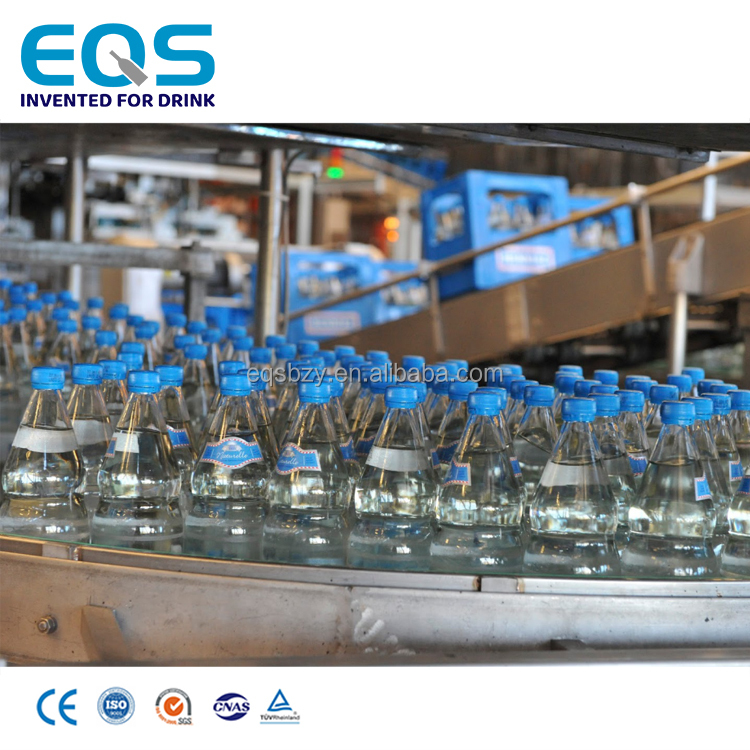
Premium Complete PET Bottle Water Bottling Line
- Turnkey Solution: Blowing to Palletizing
- Siemens PLC & Touch Screen HMI
- Output Options: 3,000 to 24,000 BPH
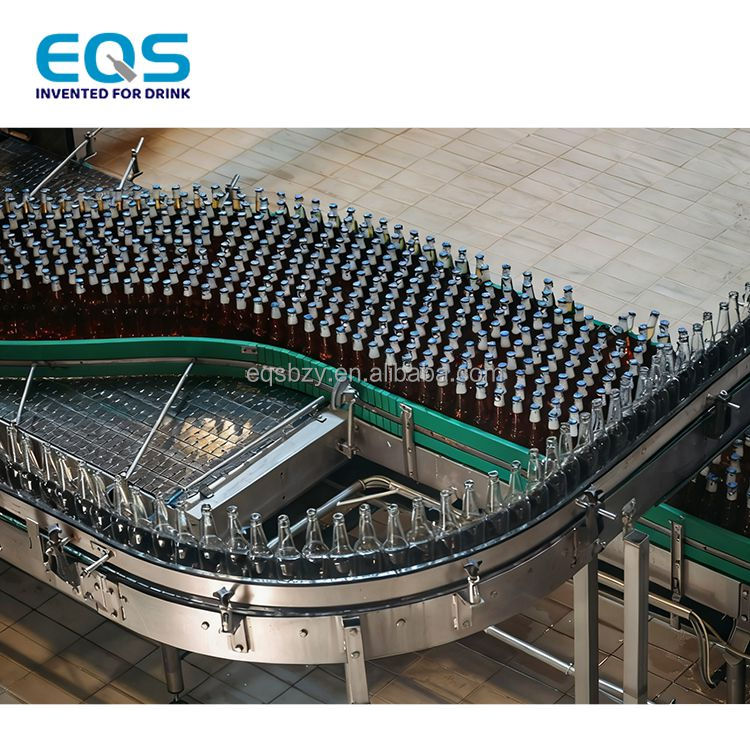
Precision Vacuum Beer Filling Production Line
- Low Oxygen Pickup & Minimal CO2 Loss
- Heavy-Duty Stainless Steel 316L Valves
- Integrated CIP Automatic Washing System
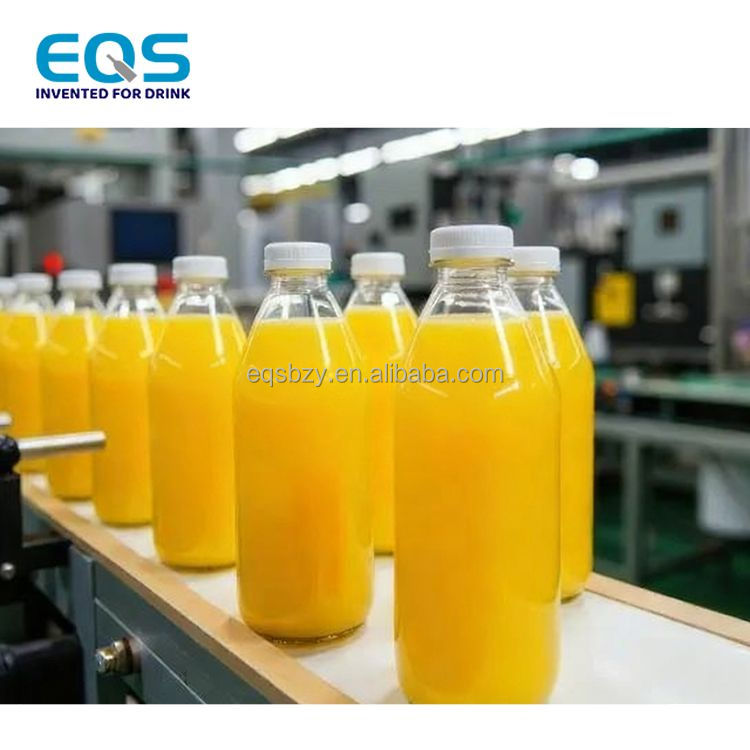
Industrial 4-in-1 Fruit Juice & Pulp Bottling Line
- Multi-Stage Fruit Juice Clarification & Dosing
- Sterile Air Filter & Positive Pressure Hood
- High Speed Continuous Rotary Operation
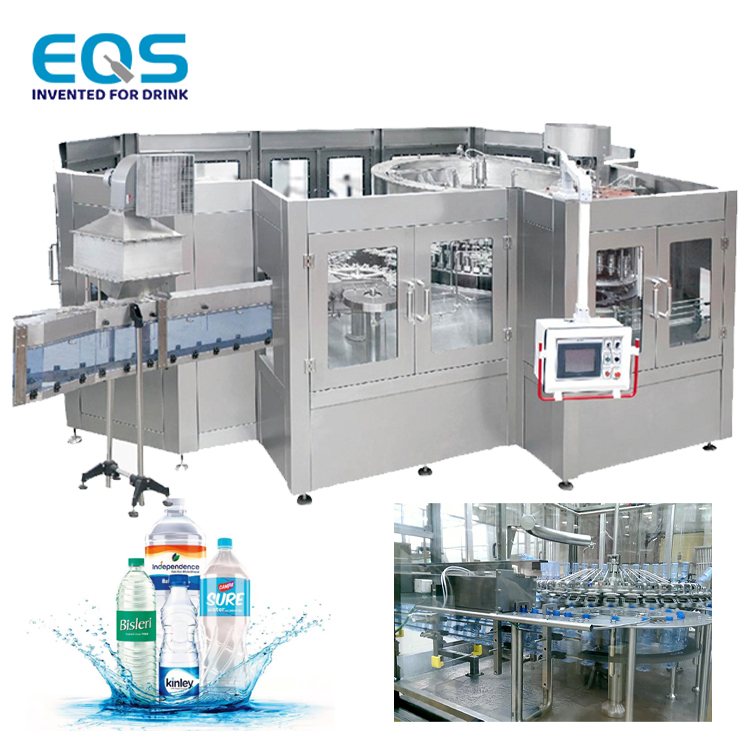
Professional Dual-Purpose PET & Glass Bottle Water Line
- Universal Gripper Star-wheels for Format Switch
- Ultra-Clean Enclosure with HEPA Filtration
- Flexible Capacity: Small Bottler to Large Plant
1. Technical Executive Summary: Sourcing Wholesale Beer Filling Machinery from China
The global brewing and beverage packaging sector is undergoing a massive transformation. Craft breweries expanding into commercial production, alongside large-scale contract beverage manufacturers, demand packaging equipment that balances strict biological hygiene, precise carbonation maintenance, and low Total Cost of Ownership (TCO). When evaluating China Wholesale Beer Filling Machine Manufacturers & Wholesalers, procurement directors must evaluate technical metrics far beyond initial capital expenditure (CapEx).
Beer is chemically sensitive to oxygen exposure and thermal fluctuations. Improper filling mechanics lead to rapid flavor degradation, staling (cardboard-like off-flavors caused by trans-2-nonenal), and premature shelf-life expiration. Modern Chinese machinery original equipment manufacturers (OEMs)—centered around engineering hubs like Zhangjiagang, Jiangsu—have bridged the gap between high-end European performance (Krones, KHS standards) and cost-effective capital investment.
Biological Safety & CIP
Closed-loop Clean-in-Place (CIP) automated sanitation prevents wild yeast and Lactobacillus cross-contamination across batch cycles.
Double Vacuum Pre-Evacuation
Achieves dual evacuation of oxygen from glass bottles prior to carbon dioxide pressurization, guaranteeing DO2 pickup under 30 ppb.
Electro-Pneumatic Control
High-precision electro-pneumatic filling valves backed by PLC automation ensure fill-level consistency within ±1mm tolerance.
2. Engineering Deep Dive: Isobaric Counter-Pressure & Dissolved Oxygen Control
The core mechanism of any industrial beer filler is the isobaric (counter-pressure) filling valve. Unlike still water (gravity fill) or hot juice (recirculation fill), carbonated beer must be transferred from the bright beer tank (BBT) into the bottle under equalized gaseous pressure. If pressure drops during filling, dissolved $CO_2$ rapidly breakout of liquid phase, creating excessive foam, weight variance, and product loss.
The Double Vacuum Pre-Evacuation Process Explained:
- First Vacuum Evacuation: The bottle neck is sealed by an EPDM rubber tulip gasket. A mechanical vacuum pump evacuates 90-95% of atmospheric air from inside the bottle.
- First $CO_2$ Flushing: Pure industrial-grade $CO_2$ gas is injected into the bottle, bringing internal pressure back to positive baseline.
- Second Vacuum Evacuation: A second vacuum cycle draws out the residual gas mix. This double step reduces ambient air contamination down to negligible fraction fractions (< 0.5% residual $O_2$).
- Isobaric Pressurization & Liquid Filling: The bottle is pressurized to match the filler bowl pressure (typically 0.22 - 0.30 MPa). The spring-loaded liquid valve opens, letting gravity transfer beer smoothly down the bottle walls via a diffuser nozzle.
- Settling & Snifting (Pressure Relief): Controlled decompression prevents gushing. A controlled high-pressure sterile water jetter ("fobber") strikes the liquid surface right before capping, inducing micro-foaming that displaces residual headspace air.
| Engineering Parameter | Craft Brewery (Small/Mid) | Commercial Industrial Line | OGVU Benchmark Standard |
|---|---|---|---|
| Target Output Capacity (BPH) | 1,000 – 3,000 BPH | 6,000 – 15,000 BPH | Up to 24,000 BPH (Customized) |
| Filling Principle | Mechanical Isobaric Valve | Electro-Pneumatic Isobaric | Isobaric / Double Vacuum Evacuation |
| Dissolved Oxygen ($DO_2$) Pickup | 50 – 80 ppb | 30 – 50 ppb | < 25 – 30 ppb (Guaranteed) |
| Liquid Contact Materials | AISI 304 Stainless Steel | AISI 316L Stainless Steel | AISI 316L mirror polished |
| Control System Automation | Standard PLC / Manual Switch | Siemens S7-1500 / HMI Touch | Siemens PLC + Remote IoT Diagnostic |
| Container Compatibility | Glass Bottle (Crown Cap) | Glass / PET / Can Multi-Format | Quick-changeover Starwheels |
3. Industry Development Trends in Beer Packaging Automation
As energy costs rise and consumer preferences shift toward sustainable packaging formats, Chinese manufacturers are pioneering several advancements in beverage machinery architecture:
1. Combi-Block Integration
Eliminating air conveyors between blow molders, fillers, and cappers reduces floor space requirements by 35% while eliminating bottle scuffing and airborne micro-contamination.
2. Servo-Motor Driven Filling Valves
Replacing traditional mechanical spring cams with individual servo-driven valve lifters allows electronic modification of fill curves via HMI screen without physical mechanical adjustments.
3. Sustainable Lightweight Packaging
Modern isobaric filling valves feature delicate counter-pressure ramp controls, preventing thin-walled PET or ultra-lightweight glass bottles from collapsing under high internal gas pressure.
4. IoT-Connected Maintenance
Integrated vibration sensors, thermal telemetry, and valve cycle monitoring automatically alert maintenance personnel to worn seals before seal failure causes costly batch downtime.
5. Hybrid Beverage Lines
Single packaging lines capable of switching between standard carbonated lager filling (counter-pressure), non-alcoholic soft drinks, and cold-brew tea through automatic recipe switching.
6. Zero-Water Lubrication Conveyors
Dry conveyor lubrication technologies cut operational water consumption across the packaging hall by up to 60%, drastically improving plant eco-audit credentials.
4. Future Sourcing & Procurement Trends for International Buyers
When sourcing B2B capital equipment from China, international buyers are moving away from piecemeal equipment selection toward single-source turnkey line responsibility. Sourcing isolated machines from multiple suppliers frequently leads to throughput bottlenecks, unaligned PLC communication protocols, and disputed warranty liabilities during line stoppages.
Key Strategic Procurement Shift Factors:
- Single-Source Turnkey Accountability: Commercial buyers demand full line responsibility—from raw water Reverse Osmosis (RO) processing, sugar dissolving/brewery filtration, isobaric monoblock filling, downstream labeling, shrink wrapping, to final robotic palletizing—from a single vendor.
- Pre-Shipment Factory Acceptance Testing (FAT): Comprehensive FAT protocols using the buyer's actual bottle samples, crown caps, and water/beer liquids are now mandatory prior to final container loading.
- Expatriate Technical Support: Buyers prioritize manufacturers with localized engineering teams capable of rapidly dispatching technicians for on-site commissioning, operator training, and annual overhaul audits.
Enterprise Advantages: Why Partner with Zhangjiagang OGVU Machinery
Combining world-class machinery engineering with rigorous export quality control standards.
11+ Years Verified Export Operations
Over a decade of continuous gold-supplier international trade experience across Latin America, Africa, Middle East, Southeast Asia, CIS, and European markets.
Intertek On-Site Inspection Verified
Our manufacturing plant, machining center capacity, and operational facilities are independently audited on-site by Intertek, ensuring true supplier authenticity.
Turnkey Engineering & Global Support
Full plant CAD/3D layout design, customized line configuration, expatriate engineer dispatch for installation, and multi-lingual team support (EN, ES, RU, ZH).
Frequently Asked Sourcing & Engineering Questions
Expert engineering answers to common procurement questions from global brewery and beverage plant buyers.