Featured Industrial Can Seaming & Beverage Bottling Machinery
Explore our export-grade, CE-certified rigid container seaming and liquid packaging systems tailored for global bottlers
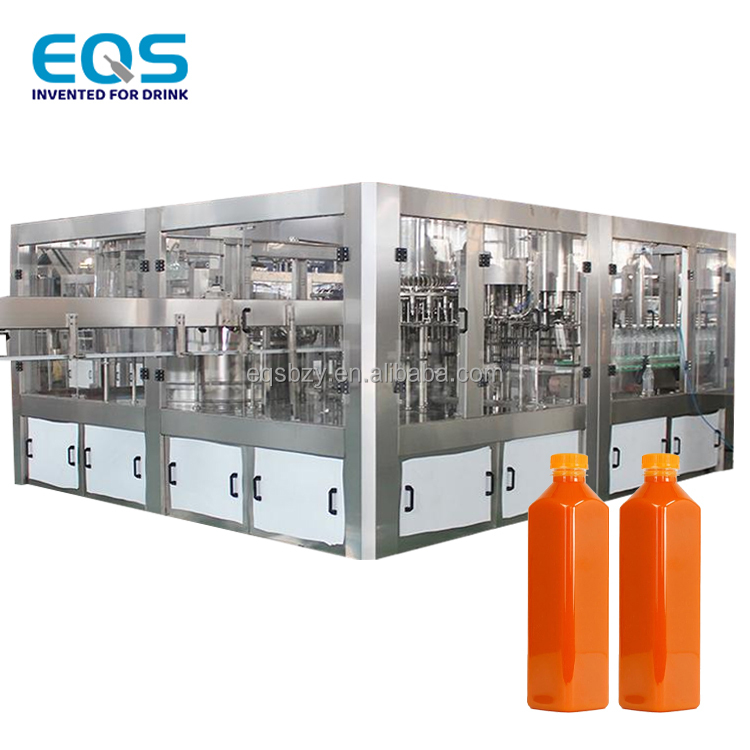
Hot Filling 4-in-1 Juice Filling Machine for Fruit Juice With Pulp PET Bottle Beverage Bottling Line
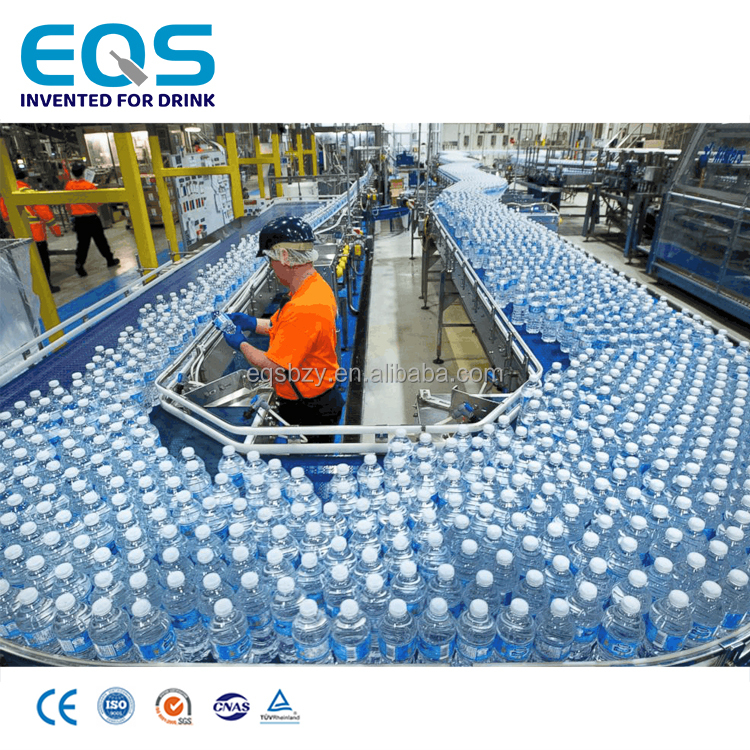
Industrial Pure & Mineral Water Treatment Filling Machine Complete Production Line Turnkey Project
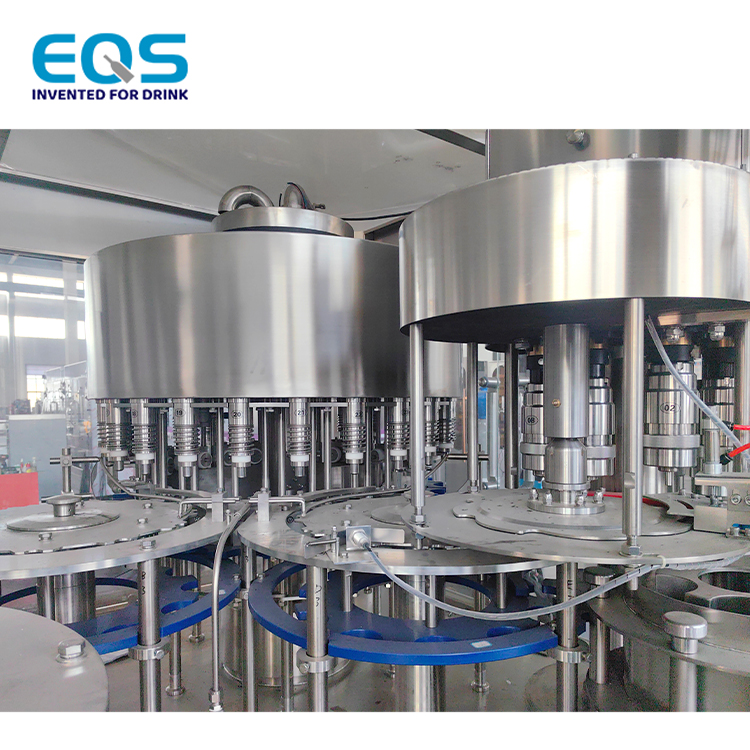
Industrial End-to-End Water Bottling Plant Integrated Production Line Solution for Glass PET Bottles
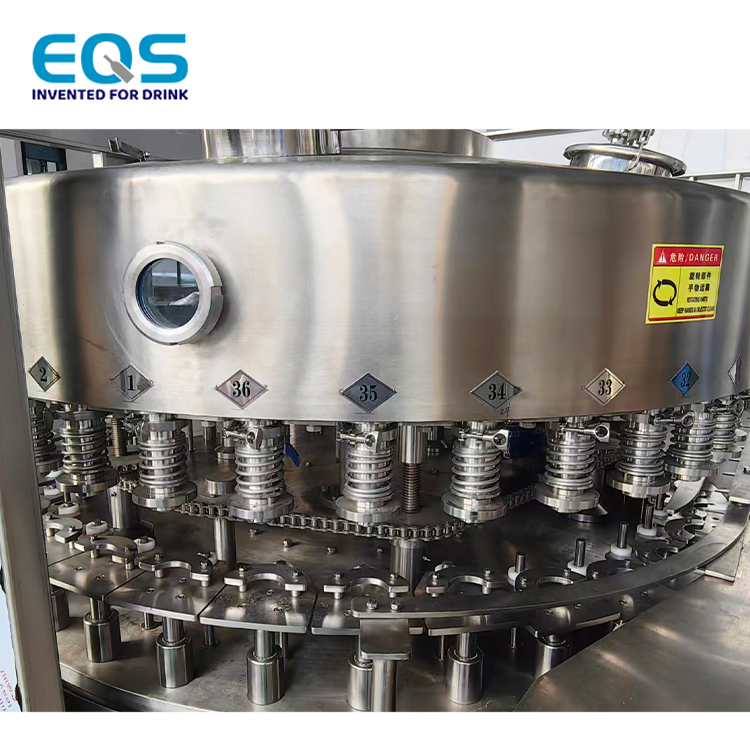
Industria 4-in-1 Pulp Fruit Juice Filling Machine for PET Bottle Bottling Line with Mixing System
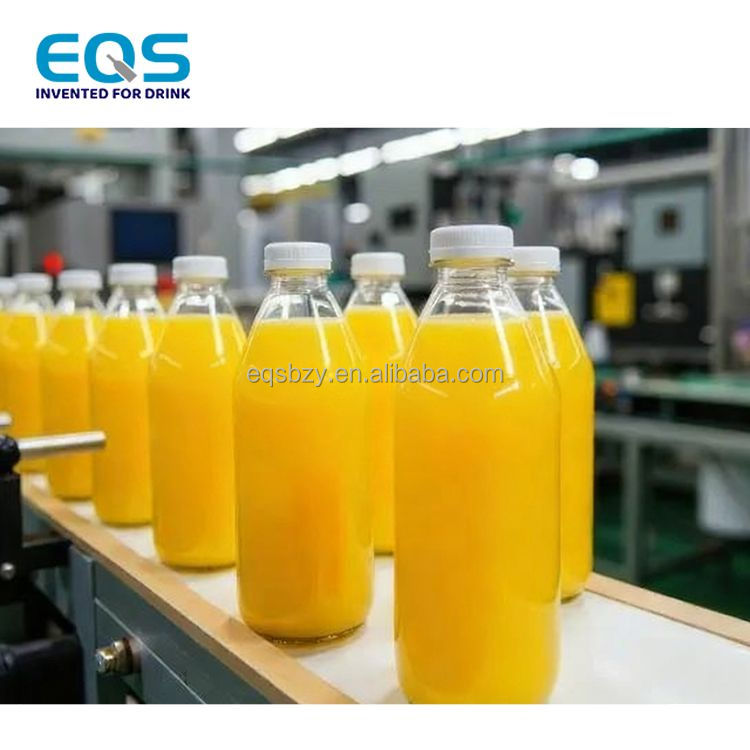
Industrial 4-in-1 Fruit Juice Filling Machine with Pulp PET Bottle Beverage Bottling Line Equipment
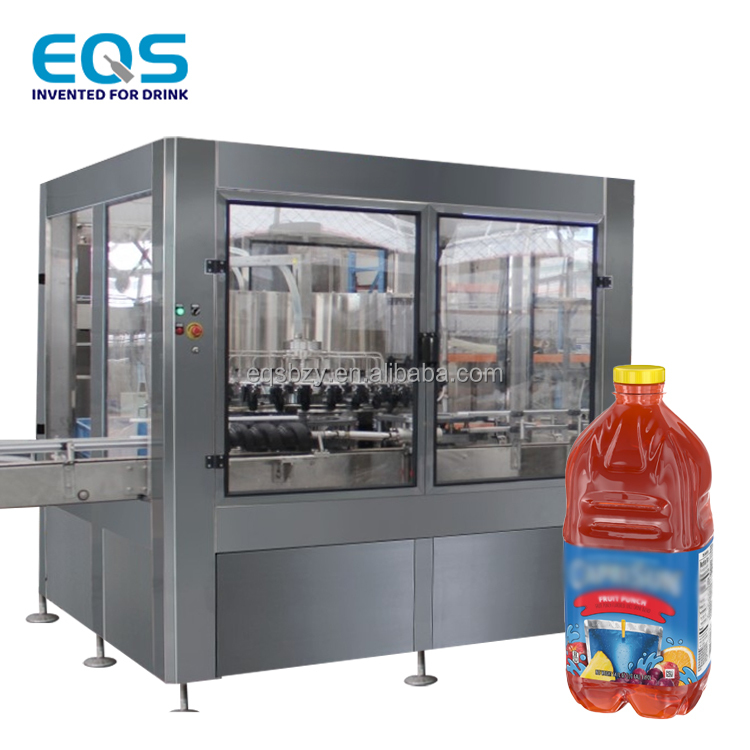
Factory Direct 4-in-1 Beverage Filling Machine for Fruit Juice With Pulp PET Bottling Production Line
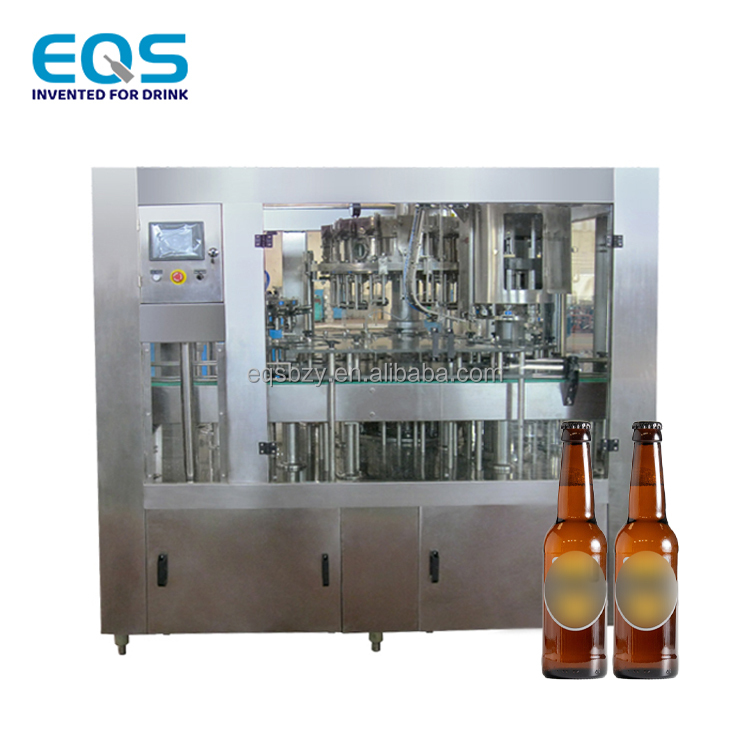
Complete PET Bottle Beer Bottling Plant 7000BPH Automatic Isobaric Filling Production Line
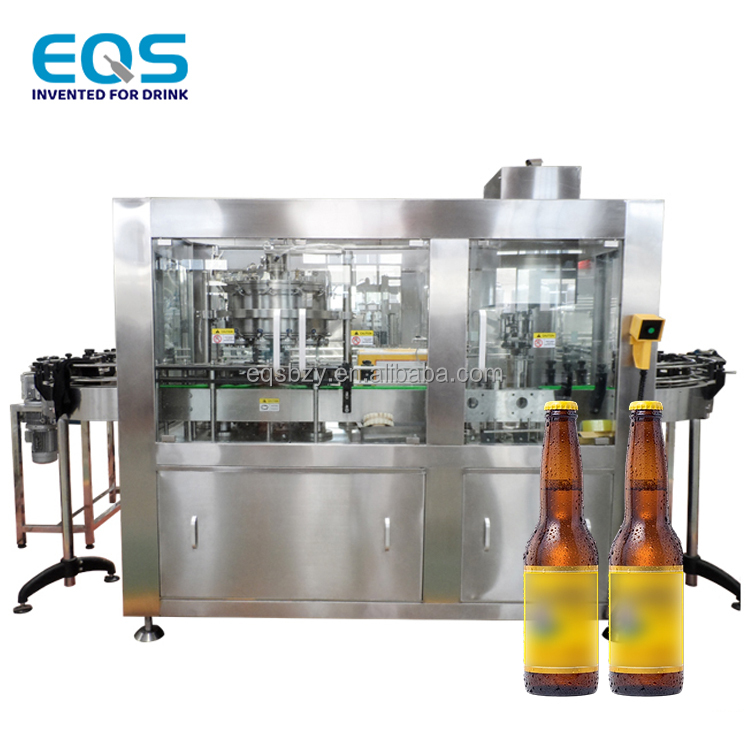
A to Z Turnkey Beer Bottling Line 7000BPH PET Bottle Beer Filling Machine with Aluminum Cap
Executive Summary: The Mechanical Engineering of Double Seam Preservation
In modern industrial beverage packaging, food processing, and chemical container manufacturing, the double seaming process remains the gold standard for achieving hermetic, leak-proof, and tamper-evident seals. Sourcing high-capacity can seaming machinery directly from China wholesale manufacturers has transformed from a cost-reduction exercise into a strategic technological upgrade. Top-tier Chinese original equipment manufacturers (OEMs), such as Zhangjiagang OGVU Machinery Co., Ltd., combine precision CNC tooling, servomotor drive kinematics, and computer-vision seam inspection to deliver world-class reliability at a optimal total cost of ownership (TCO).
This technical whitepaper examines the mechanical fundamentals of double seam formation, evaluates industrial machine architectures, outlines future procurement trends for 2025–2030, and provides enterprise purchasing directors with actionable benchmarking metrics for integrating automated can seamers into high-speed liquid processing lines.
Engineering Core Insight: A flawless double seam requires sub-micron alignment between the seaming chuck, first-operation roller (1st OP), and second-operation roller (2nd OP). Maintaining seam overlap percentages above 55% while controlling countersink depth within ±0.05 mm is essential for preventing micro-channel leakage in carbonated soft drinks (CSD), beer, RTD teas, and hot-filled juices.
Double Seam Anatomy & Mechanical Kinematics
The hermetic sealing of 2-piece aluminum cans, 3-piece tinplate cans, and hybrid PET/aluminum containers involves two distinct sequential mechanical operations executed within milliseconds:
1. First Operation (1st OP): Hook Interlocking
During the first operation, the 1st OP roller forces the curl of the can end (lid/closure) to roll underneath the flange of the can body. This action creates the initial mechanical interlock, forming the body hook and cover hook without fully compressing the sealing compound inside the end curl. Precision profile grinding of the 1st OP roller groove is critical to prevent flange wrinkling or metal fracture.
2. Second Operation (2nd OP): Ironing & Hermetic Compression
Immediately following 1st OP completion, the 2nd OP roller advances to apply intense lateral compression. This flattens and irons the interlocked hooks against the seaming chuck, forcing the elastic liquid gasket compound (synthetic rubber or water-based sealant) into any microscopic voids. The resulting five-layer structure (three end layers and two body layers) creates an impermeable seal capable of withstanding internal pressures up to 6.2 bar in carbonated beverage applications.
Titanium Carbide Rollers
Seaming rollers coated with TiCN or DLC (Diamond-Like Carbon) withstand over 15 million cycles without dimensional degradation, drastically extending maintenance intervals.
Servo Synchronized Drives
Direct-drive servo motors eliminate mechanical backlash from traditional timing gearboxes, ensuring true multi-axis phase synchronization up to 1,200 CPM.
Inline Micro-CT Quality Control
Integrated X-ray and optical laser sensors measure seam thickness, countersink depth, and overlap percentage in real time, auto-rejecting non-compliant cans.
Future Sourcing & Technology Trends (2025–2030)
The global beverage and food canning industry is experiencing massive technological shifts driven by sustainability demands, ultra-lightweight packaging materials, and automated smart factories. Enterprise buyers evaluating China wholesale can seaming machine manufacturers should account for four primary industry trends:
1. Ultra-Lightweight Aluminum Can Gauge Compatibility: As beverage brands reduce body wall thickness to 0.088 mm and end coil thickness to 0.208 mm to curb carbon emissions, traditional mechanical force seamers risk crushing can walls. Modern seamer designs utilize electronic axial load regulation with active servo compression compensation.
2. Vacuum Nitrogen Gas Flushing Integration: For non-carbonated products like juices, cold brew coffee, milk powder, and wine, liquid nitrogen dosing prior to seaming creates internal pressurization (preventing panelling) while driving dissolved oxygen (DO) levels below 30 ppb to extend shelf life.
3. Hygienic Clean-in-Place (CIP) & Sterilization Automation: Advanced food safety protocols require aseptic seaming zones equipped with stainless steel SS316L liquid-contact parts, automatic dome washing, and HEPA laminar air flow hoods for aseptic cold filling applications.
Industrial Can Seaming Equipment Technical Benchmarks
| Machine Classification | Throughput Speed (CPM/BPH) | Seaming Head Architecture | Applicable Can Materials | Dissolved Oxygen (DO) Control |
|---|---|---|---|---|
| Semi-Auto Craft Seamer | 300 – 1,200 CPM | Single Rotary Head (Stationary Can) | Aluminum 202/206 Ends, Tinplate | Manual CO2 Purge (< 100 ppb) |
| Rotary Automatic Seamer | 3,000 – 9,000 BPH | 4 to 6 Rotary Heads | Sleek, Standard, Stubby Aluminum Cans | Automated Under-Cover Gassing (< 50 ppb) |
| High-Speed Servo Seamer | 12,000 – 24,000+ BPH | 8 to 12 Multi-Axis Servo Turrets | Ultra-Thin Aluminum, Composite, PET Cans | Vacuum Liquid Nitrogen Flushing (< 20 ppb) |
| Aseptic Food Can Seamer | 2,000 – 6,000 BPH | Enclosed SS316L Steam Jet Head | Tinplate, Sanitary Ends, Easy-Open Ends | Steam Vacuum / Aseptic Barrier Zone |
Why Choose Zhangjiagang OGVU Machinery as Your Sourcing Partner
Located in Zhangjiagang City, Jiangsu Province—the premier center for China's beverage packaging machinery cluster—Zhangjiagang OGVU Machinery Co., Ltd. has spent over 11 years engineering complete turnkey filling and canning solutions for clients across Latin America, Africa, the Middle East, Southeast Asia, and Europe.
Intertek On-Site Verified Facility
Our operational infrastructure, machinery tooling precision, and quality control systems are independently inspected and verified on-site by Intertek, giving overseas buyers complete transactional transparency.
Turnkey End-to-End Line Integration
We eliminate bottlenecking by engineering every station—from Reverse Osmosis (RO) water treatment and carbonation mixing to can rinsing, isobaric filling, double seaming, sleeve labeling, and shrink wrapping—to operate at identical target outputs.
Multilingual Expatriate Engineering Support
Our field deployment team communicates fluently in English, Spanish, Russian, and Chinese, ensuring seamless installation, commissioning, PLC programming, and local operator training at your facility.
CE Marking & Strict Quality Protocols
Every can seamer and filler monoblock is constructed using premium stainless steel (SS304/SS316L) and world-renowned electrical components (Siemens, Schneider, Omron, Airtac) backed by CE compliance certificates.
Frequently Asked Questions (Procurement FAQ)
Direct technical answers to common questions asked by global B2B buyers and beverage plant managers
Q1: What parameters must be specified when requesting a wholesale can seaming machine quotation?
To receive an accurate engineering proposal, please provide: 1) Can material (aluminum, tinplate, PET), 2) Can dimension standards (202, 206, 209 end sizes; sleek, standard, or tall profiles), 3) Target output capacity in CPH/BPH, 4) Product characteristics (carbonated, hot-filled, viscous, or nitrogen-dosed), and 5) Your factory voltage specifications.
Q2: What is the difference between stationary-can and rotary-can seamers?
In stationary-can seamers, the can remains fixed while the seaming rollers rotate around the end. This is ideal for liquid products prone to sloshing or spilling. In rotary-can seamers, the can spins on a lower lifter plate while seaming rollers advance; this enables higher throughput speeds suitable for high-velocity beverage lines.
Q3: How do you prevent seam corrosion and compound squeeze-out?
Compound squeeze-out is prevented by adjusting 2nd OP roller pressure to maintain seam thickness within specified tolerances without over-ironing. Seam corrosion is minimized by using titanium-coated SS440C stainless steel rollers and ensuring dry-can clearance on the discharge conveyor.
Q4: Can one automated seaming machine handle multiple can heights and lid sizes?
Yes. OGVU can seamers feature height-adjustable turret columns for running different container heights (e.g., 250ml to 500ml). Changing lid diameter sizes (e.g., 202 to 206 ends) requires switching format change parts, including the seaming chuck, lid feed chute, starwheels, and lower lifters.
Q5: What lead time and shipping arrangements apply for international factory orders?
Standard manufacturing lead time ranges from 30 to 45 calendar days depending on customization. Every machine undergoes a mandatory 72-hour wet test with sample cans prior to export packaging in seaworthy wooden crates.