Flagship Bottling & Packaging Lines
Explore our high-performance OEM filling machinery engineered for glass, PET, and multi-beverage applications.
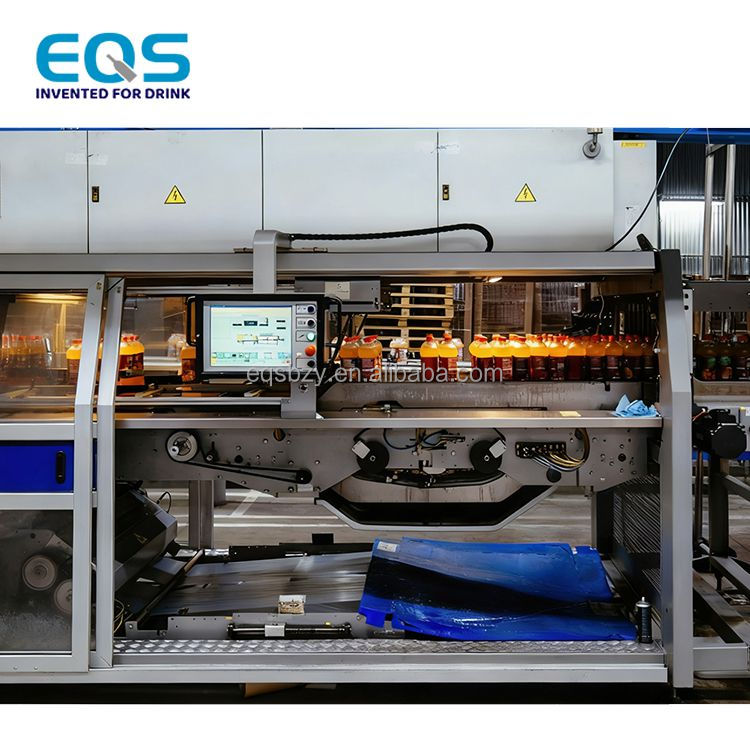
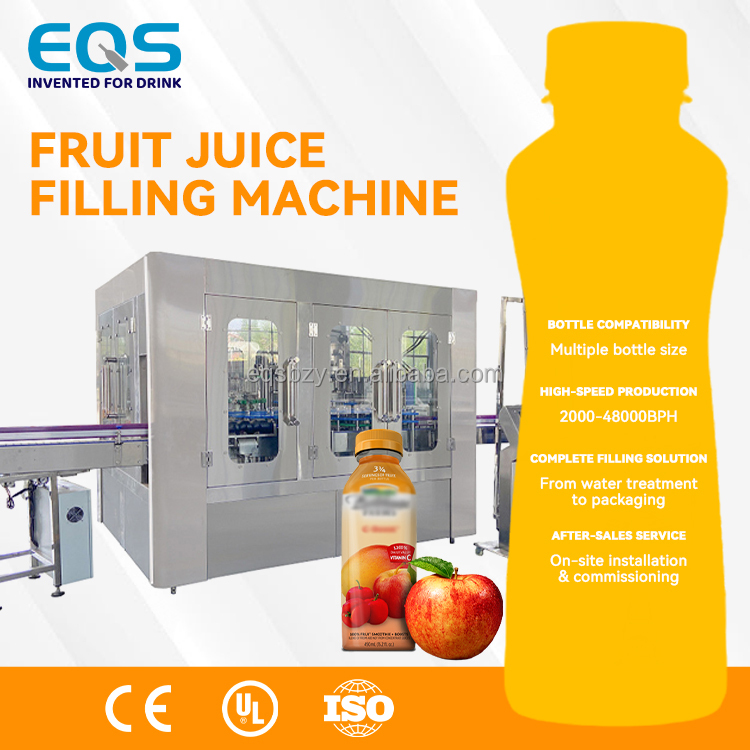
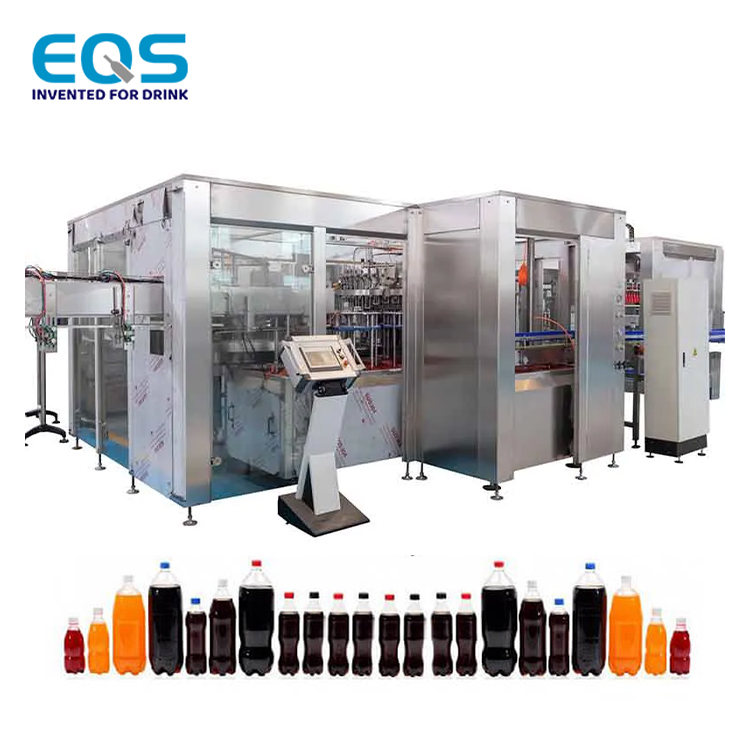
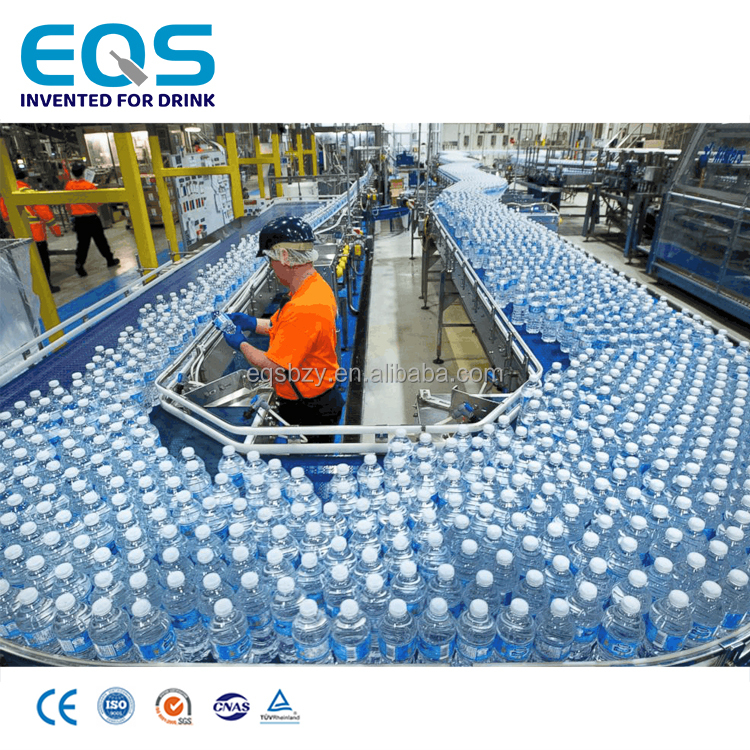
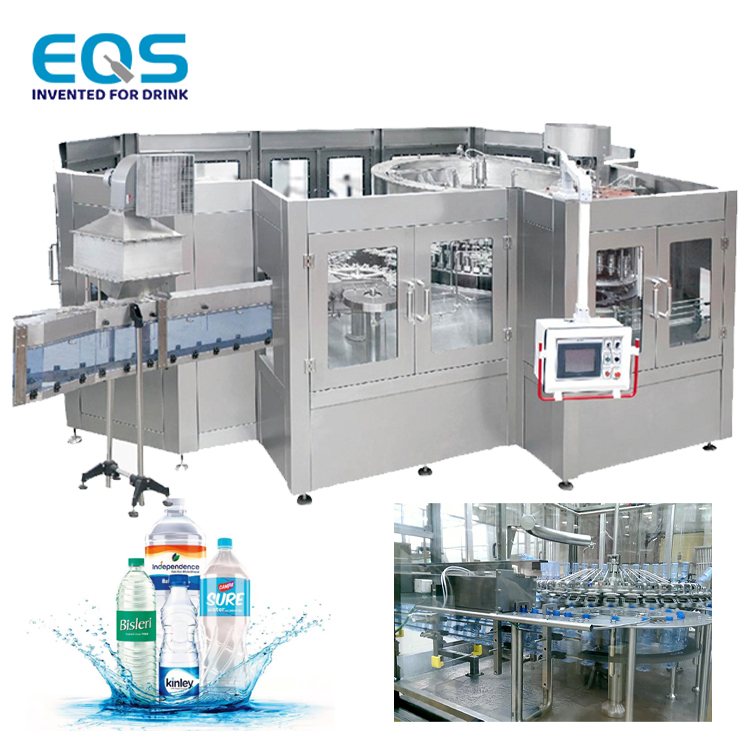
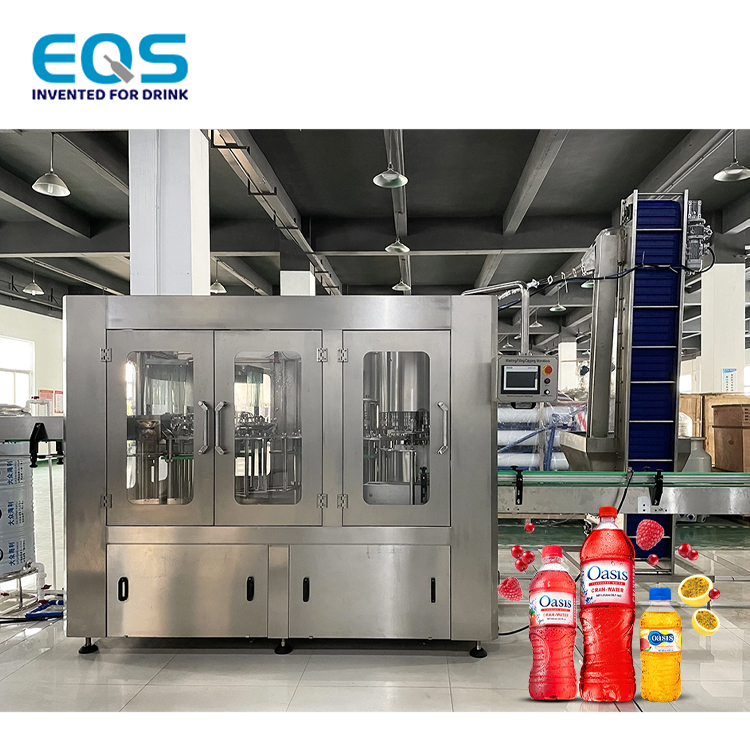
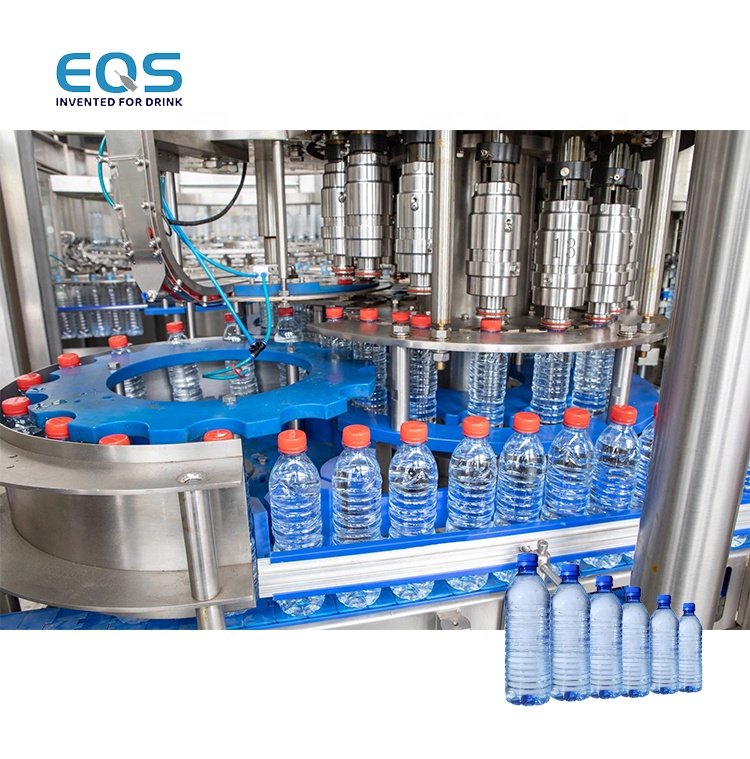
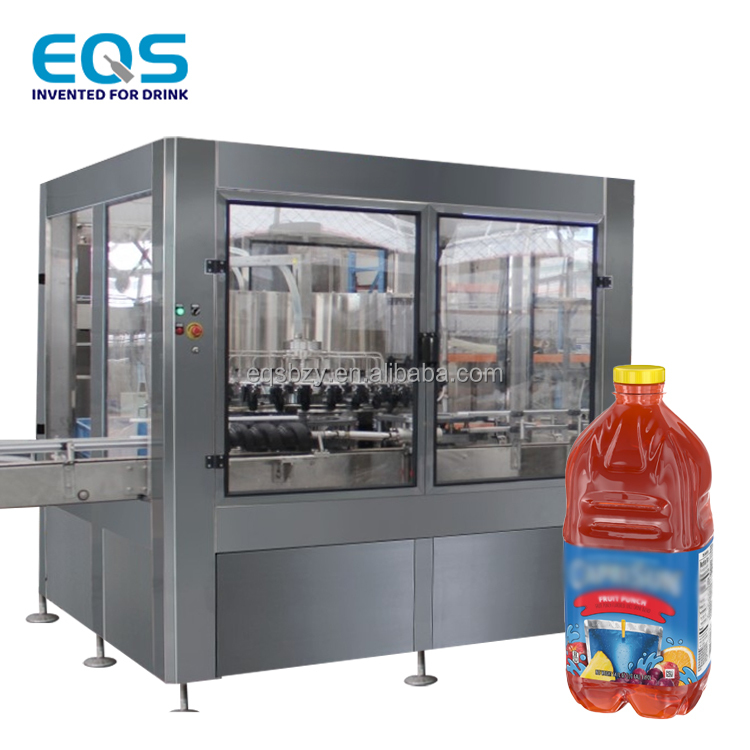
Engineering Excellence: Custom OEM Beer Bottle Filler Technology
A comprehensive technical report on counter-pressure mechanics, oxygen pickup reduction, and hygienic monoblock design for commercial brewing operations.
1. Technical Blueprint of Isobaric (Counter-Pressure) Filling Mechanics
In modern brewery operations, maintaining dissolved CO2 equilibrium while preventing oxidation is the single most critical quality parameter. As leading Custom OEM Beer Bottle Filler Manufacturers, our engineering philosophy revolves around precise mechanical pressure management. Beer is filled under isobaric conditions: the glass bottle is pressurized with CO2 to match the isobaric pressure inside the product bowl (typically between 0.25 to 0.40 MPa) before the liquid valve opens.
To eliminate turbulent splashing—which causes CO2 breakout and erratic fill heights—our custom filling nozzles feature a multi-channel design with electro-pneumatically controlled slow-lift and rapid-fill phases. A swirl diffuser channels beer down the inner sidewall of the glass bottle, achieving smooth laminar flow even at high throughput rates up to 15,000 bottles per hour (BPH).
2. Advanced Total Packed Oxygen (TPO) Mitigation Systems
Dissolved oxygen (DO) pickup during packaging drastically degrades hop character, introduces stale cardboard-like trans-2-nonenal off-flavors, and reduces beer shelf stability. Our OEM beer packaging systems incorporate a dual-stage pre-evacuation vacuum process that guarantees TPO levels below 30 ppb (parts per billion):
- First Vacuum Stage: Evacuates residual atmospheric air from the rinsed glass bottle down to -0.09 MPa vacuum.
- CO2 Flushing Stage: Flushes high-purity CO2 into the bottle to dilute remaining oxygen molecules.
- Second Vacuum Stage: Re-evacuates the bottle chamber, ensuring over 99.2% oxygen evacuation before liquid filling begins.
- High-Pressure Hot Water Jetting (Fobbing): Immediately post-fill and prior to crown capping, a controlled 80°C micro-jet of sterile hot water induces controlled foaming to purge oxygen from the bottle neck headspace.
| Technical Parameter | Craft/Small-Scale Lines | Mid-Capacity Industrial Lines | High-Speed Turnkey Lines |
|---|---|---|---|
| Production Speed (BPH - 330ml) | 1,500 – 3,000 BPH | 4,000 – 8,000 BPH | 10,000 – 15,000+ BPH |
| Filling Valves / Capping Heads | 12-12-1 / 16-12-6 | 24-24-8 / 32-32-8 | 40-40-10 / 50-50-12 |
| Total Packed Oxygen (TPO) | < 50 ppb | < 35 ppb | < 25 ppb |
| Filling Temperature Range | 2°C – 4°C | 2°C – 4°C | 2°C – 6°C |
| Control Architecture | Siemens S7-1200 / Touch Screen | Siemens S7-1500 / Profinet HMI | Full Servo Motion Controller |
| Construction Material | AISI 304 / 316L Contact Parts | AISI 304 / 316L Contact Parts | Full AISI 316L Hygienic Frame |
3. Hygienic Engineering & Integrated CIP Sanitization
Microbial stability is non-negotiable in bottled craft beer and pasteurized lager production. Contaminants such as Lactobacillus or Pediococcus can ruin complete production batches. Our OEM fillers feature automatic false-cup CIP (Clean-in-Place) systems. Sanitizing agent circulation (caustic soda at 80°C, followed by peracetic acid rinse) flows through all liquid conduits, isobaric valves, and back-pressure pipes without manual component removal.
Tailored OEM Customization Capabilities
As a dedicated OEM & exporter, we engineer custom bottling monoblocks to match exact bottle geometries, plant footprints, and beverage characteristics.
Multi-Format Bottle Adaptability
Seamlessly change over between 330ml Steinie, 500ml Euro-bottles, and 750ml Belgian style bottles using quick-release starwheels, bottle neck clamps, and height-adjustable rotary turrets.
Custom Capping Solutions
Integrate pneumatic crown capping (26mm / 29mm), aluminum screw capping (ROPP), or swing-top flip capping turrets into a single synchronized monoblock block frame.
Smart Automation & IoT Monitoring
Siemens S7-1500 PLC control with real-time pressure diagnostics, remote telemetry, automated lubrication schedules, and batch record logging for Industry 4.0 standards.
Future Procurement & Technological Evolution Trends
Strategic insights for brewery procurement directors planning line expansions over the next decade.
1. Shift Toward Hybrid Multi-Beverage Packaging Lines
The market boundary between craft beer, hard seltzer, ready-to-drink (RTD) cocktails, and carbonated soft drinks is blurring rapidly. Modern beverage companies can no longer afford dedicated single-product packaging machinery. Future capital equipment investments heavily favor Hybrid Isobaric Fillers capable of switching between glass bottle crown capping and aluminum can seaming on the same rotary carousel base. OEM designs now incorporate modular capping/seaming stations that reduce total factory footprint by 40% while lowering capital expenditure.
2. Energy Conservation & Water Footprint Reduction
Sustainable packaging is shifting from a marketing preference to a regulatory mandate across Europe, North America, and Asia-Pacific. Traditional beer bottle rinsing consumes large volumes of treated water. Next-generation OEM fillers integrate ionized sterile air-blowing units and closed-loop sterile water recovery systems. Additionally, servo-driven mechanical turrets replace older pneumatic actuations, slashing factory compressed air electrical consumption by up to 30%.
3. Electropneumatic Filling Valve Evolution
Traditional mechanical filling valves rely on physical bottle contact springs and mechanical trip levers, which suffer from mechanical wear and tear over time. The procurement trend is shifting rapidly toward Proportional Electropneumatic Valves with Magnetic Flowmeters. This allows filling parameters (pre-evacuation duration, CO2 pressurization, flow rate curves, and fill level cut-off) to be edited digitally on the HMI touch screen for each recipe, eliminating physical valve maintenance and reducing changeover time from hours to minutes.
Why Sourcing with Zhangjiagang OGVU Machinery Co., Ltd.?
Combining world-class manufacturing standards with turnkey global export and commissioning capabilities.
Intertek On-Site Verified
Our facility, production capacity, and quality management systems are independently inspected and verified on-site by Intertek, ensuring 100% operational transparency.
Global Engineering Team
With 11+ years of export leadership, our engineers communicate fluently in English, Spanish, Russian, and Chinese, providing worldwide layout design, installation, and training.
CE Compliant Safety
All main machinery components—including pressure vessels, electrical panels, and safety enclosures—strictly comply with European Union CE safety and hygiene directives.
Frequently Asked Questions: Sourcing OEM Beer Bottling Lines
Expert engineering answers to common procurement, technical specification, and installation questions.
Ready to Engineer Your Custom Beer Bottling Line?
Contact our senior brewery engineering team today for custom technical layouts, CAD floorplans, and detailed equipment proposals tailored to your operational targets.