Featured Engineering Machinery Solutions
High-efficiency monoblock bottling and packaging equipment designed for commercial enterprise beverage producers worldwide.
White Paper: Engineering Mechanics of Custom OEM Beverage Packaging Systems
The global beverage packaging industry is undergoing a structural transition driven by shifting consumer preferences, strict microbial standards, and environmental sustainability directives. Selecting the right Custom OEM Beverage Filling Machine is no longer merely a procurement decision; it is a critical capital expenditure (CapEx) strategy that dictates long-term Overall Equipment Effectiveness (OEE), line yield, and operational efficiency.
As a leading engineering manufacturer based in Zhangjiagang, Jiangsu—China’s premier beverage packaging machinery cluster—Zhangjiagang OGVU Machinery Co., Ltd. offers custom-engineered, fully integrated bottling solutions spanning water treatment, blow molding, rinsing, filling, capping, labeling, and end-of-line secondary packaging.
1. Mechanics of Beverage Filling Principles
Understanding the fluid dynamics and gas-solubility factors of different liquid matrixes is vital when designing custom OEM bottling lines. The four core filling principles utilized in modern bottling architectures include:
Isobaric (Counter-Pressure)
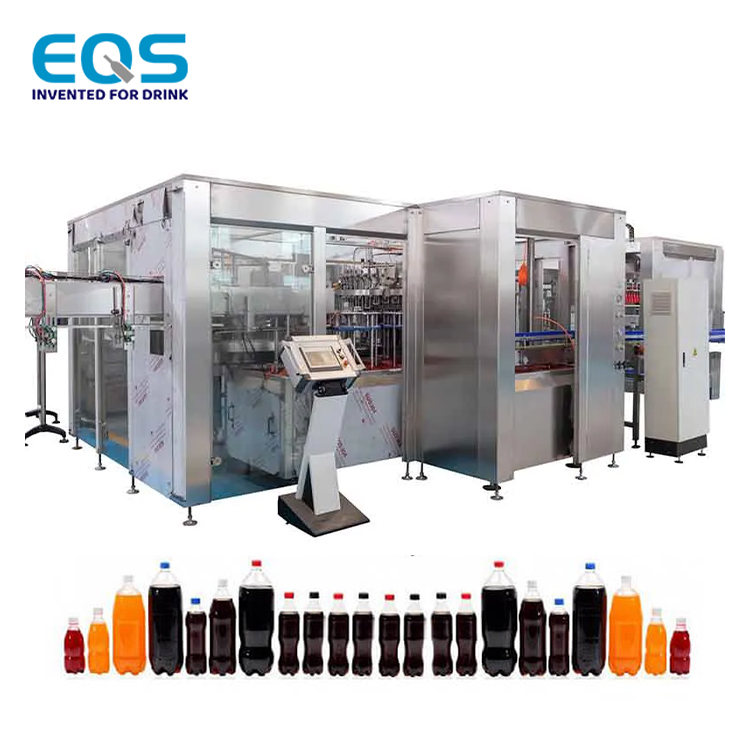
Essential for carbonated soft drinks (CSD), beer, and sparkling soda. Equalizes tank pressure with bottle pressure prior to filling to maintain CO2 solubility and eliminate excessive foaming.
Thermal Hot Filling
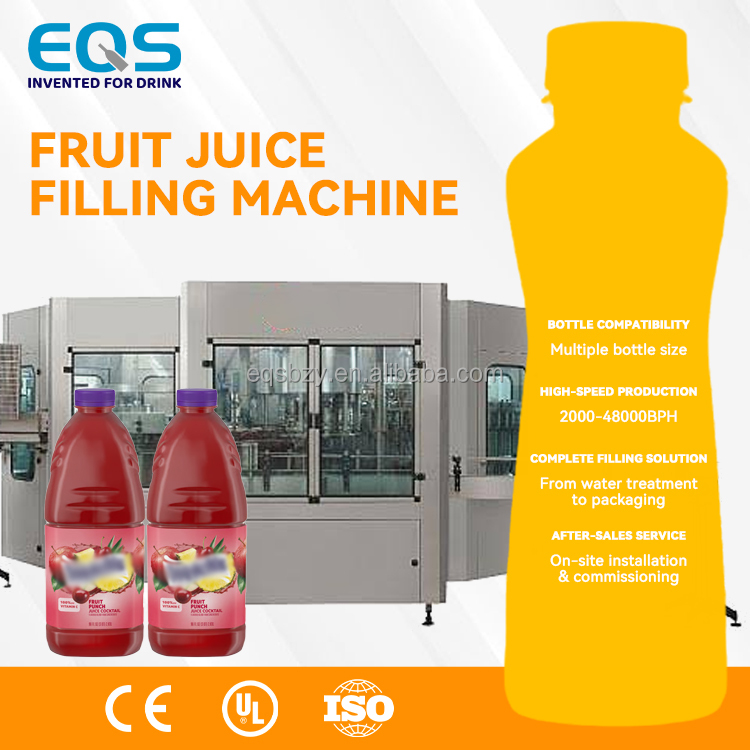
Operating between 85°C–92°C for fruit juices, teas, and functional beverages. Uses liquid recirculation loops to ensure continuous thermal sterilization of liquid contact zones and bottle containers.
Cold Aseptic Filling
Injects sterile liquid into pre-sterilized PET bottles under Class 100 sterile isolator conditions. Allows ambient shelf-stability for sensitive dairy and juice products without chemical preservatives.
2. Technical Deep Dive: Counter-Pressure Isobaric Engineering for Craft & Industrial Beer Lines
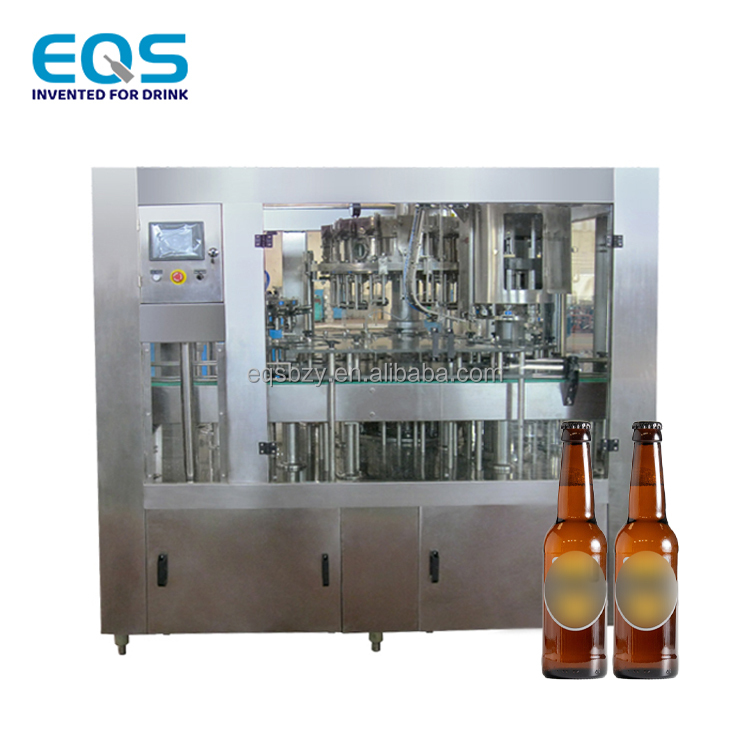
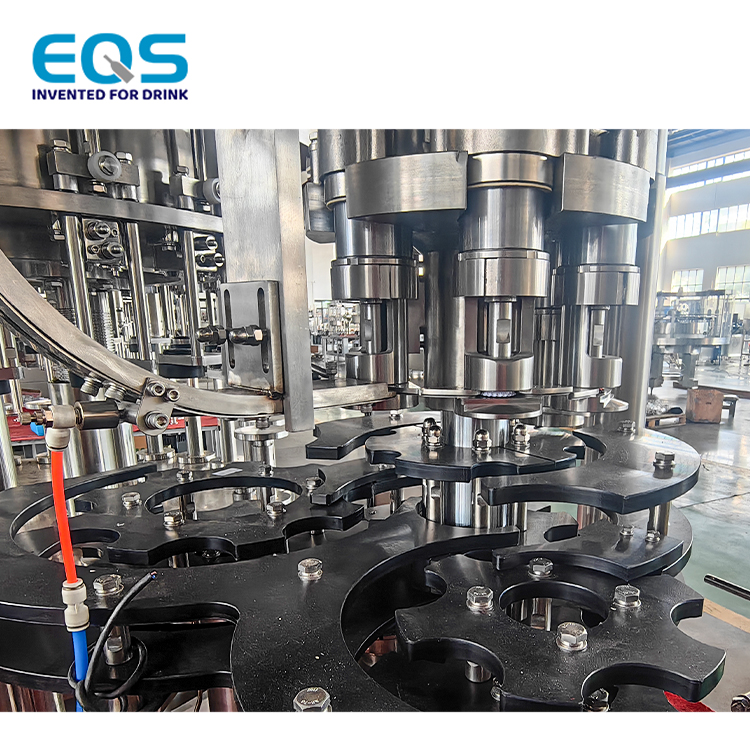
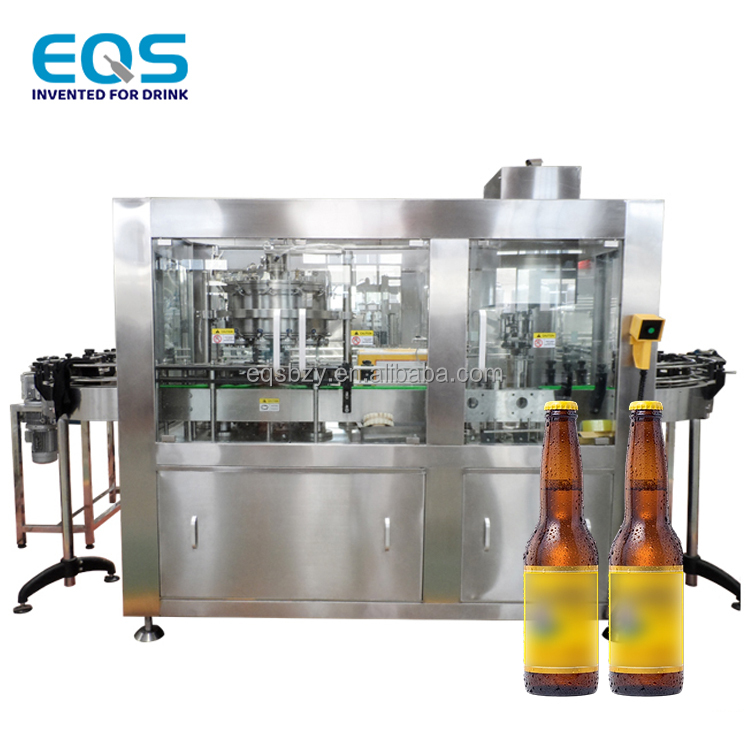
Beer packaging requires rigorous dissolved oxygen (DO) control to prevent premature oxidation and flavor degradation. Our customized isobaric monoblock systems utilize a dual pre-evacuation vacuum cycle prior to carbonated filling. By purging ambient air and flushing the glass or PET container with CO2 twice, oxygen pick-up is maintained below < 30 ppb (parts per billion), ensuring original brew freshness and extended shelf life.
Integrated mechanical mechanical high-pressure foaming devices (jetters) stimulate controlled micro-foaming immediately prior to crown or aluminum capping, expelling residual headspace gas to guarantee pristine seal integrity.
3. Turnkey OEM/ODM Engineering: From Raw Water to Palletized Product
Purchasing individual, non-synchronized machines from fragmented suppliers frequently introduces line bottlenecks, communication protocol errors, and operational downtime. As a wholesale turnkey partner, OGVU Machinery engineers harmonious end-to-end lines customized precisely to factory workshop dimensions and power profiles:
- Pre-Treatment & Water Treatment Systems: Multi-media filtration, activated carbon absorption, sodium ion softening, double-pass Reverse Osmosis (RO), and UV/ozone sterilization.
- Blow Molding Systems: Fully automatic stretch PET bottle blowing machines equipped with infrared rotary heating lamps and high-pressure air recovery units.
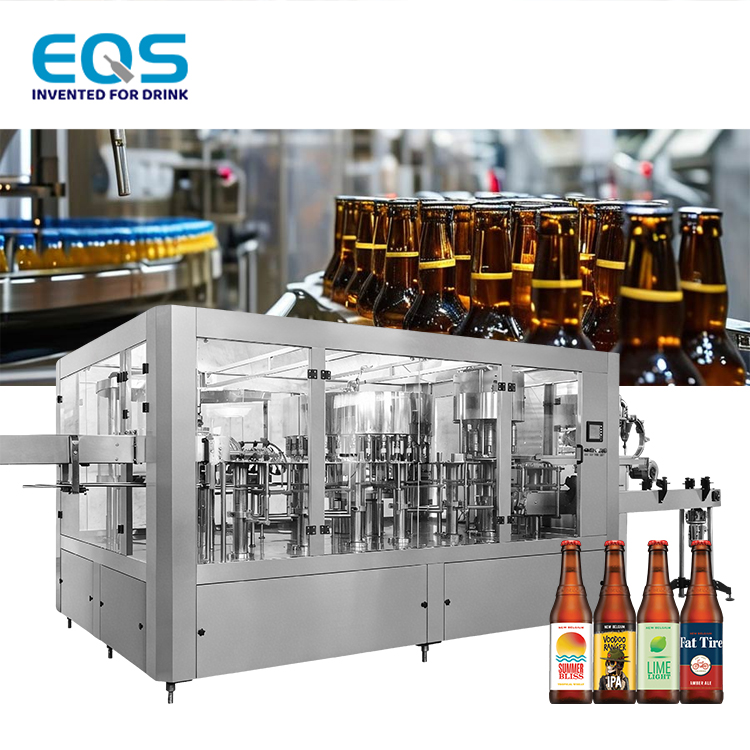
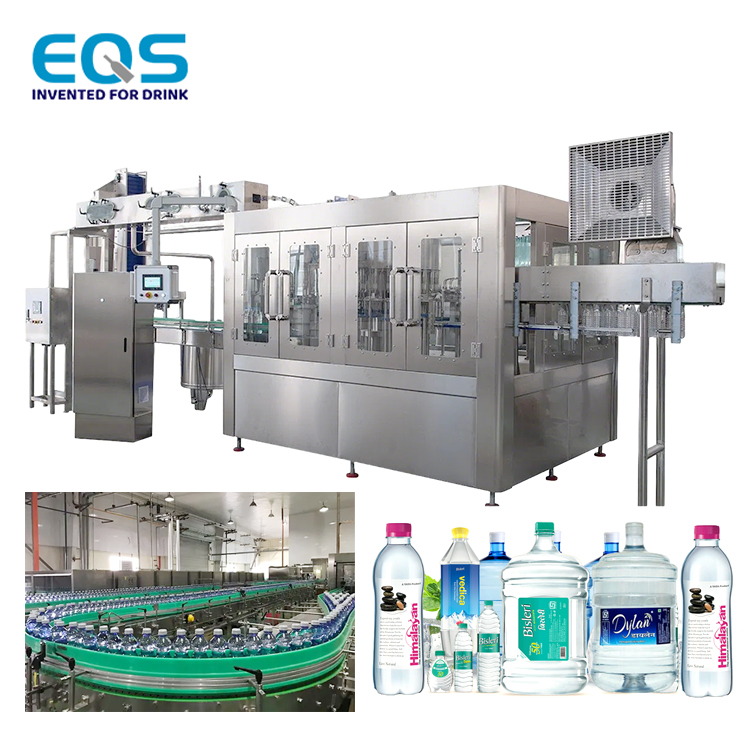
- Monoblock Washing-Filling-Capping: Rotary 3-in-1 or Combi-block architectures utilizing food-grade SUS304/SUS316L stainless steel contact surfaces.
- Post-Filling & Secondary Packaging: Bottle warming/cooling tunnels, automatic OPP roll-fed or PVC sleeve labeling, automatic shrink wrapping, and robotic case packing.
Technical Specification Matrix & Technology Selection
Comparative technical metrics for evaluating filling technologies across various beverage categories.
| Liquid Category | Filling Methodology | Operating Temp | Dissolved Oxygen Control | Compatible Packaging | Throughput Range (BPH) |
|---|---|---|---|---|---|
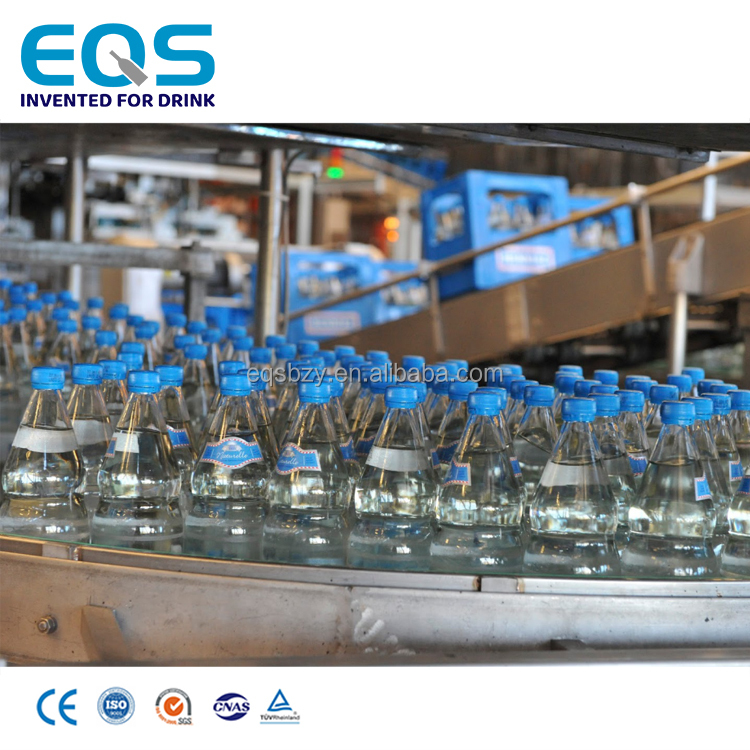
| Purified / Mineral Water | Gravity / Normal Pressure | Ambient (15°C - 25°C) | Standard Ambient Control | PET Bottles (0.2L - 2.0L), 5-Gallon Jars | 2,000 – 24,000 BPH |
| Carbonated Soft Drinks (CSD) | Counter-Pressure Isobaric | Chilled (4°C - 8°C) | CO2 Pressure Flushing | PET, Glass, Aluminum Cans | 2,500 – 18,000 BPH |
| Craft & Industrial Beer | Isobaric with Double Vacuum | Chilled (2°C - 4°C) | Ultra-Low DO (< 30 ppb) | Glass Bottles, PET, Aluminum Cans | 2,000 – 15,000 BPH |
| Juice, Tea, Energy Drinks | Thermal Hot Filling / UHT Loop | Hot (85°C - 92°C) | Headspace Nitrogen Injection | Heat-Resistant PET, Glass | 2,000 – 15,000 BPH |
| Preservative-Free Dairy/Juice | Cold Aseptic Isolator | Ambient (20°C) | Sterile Isolator Gas Purging | Aseptic PET, Brick Cartons | 4,000 – 20,000 BPH |
Future Procurement Trends in Beverage Bottling Machinery (2025–2030)
Key technological advancements guiding strategic equipment procurement decisions for commercial bottlers.
1. Transition toward Combi-Block (Blowing-Filling-Capping) Systems
Traditional packaging lines require extensive air conveyor systems between stand-alone blow molders and rotary fillers. Future procurement strongly favors integrated Blowing-Filling-Capping Combi-Blocks. By eliminating air conveyors, bottlers achieve up to a 30% reduction in factory floor footprint, lower energy consumption by 25%, and significantly diminish contamination risk from open-air bottle transport.
2. Lightweighting and R-PET (Recycled Polyethylene Terephthalate) Adaptability
Global environmental regulations and plastic packaging taxes are forcing beverage brands to adopt ultra-lightweight PET preforms and up to 100% R-PET material. Custom OEM fillers must incorporate ultra-gentle, neck-handling pneumatic grippers and electronic flowmeter filling valves to prevent structural container deformation during high-speed handling.
3. Transition to Ultra-Clean and Aseptic Technology
Consumer demand for clean-label, preservative-free fruit juices and plant-based drinks (oat, almond, coconut milk) is accelerating the migration from hot filling to cold aseptic processing. Cold aseptic filling reduces thermal stress on liquid recipes, preserving pristine organoleptic flavors and natural vitamin profiles while consuming drastically less thermal energy during post-filling cooling stages.
4. Industry 4.0 Integration & Smart Diagnostics
Modern wholesale OEM machinery is equipped with Siemens or Allen-Bradley PLC architectures featuring integrated IoT telemetry. Real-time monitoring of valve opening times, CIP (Clean-in-Place) conductivity, air pressure variances, and predictive motor maintenance drastically reduces unplanned machine downtime and increases operational efficiency.
Why Partner with Zhangjiagang OGVU Machinery Co., Ltd.?
Verifiable manufacturing expertise, international certification, and full customer lifecycle engineering support.
Intertek On-Site Verified Plant
Our manufacturing facility and operations in Zhangjiagang City, Jiangsu Province are independently inspected and audited on-site by Intertek, ensuring true manufacturing compliance.
Full CE Certification
Our core product lines—including water, carbonated soft drink, beer isobaric, and hot fill juice lines—hold full CE directive compliance for safety and electrical standards.
Global Multilingual Engineers
Our technical sales and field commissioning engineering teams communicate natively in English, Spanish, Russian, and Chinese, offering smooth global installation and training.
Frequently Asked Questions (FAQ) for Equipment Procurement
Technical guidance for factory engineers, system integrators, and beverage plant operators.
Which filling technology is recommended for my beverage formulation?
The selected filling technology depends on fluid viscosity, gas carbonation level, acidity (pH), and desired shelf life. Still purified or mineral water utilizes gravity or normal-pressure mechanical filling. Carbonated drinks and beer require isobaric counter-pressure filling to prevent gas flashing. High-acid juices and teas are typically handled via hot filling (85°C–92°C), whereas sensitive low-acid dairy or preservative-free juices mandate cold aseptic filling technology.
What key technical parameters are required to receive a turnkey engineering proposal?
To prepare an accurate factory CAD layout and equipment quota, our engineering team requires: (1) Liquid type and physical parameters (temperature, CO2 volume, brix); (2) Container material (PET, glass, aluminum) and bottle volume range; (3) Target speed in Bottles Per Hour (BPH); (4) Desired cap specification (plastic screw, aluminum ROPP, crown cork); (5) Secondary packaging preference (shrink film wrap vs carton case); and (6) Local workshop dimensions and power utility parameters (voltage, frequency).
Can a single monoblock filling line handle multiple bottle sizes and formats?
Yes. Rotary 3-in-1 monoblocks are designed for modular changeovers. A single line can accommodate bottle volumes ranging from 200ml to 2.0L PET bottles. Fast-changeover format parts—including starwheels, bottle guide rails, and neck-handling clamps—allow operators to complete full production changeovers in under 30 to 45 minutes.
Does Zhangjiagang OGVU Machinery provide overseas installation and technical training?
Yes. We deploy experienced expatriate commissioning engineers directly to your plant location worldwide. Our field team handles mechanical positioning, electrical wiring, piping connection, trial run testing, and hands-on operational training for local plant engineers in English, Spanish, or Russian.
How is oxygen contamination (DO pickup) minimized in beer and beverage fillers?
Dissolved oxygen (DO) is controlled using mechanical pre-evacuation vacuum pumps combined with high-purity CO2 flushing before liquid injection. Furthermore, sanitary CIP recirculation channels and closed-loop electronic filling valves eliminate ambient air intrusion during high-speed production cycles.
Start Your Custom Beverage Packaging Project Today
Speak directly with senior packaging engineers to request customized line drawings, capacity calculations, and factory-direct OEM quotation.