Featured OEM Winery & Bottling Line Systems
Custom-engineered rotary monoblocks, water treatment units, isobaric fillers, and aseptic packaging systems built by Zhangjiagang OGVU Machinery Co., Ltd.
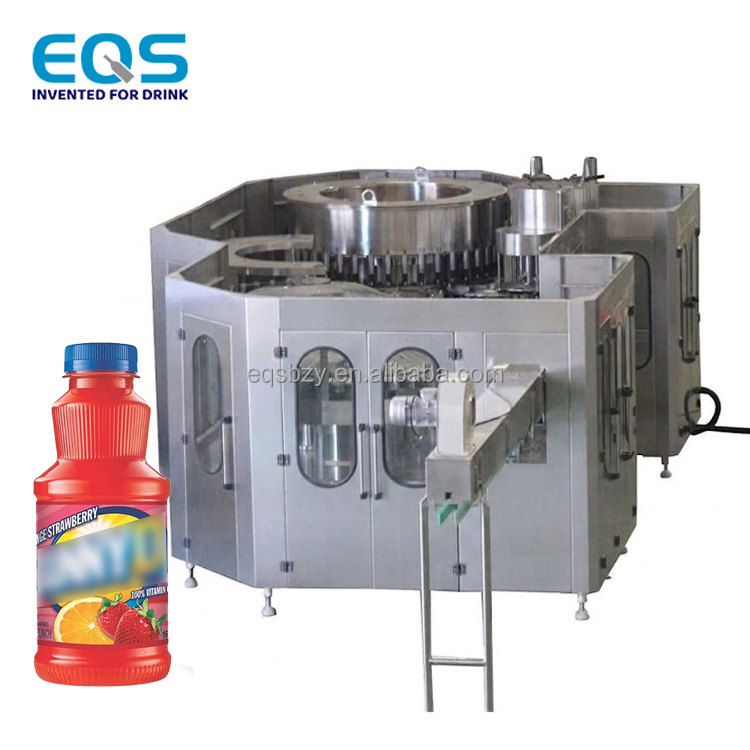 OEM Customized
Complete 4-in-1 Fruit Pulp Juice Bottling Line Automatic PET Beverage Filling Machine Equipment
Integrated fruit pulp dosing, high-precision liquid filling, rinsing, and capping monoblock designed for particulate beverages and viscous wine aperitifs.
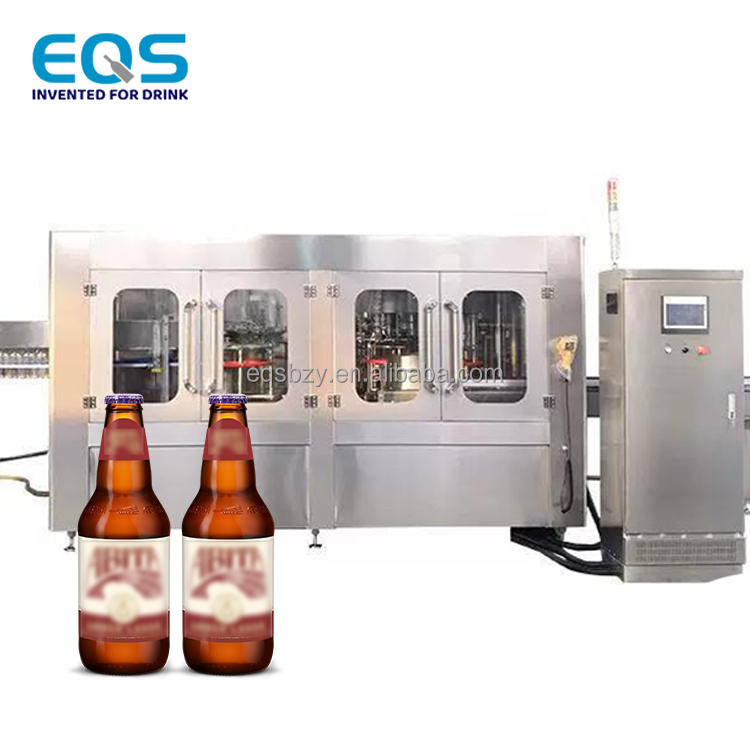 High Speed
8000BPH Automatic Beer Glass Bottle Washing Filling Capping Machine Manufacturer for Isobaric Filling Line
Counter-pressure isobaric filling monoblock engineered with double vacuum evacuation to minimize oxidation in sparkling wines, cider, and craft beer.
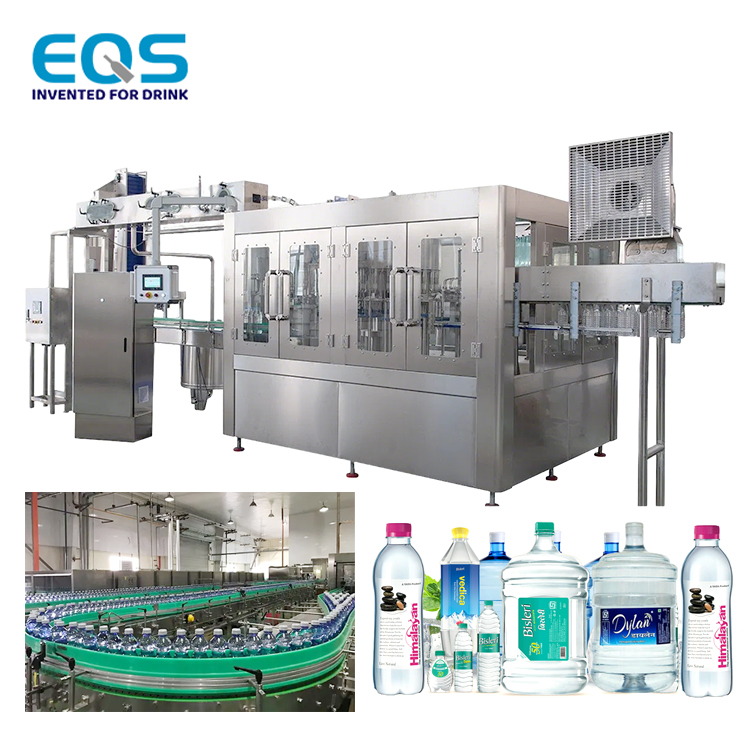 Process System
Advanced Water Treatment System with Automatic Filling Line for Pure Mineral Water Production
Multi-stage Reverse Osmosis (RO) filtration, ultrafiltration, and ozone sterilization skid for process water purification in winery cellars and bottling plants.
 Factory Direct
 4-in-1 Beverage Filling Machine for Fruit Juice With Pulp PET Bottling Production Line
Modular 4-in-1 combat block handling bottle sterilizing, rinse, pulp addition, and vacuum level filling with automatic CIP cleaning channels.
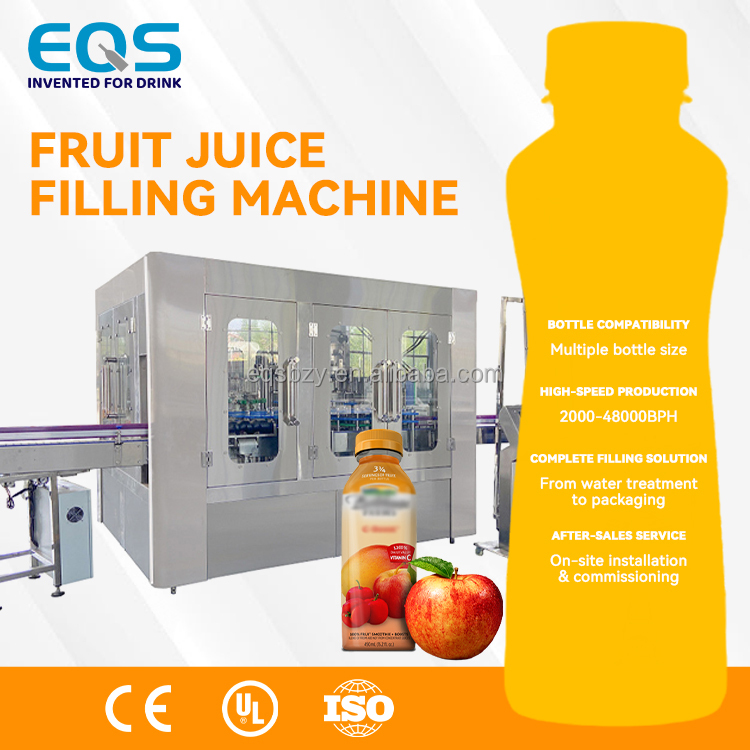 Turnkey Plant
A to Z Automatic Hot Filling Bottling Capping Machine Juice Beverage Production Equipment
Turnkey line incorporating tubular thermal pasteurizers, bottle tilting sterilizer tunnels, and cooling channels for shelf-stable liquid packaging.
 Industrial Grade
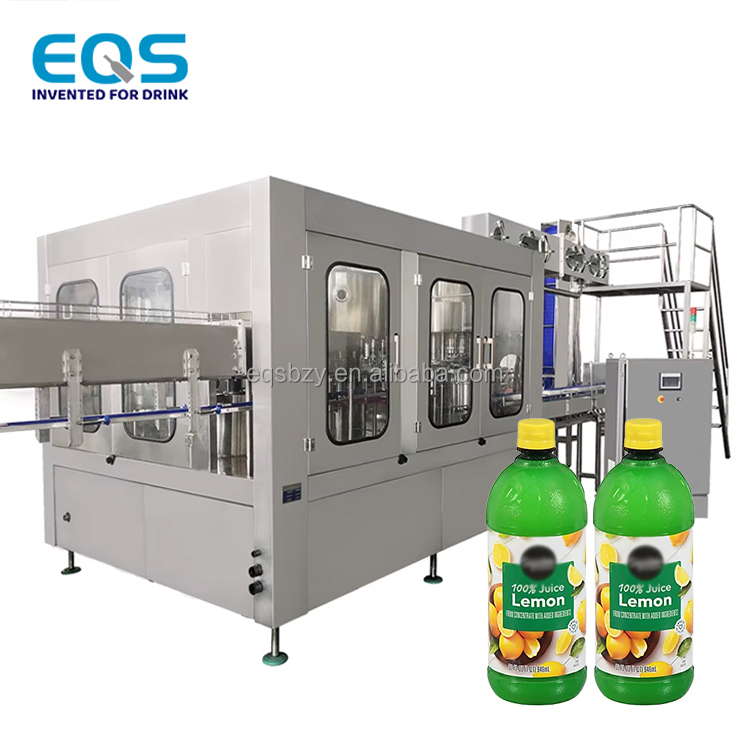
Turnkey 4-in-1 Fruit Pulp Juice Filling Line PET Bottle Beverage Bottling Machine Industrial Equipment
Heavy-duty stainless steel 316L bottling setup designed for continuous 24/7 industrial production with touch-screen PLC automation.
 Complete Line
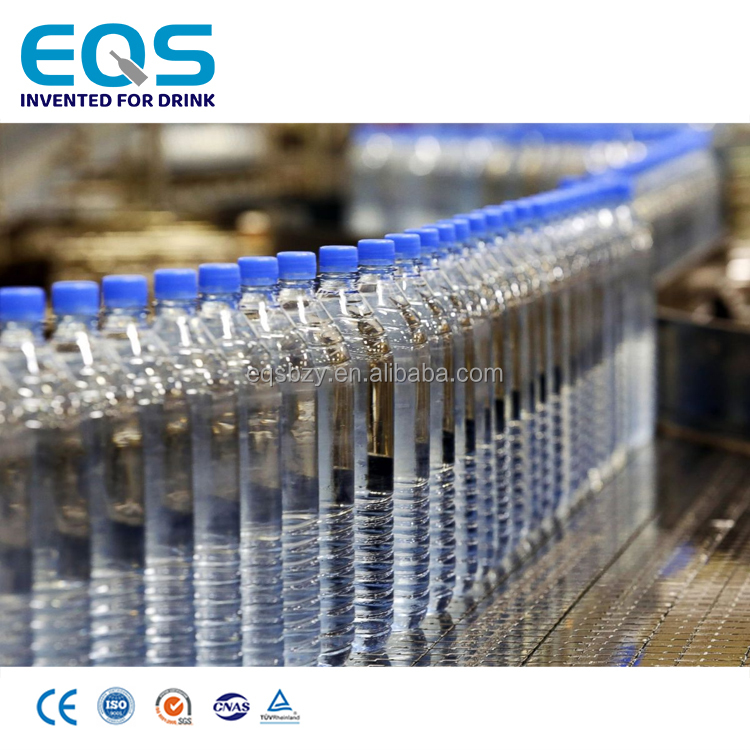
Fully Automatic Drinking Water Bottling Line for PET Bottle Filling Labeling Wrapping Packaging Solution
End-to-end packaging infrastructure integrating automated sleeve labeling, OPP hot melt labeling, and shrink film bundle wrapping units.
 7000 BPH Isobaric
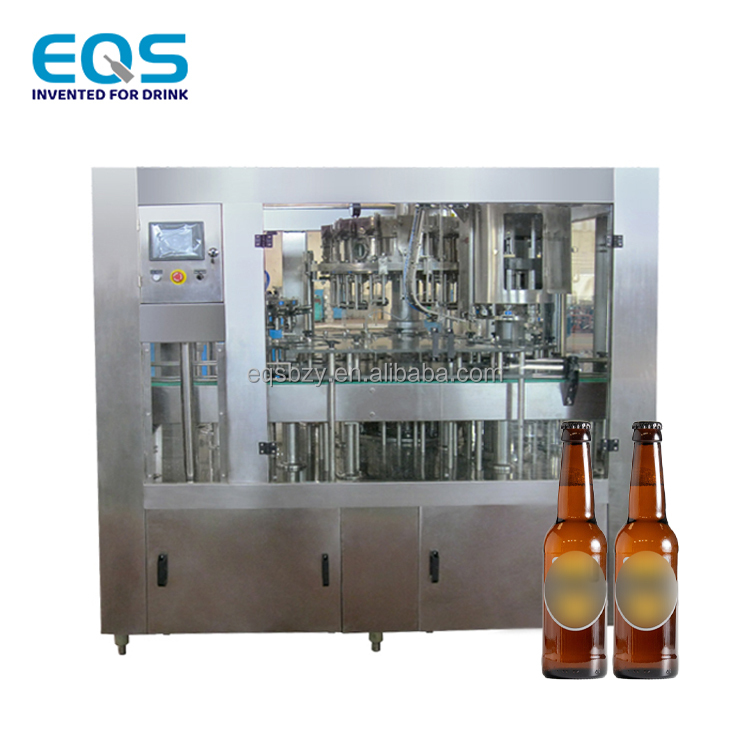
Complete PET Bottle Beer Bottling Plant 7000BPH Automatic Isobaric Filling Production Line
Precision pressure-controlled isobaric filling system optimized for carbonated beverages, cider, and sparkling wine bottling into PET or glass bottles.
Technical Whitepaper: Engineering Custom OEM Winery Bottling Machinery
Modern wine production demands an uncompromising balance between high-throughput mechanical efficiency and delicate biochemical preservation. As global wine consumers shift toward organic, low-sulfite, and ultra-premium vintages, wineries cannot afford liquid degradation during the final stage of production: bottling. Sourcing equipment from a dedicated custom OEM winery bottling equipment factory ensures that every valve, vacuum seals, nitrogen sparging nozzle, and starwheel pocket is custom-machined to match the exact physical properties of your vintage and bottle profile.
"In premium winemaking, dissolved oxygen (DO) pickup during bottling is the single greatest catalyst for premature oxidation, flavor browning, and aroma loss. OEM engineering focuses on vacuum gas flushing to maintain DO increase under 0.03 to 0.05 mg/L."
1. Fluid Dynamics & Filling Modalities for Winery OEM Projects
Choosing the correct filling mechanism is the foundational decision when specifying custom winery equipment. OEM factories design three principal fluid transport systems depending on whether the product is still wine, sparkling wine (Champagne, Prosecco, Cava), or fortified spirits:
Low-Vacuum Gravity Filling
Ideal for still red, white, and rosé wines in glass bottles. A gentle vacuum (-0.02 MPa) is created in the bottle to draw product smoothly without agitation or foaming, ensuring precise volumetric fill heights without drip.
Isobaric Counter-Pressure
Mandatory for sparkling wines and carbonated ciders. The bottle is pressurized with inert gas (CO2 or N2) to equal the tank pressure before filling, keeping dissolved gas in solution and preventing volatile headspace loss.
Flowmeter & Peristaltic OEM Solutions
Used for high-value dessert wines, liqueurs, or spirits. Electro-magnetic or mass flowmeters measure exact mass injected per bottle, featuring zero internal contact parts to eliminate cross-contamination between batches.
2. Dissolved Oxygen (DO) Control & Headspace Preservation Mechanics
Custom OEM winery bottling machines manufactured by Zhangjiagang OGVU Machinery incorporate a multi-stage gas management protocol prior to and immediately following liquid injection:
- Pre-Filling Inert Gas Flushing: Double pre-evacuation channels purge ambient air (21% Oxygen) from the empty glass bottle, replacing it with 99.999% food-grade Nitrogen or CO2 gas.
- Laminar Flow Liquid Nozzles: Internal spiral channels within the filling valves guide the wine down the interior walls of the bottle, preventing splashing, turbulence, and aeration.
- Vacuum Corking / Inert Headspace Injection: Before the cork or Stelvin screw cap is driven into place, a micro-jet of liquid N2 or vacuum suction evacuates residual air in the bottle neck, preventing cork blow-outs and headspace oxidation.
| Filling Technology | Target Wine Category | DO Pickup Level | Headspace Atmosphere | Closure Compatibility |
|---|---|---|---|---|
| Low-Vacuum Gravity OEM Monoblock | Still Red / White / Rosé | < 0.04 mg/L | N2 Injection / Vacuum | Natural Cork, Agglomerated, Stelvin Cap |
| Isobaric Counter-Pressure System | Sparkling Wine, Prosecco, Cider | < 0.03 mg/L | CO2 Counter-Pressure | Champagne Cork + Wirehood (Muselet) |
| Peristaltic / Flowmeter Filler | Fortified Wine, Port, Spirits | < 0.02 mg/L | N2 Vacuum Flushing | T-Bung, Synthetic Cork, Screw Cap |
| Hot-Fill Pasteurization Line | Mulled Wine, Non-Alcoholic Juice | < 0.05 mg/L | Thermal Vapor Evacuation | Crown Cap, Continuous Thread PET |
Why Sourcing from Custom OEM Winery Bottling Equipment Factories Matters
Standard off-the-shelf packaging machinery often forces wineries into rigid operational compromises. Glass wine bottle dimensions vary vastly—from standard 750ml Bordeaux and sloping Burgundy bottles to tall German Flutes, heavy-base decanters, and 1.5L Magnums. A standardized machine causes bottle jamming, scuffing of delicate paper labels, and uneven fill levels.
Custom Starwheel & Guide Rail Machining
OGVU Machinery utilizes 5-axis CNC machining to fabricate custom polymer starwheels tailored to your proprietary bottle molds, preventing glass scratching and high-speed tipping.
Multi-Closure Turret Versatility
Our OEM monoblocks can be equipped with dual or triple capping turrets, allowing seamless switching between natural corks, Stelvin aluminum screw caps, and crown caps on a single chassis.
Sanitary 316L Stainless Steel Fluid Paths
All liquid contact components, buffer tanks, and filling valves are constructed from AISI 316L stainless steel with electropolished inner surfaces (Ra < 0.4 μm) for absolute hygienic integrity.
Integrated CIP/SIP Sanitization Systems
Automated Clean-in-Place (CIP) dummy bottles and Steam-in-Place (SIP) circuits allow full thermal and chemical sterilization between different wine varietals to eliminate yeast cross-contamination.
Future Sourcing Trends in Winery Bottling Equipment (2025–2030)
As the global wine industry adapts to changing climate patterns, shifting consumer demographics, and stringent sustainability mandates, purchasing managers and cellar masters must anticipate upcoming technological shifts before investing in capital equipment. Modernizing a bottling hall requires a forward-looking perspective on energy conservation, automation, and packaging flexibility.
1. Rise of Flexible Multi-Beverage Bottling Lines
Estate wineries and contract packing facilities are increasingly producing alternative beverages during off-season months, including hard ciders, ready-to-drink (RTD) wine spritzers, sparkling water, and non-alcoholic dealcoholized wines. Future-proof OEM bottling machinery must feature dual-mode gravity/isobaric valves capable of handling both still and pressurized beverages on the same monoblock platform.
2. Servo-Driven Digital Height & Fill Control
Traditional mechanical hand-cranks for bottle height adjustment are being replaced by motorized, PLC-stored recipe systems. With the touch of a screen, operators can adjust valve heights, starwheel timing, and corking depth in under 3 minutes, dramatically reducing batch changeover downtime from hours to minutes.
3. Eco-Friendly Eco-Glass & Lightweight Container Handling
To reduce carbon footprints in global distribution, wineries are adopting lightweight glass bottles (dropping from 550g down to 380g per 750ml bottle). Lightweight glass is more susceptible to thermal shock and mechanical breakage. OEM factories are implementing soft-drop pneumatics, magnetic bottle platforms, and torque-limited starwheel drives to eliminate bottle stress and line breakage.
4. Smart IoT Maintenance & Real-Time Oxygen Monitoring
Industry 4.0 integration allows real-time telemetry streaming from line sensors directly to plant managers. Inline optical sensors continuously measure dissolved oxygen levels in the filler bowl and headspaces of sealed bottles, automatically rejecting non-compliant bottles before they reach the case packer.
Winery Bottling Equipment Procurement FAQ
Clear, technical answers to common questions asked by winery engineers, procurement directors, and cellar operators during equipment sourcing.
Which filling technology do I need for my beverage?
Still wines (red, white, rosé) normally use low-vacuum or gravity filling to ensure precise fill levels without liquid turbulence; carbonated soft drinks, sparkling wine, and beer require isobaric (counter-pressure) filling to keep CO2 dissolved in solution under pressure; fruit juices and teas typically use hot filling (85–92 °C) into heat-resistant containers; long-shelf-life dairy-free or sensitive juices without preservatives are handled by aseptic filling lines; and viscous products like sauces or edible oils utilize piston or mass weighing fillers.
What information should I send to receive a custom line proposal?
To prepare an accurate engineering layout and machinery quote, please provide: 1) Beverage type and physical characteristics (viscosity, alcohol level, carbonation level), 2) Container material (glass, PET, aluminum) and bottle volume drawings, 3) Target hourly production speed (BPH - bottles per hour), 4) Preferred closure type (natural cork, Stelvin screw cap, crown cap, T-bung), 5) Label type (self-adhesive, wet glue, sleeve), and 6) Workshop dimensions and electrical specifications (voltage, frequency, phase).
Can one single OEM monoblock run several different bottle sizes?
Yes. Custom rotary rinsing-filling-capping monoblocks designed by Zhangjiagang OGVU Machinery can run multiple bottle diameters and heights (e.g., 375ml half-bottles, 750ml standard, and 1.5L Magnums) within a specified family range. This is achieved by swapping out format change parts such as quick-release polymer starwheels, bottle neck clamps, and height-adjustable turrets.
Do you provide overseas installation, commissioning, and operator training?
Yes. Zhangjiagang OGVU Machinery provides comprehensive global technical support. Our experienced expatriate commissioning engineers travel on-site to your facility to manage installation, carry out final line tuning, perform CIP validation, and train your plant operators. Our technical service team communicates fluently in English, Spanish, Russian, and Chinese.
Are your machinery designs CE marked and compliant with international food safety standards?
Our main winery, water, carbonated beverage, beer, and juice filling production lines are supplied with full CE marking compliance. Liquid contact pathways use certified AISI 316L stainless steel, food-grade EPDM/PTFE seals, and ISO/FDA-compliant piping systems. Factory premises and operational capabilities are independently audited and verified on-site by Intertek.
How do custom OEM factories ensure low oxygen pick-up during wine bottling?
Low oxygen pickup is achieved through a combination of engineering features: 1) Nitrogen gas sparging in empty bottles prior to filling, 2) Smooth laminar-flow filling valves that prevent wine agitation and foaming, 3) Vacuum head-space gas evacuation right before cork insertion or capping, and 4) Sealed, pressurized buffer tanks maintained under a nitrogen blanket.
About Zhangjiagang OGVU Machinery Co., Ltd.
Located in Zhangjiagang City, Jiangsu Province—China’s world-renowned manufacturing cluster for beverage packaging machinery—Zhangjiagang OGVU Machinery Co., Ltd. is a specialized OEM supplier of complete beverage filling and packaging lines. With over 11 years of continuous international export experience, we serve wineries, breweries, mineral water plants, and juice producers across Latin America, Africa, the Middle East, Southeast Asia, Europe, and the CIS region.
Rather than providing piecemeal machinery that creates operational bottlenecks, OGVU Machinery engineers integrated turnkey plants from raw water treatment and syrup/wine processing down to blowing, filling, labeling, and final carton packing. Every station is synchronized to the exact same throughput velocity, maximizing Total Equipment Effectiveness (OEE).
11+ Years Verified Exporter
Long-standing verified supplier history with documented export projects across 50+ countries worldwide.
Intertek On-Site Verified
Production facilities, manufacturing equipment, and assembly workshops independently inspected on-site by Intertek.
Multilingual Technical Team
Direct communication with sales engineers in English, Spanish (Español), Russian (Русский), and Chinese (中文).
Rigorous Pre-Shipment Testing
100% factory trial runs and video acceptance testing conducted with customer bottle samples prior to export packing.
Request a Custom OEM Winery Bottling Line Engineering Proposal
Share your target wine type, bottle specs, output capacity (BPH), and workshop layout. Our senior packaging engineers will deliver a complete 3D layout design and factory price quote.