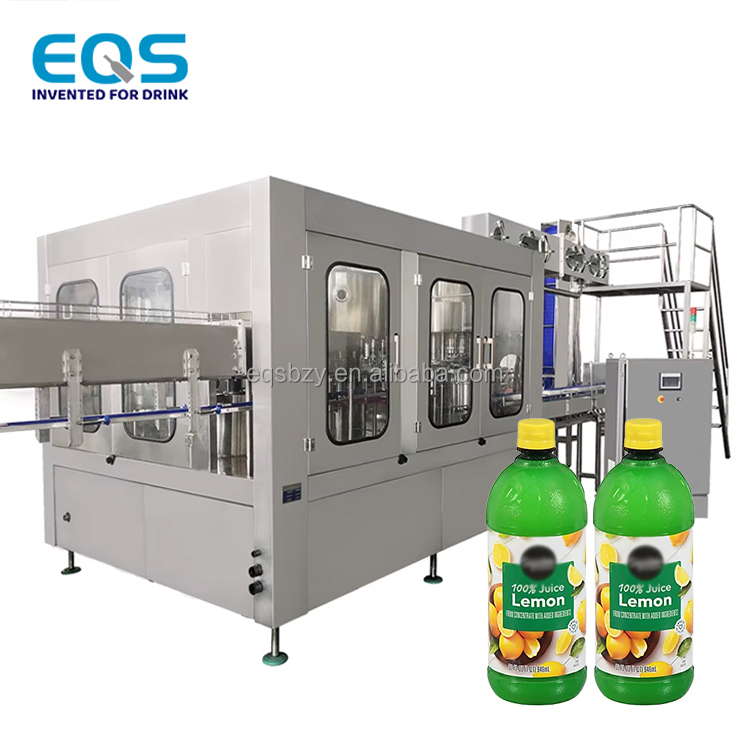
 Hot / Aseptic
Commercial Bottling Equipment Portfolio
Explore our export-ready turnkey beverage packaging lines, monoblocks, and processing machinery engineered to international standards.
Hot / Aseptic
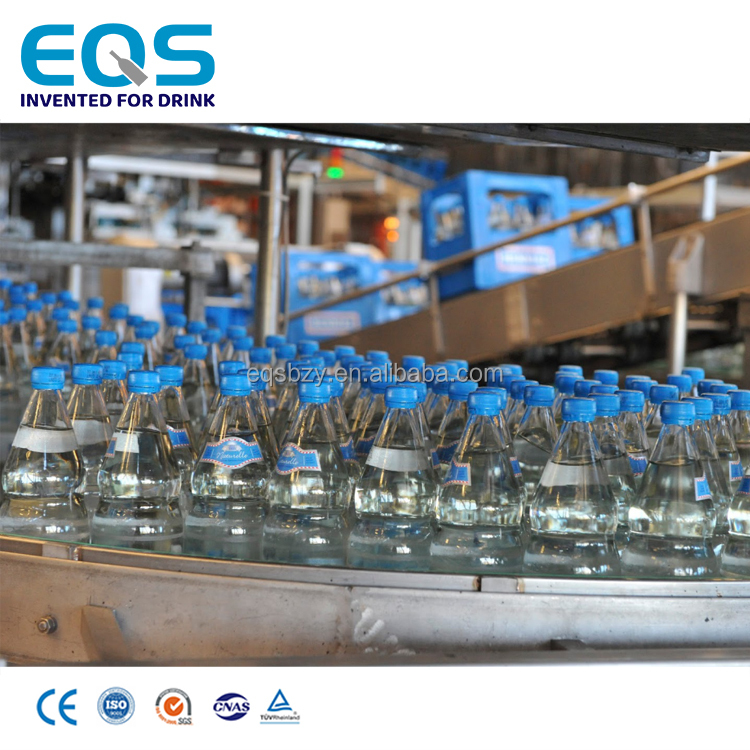 Purified Water
Premium Complete PET Bottle Water Bottling Production Line Filling Labeling Wrapping
View System Specs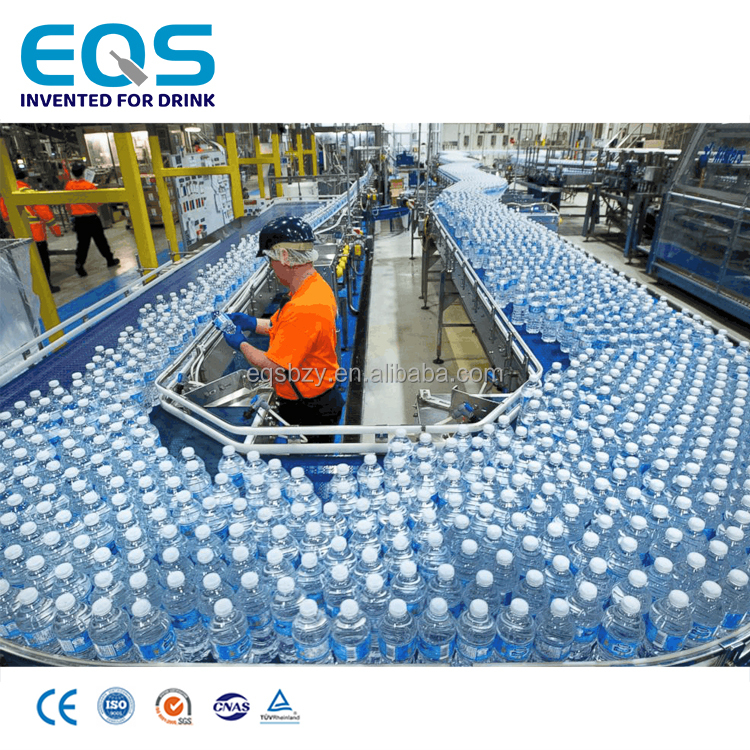 Turnkey Plant
Industrial Pure & Mineral Water Treatment Filling Machine Complete Production Line
View System Specs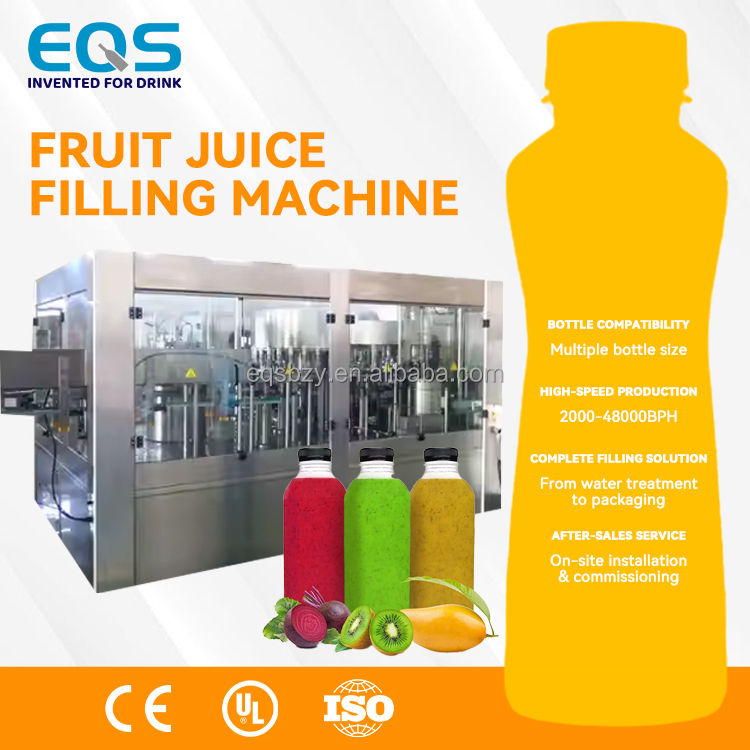 Can Canning
Complete 2000BPH Juice Canning Line Aluminium Can Juice Filling & Seaming Line
View System Specs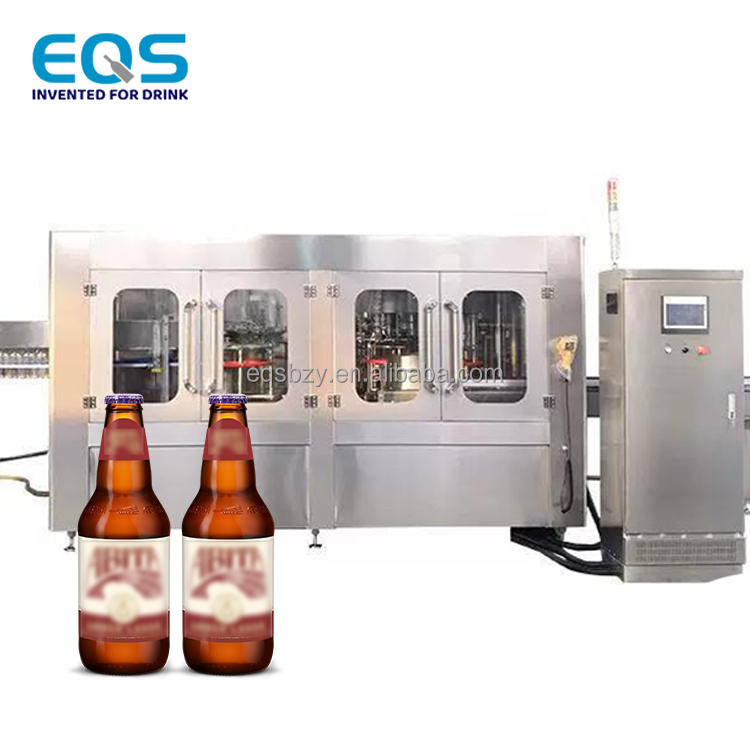 Isobaric Beer
8000BPH Automatic Beer Glass Bottle Washing Filling Capping Machine Monoblock
View System Specs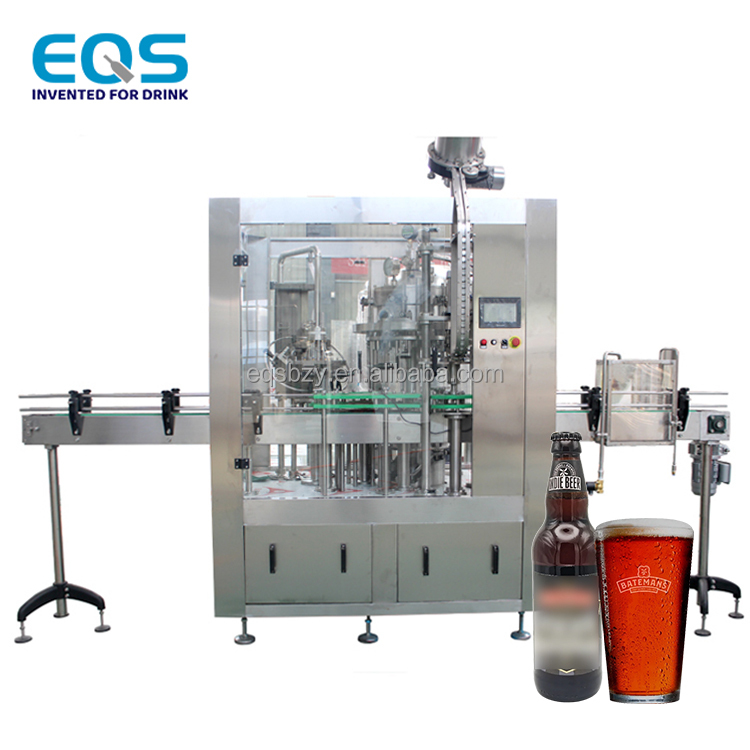 High Speed CSD
Automatic 24000BPH 2-in-1 Isobaric Beer Filling Monoblock Stable Running Line
View System Specs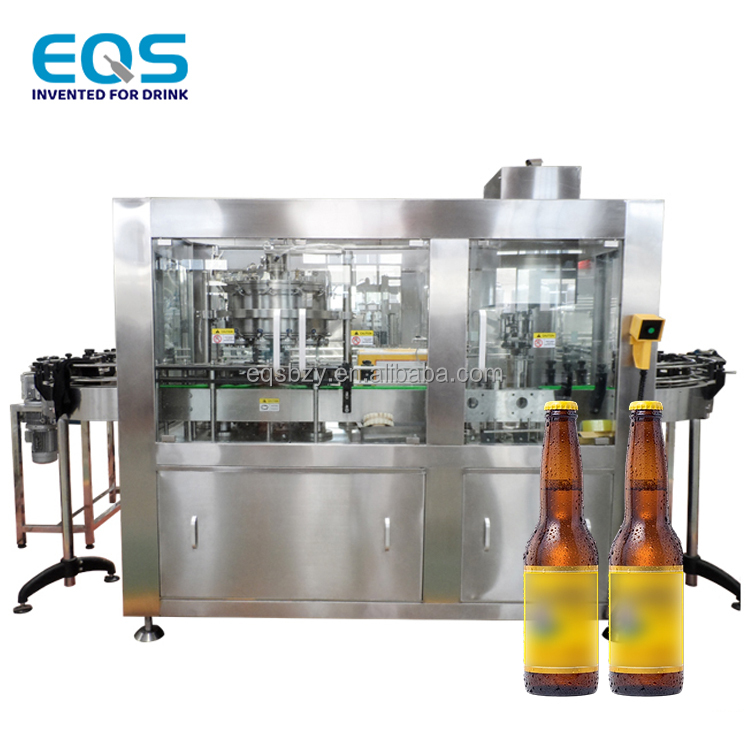 Turnkey Beer
A to Z Turnkey Beer Bottling Line 7000BPH PET Bottle Beer Filling Machine Aluminum Cap
View System Specs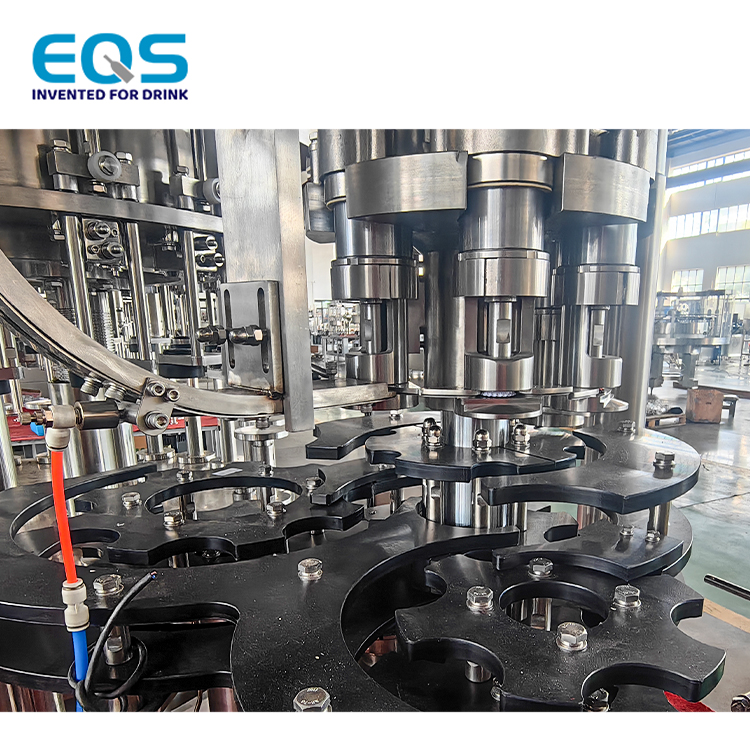 Glass & PET
High-Speed 3-in-1 Beer Bottling Equipment Monoblock Washing Filling Capping Machine
View System Specs11+
Years Export History
Log 6
Sporicidal Reduction Standard
36,000 BPH
Max High-Speed Output
ISO 5
Cleanroom Isolator Zone
Intertek
On-Site Verified Facility
The Technical Blueprint of Industrial OEM/ODM Aseptic Bottling Machinery
Strategic engineering insights for beverage enterprise procurement directors, plant managers, and co-packers worldwide.
In modern industrial beverage manufacturing, the shift toward clean-label products—free of artificial preservatives, thermal degradation, and synthetic additives—has transformed Aseptic Bottling Technology into the benchmark for competitive excellence. As an established OEM/ODM Aseptic Bottling Line Exporter & Wholesaler headquartered in Zhangjiagang, China's premier beverage packaging machinery cluster, Zhangjiagang OGVU Machinery Co., Ltd. engineered this comprehensive operational white paper to clarify technical architectures, microbiological control standards, and procurement dynamics for high-acid and low-acid liquid lines.
What Defines True Aseptic Bottling? (Log-6 Microbiological Safety)
Unlike conventional hot-filling systems that subject beverages to continuous thermal stress at 85°C–92°C, cold aseptic filling processes liquid products and packaging materials separately under sterile conditions before ambient-temperature monoblock enclosure. Achieving a Log-6 reduction (99.9999%) of resilient bacterial endospores (such as Bacillus atrophaeus and Alicyclobacillus acidoterrestris) guarantees an extended shelf life of 12 to 18 months without refrigeration or preservatives.
1. Decontamination Dynamics: Dry Sterilization vs. Wet Sterilization
Commercial aseptic bottling production relies on two primary decontamination methodologies for container preforms and blown PET bottles:
- Vaporized Hydrogen Peroxide ($H_2O_2$ VHP) Dry Sterilization: Utilizes high-concentration gaseous $H_2O_2$ injected into preforms prior to stretch blow molding. The high heat during blowing activates the sporicidal vapor, consuming up to 60% less water than wet rinsing while ensuring zero chemical residue inside lightweight PET neck finishes.
- Peracetic Acid (PAA) Wet Rinsing: Involves internal and external liquid PAA spray carousels followed by multi-stage sterile water rinsing. This method remains the gold standard for high-viscosity juices, dairy-based drinks, and complex bottle geometries prone to shadowing.
Class 100 (ISO 5) Isolator
Micro-positive pressure (+25 Pa to +40 Pa) HEPA laminar flow enclosure shielding filling and capping valves from ambient environmental contamination.
Non-Contact Flowmeter Dosing
Magnetic induction and Coriolis mass flowmeter filling valves eliminate mechanical contact with bottle necks, maintaining sterile barrier integrity.
Integrated CIP/SIP Automated Loop
Fully automated Clean-In-Place and Sterilization-In-Place loops with 130°C superheated steam cycles for complete thermal sterilization.
Future Procurement Trends in Beverage Bottling Machinery
Market intelligence and technological foresight for procurement managers expanding global bottling capacity over the next decade.
The global market for beverage filling equipment is undergoing a structural shift driven by environmental regulations, rising energy costs, and shifting consumer preferences toward functional, preservative-free beverages. Understanding these macroeconomic trends allows global importers and wholesalers to future-proof their factory investments when sourcing equipment from China.
Trend 1: Rapid Adoption of Combi-Block Aseptic Architecture
Traditional beverage lines rely on standalone stretch blow molders connected to fillers via extended air conveyor systems. Modern procurement specs increasingly demand Blowing-Sterilizing-Filling-Capping Combi-Block systems. By combining preform decontamination, blowing, aseptic filling, and capping into a single integrated machine footprint, beverage manufacturers achieve:
- 30% Reduction in Workshop Space: Eliminates hundreds of meters of air conveyors and intermediate storage tables.
- Enhanced Sterile Security: Preforms are blown into bottles directly inside sterile or ultra-clean zones, eliminating container exposure to ambient factory air.
- 45% Savings in Compressed Air Consumption: Air recovery units capture high-pressure blowing exhaust (up to 40 bar) to power pneumatic controls across lower-pressure line components.
Trend 2: Ultra-Lightweight PET Containers and 100% rPET Compatibility
Hot-fill PET bottles require thick structural ribs and vacuum panels (typically weighing 26g to 32g for a standard 500ml container) to withstand heat contraction during cooling. Conversely, because cold aseptic lines fill products at ambient temperatures (20°C–25°C), bottles experience zero thermal stress. Procurement teams can reduce bottle weight down to 11g–13g per 500ml container, saving millions of dollars annually in resin costs while accommodating 100% recycled PET (rPET) resins without structural deformation.
Trend 3: AI-Enabled Predictive Quality & Inline Sterility Monitoring
Next-generation OEM aseptic bottling lines feature IoT sensor arrays and machine-learning vision systems integrated directly into the PLC architecture. Instead of relying exclusively on 48-hour post-production microbiological incubation, modern plants validate sterility inline via real-time monitoring of critical control points (CCPs):
- Continuous optical measurement of $H_2O_2$ vapor concentration and nozzle temperature.
- High-speed vision inspection of cap placement, tamper-evident band integrity, and seal alignment.
- Automated torque-feedback logging on magnetic capping carousels to prevent cap deformation.
Engineering Comparison: Bottling Technologies
Data visualization comparing Hot Filling, Isobaric CSD/Beer Filling, and Cold Aseptic Packaging.
| Technical Parameter | Cold Aseptic Filling | Traditional Hot Filling | Isobaric (Counter-Pressure) |
|---|---|---|---|
| Filling Temperature | 20°C – 25°C (Ambient) | 85°C – 92°C (Elevated) | 4°C – 8°C (Chilled) |
| Target Beverages | Juice, Tea, Dairy, Coconut Water, Plant-based Milk | High-acid Juices, Isotonic Drinks, Teas | Beer, Carbonated Soft Drinks, Sparkling Water |
| 500ml Container Weight | 11g – 14g (Lightweight) | 26g – 32g (Heavy Ribbed) | 18g – 24g (Pressure Resistant) |
| Flavor & Nutrient Retention | 100% (No Heat Damage) | Moderate (Thermal Degradation) | 100% (CO2 Carbonation Protected) |
| Preservatives Needed? | Zero Preservatives | Zero (Acid dependent) | Varies by Formula |
| Line Operational Energy | Low (No continuous heating) | High (Boilers & Cooling Tunnels) | Medium (Refrigeration Chillers) |
| Microbiological Standard | Log-6 Sporicidal Reduction | Commercial Pasteurization | CO2 Inhibition + Tunnel Pasteurizer |
Why Global Buyers Partner with Zhangjiagang OGVU Machinery
Combining 11+ years of international export expertise with rigorous on-site verified manufacturing quality.
Intertek On-Site Verified Facility
Our headquarters, assembly workshops, and manufacturing capability are independently verified on-site by Intertek, ensuring reliable supplier accountability.
Custom OEM/ODM Engineering
From custom plant layout CAD drawings to specialized neck formats (28/1881, 38mm 3-start), we design and configure lines for specific factory layouts.
Turnkey Overseas Commissioning
Our experienced expatriate engineers provide complete on-site installation, line integration, factory acceptance testing (FAT), and multilingual operator training.
CE Certified Components
Key filling machines, isobaric valves, and electric control systems (Siemens PLC, Schneider electronics, Festo pneumatics) comply with EU CE safety standards.
11+ Years Alibaba Export Track Record
Over a decade of successful international trade history serving beverage brands across Latin America, Africa, the Middle East, Southeast Asia, and Europe.
Complete A-to-Z Project Scope
We supply the complete line: RO Water Treatment, Beverage Preparation, Stretch Blow Molding, Filling Monoblock, Labeling, Shrink Wrapping, and Palletizing.
Frequently Asked Questions (FAQ) for Equipment Procurement
Direct engineering answers to common technical queries raised during line evaluation and bidding.
Which filling technology is suitable for my specific beverage portfolio?
Still mineral water utilizes gravity or atmospheric filling; carbonated soft drinks (CSD) and beer require isobaric (counter-pressure) filling to prevent CO2 degassing; fruit juices and teas with natural pulps use hot filling (85°C–92°C) or cold aseptic filling; preservative-free dairy and plant milk strictly require cold aseptic lines; viscous sauces and edible oils require piston or electronic weighing fillers.
What core technical data is required to receive a detailed line proposal?
To prepare an precise engineering proposal and CAD layout drawing, please specify: (1) Product liquid characteristics and viscosity, (2) Container type (PET, glass, aluminum can) and volume range (e.g., 250ml to 1.5L), (3) Target capacity in bottles per hour (BPH), (4) Cap type and closure spec, (5) Desired labeling and final package format, and (6) Local electrical supply (Voltage, Frequency, Phase).
Can a single bottling line run multiple bottle sizes and shapes?
Yes. Rotary washing-filling-capping monoblocks can accommodate multiple container volumes (e.g., 330ml, 500ml, 1.5L) within a given neck finish standard. Changeovers are accomplished using quick-release format change parts, including star wheels, bottle guide rails, and height-adjustable carousel elevators.
What is the typical lead time for manufacturing a complete turnkey line?
Standard lead times for single monoblock filling units range from 45 to 60 days. Complete turnkey lines (including RO water treatment, processing tanks, combi-block filler, labeling, and case packing systems) require approximately 75 to 90 days, including comprehensive Factory Acceptance Testing (FAT) before shipment.
Do you provide overseas factory installation, testing, and engineer training?
Yes. We deploy experienced installation engineers to customer facilities worldwide. Our engineering team manages physical line placement, piping/electrical connections, system commissioning, Site Acceptance Testing (SAT), and hands-on maintenance training for local plant staff in English, Spanish, Russian, or Chinese.
Are OGVU filling machines CE certified and compliant with ISO standards?
Yes. Our core machinery series—including water fillers, isobaric beer/CSD lines, hot fillers, and aseptic isolators—are built to European CE electrical and mechanical safety standards and manufactured under certified ISO 9001 quality management systems.
Ready to Upgrade Your Bottling Production Line?
Connect directly with our engineering team to receive custom CAD line layouts, detailed technical quotes, and ROI payback evaluations within 24 hours.