Featured OEM/ODM Bottling & Filling Machinery
Automatic 20000BPH High Speed Glass Bottle Hot Filling Washing Filling Capping Monoblock
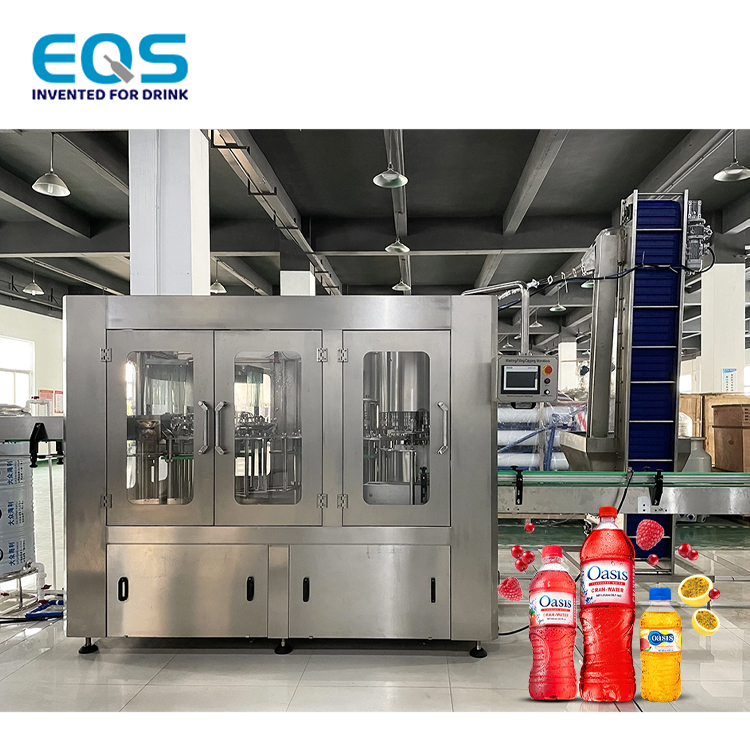
Reliable Flavor-Preserving Juice Production Line for PET Bottle with Cap Loader Labeling & Carton Packing
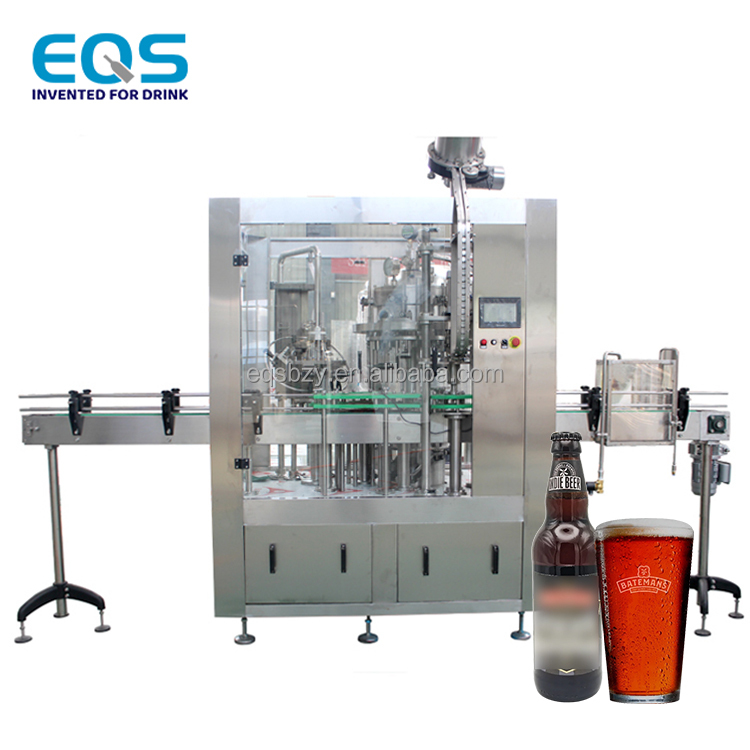
Automatic 24000BPH 2-in-1 Isobaric Beer Filling Monoblock Stable Running PET Glass Bottle Beer Line
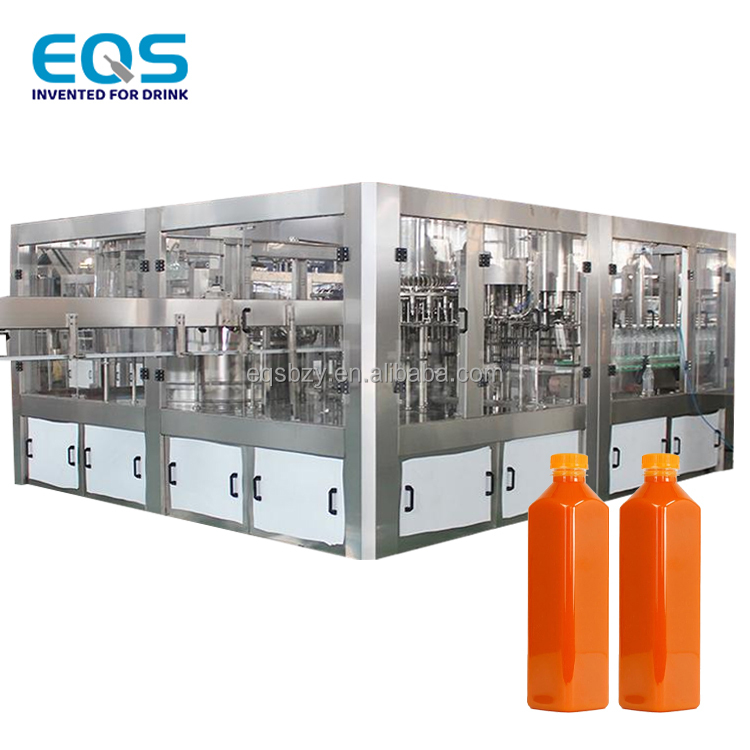
Hot Filling 4-in-1 Juice Filling Machine for Fruit Juice With Pulp PET Bottle Beverage Bottling Line
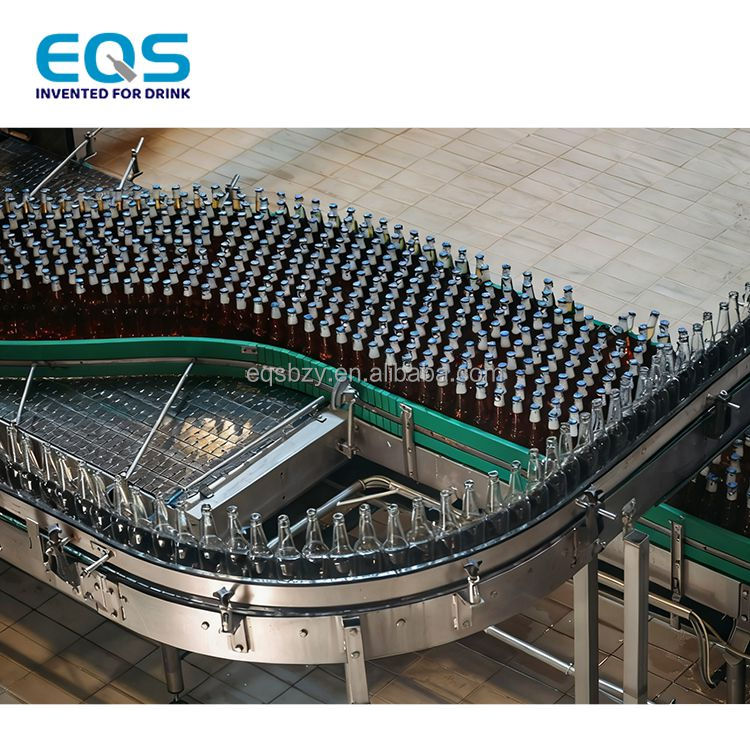
Precision Vacuum Beer Filling Machine Complete Production Line PLC Controlled with Low Failure Rate
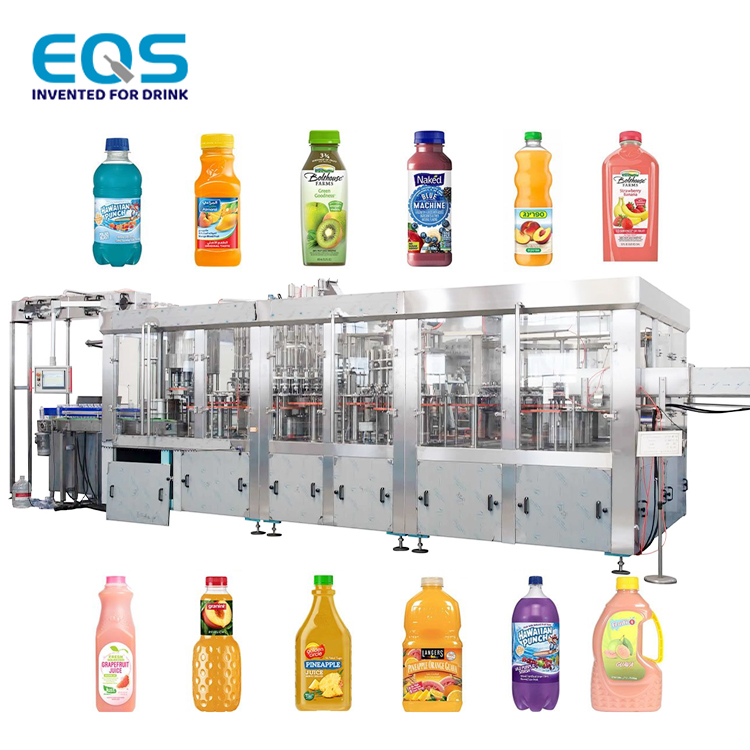
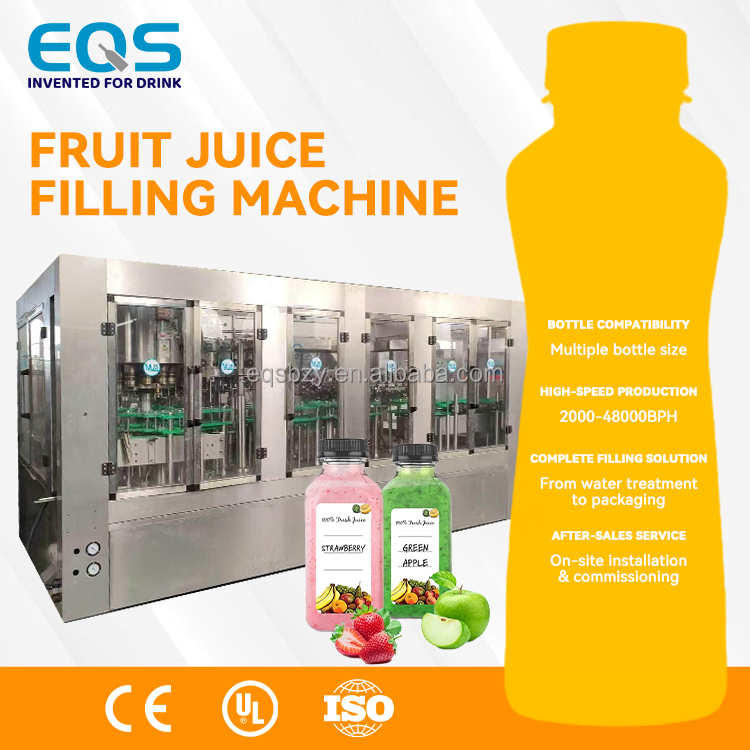
Industrial Automatic PET Bottle Fruit Juice Hot Filling Capping Machine Beverage Bottling Line
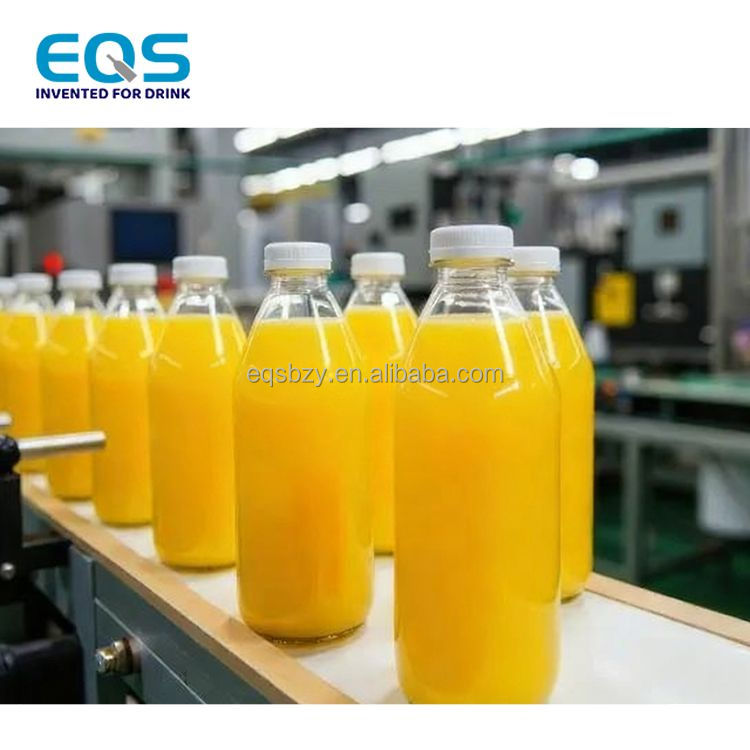
Industrial 4-in-1 Fruit Juice Filling Machine with Pulp PET Bottle Beverage Bottling Line Equipment
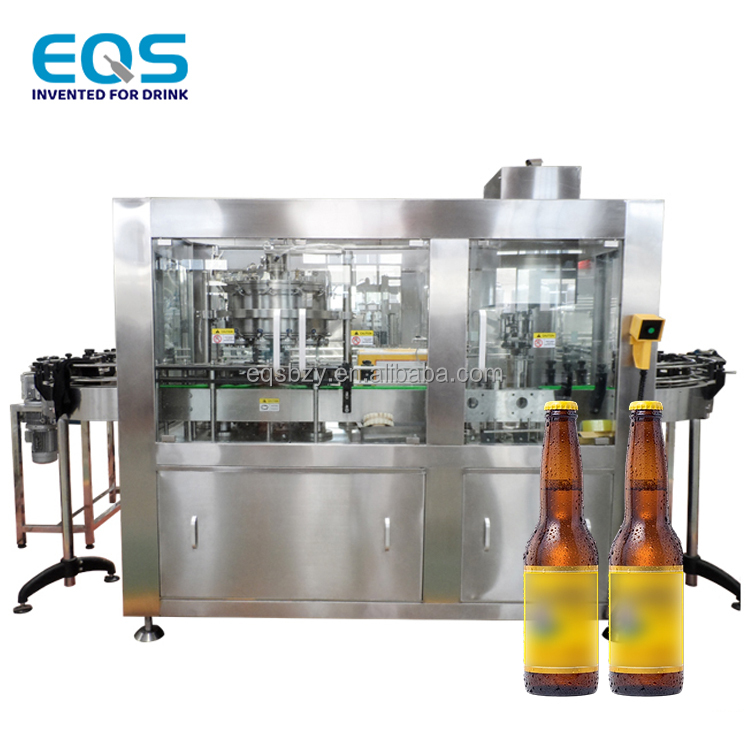
A to Z Turnkey Beer Bottling Line 7000BPH PET Bottle Beer Filling Machine with Aluminum Cap
Architecting High-Performance OEM/ODM Beer Bottling Solutions
In the rapidly evolving global beverage sector, procuring an industrial-grade beer bottling line demands far more than basic capital expenditure calculations. It requires a rigorous engineering assessment of fluid dynamics, dissolved oxygen preservation, biological stability, and mechanical line efficiency. As an established Original Equipment Manufacturer (OEM) and Original Design Manufacturer (ODM) headquartered in Zhangjiagang, Jiangsu—China’s premier manufacturing cluster for beverage packaging machinery—Zhangjiagang OGVU Machinery Co., Ltd. delivers sophisticated turnkey solutions designed to meet stringent global standards.
Modern commercial brewing demands ultra-low oxygen pickup during the filling process to preserve delicate hop aromatics, malty profiles, and shelf life. Atmospheric air intrusion during bottling causes rapid staling, flavor degradation (e.g., trans-2-nonenal formation causing cardboard-like off-flavors), and turbidity issues. Achieving commercial stability without sacrificing sensory profile requires state-of-the-art isobaric (counter-pressure) technology, double vacuum evacuation systems, automated sterile water jetting (foaming), and flawless monoblock mechanical integration.
Whether your operation requires customized OEM manufacturing based on pre-existing architectural drawings or comprehensive ODM turnkey engineering designed from scratch, this technical manual explores the critical operational variables, machine selection criteria, future technology trends, and quality verification steps necessary to optimize your bottling plant investment.
Isobaric Counter-Pressure Valves
Isobaric filling operates by matching internal bottle pressure with tank pressure using CO2 or N2 gas before liquid insertion. This prevents carbonation breakouts and excessive foaming during transfer, maintaining exact dissolved CO2 ratios in finished beer.
Double Vacuum Pre-Evacuation
To minimize Total Picked-Up Oxygen (TPO), our advanced monoblocks evacuate air from glass bottles twice, flushing CO2 between cycles. This process drops residual atmospheric oxygen levels down to less than 30 ppb prior to beer injection.
Modular CIP & Hygiene Protocols
Integrated Clean-In-Place (CIP) loops featuring dummy bottle positioning, automated caustic/acid circulation, and thermal sanitization loops ensure total microbiological control, eliminating wild yeast contamination.
OEM vs. ODM Pathways in Beer Bottling Machinery
Navigating the structural differences between OEM and ODM procurement strategies is essential for system integrators, commercial breweries, and co-packers seeking optimized capital efficiency:
Original Equipment Manufacturing (OEM)
OEM manufacturing caters to clients possessing exact technical drawings, proprietary mechanical specifications, or localized brand compliance standards. As your OEM manufacturing partner, Zhangjiagang OGVU Machinery executes precision machining, electrical component integration (utilizing Siemens, Omron, Schneider, and Festo pneumatics), and physical frame assembly strictly according to your blueprint documentation. This route allows established multinational brands to scale production while preserving complete architectural control.
Original Design Manufacturing (ODM)
ODM solutions provide end-to-end engineering from concept to commissioning. When a brewery seeks to expand capacity—for instance, transitioning from a manual 1,000 BPH craft setup to a fully automated 12,000 BPH packaging hall—our engineering team calculates conveyor thermodynamics, floor plan spatial constraints, utility loads (electricity, steam, compressed air, CO2), and line balance. We design the complete monoblock structure, valve manifolds, and automated downstream logic from scratch.
Industrial Beer Bottling Technical Specifications Matrix
Comparative operational benchmarks across standard industrial bottle lines engineered by OGVU Machinery.
| Performance Indicator | Mid-Scale Glass Line | High-Speed Glass Monoblock | PET Bottle Isobaric Line | Aluminum Can Seaming Line |
|---|---|---|---|---|
| Target Output (BPH) | 2,500 – 6,000 BPH | 12,000 – 24,000 BPH | 5,000 – 15,000 BPH | 3,000 – 18,000 CPH |
| Filling Mechanism | Mechanical Counter-Pressure | Electro-Pneumatic Isobaric | Isobaric Gravity Valve | Counter-Pressure Flow Meter |
| TPO / Dissolved Oxygen | < 50 ppb | < 25 - 30 ppb | < 40 ppb | < 35 ppb |
| Pre-Evacuation Cycle | Single Vacuum (P-Evac) | Double Vacuum Evacuation | CO2 Flushing / Purging | CO2 Under-Cover Gassing |
| Filling Precision | ± 2 mm liquid level | ± 1 mm liquid level | ± 1.5 mm liquid level | ± 1.0 ml volumetric |
| Bottle Breakage Rate | ≤ 0.05% | ≤ 0.01% | N/A (Shatterproof PET) | N/A (Aluminum Can) |
| Capping Adaptability | Crown Cap (26mm / 29mm) | Crown Cap / Swing Top | Plastic Screw Cap / Alum | 202 / 206 ROPP / SOT Can End |
| Control Automation | PLC + Basic HMI Touch Screen | Full Siemens S7-1500 + SCADA | PLC + Servo Synchronization | Integrated PLC Seamer Servo |
Future Packaging & Procurement Trends (2025–2030)
The commercial beverage landscape is undergoing profound structural shifts driven by environmental regulations, energy costs, and evolving consumer packaging preferences. Forward-thinking procurement managers must evaluate several macro-trends when specifying OEM/ODM equipment contracts:
1. Transition to Ultra-Lightweight Glass & Returnable Packaging
To mitigate carbon taxes and sky-high freight costs, glass manufacturers are producing ultra-lightweight bottles. Standard filling valves exert significant vertical mechanical pressure, risking high breakage rates on lighter glass. Future-proof OEM/ODM bottling machines integrate servo-actuated mechanical lifters that minimize neck loading pressure while maintaining perfect seal integrity against counter-pressure gaskets.
2. Electro-Pneumatic Flow-Meter Filling Technology
While traditional mechanical filling valves rely on mechanical vent tubes to establish filling height, modern high-end lines utilize magnetic inductive or mass flow meters. Flow-meter filling permits instantaneous digital adjustments of fill volumes via HMI interface without physically swapping mechanical components, dramatically reducing downtime during bottle size transitions.
3. Hybrid Monoblocks & Multi-Container Versatility
Breweries are expanding beyond standard glass bottles into specialty PET bottles, aluminum bottles, and sleek cans. Purchasing separate dedicated lines consumes vast footprint areas and inflates maintenance costs. Next-generation ODM equipment focuses on hybrid modular chassis capable of running glass bottles and aluminum cans on a shared pitch line with rapid-change starwheels.
4. Closed-Loop Resource & Utility Conservation
Water consumption ratios in traditional bottling operations often reached 3 to 5 liters of water per liter of packaged beverage. Innovative CIP recirculation system architecture, dry-vacuum pumps, and automated rinse water reclamation systems engineered into OGVU equipment reduce water usage down to less than 1.2 L per 1 L of finished product.
Why Partner With Zhangjiagang OGVU Machinery Co., Ltd.?
Selecting OGVU Machinery as your OEM/ODM vendor guarantees direct access to deep technical expertise, stringent quality control protocols, and verified manufacturing infrastructure based in Zhangjiagang, Jiangsu, China.
Intertek On-Site Verified Facility
Our manufacturing premises, machine shop precision, financial standing, and operational workflows are independently audited and verified on-site by Intertek Group plc.
11+ Years Export Infrastructure
Over a decade of successful global machinery exports across Latin America, Africa, the Middle East, Southeast Asia, CIS regions, and Europe with full international logistics support.
Expatriate Field Engineering
We deploy qualified field engineers worldwide for on-site layout planning, mechanical installation, electrical commissioning, and comprehensive plant operator training.
Multi-Lingual Engineering Support
Eliminate cross-border miscommunications. Our sales and engineering leadership consult fluently in English, Spanish, Russian, and Chinese for clear technical execution.
CE & ISO 9001 Compliance
All core monoblocks, water treatment systems, pasteurization tunnels, and packing lines carry full CE mark certification and adhere to ISO quality management systems.
Turnkey Plant Balancing
We balance water treatment (RO), carbonators, syrup systems, blow molders, fillers, sleeve/labelers, and shrink wrappers to prevent costly line throughput bottlenecks.
Frequently Asked Questions (FAQ) for Bottling Equipment Buyers
Ready to Engineer Your Bottling Facility?
Consult directly with senior bottling line engineers from Zhangjiagang OGVU Machinery. Receive customized CAD layout drawings, line balancing analysis, and competitive factory-direct OEM/ODM pricing within 24 hours.