Featured Beverage Mixing & Bottling Machinery
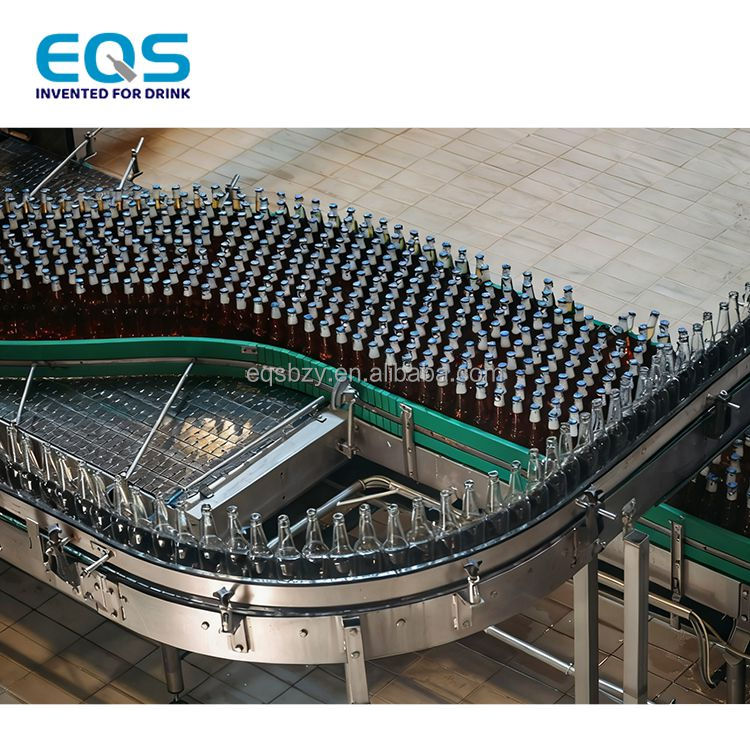
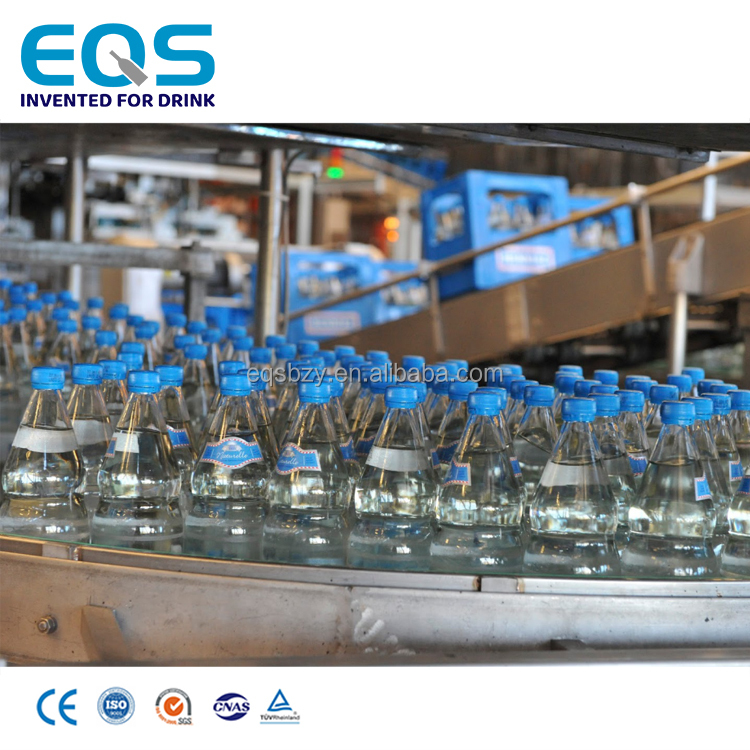
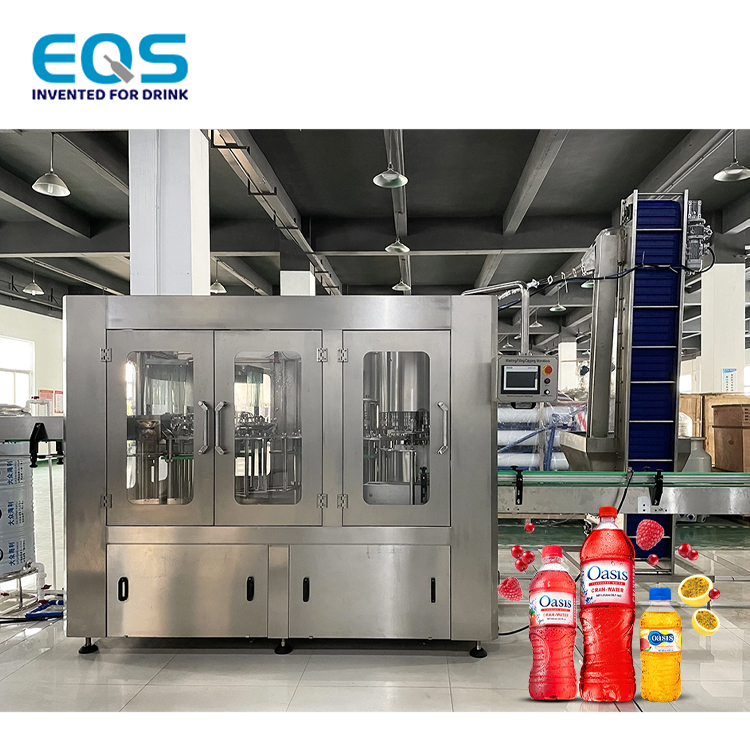
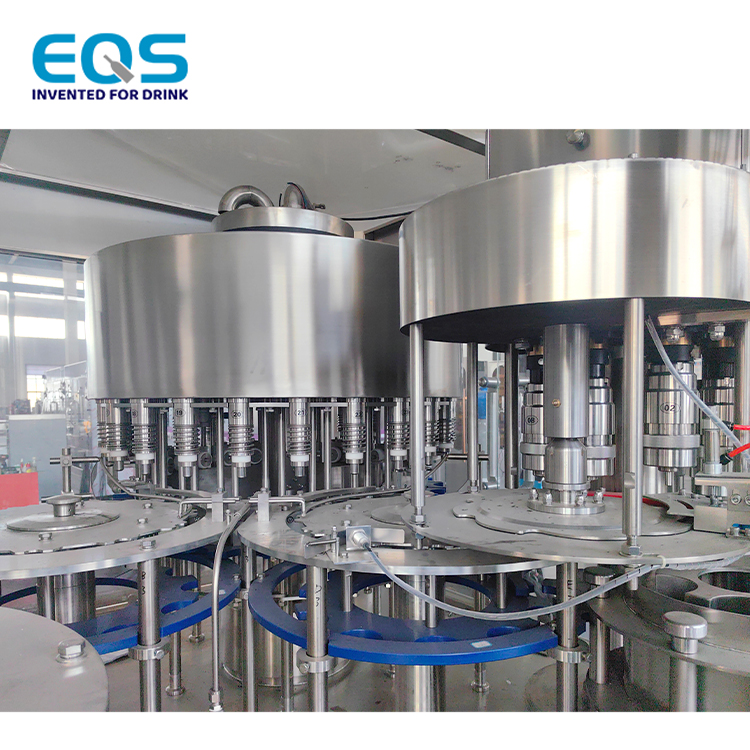
Explore our flagship OEM/ODM production lines engineered for pure water, juice, carbonated soft drinks, beer, and aseptic formulation.
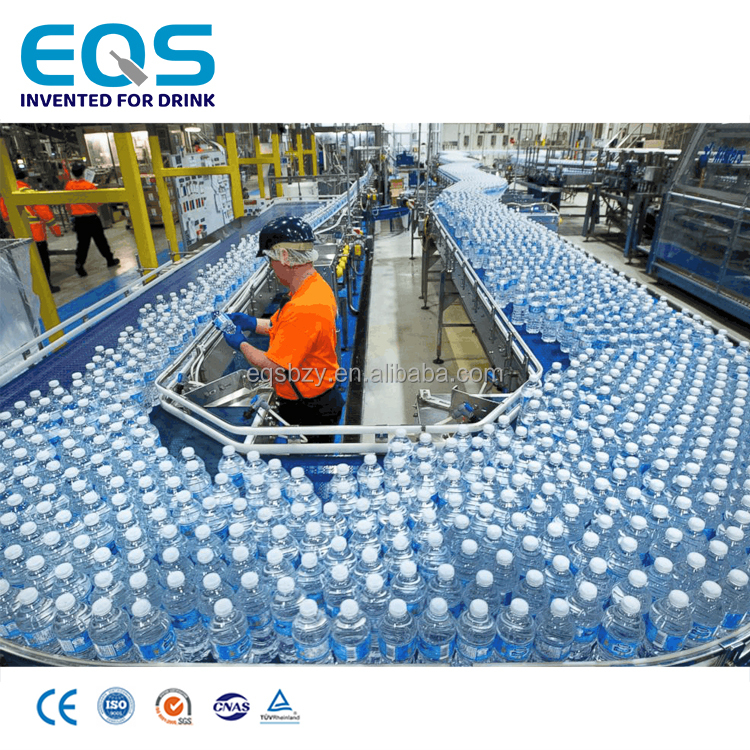
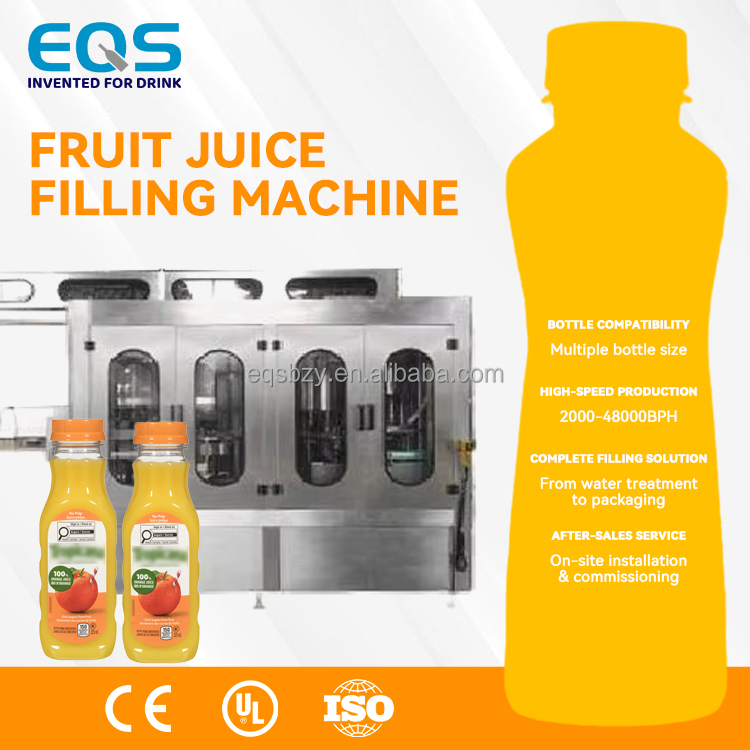
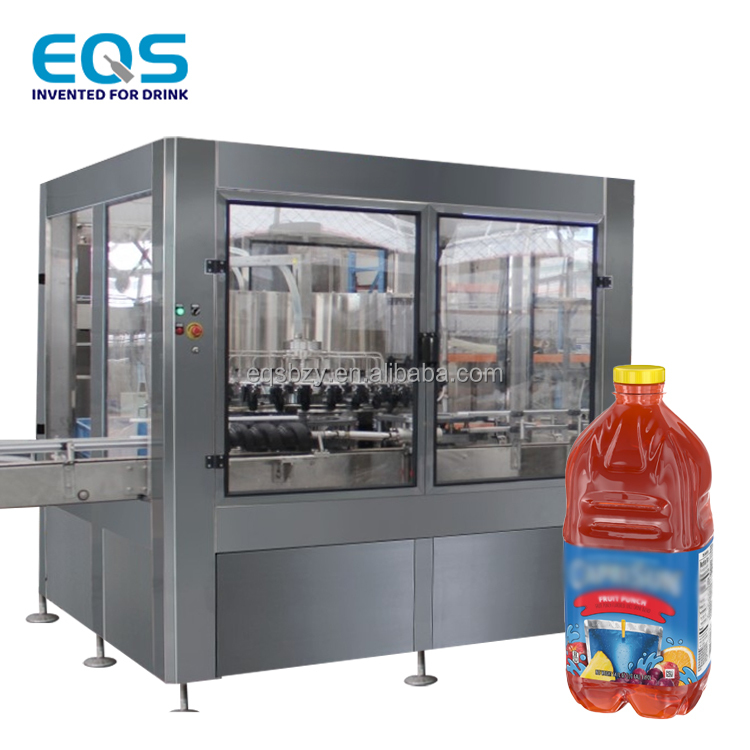
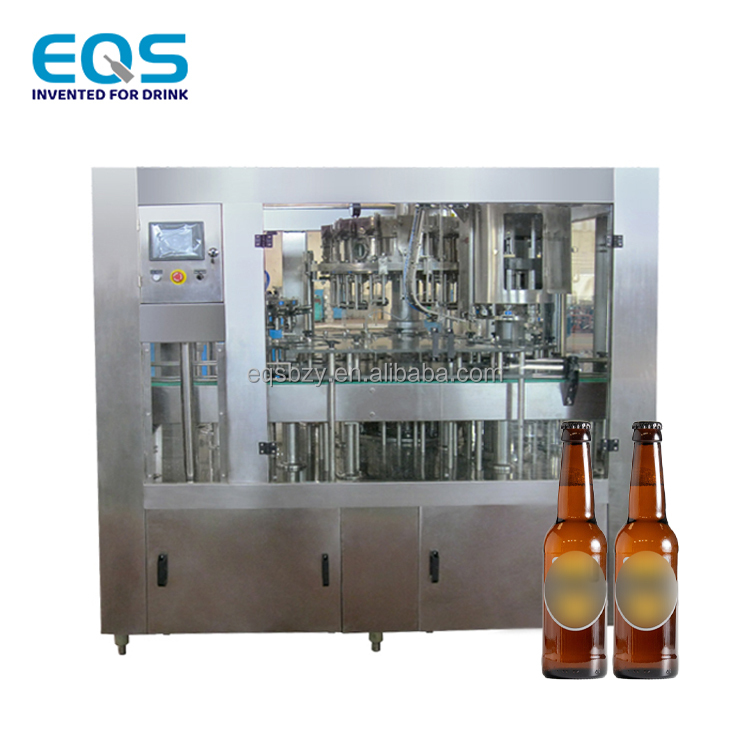
Why Engineering Procurement Teams Partner With OGVU
Based in Zhangjiagang, Jiangsu—China's premier cluster for beverage packaging equipment—Zhangjiagang OGVU Machinery Co., Ltd. delivers single-source accountability for beverage preparation tanks, processing systems, and complete line integration.
Custom Engineering & ODM Flexibility
From custom impeller geometries (high-shear, anchor with scraper, cowles blade) to specialized thermal dimple jacketing, our engineers design mixing vessels tailored precisely to your beverage’s specific Brix, viscosity, and thermal profile.
Full EHEDG & Sanitary Compliance
Every liquid-contacting surface is crafted from certified AISI 316L stainless steel, mechanical mirror-polished to Ra ≤ 0.4 µm or electropolished. Zero-dead-leg sanitary valves and automated CIP/SIP integration prevent batch cross-contamination.
Turnkey Line Synchronization
We eliminate line bottlenecks by balancing batching volume, flash pasteurization throughput, buffer storage, and downstream filling speeds under a unified SCADA/PLC control system, ensuring seamless multi-station operation.
Comprehensive Guide to OEM/ODM Beverage Mixing Tank Engineering
In modern industrial beverage manufacturing, the formulation and batching phase serves as the critical foundation of product quality, mouthfeel, stability, and shelf-life. Selecting qualified OEM/ODM beverage mixing tank factories is not merely a vendor procurement exercise—it is a strategic engineering decision that impacts total cost of ownership (TCO), thermal efficiency, ingredient yield, and regulatory safety compliance across your processing plant.
1. Metallurgy, Surface Topography, and Sanitary Fluid Dynamics
Industrial beverage preparation vessels must withstand aggressive thermal cycling, corrosive CIP chemistries (such as hot sodium hydroxide and nitric acid solutions), and mechanically demanding shear forces. High-tier beverage mixing tank factories build vessels utilizing dual-certified AISI 304 and AISI 316L stainless steel.
Key metallurgical considerations include:
- Product Contact Zone Metallurgy: AISI 316L is mandatory for high-acid juices (pH < 4.6), sports drinks containing electrolytes/salts, and carbonated base concentrates to prevent pitting corrosion.
- Non-Contact External Sheathing: AISI 304 with fully welded, polished seams prevents ambient moisture intrusion into insulation layers (mineral wool or high-density polyurethane).
- Weld Integrity & Radiography: Automated orbital TIG welding with argon gas back-purging ensures full-penetration joints devoid of slag, carbide precipitation, or surface oxidation.
2. Agitation Dynamics & Emulsification Kinematics
Different beverage matrices demand precise mechanical energy input to achieve homogenous dissolution without incorporating unwanted entrained air or destabilizing delicate emulsions:
- High-Shear Rotor-Stator Emulsifiers: Operating at 2,800–3,600 RPM, these heads break down pectin, gums, stabilizer powders, and oil-water emulsions (e.g., cloudifier agents in citrus drinks) down to sub-micron particle sizes.
- Anchor Agitators with PTFE Wall Scrapers: Essential for viscous liquids, high-sugar syrups, and fruit purees. The continuous sweeping action prevents thermal scorch on heated jacket surfaces.
- Hydrofoil & Pitch-Blade Turbines: Engineered for low-shear, top-entering gentle blending of sensitive finished beverages, tea infusions, and mineralized water additions.
3. Thermal Exchange & Pressure Vessel Engineering
Efficient thermal transfer directly impacts utility energy expenditure. Professional OEM custom tank factories incorporate high-efficiency pillow-plate (dimple) jackets or spiral baffle jackets engineered to withstand working pressures up to 0.6 MPa. Integrated hot water or steam recirculation circuits ensure rapid heating during pasteurization, while chilled glycol jackets quickly drop batch temperatures prior to carbonation or cold filling.
Future Procurement & Technology Trends in Beverage Mixing Systems
As global beverage brand owners transition toward clean-label formulations, plant-based dairy alternatives, and reduced carbon footprints, processing equipment must evolve accordingly.
1. Industry 4.0 Digitalization & Automated Batching
Modern beverage procurement is shifting away from manual ingredient dosing. Next-generation OEM mixing tanks integrate precision strain-gauge load cells, mass flowmeters, automated pneumatic matrix valves, and Siemens S7-1500 PLC systems. Digital twin integration allows plant managers to monitor real-time brix levels, pH, temperature, and agitation torque remotely via SCADA interfaces, ensuring 100% batch-to-batch consistency and full audit trail traceability.
2. Sustainability & Utility Energy Optimization
Energy consumption during syrup cooking and batch pasteurization represents a major operational cost. Advanced factory designs now incorporate thermal insulation barriers wrapped in hermetically sealed stainless sheathing, alongside dynamic heat-recovery circuits that capture CIP rinse heat. This trend reduces steam consumption by up to 32% per batch cycle, aligning with global corporate ESG mandates.
3. Ultra-Hygienic Modular Tank Architecture
With consumer demand accelerating for preservative-free, cold-pressed, and functional botanical drinks, cross-contamination risks must be zeroed out. Sourcing managers are prioritizing factory-built modular skids featuring sterile air filtration (0.2 µm hydrophobic PTFE filters), steam barrier agitation seals, and automated 3D rotating spray balls to guarantee validated 5-log microbial reduction during CIP cycles.
4. Flexible Multi-Beverage ODM Manufacturing
Co-packers and contract manufacturers increasingly demand versatile processing skids capable of rapidly switching from low-viscosity sparkling flavored water to high-viscosity pulp juices or dairy-based beverages. ODM factories offering quick-change agitator shafts, dual speed VFD drives, and multi-port liquid injection manifolds are capturing market share by dramatically reducing product changeover downtime.
| Tank Architecture Type | Mixing Mechanism | Optimal Product Applications | Key Engineering Advantage |
|---|---|---|---|
| Simple Blending Vessel | Top-entering pitch blade paddle (50–150 RPM) | Pure mineral water mineralization, simple sugar syrups, spirits | Low capital cost, minimal power draw, simple maintenance |
| High-Shear Emulsification Tank | Rotor-stator homogenizing head (2800–3600 RPM) | Pulp juices, coconut milk, emulsions, stabilizer dispersion | Eliminates agglomerates, ensures uniform viscosity & particle suspension |
| Jacketed Vacuum Batching Cooker | Anchor agitator with PTFE scrapers + vacuum pump | Confectionery bases, high-Brix jams, liquid syrups, concentrates | Lowers boiling point under vacuum; preserves flavor, color & nutrients |
| Aseptic Buffer & Surge Tank | Low-shear gentle agitator with sterile air blanket | UHT milk, preservative-free tea, aseptic fruit juices | Maintains positive sterile pressure barrier before filling line |
Frequently Asked Questions by Beverage Equipment Buyers
Get authoritative answers to common engineering, customization, and factory inspection queries before finalizing your OEM/ODM order.
AISI 304 stainless steel is suitable for non-corrosive liquids such as purified water or low-acid syrups. However, AISI 316L contains 2–3% Molybdenum, providing vastly superior resistance to pitting corrosion caused by acidic beverages (juices, carbonated soft drinks, sports drinks) and aggressive CIP chemical wash routines (hot sodium hydroxide, nitric acid). For liquid contact zones, specifying SS316L is standard industry best practice.
Compliance is achieved through precise design geometry, material selection, and surface finishing. Key requirements include: mechanical grinding and mirror polishing of internal contact surfaces to Ra ≤ 0.4 µm; elimination of 90-degree internal sharp corners (minimum 12mm radius curves); utilization of FDA-compliant EPDM or PTFE gaskets; and integration of zero-dead-leg tri-clamp sanitary fittings and double-seal valves that prevent fluid stagnation.
Yes. Custom OEM/ODM mixing tanks engineered by Zhangjiagang OGVU Machinery can be fitted with dual-shaft agitation systems featuring variable frequency drives (VFDs). A low-speed anchor agitator with wall scrapers manages high-viscosity, high-Brix purees, while an independently controlled high-shear rotor-stator head can be engaged when dispersing powders or blending thin flavored waters.
Every processing vessel and complete bottling line undergoes Factory Acceptance Testing (FAT) at our workshop prior to dispatch. Sourcing clients receive a comprehensive documentation dossier including: Mill Test Certificates (MTC) verifying raw material heat numbers; roughness measurement test reports; hydrostatic pressure test certificates for jacketed vessels; motor CE compliance certificates; PLC software backup files; and full P&ID layout drawings.
Our mixing tanks are built with top-mounted 360-degree sanitary rotary spray balls. During CIP cycles, automated pneumatic valves sequence pre-wash water, hot caustic wash, intermediate water rinse, acid wash, and final sterile water flush directly through the spray heads without disassembling piping or opening vessel manways. This ensures 100% internal coverage and minimizes cleaning downtime between batch shifts.
Ready to Engineer Your Custom Beverage Processing Plant?
Consult with Zhangjiagang OGVU Machinery's senior processing engineers today. We provide complete factory layout designs, tank sizing calculations, line synchronization analysis, and transparent OEM/ODM quotations within 24 hours.
Get Catalog