Featured Pasteurization & Bottling Equipment
High-precision thermal treatment units and fully automated monoblock packaging systems engineered for global beverage manufacturers.
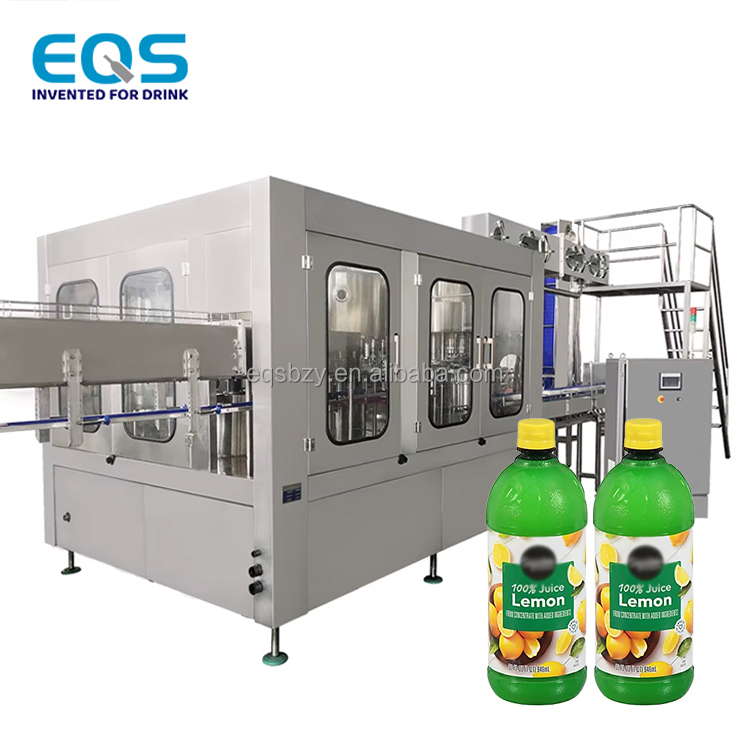
Turnkey 4-in-1 Fruit Pulp Juice Filling Line PET Bottle Beverage Bottling Machine Industrial Equipment
Explore System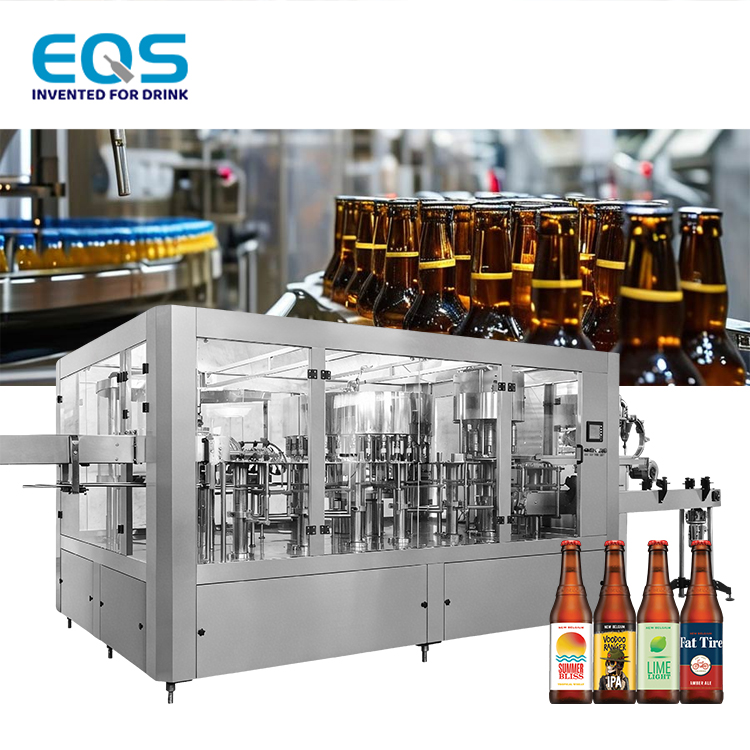
Automatic Rotary 3 in 1 Glass Bottle Beer Filling Machine Carbonated Drink Bottling Line for Craft Beer Plant
Explore System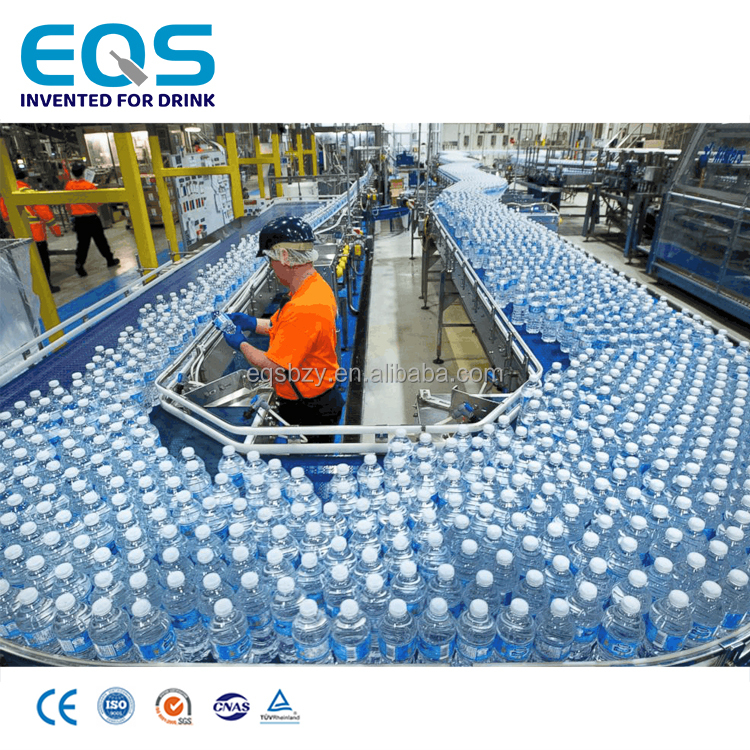
Industrial Pure & Mineral Water Treatment Filling Machine Complete Production Line Turnkey Project
Explore System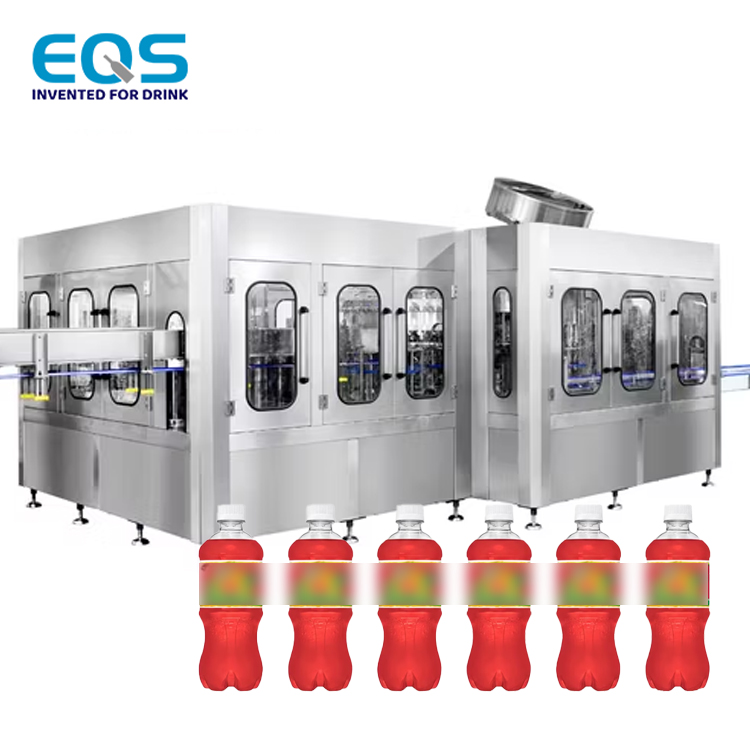
Complete Carbonated Soft Drink and Energy Drink Making Machine Filling Production Line
Explore System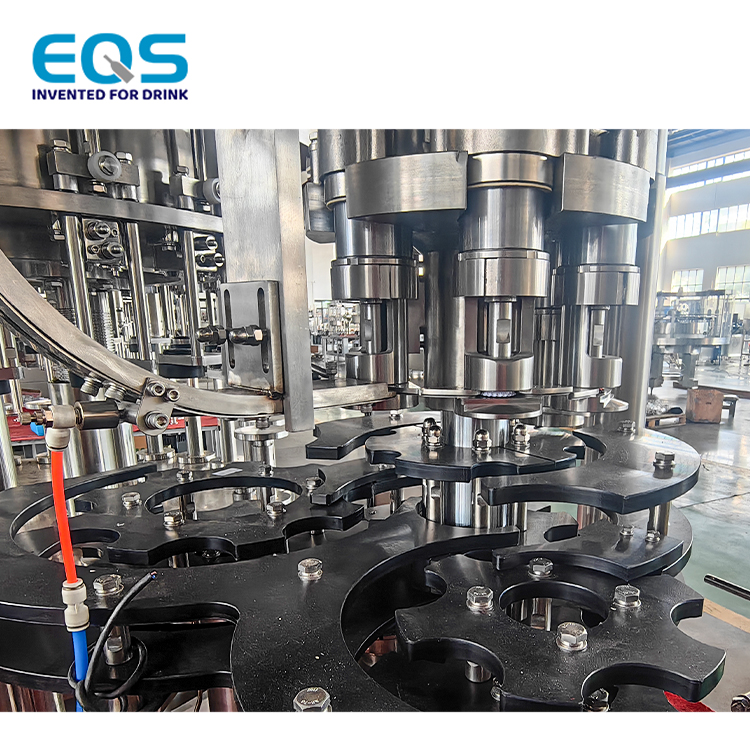
High-Speed 3-in-1 Beer Bottling Equipment Monoblock Washing Filling Capping Machine with Stable Running
Explore System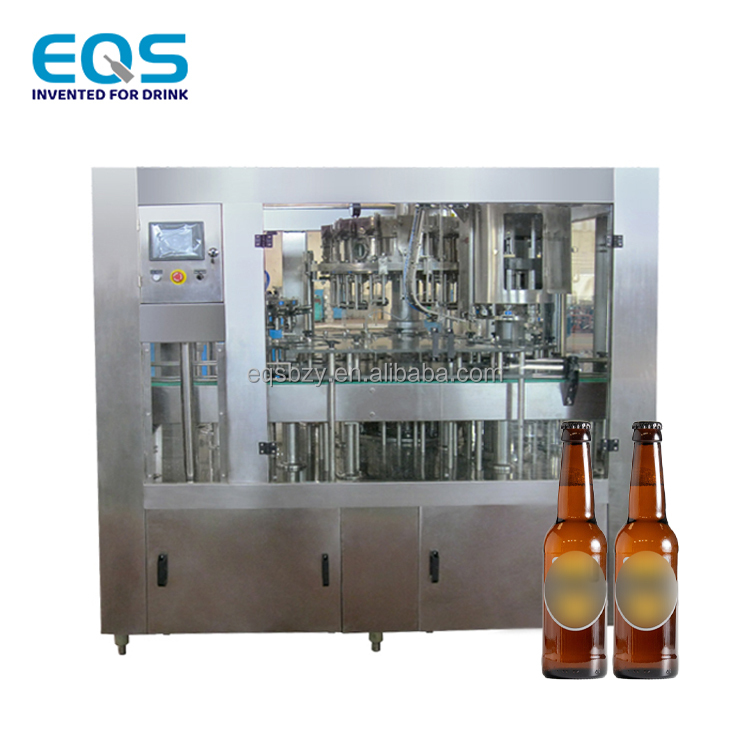
Complete PET Bottle Beer Bottling Plant 7000BPH Automatic Isobaric Filling Production Line
Explore System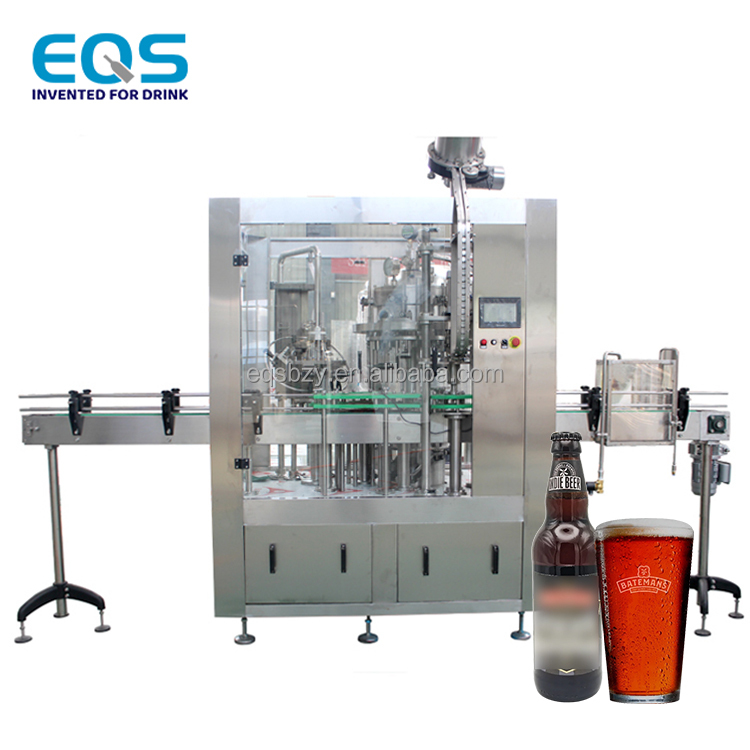
Automatic 24000BPH 2-in-1 Isobaric Beer Filling Monoblock Stable Running PET Glass Bottle Beer Bottling Line
Explore System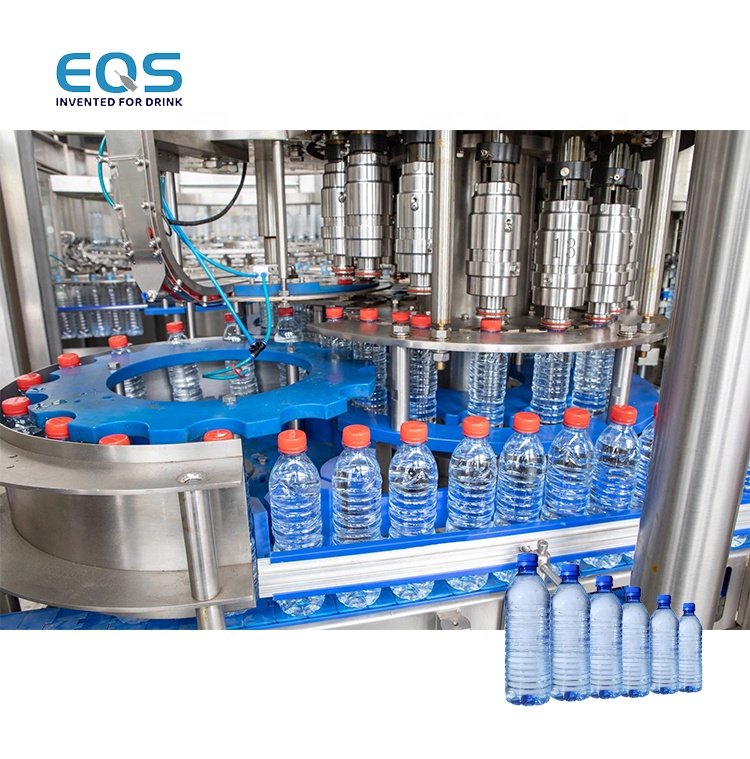
A to Z Complete Pet Bottling Production Line Automatic Mineral Pure 3 in 1 Water Filling Machine Manufacturer
Explore SystemThermodynamics & Kinetic Science in Modern Beverage Pasteurization
In modern industrial beverage manufacturing, heat treatment remains the gold standard for micro-biological stability, enzyme inactivation, and commercial shelf-life extension. As an established OEM/ODM beverage pasteurizer supplier, Zhangjiagang OGVU Machinery Co., Ltd. approaches pasteurization engineering not merely as heat application, but as a precise calculation of thermal degradation kinetics versus microbial lethality values (D-value and z-value metrics).
The core objective of liquid thermal processing is reaching target Pasteurization Units (PU) while mitigating organoleptic decay, thermal degradation of heat-sensitive vitamin C, polyphenols, and aromatic compounds. One Pasteurization Unit is defined as heating the liquid at 60 °C (140 °F) for 1 minute, calculated via the exponential kinetic formula:
PU = t × 10 [(T - 60) / z]
Where t represents exposure duration in minutes, T is the target temperature in Celsius, and z denotes the temperature increment required to achieve a ten-fold reduction in microbial decimal reduction time (typically z = 7 °C for beer brewing and z = 10 °C for acidic fruit juices).
Microbial Target Vectors & Process Parameters
Different liquid matrices require tailored thermal profiles to eradicate vegetative pathogens such as Escherichia coli, Salmonella enterica, Lactobacillus brevis, and spore-forming heat-resistant acidophiles like Alicyclobacillus acidoterrestris (TAB). Achieving commercial sterility without preservative additives mandates specialized pasteurization techniques matched precisely to pH, viscosity, solid pulp fractions, and carbonation levels.
OEM/ODM Pasteurizer Systems & Mechanical Classifications
From high-viscosity pulp juices to carbonated craft beers, explore custom-engineered heat exchanger skids tailored to your specific plant configuration.
Plate Pasteurizer (PHE HTST)
Tubular Pasteurizer (THE)
Continuous Spray Tunnel Pasteurizer
UHT Aseptic Tubular Sterilizer
Flash Pasteurizer with Deaerator
Custom Modular OEM Skid Design
Thermal Equipment Engineering Selection Guide
Selecting the optimal thermal processing architecture depends directly on physical liquid properties, particulate size, carbonation status, and packaging container type. Below is an engineering comparison matrix for technical procurement directors:
| Pasteurizer Type | Target Applications | Heat Recovery Rate | Particle Handling | CIP Cleaning |
|---|---|---|---|---|
| Plate Pasteurizer (PHE) | Clear Juice, Beer, Milk, Wine | 88% – 94% | < 0.5 mm (No fibers) | Fully Automated CIP |
| Tubular Pasteurizer (THE) | Pulp Juices, Sauce, Puree, Dairy | 75% – 85% | Up to 10 mm pulp/fibers | High-velocity CIP loop |
| Tunnel Pasteurizer | Filled Beer, CSD, Kombucha (Glass/Can) | 65% – 78% (Water loop) | N/A (Container level) | Spray Nozzle Sanitation |
| UHT Sterilizer | Aseptic Milk, Plant-Based Protein | 85% – 90% | Micro-homogenized | Sterile SIP / CIP |
Future Procurement & Sourcing Trends in Pasteurization (2025–2030)
Global beverage OEM buyers and factory engineering leads face shifting regulatory landscapes, rising energy costs, and growing consumer demands for clean label beverages.
Energy Regeneration & Decarbonization
Modern pasteurization procurement focuses heavily on Thermal Heat Regeneration (>90%). Regenerative plate loops use outgoing hot pasteurized liquid to pre-heat incoming cold raw product, cutting steam consumption and plant operational expenditure dramatically.
Industry 4.0 SCADA & Dynamic PU Control
Legacy fixed-temperature controllers are being replaced by adaptive PLC systems. OGVU pasteurizers feature automated temperature/flow adjustment that recalculates PU in real time, preventing product scorching during line slowdowns.
Hygienic Design & EHEDG Compliance
Global beverage exporters prioritize 3A and EHEDG-compliant sanitary engineering. This includes electropolished 316L liquid contact surfaces, zero-dead-leg valve manifolds, and automated CIP/SIP validation protocols.
Modular OEM Skid Deployment
Plant operators prefer pre-tested, skid-mounted pasteurization modules. Factory Acceptance Testing (FAT) allows quick plug-and-play installation, minimizing on-site commissioning time and operational risk.
Why Beverage Exporters & EPC Contractors Choose OGVU Machinery
Based in Zhangjiagang, Jiangsu — China’s premier packaging machinery manufacturing hub — Zhangjiagang OGVU Machinery Co., Ltd. brings over 11 years of international export expertise to beverage plant engineering. We provide integrated solutions from raw water reverse osmosis (RO) treatment to thermal pasteurization, filling monoblocks, and final packaging.
Our engineering division customizes every pasteurizer to meet exact thermal curves, facility layouts, and local electrical standards (220V–480V, 50/60Hz). By controlling the entire process — from 3D layout design and CFD fluid simulation to CNC machining and FAT trial testing — we eliminate integration bottlenecks common with multi-vendor lines.
Frequently Asked Questions (FAQ) for Technical Buyers
Detailed answers to common engineering, procurement, and maintenance questions regarding industrial pasteurization systems.
Optimize Your Beverage Thermal Processing Line
Connect directly with OGVU thermal engineering specialists. We provide complete flow schematics, thermodynamic calculations, dynamic layout proposals, and factory-direct OEM/ODM pricing for your bottling project.