High-Performance Beverage & Processing Machinery
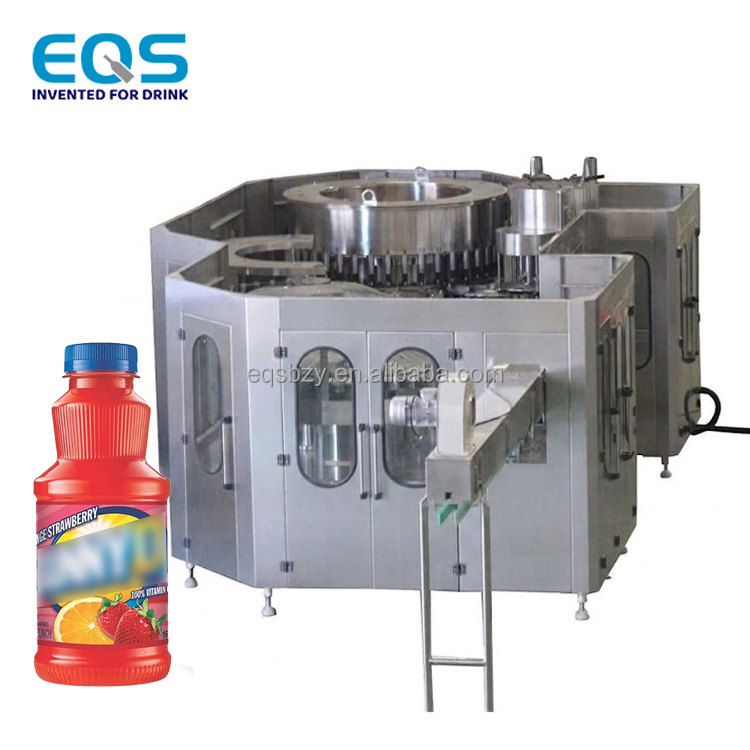
Complete 4-in-1 Fruit Pulp Juice Bottling Line Automatic PET Beverage Filling Machine Equipment
Explore Line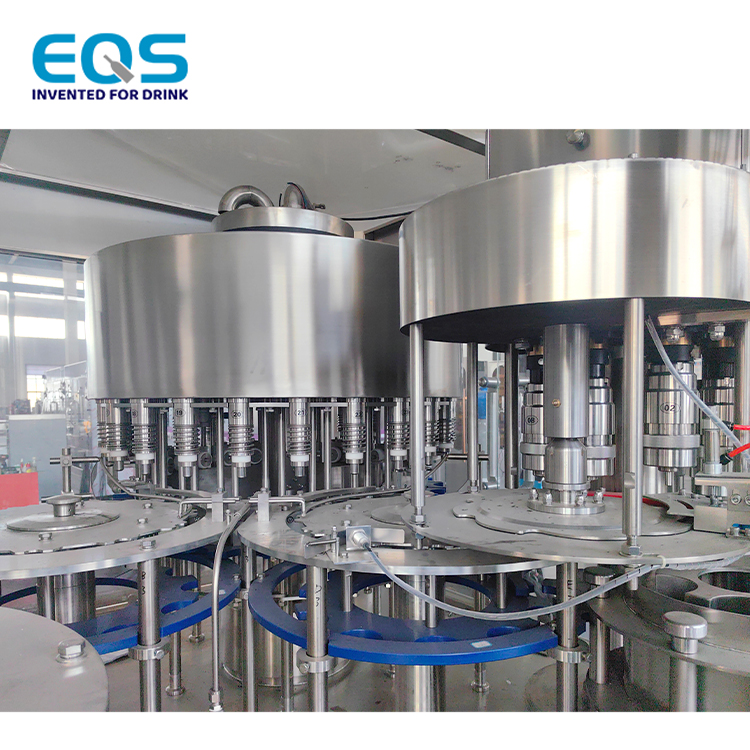
Industrial End-to-End Water Bottling Plant Integrated Production Line Solution for Glass PET Bottles
Explore Line
Fully Automatic 4-in-1 Fruit Juice Filling Machine With Pulp PET Bottle Hot Filling Beverage Bottling Line
Explore Line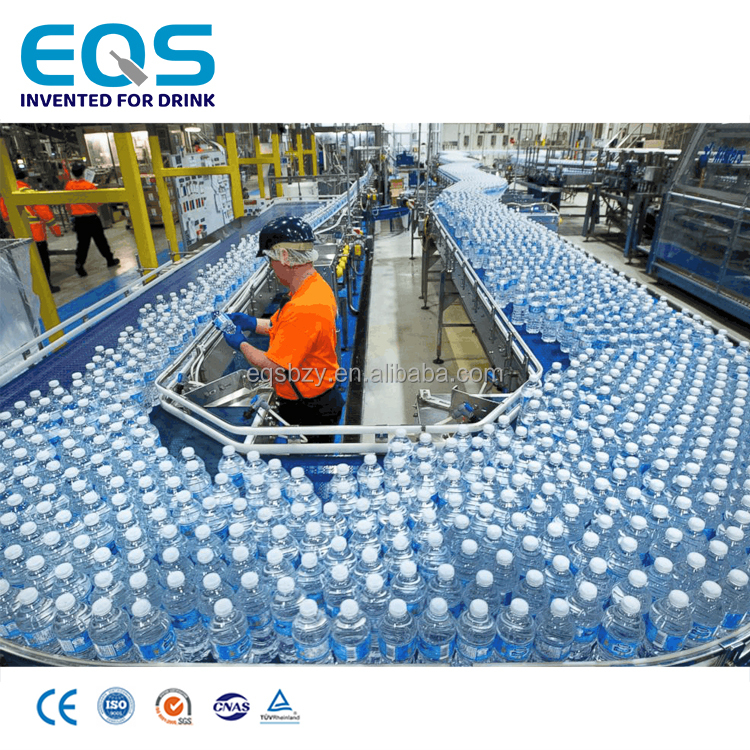
Industrial Pure & Mineral Water Treatment Filling Machine Complete Production Line Turnkey Project
Explore Line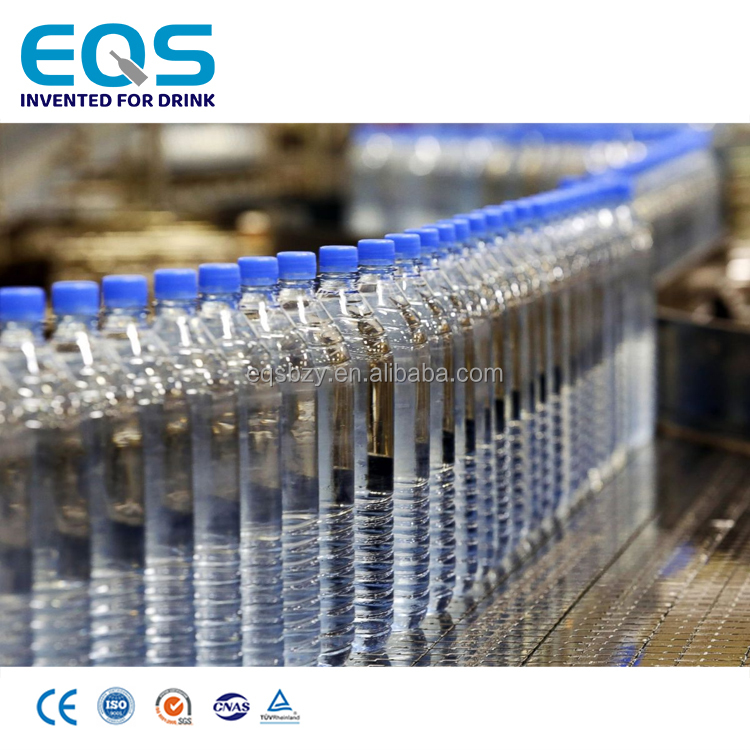
Fully Automatic Drinking Water Bottling Line for PET Bottle Filling Labeling Wrapping Packaging Solution
Explore Line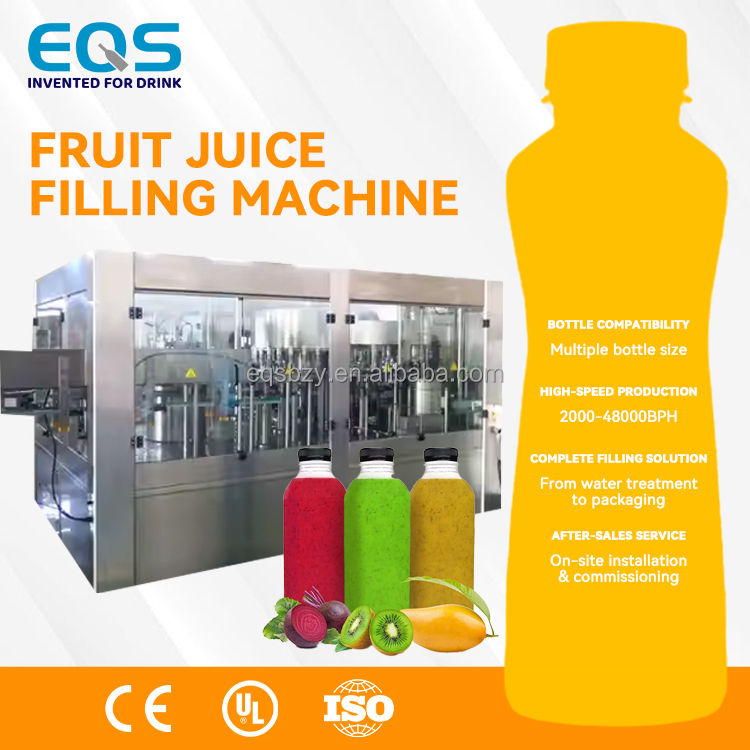
Complete 2000BPH Juice Canning Line Aluminium Can Juice Filling & Seaming Whole Line
Explore Line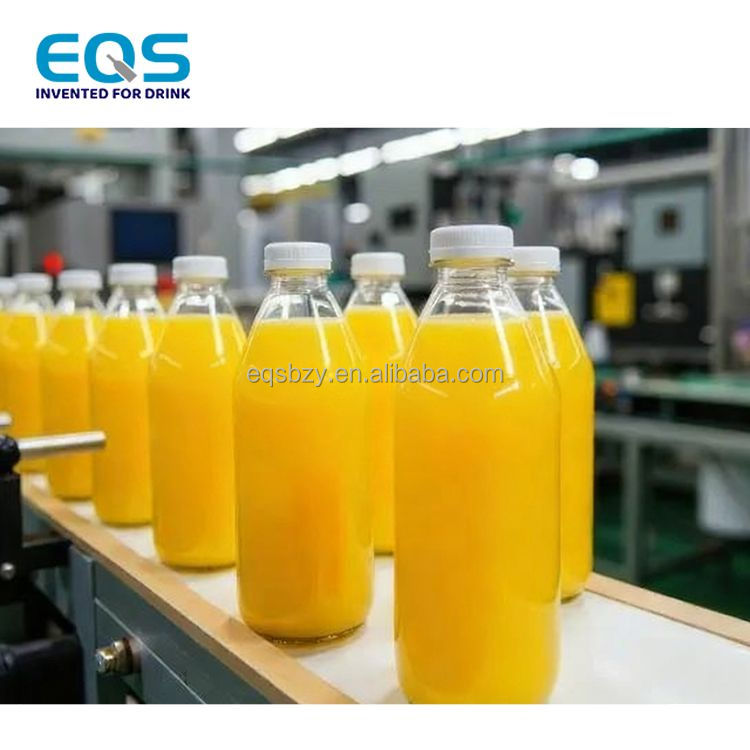
Industrial 4-in-1 Fruit Juice Filling Machine with Pulp PET Bottle Beverage Bottling Line Equipment
Explore Line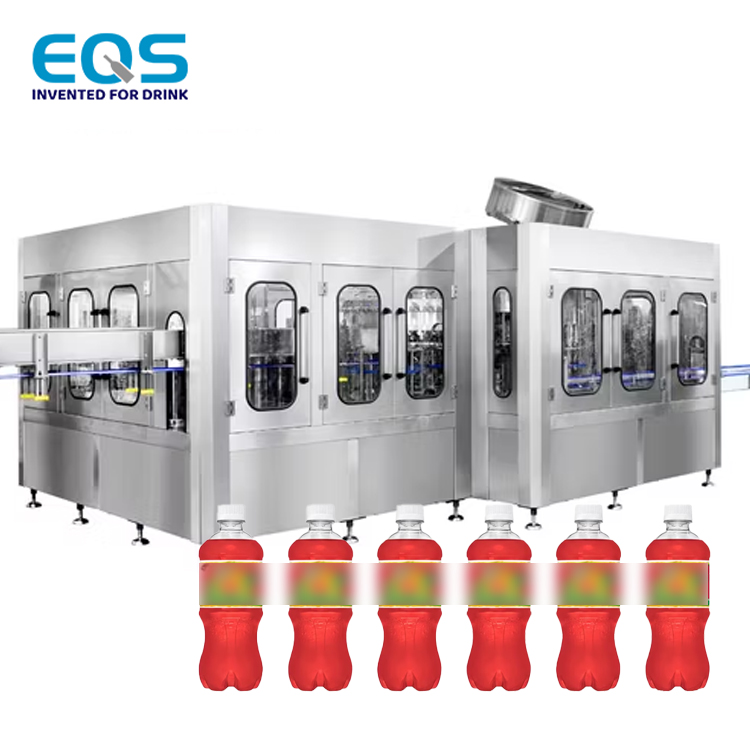
Complete Carbonated Soft Drink and Energy Drink Making Machine Filling Production Line
Explore LineIndustrial Sugar Dissolving Tanks: Engineering Mechanics & Process Architecture
In high-capacity beverage plants, soft drink syrup rooms, dairy manufacturing, and confectionery production, sugar dissolving (melting) represents the primary thermal and mechanical phase of raw ingredient preparation. Granulated crystal sucrose (C12H22O11), glucose powder, or liquid fructose must be transformed into a homogeneous, thermally stable liquid syrup measured at precise target concentrations (typically ranging from 60° to 67° Brix). A failure in shear velocity, thermal exchange distribution, or micro-filtration within the sugar dissolving tank introduces severe operational bottlenecks downstream—including caramelization, microbial contamination, pump cavitation, and premature fouling of pasteurizer heat exchangers.
As a premier OEM/ODM Sugar Dissolving Tank Manufacturer & Exporters, Zhangjiagang OGVU Machinery Co., Ltd. engineers sanitary stainless steel vessel architectures engineered specifically for high-rate mass transfer, rapid thermal dissolution, and zero-dead-leg hygienic integrity. Our sugar melting tanks incorporate specialized high-shear emulsification impellers, steam dimple jackets, double-wall polyurethane insulation, and integrated Clean-In-Place (CIP) spray balls compliant with 3-A, EHEDG, and ASME BPE sanitary directives.
Key Engineering Takeaway: High-shear mechanical agitation combined with jacketed steam induction reduces sugar dissolution cycle times by up to 65% while minimizing steam consumption per ton of 65° Brix simple syrup produced.
Thermodynamic & Hydrodynamic Fluid Mechanics in Sugar Melting
Sugar dissolution is an endothermic mass-transfer phenomenon. At room temperature, sucrose solubility in pure water is constrained by boundary layer resistance around solid crystals. To accelerate dissolution without inducing localized thermal degradation (browning or invert sugar formation), sugar dissolving tanks utilize a synchronized dual-action approach:
1. Thermal Input & Boundary-Layer Reduction: Steam or hot water circulating through a dimpled jacket elevates solvent water temperature to 75°C–85°C, expanding the liquid boundary layer and dramatically elevating sucrose saturation thresholds.
2. High-Shear Kinetic Dispersion: A bottom-entry or top-entry rotor-stator mixer creates intense hydraulic shear forces (shear rates exceeding 20,000 s⁻¹). This shatters crystalline agglomerates, maximizing solid-liquid contact surface area and completely eliminating un-dissolved crystal sediment at the tank bottom cone.
Hot Sugar Dissolving vs. Cold Sugar Dissolving vs. High-Shear Jet Melting
Selecting the optimal sugar melting process depends heavily on your facility’s available energy utility (steam vs. electricity), downstream processing requirements (carbonated beverage vs. hot-fill juice), and microbial risk tolerance. The technical matrix below compares three core industrial dissolving mechanisms designed by OGVU Machinery:
| Engineering Parameter | Jacketed Hot Dissolving System | Continuous Cold Jet Dissolver | High-Shear Hybrid Inline Melter |
|---|---|---|---|
| Operating Temperature | 80°C – 85°C | 20°C – 25°C | 60°C – 70°C (Energy Saver) |
| Target Brix Range | Up to 67° Brix | Up to 60° Brix | Up to 65° Brix |
| Mixing Mechanism | Anchor Agitator with PTFE Scrapers | Venturi Powder Ejector + Hydrofoil | High-Shear Rotor-Stator Homogenizer |
| Microbial Pasteurization | High (Thermal pasteurization effect) | Requires UV / Micro-filtration unit | Medium-High (Integrated flash thermal) |
| Energy Consumption | Higher (Thermal steam requirement) | Lowest (Electrical agitation only) | Optimized (-35% Steam saving) |
| Ideal Beverage Application | CSD, Hot-fill Juice, Flavored Tea | Bottled Water, Still Drinks, RTD Tea | Energy Drinks, Nectars, Sauces |
Recommended OEM/ODM Sugar Dissolving Tank Configurations
As a customized OEM/ODM solution provider, OGVU Machinery manufactures bespoke sugar dissolving equipment tailored to exact production capacities (from 500 Liters to 20,000 Liters batch volume). Below are our four core engineering configurations widely deployed across global bottling plants:
Batch High-Shear Dissolving Tank
Features a heavy-duty stainless steel 316L vessel with a high-shear emulsifying head fitted at the bottom dish head. Includes a steam dimple jacket, rock wool thermal insulation, and pneumatic manway for bulk bag sugar loading.
Fully Automated Continuous Syrup Skid
Integrates dry sugar screw feeders, inline venturi water-sugar mixers, dynamic heat exchangers, double-stage duplex filters, and continuous online refractometers (Brix sensors) managed by a Siemens S7-1500 PLC touch panel.
Aseptic Sanitary Syrup Processing Unit
Engineered for ultra-clean and aseptic beverage lines. Equipped with sterile air vents, mechanical seal flushing units, aseptic sampling valves, and automated SIP (Sterilize-In-Place) steam barrier modules rated up to 3.0 bar.
Future Procurement Trends in Industrial Sugar Dissolving Equipment
Global beverage manufacturers and B2B industrial procurement directors face increasing pressure regarding energy consumption, carbon reduction targets, and labor cost optimization. As market demands evolve, procurement patterns for sugar dissolving systems are shifting toward key technological milestones:
1. Shift Toward Energy-Recovery Skids & Cold Dissolving Systems
Traditional hot sugar dissolving consumes significant steam resources to heat water up to 85°C and subsequently requires cold glycol water to chill syrup back down to 20°C for carbonated soft drink (CSD) bottling. Modern plant procurement prioritizes sugar tanks fitted with plate heat exchange thermal recovery loops or cold high-shear dissolution technology, cutting total plant thermal energy demand by 30% to 45%.
2. Mandatory Integration of Industry 4.0 & Online Refractometry
Manual refractometer sampling using hand-held optical tools introduces human error and batch inconsistency. Procurement specifications now mandate inline optical Brix sensors installed directly at the discharge pipe of sugar melting tanks. Real-time feedback loops automatically regulate water dosing control valves, ensuring syrup density remains within an exact ±0.1° Brix tolerance.
3. Modular Skid Packaging & Fast-Track Plug-and-Play Installation
Civil engineering downtime during plant installation represents substantial revenue loss. Overseas buyers increasingly procure fully assembled, pre-wired, and factory-tested skid units. OGVU Machinery's OEM sugar dissolving skids are mounted on rigid stainless steel frames, incorporating pumps, piping, electrical control cabinets, and valves ready for immediate utility connection upon arrival.
Future Technology & Engineering Development Trends
The technological advancement of sugar dissolving tanks is closely aligned with hygienic design enhancements, material science progress, and automated CIP efficiency:
Hyper-Efficient Rotor-Stator Hydrodynamics
Advanced Computational Fluid Dynamics (CFD) modeling allows engineers to optimize impeller blade pitch and stator tooth gaps. Next-generation dissolving tanks utilize multi-stage rotor-stator heads that generate micro-cavitation zones, tearing sugar crystals apart mechanically within milliseconds and eliminating dark sugar specks without thermal degradation.
Advanced Sanitary Metallurgy & Surface Finishing
To resist corrosion from acidic syrup formulations (containing citric acid or phosphoric acid additions), sugar tanks are advancing from standard AISI 304 stainless steel to low-carbon AISI 316L with electropolished internal surface finishes (Ra ≤ 0.4 μm). Electropolishing minimizes biofilm adhesion, prevents sugar crust build-up on vessel walls, and drastically cuts CIP chemical detergent consumption.
Automated CIP/SIP Cleanability & Zero-Dead-Leg Architecture
Hygienic standard bodies such as EHEDG continuously refine cleanability rules. Modern sugar melting vessels eliminate threaded connections inside the tank, utilizing orbital-welded sanitary flanges, flush-mounted diaphragm valves, and 360° dual-rotary CIP spray nozzles to eliminate bacterial harbor points (such as Alicyclobacillus or yeast strains).
Zhangjiagang OGVU Machinery Co., Ltd.
Located in Zhangjiagang City, Jiangsu Province—China's world-renowned manufacturing cluster for beverage packaging and liquid processing equipment—OGVU Machinery brings over 11 years of international export expertise, engineering excellence, and comprehensive turnkey solution delivery.
We provide full-spectrum OEM and ODM customization services for single equipment items like sugar dissolving tanks as well as complete end-to-end beverage production lines. By balancing processing capacity across water treatment, sugar syrup preparation, filling, capping, and end-of-line packaging, we eliminate production line bottlenecks and maximize plant ROI.
- Intertek On-Site Verified: Factory premises and production capabilities independently inspected on-site by Intertek.
- CE Compliant Equipment: Core machinery built in accordance with European CE safety and electrical standards.
- Multilingual Engineering Team: On-site technical support, installation, and operator training delivered in English, Spanish, Russian, and Chinese.
- Rigorous Quality Control: Strict raw material inspection, pressure testing, and finished product trial runs before shipment.
Frequently Asked Questions (FAQ)
Request a Customized Sugar Dissolving Skid Proposal
Consult with our senior processing engineers to calculate thermal requirements, mixing dynamics, and line integration for your beverage plant.