1. Technological Development Trends in Liquid Bottling Machinery
The global liquid packaging machinery landscape is undergoing a structural paradigm shift driven by automation, material light-weighting, and strict microbiological standards. Modern beverage manufacturers no longer evaluate filling equipment strictly on gross speed (Bottles Per Hour); instead, operational precision, energy efficiency per hectoliter, and hygienic design dominate capital expenditure criteria.
Key technological advancements reshaping the liquid packaging machinery sector include:
- Combi-Block Technology (Blowing-Filling-Capping Integration): Traditional bottling operations utilized standalone stretch blow molders connected to fillers via extensive air conveyor systems. Modern plant designs adopt integrated combi-blocks, eliminating intermediate bottle storage, air conveyors, and manual container handling. This reduces overall cleanroom footprint by up to 30% while eliminating contamination risks associated with open bottle transportation.
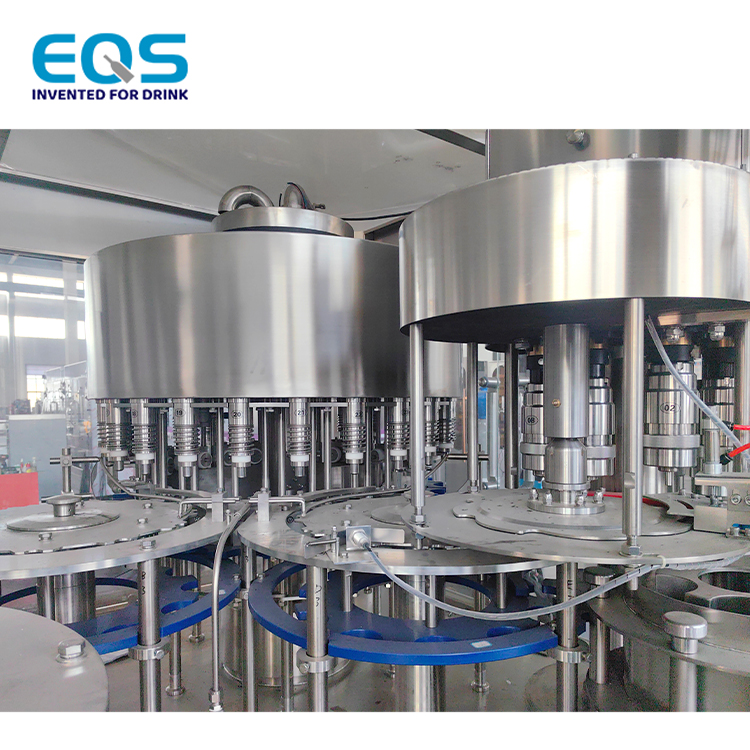
- Electronic Flowmeter & Mass Flow Filling Valves: Mechanical spring-loaded gravity and isobaric valves are rapidly being superseded by electromagnetic flowmeter valves (for conductive liquids like mineral water and juice) and Coriolis mass flowmeters (for non-conductive oils). Flowmeter fillers achieve non-contact filling, preventing liquid splash and reducing maintenance overhead by eliminating moving rubber seals within the filling path.
- Aseptic & Ultra-Clean Cold Filling: To meet consumer demand for preservative-free, clean-label beverages (natural juices, coconut water, plant-based milk), aseptic filling technology operates under Class 100 sterile isolation chambers. Containers and closures are sterilized using vaporized hydrogen peroxide (VHP) or peracetic acid (PAA), allowing ambient distribution with extended shelf life without thermal degradation.
- Energy Recovery & Sustainable Utilities: High-pressure compressed air (30–40 bar) utilized during PET preform blowing represents a major utility expense. Modern blowing units feature multi-stage air recovery systems that recycle up to 45% of high-pressure exhaust air back into low-pressure control lines or pre-blowing stages, directly lowering kilowatt-hour consumption per thousand bottles.
2. Strategic B2B Sourcing & Procurement Trends for Global Buyers
Procuring liquid filling equipment involves managing significant technical risk, capital investment, and long-term operational costs. Global importers, beverage brand owners, and EPC contractors are adopting sophisticated evaluation frameworks when sourcing bottling lines from OEM/ODM suppliers in China.
Emerging procurement methodologies focus heavily on four fundamental pillars:
- Total Cost of Ownership (TCO) vs. Initial Purchase Price: Procurement directorships are shifting focus from initial equipment acquisition cost to multi-year TCO. Analysis includes power consumption metrics, compressed air efficiency, consumption rates of CIP wash solutions, spare parts availability, and wear-and-tear component service intervals.
- Modular Multi-Format Container Versatility: Market trends favor rapidly changing SKU designs (e.g., transitioning from standard 500ml PET bottles to sleek glass bottles or 330ml aluminum cans). Sourcing specs require monoblock machines equipped with tool-less format changeover parts, servo-driven capping turrets, and universal pitch handling systems.
- Supply Chain Transparency & Factory Acceptance Testing (FAT): Enterprise buyers enforce strict FAT protocols prior to dispatch. Systems must undergo real-condition trial runs at full rated BPH speed utilizing customer-supplied preforms, liquid samples, and closures. Live high-definition video inspections and third-party inspection certificates (Intertek, SGS, TÜV) have become mandatory milestone deliverables.
- Remote Tele-Service & IoT Diagnostics: Industrial IoT integration allows OEMs to perform remote PLC firmware updates, monitor real-time operating parameters (torque, temperature, valve response times), and diagnose sensor anomalies via secure VPN gateways, mitigating down-time risks in overseas facilities.
3. Engineering Comparison: Liquid Filling Technologies Matrix
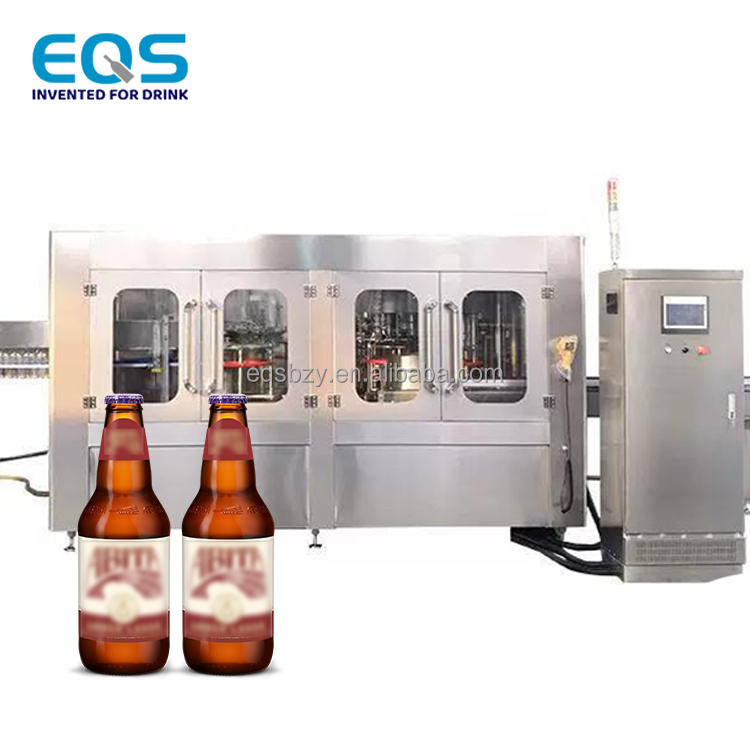
Selecting the appropriate filling principle is critical to preventing liquid foaming, oxygenation, oxidation, or thermal degradation. The engineering matrix below details operational specifications across common filling technologies:
| Filling Principle |
Target Liquid Applications |
Standard Container Compatibility |
Dosing / Metering Type |
Sanitary Level & Sterilization |
| Gravity / Micro-Pressure |
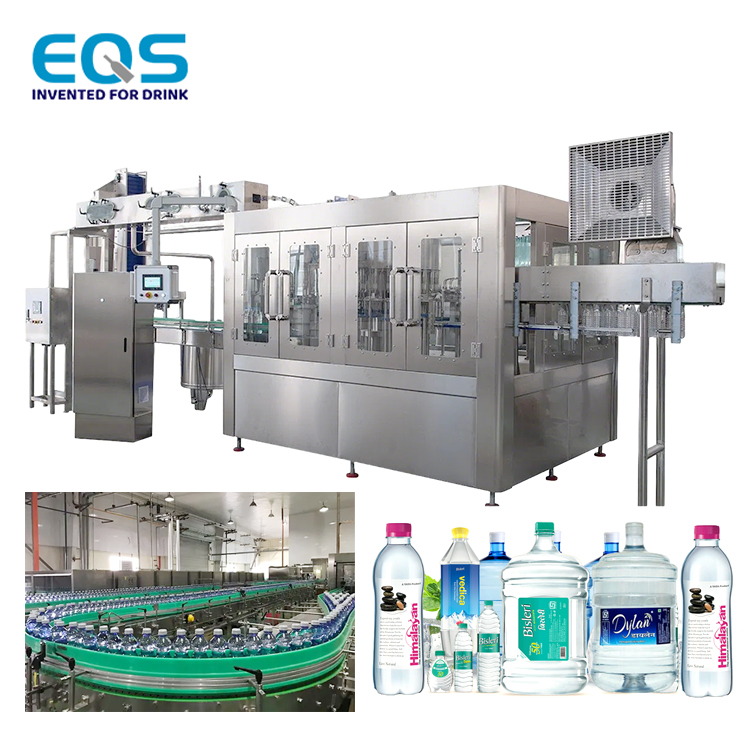
Still Water, Purified Mineral Water, Clear Spirits |
PET Bottles, Glass Bottles (0.2L - 2.5L) |
Liquid Level / Vent Tube Valve |
Cleanroom Class 10,000 / CIP Automatic Loop |
| Isobaric (Counter-Pressure) |
Carbonated Soft Drinks (CSD), Beer, Sparkling Water |
Glass Bottles, Aluminum Cans, PET |
Mechanical Level / Flowmeter |
CO2 Pre-evacuation / Closed Loop CIP Skid |
| Thermal Hot Filling (85-92°C) |
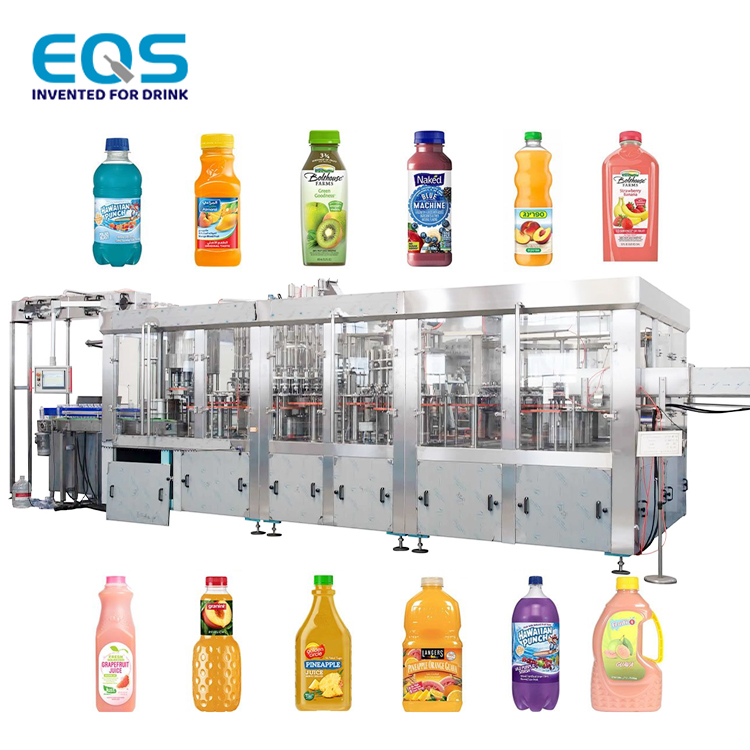
Fruit Juices, Iced Teas, Energy Drinks, Isotonic |
Heat-Resistant PET, Glass Bottles |
Recirculation Level Valve |
Thermal Pasteurization / Cap Inversion Sterilization |
| Aseptic Cold Filling |
Preservative-Free Juices, Dairy, Plant-Based Milk |
Standard Lightweight PET, Cartons |
Non-Contact Flowmeter / Weighing |
Class 100 Isolator / Dry & Wet VHP Sterilization |
| Piston / Volumetric Dosing |
Viscous Sauces, Edible Oils, Honey, Syrups |
Wide-Mouth Jars, HDPE Drums, PET |
Servo Piston / Mass Flowmeter |
Drip-Free Nozzles / Clean-In-Place (CIP) Ready |