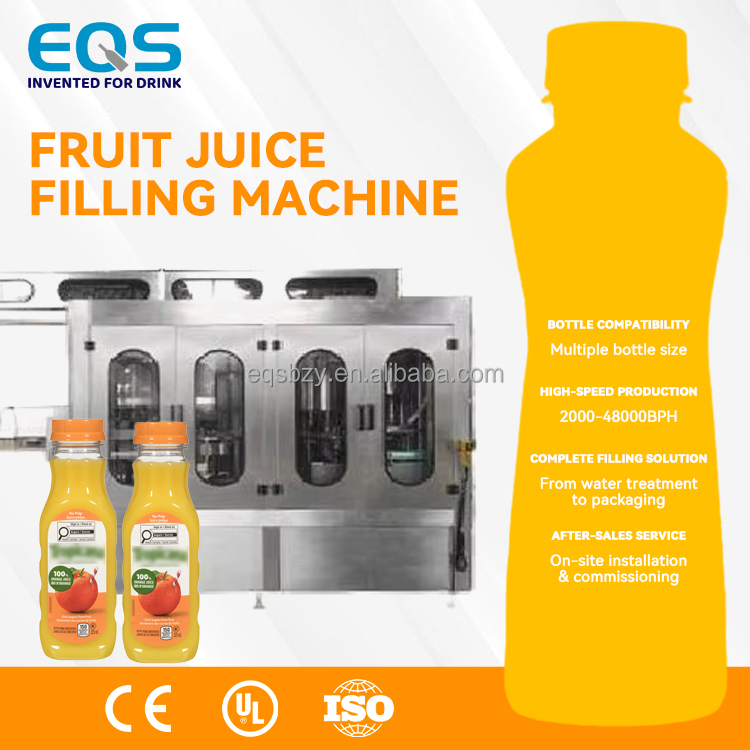
 Hot Filling
Fully Automatic 4-in-1 Fruit Juice Filling Machine With Pulp PET Bottle Hot Filling Beverage Bottling Line
- Application: Fruit Juice with Pulp
- Technology: 4-in-1 Hot Filling
- Container: PET Heat-Resistant
Engineered for high-efficiency liquid processing, ISO/CE compliance, and optimal total cost of ownership across PET, glass, and aluminum packaging formats.
Hot Filling
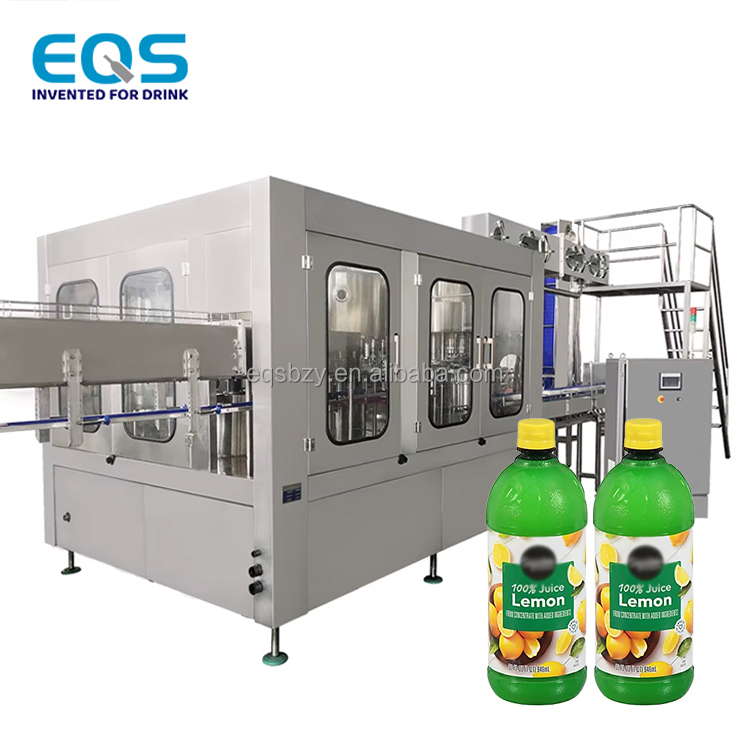 Turnkey Solution
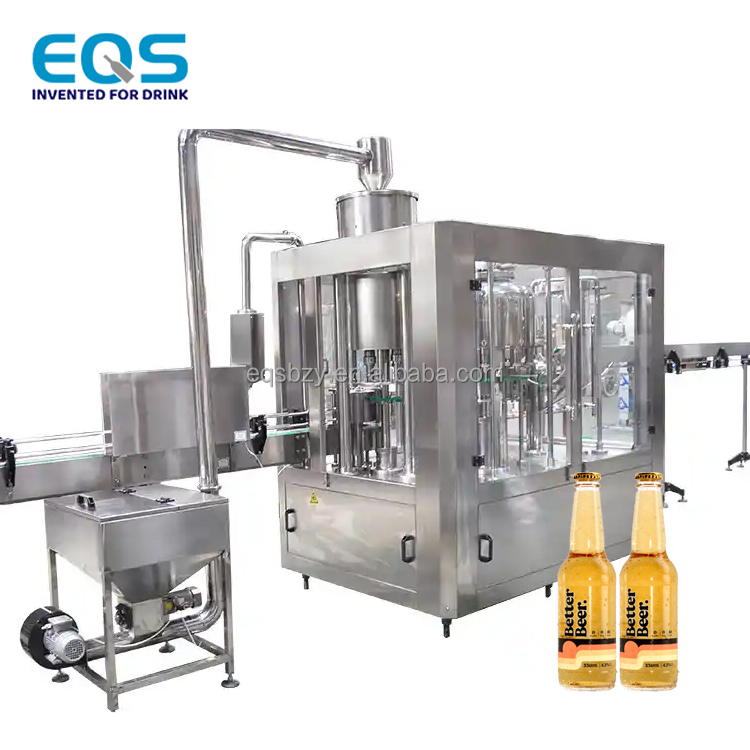 Isobaric Filling
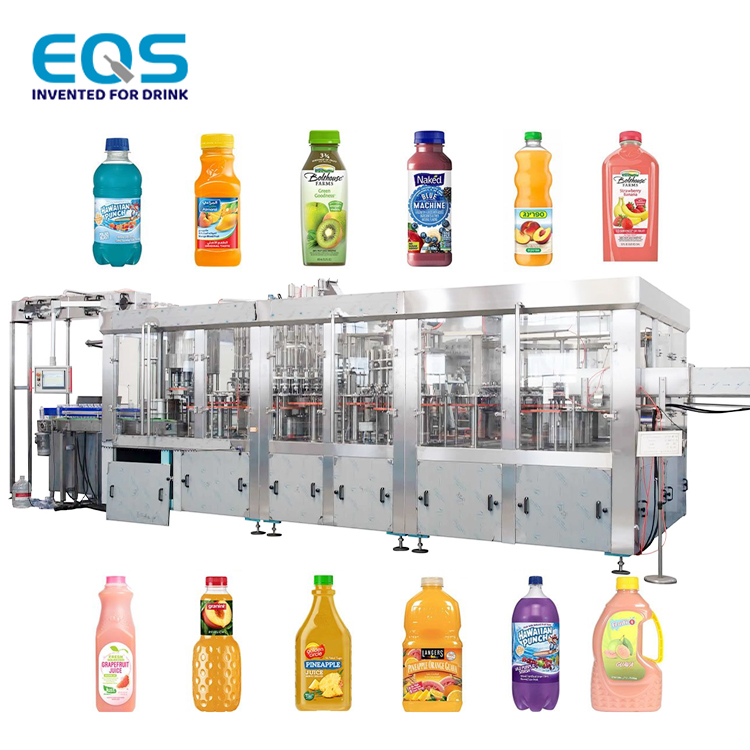 Industrial Grade
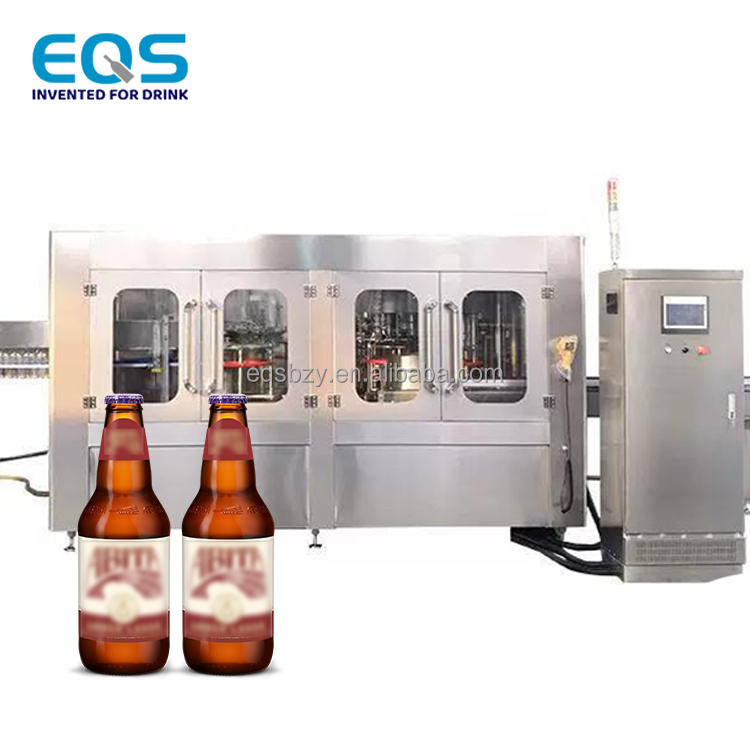 8000 BPH Glass
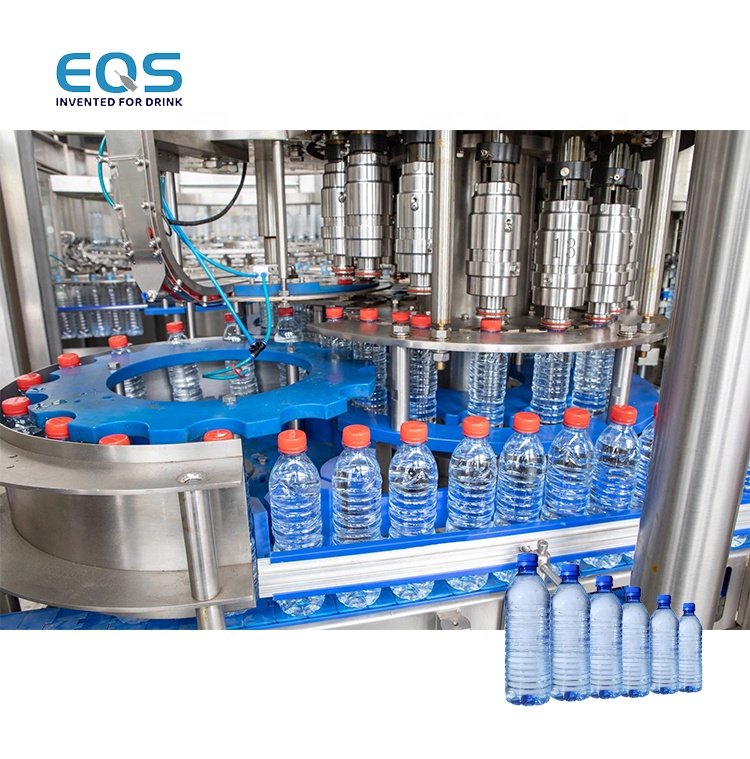 A-to-Z Line
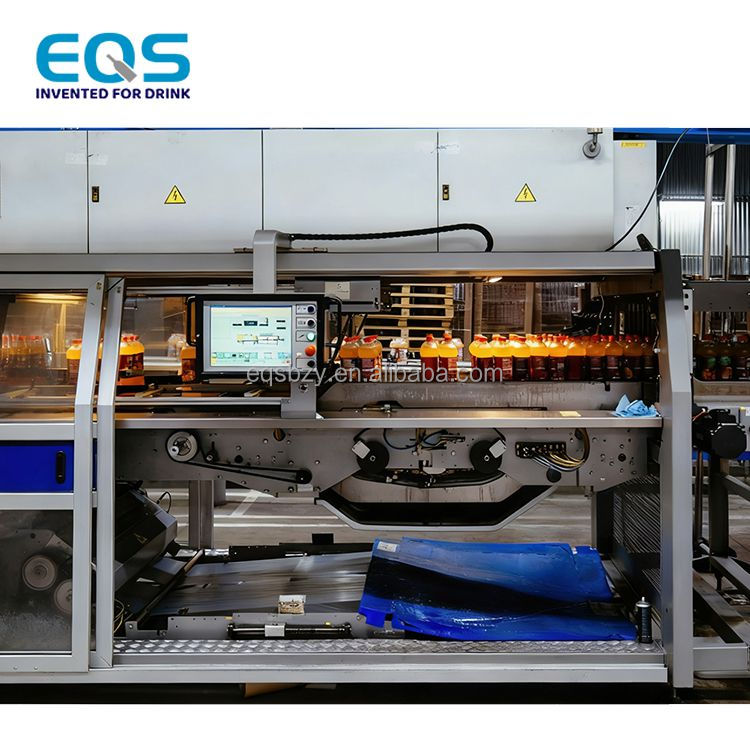 Full Processing
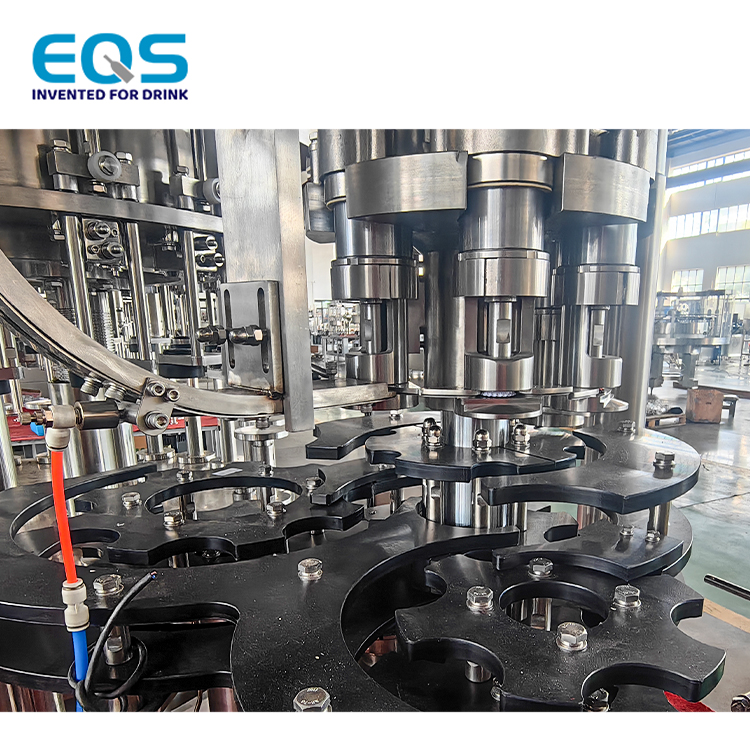 High-Speed Monoblock
The global beverage packaging and processing equipment industry is undergoing a structural transition toward ultra-high speed, modular combi-block integration, and sterile aseptic preservation. Selecting an OEM supplier or engineering partner requires navigating complex technical parameters: valve filling precision, Dissolved Oxygen (DO) control, CIP/SIP micro-sterilization validation, and long-term Operational Equipment Effectiveness (OEE).
Below is an empirical comparison matrix evaluating the top 10 global beverage processing equipment suppliers and export manufacturers based on technological depth, market footprint, custom engineering flexibility, and Total Cost of Ownership (TCO).
| Rank | Supplier Name | Headquarters | Core Technological Specialty | Filling Technologies | TCO & Customization Flexibility |
|---|---|---|---|---|---|
| 01 | Krones AG | Germany | High-speed turnkey plants, digital process engineering | Aseptic, Isobaric, Gravity, Combi-Block | Premium Capital Investment / Low Flexibility |
| 02 | Tetra Pak | Sweden / Switzerland | Aseptic carton processing, liquid food homogenization | Aseptic Brick Carton, Direct Injection UHT | Proprietary Consumables Ecosystem |
| 03 | Sidel (Tetra Laval) | France | PET blow-fill-cap combi-blocks, aseptic blowing | Dry Aseptic PET, Hot-Filling, CSD | High CAPEX / Precision Engineering |
| 04 | KHS Group | Germany | Glass & aluminum can filling, barrel kegging systems | Isobaric Counter-Pressure, Can Seaming | High CAPEX / Heavy Industrial Reliability |
| 05 | GEA Group | Germany | Upstream liquid extraction, UHT pasteurization, homogenizers | Aseptic Blow-Fill, Hygienic Valve Systems | Process Engineering Focused / Moderate Flexibility |
| 06 | OGVU Machinery | China (Zhangjiagang) | Turnkey Water, CSD, Beer & Hot-Fill Monoblocks, A-Z Lines | Isobaric, Hot-Fill, Gravity, Aseptic PET/Carton | Optimal TCO Balance / High Customization (Intertek Verified) |
| 07 | CFT Group | Italy | Fruit extraction, processing, vacuum evaporation | Counter-Pressure, Weight Fillers, Hot Fill | Specialized Niche / High Italian Crafts |
| 08 | Sacmi Group | Italy | Compression molding, continuous aseptic bottling lines | Bag-in-Box, High-Speed PET Fillers | Enterprise Grade / Specialized Bottling |
| 09 | Bucher Unipektin | Switzerland | Juice de-pectinization, filtration, fruit pressing | Upstream Processing & Filtration Systems | High Specialized Processing CAPEX |
| 10 | JBT Corporation | United States | In-container sterilization, high-pressure processing (HPP) | Viscous Filler, Aseptic Fillers, HPP Units | Enterprise North American Standard |
Information Gain Insight for Beverage Plant Procurement Directors: European legacy suppliers (Krones, Sidel, KHS) excel in ultra-high-speed operations (>36,000 BPH) but carry immense initial capital expenditure (CAPEX) and rigid line architectures. Middle-tier global plant operators seeking high OEE (≥95%), fast payback periods (12–18 months), and rapid changeover capabilities are increasingly partnering with verified export manufacturers like Zhangjiagang OGVU Machinery Co., Ltd., which deliver European-standard component integration (Siemens, Festo, SEW, Schneider) at optimized factory-direct valuations.
Carbonated Soft Drinks (CSD) and beer require precise pressure balance during filling to prevent CO₂ flash-off and maintain target volumes of dissolved gas (typically 3.0 to 4.5 volumes for CSD, and 2.2 to 2.8 volumes for beer). The isobaric filling cycle operates through four distinct mechanical steps:
Fruit juices, pulp-infused beverages, and ready-to-drink (RTD) teas lacking synthetic preservatives rely on hot filling at elevated temperatures (85°C to 92°C). Thermal hot-filling monoblocks incorporate pneumatic three-way recirculation valves. When bottle flow slows or halts, product recirculates back to the UHT tubular sterilizer, ensuring filling temperature never drops below the micro-bicidal threshold (85°C).
Post-filling, bottles pass through a 180-degree bottle tilting mechanism to sterilize the interior surface of the cap using residual product heat (held for 15 to 30 seconds), followed immediately by a multi-stage cooling tunnel to preserve thermal-sensitive flavor profiles and prevent PET panel collapse.
Procurement directors must look beyond present capacity needs and align capital investments with emergent industrial trends shaping the beverage packaging sector over the next decade:
Eliminating air conveyors reduces factory footprint by 30%, slashes power usage, and eliminates bottle contamination risks between stretch blow molding and filling monoblocks.
Real-time vibration sensors on main rotary bearings, valve cycle counts, and thermal telemetry feed directly into Siemens PLC analytics to predict seal failures before downtime strikes.
Transitioning from traditional wet H2O2 / peracetic acid bottle rinsing to vaporized hydrogen peroxide (VHP) dry bottle and cap sterilization cuts wastewater production by over 85%.
Located in the heart of China’s premium beverage machinery cluster in Zhangjiagang, Jiangsu, Zhangjiagang OGVU Machinery Co., Ltd. has established an international benchmark in turnkey bottling engineering. With over 11 years of audited export history, OGVU integrates complete plant line design, precision component fabrication, factory acceptance testing (FAT), and international field commissioning.
In-depth technical responses covering machine selection, CIP validation, pressure dynamics, and international commissioning support.
Carbonated Soft Drinks (CSD) require Isobaric Counter-Pressure Filling. The bottle is pressurized with CO₂ gas to match the pressure inside the filler bowl before product injection, preventing gas breakout and foaming. Hot-fill fruit juices require Gravity or Vacuum-Assisted Thermal Filling at temperatures between 85°C and 92°C, coupled with a continuous product recirculation loop to maintain internal thermal equilibrium and eliminate bacterial spores.
Excess oxygen damages beer taste and severely shortens shelf life. OGVU beer filling monoblocks utilize a double pre-evacuation vacuum system. Before filling, a vacuum pump pulls negative pressure inside the glass or PET bottle twice, flushing with high-purity CO₂ gas in between. This dual cycle reduces headspace air presence, bringing total Dissolved Oxygen (DO) pick-up down to < 30–50 ppb (parts per billion).
Yes. OGVU monoblocks feature neck-handling technology for PET bottles, allowing containers with the same neck finish (e.g., PCO 1881 or 28mm) to change volume from 250ml to 2.0L without adjusting filling valve heights. For variations in bottle body diameter or glass bottle neck styles, quick-change format parts (infeed screws, starwheels, guide rails, and capper chucks) can be swapped in less than 30 minutes.
All sanitary beverage lines must feature automated CIP/SIP loops. OGVU filling valves are equipped with automated CIP dummy cups. The standard 3-stage CIP process includes: 1) Ambient water pre-rinse, 2) Hot caustic soda (NaOH, 1.5–2.0% concentration at 80°C) circulation for organic residue removal, and 3) Hot acid (HNO3, 0.5–1.0% concentration at 65°C) neutralisation, finished with a final sterile water flush. Valves are manufactured from electro-polished SUS316L stainless steel with PTFE/EPDM food-grade seals.
OGVU provides complete factory deployment support. Our senior mechanical and electrical field engineers travel directly to your facility overseas to oversee positioning, piping, wiring, dry testing, and live product commissioning. Our engineering teams communicate fluently in English, Spanish, Russian, and Chinese, conducting hands-on training for your local operators covering routine maintenance, PLC troubleshooting, and changeover protocols.
Request a customized engineering layout drawing, energy audit, and full machinery quotation configured specifically for your target output and container specs.