Featured Turnkey Bottling Equipment & Production Lines
Direct OEM/ODM Solutions for Pure Water, Mineral Water, Isobaric Beverages, and Canning Systems
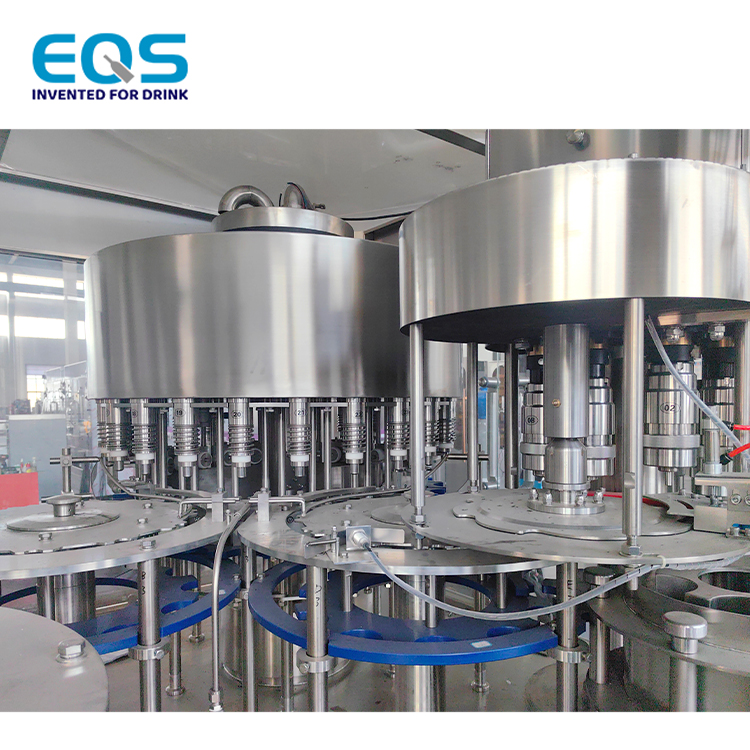
Industrial End-to-End Water Bottling Plant Integrated Production Line Solution for Glass PET Bottles
View Line Specs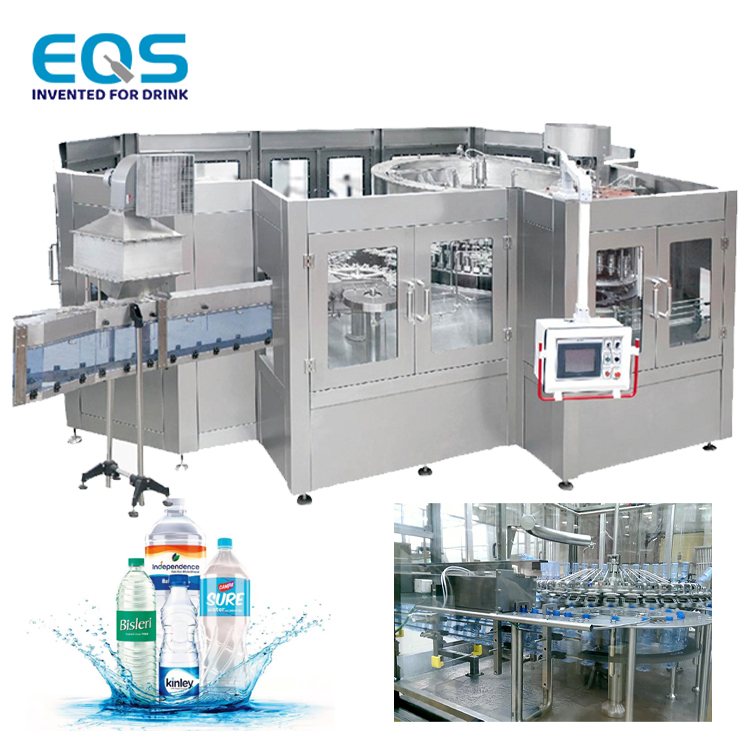
Professional Pure and Mineral Water Filling Line for PET Glass Bottle Complete Production Plant
View Line Specs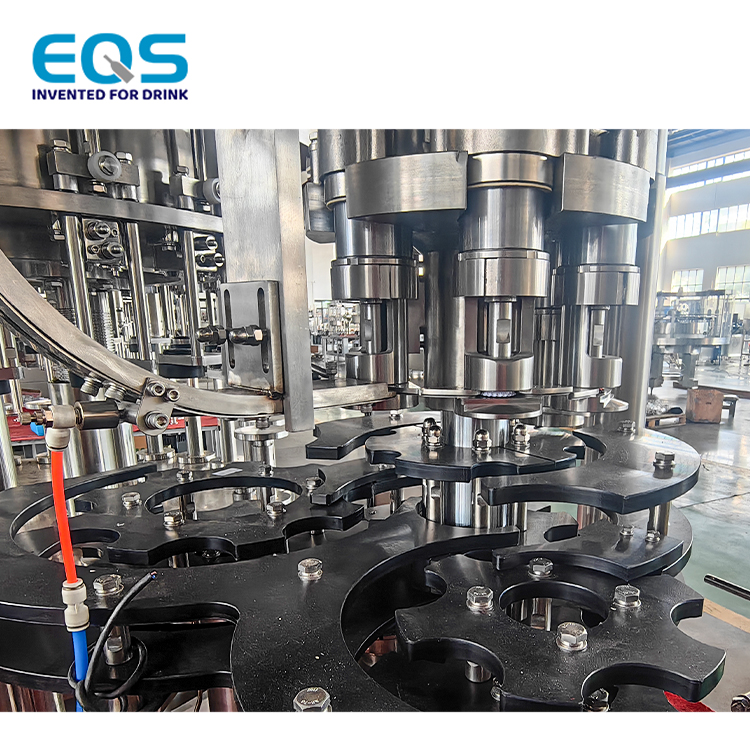
High-Speed 3-in-1 Beer Bottling Equipment Monoblock Washing Filling Capping Machine
View Line Specs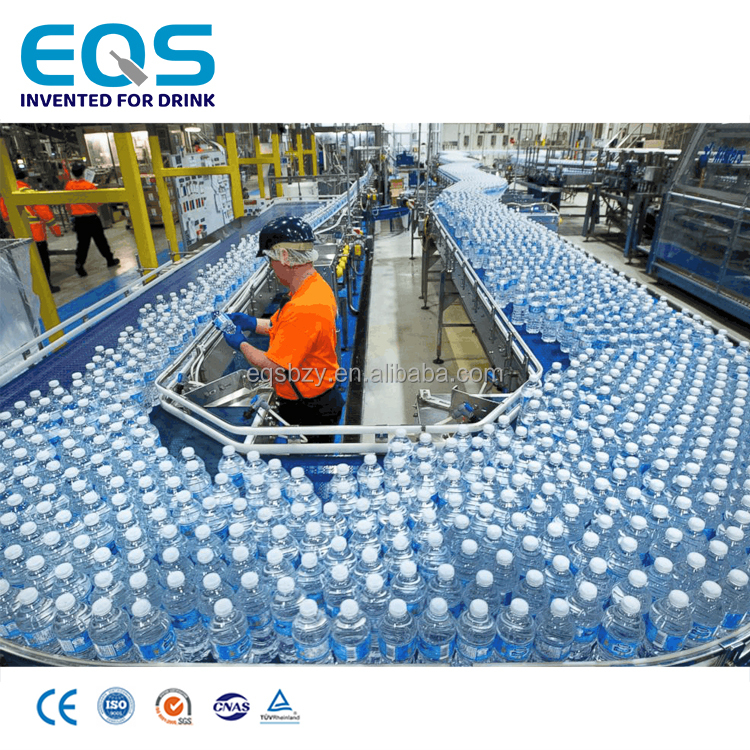
Industrial Pure & Mineral Water Treatment Filling Machine Complete Production Line Turnkey Project
View Line Specs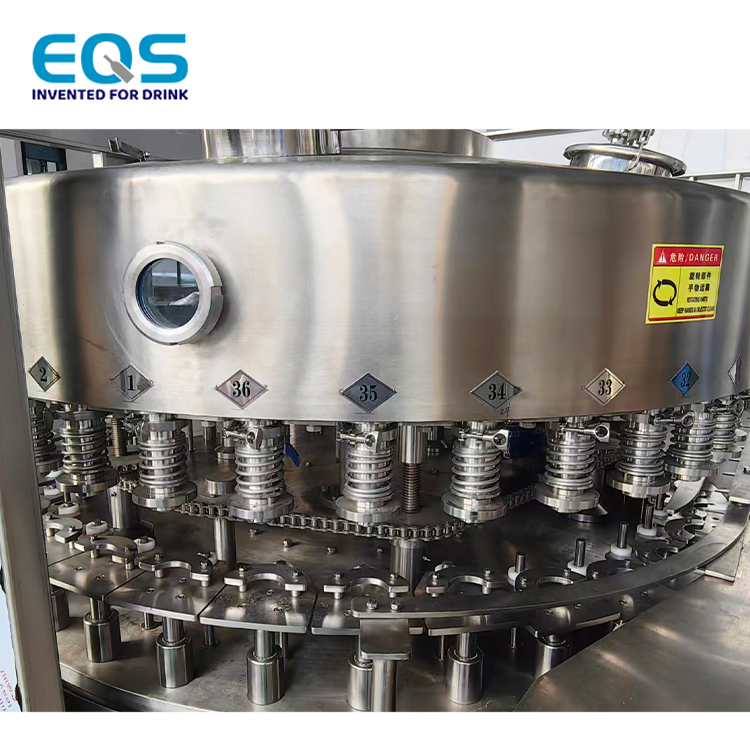
Industria 4-in-1 Pulp Fruit Juice Filling Machine for PET Bottle Bottling Line with Mixing System
View Line Specs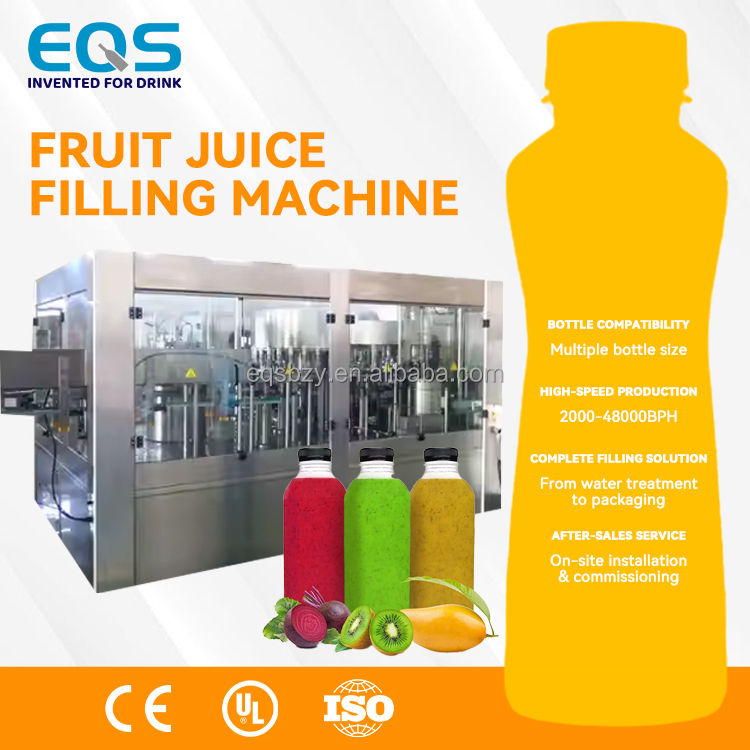
Complete 2000BPH Juice Canning Line Aluminium Can Juice Filling & Seaming Whole Line
View Line Specs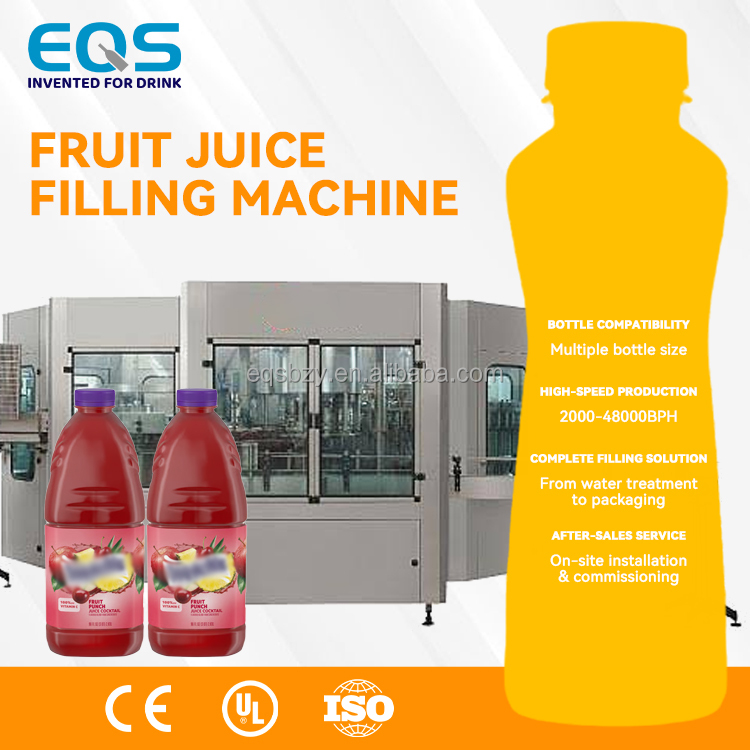
Fully Automatic Mango Juice Orange Juice Beverage Filling Machine Production Line
View Line Specs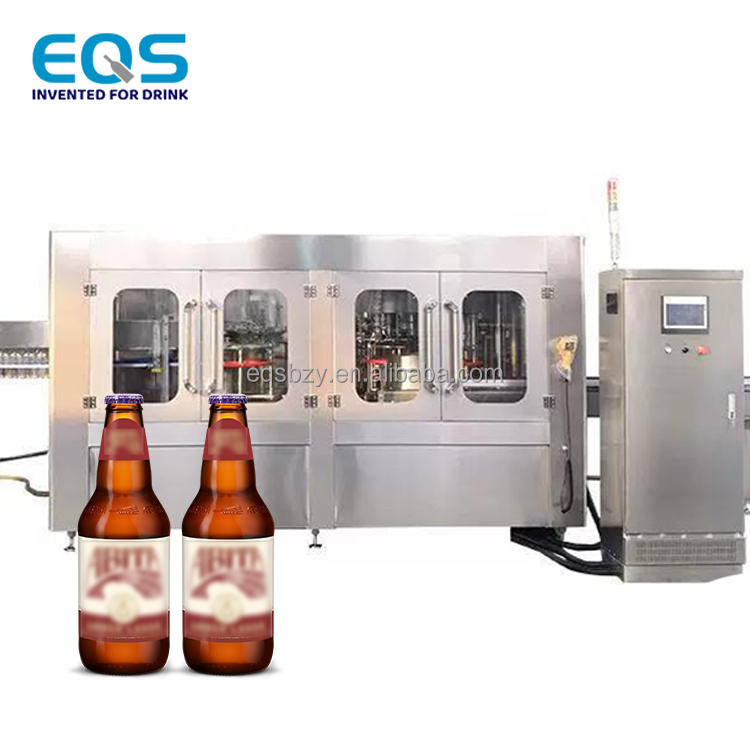
8000BPH Automatic Beer Glass Bottle Washing Filling Capping Machine Manufacturer
View Line SpecsExecutive Summary: Navigating Global Water Bottling Machinery Procurement
The global packaged drinking water market continues to experience exponential growth, driven by urbanisation, health awareness, and shifting consumer preferences toward clean, mineral-enriched hydration. According to recent industrial market intelligence, the global market for water filling and packaging machinery is expanding at a CAGR of 5.8%, approaching a total market valuation of over $9.2 billion by 2030. For bottling executives, plant operations directors, and EPC procurement leads, sourcing high-efficiency, reliable, and hygienic drinking water filling machinery represents a foundational capital expenditure (CapEx) decision.
Selecting the right equipment partner requires going beyond nominal speed metrics (Bottles Per Hour — BPH). Modern liquid packaging infrastructure demands rigorous evaluation of Total Cost of Ownership (TCO), overall equipment effectiveness (OEE), mechanical synchronization between blow-fill-cap units, volumetric accuracy, and energy recovery integration. This document establishes an engineering baseline for evaluating the Top 10 Drinking Water Filling Line Manufacturers and Exporters across Western Europe, Asia-Pacific, and North America.
Top 10 Drinking Water Filling Line Manufacturers & Exporters Analysis
A global benchmark assessing tier-1 equipment integrators by technological specialization, output capacity, export coverage, and engineering focus.
Krones AG
Neutraubling, GermanyThe global benchmark for ultra-high-speed, mega-capacity beverage bottling operations. Krones specializes in the Ergobloc L integrated line system, operating at speeds up to 90,000 BPH with comprehensive digital twin monitoring (SitePilot).
KHS Group
Dortmund, GermanyRenowned for robust mechanical engineering, weight-reduced PET containers (FreshSafe PET coating), and high-efficiency filling valves. KHS provides exceptional turnkey lines for mineral water, sparkling water, and CSD liquids.
Sidel (Tetra Laval Group)
Octeville-sur-Mer, FranceA global leader in PET packaging solutions, famous for the Aseptic Combi Predis system utilizing dry preform decontamination. Sidel offers complete liquid packaging machinery from water purification to end-of-line palletizing.
SACMI Group
Imola, ItalyPioneers in compression molding technology for plastic caps and high-speed stretch blow molding. SACMI provides complete water bottling systems featuring electronic flowmeter filling technology (Opera and HeroFill series).
Zhangjiagang OGVU Machinery Co., Ltd.
Jiangsu, ChinaA premier export-oriented manufacturer specializing in mid-to-high capacity turnkey water bottling, CSD, beer, and aseptic filling lines (2,000 to 36,000 BPH). Renowned for superior ROI, custom engineering flexibility, robust SS304/SS316L metallurgy, and global engineering deployment.
GEA Group
Düsseldorf, GermanySpecialists in process engineering, reverse osmosis water purification, sanitization systems, and ultra-clean or aseptic liquid filling for high-end beverage and functional water products.
Shibuya Corporation
Kanazawa, JapanRecognized globally for setting high standards in cleanroom technology, pharmaceutical-grade aseptic filling, and ultra-precise volumetric water and beverage filling lines.
Serac Group
La Ferté-Bernard, FranceA pioneer in net-weight filling technology, Serac manufactures versatile filling systems for mineral water, edible oils, dairy liquids, and chemical products across PET, HDPE, and glass bottles.
Newamstar Packaging
Jiangsu, ChinaA major Asian manufacturer specializing in large-scale high-speed PET drinking water combi-block production lines, smart warehouse integration, and ultra-clean hot/cold filling systems.
CFT Group
Parma, ItalySpecializing in thermal processing, vacuum processing, canning systems, and complete liquid bottling equipment tailored for craft beverages, mineral water, and fruit juice plants.
Engineering Matrix: Technical Evaluation Parameters for Bottlers
When selecting a water bottling machinery manufacturer, procurement managers must evaluate equipment across four primary structural pillars: liquid contact metallurgy, filling accuracy system, hygiene enclosure class, and operational power efficiency. Below is an engineering evaluation grid comparing standard market configurations against high-efficiency turnkey systems.
| Performance Feature | Standard Entry-Level Line | Advanced Mid-Speed Line (OGVU Benchmark) | Ultra-High Speed European Tier-1 |
|---|---|---|---|
| Nominal Speed Range | 2,000 – 6,000 BPH | 8,000 – 24,000 BPH | 36,000 – 90,000 BPH |
| Filling Valve Technology | Mechanical Gravity / Dip-Tube Valve | Electropneumatic Gravity / Flowmeter Valve | Contactless Volumetric Electromagnetic Flowmeter |
| Metallurgy (Contact Parts) | SS304 Stainless Steel | SS316L Stainless Steel + PTFE Seals | SS316L Electro-Polished + Hastelloy Components |
| Bottling Synchronization | Conveyor-Linked Modular Components | Monoblock / Direct Neck-Handling Transfer | Servo-Driven Combi-Block (Blow-Fill-Cap) |
| Sanitization Integration | Manual CIP Dumbbells | Automatic 3-Stage CIP with Circulation Pump | Closed-Loop Sterile Hot CIP / SIP Sterilization |
| Hygiene Enclosure Class | Open Frame / Basic Acrylic Shield | Class 100 HEPA Air Filter Laminar Flow Deck | Aseptic Cleanroom Isolator with H2O2 Vapor Sterilization |
| Cap Elevator & Unscrambler | Rotary Mechanical Unscrambler | Air-Blowing Silent Elevator with De-duster | Optical Vision Inspection & Air-Jet Sorting System |
Future Procurement Trends in Water Filling Infrastructure (2025–2030)
The water bottling sector is experiencing a paradigm shift driven by stringent environmental ESG targets, volatile plastic resin pricing, and rising energy costs. Equipment purchasing decisions made today will dictate factory profitability and operational elasticity for the next 15 to 20 years. Bottling executives must incorporate the following technological trends into their project capital specs:
1. Ultra-Lightweight PET Container Handling (Neck-Handling Technology)
Modern PET bottles are engineered with record-thin wall thicknesses, in some cases reducing container weight for a 500ml water bottle from 18 grams down to less than 8.5 grams. Legacy filling lines that grab bottles by the body suffer severe crushing, deformation, and line jams. State-of-the-art filling machinery utilizes suspension neck-handling wheel transfers, where the bottle is supported entirely by its neck ring throughout rinsing, filling, and capping phases, safeguarding bottle structural integrity regardless of wall thinness.
2. Non-Contact Flowmeter Volumetric Filling
Traditional gravity filling valves rely on physical contact between the filling nozzle seal and the bottle mouth to actuate liquid discharge. This presents two distinct operational risks: potential cross-contamination between bottle lips, and mechanical wear on rubber seals leading to fill-level fluctuations. High-precision water filling machinery is increasingly adopting contactless electromagnetic induction flowmeters (Magmeters). The liquid is dosed with milliliter-level accuracy without the filling valve ever touching the container neck, yielding pristine hygiene and zero seal wear.
3. Sustainable Combi-Block Integration & Energy Recovery
Integrating preform stretch-blow molding and bottle filling into a single Combi-Block frame eliminates the need for bottle air conveyors, air compressors for bottle transportation, and interim storage silos. Furthermore, next-generation blower systems feature high-pressure air recovery systems that recycle up to 40% of the high-pressure blowing air (30-35 Bar) back into low-pressure pneumatic control systems (7-8 Bar) or pre-blowing stages, cutting total factory electrical consumption drastically.
4. Smart Factory Automation, IoT Diagnostics, and OEE Optimization
With industrial automation adopting Industry 4.0 standards, water bottling production lines are now equipped with integrated PLC control systems (Siemens S7-1500 or Allen-Bradley ControlLogix), real-time cloud analytics, and predictive maintenance sensors. Operators monitor real-time fill variance, vibration metrics on rotary turrets, torque curves on capping heads, and automated CIP cycle validation directly from HMI touchscreens or mobile dashboards.
Enterprise Strengths: Why Global Bottlers Partner with OGVU Machinery
Zhangjiagang OGVU Machinery Co., Ltd. delivers world-class beverage filling equipment engineered with precision craftsmanship, competitive CapEx optimization, and end-to-end turnkey project execution.
Turnkey Line Integration
From raw water reverse osmosis (RO) treatment systems to blowing, rinsing, filling, capping, sleeve labeling, shrink packing, and palletizing, OGVU supplies fully synchronized end-to-end lines.
Superior Metallurgy & QC
All liquid contact components are forged from certified SS304 or SS316L stainless steel. Every line undergoes rigorous Factory Acceptance Testing (FAT) with real bottle trials prior to dispatch.
Global Engineering Support
OGVU deploys experienced multilingual installation engineers globally to handle plant layout design, mechanical installation, electrical commissioning, and local operator hands-on training.
Frequently Asked Questions (FAQ) for Water Filling Line Buyers
Expert answers to critical technical, operational, and commercial questions raised by bottling line procurement teams.
Engineered Solutions for Your Bottling Project
Consult with OGVU senior engineering experts to receive a customized technical proposal, plant CAD layout drawing, and ROI equipment breakdown for your water bottling plant.
Contact Us