Executive Summary & Global Hot Filling Market Dynamics
Hot filling technology remains one of the most commercially vital thermal processing methodologies in the non-alcoholic beverage sector. Designed primarily for high-acid beverages (pH < 4.6) such as fruit juices, nectars, ready-to-drink (RTD) teas, sports rehydration drinks, and liquid condiments, hot filling guarantees microbiological stability without requiring post-fill retorting or synthetic chemical preservatives.
The operational mechanics of hot filling demand precise thermal regulation. Liquids are thermalized through Ultra-High Temperature (UHT) or High-Temperature Short-Time (HTST) tubular heat exchangers to temperatures ranging between 85°C and 92°C. The product itself acts as the sterilizing agent for the interior surfaces of the container and cap. To execute this process without compromising structural integrity or package geometry, specialized mechanical engineering—ranging from vacuum panel bottle design to automated thermal recirculation valves—is required.
Top 10 Hot Filling Machine Manufacturers & Factories: Technical Evaluation
Below is a comparative breakdown of the top 10 global Original Equipment Manufacturers (OEMs) and factory machinery builders specializing in hot filling, isobaric bottling, and complete turn-key liquid packaging lines.
Operational Profile: Krones AG is widely recognized as the global market leader in high-speed beverage bottling and packaging equipment. Headquartered in Neutraubling, Germany, Krones designs turnkey packaging lines engineered for multinational enterprise operations requiring output rates exceeding 40,000 to 72,000 bottles per hour (BPH).
Core Technical Strengths: Krones' hot filling portfolio features the Variojet bottle rinser and Modulfill V-HF electronic hot filler. The system utilizes electromagnetic flow meters (DPT) for volumetric filling precision within ±0.5 ml. Their proprietary thermal management system minimizes energy loss during recirculation during machine idling.
Operational Profile: Operating as a business unit within the Tetra Laval Group, Sidel specializes in blow-molding, filling, and packaging solutions for PET, CAN, and Glass containers. Sidel holds extensive patents in heat-set PET blow molding technology essential for hot-fill bottling.
Core Technical Strengths: The Sidel Matrix SF300 FM hot filler integrates neck-handling technology, preventing container body stress. Combined with their Combi Predis aseptic and ultra-clean thermal systems, Sidel offers unmatched lightweighting capabilities for hot-fill containers, reducing plastic consumption by up to 25%.
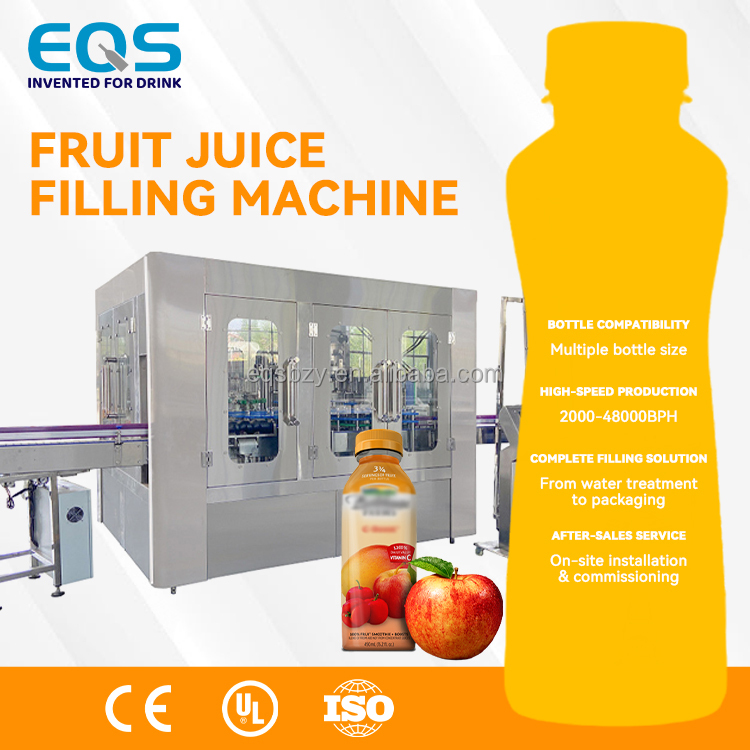
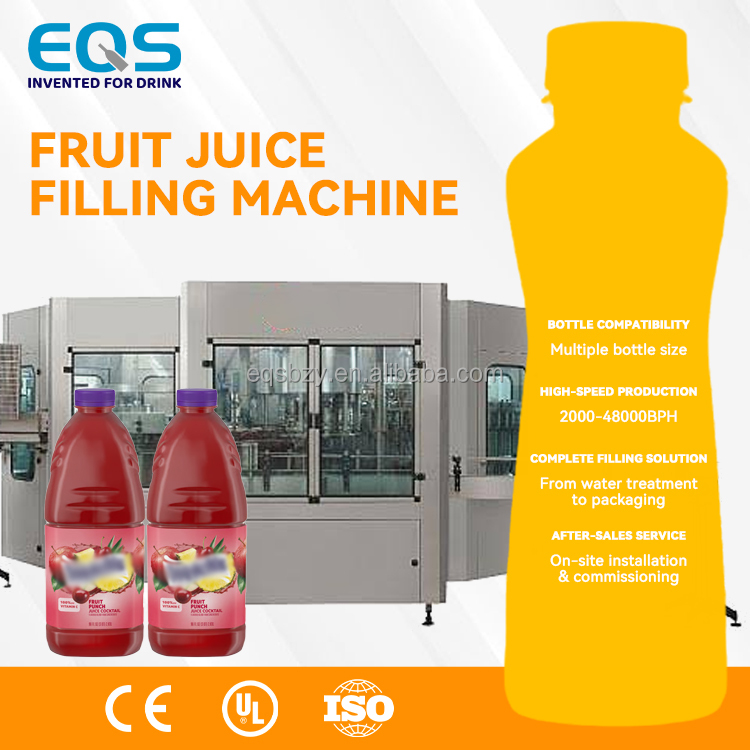
Operational Profile: Located in Zhangjiagang City, Jiangsu Province—China’s premier manufacturing hub for beverage equipment—Zhangjiagang OGVU Machinery Co., Ltd. is an established industrial OEM with over 11 years of international export engineering experience. Verified on-site by independent third-party inspectors (Intertek), OGVU Machinery excels in providing fully integrated, cost-effective turnkey solutions for small-to-mid and large-scale beverage plants (2,000 to 24,000 BPH).
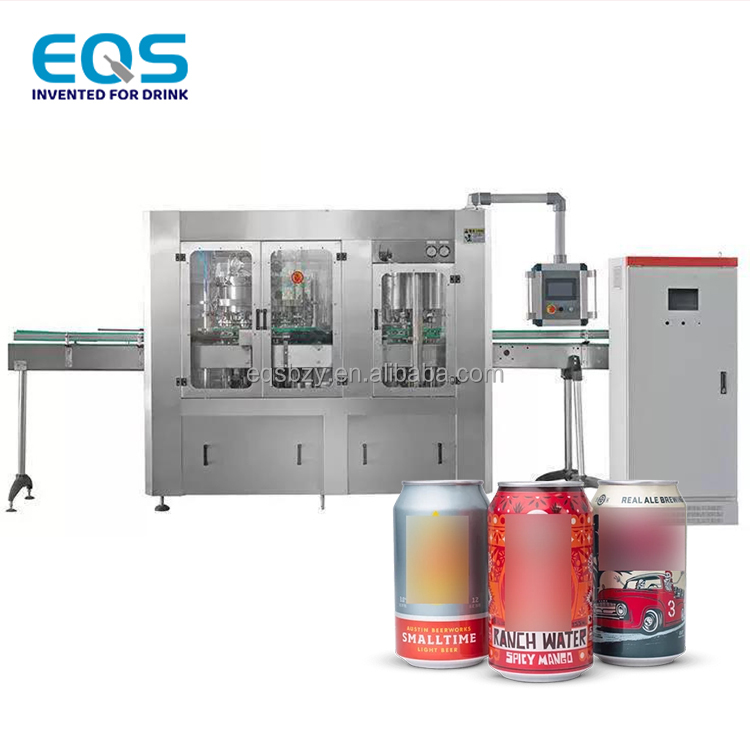
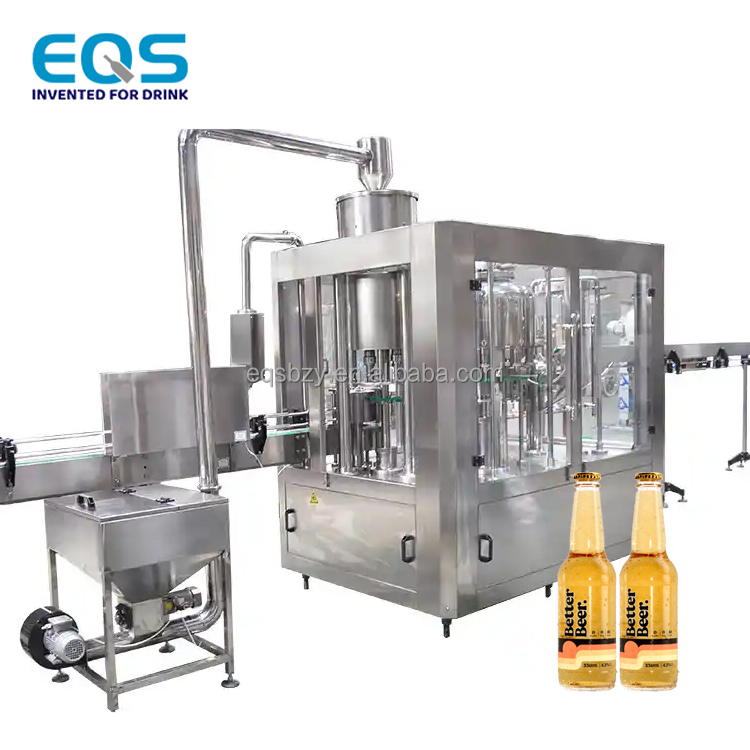
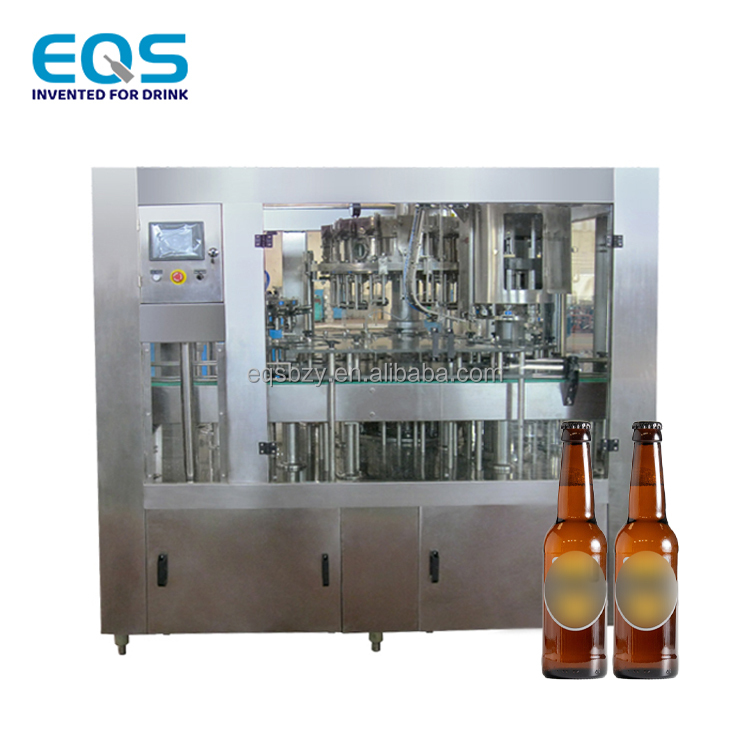
Core Technical Strengths: OGVU Machinery engineers robust 3-in-1 Monoblock Hot Filling Systems (Rinsing, Hot Filling, Capping) constructed entirely with AISI 304/316L stainless steel. Key features include:
- Automated Thermal Recirculation Loop: Continuous temperature monitoring guarantees that any liquid falling below 85°C automatically routes back to the UHT sterilizer unit, eliminating unsterilized product risk.
- Integrated Bottle Inverter & Cooling Tunnel: Ensures full cap surface pasteurization followed by multi-stage gradient shower cooling to prevent thermal bottle deformation.
- Multi-Liquid Compatibility: Modular designs allow rapid changeover between hot-filled natural juices, carbonated soft drinks (CSD via counter-pressure isobaric valves), and purified mineral water lines.
Procurement Advantage: Direct factory engineering design, competitive capital expenditure (CapEx) metrics, CE certification compliance, and complete international field installation and training support.
Operational Profile: KHS GmbH is an international manufacturer of filling and packaging systems for beverage, food, and non-food industries. Renowned for heavy-duty stainless steel construction and long operating life cycles.
Core Technical Strengths: The Innofill NV hot filling monoblock incorporates mechanical or pneumatic level-controlled filling valves. KHS systems are engineered for continuous 24/7 industrial production with low maintenance intervals, featuring hygienic clean-room enclosures and automated CIP manifold integrations.
Operational Profile: GEA focuses on process technology and components for sophisticated food and beverage applications. Their expertise spans upstream pasteurization, homogenizing, and downstream filling.
Core Technical Strengths: GEA specializes in high-viscosity hot fill applications containing pulp, fruit fibers, or particulate pieces (e.g., aloe vera, citrus pulp). Their dual-stage filling technology separates particulate dosing from liquid thermal filling to maximize pulp integrity.
Operational Profile: SACMI is an Italian industrial group providing complete plants for the beverage industry, including preform injection systems, cap compression molding, and electronic filling lines.
Core Technical Strengths: SACMI’s Opera and FlexiFill series utilize electronic flow-meter technology, supporting hot filling applications without physical neck contact. This minimizes cross-contamination and simplifies container format changeovers.
Operational Profile: SIPA offers flexible packaging solutions, manufacturing container design tools, stretch blow molding equipment, and filling monoblocks.
Core Technical Strengths: SIPA’s Flextronic Hot Fill machine offers isobaric and gravity thermal filling options. Their integrated combi system connects heat-resistant PET blow molding directly to hot filling units, eliminating intermediate container storage and rinsing steps.
Operational Profile: Now part of the ATS Corporation, CFT Group specializes in processing and hot fill packaging for high-viscosity products, including tomato paste, fruit purees, ketchup, and heavy sauces.
Core Technical Strengths: CFT's rotary piston and mass flow-meter hot fillers excel at maintaining precise paste temperatures up to 95°C while preventing product oxidation through inert gas sparging systems.
Operational Profile: Serac designs and manufactures liquid packaging equipment for dairy, food, and chemical products, pioneered by weight-filling innovations.
Core Technical Strengths: Serac’s net-weight hot filling machines eliminate contact between the fill nozzle and the container neck. Weight sensors measure incoming liquid mass directly, providing extreme accuracy for high-value sauces, honey, and functional wellness beverages.
Operational Profile: Shibuya Corporation is Japan’s dominant manufacturer of bottling and packaging machinery, commanding a reputation for extreme mechanical tolerance and pharmaceutical-grade sterility controls.
Core Technical Strengths: Shibuya’s hot fill and aseptic lines feature advanced robotic bottle handling and ultra-precise thermal control loops, making them ideal for high-end RTD tea and functional health beverage lines.
Engineering Matrix: Comparing Manufacturers by Technical Scope
To assist procurement managers, plant engineers, and project leaders in selecting the optimal technology partner, the following comparative engineering matrix reviews core technical metrics across top-tier manufacturers.
| Manufacturer | Primary Target Market | Speed Range (BPH) | Filling Accuracy | Core Specialty Tech |
|---|---|---|---|---|
| Krones AG | Global Enterprise / Megaplants | 20,000 - 72,000 | ±0.5 ml (Magnetic Flow) | Modulfill V-HF / Variojet |
| Sidel | Tier 1 Bottlers / Enterprise | 15,000 - 60,000 | ±0.5 ml (Volumetric Flow) | Heat-Set PET Light-weighting |
| OGVU Machinery | Mid-to-Large Bottlers & Startups | 2,000 - 24,000 | ±2.0 mm (Level/Flow) | Turnkey 3-in-1 Monoblock & Recirculation |
| KHS GmbH | Global Enterprise Bottlers | 15,000 - 65,000 | ±0.5 ml (Pneumatic/Flow) | Innofill NV / Stainless Heavy Duty |
| GEA Group | Food & Pulp Beverage Processing | 5,000 - 36,000 | ±1.0 g (Mass Flow) | Particulate & High-Viscosity Dual Fill |
| SACMI | Medium-to-High Volume Plants | 10,000 - 45,000 | ±0.8 ml (Flow Meter) | FlexiFill Non-Contact Filling |
| SIPA S.p.A. | Medium-to-High Volume Plants | 8,000 - 40,000 | ±1.0 ml (Electronic) | Flextronic Combi Blow-Fill |
| CFT Group | Condiment & Sauce Processors | 3,000 - 25,000 | ±0.5% (Piston/Mass) | Viscous Paste & Inert Gas Sparging |
| Serac | Dairy, Sauces & Wellness Drinks | 2,000 - 20,000 | ±0.2 g (Net Weight) | Non-Contact Weight Fillers |
| Shibuya Corp | High-Precision Asian & Global Plants | 10,000 - 50,000 | ±0.5 ml (Electronic) | Ultra-Clean Robotic Bottle Handling |
Future Purchasing Trends in Hot Filling Machinery (2025–2030)
As sustainability mandates tighten and operational cost management becomes increasingly essential, the global hot filling equipment landscape is evolving around five key technological trends:
1. Transition Toward Heat-Set PET Lightweighting & Ribless Bottle Design
Historically, hot fill PET bottles required rigid vacuum panels (vacuum ribs) molded into their sidewalls to absorb the internal negative pressure created when hot liquid cools and contracts. Modern hot filling lines are adopting vacuumless bottle technology. By over-pressurizing the bottle with sterile liquid nitrogen injection or utilizing mechanical secondary expansion systems, bottlers can run smooth-walled bottles. This enables a 15% to 30% reduction in resin weight per bottle, drastically cutting raw material costs.
2. Hybrid Hot Fill & Aseptic Combi-Block Integration
The boundary between traditional hot filling and cold aseptic filling is shifting toward modular Combi-Block systems. By eliminating connecting air conveyors between the stretch blow molder and the hot filler, beverage producers minimize contamination risks, reduce plant floor space requirements by 30%, and significantly reduce electrical energy consumption associated with blower heating lamps.
3. Intelligent Closed-Loop Thermal Recirculation & Energy Recovery
Energy efficiency has become a critical procurement specification. Modern hot filling monoblocks feature multi-stage heat recovery systems. Exhaust heat generated during the container cooling tunnel step is harvested via plate heat exchangers to pre-heat incoming raw water before reverse osmosis treatment. Furthermore, digital PID thermal recirculation loops dynamically adjust product flow during momentary line halts, reducing thermal degradation of heat-sensitive juices.
4. Digital Twin Monitoring & Predictive Maintenance Integration
Leading machine builders now equip hot filling lines with IoT sensor arrays that measure valve actuation speeds, seal wear rates, thermal fluctuations, and motor vibration signatures in real time. Procurement teams are prioritizing suppliers whose human-machine interfaces (HMI) support OPC-UA protocols for seamless Industry 4.0 Smart Factory ERP integration.
Technical Sourcing Guide: How to Evaluate a Hot Filling Factory
When selecting a hot filling machine manufacturer, engineering teams should conduct a rigorous technical audit spanning five core criteria:
- Microbiological Safety Validation: Verify that the equipment features automated CIP (Clean-in-Place) dummy cups and SIP (Sterilization-in-Place) steam cycles capable of reaching 121°C sterilization temperatures across all product-wetted valves.
- Thermal Drop Management: Ensure the filling valves incorporate continuous internal recirculation channels. If product temperature at the nozzle tip drops below 85°C (or pre-set threshold), an automated pneumatic valve must divert product back to the balance tank without filling the bottle.
- Material Specification Integrity: Demand certified AISI 316L stainless steel for all liquid contact zones, piping, and UHT heat exchange tubes, with food-grade EPDM or PTFE seal gaskets resistant to thermal degradation and CIP chemical washouts.
- Line Synchronization & Bottleneck Mitigation: Sourcing single components from disparate vendors often causes speed mismatch bottlenecks. Turnkey single-supplier lines—such as those engineered by Zhangjiagang OGVU Machinery—ensure that water treatment systems, UHT sterilizers, 3-in-1 monoblocks, bottle inverters, cooling tunnels, and sleeve labelers operate under a centralized PLC synchronization protocol.
- Field Service & Expatriate Engineering Capacity: Equipment failure directly impacts operational profitability. Buyers must confirm that the vendor maintains dedicated expatriate engineers capable of overseas installation, line commissioning, and local operator training.
Need a Custom Hot Filling Line Proposal?
Contact Zhangjiagang OGVU Machinery's senior technical team for plant layout engineering, mass balance calculations, and complete equipment pricing.
Get Catalog