Featured Monoblock Bottling Solutions
High-efficiency, fully integrated 3-in-1 rotary rinsing, filling, and capping architectures engineered for global export standards.
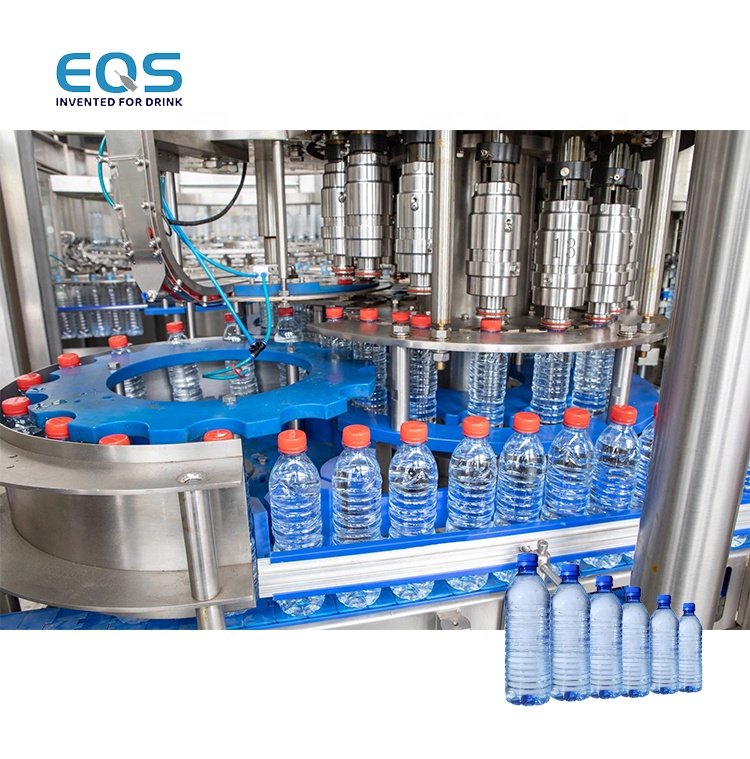
A to Z Complete PET Bottling Production Line Automatic Mineral Pure 3 in 1 Water Filling Machine
View Technical Specs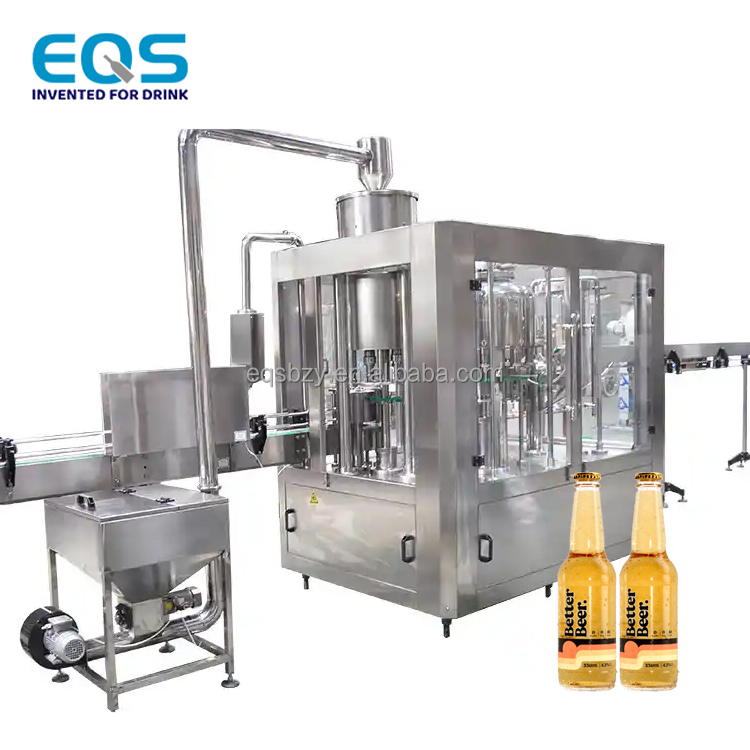
Turnkey PET Bottle Beer Filling Production Line 4000 6000 8000 BPH Complete Equipment
View Technical Specs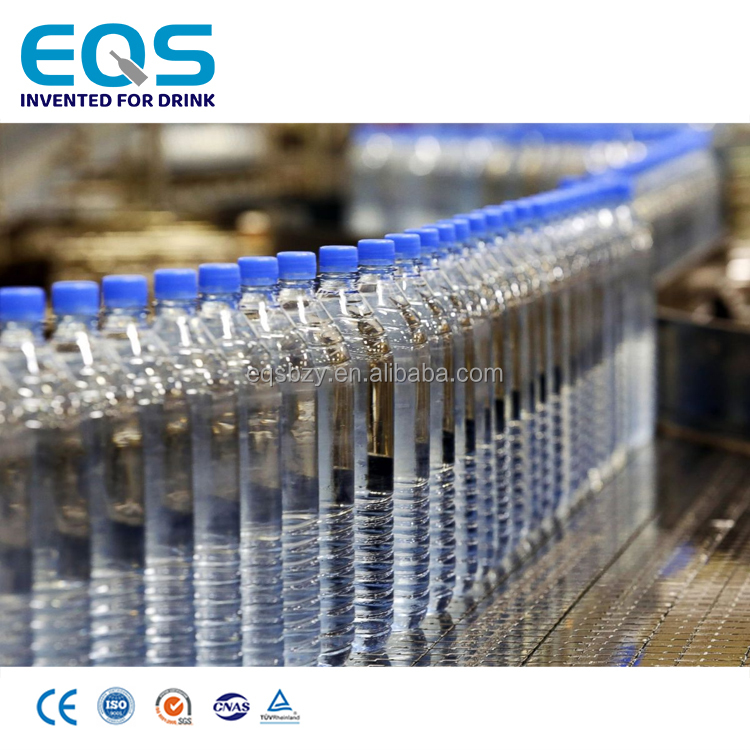
Fully Automatic Drinking Water Bottling Line for PET Bottle Filling Labeling Wrapping Packaging
View Technical Specs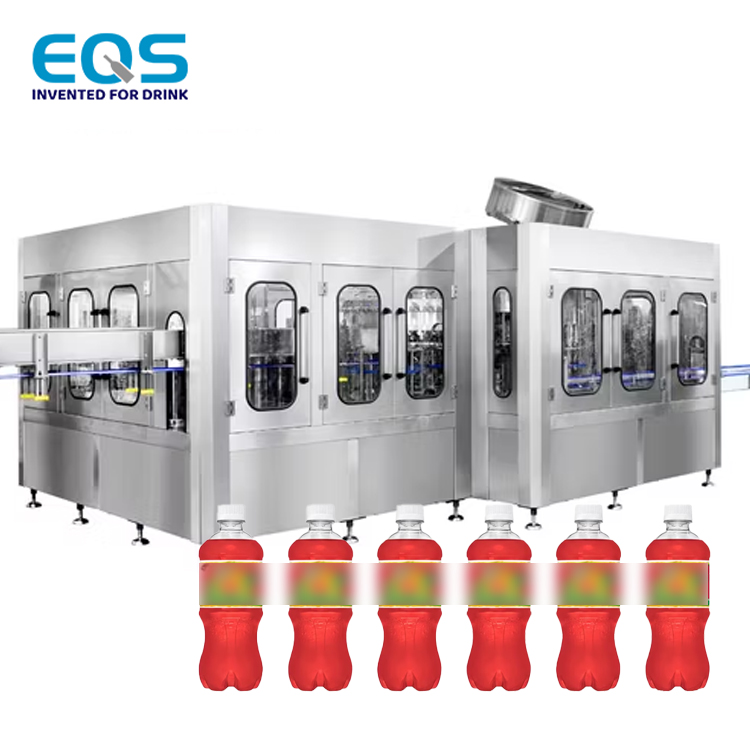
Complete Carbonated Soft Drink and Energy Drink Making Machine Filling Production Line
View Technical Specs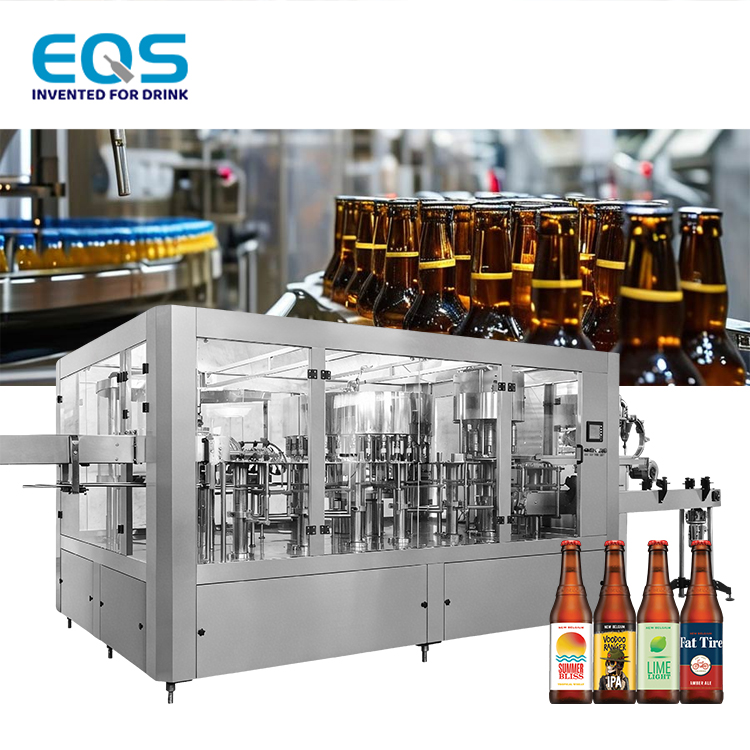
Automatic Rotary 3-in-1 Glass Bottle Beer Filling Machine Carbonated Drink Line
View Technical Specs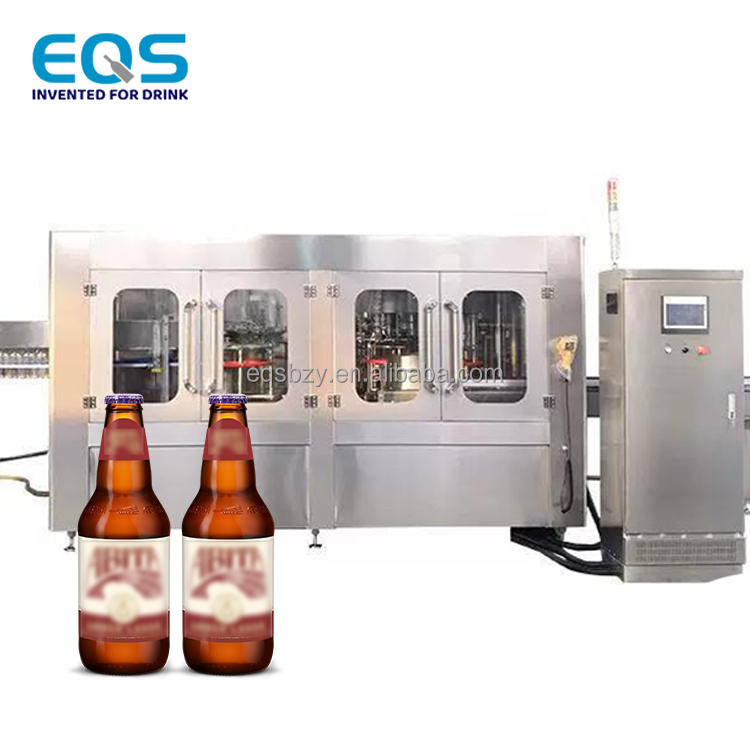
8000 BPH Automatic Beer Glass Bottle Washing Filling Capping Machine Monoblock
View Technical Specs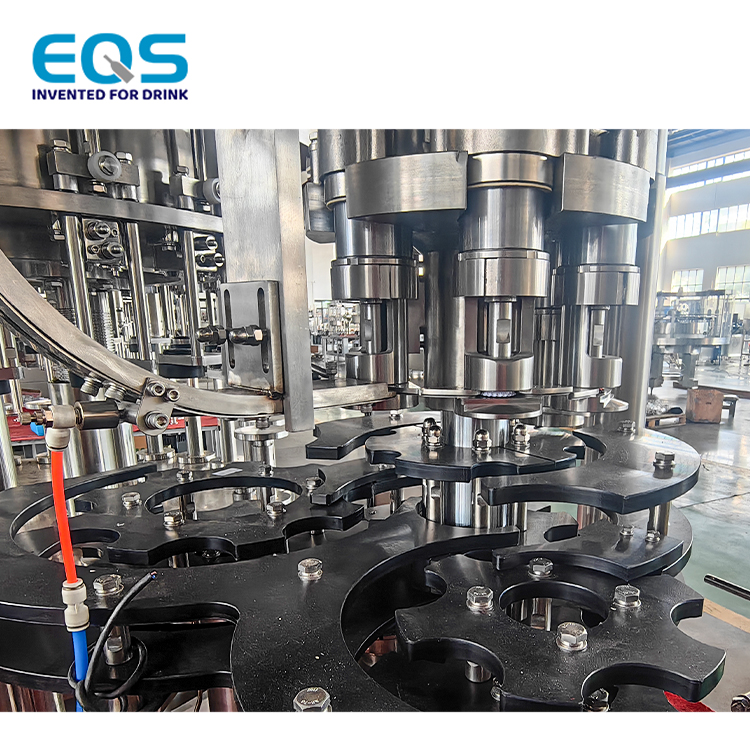
High-Speed 3-in-1 Beer Bottling Equipment Monoblock Washing Filling Capping Machine
View Technical Specs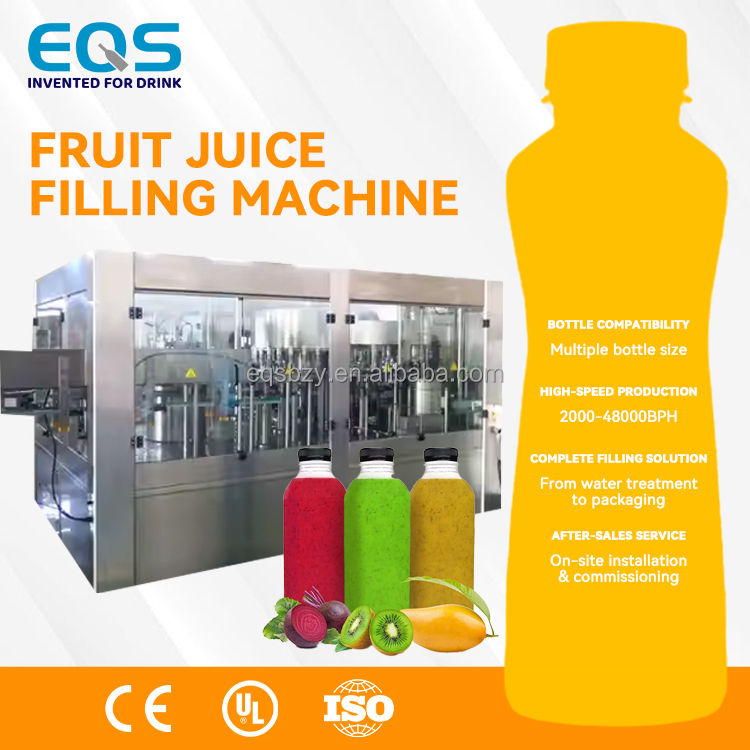
Complete 2000BPH Juice Canning Line Aluminium Can Juice Filling & Seaming Whole Line
View Technical Specs1. Technical Executive Summary: The Evolution of Monoblock Architecture
In modern high-speed liquid packaging, the transition from linear, multi-stage modular machinery to integrated Rotary Monoblock (Rinsing-Filling-Capping 3-in-1) and Combi-Block (Blowing-Filling-Capping 4-in-1) systems represents the single most significant leap in operational efficiency over the last two decades. Monoblock filling machinery combines container rinsing (or air blowing), volumetric/isobaric liquid dosing, and mechanical sealing into a unified structural chassis driven by a synchronized main motor or servo-motion array.
By eliminating intermediate accumulation conveyors between rinsing, filling, and capping stations, monoblock systems achieve three critical industrial breakthroughs:
- Microbiological Safeguarding: Open bottle exposure time to ambient factory air is reduced by up to 85%, significantly lowering bio-burden risks in cold-fill and non-preservative beverage processing.
- Mechanical Efficiency & Friction Reduction: Direct neck-handling starwheel transfer reduces container scuffing, PET bottle weight deformation, and eliminates line jams caused by bottle tipping on transfer belts.
- Floor Space Optimization: Integrated monoblock frames reduce total plant footprint requirements by 25% to 40% compared to traditional linear inline packaging layouts.
2. Global Benchmark Analysis: Top 10 Monoblock Filling Machine Suppliers & Exporters
Evaluating monoblock machine manufacturers requires rigorous engineering criteria, including machining precision, valve fluid dynamics, oxygen pick-up mitigation (specifically for beer and CSD), CIP/SIP automated validation, and Total Cost of Ownership (TCO). Below is an authority evaluation of the industry's top 10 global suppliers.
| Manufacturer | Headquarters | Primary Technology Focus | Max Capacity (BPH) | Key Strengths & OEM Positioning |
|---|---|---|---|---|
| Krones AG | Germany | Aseptic, Hot-Fill, Isobaric CSD | 80,000+ | Global market leader; premium high-speed combi lines; extensive automation ecosystem. |
| KHS Group | Germany | Glass/Can Isobaric, Fresh Juice | 75,000+ | Industry benchmark in container lightweighting, valve precision, and hygienic design. |
| Sidel (Tetra Laval) | France/Italy | PET Blowing-Filling Combi | 90,000+ | Pioneer in Aseptic Combi Predis blow-fill systems; exceptional energy efficiency. |
| OGVU Machinery | China | Turnkey Water, CSD, Beer, Juice | 36,000 | Top High-Value OEM/Exporter: Exceptional TCO ratio, modular 3-in-1/4-in-1, custom line engineering. |
| SACMI Group | Italy | Form-Fill-Seal, Compression Capping | 60,000 | Advanced rotary capping and integrated preform-to-bottle monoblocks. |
| GEA Group | Germany | Aseptic Dairy & Sensitive Drinks | 48,000 | Leader in sterile processing, UHT integration, and zero-contamination valves. |
| Shibuya Corporation | Japan | Aseptic PET, Pharmaceutical Filling | 50,000 | Ultra-high hygienic standards, advanced decontamination robotics, precision dosing. |
| Serac | France | Weight-Filling (Net Weight) Monoblock | 30,000 | Specialist in viscous liquids, edible oils, and high-precision electronic weighing valves. |
| CFT Group | Italy | Craft Beer, Canning Monoblocks | 40,000 | Dominant in counter-pressure can filling/seaming and processing skids. |
| GAI Bottling | Italy | Wine, Craft Spirits, Low-Speed Beer | 12,000 | Highly versatile electro-pneumatic monoblocks for boutique wineries and microbreweries. |
Technical Comparison: High-End European vs. High-Value OEM (OGVU Machinery)
While Tier-1 European manufacturers (Krones, Sidel) dominate mega-factories requiring speeds above 50,000 BPH, enterprise buyers in emerging and mid-scale markets increasingly select direct-export specialized manufacturers like Zhangjiagang OGVU Machinery Co., Ltd. OGVU bridges the gap by incorporating key European componentry (e.g., Siemens PLC, Festo pneumatics, Schneider motion control, SUS316L liquid contact contact parts) inside robust, competitively priced monoblock frames built in China's premier beverage packaging machinery cluster.
3. Product Engineering & Future Technology Trends (2025–2030)
Procurement directors and plant engineers must align equipment purchases with upcoming industrial regulations and technological shifts. The monoblock sector is experiencing four massive technological transformations:
1. Smart Flowmeter & Sensor Integration
Contactless electromagnetic flowmeters (for conductive liquids) and Coriolis mass flowmeters (for oils and non-conductive fluids) are replacing mechanical liquid level probes. This achieves 99.8% volumetric accuracy and eliminates internal valve mechanical seal wear.
2. Dry Aseptic Decontamination
Traditional wet peracetic acid (PAA) bottle rinsing is giving way to vaporized hydrogen peroxide (VHP) dry preform/bottle sterilization. This eco-friendly trend cuts water consumption by up to 90% in sensitive beverage lines (juice, plant-based milk, tea).
3. Ultra-Lightweight PET Handling
As environmental policies demand thin-walled rPET bottles, monoblocks are being engineered with active air-cushioned neck grippers and synchronized servo transfers to prevent structural buckling during high-pressure isobaric carbonated drink filling.
4. IoT Predictive Maintenance (Industry 4.0)
Edge-computing vibration sensors mounted on main rotary bearings and capping heads stream real-time operational data via OPC UA protocol, notifying engineers of seal degradation or spindle misalignment prior to line failure.
4. Strategic Procurement Trends: Total Cost of Ownership (TCO) Evaluation
When purchasing a monoblock filling machine, the initial capital expenditure (CapEx) accounts for only 20% to 30% of the equipment's total lifetime cost. Industrial beverage procurement managers prioritize TCO metrics spread across a 10-year operating life:
The TCO Equation for Bottling Plant Procurement
Total Cost of Ownership = CapEx + OpEx (Energy + Water + Compressed Air) + Maintenance & Spare Parts + Unplanned Downtime Losses - Residual Asset Value
Key financial and operational trends governing modern procurement strategies include:
- Multi-Liquid Adaptability: Bottlers demand hybrid monoblocks capable of switching between still mineral water, carbonated soft drinks, and hot-filled juices on the same core frame by utilizing dual-mode mechanical/isobaric filling valves.
- Reduced CIP Media Consumption: Monoblocks with built-in false-bottles and closed-loop automatic CIP returning manifolds save tens of thousands of liters of chemical cleaning solution annually.
- Standardization of Wear Parts: Procurement teams avoid proprietary non-standard mechanical components, favoring off-the-shelf global brands for pneumatics, PLCs, and electrical breakers to ensure local spare parts availability.
5. Enterprise Profile & Technical Strengths: Zhangjiagang OGVU Machinery Co., Ltd.
Located in Zhangjiagang City, Jiangsu Province—the global hub of China's beverage machinery manufacturing industry—Zhangjiagang OGVU Machinery Co., Ltd. has established itself as an authoritative exporter and turnkey system integrator for beverage producers, contract packers, and regional EPC contractors worldwide.
Core Manufacturing & Engineering Strengths:
- Turnkey Scope Integration: OGVU engineers complete A-to-Z production lines encompassing Raw Water Treatment (RO, UV, Ozone), Beverage Preparation (Syrup melting, CO2 Mixers, UHT Sterilizers), Blow-Fill-Cap Monoblocks, and Downstream Packaging (Sleeve/OPP Labelers, Film Shrink Wrappers, Robot Palletizers).
- Rigorous Quality Control & Third-Party Audit: OGVU's manufacturing facilities and operational capabilities are fully audited and verified on-site by Intertek. Core machinery lines comply with European CE safety and electromagnetic directives.
- Multi-Beverage Valve Engineering: Expertise in gravity filling, counter-pressure (isobaric) filling, hot-recirculation filling (85-92°C), aseptic ultra-clean ambient filling, and piston-driven viscous sauce dosing.
- Multilingual Overseas Engineering Support: Dedicated field service engineers provide on-site installation, plant commissioning, and hands-on operator training across Latin America, Africa, the Middle East, Southeast Asia, CIS regions, and Europe, supporting English, Spanish, Russian, and Chinese communications.
6. Frequently Asked Questions (FAQ) for Monoblock Procurement
Which filling technology is required for my specific beverage product?
Still mineral water utilizes gravity or atmospheric pressure filling. Carbonated soft drinks (CSD) and beer require isobaric (counter-pressure) filling under pressurized CO2 to keep gas dissolved in solution and prevent excessive foaming. Fruit juices and teas require hot-filling (85–92°C) or aseptic filling to guarantee shelf stability. Viscous liquids like sauces or edible oils require mechanical piston or weighing fillers.
What critical data is required to receive an accurate turnkey line proposal?
To prepare an engineered plant layout and precise commercial quotation, provide: (1) Product liquid profile and viscosity, (2) Container material (PET, Glass, Can) and volume sizes (e.g., 330ml, 500ml, 1.5L), (3) Target speed in Bottles Per Hour (BPH), (4) Cap closure style (plastic screw cap, crown cork, aluminum ROPP), (5) Preferred packaging style (shrink film wrap or carton box), and (6) Available workshop floor dimensions and power utility parameters (Voltage/Frequency).
Can a single monoblock filling machine handle multiple bottle sizes?
Yes. Rotary monoblock fillers can handle a range of bottle volumes (e.g., 0.2L to 2.0L PET) on the same main chassis. This is achieved by installing quick-change format parts, including bottle-infeed starwheels, center guide rails, discharge starwheels, and adjusting the electrical height lifting mechanism for bottle height variations.
How does an isobaric monoblock minimize Dissolved Oxygen (DO) pick-up in beer?
High-performance beer monoblocks utilize a double pre-evacuation vacuum system. Before liquid fills the glass bottle, an integrated vacuum pump evacuates ambient air from the container, flushes it with pure CO2 gas, and evacuates it a second time (99%+ oxygen removal). This dual-stage displacement prevents oxidation, preserving craft beer flavor profiles and shelf life.
What is the typical delivery lead time and installation schedule for a complete line?
Manufacturing lead time for a customized monoblock production line typically ranges from 45 to 60 days depending on machine automation complexity. On-site factory acceptance testing (FAT) is conducted prior to export packaging. Overseas installation, line integration, and operator training by qualified engineers take approximately 14 to 21 days upon arrival at the buyer's facility.
What maintenance routines are required to maintain long-term filling precision?
Daily routines involve automated CIP (Clean-In-Place) sanitation cycles to prevent bacterial biofilm formation inside liquid manifolds. Weekly checks include inspecting pneumatic seals, lubricated rotary gear bearings, and capping spindle torque springs. Bi-annual maintenance includes replacing liquid valve silicone seals and diaphragm rings.
Are OGVU monoblock filling machines CE certified for international markets?
Yes. All main water, carbonated soft drink, beer, juice, and canning monoblocks manufactured by Zhangjiagang OGVU Machinery are offered with full European CE certification, conforming to low-voltage, machinery safety, and electromagnetic compatibility standards.
Ready to Build or Upgrade Your Bottling Plant?
Consult directly with OGVU's senior application engineers to receive a customized plant layout drawing, detailed machinery configuration, and competitive turnkey proposal within 24 hours.
Contact Us