Industrial Bottling & Canning Machinery Lineup
Explore high-speed monoblocks, isobaric counter-pressure systems, and complete turnkey bottling plants engineered by Zhangjiagang OGVU Machinery Co., Ltd.
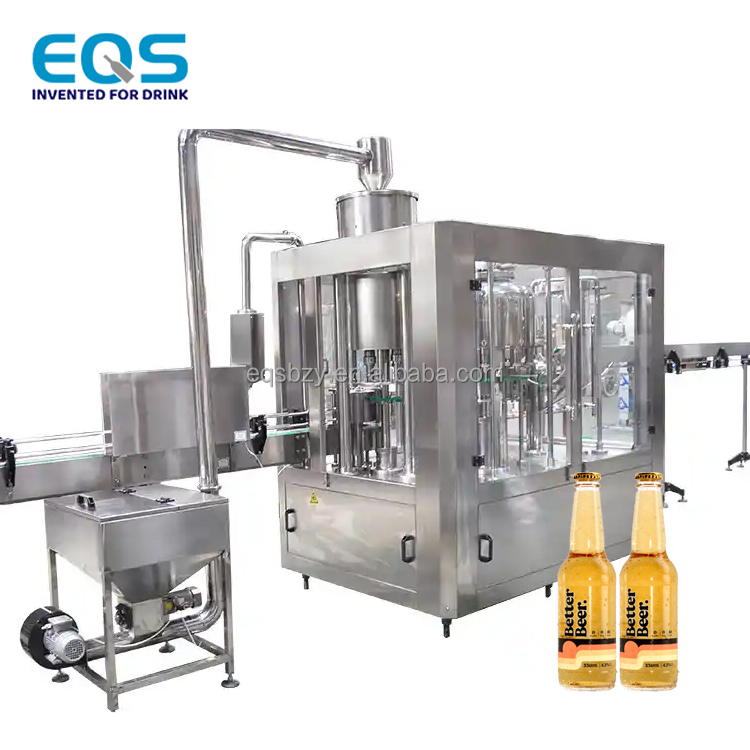
Turnkey PET Bottle Beer Filling Production Line 4000 6000 8000 BPH
View Details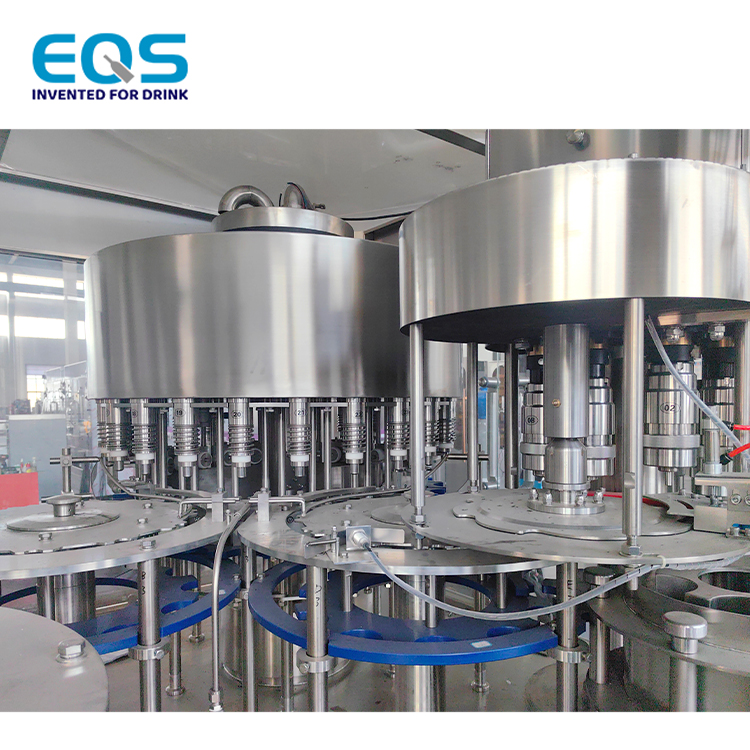
Industrial End-to-End Water Bottling Plant Solution for Glass PET Bottles
View Details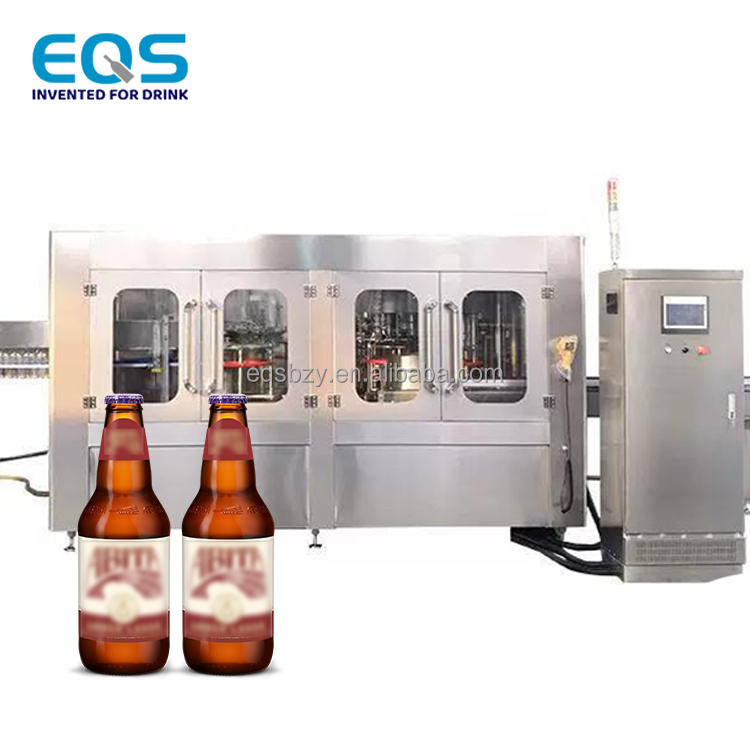
8000BPH Automatic Beer Glass Bottle Isobaric Filling Capping Machine
View Details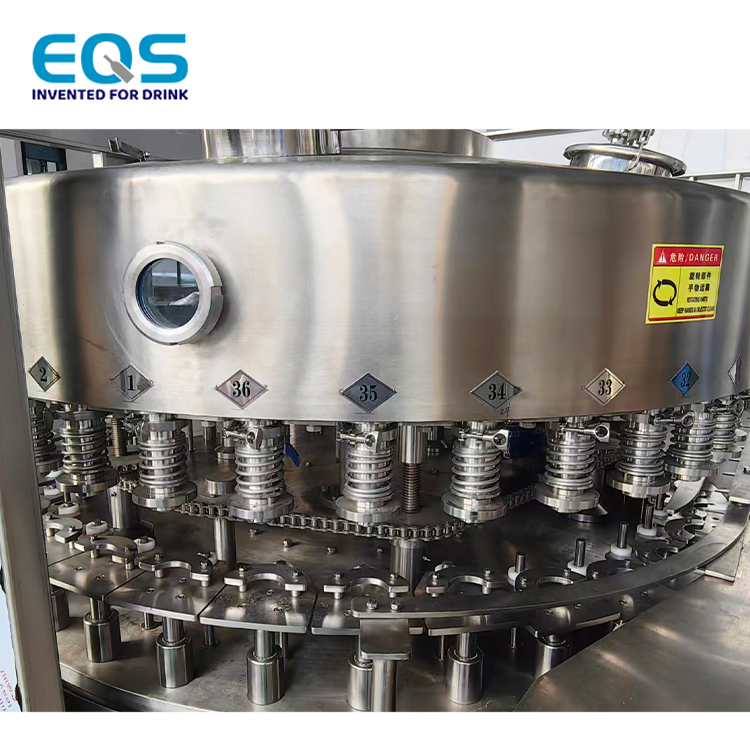
Industrial 4-in-1 Pulp Fruit Juice Filling Machine with Mixing System
View Details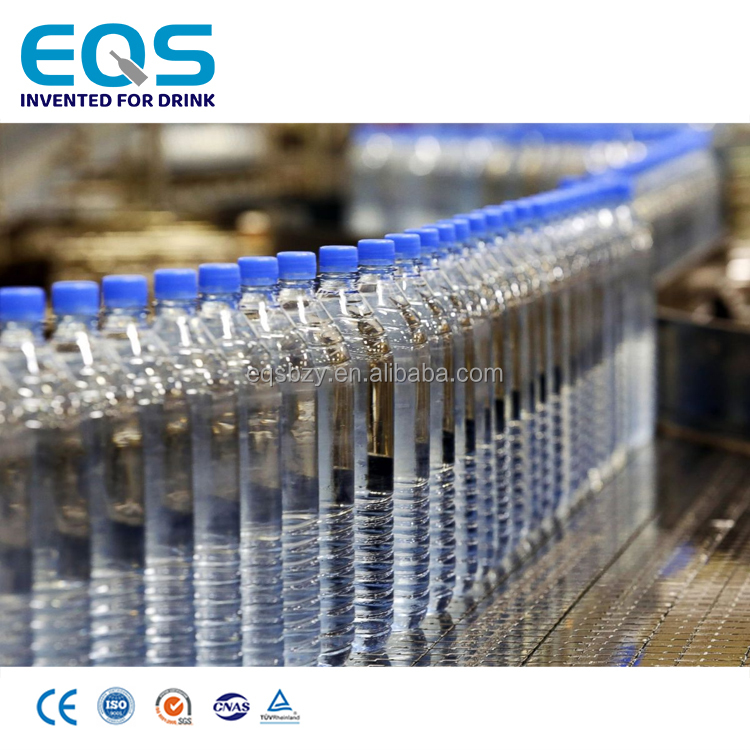
Fully Automatic Drinking Water Bottling Line & Wrapping Packaging Solution
View Details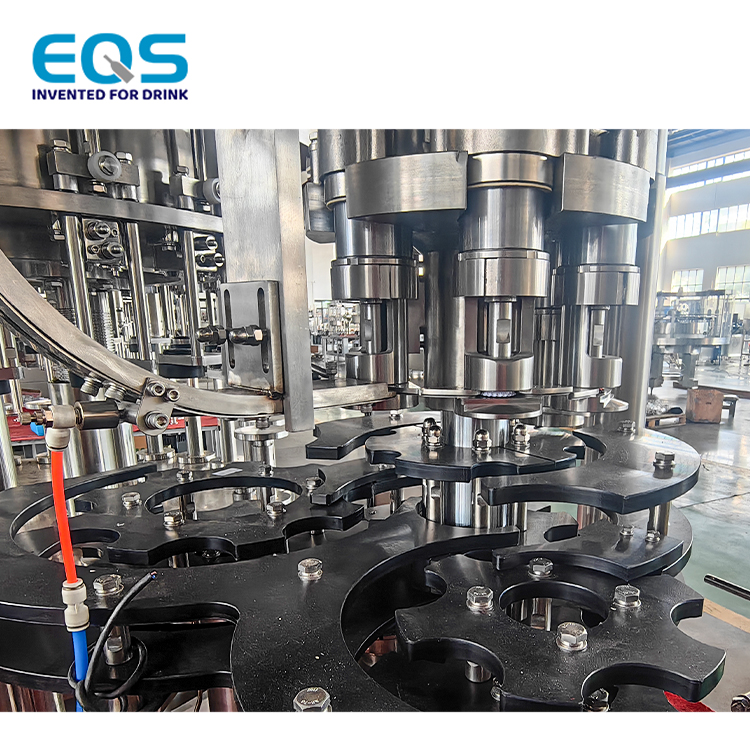
High-Speed 3-in-1 Beer Monoblock Washing Filling Capping Machine
View Details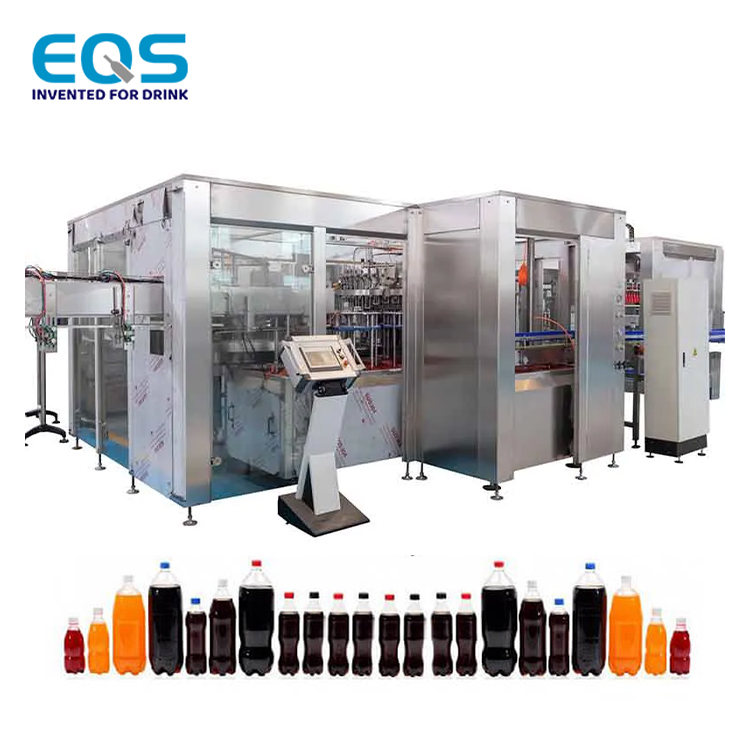
High-Speed 3-in-1 Carbonated Beverage & Salt Soda Bottling Monoblock
View Details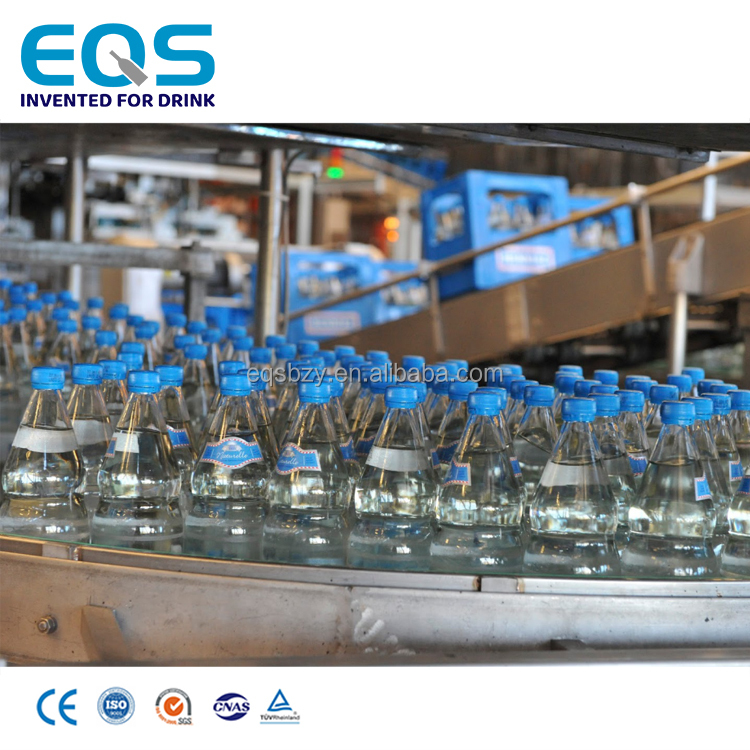
Premium Complete PET Bottle Water Production Line Case Packing
View Details1. Executive Summary & State of Chinese Canning Engineering
A rigorous evaluation of China's beverage machinery export ecosystem, technical capabilities, and total cost of ownership (TCO) advantages.
The global shift toward infinitely recyclable aluminum packaging—accelerated by consumer preference for craft beverages, ready-to-drink (RTD) cocktails, sparkling mineral waters, and functional teas—has placed unprecedented performance demands on high-speed liquid packaging lines. China has emerged as the global epicenter for rigid container packaging machinery, with Zhangjiagang City (Jiangsu Province) serving as the primary industrial cluster responsible for over 70% of China's exported beverage filling systems.
Modern commercial aluminum can filling systems require sophisticated mechanical synchronization, pneumatic precision, dynamic fluid control, and stringent microbiological protection. Whether executing mechanical isobaric counter-pressure filling for carbonated soft drinks (CSD) or flow-meter mass displacement for still nitrogen-dosed liquids, selecting the correct manufacturer directly dictates operational expenditure (OPEX), material yield rates, and overall equipment effectiveness (OEE).
Information Gain Metric: When procuring a canned beverage line from China, total economic value is determined not merely by upfront capital expenditure (CAPEX), but by Double Seam Dimensional Accuracy (Countersink Depth, Seam Thickness, Body/Cover Hook Overlap) and Dissolved Oxygen Pick-Up Minimization. Advanced Chinese OEMs like OGVU Machinery bridge European engineering tolerances with optimized manufacturing economics.
Procurement directors must look beyond surface specifications to evaluate key architectural fundamentals: valve manifold hygiene, CIP automation integration, servo-synchronization between filling carousels and seaming turrets, and compliance with rigorous international safety norms (CE Directive 2006/42/EC, ISO 9001 quality management, and Intertek verified production facilities).
2. Manufacturer Evaluation Framework & Technical Selection Criteria
Key architectural criteria for auditing Chinese can filling machine manufacturers to mitigate operational risk.
Fluid Dynamics & Valve Metallurgy
Superior factories utilize AISI 316L stainless steel for all liquid contact surfaces, paired with electro-polished internal bore roughness (Ra < 0.4 µm). Look for electro-magnetic flow meters (EFM) or mass flow meters (MFM) to eliminate non-hygienic dynamic seals and rubber bladders inside the valve body.
Double Seamer Drive Synchronization
The seamer turret is the mechanical heart of any canning line. Ensure the factory provides rigid monoblock casting with gear-driven or servo-driven dual-axis timing between the can holding table and the seaming rolls (1st operation hook formation, 2nd operation seam flattening).
Third-Party Verification & Auditing
Never rely solely on self-declarations. Reputable manufacturers undergo physical facility verification by global inspection bodies such as Intertek or TÜV Rheinland, validating production line assembly floor space, CNC machining assets, and full load testing capability prior to dispatch.
Technical Comparison Matrix: Filling Mechanical Paradigms
| Engineering Parameter | Mechanical Isobaric Valve | Electronic Flow Meter (EFM) | Mass Flow / Weighing Valve |
|---|---|---|---|
| Target Application | Carbonated Soft Drinks, Beer, Sparkling Water | Craft Beer, CSD, Still Liquids, Wine | High-Value Liquids, Viscous / Oils, Dairy |
| Dosing Accuracy | ± 2.0 mm fill level height | ± 0.5 ml volumetric accuracy | ± 0.2% mass accuracy |
| DO Pick-Up Control | 30 – 50 ppb (with CO2 purging) | < 15 – 25 ppb (multi-stage flushing) | < 10 – 20 ppb (sterile inerting) |
| CIP Integration | Manual / Semi-Auto Dummy Cups | Fully Automated CIP Cup Insertion | Sanitary Closed-Loop Recirculation |
| Changeover Flexibility | Moderate (requires mechanical adjustment) | Ultra-Fast (PLC recipe software choice) | Instant (Software parameter change) |
Require a Customized Technical Specification & Line Layout?
Consult directly with senior packaging engineers from Zhangjiagang OGVU Machinery Co., Ltd. for factory floor optimization and capacity planning.
Send an Inquiry3. Micro-Engineering Trends & Technological Developments
Deep dive into modern fluid control, double-seam mechanics, oxygen management, and ultra-clean hygiene.
The competitive pressure on beverage brands has forced canned beverage machinery engineers to solve two classic industrial challenges: minimizing product waste (giveaway) and eliminating micro-biological contamination risk while running ultra-lightweight aluminum cans at speeds from 3,000 to 36,000 cans per hour (CPH).
A. Oxygen Management & Purging
Dissolved Oxygen (DO) is the primary enemy of beverage shelf life, causing oxidation, flavor degradation, and color change. Modern Chinese can fillers incorporate multi-stage under-cover gassing (UCG) systems using liquid nitrogen or high-purity CO2 prior to seaming, creating a positive gas shield that evacuates headspace air down to sub-30 ppb levels.
B. Servo-Driven Seaming Turrets
Legacy mechanical cams are increasingly replaced by independent servo drive units for each seaming head. This enables dynamic control over seaming force profiles, auto-correcting for micro-variations in tinplate or aluminum body thickness, preventing crushed cans, tight seams, or fractured flange margins during high-speed operation.
C. Hygienic & Cleanroom Architecture
Leading suppliers now offer HEPA laminar flow enclosures (Class 100 cleanroom environments) fitted directly above the filling-seaming block. Sloped stainless steel baseframes avoid pooling of washdown liquid, while automated CIP cup manifolds ensure complete 85°C thermal sanitization of liquid channels.
4. Future Procurement Trends for Can Filling Equipment (2025–2030)
Strategic foresight into upcoming industry standards, container variations, and energy efficiency demands.
1. Multi-Format Container Adaptability
Modern bottling plants no longer run a single container size. Future procurement mandates rapid toolless changeovers capable of switching between Standard (330ml, 500ml), Sleek (330ml, 355ml), and Slim (200ml, 250ml) can profiles in under 30 minutes. Rotary starwheels with quick-release locks are now industry standard equipment.
2. Hybrid Nitrogen-Dosing & CSD Flexibility
To maximize asset utilization, plants require dual-capable monoblocks that seamlessly alternate between carbonated counter-pressure filling and ambient non-carbonated filling equipped with liquid nitrogen injection. This allows brand owners to pack CSDs, still juices, and RTD teas on a unified line.
3. Digital Twin & Industry 4.0 Smart Monitoring
Procurement contracts increasingly require real-time edge telemetry. Integrated Siemens or Allen-Bradley PLC systems transmit vibration analysis, seaming force profiles, pneumatic air consumption, and CIP cycle logs directly to cloud analytics, enabling predictive maintenance before catastrophic downtime occurs.
5. Corporate Advantage: Zhangjiagang OGVU Machinery Co., Ltd.
Why international bottlers choose OGVU as their single-accountability packaging engineering partner.
Full Turnkey Line Integration
OGVU does not sell isolated machines in a vacuum. We engineer end-to-end line harmony—from initial Reverse Osmosis (RO) water treatment systems and syrup preparation plants, up to high-speed rinsing-filling-capping/seaming monoblocks, sleeve/OPP labelers, shrink wrappers, and automated palletizers.
Independent Third-Party Verification
Our manufacturing plant, operational capabilities, and technical processes are physically inspected on-site by Intertek. With 11+ years of continuous exporting experience, OGVU guarantees that every component meets rigorous international safety (CE marked) and operational benchmarks.
Global Engineering Deployment
Language barriers lead to costly operational mistakes. OGVU maintains a dedicated technical sales and field commissioning engineering team fluent in English, Spanish, Russian, and Chinese, providing rapid on-site installation, line debugging, and hands-on technician training worldwide.
OGVU Engineering Quality Standards:
- Pre-shipment full load factory acceptance testing (FAT)
- On-site material inspection & raw metallurgy testing
- Custom workshop CAD/3D line layout configuration
- Standardized OEM/ODM custom machine engineering
6. Procurement FAQ: Canned Packaging Technical Guidance
In-depth answers to critical technical queries raised by plant operations managers and procurement executives.
Which filling technology is recommended for my beverage type?
Still purified water uses gravity or low-pressure filling; carbonated soft drinks (CSD), beer, and sparkling beverages strictly require isobaric counter-pressure filling to keep CO2 gas stable in solution; fruit juices and functional teas require hot filling (85–92°C) or aseptic filling; while viscous sauces and edible oils mandate mechanical piston or electronic weighing fillers.
How do I calculate required line speed and container output?
Line speed is calculated based on annual volume targets divided by total operational operating hours (accounting for an 85% OEE factor). For instance, a 10-million-can annual requirement operating on a single shift (2,000 hours/year) requires a line configured for roughly 6,000 CPH (cans per hour) to absorb operational maintenance windows.
What critical data should be provided to receive a complete line proposal?
To receive an accurate engineering drawing and commercial quote, supply: (1) Liquid product details and viscosity, (2) Container specifications (can dimensions, lid end type e.g., 202/204/206), (3) Target output in CPH or BPH, (4) Secondary packaging preference (shrink film, carton box, or tray format), (5) Plant dimensions and utility power specifications (Voltage/Frequency).
How is double seam quality verified and maintained?
Seaming integrity relies on precise double-seam inspection. Plant operators perform non-destructive and destructive seam teardowns every 4 hours, measuring seam length, seam thickness, countersink depth, body hook, and cover hook using optical video seam micro-meters to guarantee 100% leak-proof hermetic seals.
Can one can filling line handle multiple lid sizes and can heights?
Yes. Heights are easily adjusted via motorized elevator columns on the monoblock. Changing can lid diameters (e.g., from 202 to 206 ends) requires swapping the seaming chucks, seaming rolls, and can end feed chutes. Changeover times typically take between 45 and 90 minutes with trained operators.
Does OGVU supply global engineering installation support?
Yes. OGVU dispatches senior commissioning engineers directly to your facility for machine placement, electrical cabling setup, line synchronization, trial testing, and intensive hands-on staff training. Our engineering staff provides multi-lingual support in English, Spanish, Russian, and Chinese.
Ready to Engineer Your Bottling or Canning Production Line?
Connect directly with Zhangjiagang OGVU Machinery Co., Ltd. for factory floor layouts, machinery specifications, and project quotes tailored to your market goals.
Send an Inquiry