Executive Procurement Guide: Sourcing China Hot Fill Bottling Equipment
In the global beverage manufacturing industry, hot fill technology remains the gold standard for packaging heat-sensitive, high-acid liquids such as 100% natural fruit juices, pulped fruit nectars, isotonic sports drinks, ready-to-drink (RTD) teas, and liquid condiments. Sourcing high-speed, automated hot fill bottling lines from premier Chinese manufacturers offers global beverage brands, co-packers, and commercial bottlers an exceptional balance of capital expenditure (CAPEX) efficiency, robust mechanical durability, and advanced thermal hygiene control.
As beverage producers transition toward lighter PET preforms, natural preservative-free formulations, and higher overall equipment effectiveness (OEE), selecting the right OEM manufacturing partner in China requires an in-depth understanding of thermal expansion physics, vacuum recirculation loop stability, and sanitary CIP/SIP system integration. This engineering whitepaper provides an exhaustive procurement benchmark for global buyers evaluating top China hot fill bottling line factories and wholesalers.
Flagship Beverage Bottling Lines & Machinery
Explore our engineering-grade monoblocks and turnkey bottling solutions engineered for PET, glass, and aluminum packaging formats.
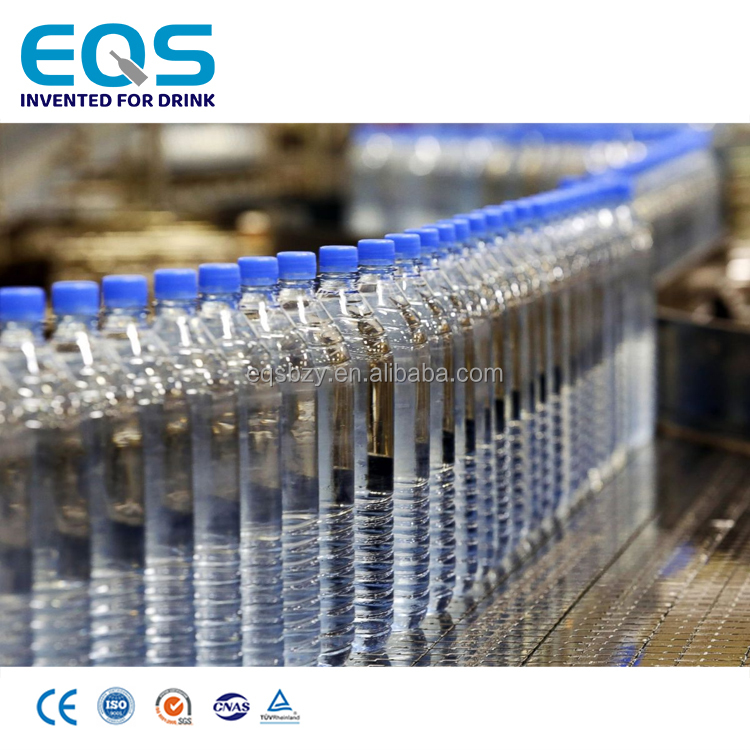 CE Certified
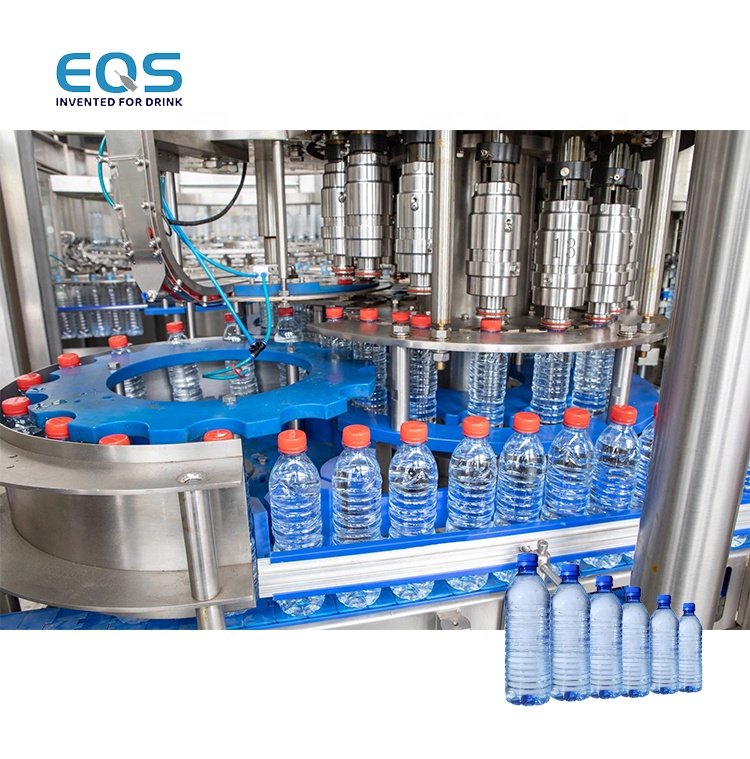
Fully Automatic Drinking Water Bottling Line for PET Bottle Filling Labeling Wrapping Packaging Solution
- Application: Purified / Mineral Water
- Container: PET Bottle (0.2L - 2.0L)
- System Type: Automatic 3-in-1 Monoblock
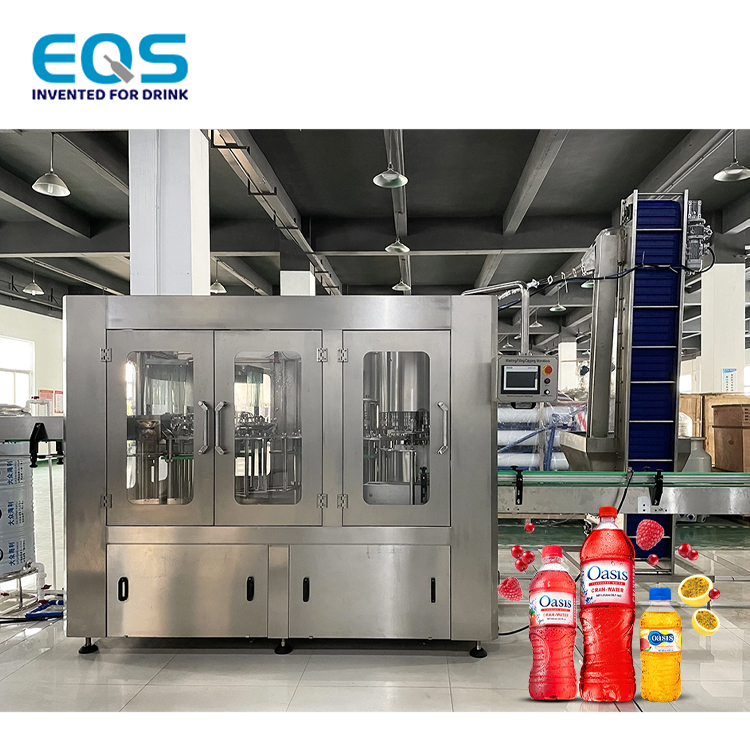 Thermal Filling
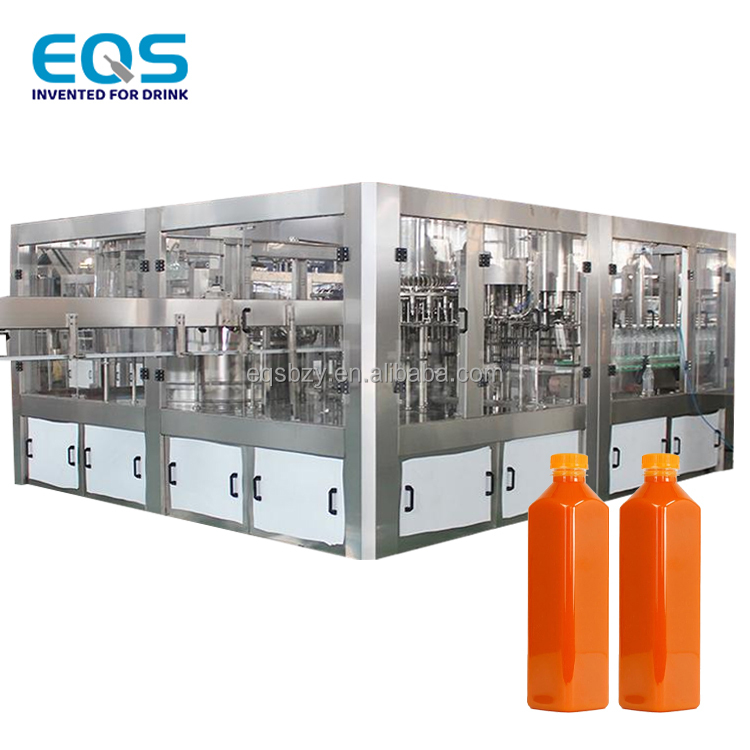
Reliable Flavor-Preserving Juice Production Line for PET Bottle with Cap Loader Labeling and Carton Packing Solution
- Product: Fruit Juice & RTD Tea
- Hot Fill Temp: 85°C - 92°C Recirculation
- Packing: Carton / Shrink Wrapper
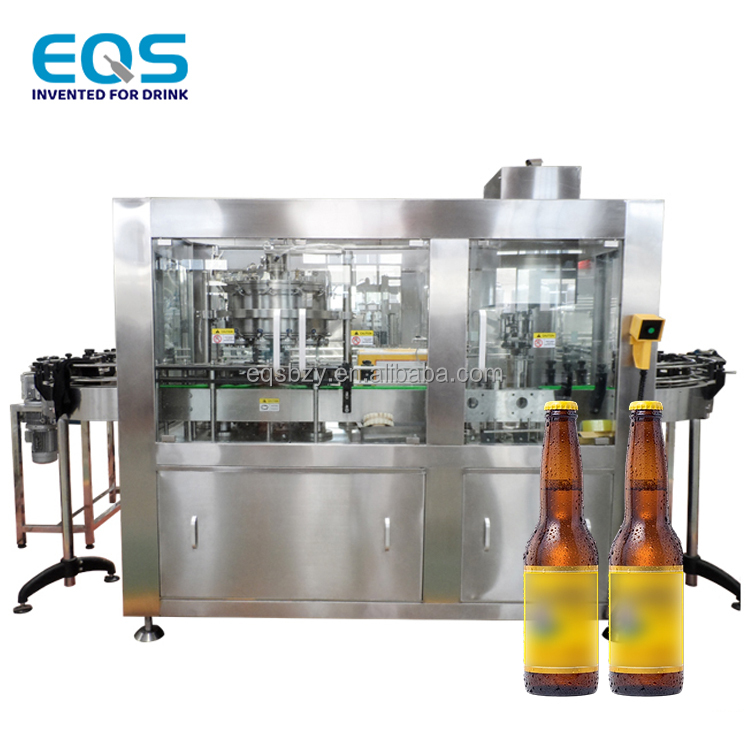 Isobaric Vacuum
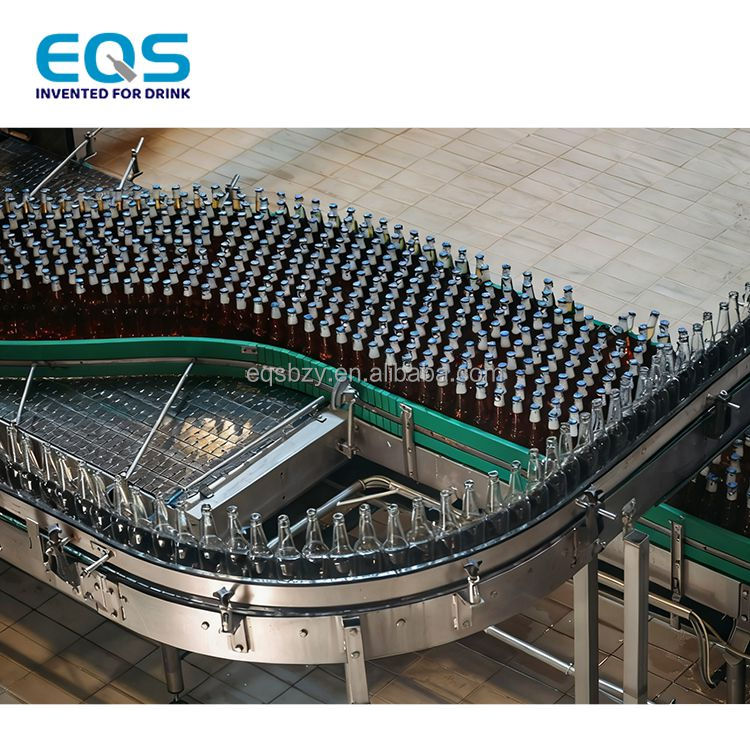
A to Z Turnkey Beer Bottling Line 7000BPH PET Bottle Beer Filling Machine with Aluminum Cap
- Capacity: 7,000 BPH Nominal
- Technology: Double Vacuum Degassing
- Cap Type: Aluminum ROPP / Crown
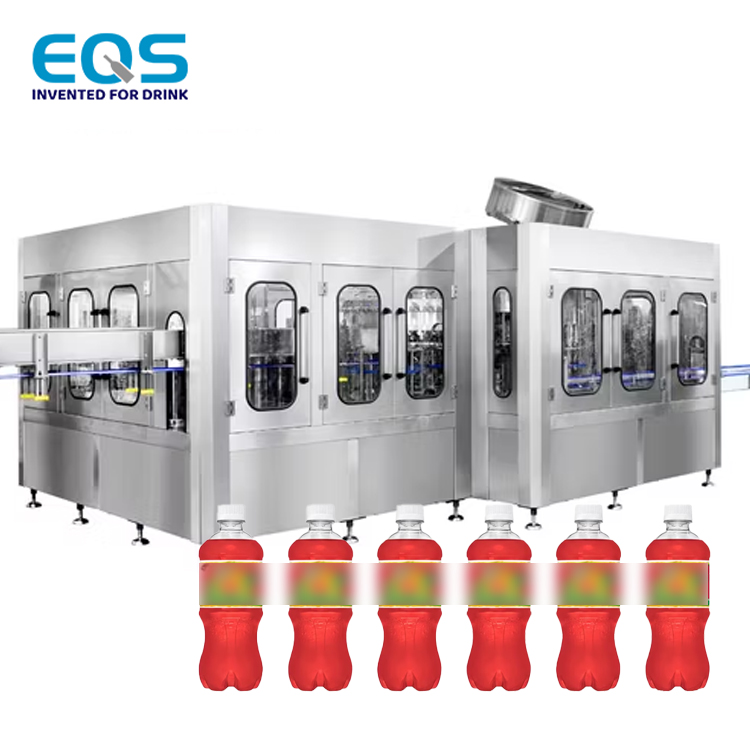 CSD High-Speed
Complete Carbonated Soft Drink and Energy Drink Making Machine Filling Production Line
- Beverage Type: Soda, CSD, Energy Drinks
- Carbonation: Inline CO2 Mixer System
- Control: Siemens / Mitsubishi PLC
 Turnkey Project
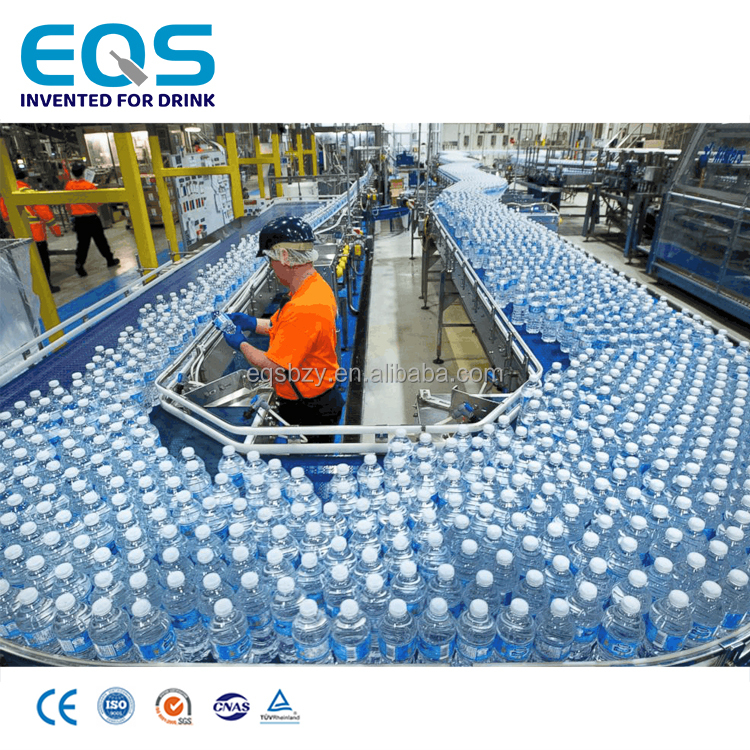
A to Z Complete Pet Bottling Production Line Automatic Mineral Pure 3 in 1 Water Filling Machine Manufacturer
- Scope: Blowing-Filling-Packaging
- Hygiene: SUS304 / SUS316 Contact
- Automation: Fully Automatic 3-in-1
 Pulp & Juice 4-in-1
Hot Filling 4-in-1 Juice Filling Machine for Fruit Juice With Pulp PET Bottle Beverage Bottling Line
- Specialty: Fruit Pulp + Juice Filling
- Architecture: Rinse-Pulp-Juice-Cap
- Thermal Range: 88°C Constant Loop
 Low O2 Pick-up
Precision Vacuum Beer Filling Machine Complete Production Line PLC Controlled with Stable Quality & Low Failure Rate
- Control: Precision PLC Interface
- Dissolved O2: < 30 ppb Pick-up
- Bottle Material: Glass / Heavy PET
 RO Pre-treatment
Industrial Pure & Mineral Water Treatment Filling Machine Complete Production Line Turnkey Project
- Process: RO Water Treatment + Filler
- Sterilization: Ozone & UV Inline Systems
- Target Output: Industrial High Volume
Technical Deep-Dive: Mechanical Architecture of Hot Fill Lines
Hot filling relies on a thermal preservation principle where the beverage itself is pasteurized outside the filler (typically via a Tubular or Plate UHT Sterilizer) and introduced into the bottle at temperatures strictly maintained between 85°C and 92°C. The thermal energy of the liquid sterilizes the interior surfaces of the container and cap during contact.
Continuous Recirculation Loop
Equipped with micro-processor controlled return valves that automatically redirect product back to the UHT surge tank whenever line speed drops, preventing fluid cooling inside filling valves.
Heat-Resistant Neck Handling
Utilizes full pneumatic neck-gripping starwheels designed for heat-set PET bottles (HR-PET) with crystallized necks, eliminating body deformation during high-temperature filling.
Thermal Tilting & Cooling Tunnel
Includes a 180-degree cap sterilizing bottle inverter followed by multi-stage shower cooling zones (85°C → 65°C → 40°C → Ambient) to prevent thermal shock and vacuum collapse.
Preventing Vacuum Deformation in HR-PET Bottling
As hot-filled liquids cool from 90°C down to ambient room temperature (20°C - 25°C), the internal liquid volume contracts slightly and head-space steam condenses, generating a significant negative internal pressure (vacuum vacuum effect). Top-tier Chinese bottling machine manufacturers utilize three primary engineering strategies to neutralize this physical stress:
- Vacuum Panel Container Design: Structuring heat-set PET bottle walls with vertical rigid ribs and flexible vacuum panels that absorb geometric absorption without buckling.
- Nitrogen Dosing Injection: Injecting a micro-dose of liquid nitrogen into the headspace immediately before capping. The nitrogen rapidly expands into gas, neutralizing negative pressure and adding structural rigidity to lightweight PET bottles.
- Mechanical Back-Pressure Control: Precision-calibrated filling valves that seal tight against the neck finish, applying slight positive pressure during filling to prevent air entrapment.
Information Gain Benchmark: Modern 4-in-1 Hot Fill Monoblocks combine fruit pulp dosing and clear liquid hot filling on a single chassis. This reduces footprint requirements by 35% compared to tandem dual-filler setups.
Hot Fill vs. Aseptic vs. ESL Bottling: Procurement Decision Matrix
Selecting the optimal filling technology dictates factory infrastructure, utility requirements, and long-term operating costs. Below is an engineering evaluation comparing Hot Fill against Cold Aseptic Filling and Extended Shelf Life (ESL) setups:
| Evaluation Parameter | Hot Filling (85°C - 92°C) | Cold Aseptic Filling | ESL (Extended Shelf Life) |
|---|---|---|---|
| Primary Beverage Types | Juices, RTD Teas, Sports Drinks, Sauces | Low-Acid Dairy, Plant Milk, Pure Juices | Chilled Juices, Flavored Milk |
| Initial Equipment CAPEX | Moderate (Optimal for Mid-Large Plants) | Very High (Requires Cleanroom Class 100) | Moderate to High |
| Bottle Material Requirement | Heat-Set PET (HR-PET) or Glass Bottles | Standard Lightweight PET Bottles | Standard PET / HDPE / Carton |
| Cleanroom Requirement | Laminar Flow HEPA Hood over Monoblock | Isolator / Sterile Cleanroom Enclosure | Positive Air Pressure Hoods |
| Preservative Need | Zero Preservatives Required | Zero Preservatives Required | Cold Chain Required (Refrigerated) |
| Operational Complexity | Low-Medium (Standard Operator Training) | High (Requires Microbiologists & Validation) | Medium |
Future Procurement & Technological Trends in China Bottling Lines
As global environmental regulations tighten and energy costs fluctuate, leading beverage plant developers sourcing equipment from China are focusing on three key technology shifts expected to dominate the 2025–2030 procurement landscape:
1. Combi-Block Integration (Blowing-Filling-Capping)
Traditional bottling plants operate separate blow molders, air conveyors, and hot fill fillers. Next-generation Chinese OEMs now engineer integrated Blowing-Filling-Capping Combi-Blocks for hot filling. By eliminating air conveyors, bottlers eliminate bottle rim contamination, reduce footprint by up to 45%, and achieve electrical energy savings of 25%-30% through direct preform transfer.
2. Lightweighting HR-PET Bottles & Crystallization Blow Molding
Historically, hot fill PET bottles weighed 28g to 38g for a 500ml volume to withstand thermal collapse. Advanced double-blow heat-setting mold technology developed in Zhangjiagang machinery hubs now allows bottlers to lower bottle weight down to 21g–24g while retaining full structural integrity at 90°C filling temperatures.
3. Smart CIP/SIP Hygiene Automation & Energy Recovery
Modern hot fill production lines integrate automated 3-stage or 5-stage Cleaning-In-Place (CIP) systems with caustic soda, hot water, and acid loops. Integrated heat exchangers recapture thermal energy from hot bottle cooling showers, redirecting heat back to boiler feed-water, cutting plant steam consumption by over 20%.
Why Source from Zhangjiagang OGVU Machinery Co., Ltd.?
Located in Zhangjiagang City, Jiangsu Province—the core manufacturing cluster for beverage packaging machinery in China—Zhangjiagang OGVU Machinery Co., Ltd. stands as a premier manufacturer and global turnkey provider of complete beverage bottling lines.
Intertek On-Site Verified
Our manufacturing facility, engineering standards, and production line capacities have been independently audited and verified on-site by Intertek.
Full CE Compliance
Main water, carbonated soft drink, beer, and juice hot filling machines are supplied with full European CE compliance certificates and safety interlocks.
11+ Years Global Export
Over a decade of international project execution serving beverage factories across Latin America, Africa, the Middle East, Southeast Asia, CIS, and Europe.
Multilingual Engineering Support
Our project management team conducts engineering consultation, layout design, and technical installation in English, Spanish, Russian, and Chinese.
Overseas Installation & Training
Expatriate engineers provide on-site setup, mechanical commissioning, electrical integration, and operator training directly at your factory location.
End-to-End Turnkey Line Matching
We balance every sub-system—from Reverse Osmosis water treatment and UHT sterilizers to labeling machines and palletizers—preventing capacity bottlenecks.