Featured Bottling & Packaging Machinery
Explore our flagship high-performance filling lines, monoblocks, and complete turnkey bottling plants configured for global beverage manufacturers.
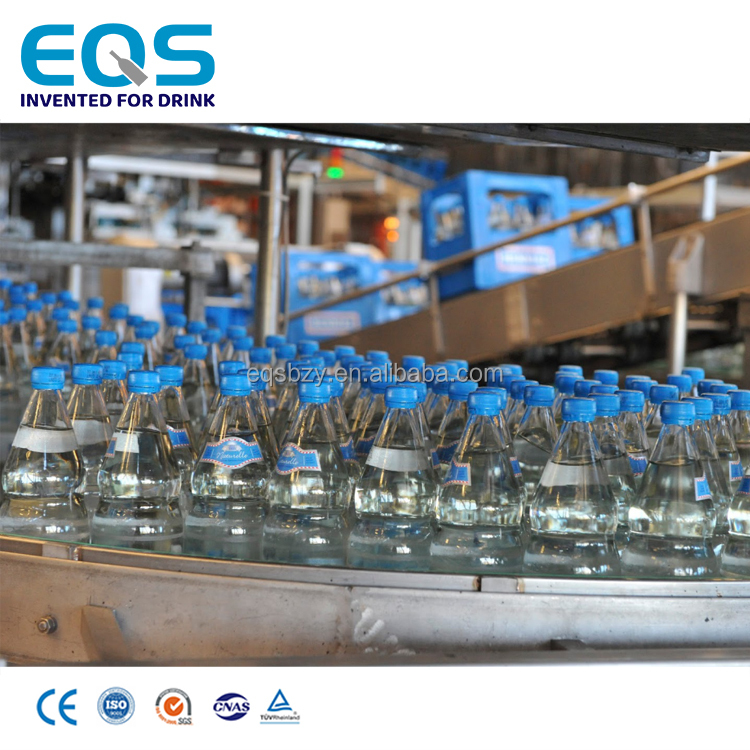
Premium Complete PET Bottle Water Bottling Production Line Filling Labeling Wrapping Case Packing
View Specifications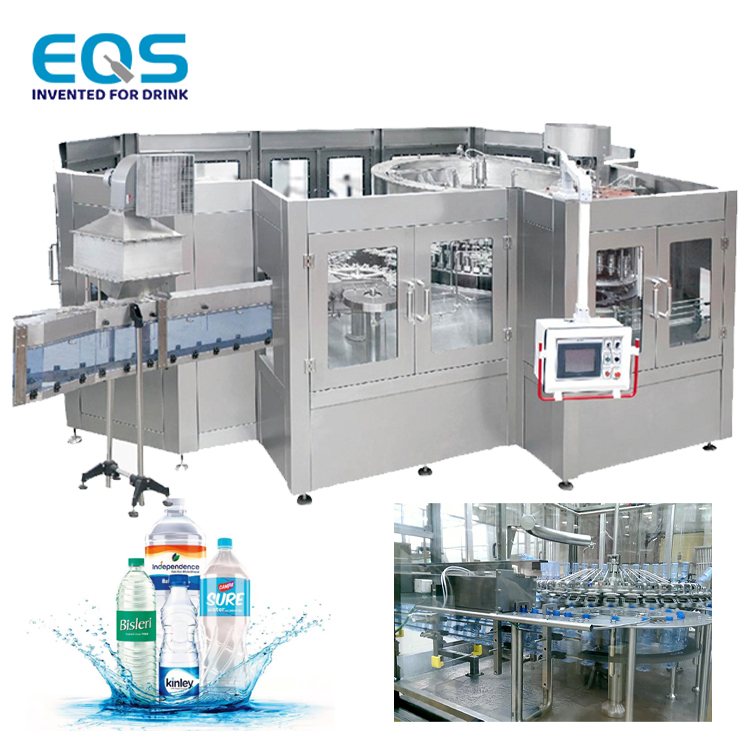
Professional Pure and Mineral Water Filling Line for PET Glass Bottle Complete Production Plant
View Specifications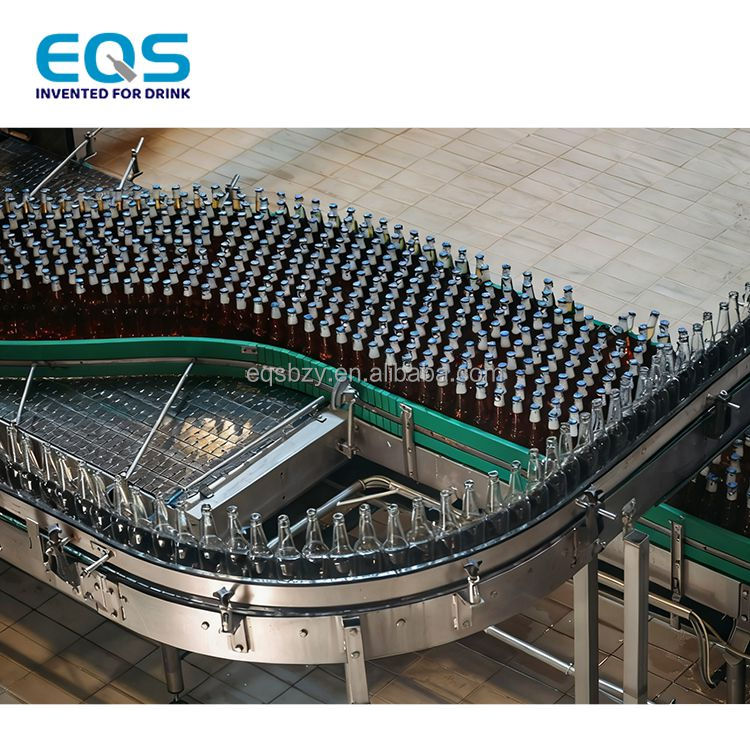
Precision Vacuum Beer Filling Machine Complete Production Line PLC Controlled with Stable Quality & Low Failure Rate
View Specifications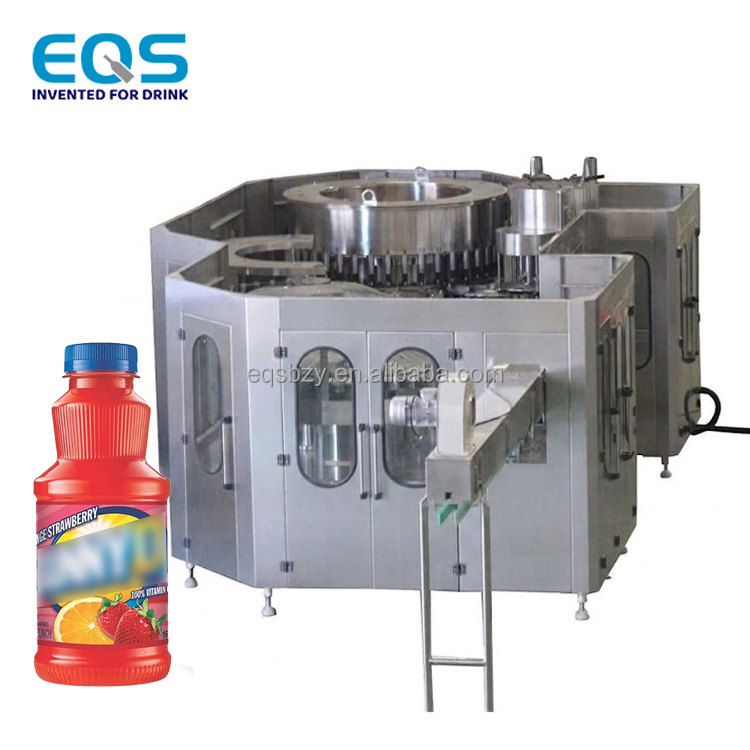
Complete 4-in-1 Fruit Pulp Juice Bottling Line Automatic PET Beverage Filling Machine Equipment
View Specifications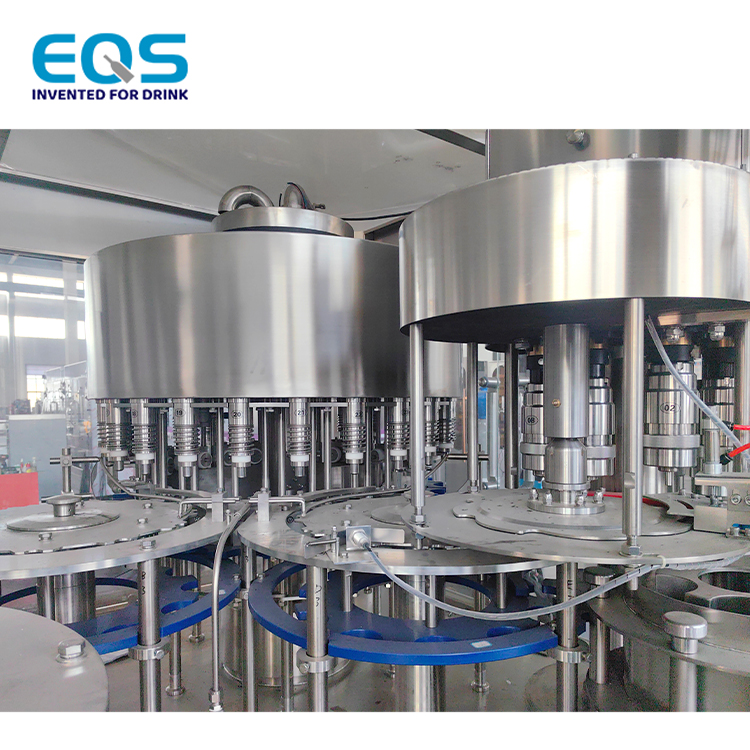
Industrial End-to-End Water Bottling Plant Integrated Production Line Solution for Glass PET Bottles
View Specifications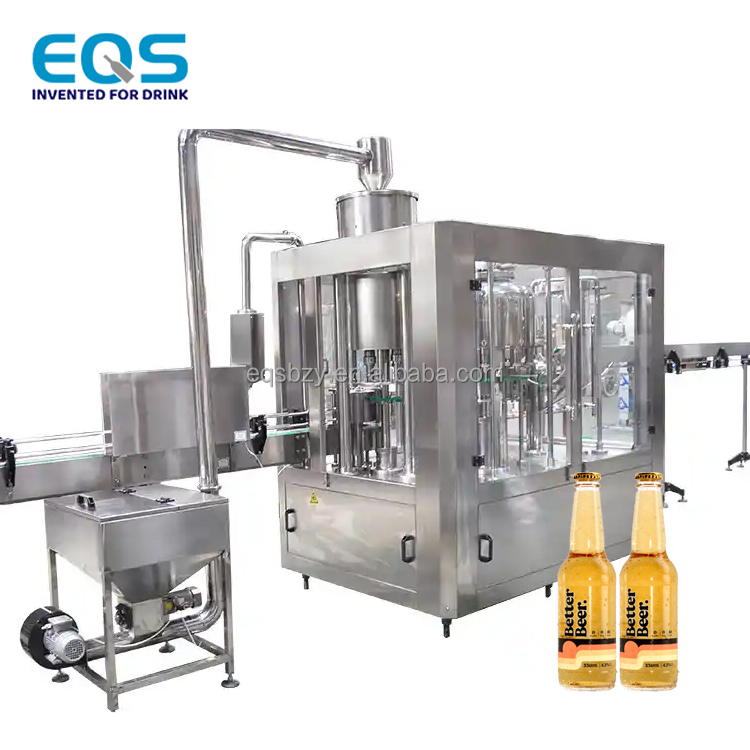
Turnkey PET Bottle Beer Filling Production Line 4000 6000 8000 BPH Complete Beverage Bottling Equipment
View Specifications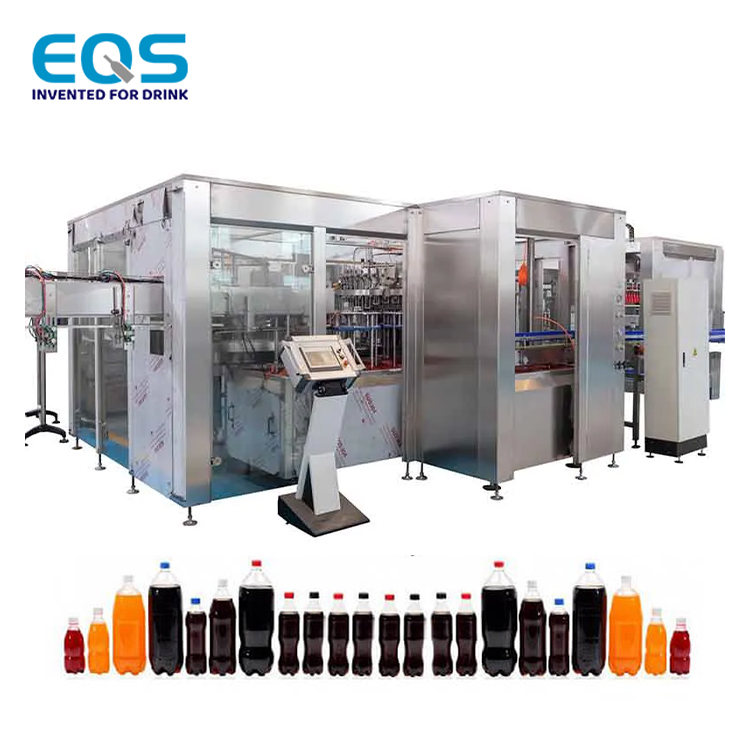
High-Speed 3-in-1 Salt Soda Filling Machine Automatic Carbonated Beverage Bottling Line Monoblock
View Specifications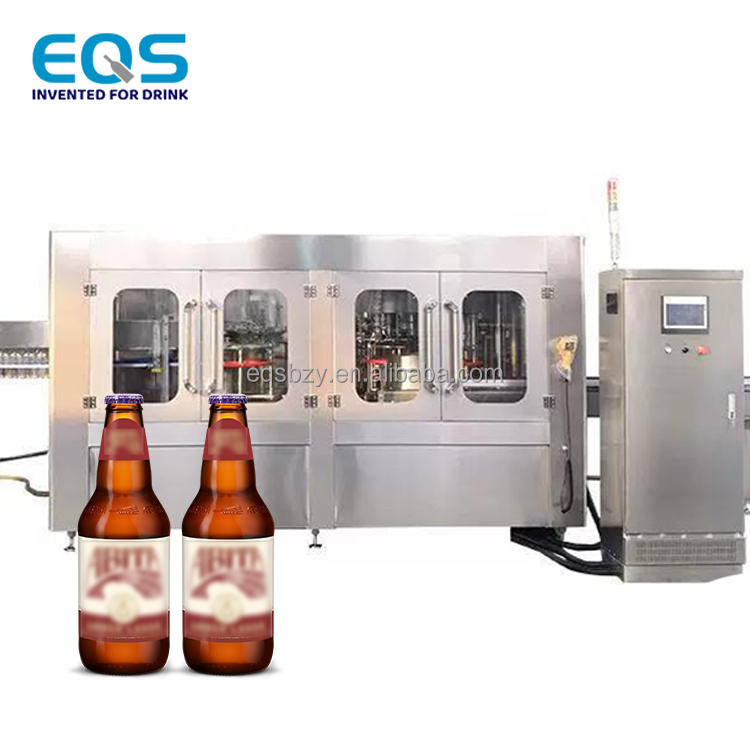
8000BPH Automatic Beer Glass Bottle Washing Filling Capping Machine Manufacturer for Isobaric Filling Line
View Specifications1. Technical Blueprint: Engineering Modern Juice Bottling Lines
The manufacturing of fruit juice, botanical teas, and pulp-enriched beverages demands rigorous thermal process control, absolute hygienic integrity, and structural mechanical precision. As a premier China juice bottling line factory and global exporter based in Zhangjiagang, Jiangsu, Zhangjiagang OGVU Machinery Co., Ltd. addresses the multi-faceted challenges of juice stabilization, thermal degradation prevention, and container vacuum panel collapse through state-of-the-art engineering.
Juice processing requires distinct thermodynamic strategies depending on acidity (pH levels), viscosity, pulp percentage, and target shelf life. Below is a comprehensive engineering comparison detailing primary liquid filling architectures deployed across global bottling plants:
| Filling Technology | Process Temperature | Container Capability | Shelf Life Target | Key Operational Advantages |
|---|---|---|---|---|
| Hot Filling (3-in-1 Monoblock) | 85°C – 92°C | Heat-Resistant PET / Glass | 12 – 18 Months | High speed, sterilizes bottle inner wall & cap via thermal conduction; no preservatives required. |
| Aseptic Cold Filling | 20°C – 25°C (Ambient) | Lightweight PET / Carton | 12 – 24 Months | Preserves sensitive vitamin profiles, flavor top-notes, and color; reduces resin weight by 30%. |
| Ultra-Clean (ESL) Filling | 4°C – 10°C (Cold Chain) | PET / Glass / HDPE | 45 – 90 Days | Combines HEPA air enclosure with chemical rinse; ideal for fresh premium unpasteurized juices. |
| 4-in-1 Pulp Filling Monoblock | 85°C – 90°C | PET / Glass Bottles | 12 Months | Dedicated dual-stage filling: piston/flowmeter pulp dosing followed by high-temp juice top-off. |
Information Gain Engineering Insight: When hot-filling PET containers at 88°C, liquid thermal contraction post-cooling induces internal vacuum forces up to -0.4 bar. OGVU line configurations integrate precise liquid nitrogen dosing or reinforced vacuum-panel bottle design strategies to neutralize vacuum panel deformation, preserving pristine bottle geometry.
Thermal Pasteurization & Product Recirculation Loop
Continuous hot-filling monoblocks manufactured by OGVU incorporate automatic thermal recirculation systems. If line interruptions occur downstream (e.g., at the labeler or case packer), the filling valves automatically trigger liquid diversion back to the tubular UHT sterilizer. This prevents beverage temperature drops inside the filler bowl below the critical 85°C threshold, guaranteeing 100% pasteurization compliance without thermal over-cooking.
2. Enterprise Engineering Edge: Why Global Bottlers Partner with OGVU Machinery
Located in the heart of China's premier beverage packaging machinery industrial cluster—Zhangjiagang City—Zhangjiagang OGVU Machinery Co., Ltd. has established itself as an authoritative manufacturer and exporter of complete turnkey beverage lines. Managing complete production lines from raw water intake to final shrink-wrapped pallet, OGVU eliminates interface conflicts inherent in multi-vendor projects.
Third-Party On-Site Verification
Manufacturing facility, operational scale, and engineering practices verified on-site by Intertek. Comprehensive quality assurance protocols ensure compliance with international industrial standards.
End-to-End Line Balancing
Every sub-system—from Reverse Osmosis water treatment and stretch blow molding to sleeve labeling and palletizing—is perfectly speed-matched to prevent line bottlenecks and maximize Overall Equipment Effectiveness (OEE).
Multilingual Expatriate Commissioning
Senior field service engineers fluent in English, Spanish, Russian, and Chinese perform on-site mechanical assembly, electrical integration, PLC debugging, and plant staff operational training worldwide.
Tier-1 Global Component Architecture
Built exclusively with premium parts: AISI 304/316L stainless steel product contact zones, Siemens S7-1500 PLCs, Schneider electronics, Festo pneumatics, and SEW Eurodrive gear motors for multi-decade reliability.
3. Strategic Procurement Trends in Juice Bottling Machinery (2025–2030)
As consumer preferences shift toward natural beverages, functional juice blends, and sustainable packaging formats, international buyers must align their machinery procurement with multi-year industry dynamics. Sourcing teams analyzing the Chinese machinery export landscape should factor in the following key procurement shifts:
Trend 1: Sourcing Aseptic PET Lines over Traditional Hot-Fill
While hot-fill monoblocks remain the standard for cost-conscious mid-scale producers, high-capacity commercial beverage brands are increasingly pivoting to Aseptic Cold Filling. Sourcing an aseptic line requires higher upfront CapEx, but yields drastic OpEx savings: PET bottle weights can be reduced from ~28 grams (hot-fill bottle with heavy neck finish and vacuum panels) down to ~16 grams (lightweight standard neck PET bottle). Over an annual run of 50 million bottles, raw resin savings often exceed $600,000 USD, amortizing equipment investment within 24 to 36 months.
Trend 2: Integrated Combi-Block (Blow-Fill-Cap) Sourcing
Traditional production line layouts utilize standalone stretch blow molders connected via long air conveyors to the filling monoblock. Procurement trends strongly favor integrated Blow-Fill-Cap Combi-Blocks. By eliminating air conveyors, combi-block systems reduce line footprint by 35%, cut power consumption by eliminating air blower fans, and drastically lower contamination risks by transferring preforms directly into the sterile rinse/fill block via mechanical starwheels.
Trend 3: Multi-Flexible Pulp & Clear Juice Hybrid Architecture
Bottlers no longer want single-purpose machinery. Modern purchase orders specify hybrid filling valves capable of handling clean, clear liquids (e.g., apple juice or purified water) as well as high-viscosity juices containing citrus sacs or fruit pulp (e.g., orange juice with 10% pulp). OGVU's 4-in-1 monoblock configurations feature interchangeable filling nozzles and dual-speed valve actuation to manage pulp suspension without clogging or shear damage to fruit cells.
4. Future Technology Trends in Beverage Packaging Automation
Looking ahead, technological advancements are reshaping the competitive landscape for juice machinery manufacturers in China. Equipment specifiers should evaluate future-proof capabilities when finalizing machinery parameters:
A. Smart Predictive Maintenance & IIoT Telemetry
Next-generation filling lines are equipped with integrated IIoT (Industrial Internet of Things) sensor arrays. Vibration transducers on main rotary bearings, thermal imaging on sealing heads, and pneumatic pressure drop monitoring feed real-time operational data to Siemens PLC edge processors. Algorithmic telemetry alerts maintenance managers to bearing wear or seal degradation weeks before failure occurs, eliminating unplanned downtime during peak bottling seasons.
B. Eco-Conscious Packaging & rPET Processing Compatibility
Global environmental mandates requiring 25% to 50% Recycled PET (rPET) content introduce thermal blowing challenges due to varying preform color density and intrinsic viscosity (IV). Modern stretch blow molding modules integrated into OGVU bottling lines feature smart infrared heating lamps with individual zone temperature adjustments and pyrometric feedback loops, ensuring uniform material distribution regardless of rPET percentage.
C. CIP/SIP Automated Validation & Water Recovery
Clean-In-Place (CIP) and Sterilization-In-Place (SIP) cycles are critical hygiene checkpoints. Advanced lines incorporate triple-tank CIP systems with inline conductivity meters, automatic chemical dosing pumps, and heat recovery exchangers. Rinsing water from final wash phases is captured and re-used for initial flush cycles, reducing industrial wastewater discharge volumes by up to 40%.
5. Comprehensive Procurement FAQ (Buyer's Sourcing Guide)
Selection depends primarily on product pH, presence of pulp, and desired shelf life. Still water uses gravity or low-vacuum filling; carbonated soft drinks and beer require isobaric (counter-pressure) filling to keep CO2 in solution; fruit juices and teas are typically hot-filled (85–92°C) or aseptic cold-filled to guarantee biological stability; viscous sauces and edible oils utilize piston or net-weight electronic fillers.
To receive a fully engineered plant layout and detailed proposal, please supply: 1) Beverage product characteristics (pH, carbonation level, pulp content); 2) Container specifications (PET, glass, can, volumes in ml, bottle engineering drawings if available); 3) Desired output speed (Bottles Per Hour - BPH); 4) Cap type (screw cap, sport cap, crown cork); 5) Labeling format (sleeve, OPP hot-melt, pressure-sensitive); 6) Workshop dimensions (L x W x H) and local electrical standards (Voltage/Hz).
Yes. Rotary rinsing-filling-capping monoblocks can accommodate multiple bottle volumes (e.g., 250ml, 500ml, 1.5L) within a defined neck finish range. Format changeover requires swapping lightweight starwheels, bottle neck guide rails, and height adjustments via motor-driven lifting columns. Fast-change changeover parts can be swapped in under 30 minutes.
Prior to dispatch, every OGVU line undergoes a rigorous 72-hour continuous FAT (Factory Acceptance Test). We run actual customer bottle preforms, caps, and simulated liquid product through the line to verify mechanical stability, filling level accuracy (+/- 2mm), torque control, and labeling precision. Live HD video inspections or in-person customer audits are conducted prior to final container loading.
Yes. We dispatch experienced mechanical and automation field engineers to your plant to supervise foundation placement, complete line inter-connection, perform electrical wiring, execute water/steam commissioning, and train your plant operators. We also stock a comprehensive inventory of wear parts (seals, filling valves, starwheels, heating lamps) available for rapid global express delivery.
All main OGVU water, carbonated beverage, beer, and juice packaging lines are offered with full CE certification complying with European Machinery Directive 2006/42/EC and Low Voltage Directive. Electrical cabinets can be custom-engineered to meet UL508A and CSA standards upon request, featuring Schneider/Siemens components.
Ready to Engineer Your Next Beverage Production Facility?
Partner with China's leading juice bottling machinery factory. Our senior engineering team will design a customized layout, machine specification, and ROI analysis tailored to your operational targets.
Get Catalog