Featured Industrial Mineral Water & Beverage Filling Equipment
Explore our high-performance turnkey production lines engineered for PET, Glass, and Can containers across various output capacities.
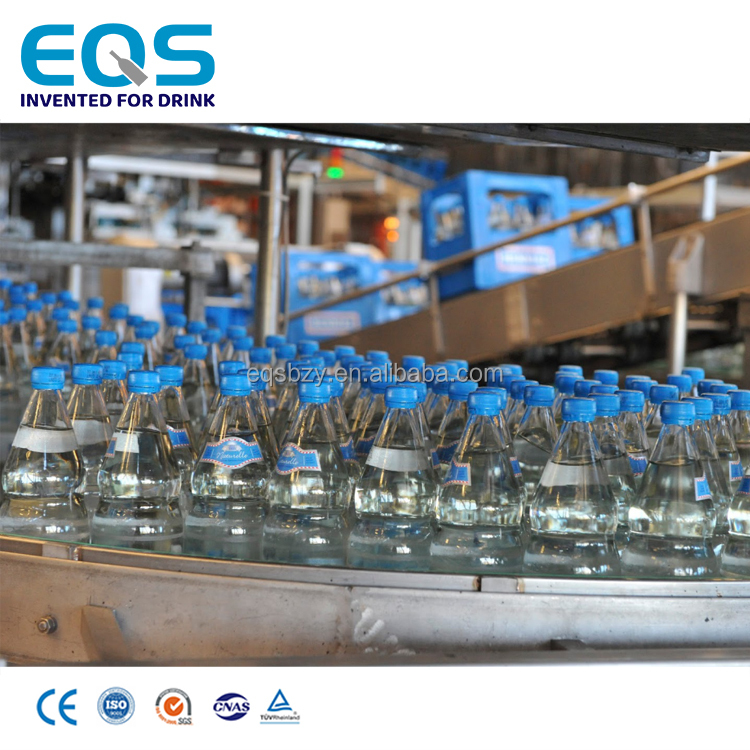
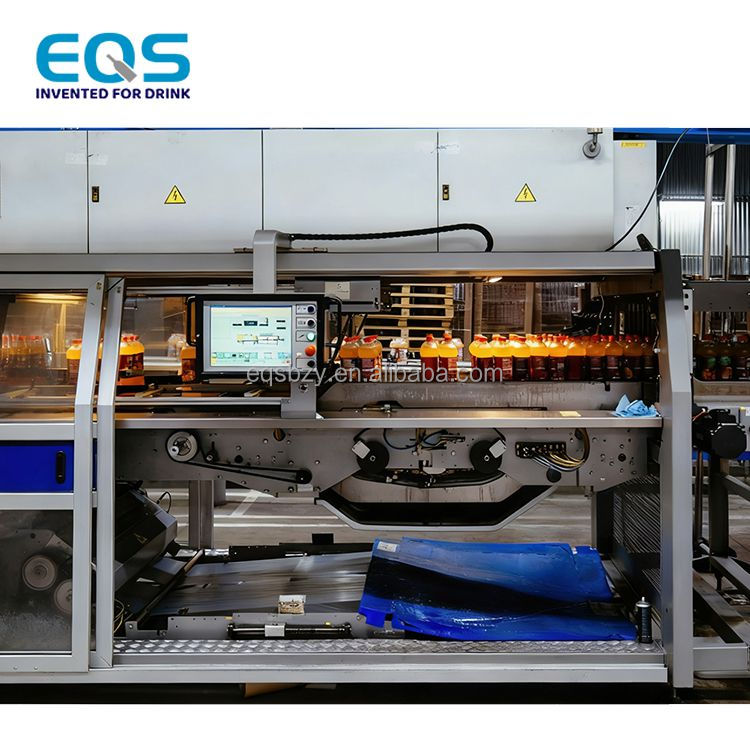
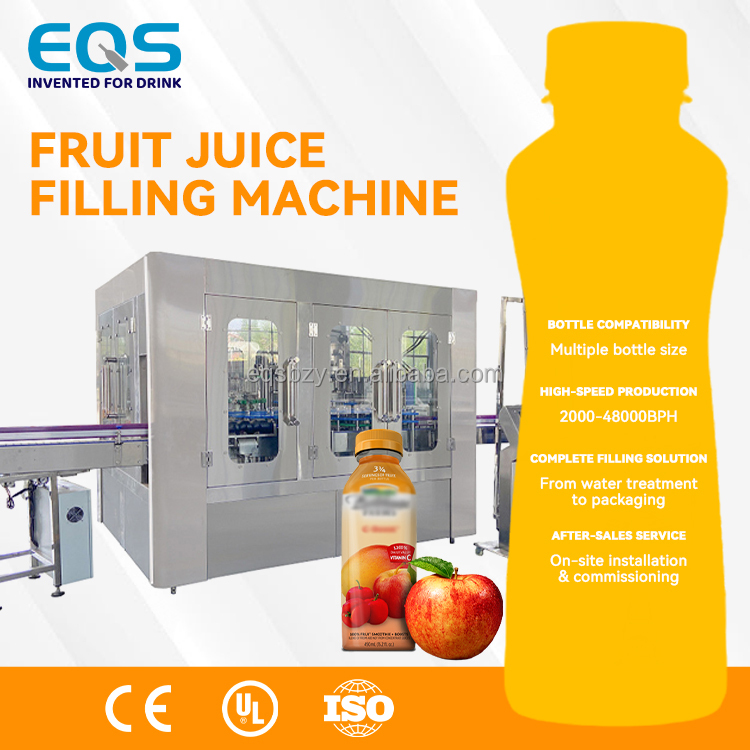
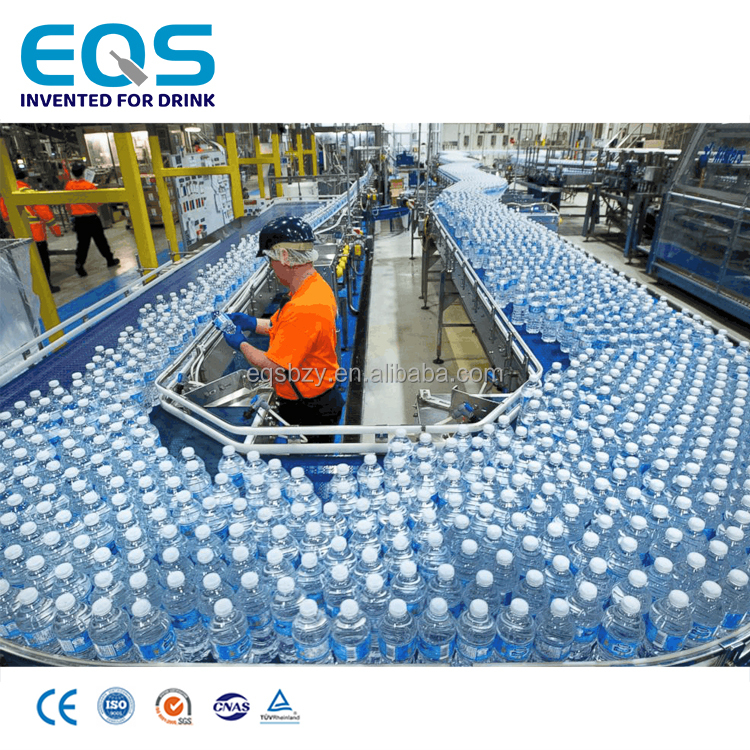
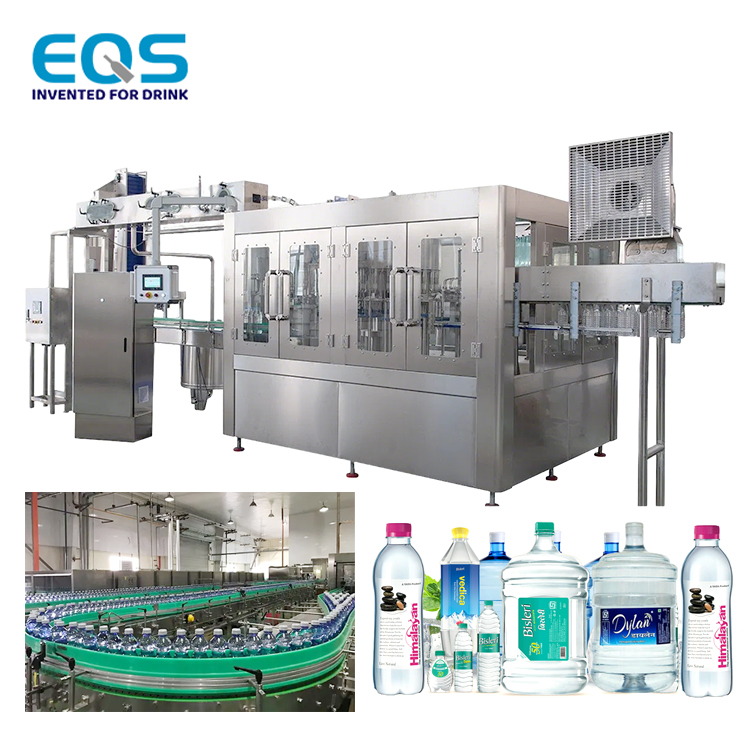
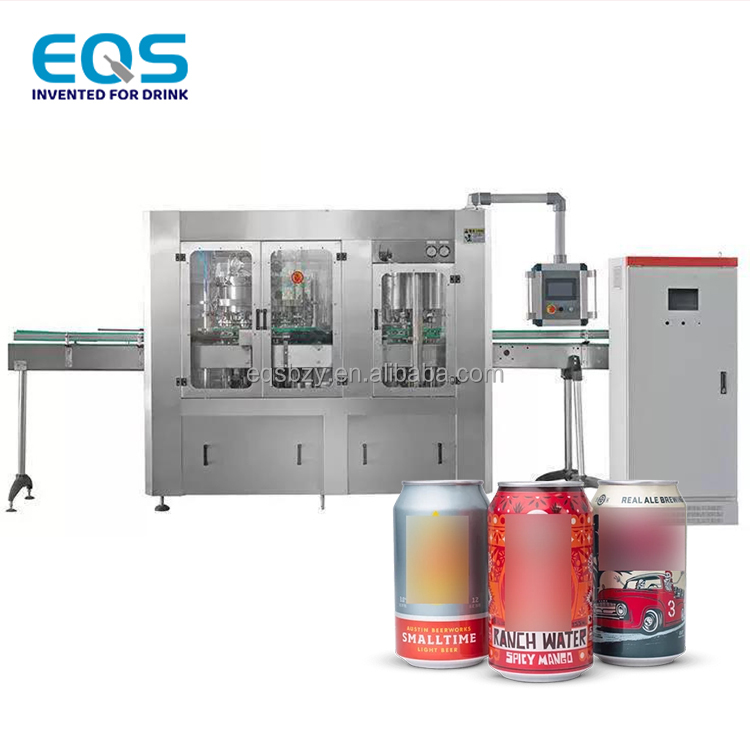
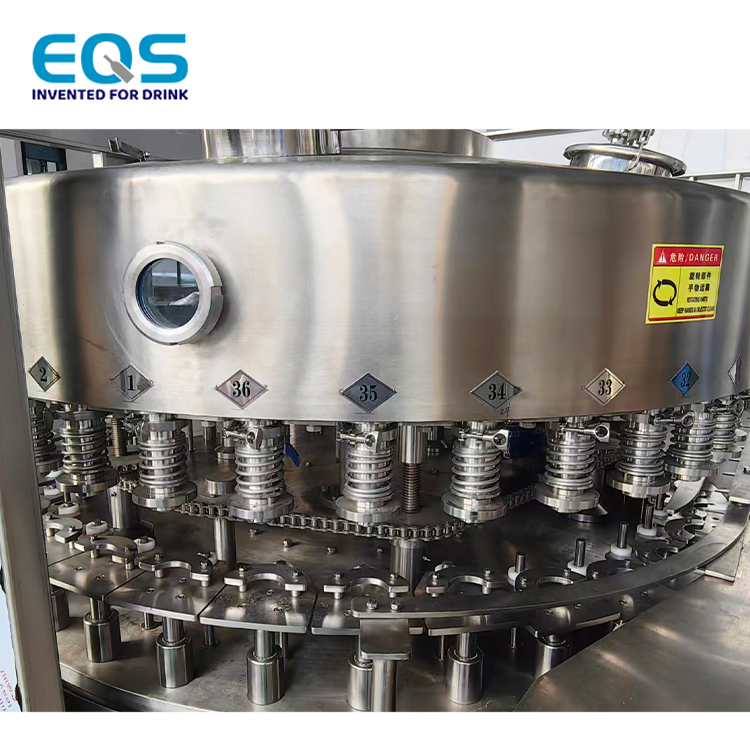
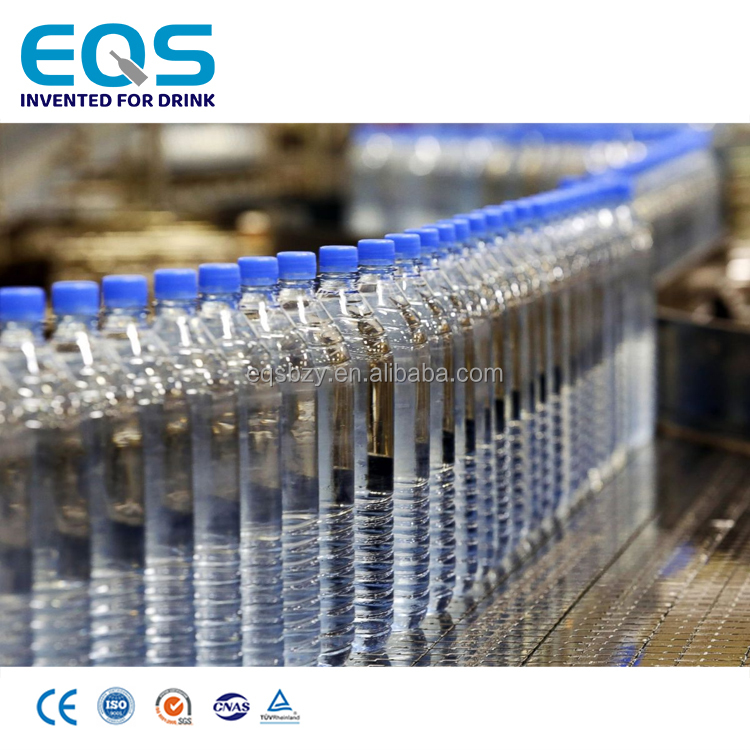
Engineering Excellence in Mineral Water Filling Technology
In the contemporary liquid packaging industry, sourcing high-efficiency, hygienic, and precise mineral water filling machines is a cornerstone for operational profitability. As a leading cluster for beverage machinery, Zhangjiagang, China has emerged as the premier manufacturing hub globally. Choosing the right China mineral water filling machine supplier involves far more than comparing baseline quotes; it demands a deep evaluation of mechanical kinematics, fluid dynamics, micro-biological safety standards, and Total Cost of Ownership (TCO).
Information Gain Insight: Modern high-speed mineral water lines have shifted from mechanical gravity filling valves to non-contact electronic magnetic flowmeter or mass flowmeter filling valves. This eliminates physical contact between bottle necks and filling heads, drastically reducing cross-contamination risks and achieving precision tolerances within ±1mm fluid height levels.
Core Architectural Components of a Turnkey Mineral Water Bottling Line
A complete mineral water bottling plant operates as an integrated ecosystem where every sub-system must be perfectly synchronized to prevent line bottlenecks. The primary structural components comprise:
- Raw Water Treatment & Purification Unit: Incorporating multi-media quartz sand filtration, activated carbon absorption, dual-stage Reverse Osmosis (RO) membranes, and UV/Ozone sterilization loops to meet rigid WHO and national drinking water standards.
- Preform Stretch Blow Molding System: High-pressure rotary blowing units equipped with infrared preform heating ovens, delivering uniform wall thickness for ultra-lightweight PET bottles.
- Isobaric or Gravity 3-in-1 Monoblock: Combining bottle rinsing (sterilized water flush), magnetic flowmeter filling, and magnetic constant-torque capping into a single cleanroom enclosure maintained under positive HEPA air pressure.
- Downstream Conveyance & Secondary Packaging: Dynamic buffer conveyors, hot-melt glue OPP labeling or sleeve labeling machines, automatic film shrink bundlers, and robotic arm palletizers.
| Performance Parameter | Small-Scale Line (2,000-6,000 BPH) | Mid-Scale Line (8,000-18,000 BPH) | High-Speed Combi Line (20,000-36,000 BPH) |
|---|---|---|---|
| Filling Valve Type | Mechanical Gravity / Pneumatic Valve | Mechanical / Magnetic Flowmeter | Non-Contact Electro-Magnetic Flowmeter |
| Suitable Bottle Range | 200ml - 2500ml PET / Glass | 250ml - 2000ml PET | 200ml - 1500ml Lightweight PET |
| Sanitary Level | Standard Clean Enclosure | Class 10,000 Laminar Flow Hood | Class 100 Aseptic Isolation Chamber |
| Capping Accuracy | Magnetic Torque Capper (≥99.2%) | Constant Torque Magnetic Capper (≥99.6%) | Servo-Driven Independent Head (≥99.9%) |
| CIP Integration | Manual CIP Dummy Cups | Semi-Automatic CIP System | Fully Automated Closed-Loop CIP/SIP |
Future Sourcing & Technology Trends in Mineral Water Bottling
Staying ahead of regulatory updates, environmental directives, and automation innovations.
Blowing-Filling-Capping Combi-Block
Eliminating intermediate air conveyors between the blow molder and filler reduces floor space footprint by 30-40%, minimizes energy consumption by up to 25%, and avoids neck-handling contamination risks.
Ultra-Lightweight PET Bottling
Rising raw material costs drive the move toward ultra-lightweight preforms (e.g., 500ml bottles weighing under 9.5 grams). Modern filling machines use gentle neck-handling transfer stars and precision low-pressure filling valves to prevent bottle crushing.
IoT Telemetry & Predictive Maintenance
Integration of Siemens or Schneider PLC architectures with edge-computing modules allows remote monitoring of vibration, thermal stress, filling level deviation, and valve cycle degradation, ensuring zero unplanned downtime.
Why Sourcing from Zhangjiagang OGVU Machinery Provides Strategic Leverage
Located in the heart of China's liquid packaging industrial cluster, Zhangjiagang OGVU Machinery Co., Ltd. brings over 11 years of international trade history, on-site third-party verified manufacturing operations, and export engineering capability to global beverage producers.
Intertek On-Site Verified
Factory premises, machining equipment, and manufacturing workflows independently audited on-site by Intertek experts.
CE & ISO Certification
Main water, carbonated, juice, and aseptic filling lines engineered under European safety and health conformity marks.
Expatriate Field Engineers
Multilingual technical service teams (English, Spanish, Russian, Chinese) deployed globally for installation and training.
Single-Source Line Balance
Full integration from raw water RO treatment to shrink wrapping prevents bottlenecking caused by mixed-vendor lines.
Custom Engineering & ODM
Bespoke workshop layout designs (2D CAD & 3D BIM models) matching client electrical specs and factory footprint.
Finished Product QA Testing
Rigorous pre-shipment factory testing (FAT) using client preforms and caps to guarantee plug-and-play field startup.
Frequently Asked Procurement Questions (FAQ)
Key technical considerations evaluated by beverage factory managers and procurement directors before placing orders.
Natural mineral water contains dissolved minerals and natural dissolved gases that require non-turbulent fluid flow. Electronic magnetic flowmeter filling valves are strongly recommended because they eliminate mechanical springs inside the liquid path, avoiding mineral scaling and maintaining laminar flow. Purified water can utilize gravity valve monoblocks for lower capital expenditure, though flowmeter technology remains superior for high-speed accuracy.
Calculate required BPH (Bottles Per Hour) using this formula: Required Output = (Annual Target Volume in Liters) ÷ (Bottles Per Liter × Working Days per Year × Shift Hours per Day × Overall Equipment Effectiveness [OEE]). Typically, industrial plants account for an OEE factor of 85%. For instance, to produce 30 million 500ml bottles annually operating on 300 days with 16-hour double shifts, a minimum filling speed of 7,500 BPH is required.
Yes. Rotary 3-in-1 monoblocks can accommodate PET bottle volumes ranging from 250ml to 2000ml. Format switching is accomplished by changing quick-release starwheels, bottle neck guide plates, and adjusting the electrical height lifting mechanism of the rotary carousel. Neck-handling designs (where bottles are suspended by their neck rings) allow different bottle heights to run with minimal changeover time (under 30 minutes).
Comprehensive microbiological control relies on a three-tier protection architecture: 1) Air filtration via HEPA filters generating positive pressure inside the filling hood; 2) Bottle rinsing using ozonated water or chlorine dioxide (ClO2) rinses prior to filling; 3) Integrated Automated Clean-in-Place (CIP) loops with motorized dummy cups to circulate hot caustic (75-80°C) and hot water through all liquid contact valves.
Top-tier suppliers in Zhangjiagang, China deliver 85-90% of European mechanical throughput and accuracy at 30-40% of the initial capital expenditure (CAPEX). China suppliers utilize identical tier-1 international automation components (Siemens PLC, Festo pneumatics, SEW drives, Schneider electricals, Sick sensors) while offering faster manufacturing lead times (45-60 days vs. 8-12 months) and significantly lower replacement spare part costs.
To receive a validated technical proposal and CAD layout drawing, clients should specify: 1) Target container material (PET, Glass, Can) and bottle drawing/samples; 2) Liquid medium characteristics (TDS level, carbonation volumes if any, viscosity); 3) Desired output (BPH based on 500ml); 4) Cap design (28mm PCO 1881, 29/25, crown, sports cap); 5) Labeling format (Hot-melt OPP, PVC Sleeve, Self-adhesive); 6) Secondary packaging (Shrink film bundle, cardboard case); 7) Local power grid frequency/voltage (e.g., 380V 50Hz 3Phase).
Ready to Engineer Your Bottling Plant?
Connect directly with senior beverage filling engineers to request custom line layouts, machine specs, and competitive FOB/CIF quotations.
Get Catalog