High-Performance Carbonated & Beverage Filling Lines
Explore our engineering solutions engineered for maximum CO₂ volume stability, exact Brix control, and sterile bottling compliance.
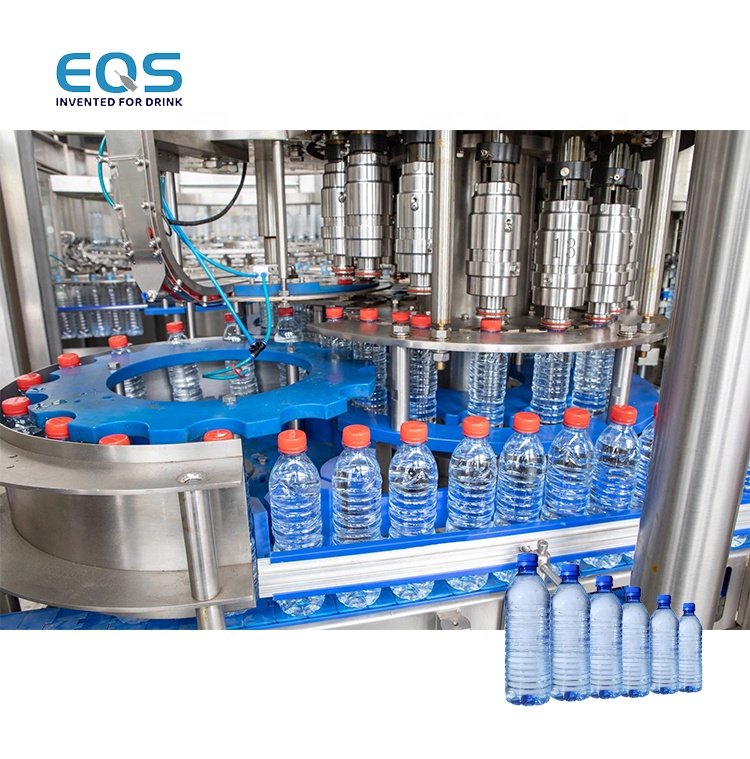
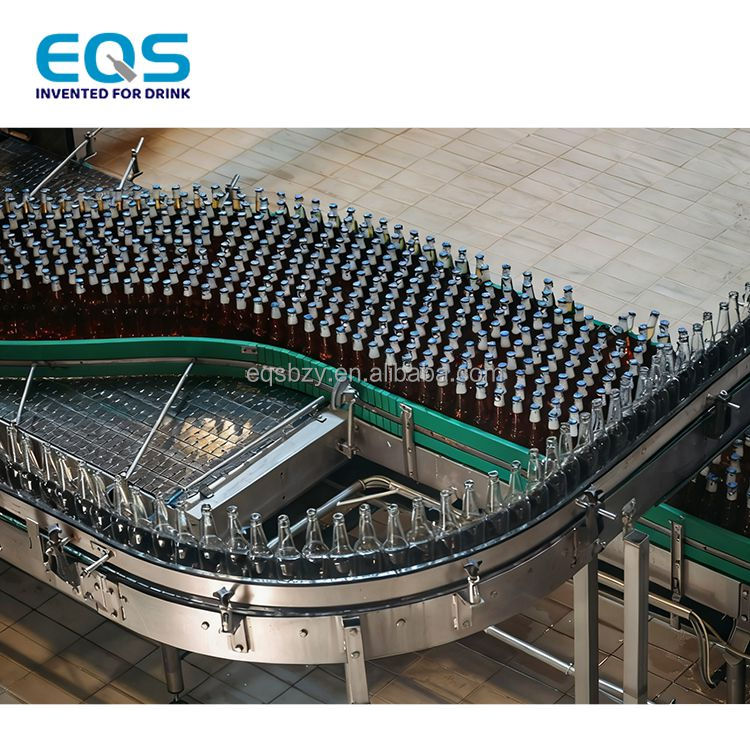
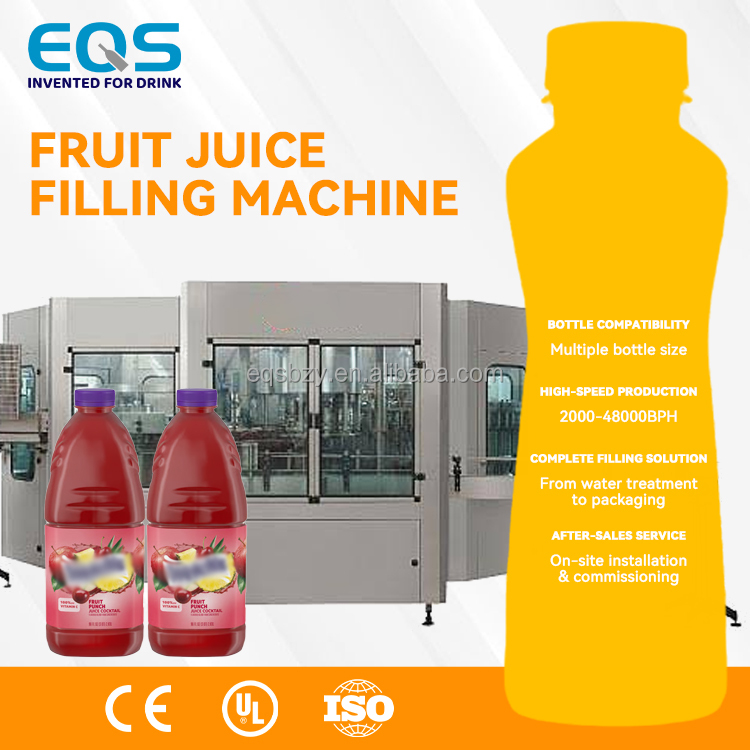
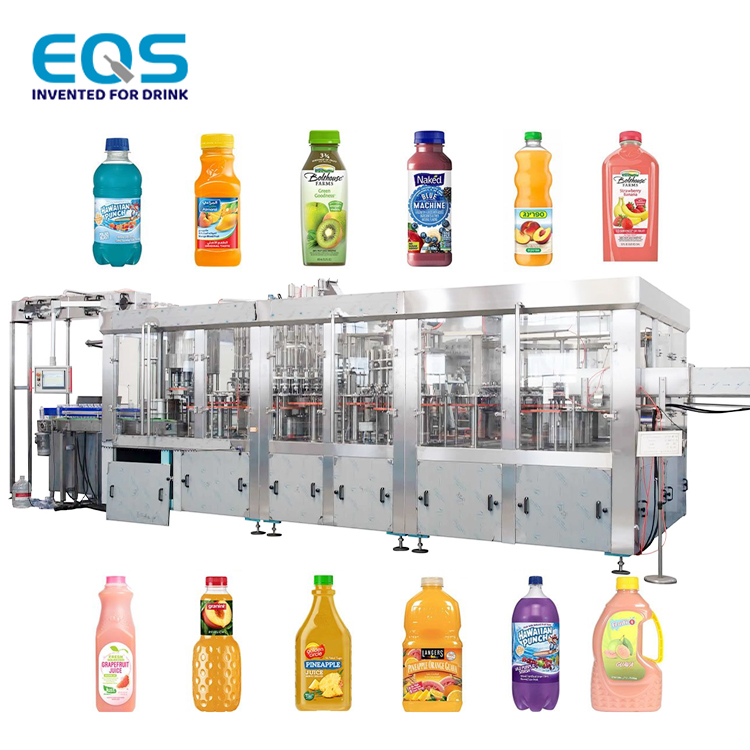
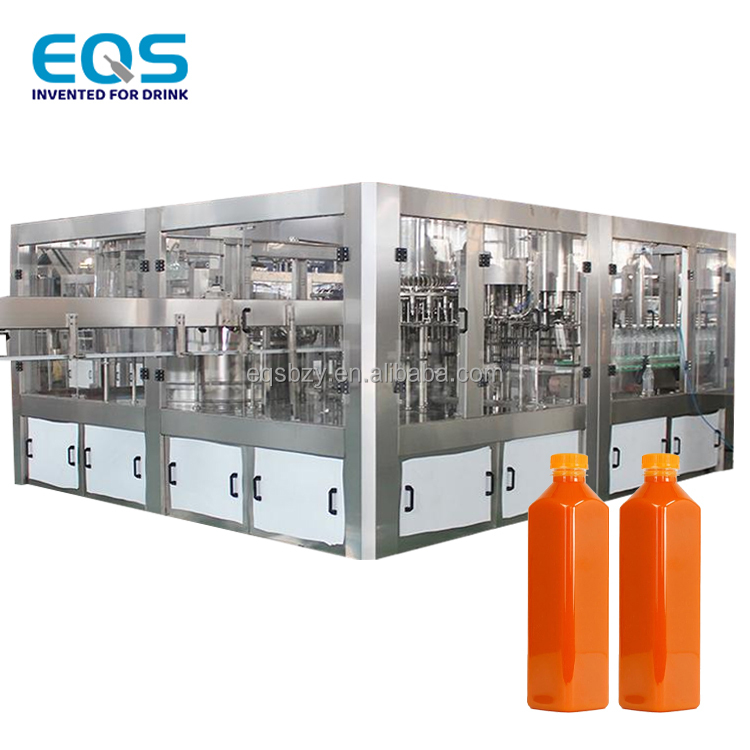
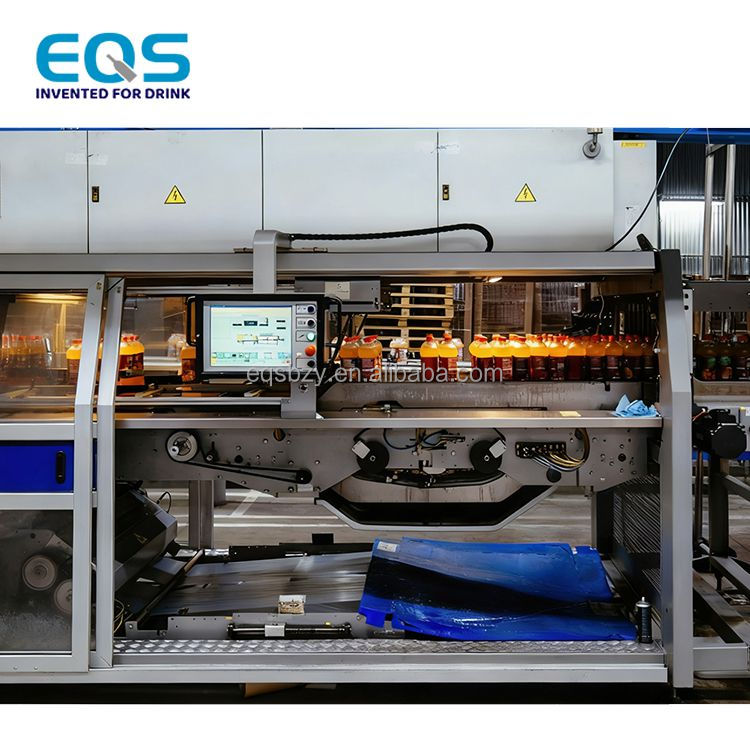
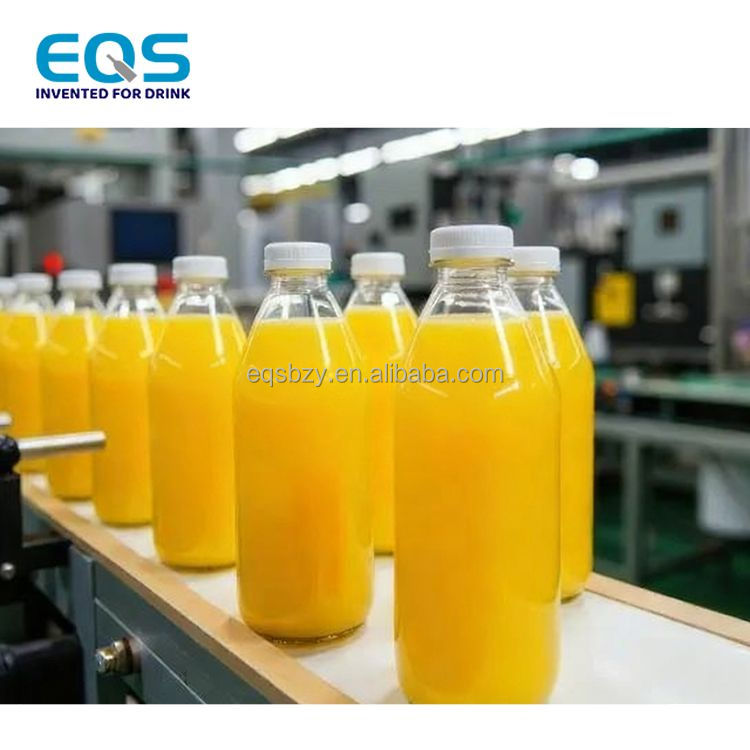
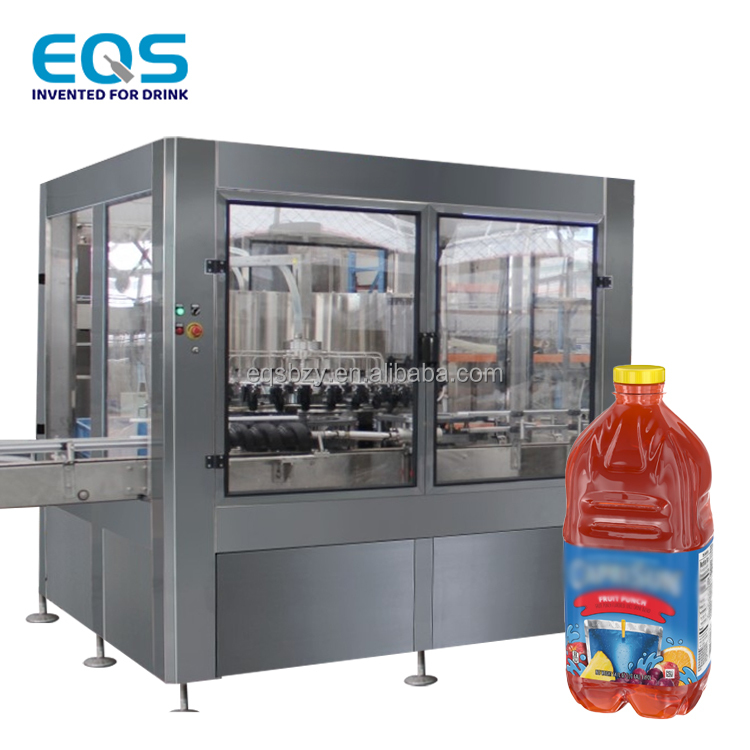
Carbonated Beverage Mixing & Carbonation Technology
A Technical Assessment of Continuous Mixing, Mass Flow Rate Dosing, and Vacuum Deaeration Dynamics in Modern Bottling Facilities.
1. Fluid Dynamics & Henry's Law in High-Pressure Carbonation Systems
In carbonated soft drink (CSD) manufacturing, the dissolution of Carbon Dioxide ($\text{CO}_2$) into liquid matrixes is governed by Henry's Law of Gas Solubility, which states that at a constant temperature, the amount of dissolved gas in a given type and volume of liquid is directly proportional to the partial pressure of that gas in equilibrium with that liquid. However, commercial industrial production requires continuous flow, precise ratio dosing, and extreme thermal management.
Top trusted carbonated beverage mixer manufacturers utilize multi-stage carbo-coolers that chill the treated water down to 2°C – 4°C prior to gas injection. Because $\text{CO}_2$ solubility exhibits an inverse relationship with fluid temperature, maintaining precise thermal stability prevents gas liberation during high-speed counter-pressure filling.
- Two-Stage Vacuum Deaeration: Eliminates non-condensable gases (primarily Dissolved Oxygen, $\text{DO}_2$) down to below 0.05 mg/L. High oxygen concentrations create nucleation sites that trigger massive foaming at the filler valves, leading to volumetric instability and product oxidation.
- Static Venturi & Micro-Porous Injection: Gas injection is accomplished through sintered titanium or stainless-steel micro-injectors, breaking $\text{CO}_2$ into micro-bubbles (smaller than 20 microns) to maximize interfacial surface area and accelerate thermodynamic absorption.
- Pressure Maintenance Vessels: Saturation tanks are built as ASME / PED pressure vessels rated up to 1.0 MPa, keeping the beverage matrix stabilized under controlled backpressure until it enters the filling bowl.
2. Electronic Mass-Flow Metering vs. Mechanical Ratio Pumps
Historically, bottling plants relied on mechanical gear-linked displacement pumps to proportion syrup base and treated water. Modern high-capacity lines (exceeding 10,000 bottles per hour) have completely transitioned to continuous electronic mass-flow metering systems featuring Coriolis technology.
By measuring the true mass flow rate rather than volumetric displacement, Coriolis flow meters eliminate variance caused by thermal expansion, syrup viscosity shifts, and air entrainment. This allows real-time PID feedback control via high-frequency ratio valves, guaranteeing that the final Brix level stays within a stringent variance of $\pm 0.05^\circ\text{Brix}$.
Continuous Refractometry
Inline optical refractometers constantly verify final Brix levels before carbonation, sending instant correction signals to the PLC modulating valves.
Automatic CIP Sanitation
Fully integrated Cleaning-In-Place (CIP) spray loops with automated spray balls and pneumatic dual-seat mixproof valves ensure zero cross-contamination between flavor cycles.
Hygienic Valve Manifolds
Constructed exclusively with AISI 316L stainless steel, inner surface roughness ($Ra$) strictly polished to $< 0.4\,\mu\text{m}$ to prevent biofilm formation.
Comparative Evaluation: Conventional Mixers vs. Next-Gen Carbo-Coolers
Understanding the technological gap in carbonated beverage production line efficiency, maintenance costs, and quality control.
| Evaluation Parameter | Legacy Batch Mixers | Semi-Automatic Volumetric Mixers | Zhangjiagang OGVU Continuous Carbo-Cooler |
|---|---|---|---|
| Brix Dosing Precision | ±0.30° Brix (Manual Sampling) | ±0.15° Brix (Volumetric Pistons) | ±0.05° Brix (Continuous Coriolis Flow) |
| $\text{CO}_2$ Volume Saturation | Up to 3.2 Vol/Vol (Inconsistent) | Up to 4.0 Vol/Vol (Medium Stability) | Up to 5.0 Vol/Vol (±0.05 Vol Stability) |
| Dissolved Oxygen ($\text{DO}_2$) Level | > 0.35 mg/L (Single Stage) | ≈ 0.15 mg/L (Basic Spray) | < 0.05 mg/L (Two-Stage Vacuum Column) |
| Product Yield Loss | High (> 2.5% per batch change) | Moderate (≈ 1.2% per batch) | Ultra-Low (< 0.3% via automated push-out) |
| CIP Integration | Manual Washdown required | Partial CIP Circuit | Full Automatic 3-Zone CIP with Mixproof Valves |
| Energy & Cooling Requirement | High Chiller Load (Uncontrolled) | Standard Refrigeration Loop | Optimized Thermal Exchange (>22% Power Saved) |
Future Procurement Trends in Beverage Carbonation (2025–2030)
Key technological disruptions procurement managers and plant engineers must evaluate before capital deployment.
1. AI-Driven Self-Tuning Carbonation Loops
Next-gen carbo-coolers leverage machine learning algorithms that automatically adjust ambient pressure and cooling fluid flow rate based on real-time raw sugar density variations, eliminating human operator error during seasonal syrup changes.
2. Hybrid Beverage Flexibility (CSD + Sparkling Water + Energy Drinks)
Procurement teams are shifting away from dedicated single-product mixers toward modular, skid-mounted platforms capable of rapid format changeovers—switching from high-carbonation sparkling water (4.5 Vol) to delicate nitrogenated or low-carbonation fruit sodas in under 15 minutes.
3. Sustainable Refrigerants & Energy Reclamation
Global environmental regulations (such as EU F-Gas and US EPA SNAP) mandate the phase-out of high-GWP synthetic refrigerants. Equipment suppliers are integrating eco-friendly $\text{R290}$ (Propane) or $\text{CO}_2$-based chillers into the mixer skid to cut energy consumption by up to 30%.
Need a Custom Carbonated Beverage Mixer Proposal?
Consult with Zhangjiagang OGVU Machinery's lead process engineers to receive a factory layout drawing, mass-flow calculation, and customized technical specification sheet tailored to your workshop requirements.
Contact UsEnterprise Strengths & Global Project Delivery
Combining over a decade of verified manufacturing excellence in Zhangjiagang with rigorous European engineering standards.
Zhangjiagang OGVU Machinery Co., Ltd. Core Competencies
Located in the heart of China's premier beverage packaging machinery cluster—Zhangjiagang, Jiangsu—Zhangjiagang OGVU Machinery Co., Ltd. stands as an authoritative manufacturer and export supplier of turnkey bottling lines, water treatment units, carbonated soft drink equipment, and advanced filling systems.
Our manufacturing facilities are independently verified on-site by international inspection agency Intertek, verifying our operational capacity, physical plant infrastructure, and compliance with ISO 9001 quality management systems.
- Turnkey Engineering Competence: We eliminate line bottlenecks by designing, fabricating, and integrating every sub-system in-house—from Reverse Osmosis (RO) water treatment to syrup blending, deaeration, carbonation, isobaric filling, labeling, and shrink wrapping.
- Multilingual Overseas Technical Support: Our dedicated field engineers provide full on-site installation, line commissioning, and operator training worldwide. Our engineering team conducts all technical reviews seamlessly in English, Spanish, Russian, and Chinese.
- Comprehensive Quality Control (QC): Every component undergoes 3D coordinate measuring machine (CMM) verification, pressure vessel hydrostatic testing, and mandatory 72-hour continuous pre-shipment wet factory acceptance testing (FAT).
- Export Pedigree: Over 11 years of continuous, verified enterprise status on global platforms, with operating machinery successfully deployed across North America, Latin America, Europe, Southeast Asia, the Middle East, and Africa.
Carbonated Beverage Mixer Purchasing & Engineering FAQ
Detailed technical answers addressing critical operational queries from bottling plant managers and investment directors.
A basic inline mixer simply injects gas into liquid at ambient temperature, which limits $\text{CO}_2$ absorption levels and increases foaming risk during filling. A dedicated Carbo-Cooler integrates a plate heat exchanger (or tube chiller), vacuum deaerator, mass flow proportioning system, and pressurized saturation column into a single synchronized skid. By chilling the liquid matrix to 2°C – 4°C prior to gas injection and stripping dissolved oxygen through vacuum deaeration, a Carbo-Cooler achieves stable carbonation levels up to 5.0 Vol with zero product foaming at high filling speeds.
Zhangjiagang OGVU machinery utilizes dual high-precision Coriolis mass-flow sensors (from brands such as Endress+Hauser or Micro Motion) combined with inline optical refractometers. Rather than relying on volumetric pumps affected by liquid temperature or viscosity shifts, our PLC calculates real-time fluid density and mass flow rate. The system continuously modulates micro-regulating pneumatic control valves via a high-speed PID closed loop, holding final Brix deviations strictly within $\pm 0.05^\circ\text{Brix}$.
Yes. Our continuous beverage mixers feature selectable recipe modes on the Siemens PLC touchscreen interface. Operators can bypass the $\text{CO}_2$ injection and deaeration modules to run still water or syrup blending for non-carbonated juices. Additionally, gas dosing parameters can be instantly adjusted for low-carbonation drinks (e.g., 1.5–2.0 Vol for fruit sodas) or high-carbonation sparkling water (up to 4.5–5.0 Vol).
To enable our engineering team to design a precise line layout and quote, please supply: (1) Beverage product details and target Brix/$\text{CO}_2$ volumes; (2) Container types (PET bottles, glass bottles, or aluminum cans) and bottle volume range (e.g., 250ml–2.0L); (3) Target hourly capacity in bottles per hour (BPH); (4) Local electrical specifications (e.g., 380V/50Hz 3-Phase); and (5) Plant workshop dimensions (Length x Width x Height).
All product-contact piping, mixing vessels, and deaeration tanks are fabricated from certified AISI 316L stainless steel with electropolished inner surfaces ($Ra < 0.4\,\mu\text{m}$). The mixer skid includes an automated CIP manifold equipped with rotary spray balls and pneumatic mixproof valves. The PLC automates hot water rinsing, caustic soda sanitization, acid wash cycles, and final sterile water flush routines without requiring manual disconnection of piping.
OGVU Machinery provides turnkey international technical support. We dispatch senior commissioning engineers directly to your plant to manage equipment positioning, electrical connection, piping integration, trial runs, and staff training. All equipment comes standard with a 12-month comprehensive machine warranty, lifelong technical phone/video troubleshooting, and immediate spare parts dispatch from our Zhangjiagang manufacturing center.
Upgrade Your Bottling Plant with Zhangjiagang OGVU Machinery
Partner with an authoritative supplier backed by Intertek verification, CE compliance, and 11+ years of international export engineering excellence. Click below to start your direct technical inquiry.
Contact Us