High-Performance Beverage & Bottling Lines
Engineered for high mechanical reliability, precision liquid level metering, and zero microbial contamination across PET, glass, and aluminum containers.
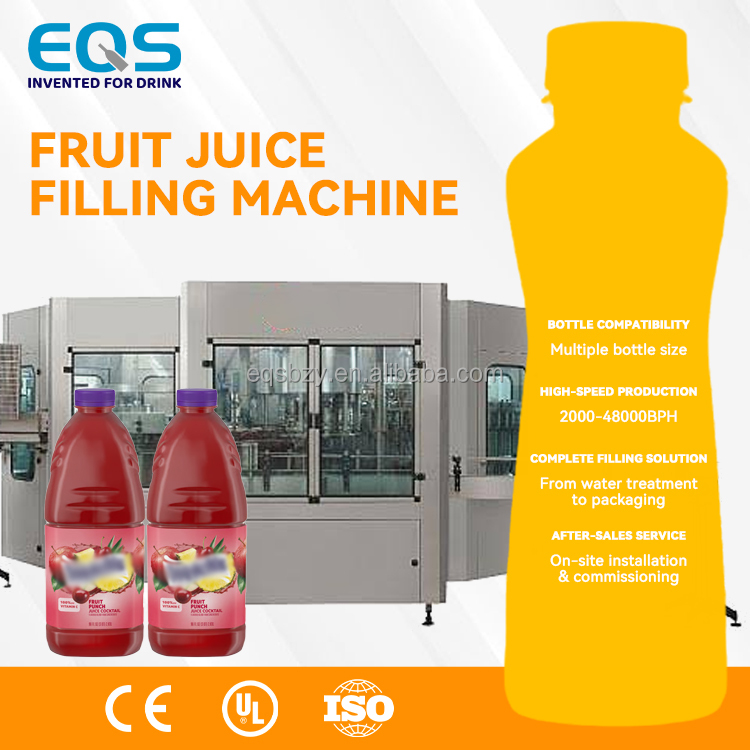
Fully Automatic Mango & Orange Juice Beverage Filling Line
High-viscosity juice and pulp thermal processing line featuring UHT pasteurization and hygienic hot-filling valves.
Explore Specifications →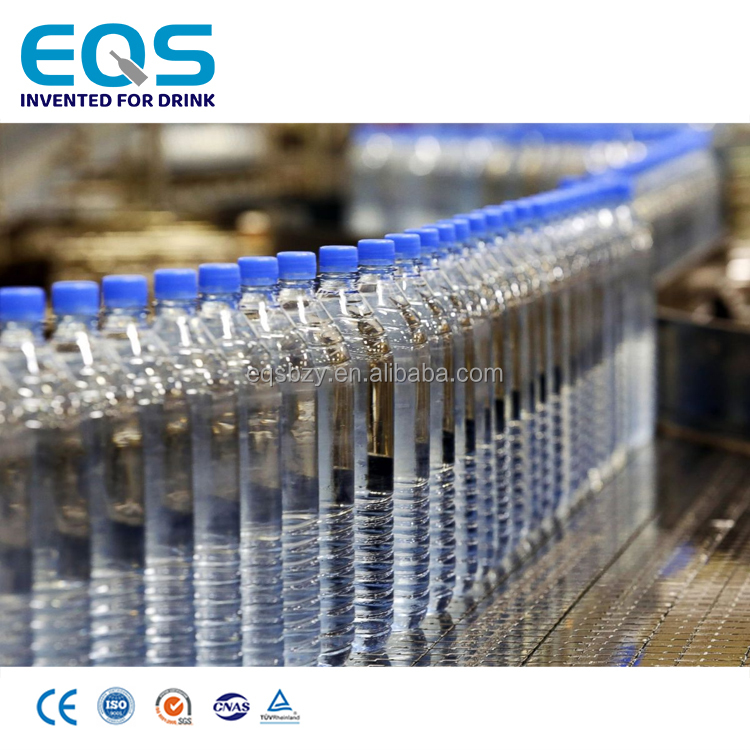
PET Drinking Water Bottling & Shrink Packaging Line
Integrated 3-in-1 monoblock system for still and purified water with online sleeve labeling and film wrapping.
Explore Specifications →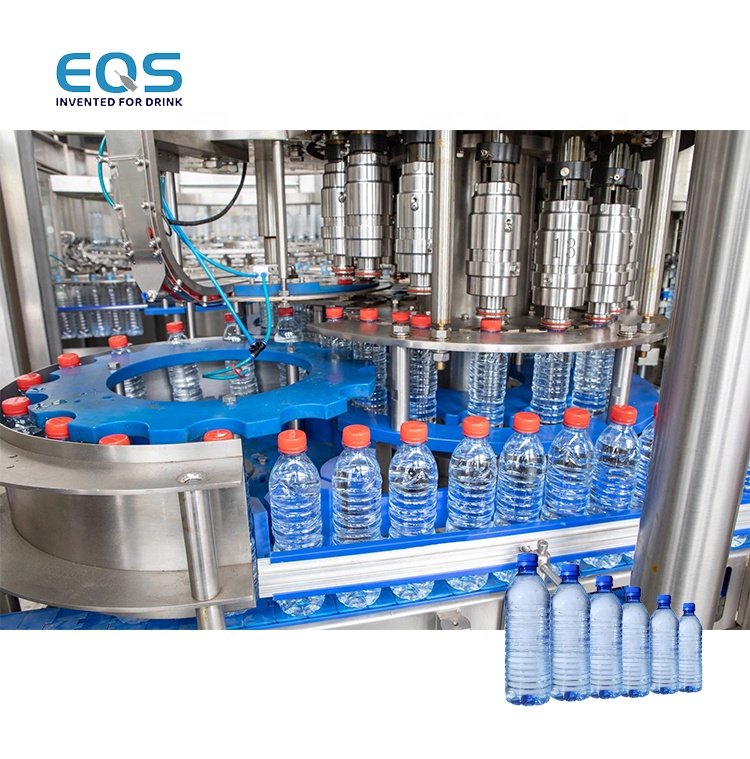
A-to-Z Complete Mineral & Pure Water PET Bottling Line
Turnkey water packaging infrastructure from Reverse Osmosis filtration systems to final end-of-line palletizing.
Explore Specifications →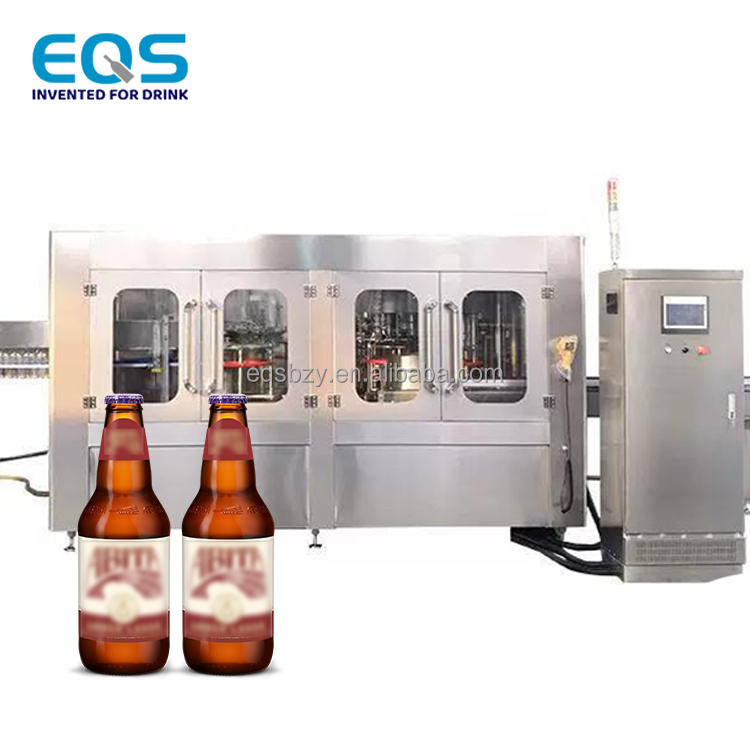
8000 BPH Glass Bottle Isobaric Beer Washing-Filling-Capping Line
Double vacuum pre-evacuation counter-pressure system designed to eliminate dissolved oxygen pickup in bottled beer.
Explore Specifications →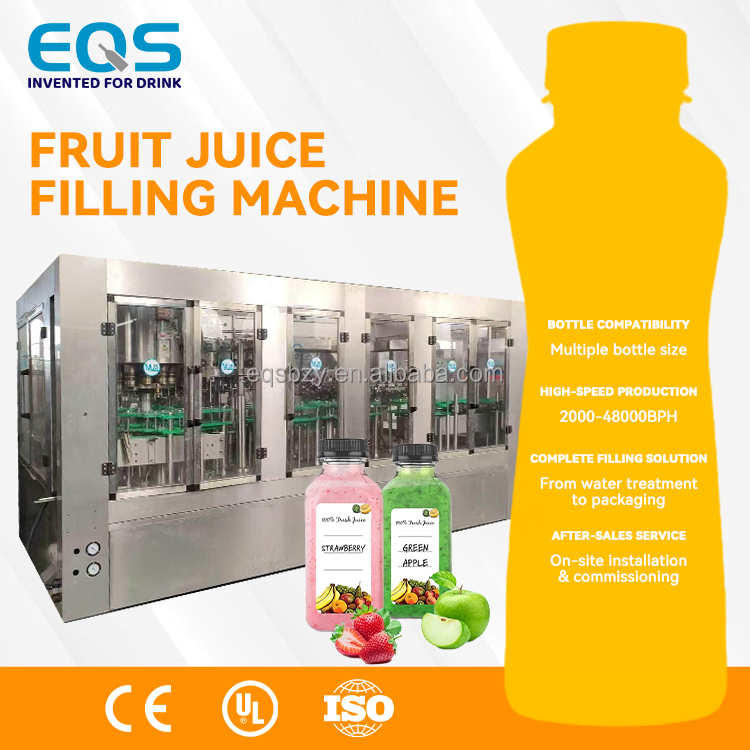
20000 BPH High-Speed Glass Bottle Hot Filling Monoblock
Ultra-high-throughput thermal filling station equipped with product recirculation loops for premium tea and juice bottling.
Explore Specifications →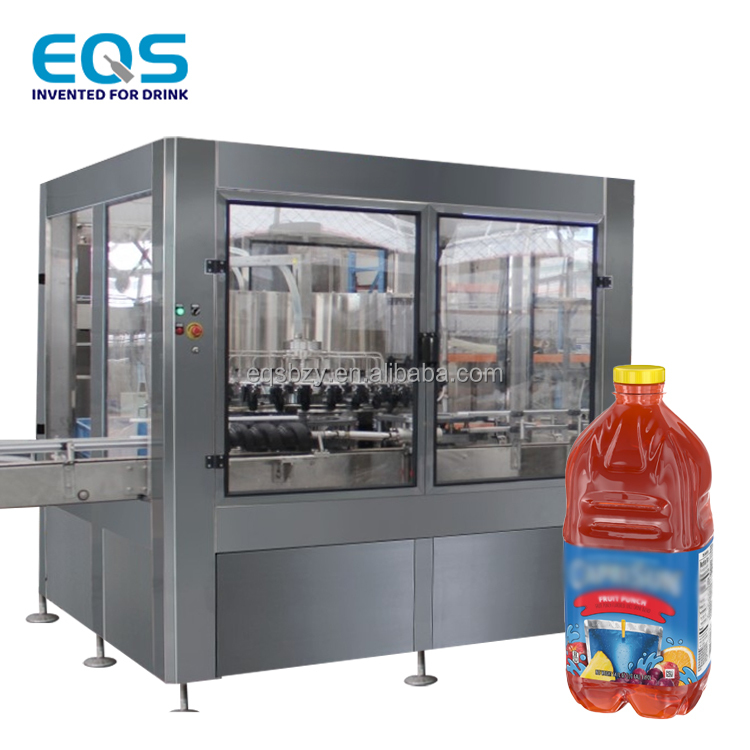
Factory Direct 4-in-1 Fruit Juice with Pulp PET Bottling Line
Dual-stage filling valve design dedicated to dosing fruit sacs/pulp accurately prior to liquid juice completion.
Explore Specifications →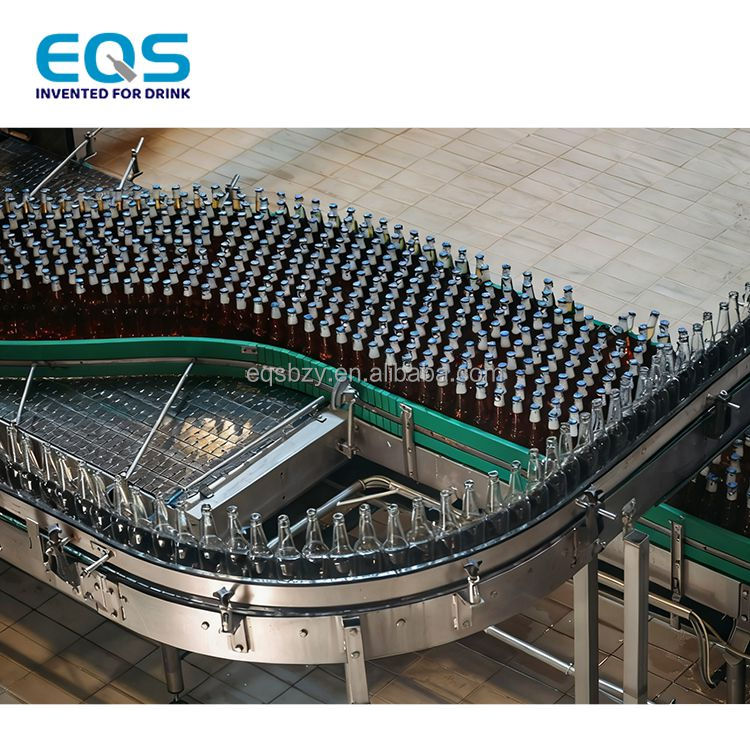
Precision PLC Vacuum Beer Filling Production Line
Microcomputer-controlled isobaric filling monoblock tailored for craft and industrial breweries demanding low failure rates.
Explore Specifications →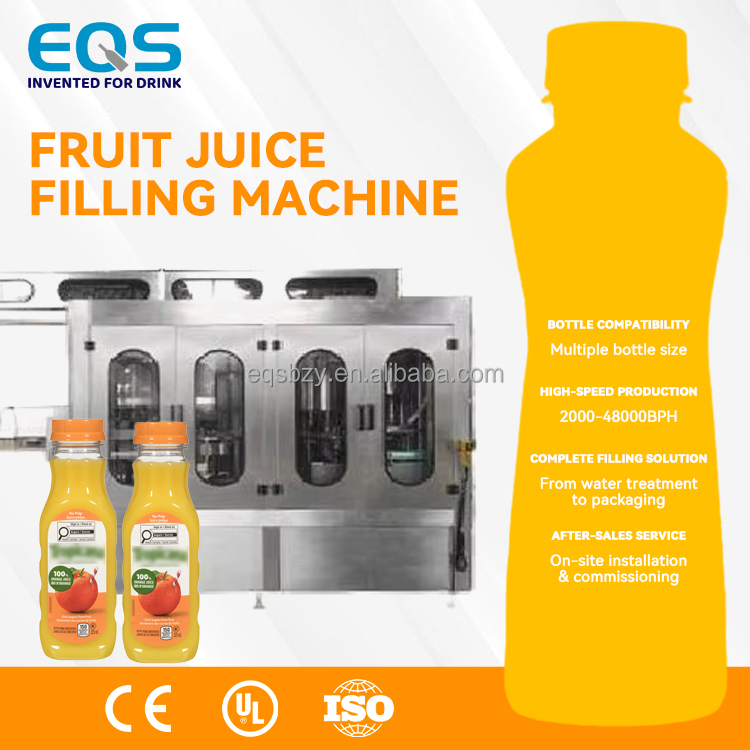
Automatic 4-in-1 Pulp Fruit Juice PET Hot Filling Monoblock
Integrated disinfectant bottle rinsing, sac filling, juice filling, and capping monoblock for sensitive beverage formulations.
Explore Specifications →Engineering Blueprint of Modern CSD Production Lines
An in-depth technical analysis of carbonated beverage manufacturing dynamics, gas-liquid equilibrium thermodynamics, and mechanical valve architecture.
1. The Physics of Gas-Liquid Equilibrium & Dissolved CO₂ Precision
In high-speed carbonated soft drink (CSD) production, maintaining a stable volume of dissolved carbon dioxide (ranging from 2.5 to 5.0 vol/vol depending on the beverage category) requires rigorous thermal and barometric management. Standard gravity fillers fail entirely with carbonated beverages due to immediate CO₂ flashing, uncontrolled foaming, and severe product loss. Modern CSD factories utilize pressurized isobaric (counter-pressure) filling technology.
The carbonation process operates under Henry's Law: $C = k \cdot P$, where gas solubility is directly proportional to partial pressure and inversely proportional to product temperature. Prior to entering the filling carousel, beverage liquid is passed through a multi-stage chilling system (reducing line temperature to 4°C – 8°C) and introduced into an automated inline mass-flow carbonation mixer. The gas injection phase utilizes sintered stainless steel spargers to generate micro-bubbles, maximizing contact surface area and securing exact Brix-to-CO₂ ratios.
Key Operational Rule: A 2°C temperature fluctuation in incoming product water can alter dissolved CO₂ stability by up to 18%, risking package deformation, inconsistent fill levels, or excessive fobbing at the capping star-wheel.
2. The Five-Phase Isobaric Filling Cycle Technical Breakdown
Top trusted CSD equipment manufacturers design rotary monoblocks around a strict five-phase isobaric valve sequence to ensure zero-foaming fills at speeds up to 1,200 bottles per minute:
Phase 1: Pressurization
The bottle lip seals tightly against the silicone gasket of the valve. CO₂ or sterile gas is injected into the container until internal bottle pressure equals ring-bowl tank pressure (typically 0.3 - 0.6 MPa).
Phase 2: Gravity Flow
Once pneumatic equilibrium ($P_{bottle} = P_{tank}$) is established, heavy mechanical valve springs actuate the liquid tulip. Product flows down the container wall via a helical spreader under pure gravity.
Phase 3: Level Cut-off
Liquid rises until it covers the lower tip of the stainless steel vent tube. Returning gas is blocked, arresting liquid entry instantly and establishing absolute volumetric consistency.
Phase 4: Settling Time
The liquid valve closes while the container remains sealed. A brief rest interval allows the gas-liquid turbulence to stabilize and micro-bubbles to coalesce at the liquid interface.
Phase 5: Controlled Snifting
A precision multi-stage exhaust valve gradually releases top-space pressure to atmosphere. Controlled pressure drop prevents violent liquid boiling or product displacement prior to capping.
Carbonated Line Technical Specifications Matrix
Quantitative selection criteria across different operational scales and container formats.
| Performance Metrics | Small Scale (2,500 - 6,000 BPH) | Medium Scale (8,000 - 18,000 BPH) | High-Speed Industrial (20,000 - 36,000+ BPH) |
|---|---|---|---|
| Filling Valve Technology | Mechanical Isobaric Spring Valves | Pneumatic Controlled Double-Stage Valves | Electropneumatic Electro-Magnetic Flowmeter Valves |
| Fill Level Precision | ± 2.0 mm | ± 1.0 mm | ± 0.5 mm (Electronic Metering) |
| CO₂ Carbonation Range | 1.5 - 4.0 Volumes | 2.0 - 5.0 Volumes | 2.0 - 5.2 Volumes (±0.05 vol accuracy) |
| Primary Container Compatibility | PET / Glass Bottles | PET, Glass & Aluminum Cans | Ultra-lightweight PET / Thin-wall Cans / Glass |
| CIP Clean-in-Place Standard | Manual Dummy Cups | Automated Circulation CIP Loop | Full Sterile Enclosure Cleanroom CIP/SIP |
| Air Consumption (Nm³/min) | 0.6 - 1.2 | 1.8 - 3.5 | 4.5 - 8.0 |
| Main Drive Architecture | Helical Gear Chain Drive | Servo Motor Synchronized Drive | Individual Direct-Drive Permanent Magnet Servos |
Future Procurement Trends in CSD Manufacturing (2025–2030)
Strategic insights for procurement directors, plant engineers, and beverage entrepreneurs targeting sustainable profitability.
1. Shift Toward Blowing-Filling-Capping Combi-Block Architecture
Traditional CSD bottling plants relied on isolated machinery stations linked by expansive air conveyors. Global procurement trend data indicates a massive shift toward integrated Combi-Block setups. By eliminating bottle rinser star-wheels and air transport lines, plant footprints are reduced by up to 45%, energy consumption drops by 25-30%, and risk of external dust contamination inside empty PET preforms is virtually eliminated.
In a Combi-Block configuration, preforms are blown into bottles and directly transferred into the isobaric filling rotary wheel via pitch-matched mechanical grippers under positive sterile air pressure, avoiding intermediate bottle storage and static charge accumulation.
2. Energy Neutrality & Ambient Temperature Carbonation
Historically, carbonated drinks required cooling water down to 4°C to dissolve CO₂ efficiently. With refrigeration units accounting for up to 40% of electricity spend in a beverage facility, machine developers have pioneered Ambient Carbonation Technology. Utilizing ultra-high-pressure mixing tanks (operating at up to 0.8 MPa) paired with multi-channel ultrasonic degassing units, modern lines successfully carbonate soft drinks at 15°C - 20°C ambient temperature without experiencing downstream foaming or CO₂ breakout.
3. Circular Economy Packaging: Lightweighting & rPET Processing
Regulatory mandates across the EU, North America, and Southeast Asia require post-consumer recycled resin (rPET) incorporation and lightweight bottle designs. Modern CSD filling lines must handle ultra-thin container necks (such as 26/22 lightweight finishes) and tethered caps. This requires Servo-driven capping heads equipped with dynamic magnetic hysteresis clutches to ensure perfect seal torque without stripping plastic threads.
Why Enterprise Buyers Partner with Zhangjiagang OGVU Machinery
Over 11 years of engineering excellence, verified by independent inspection agencies, delivering turnkey packaging solutions globally.
Rigorous Engineering Standards & Inspection Verification
Located in Zhangjiagang City, Jiangsu Province—China’s premier cluster for beverage machinery manufacturing—Zhangjiagang OGVU Machinery Co., Ltd. operates as a specialized EPC solution provider for global liquid packaging. The factory facility and trading operations are audited on-site by independent inspection firm Intertek, verifying technical capability, machining infrastructure, and international trade compliance.
OGVU avoids the common pitfall of line mismatching by engineering every individual component—Water Treatment (RO), Sugar Dissolving Tanks, CO₂ Mixers, Isobaric Fillers, Sleeve Labelers, and Case Packers—to operate under unified PLC master code algorithms.
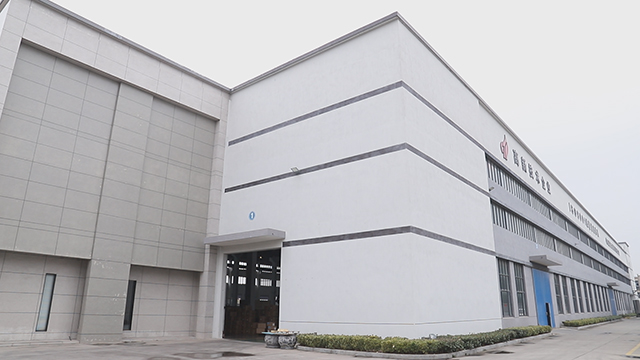 Production Workshop
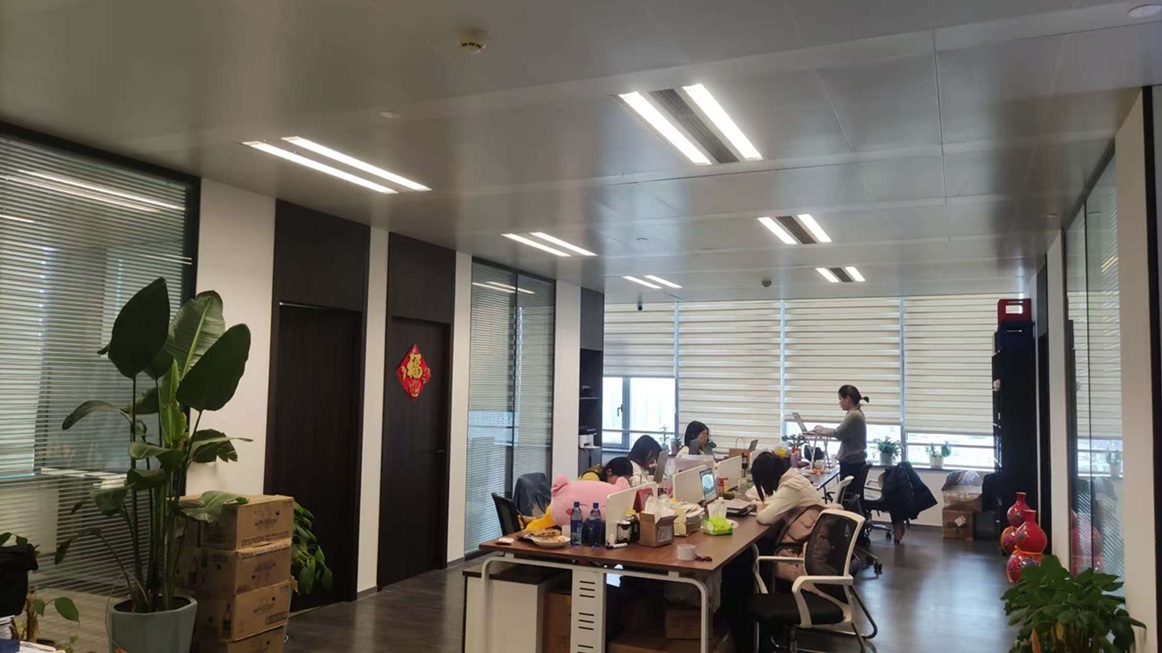 Assembly Line
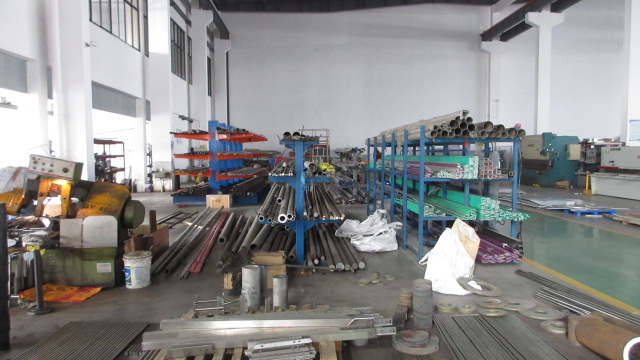
 CNC Valve Machining
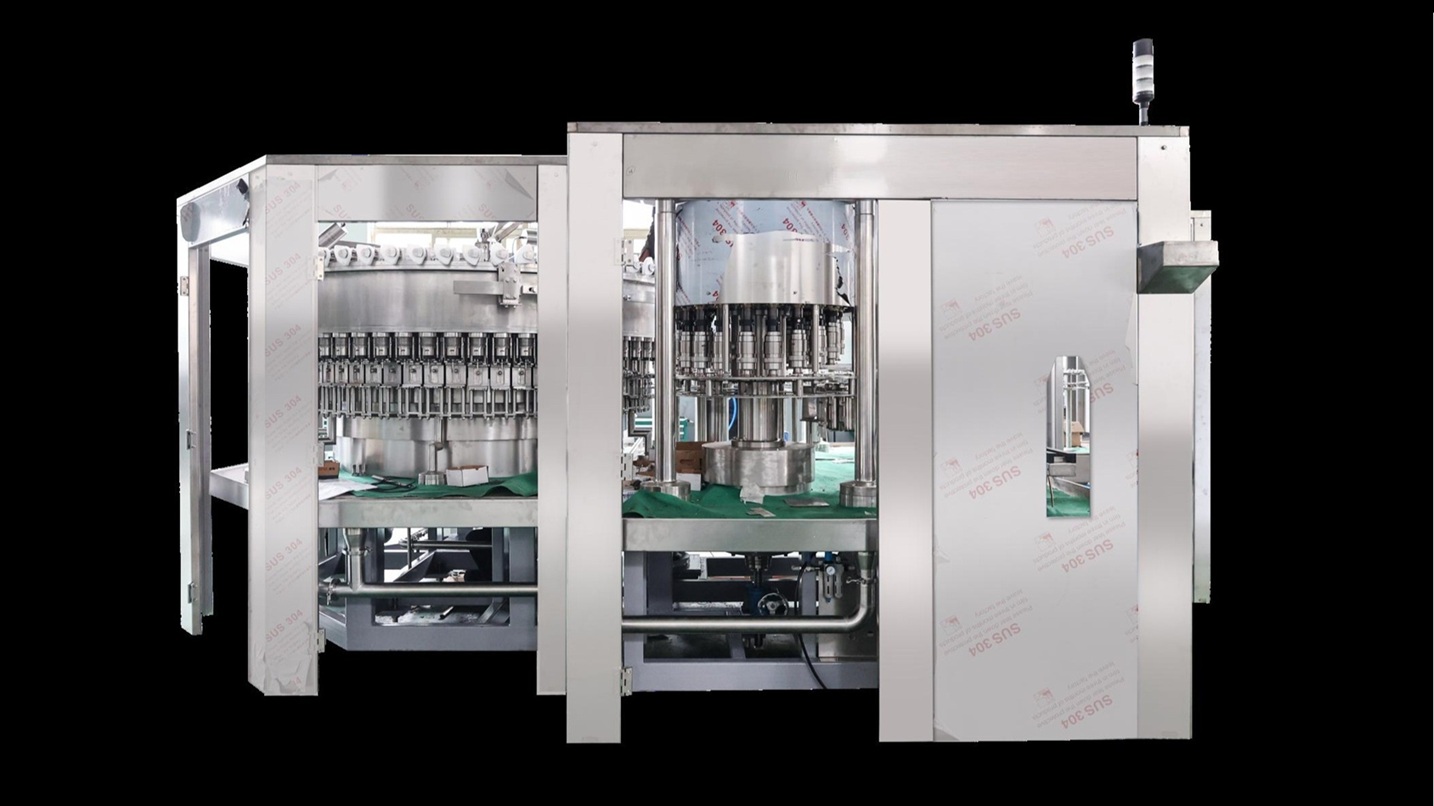
 Factory Acceptance Test
Global Field Service: Experienced commissioning engineers conduct on-site installation, line integration, and operator training worldwide with multi-lingual support in English, Spanish, Russian, and Chinese.
Frequently Asked Technical & Purchasing Questions
Expert answers addressing line configuration, bottle size changeovers, CIP sanitation, and international export procedures.
- Target beverage formulation (CO₂ volume level, sugar Brix, ambient vs cold process).
- Container type (PET bottle, glass bottle, aluminum can) and volume sizes.
- Required output speed in Bottles Per Hour (BPH).
- Labeling preference (Hot-melt OPP sleeve, pressure-sensitive sticker, paper glue).
- Packaging format (Shrink film wrap, corrugated carton case, tray + film).
- Plant floor dimensions and electrical supply (e.g., 380V 50Hz / 415V 60Hz).
Request Complete Bottling Machinery Catalog & Quotation
Connect with senior technical sales engineers to configure your custom carbonated drink filling line layout, calculate ROI, and download equipment catalogs.
Get Catalog