Featured Isobaric & Counter Pressure Fillers
Explore our engineering-grade counter pressure filling monoblocks and turnkey bottling equipment designed for high-speed carbonated, beer, and juice packaging lines.
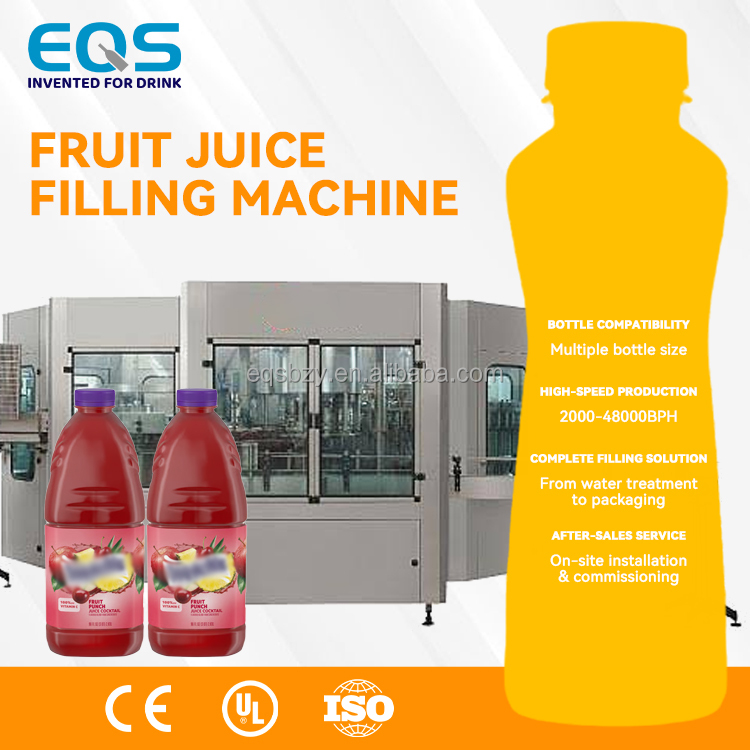
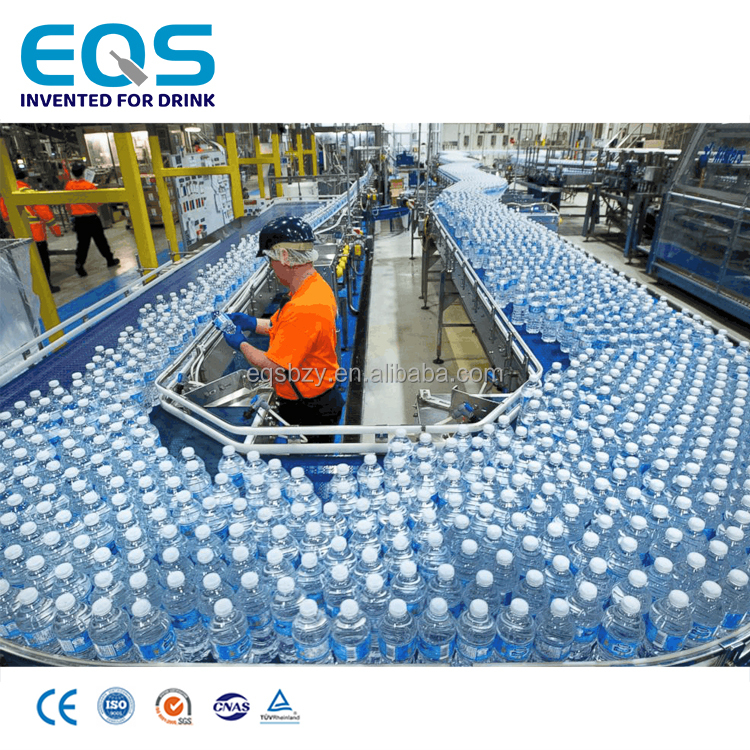
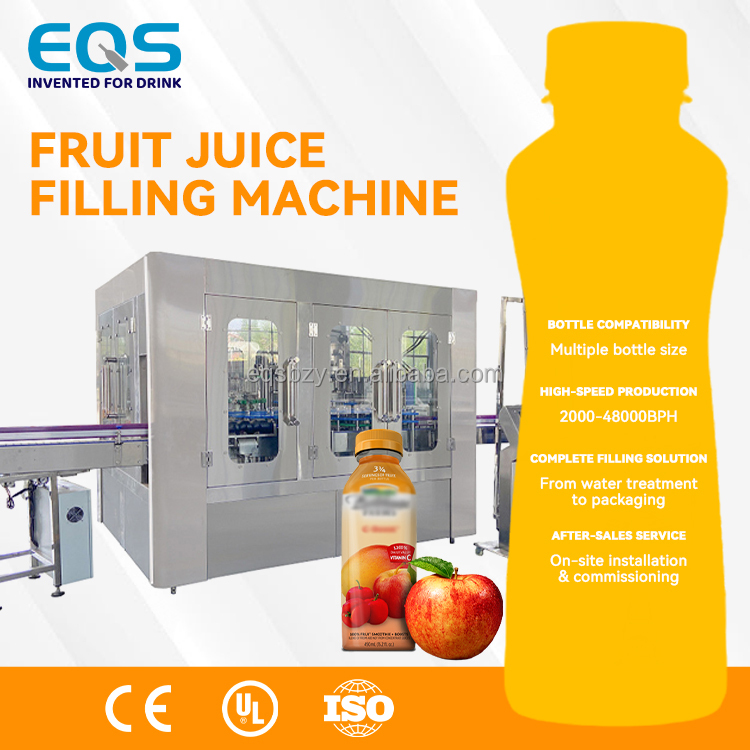
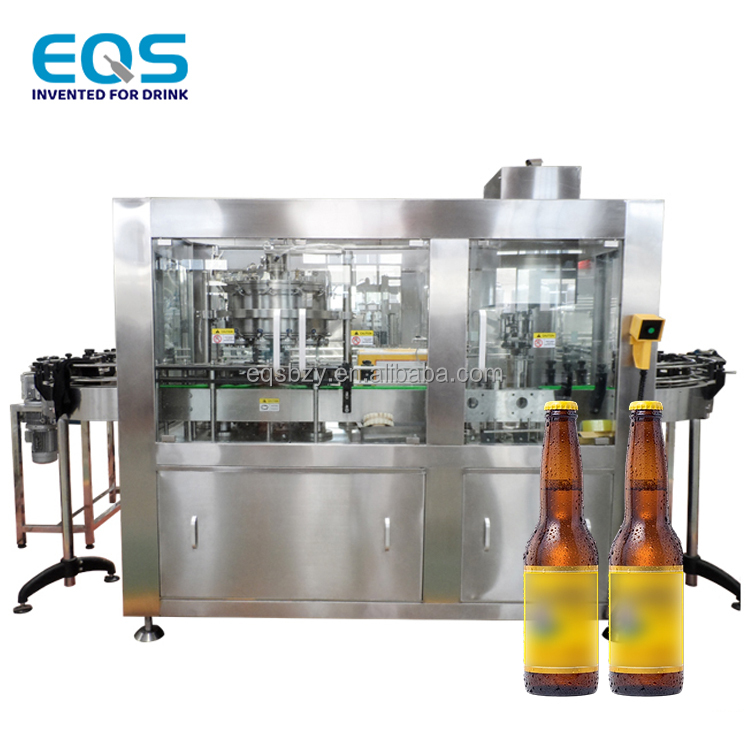
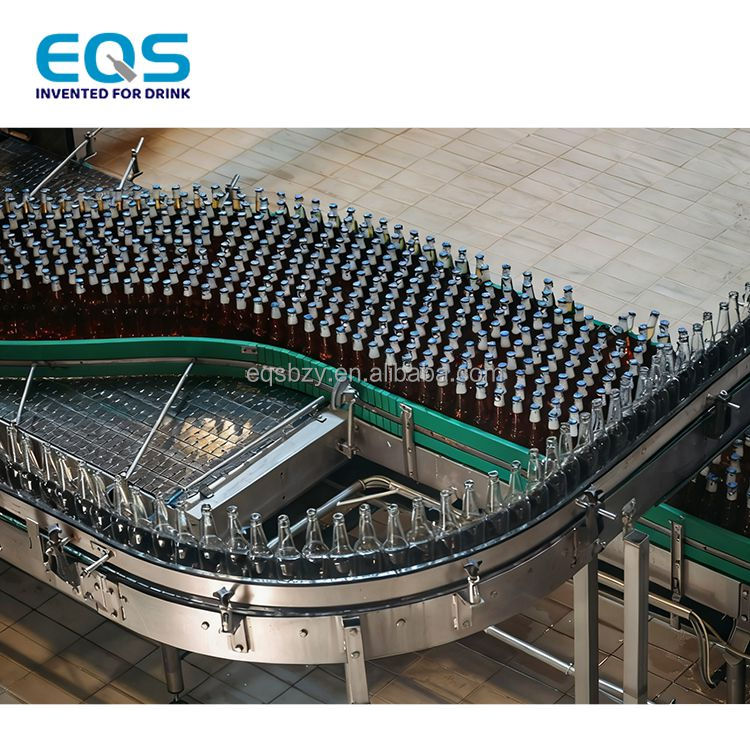
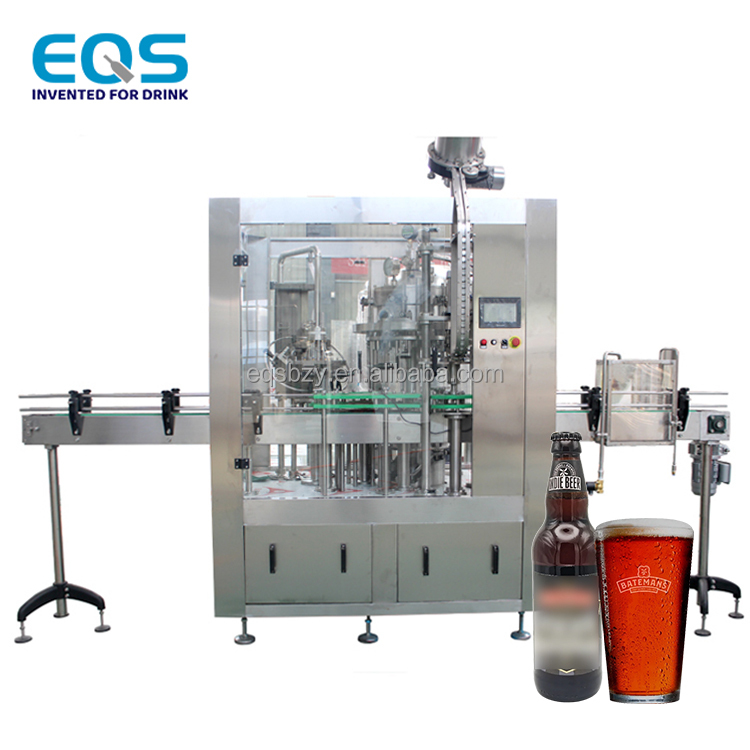
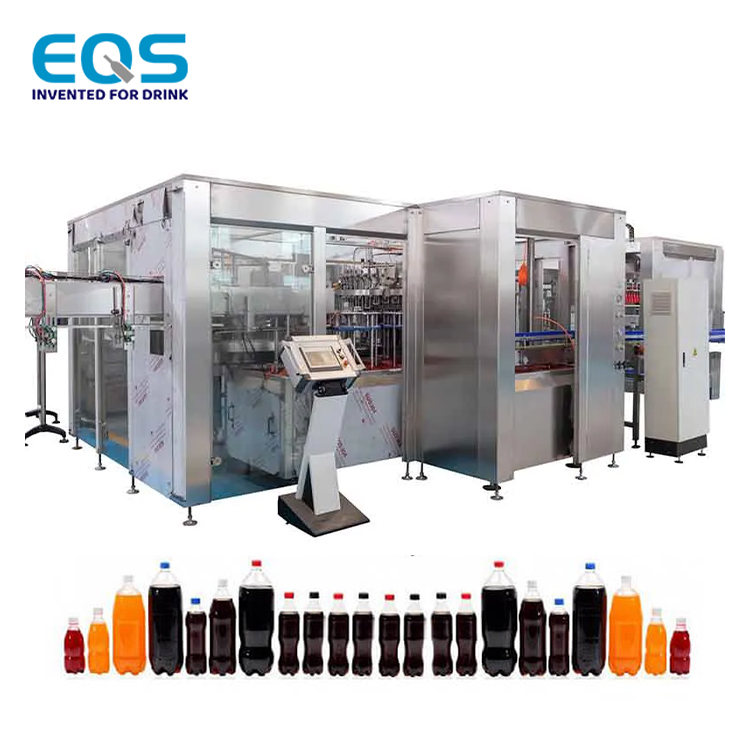
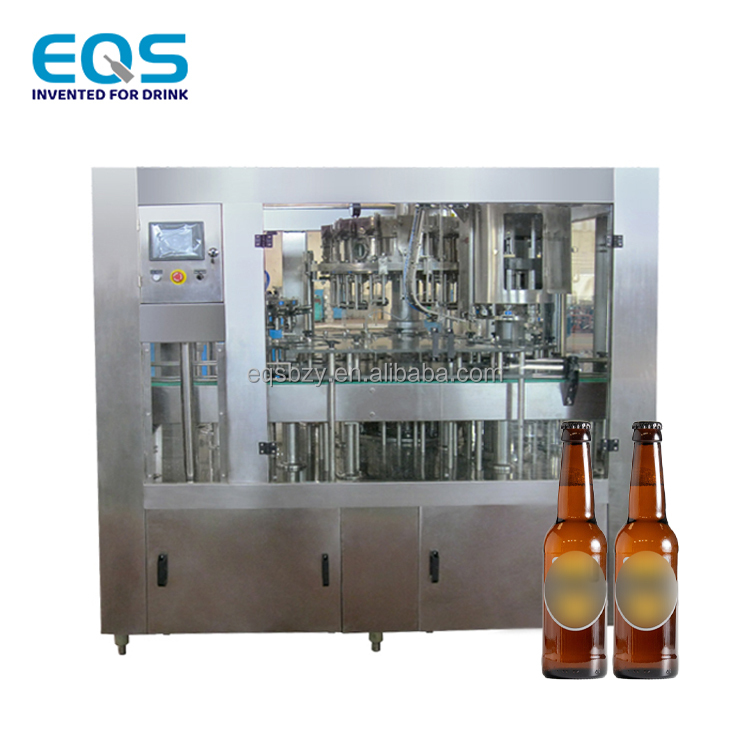
The Engineering Mechanics of Counter Pressure (Isobaric) Filling Systems
In modern high-speed beverage packaging, preserving the precise dissolved carbon dioxide (CO₂) profile of beer, carbonated soft drinks (CSD), hard seltzers, and sparkling wines represents the single most critical quality determinant. As a premier global counter pressure filler wholesaler, Zhangjiagang OGVU Machinery Co., Ltd. engineers advanced isobaric bottling monoblocks designed to conquer the physical challenges of pressure differentials, liquid turbulences, and atmospheric oxygen pickup during high-volume production.
Counter pressure filling, often referred to as isobaric filling, operates on the fluid dynamic principle of equalized pressure. Unlike gravity or simple vacuum fillers—which expose volatile carbonated liquids to pressure drops that trigger violent CO₂ breakout and uncontrollable foaming—isobaric systems maintain a pressurized closed loop between the filler bowl and the container prior to liquid dispensing.
The 6-Stage Mechanical Operation of Isobaric Valves
To provide clear technical insight for plant engineers and B2B procurement directors, our proprietary counter pressure filling monoblocks execute a meticulously synchronized sequence governed by high-precision mechanical cams or electro-pneumatic solenoid actuation:
1. Container Sealing & Centering
Pneumatic lift cylinders press the container rim against a food-grade EPDM/Silicon seal ring, isolating the interior atmosphere from ambient air with absolute mechanical rigidity.
2. Double Pre-Evacuation (O₂ Removal)
A vacuum pump evacuates ambient air from the container down to -0.09 MPa. CO₂ gas is injected and evacuated again, reducing residual atmospheric oxygen to virtually non-existent levels.
3. Isobaric Pressure Equalization
Counter-pressure gas flows from the filler bowl into the container until internal container pressure perfectly matches the filler bowl operating pressure (typically 0.2 to 0.4 MPa).
4. Laminar Liquid Filling
The spring-loaded fluid valve opens. Beverage flows down the container walls via umbrella-shaped deflection nozzles under smooth laminar flow while gas escapes back into the manifold.
5. Level Correction & Gas Shut-off
When the liquid level reaches the mechanical vent tube cut-off height or electromagnetic sensor threshold, liquid inflow ceases instantly, guaranteeing fill level uniformity within ±1mm.
6. Controlled Decompression (Snifting)
A multi-stage snifting valve slowly vents headspace pressure to atmospheric level, preventing violent CO₂ surge or flash-foaming before the bottle enters the capper.
By controlling TPO (Total Package Oxygen) to under 0.02 mg/L, OGVU counter pressure filling machines extend product shelf life dramatically, protecting delicate hop aromas in craft beers and preserving crisp carbonation profiles in high-volume soft drinks.
Filling Technology Selection Matrix: Technical Comparison
Selecting the incorrect filling method is one of the most capital-intensive errors made in beverage factory layout design. The table below details how counter pressure isobaric technology compares directly against traditional gravity and vacuum systems across key industrial metrics.
| Evaluation Parameter | Isobaric Counter Pressure | Normal Pressure Gravity | Negative Pressure Vacuum |
|---|---|---|---|
| Primary Target Beverage | Beer, CSD, Soda, Sparkling Wine, Kombucha | Still Water, Non-Carbonated Juice, Milk | Spirits, Wine, Low-Viscosity Sauces |
| Operating Pressure Range | 0.15 to 0.45 MPa (Positive Counter-Pressure) | Atmospheric (0.00 MPa) | -0.03 to -0.07 MPa (Negative Pressure) |
| TPO (Total Package Oxygen) Control | Ultra-Low (< 0.02 mg/L) with double evacuation | High (> 0.15 mg/L) - No vacuum cycle | Moderate (0.05 - 0.10 mg/L) |
| CO₂ Retention Efficiency | 99.5% + Retention (Zero degas during fill) | Unsuitable (Causes immediate CO₂ breakout) | Poor (Vacuum strips dissolved gases) |
| Fill Level Accuracy | ±1 mm (Volumetric / Probe Level) | ±3 mm to ±5 mm | ±1.5 mm (Controlled by fill tube height) |
| Container Compatibility | Glass Bottles, Heavy PET Bottles, Aluminum Cans | Lightweight PET, HDPE, Glass | Rigid Glass Bottles, Heavy Plastic Containers |
Future Sourcing & Procurement Trends in Counter Pressure Filling Systems
As the global beverage manufacturing industry shifts toward Industry 4.0 automation, sustainable packaging light-weighting, and hyper-flexible batch runs, procurement managers must look beyond initial capital expenditure (CAPEX). Future-proofing a bottling facility requires investing in machinery aligned with the next decade's engineering trends.
1. Electro-Pneumatic Valves & Magnetic Flowmeter Integration
Traditional mechanical spring-and-cam counter pressure valves, while robust, require lengthy manual changeovers when switching between bottle volumes or carbonation levels. The industry is rapidly adopting electro-pneumatic valves paired with magnetic flowmeters (magmeters) or mass flowmeters. These electronic valves allow beverage producers to adjust fill volume, gas flush duration, and snifting rates digitally via the PLC touch screen, shortening changeover downtime from hours to under 5 minutes while achieving non-contact hygienic volumetric filling.
2. Universal Hybrid Monoblocks (PET, Glass & Aluminum Cans)
Modern craft breweries and co-packers no longer want dedicated single-container lines. The market now demands modular counter pressure monoblocks capable of handling glass bottles with crown caps, aluminum cans with 202/206 ends, and PET bottles on a single rotary chassis. OGVU's quick-change star wheels and combination filling valves represent this new wave of high-utilization equipment, enabling contract packers to scale production across diverse packaging formats dynamically.
3. Sustainability: Zero-Loss Gas Recovery & Energy Efficiency
Carbon dioxide costs have escalated globally, making gas management a pivotal operational expense (OPEX). Modern counter pressure filling lines now incorporate closed-loop CO₂ recycling manifolds that capture gas vented during container purging and snifting, routing it back into pre-purge reservoirs. Furthermore, direct-drive brushless servo motors reduce electricity consumption by up to 35% compared to legacy gear-and-pulley transmission systems.
4. Ultra-Clean & CIP/SIP Automated Sterilization Protocols
Food safety compliance (FDA, EHEDG, and ISO 22000) mandates stringent cleaning regimes. The newest generation of counter pressure fillers features integrated, automatic CIP (Clean-in-Place) dummy cups that deploy automatically without manual intervention. Constructed entirely from AISI 316L stainless steel at liquid contact points and polished to Ra < 0.4 μm surface roughness, these machines support thermal hot-water sterilization and chemical sanitization cycles without valve seal degradation.
Why Partner with Zhangjiagang OGVU Machinery Co., Ltd.?
Located in Zhangjiagang City, China's premier hub for beverage packaging machinery manufacturing, Zhangjiagang OGVU Machinery Co., Ltd. stands as a globally recognized counter pressure filler wholesaler and turnkey plant solution provider. With over 11 years of international trade excellence and verified export experience on global industrial platforms, we bridge the gap between heavy-duty engineering and end-to-end plant integration.
Our facility holds verified on-site inspection certificates by world-leading independent auditor Intertek. We do not merely manufacture isolated bottling units; our engineering design team specifies, balances, and integrates the complete production workflow—from Reverse Osmosis water treatment and syrup preparation plants to blowing, filling, labeling, shrink-wrapping, and robotic palletizing.
Frequently Asked Questions (FAQ) for Counter Pressure Bottling Procurement
Below are detailed responses to technical and commercial questions most frequently raised by plant owners, project engineers, and machinery importers prior to placing wholesale orders.