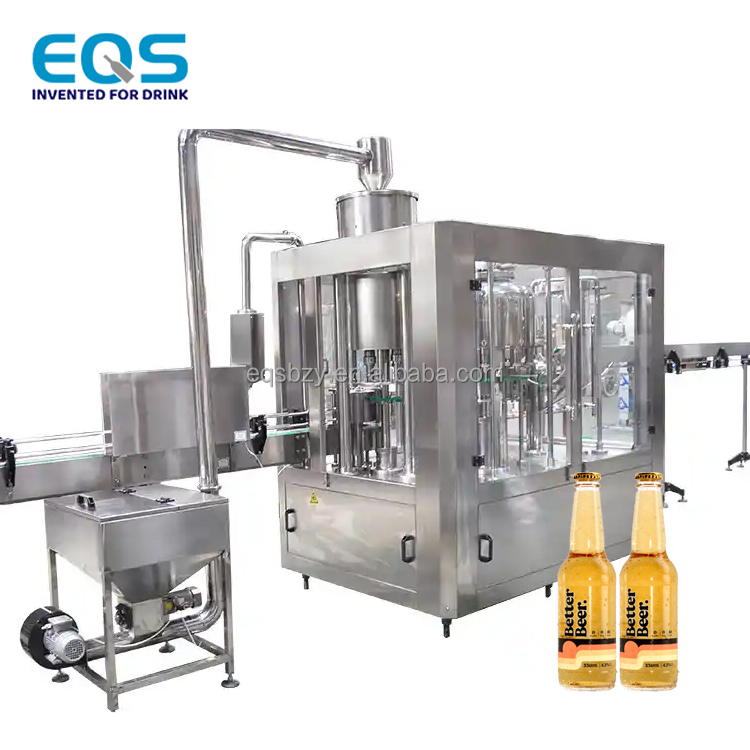
 Beer & Beverage
Turnkey PET Bottle Beer Filling Production Line
- Capacity: 4000 - 8000 BPH
- Technology: Isobaric Counter-Pressure
- Automation: Fully Automatic Monoblock
Explore engineered rotary and monoblock filling machines designed for fruit juice, pulp beverages, carbonated soft drinks, and high-purity mineral water.
Beer & Beverage
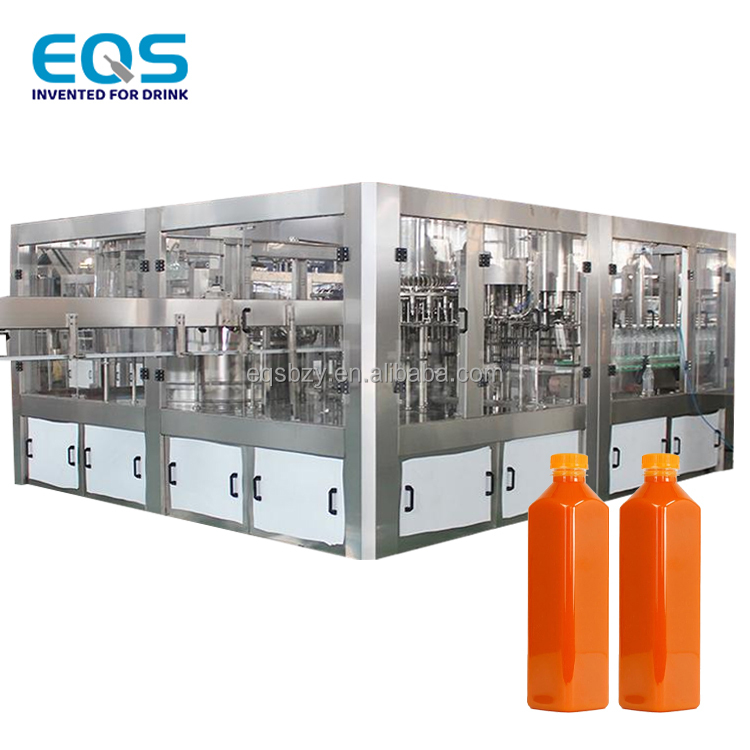 Hot Fill Juice
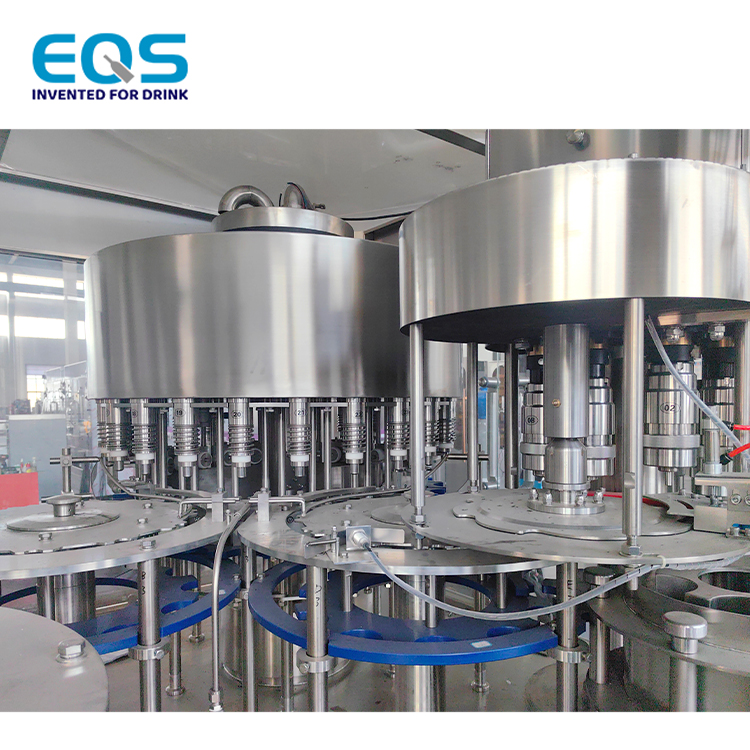 Water Plant
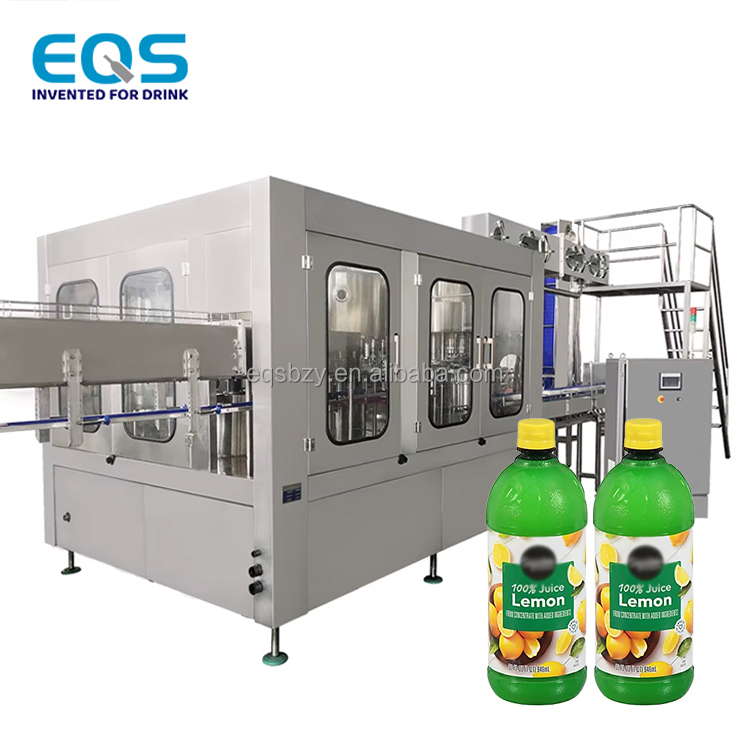 Pulp Juice
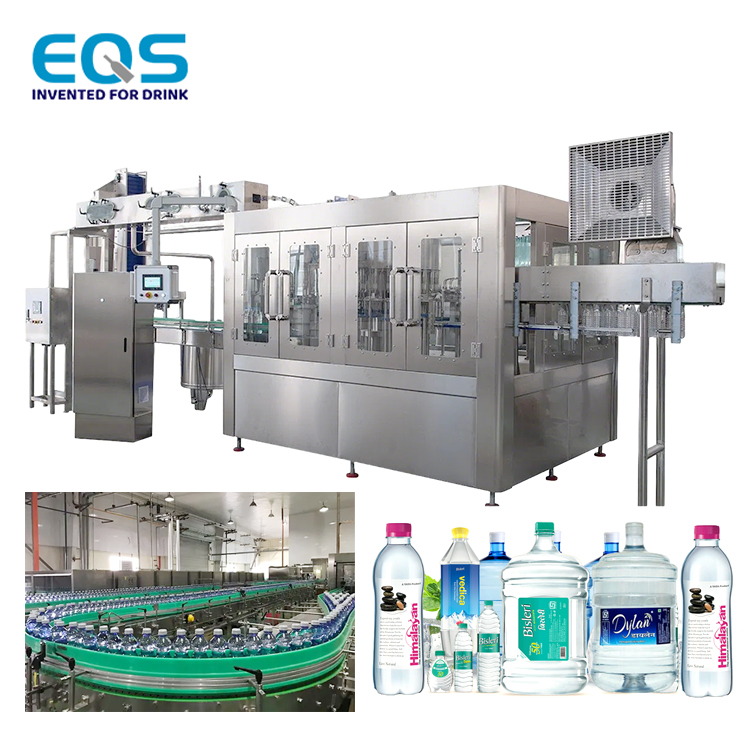 Process System
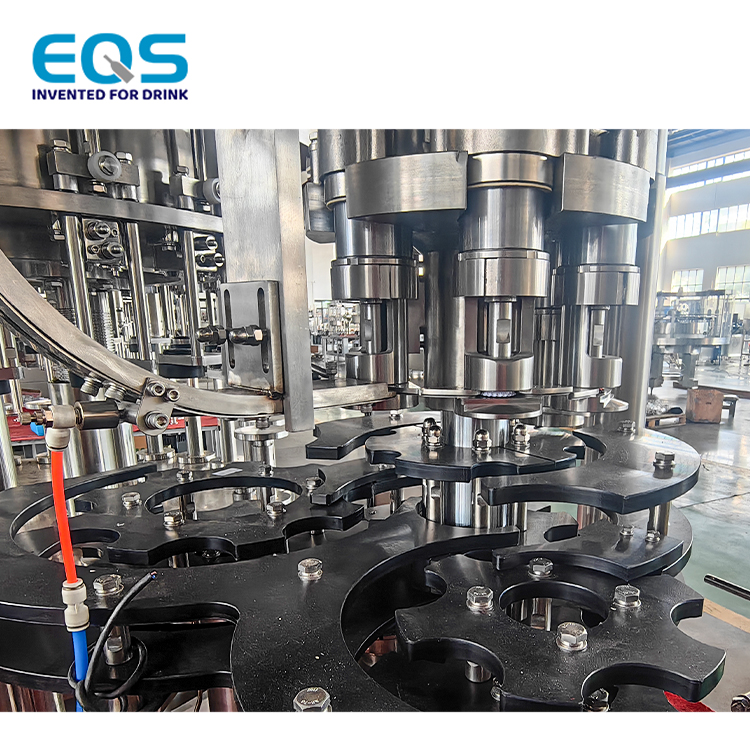 High-Speed Beer
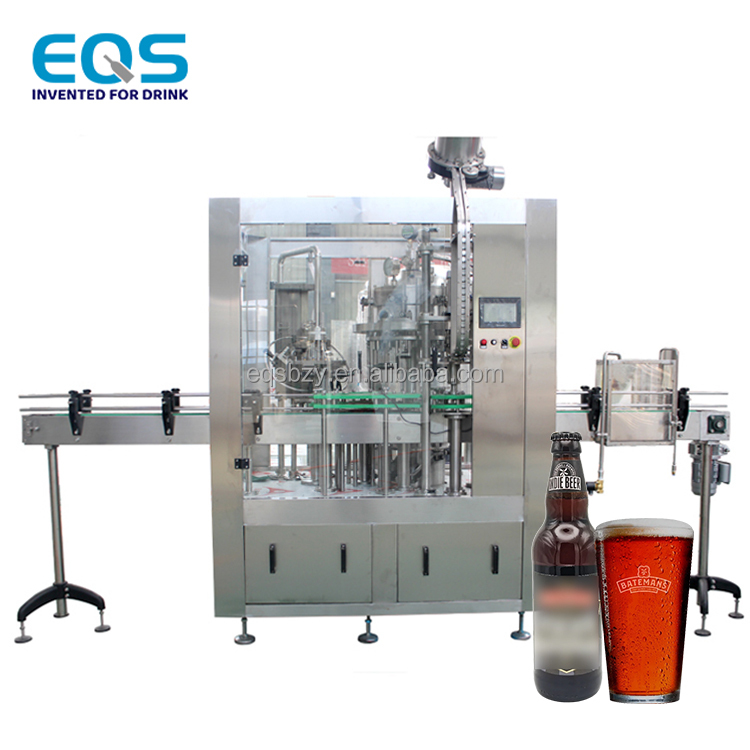 High Output
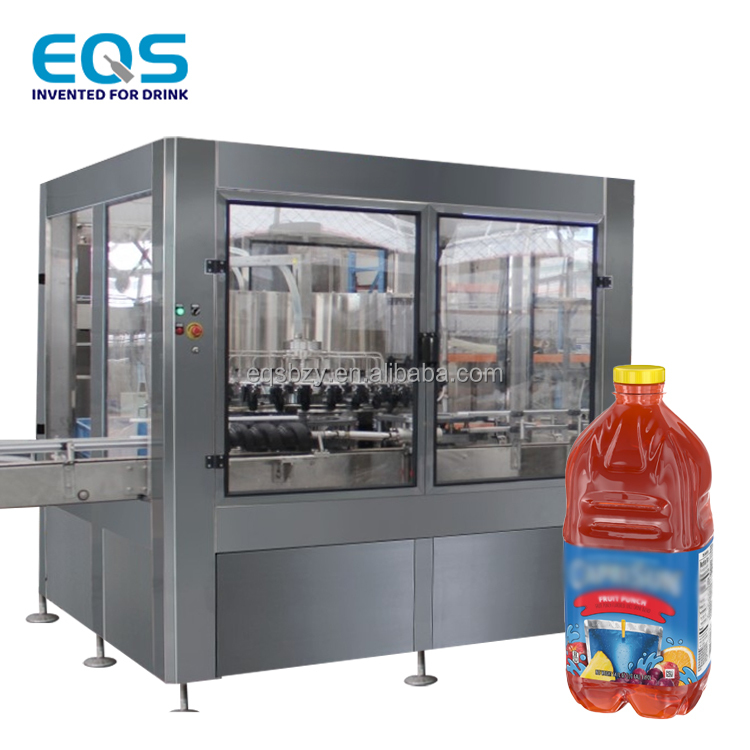 Factory Direct
An authoritative technical evaluation for beverage plant managers, EPC contractors, and global sourcing directors on selecting high-reliability juice canning machinery.
The global beverage market is experiencing a profound structural shift toward metal container packaging. Aluminum cans and tinplate containers have rapidly gained market share over single-use plastic due to infinitely recyclable material lifecycles, superior barrier protection against oxygen and ultraviolet light, and high consumer preference for ready-to-drink (RTD) premium juices, cold-brewed teas, and functional nectar drinks. Selecting the right juice can filler manufacturer requires evaluating thermal filling physics, seam integrity engineering, dissolved oxygen (DO) control, and long-term total cost of ownership (TCO).
Key Procurement Takeaway: Modern juice can filling lines must maintain strict thermal stability (85°C–92°C for hot fill) or sterile ambient boundary conditions (for cold-aseptic lines with liquid nitrogen injection), while keeping dissolved oxygen pick-up below 30 ppb (parts per billion) to guarantee a 12-to-18-month shelf life without chemical preservatives.
Top trusted juice can filler manufacturers engineer machinery around three primary filling methodologies depending on product viscosity, pH level, shelf-life requirements, and container material thickness:
Hot filling remains the predominant method for high-acid juices (pH < 4.6), such as orange, apple, pineapple, and berry blends. The juice is pasteurized via Ultra-High Temperature (UHT) or High-Temperature Short-Time (HTST) tubular heat exchangers and supplied to the rotary filler at temperatures between 85°C and 92°C. Key engineering mandates include:
Juices containing suspended fruit sacs, aloe vera gel bits, or coconut pulp require specialized filling valves. Single-stage gravity valves suffer from clogging and uneven particle distribution. Leading manufacturers implement a 4-in-1 or 2-stage filling architecture:
To preserve delicate flavor volatiles, natural vitamin C content, and color in premium non-from-concentrate (NFC) juices, manufacturers are shifting toward cold-aseptic filling. Because empty aluminum cans possess thin sidewalls prone to buckling under external pressure, liquid nitrogen dosing systems are integrated between the filler and seamer. A cryogenic drop of liquid nitrogen expands 700-fold into gaseous N2, expelling head-space oxygen and pressurizing the seamed can to ensure structural rigidity for stacking and transport.
A juice can filler is only as reliable as its companion mechanical seamer. The double seam—formed by overlapping the can body hook and cover hook through two distinct operational folds—is the single critical control point for hermetic seal integrity.
Tier-1 manufacturers like Zhangjiagang OGVU Machinery Co., Ltd. equip their monoblock filling-seaming systems with heavy-duty 4-roll or 6-roll seaming heads driven by precision planetary gearboxes. Key performance parameters evaluated during factory testing include:
| Seam Metric | Target Engineering Standard | Impact on Product Quality |
|---|---|---|
| Seam Overlap Percentage | > 55% Minimum Overlap | Prevents micro-leakage and microbial ingress during thermal cooling. |
| Body Hook Buttering & Length | 1.10 mm - 1.40 mm Range | Guarantees structural resistance against internal pressure spikes. |
| Can End Tightness (Wrinkle Rating) | < 20% Wrinkle (Grade 1 Standard) | Ensures rubber compound gasket inside curl is properly compressed. |
| Dissolved Oxygen (DO) Pick-up | < 30 ppb Pick-up post-seam | Extends shelf life, preventing browning and vitamin oxidation. |
Headquartered in Zhangjiagang, Jiangsu—China’s premier beverage packaging machinery cluster—OGVU Machinery delivers turnkey filling plant engineering backed by rigorous quality assurance and international service support.
Our manufacturing premises and operational workflows undergo rigorous on-site verification by independent third-party inspector Intertek. All primary filling and packing equipment is CE marked for European and international compliance.
We eliminate integration bottlenecks by engineering the complete plant hierarchy: from Reverse Osmosis (RO) water treatment, sugar dissolving, and thermal UHT pasteurization, to monoblock filling, sleeve labeling, and automatic shrink-packers.
Our multilingual team of expatriate commission engineers operates across Latin America, Africa, the Middle East, Southeast Asia, and the CIS region—providing on-site mechanical installation, PLC calibration, and operator training in English, Spanish, Russian, and Chinese.
Every beverage production facility possesses unique dimensional constraints and utility configurations. OGVU engineers design custom 2D/3D plant layouts, adapting conveyor heights, voltage profiles, and star-wheel change-parts to fit your footprint.
From raw stainless steel plate spectral analysis to finished monoblock dry-run FAT testing, all structural frames are constructed using food-grade SUS304/SUS316L, equipped with Schneider electromechanical relays and Mitsubishi/Siemens PLCs.
Over a decade of direct global trade experience guarantees seamless export packing in fumigated wooden crates, comprehensive customs documentation, fast spare-parts dispatch, and long-term aftermarket technical support.
Key technological transformations driving operational expenditure (OPEX) reduction, sustainability, and smart automation in modern beverage packaging facilities.
Procurement directors and beverage plant engineers must design factory layouts with future technology standards in mind. Over the next decade, beverage packaging machinery selection will be governed by four pivotal industrial trends:
Consumer preferences have drifted significantly toward 250ml sleek, 330ml standard, and 355ml slim aluminum cans. The drivers are twofold: environmental regulations mandating reduced virgin plastics, and brand positioning in the premium energy, functional juice, and RTD beverage categories. Manufacturers providing quick-changeover monoblock fillers that adapt to multiple neck sizes (e.g., 202, 204, and 206 can ends) with minimal downtime are gaining significant market advantage.
Consumers increasingly demand "Clean Label" beverages containing no sodium benzoate, potassium sorbate, or synthetic additives. Achieving ambient shelf stability without heat-induced flavor degradation requires upgrading from conventional hot-fill to Ultra-Clean or Aseptic Can Filling Lines. These systems feature HEPA-filtered Class 100 sterile air enclosures, automated hydrogen peroxide (H2O2) or peracetic acid (PAA) can sterilizers, and contact-free electronic magnetic flow-meter filling valves.
Unscheduled line downtime on high-speed canning lines (operating above 12,000 CPH) costs thousands of dollars per hour. Next-generation juice can fillers integrate IoT sensory suites that measure torque variations on seaming spindles, detect misaligned can ends via optical vision systems, and continuously monitor filling valve flow rates. Remote telemetry enables equipment manufacturers to diagnose PLC logic anomalies over secure cloud bridges instantaneously.
Clean-In-Place (CIP) and Sterilization-In-Place (SIP) routines consume substantial volumes of water, thermal energy, and caustic soda solutions. Modern filling machinery incorporates smart CIP recovery loops that recycle final rinse water into pre-rinse cycles, saving up to 35% in thermal utility consumption while enforcing fully documented 3-zone sanitization profiles.
Evaluate machine specifications to align your capital expenditure (CAPEX) with target beverage characteristics and container formats.
| Filling Technology | Optimal Product Type | Operating Temp | Speed Range (CPH) | Key Advantage |
|---|---|---|---|---|
| Rotary Gravity Hot-Filler | Clear Juices, Tea, Nectars (pH < 4.6) | 85°C - 92°C | 3,000 - 24,000 | Commercial sterility without chemical preservatives; lower machine CAPEX. |
| Dual-Valve Pulp & Juice Filler | Juices with Sacs/Bits (up to 15mm) | 80°C - 88°C | 2,000 - 15,000 | Prevents clogging; delivers equal fruit pulp mass across all containers. |
| Isobaric Counter-Pressure Filler | Carbonated Juice Spritzers, Soda, Beer | 2°C - 4°C (Chilled) | 4,000 - 30,000 | Maintains CO2 saturation in solution; prevents heavy foaming during filling. |
| Aseptic Cold-Filler + N2 Dosing | NFC Juices, Milk/Plant Juices (pH > 4.6) | 20°C (Ambient) | 6,000 - 36,000 | Preserves fresh taste, color & vitamins; lightweight can sidewall support. |
Expert engineering answers to common technical queries encountered during plant setup and vendor evaluation.
Juices containing suspended pulp or fruit particles (such as orange sacs or aloe vera cubes) require a dual-stage 4-in-1 monoblock filler. Standard gravity valves suffer from particulate clogging and uneven distribution. A dual-stage system first utilizes volumetric piston or wide-bore flow valves to deposit a precise dose of pulp, followed immediately by a second stage gravity valve to fill the liquid juice base.
Top manufacturers implement two primary oxygen purging mechanisms: Under-Cover Steam Purging (UCG) for hot-fill lines, where dry sterile steam displaces air in the head-space, creating a vacuum when cooled; and Liquid Nitrogen Injection (LNI) for cold-fill lines, where a precise drop of cryogenic nitrogen vaporizes instantaneously, forcing atmospheric air out of the can head-space prior to the double-seamer engagement.
Yes, provided the line is engineered with adaptable conveyor guide rails, height-adjustable filler bowl elevators, and customizable seaming rolls. However, because tinplate cans require different seaming chuck pressures and handling materials than soft aluminum cans, changing container types requires switching out dedicated format change-parts (star-wheels and seaming dies).
Buyers must provide: 1) Clean Compressed Air: 0.6–0.8 MPa dry filtered air for pneumatic valves; 2) Steam Supply: 0.2–0.4 MPa boiler steam for hot-filling thermal jackets and steam sweeps; 3) Electrical Grid: 3-Phase 380V/415V/440V at 50/60 Hz; 4) CIP Water Supply: Treated wash water under 0.2 MPa pressure; and 5) Cooling Tower Water: For pasteurization cooling tunnels.
Ensure the supplier holds a valid CE Certificate under the Machinery Directive 2006/42/EC and Low Voltage Directive 2014/35/EU. Additionally, request an independent Third-Party Audit Report (such as Intertek, TÜV, or SGS) verifying actual manufacturing plant existence, staff capacity, quality management systems (ISO 9001:2015), and export history records.
Standard lead time for an end-to-end beverage filling line ranges between 45 and 60 working days. This timeframe includes 3D plant layout engineering, component machining, assembly, electrical wiring, and a mandatory 48-hour Factory Acceptance Test (FAT) with actual container samples prior to export packing and shipping.
Speak directly with OGVU senior mechanical engineers to receive a customized 2D/3D plant layout drawing, itemized machinery proposal, and ROI feasibility assessment for your beverage project.
Send an Inquiry