Featured Juice & Beverage Packaging Machinery
Explore our factory-direct, CE-certified liquid packaging systems tailored for high-speed PET, glass, and aluminum container bottling operations.
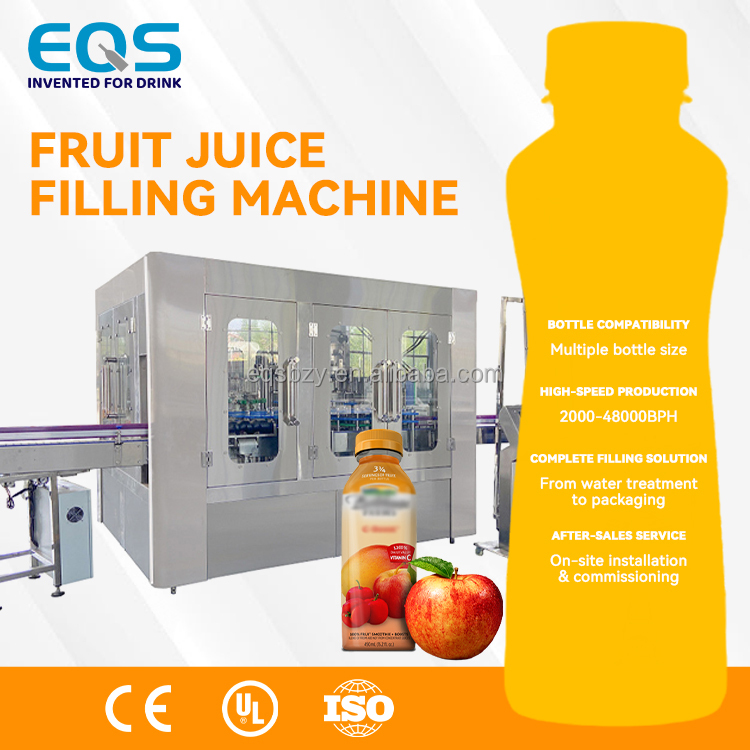
A to Z Automatic Hot Filling Bottling Capping Machine Juice Beverage Production Equipment
Explore Equipment Specs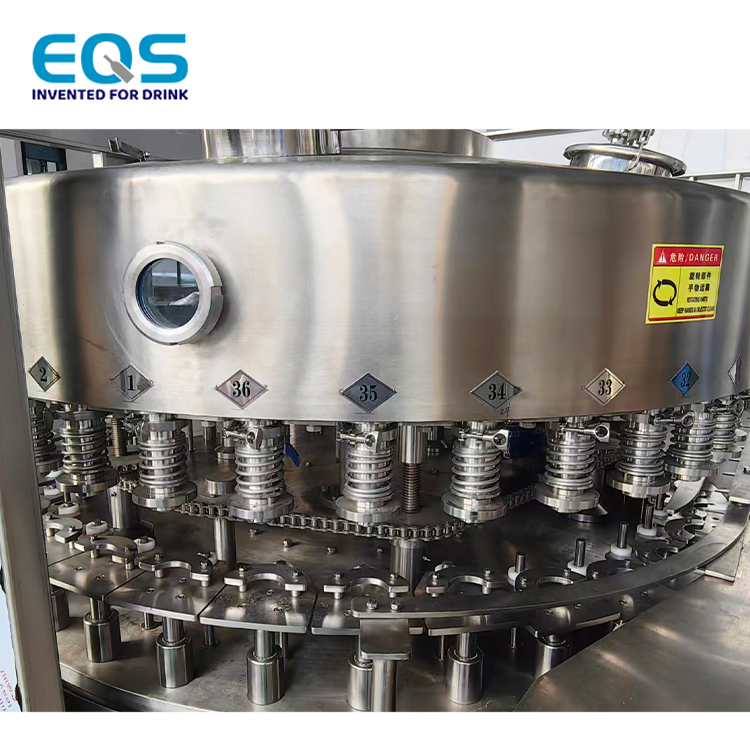
Industria 4-in-1 Pulp Fruit Juice Filling Machine for PET Bottle Bottling Line with Mixing System
Explore Equipment Specs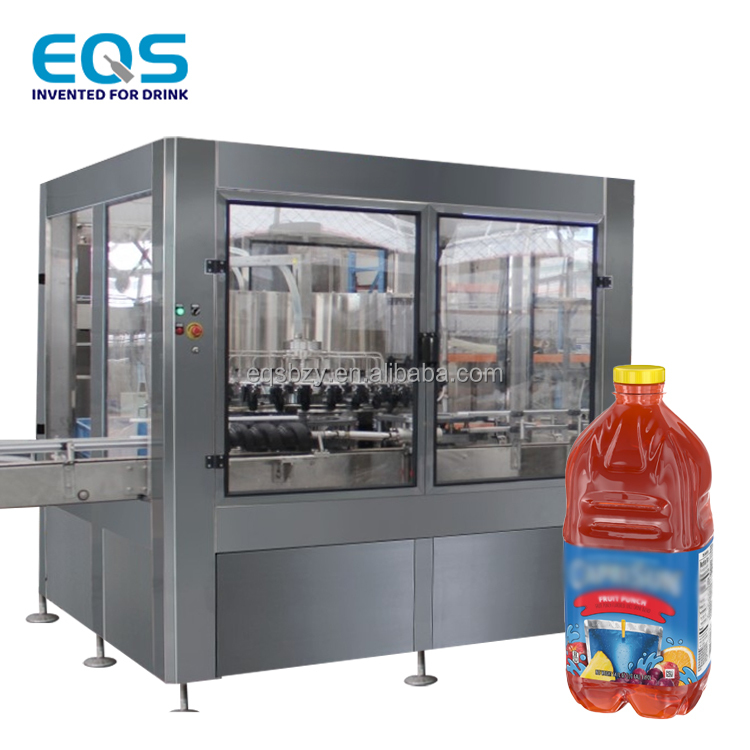
Factory Direct 4-in-1 Beverage Filling Machine for Fruit Juice With Pulp PET Bottling Production Line
Explore Equipment Specs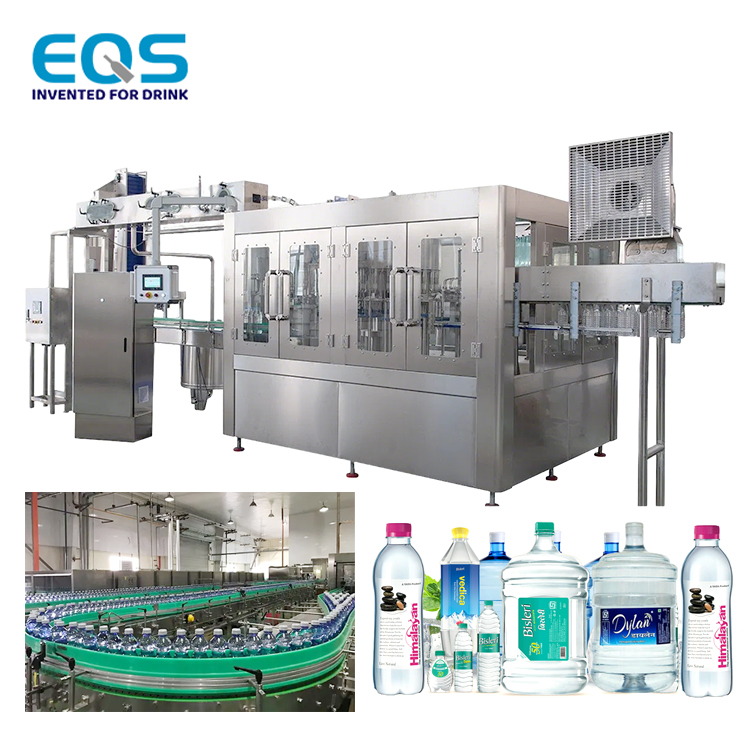
Advanced Water Treatment System with Automatic Filling Line for Pure Mineral Water Production
Explore Equipment Specs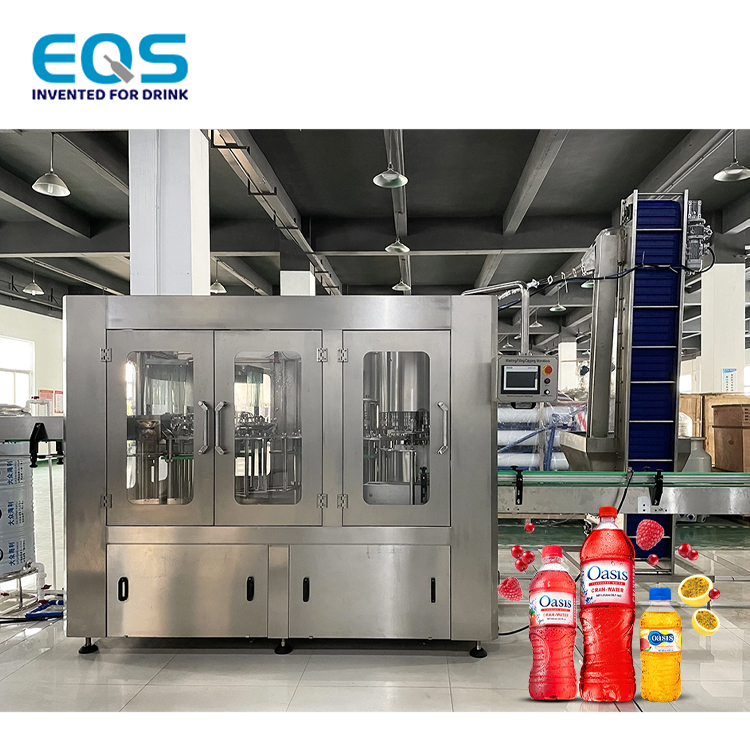
Reliable Flavor-Preserving Juice Production Line for PET Bottle with Cap Loader Labeling & Carton Packing Solution
Explore Equipment Specs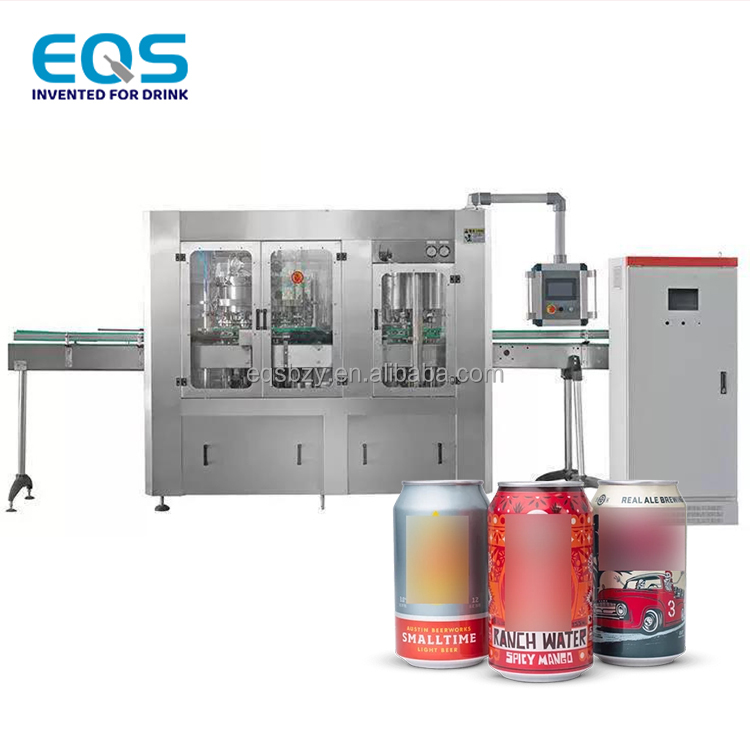
Industrial 330ml 500ml Aluminium Can Filling Sealing Machine for CO2 Carbonated Beverage Juice and Beer
Explore Equipment Specs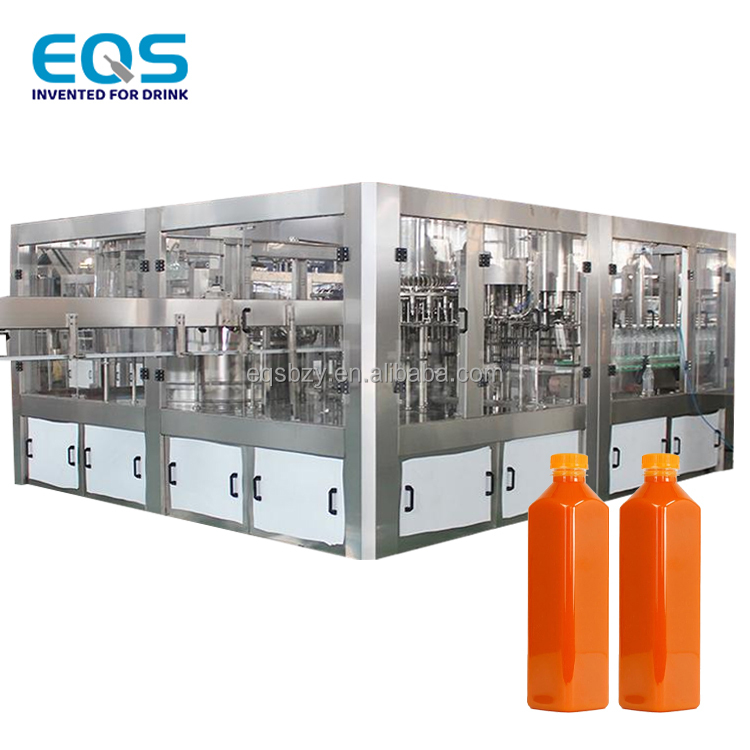
Hot Filling 4-in-1 Juice Filling Machine for Fruit Juice With Pulp PET Bottle Beverage Bottling Line
Explore Equipment Specs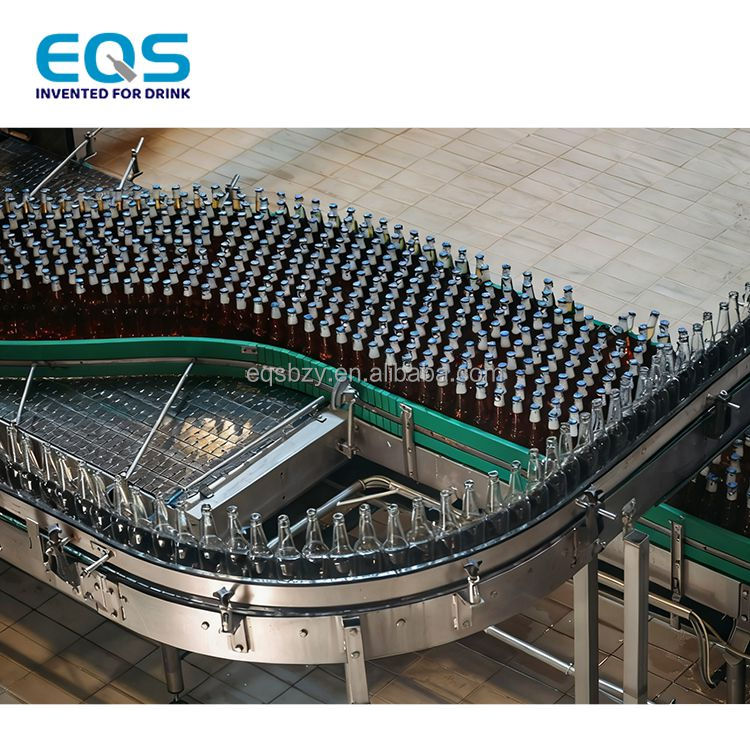
Precision Vacuum Beer Filling Machine Complete Production Line PLC Controlled with Stable Quality
Explore Equipment SpecsEngineering Next-Generation Juice Packaging Lines
In the rapidly evolving global beverage sector, juice packaging equipment manufacturers must balance complex biological food safety parameters, thermal dynamics, and mechanical precision. Modern fruit juice processing demands solutions that mitigate thermal degradation of sensitive vitamins (particularly Vitamin C), prevent oxidation, maintain uniform pulp suspension, and guarantee microbiological sterility without sacrificing production throughput. As a global exporter backed by Zhangjiagang OGVU Machinery Co., Ltd., our engineering framework integrates high-speed rotary monoblock architecture with advanced thermal management protocols to ensure uncompromised product integrity from raw extract handling to final palletization.
Achieving commercial viability in juice bottling requires evaluating the full lifecycle Cost of Ownership (TCO), energy consumption per unit packaged, and compliance with rigorous international hygiene benchmarks such as 3-A Sanitary Standards, EHEDG guidelines, and CE directives. This technical whitepaper analyzes the core thermodynamics, fluid mechanical considerations, and strategic procurement vectors that plant directors, beverage engineers, and operations managers must evaluate when selecting juice packaging machinery.
Thermal Hot-Fill Optimization
Precise 85°C to 92°C product delivery maintaining Pasteurization Units (PU) while utilizing internal recirculation loops to prevent liquid scorching and neck-finish thermal deformation.
Dual-Stage Pulp Dosing
Dedicated 4-in-1 fruit pulp mixing modules engineered with anti-settling mechanical agitators and positive displacement piston valves capable of dosing fruit sacs up to 15x15mm without cellular rupture.
Ultra-Clean Micro-Climate
Class 100 (ISO 5) HEPA laminar flow enclosures integrated over the rinsing, filling, and capping zones with continuous sterile air overpressure to prevent airborne contamination.
Juice Filling Technology Decision Matrix
Comparative analysis of core packaging technologies to assist engineering procurement decisions.
| Technology System | Filling Temperature | Container Material | Pulp Handling Ability | Microbiological Safety Level | Target Shelf Life |
|---|---|---|---|---|---|
| Thermal Hot Filling (3-in-1 / 4-in-1) | 85°C – 92°C | Heat-Resistant PET / Glass | High (Up to 15% Pulp Volume) | High (Thermal Container Sterilization) | 9 – 12 Months (Ambient) |
| Aseptic Cold Filling (ABF) | 20°C – 25°C (Ambient) | Lightweight PET / Brick Carton | Medium (Requires Sterile Dosing) | Ultra-High (Log 6 Spore Reduction) | 12+ Months (Preservative-Free) |
| Isobaric Counter-Pressure (CSD Juice) | 4°C – 8°C (Chilled) | PET / Glass / Aluminium Can | Low (Filtered Juices) | Standard (Requires Tunnel Pasteurizer) | 6 – 9 Months |
| Linear Piston Viscous Filling | 60°C – 80°C | Wide-Mouth Jars / HDPE / PET | Very High (Purees & Concentrates) | Medium to High | 6 – 12 Months |
Future Procurement & Technology Trends in Juice Packaging
As the beverage manufacturing landscape faces tightening environmental regulations and volatile raw material costs, procurement managers must align their capital expenditure (CapEx) with equipment capable of adapting to emerging industrial trends over the next decade:
1. Lightweighting & rPET Compatibility
Traditional hot-fill PET bottles required high grammage (up to 28-32g for 500ml) with structural vacuum panels to withstand thermal contraction upon cooling. Next-generation equipment integrates nitrogen dosing prior to capping or utilizes active vacuum-compensating capping chucks. This permits the use of 100% recycled PET (rPET) and ultra-lightweight bottles, cutting resin costs by up to 22% per line run.
2. Smart Industry 4.0 & Predictive Maintenance
Modern packaging lines designed by leading exporters feature integrated IIoT sensor suites monitoring filling valve flowrates via electromagnetic meters (such as Endress+Hauser), vibration analytics on main drive gearboxes, and automated CIP (Clean-in-Place) validation protocols. Real-time telemetry enables predictive maintenance before seal degradation impacts dosing precision or line sterility.
3. Energy Efficient Pasteurization Loops
Energy efficiency is now a core KPI. Advanced juice bottling lines utilize heat exchangers integrated directly with bottle cooling tunnels to recover thermal energy. Heat generated during the product cooling phase (post-hot-fill) is recaptured to preheat incoming raw juice or preform blowing modules, reducing total thermal plant consumption by up to 35%.
Enterprise Manufacturing & Quality Infrastructure
Headquartered in Zhangjiagang, China's premier beverage machinery cluster, Zhangjiagang OGVU Machinery Co., Ltd. delivers end-to-end engineering excellence.
Intertek On-Site Verified Facility
Our manufacturing facilities, CNC machining workshops, assembly lines, and operational protocols undergo rigorous annual on-site inspections by Intertek. Buyers receive verified audit reports validating authentic production capacity and legal compliance.
CE & ISO Compliance Standards
All liquid contact components are machined exclusively from electro-polished AISI 316L stainless steel, while structural frameworks utilize AISI 304. Electrical architectures feature Schneider Electric, Siemens PLC control, and FESTO pneumatic solenoids certified under EU CE directives.
Turnkey Line Synchronization
We eliminate line bottlenecks by designing and manufacturing the entire line ecosystem: Reverse Osmosis (RO) water treatment, syrup prep rooms, UHT tubular sterilizers, blow molding machines, filling-capping monoblocks, sleeve labeling, and automatic shrink-packers.
Multilingual Expatriate Field Support
From layout CAD design and pre-shipment FAT (Factory Acceptance Testing) to overseas installation, commissioning, and staff training, our engineering field teams communicate fluently in English, Spanish, Russian, and Chinese.
Juice Packaging Machinery FAQ
A standard 3-in-1 monoblock integrates bottle rinsing, thermal hot filling, and capping into a single mechanical tower. A 4-in-1 monoblock adds a dedicated preliminary pulp or fruit sac injection stage prior to juice liquid filling. This dual-stage filling ensures uniform pulp distribution without clogging filling valves or damaging fruit fiber structures.
Because hot-filled product (85°C–92°C) sterilizes the interior of the container body upon contact, the line includes a bottle tilting/inverting conveyor immediately following the capper. The bottle is inverted by 90 to 180 degrees for 15 to 30 seconds, allowing the hot liquid to sanitize the neck finish, cap threads, and inner cap liner before entering the cooling tunnel.
While basic liquid handling is similar, running both PET and glass on one line requires specialized dual-handling starwheels, height-adjustable filling bowls, and dual capper towers (screw caps for PET vs. crown or lug caps for glass). In high-speed commercial plants, dedicated lines are recommended to optimize line efficiency and changeover times.
Hot-fill PET bottles must be blown from specialized heat-set preforms using high-temperature mold oil (up to 130°C–140°C). Furthermore, bottle designs must incorporate vacuum panels or structural ribs to absorb the internal pressure drops that occur when hot liquid cools and contracts.
To provide an accurate technical layout and engineering quote, we require: 1) Beverage formulation and viscosity/pulp characteristics; 2) Container material (PET, Glass, Can) and volume range (e.g., 250ml–1.5L); 3) Desired output capacity (Bottles Per Hour - BPH); 4) Cap specification; and 5) Plant layout dimensions and local electrical specs (Voltage/Frequency).
Standard production cycles for complete turnkey lines range from 45 to 65 working days depending on automation complexity. Factory Acceptance Testing (FAT) is conducted using client-supplied bottles and preforms before export packing and container loading.