Featured Olive Oil & Edible Oil Filling Production Lines
Discover high-performance volumetric piston, net weighing, and anti-drip rotary fillers configured specifically for Extra Virgin Olive Oil (EVOO), edible oils, and high-viscosity food liquids.
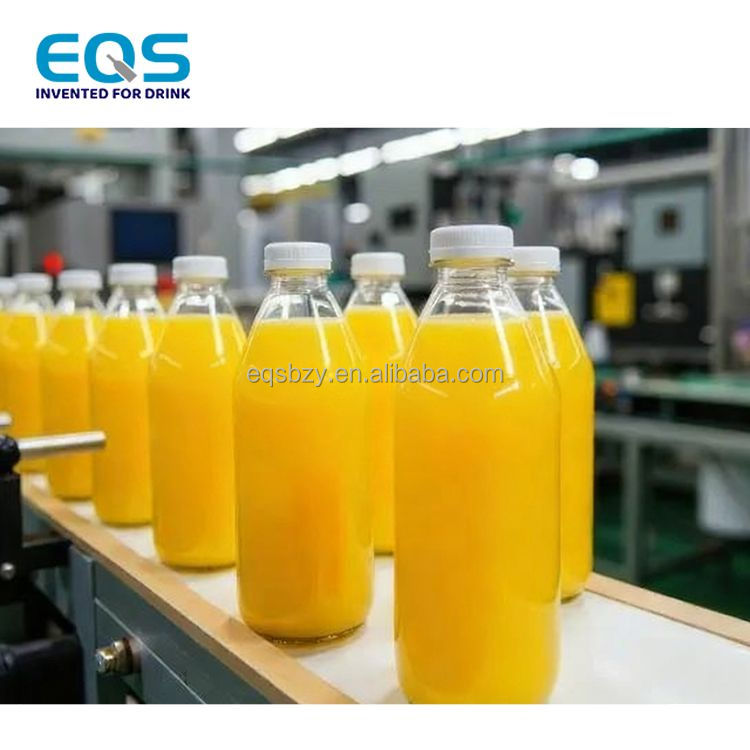
- Filling Range: 250ml - 5000ml
- Accuracy: ±0.2% Volumetric
- Capacity: 3,000 - 12,000 BPH
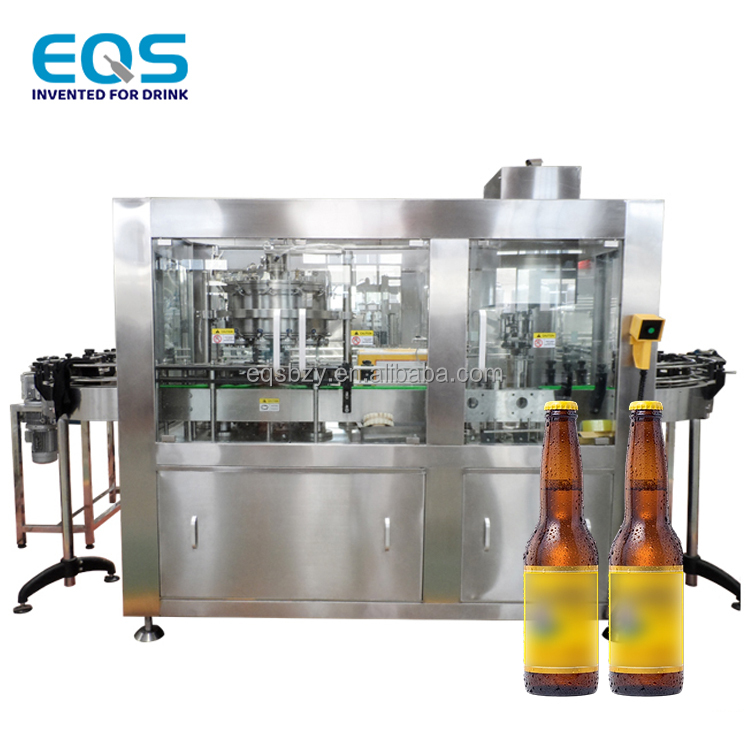
- Containers: Glass, PET, Marasca
- Cap Types: ROPP / Plastic Screw
- Capacity: up to 7,000 BPH
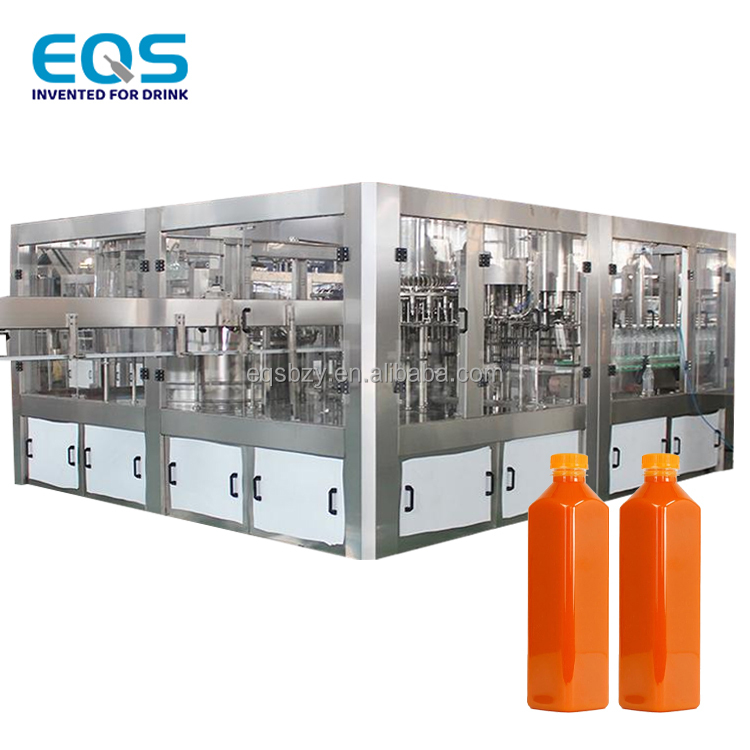
- Control: Siemens PLC Touch
- Nozzle Tech: Vacuum Back-Suction
- Hygiene: 316L Stainless Steel
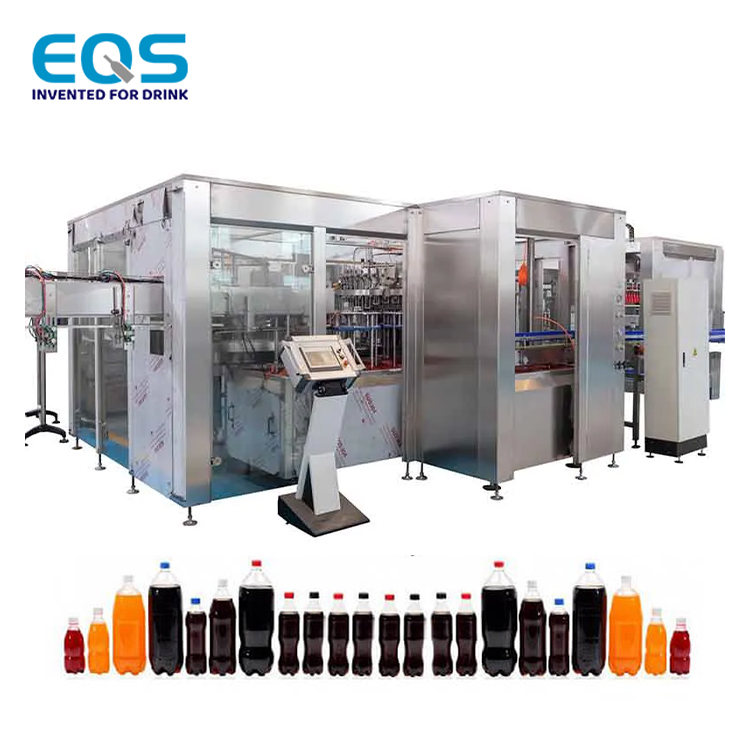
- Speed: 8,000 - 15,000 BPH
- Viscosity Range: 10 - 5,000 cP
- Dosing: Mass Flowmeter / Piston
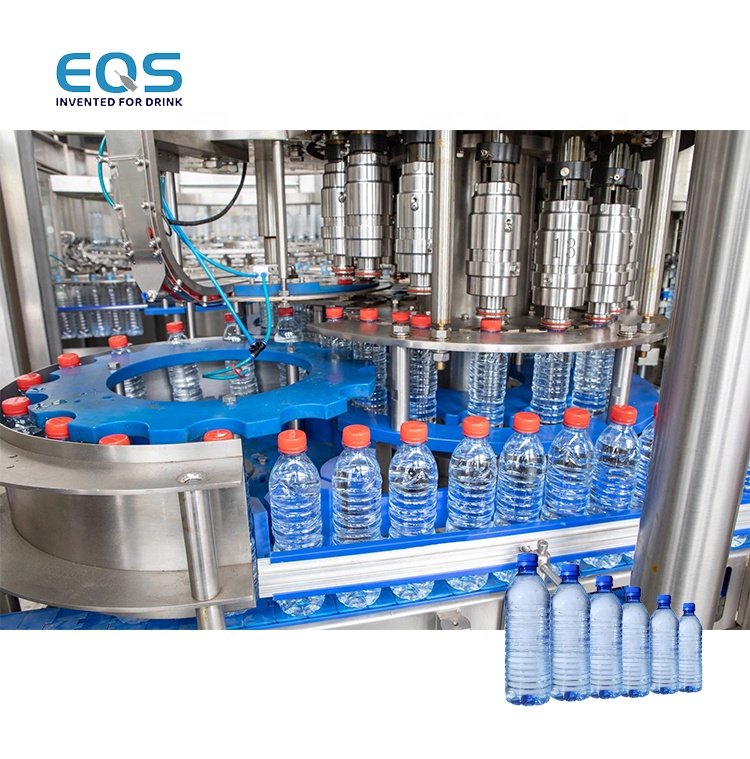
- Scope: Blow-Fill-Cap-Label-Pack
- Certification: CE, ISO9001
- Automation: Fully Automatic
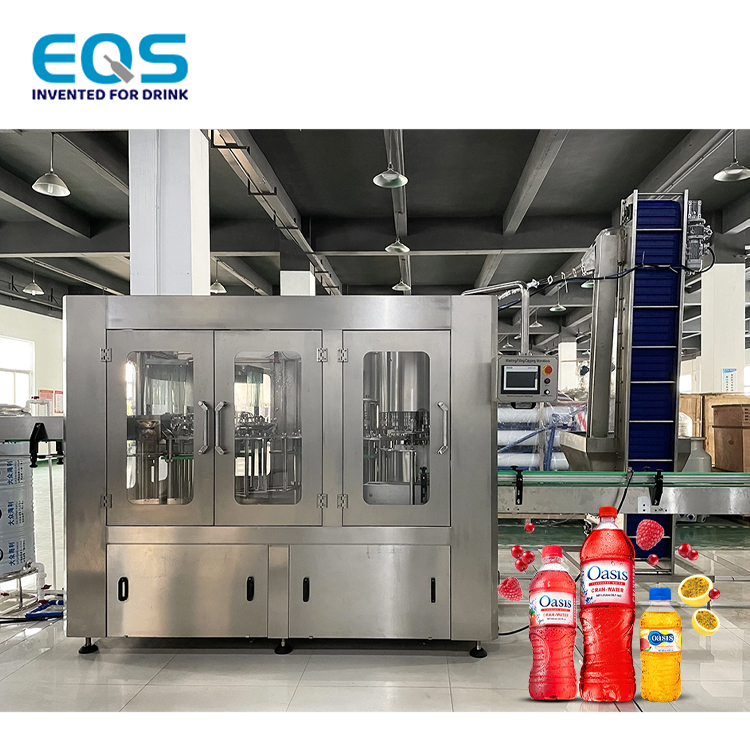
- Oxidation Control: N2 Headspace Inject
- Flavor Lock: Zero Air Contact
- Labeling: Self-Adhesive / Sleeve
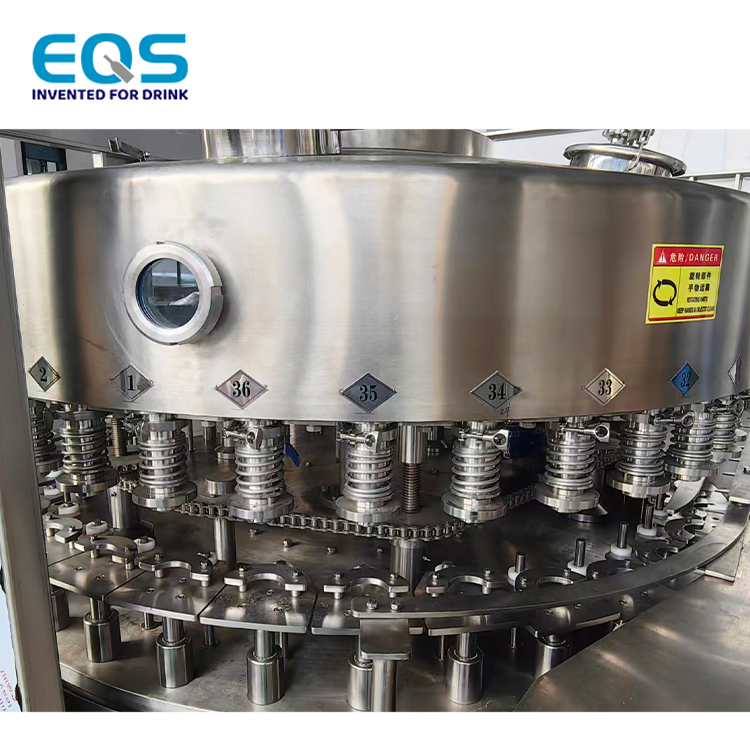
- Changeover Time: < 20 Minutes
- Nozzle Type: Anti-Drip Mechanical
- Voltage: 220V/380V Custom
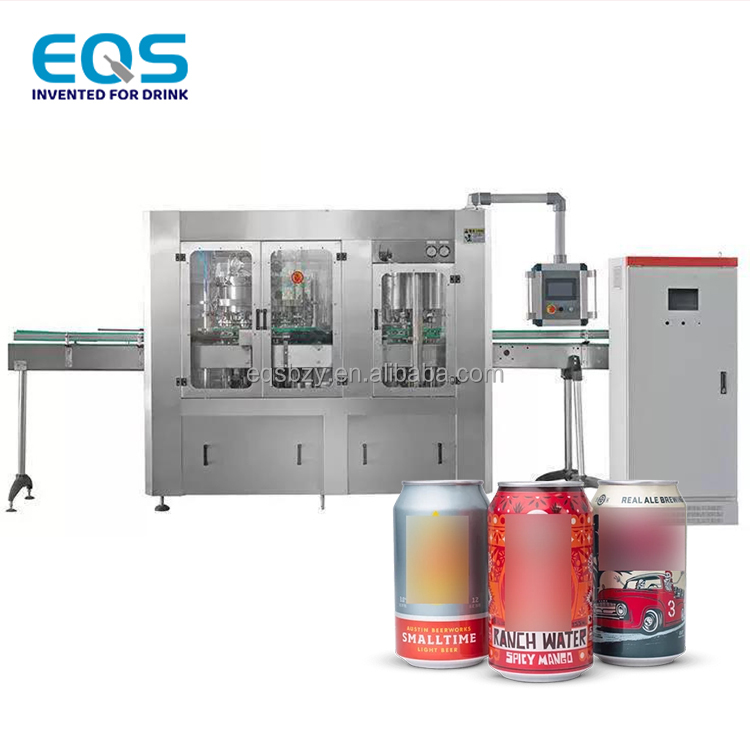
- Containers: Tin Can, Metal Canister
- Seaming Tech: Hermetic Double Seam
- Dosing: Weighing / Flowmeter
Why Industry Leaders Partner with Zhangjiagang OGVU Machinery
In the highly sensitive market of Extra Virgin Olive Oil (EVOO) and gourmet edible oil packaging, mechanical imprecision leads to costly product giveaway, bottle contamination, oxidation rancidity, and extended downtime. As an audited manufacturer with over 11 years of verified export history on global trade platforms, Zhangjiagang OGVU Machinery Co., Ltd. provides turnkey engineering solutions built upon technical rigor, structural durability, and verifiable quality controls.
Intertek On-Site Verified Facility
Our manufacturing plant, machining workshops, and administrative processes undergo strict annual on-site inspections by independent third-party auditor Intertek, verifying authentic production capacity and compliance.
CE & ISO Certified Engineering
All OGVU olive oil filling monoblocks, net weighing platforms, and automatic ROPP capping units are engineered to meet strict CE safety directives and ISO quality management standards.
End-to-End Line Balancing
Instead of assembling mismatched machinery from disparate vendors, OGVU balances every component—from oil filtration and air rinsing to labeling and carton palletizing—eliminating bottlenecking.
Technical Whitepaper: Engineering Precision in EVOO Packaging & Oxidation Prevention
Olive oil—specifically Extra Virgin Olive Oil (EVOO)—is chemically sensitive to ambient oxygen, ultraviolet light radiation, and thermal variance. Unlike standard water or carbonated soft drink filling, edible oil packaging introduces fluid dynamics challenges related to kinematic viscosity changes across ambient temperature shifts (from 15°C winter storage to 35°C summer bottling environments).
1. Rheological Behavior & Temperature-Compensated Dosing
The viscosity of cold-pressed olive oil varies non-linearly with temperature. Standard volumetric piston fillers without thermal compensation experience volume drift as ambient temperatures fluctuate during a shift. OGVU addresses this through two advanced technical architectures:
Servo Volumetric Piston Technology
Utilizes ultra-precise Siemens servo motors connected to ground 316L stainless steel cylinders. Stroke length is micro-adjusted automatically via touch-screen algorithms tied to inline temperature sensors.
Coriolis Mass Flowmeter Filling
Measures actual product mass (grams/kilograms) directly rather than liquid volume, completely bypassing fluid density and viscosity fluctuations caused by ambient temperature changes.
Electronic Net-Weighing Load Cells
Each filling station features an isolated high-frequency load cell under the bottle pedestal. The valve cuts off instantly when net weight is hit, eliminating container wall thickness tolerances.
2. Anti-Drip Nozzle Mechanics & Zero Residual Spill
Oil droplets adhering to bottle necks or falling onto conveyor belts cause label peeling, carton staining, and hygiene deterioration. OGVU's proprietary filling nozzles utilize dual-action anti-drip engineering:
First, an internal pneumatic shut-off needle cuts product flow cleanly at the orifice. Second, an automated suck-back vacuum valve draws any micro-droplet remaining at the tip upward back into the manifold line before the bottle moves to the capping starwheel.
3. Micro-Nitrogen Dosing for Peroxide Value (PV) Protection
Dissolved and headspace oxygen are the primary catalysts for oil rancidity, raising the Peroxide Value (PV) and destroying valuable polyphenols. OGVU olive oil lines integrate dual-stage inerting:
- Pre-Fill Nitrogen Purge: Displaces ambient air inside the dark glass or PET bottle with high-purity (99.99%) gaseous nitrogen prior to liquid injection.
- Post-Fill Liquid Nitrogen Injection: Doses a micro-droplet of liquid nitrogen into the neck space milliseconds before ROPP or screw capping, displacing remaining oxygen and creating positive internal pressure.
Filling Mechanism Comparison Matrix for Edible Oil Procurement
| Dosing Mechanism | Accuracy Range | Container Flexibility | Viscosity Range | Primary Industrial Application |
|---|---|---|---|---|
| Servo Rotary Piston | ±0.2% Volume | Glass, PET, Tin Cans (250ml - 5L) | Medium to High (10–10,000 cP) | High-speed EVOO & mixed edible oil lines |
| Coriolis Mass Flowmeter | ±0.1% Mass | All Container Types & Shapes | Very High (Non-sensitive) | Premium EVOO & variable-temperature plants |
| Electronic Net Weighing | ±1 gram (Net) | PET Bottles, 5L Jerrycans, Tin Cans | Medium (10–3,000 cP) | Bulk wholesale & commercial cooking oil packs |
| Gravity Anti-Foam Filler | ±0.5% Volume | Rigid Glass Bottles (250ml - 1L) | Low (Thin refined oils) | Entry-level artisanal olive oil operations |
Future Procurement Trends in Edible & Olive Oil Packaging (2025–2030)
Global regulatory pressure, shifting consumer packaging formats, and ESG sustainability directives are altering purchasing strategies for olive oil producers worldwide. Equipment procurement teams must evaluate long-term machine adaptability based on the following key operational trends:
1. Transition to Dark Recycled PET (rPET) & Thin-Wall Containers
To reduce plastic taxes and shipping freight weight, producers are adopting rPET and lightweight glass. Machine procurement must prioritize soft-handling neck-gripping starwheels and electronic torque-controlled cappers that prevent bottle crushing.
2. Rapid Tool-less Container Format Changeovers
Modern bottling facilities must process multiple SKU sizes (e.g., 250ml Dorica glass, 500ml Marasca, 1L PET, 3L Square Tin Cans) on a single production line. Quick-release starwheels and motor-adjusted height columns are now mandatory requirements.
3. Smart Industry 4.0 Inline Quality Auditing
Advanced lines now integrate inline checkweighers, high-speed vision inspection for cap torque and seal integrity, and OPC-UA protocol connectivity to stream real-time yield data directly to plant ERP systems.
4. CIP/SIP Hygiene Standardization
Food safety compliance (FDA, EU Regulation 29/2012) demands complete Clean-In-Place (CIP) automated flushing loops. Modern fillers must feature automatic return-cup CIP manifolds to wash oil contact channels thoroughly between production runs.
Technology Development Trends in High-Viscosity Bottling
Engineering innovations in liquid packaging machinery continue to focus on reducing mechanical wear, enhancing hygienic seal design, and minimizing electrical power consumption during continuous plant operations.
Direct-Drive Servo Capping Heads
Replaces mechanical magnetic clutches with individual servo motor cappers, allowing real-time digital adjustment of sealing torque for metal ROPP and plastic caps down to 0.1 Nm precision.
Laminar Flow HEPA Air Enclosures
Positive-pressure HEPA Class 100 sterile air over-pressure hoods mounted above the filling area prevent airborne dust, spores, and particulate contamination during high-speed bottling.
Eco-Efficient Kinetic Energy Recovery
Regenerative braking systems on main rotary carousel drives harvest kinetic energy during line decelerations, cutting overall plant electrical power consumption by up to 18%.
Frequently Asked Questions for Olive Oil Machinery Buyers
Engineered solutions to common operational, technical, and commercial questions raised during procurement evaluation.
Request Your Custom Olive Oil Bottling Line Proposal
Share your target container format, daily production speed, and plant layout dimensions with our engineering team. Receive a full turnkey technical specification and CAD plant layout drawing within 24 hours.