Executive Summary: The Evolution of Automated Wine Bottling Infrastructure
The global wine manufacturing and packaging landscape is experiencing a fundamental technological shift. As estate wineries, commercial distilleries, and contract co-packers face rising labor costs, stringent food safety mandates, and heightened consumer expectations for flavor purity, the reliance on high-precision, low-oxygen packaging machinery has become paramount. Choosing the right partner among the world's Top Trusted Wine Filling Machine Factories & Wholesalers is no longer merely an equipment purchasing decision; it is a long-term strategic investment in product integrity, shelf-life preservation, and operational yield.
Modern wine packaging demands immaculate sanitary standards combined with gentle fluid mechanics. Unlike carbonated soft drinks or mineral water, wine is organic and sensitive to atmospheric oxidation, microbiological contamination, and mechanical turbulence. Exposure to ambient oxygen during filling can destroy delicate aromatic compounds, alter phenolic structures, and cause premature browning. Consequently, contemporary engineering centers around low-pressure vacuum gravity filling, inert gas (N₂/Ar) sparging, ultra-hygienic CIP/SIP valve arrays, and seamless monoblock integration with corking or screw-capping turrets.
Featured Bottling & Packaging Solutions
Explore engineered monoblocks, water treatment infrastructure, isobaric counter-pressure systems, and high-speed packaging equipment directly supplied by our manufacturing facility.
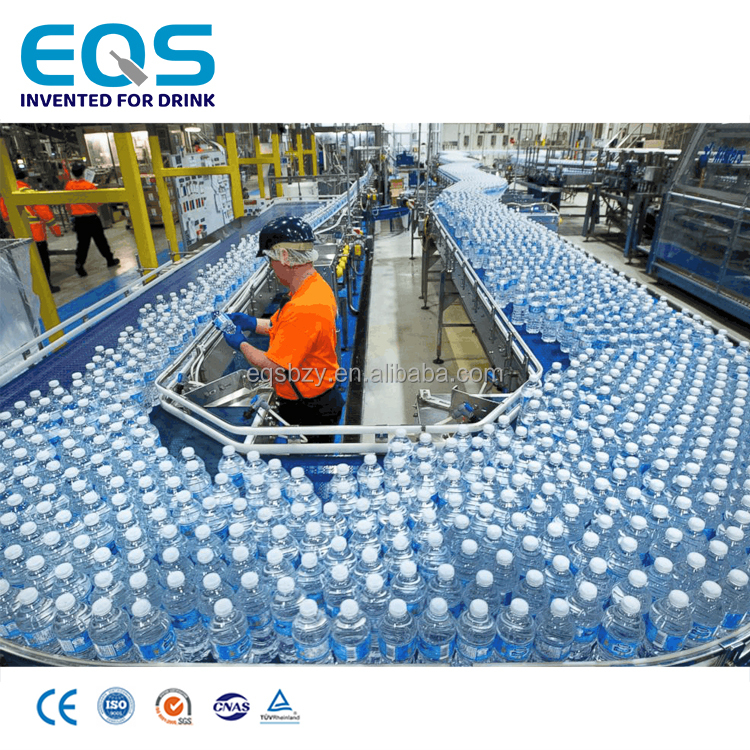
Industrial Pure & Mineral Water Treatment Filling Machine Complete Production Line Turnkey Project
- Application Purified/Mineral Water
- Structure RO + Treatment + Filling
- Automation Fully Automatic PLC
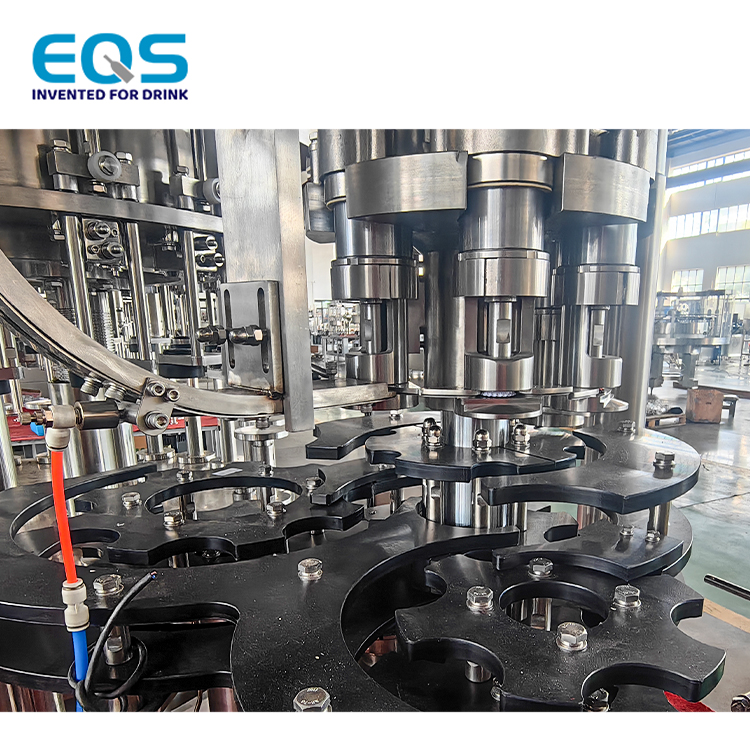
High-Speed 3-in-1 Beer Bottling Equipment Monoblock Washing Filling Capping Machine with Stable Running
- Technology Counter-Pressure Valve
- Container Glass / PET Bottles
- Control Siemens PLC Touch Screen
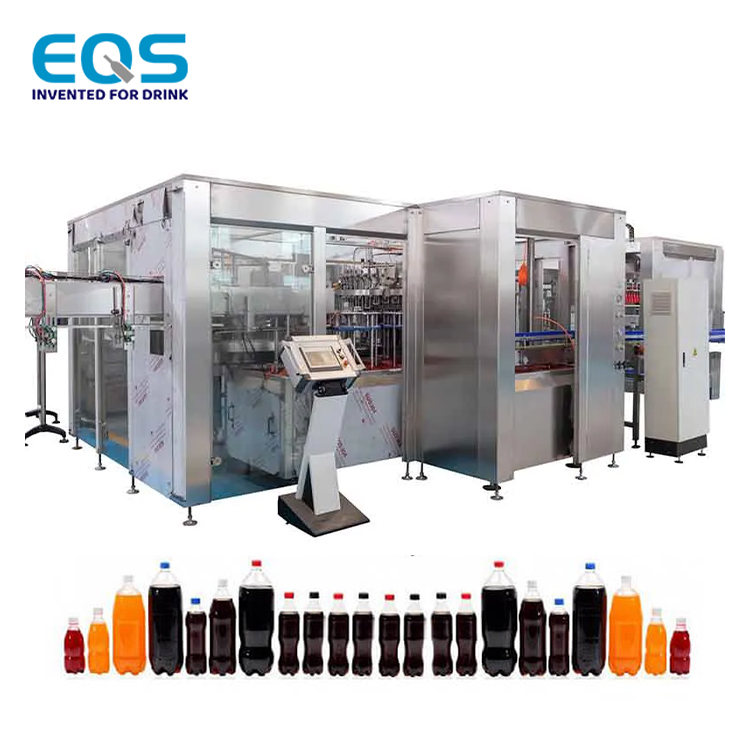
High-Speed 3-in-1 Salt Soda Filling Machine Automatic Carbonated Beverage Bottling Line Monoblock
- Filling Type Isobaric Carbonated
- Feature Double Evacuation System
- Hygiene SUS316L Contact Parts
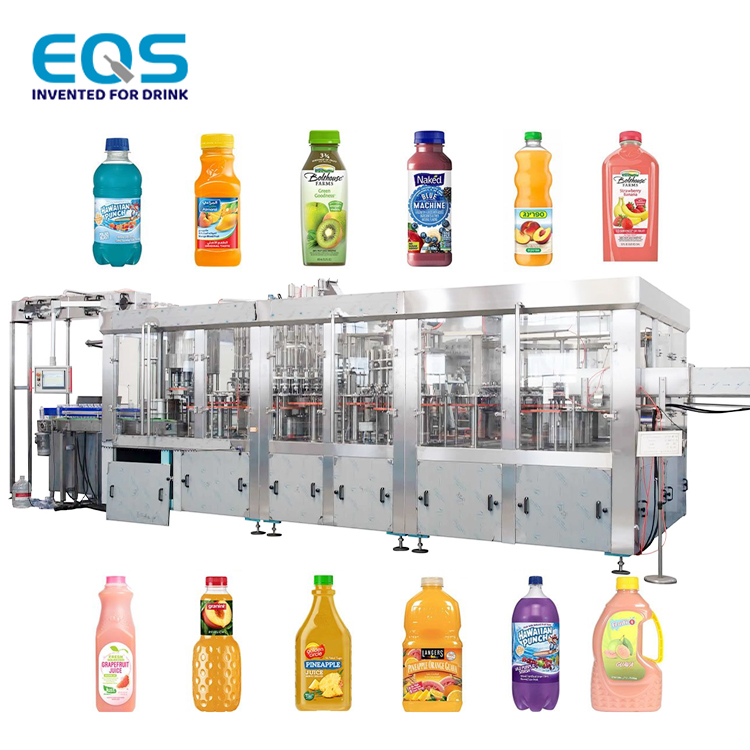
Industrial Automatic PET Bottle Fruit Juice Hot Filling Capping Machine Beverage Bottling Sealing Production Line Manufacturer
- Temp Range 85°C – 92°C Hot Fill
- Recirculation Thermal Auto Feedback
- Container Heat-Resistant PET
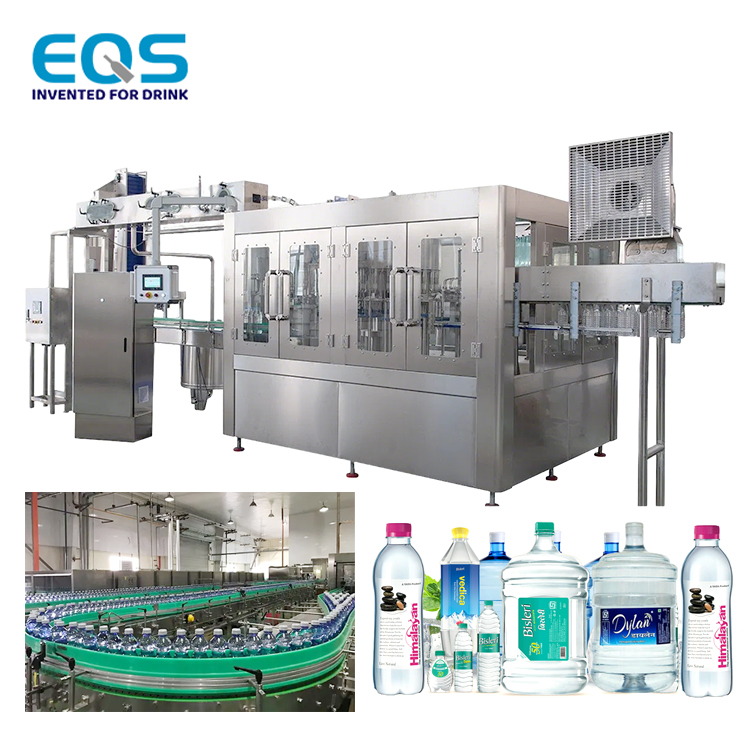
Advanced Water Treatment System with Automatic Filling Line for Pure Mineral Water Production
- Purification Multi-Media + RO Membrane
- Sterilization Ozone + UV Disinfection
- Scale Customizable Output
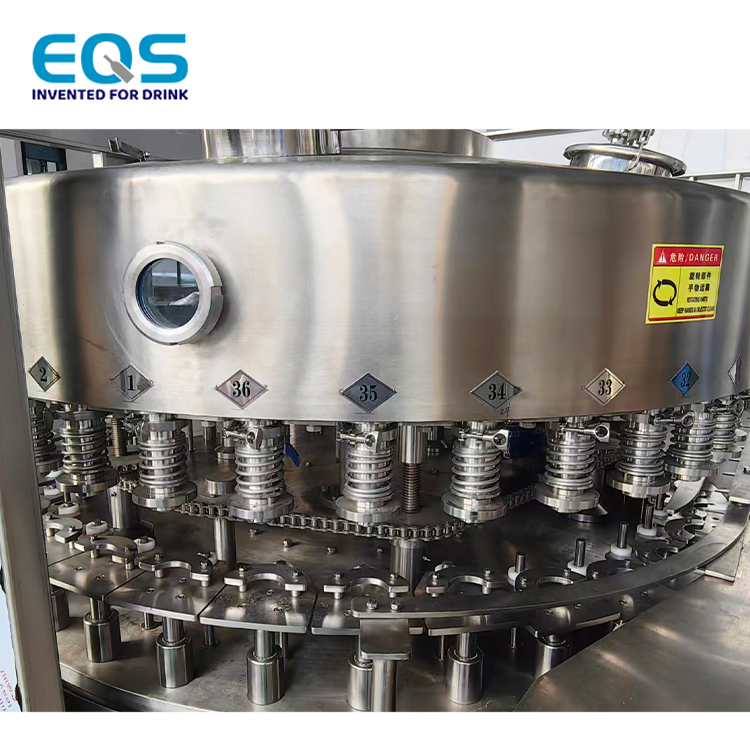
Industria 4-in-1 Pulp Fruit Juice Filling Machine for PET Bottle Bottling Line with Mixing System
- Mechanism Pulp Dosing + Juice Fill
- Configuration 4-in-1 Monoblock
- Valve System Anti-clogging Nozzle
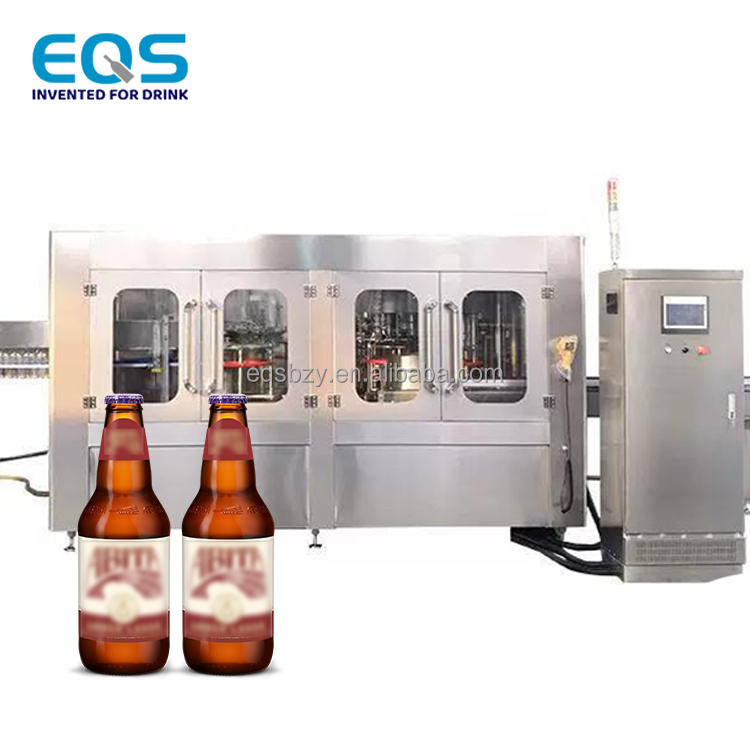
8000BPH Automatic Beer Glass Bottle Washing Filling Capping Machine Manufacturer for Isobaric Filling Line
- Capacity 8,000 Bottles/Hour
- Capping Crown / Swing / Screw
- Vacuuming Double Vacuum Pre-Evac
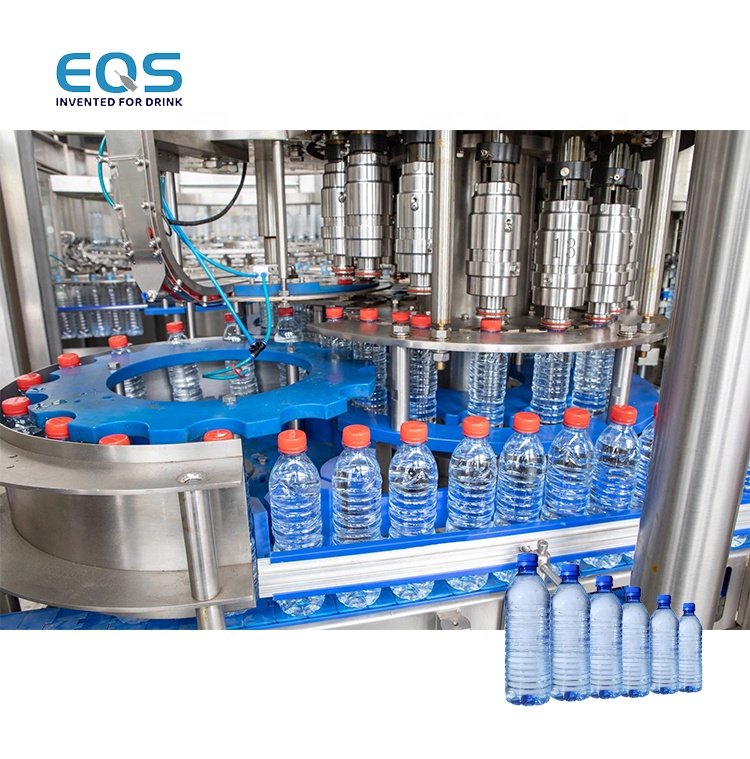
A to Z Complete Pet Bottling Production Line Automatic Mineral Pure 3 in 1 Water Filling Machine Manufacturer
- Scope Blowing + Filling + Packing
- Efficiency High-Speed Monoblock
- Compliance CE / ISO Standard
Technical Deep-Dive: Core Engineering Principles of Wine Filling Machinery
Achieving international quality standards in wine bottling requires precise execution at every mechanical step. Leading engineering manufacturers employ highly specialized filling valves and mechanical turrets designed specifically for still wines, fortified ports, vermouths, and sparkling varieties (Champagne, Prosecco, and Cava).
1. Low-Vacuum Gravity Filling & Micro-Oxidation Prevention
Standard gravity filling exposed to ambient air introduces significant quantities of oxygen into the liquid matrix. Premium wine fillers utilize a low-vacuum gravity valve system. Before fluid admission, the bottle neck is hermetically sealed against a food-grade EPDM gasket. A mild vacuum (typically -0.02 to -0.04 MPa) is drawn within the bottle, removing ambient atmospheric air. Inert nitrogen (N₂) gas is then injected to equalize pressure before the liquid valve opens. This pre-evacuation and sparging cycle reduces Dissolved Oxygen (DO) pick-up to less than 0.05 mg/L (ppm), preserving the winemaker's intended organoleptic profile.
2. Non-Contact Flowmeter vs. Mechanical Level Filling
While mechanical level-filling valves remain a workhorse solution for standard table wines due to cost efficiency, high-end automated lines are increasingly shifting toward magnetic or mass flowmeter filling. Magnetic flowmeters (EMF) measure volumetric fluid passage without any mechanical components contacting the wine flow inside the valve shaft. This eliminates internal crevices where tartrate crystals or wild yeasts (such as Brettanomyces) can accumulate, ensuring 100% clean-in-place (CIP) efficacy.
3. Monoblock Integration: Rinser, Filler, Corker/Capper
Modern plant architecture favors monoblock design over synchronized standalone machines. Monoblocks consolidate bottle rinsing, inert gas purging, filling, and corking/capping onto a single rotary star-wheel transfer frame. This compact footprint eliminates long open-conveyor transport steps where unsealed bottles could collect airborne dust, wild spores, or oxygen enrichment.
Wine Filling Technology Selection Matrix
Compare mechanical configurations across different wine types, bottle materials, and production scale requirements.
| Wine Category | Recommended Valve Type | Closure Technology | DO Control Target | Optimal Line Speed |
|---|---|---|---|---|
| Still Red/White Wine | Low-Vacuum Gravity / Electromagnetic Flowmeter | Natural Cork / Micro-agglomerated / Stelvin Screw Cap | < 0.05 ppm | 3,000 – 12,000 BPH |
| Sparkling Wine (Champagne/Prosecco) | Isobaric Counter-Pressure (Double Evacuation) | Mushroom Cork + Wirehood (Muzzler) | < 0.08 ppm | 2,500 – 10,000 BPH |
| Fortified Wines & Spirits | Volumetric Piston / Mass Flowmeter | T-Bar Stopper / ROPP Aluminum Cap | < 0.10 ppm | 2,000 – 8,000 BPH |
| Ready-to-Drink (RTD) Wine Cans | Isobaric Can Seaming Monoblock | 202/206 Aluminum Easy-Open End | < 0.03 ppm | 4,000 – 15,000 CPH |
Future Procurement & Development Trends in Wine Packaging
Key technological shifts driving global procurement decisions for commercial wineries, bottling wholesalers, and machinery distributors.
1. Smart IoT Monitoring & Industry 4.0
Next-generation wine lines feature inline density sensors, digital torque telemetry on capping heads, and automated liquid-level vision systems with instant reject arms. Remote diagnostic connectivity allows OEM engineers to assist with parameter tuning anywhere globally.
2. Ultra-Lightweight Glass & Flexible Handling
Environmental regulations are compelling bottlers to adopt lightweight glass bottles. Modern fillers incorporate servo-driven starwheels, gentle neck-handling grippers, and soft-bottom bottle lifters to prevent thermal shock and container breakage.
3. Hybrid & Multi-Format Flexibility
Contract packaging plants increasingly mandate quick-changeover monoblocks capable of switching between traditional Bordeaux glass bottles, Burgundy bottles, screw-capped flutes, and aluminum cans in under 30 minutes via tool-less quick-release parts.
Why Zhangjiagang OGVU Machinery Leads Global Manufacturing
Situated in Zhangjiagang, Jiangsu — China's premier manufacturing cluster for liquid packaging machinery — Zhangjiagang OGVU Machinery Co., Ltd. stands out among top trusted wine filling machine factories and wholesalers. With over 11 years of continuous verified export expertise, OGVU supplies complete turnkey bottling solutions engineered for international compliance.
Rather than providing disconnected individual machines, OGVU engineers design fully integrated production lines where water treatment, syrup/wine preparation, bottle blowing, monoblock filling, labeling, and carton packing operate at synchronized throughput rates—eliminating factory bottlenecks and maximizing return on investment (ROI).
-
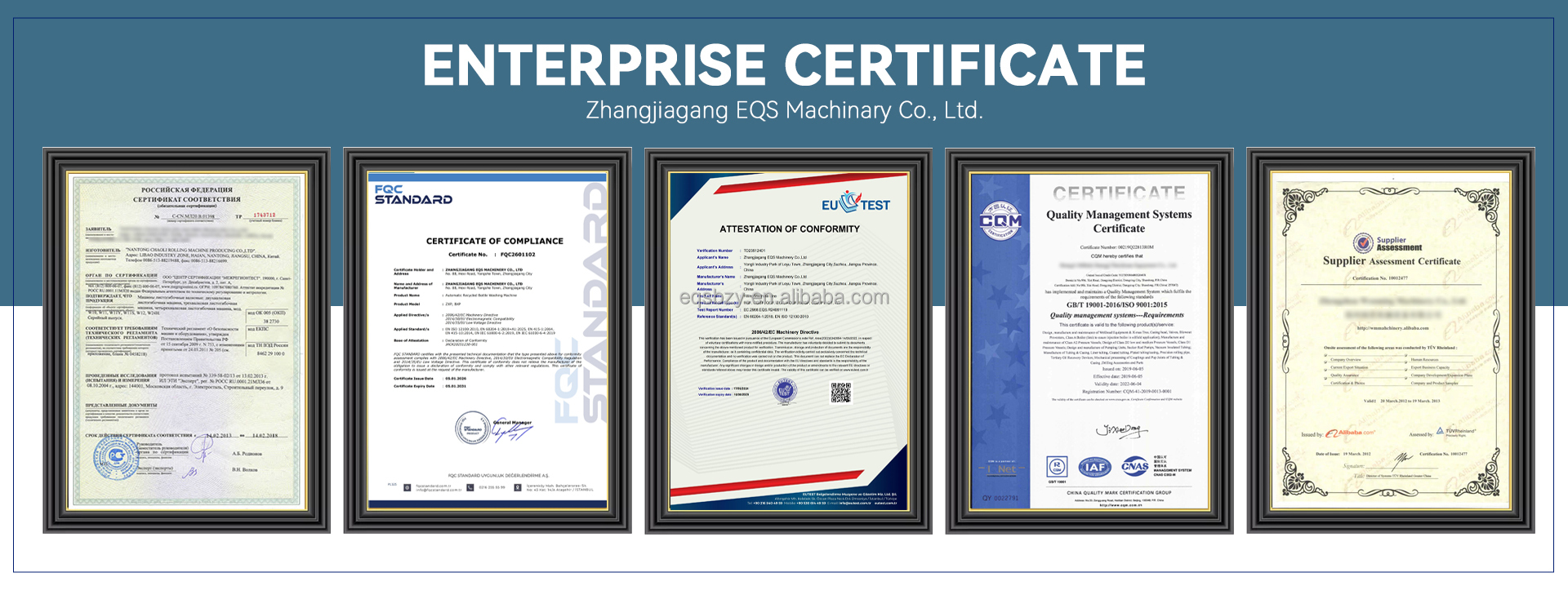
✓Intertek Audited Premises: On-site factory facilities, production capacity, and operational standards independently verified by Intertek.
-
✓CE & ISO Certification: All primary water, CSD, beer, juice, and wine filling monoblocks comply with European CE directives.
-
✓Multi-Lingual Engineering Support: Direct technical consultation in English, Spanish, Russian, and Chinese for seamless global execution.
-
✓Overseas Installation & Commissioning: Experienced expatriate field engineers available for physical installation, factory testing (FAT), and operator training.
Frequently Asked Procurement Questions (FAQ)
Detailed technical answers to common queries raised by winery owners, plant managers, and equipment wholesalers prior to placing line orders.
Ready to Upgrade Your Wine Packaging Facility?
Connect directly with our senior bottling engineers to receive customized CAD plant layouts, technical specifications, and factory-direct pricing for your project.