Featured Bottling & Liquid Packaging Equipment
High-efficiency, CE-compliant monoblocks and turnkey plants engineered for high reliability in demanding tropical operating environments.
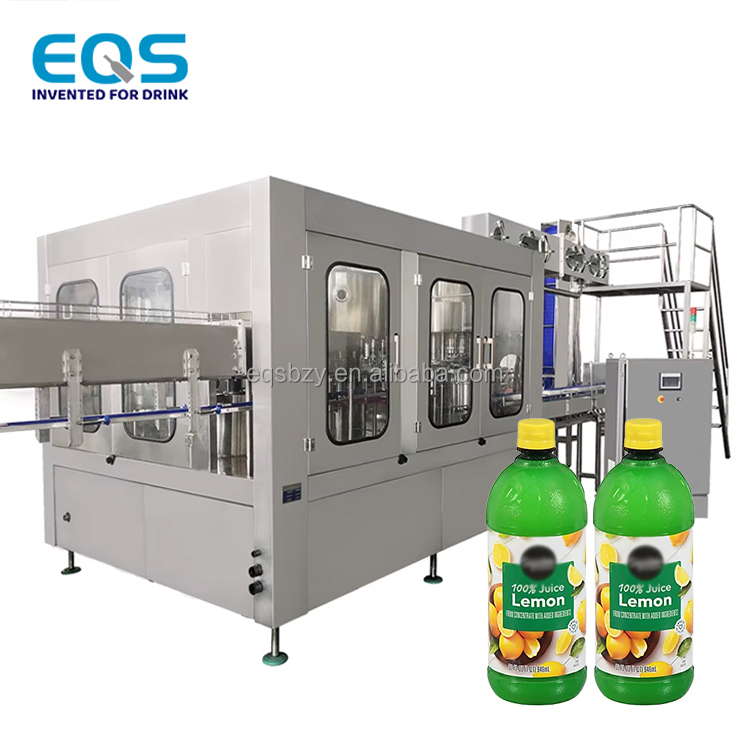 CE Certified
Turnkey 4-in-1 Fruit Pulp Juice Filling Line PET Bottle Beverage Bottling Machine
Explore Model ›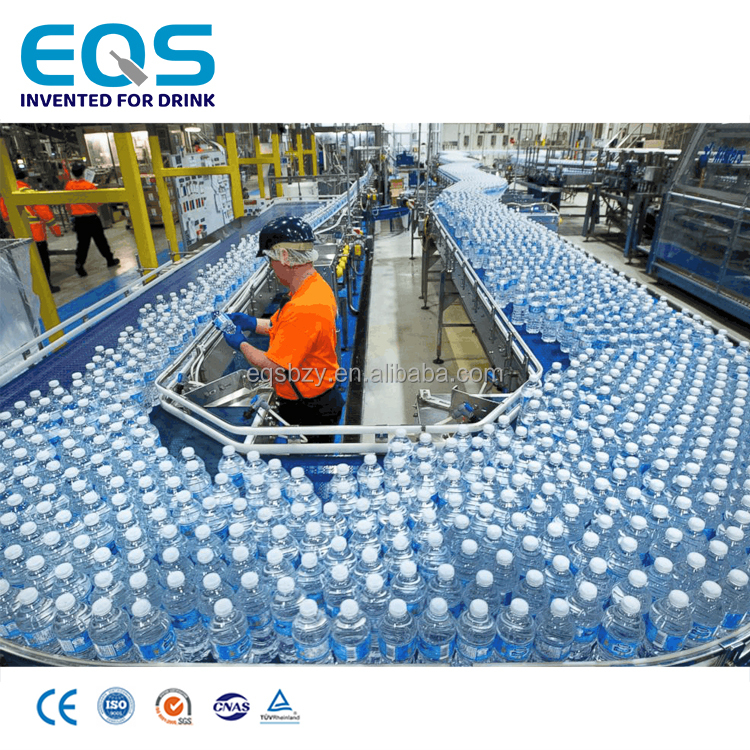 CE Certified
Industrial Pure & Mineral Water Treatment Filling Production Line Turnkey Project
Explore Model ›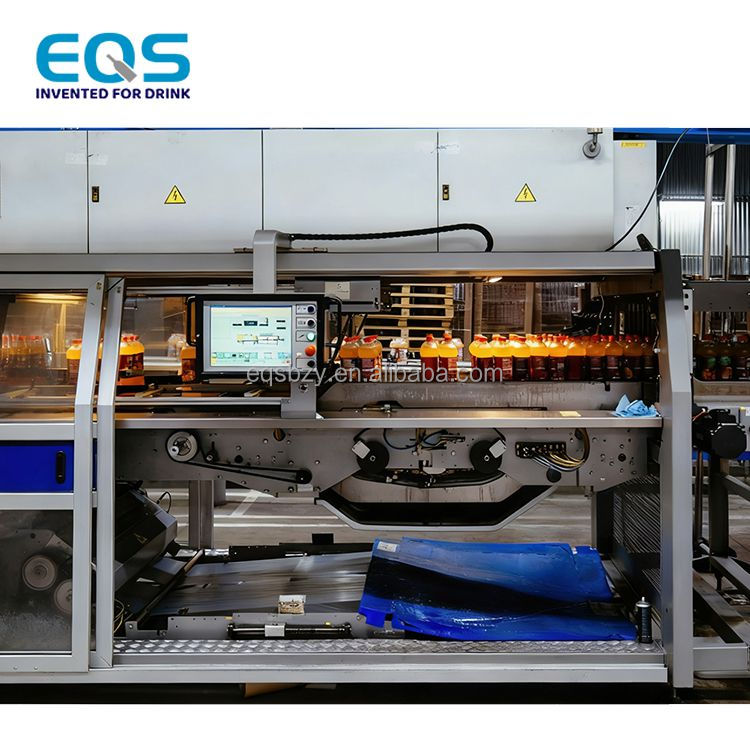 CE Certified
Advanced Full Set Fruit Juice Production Line From Mixing to Packing System
Explore Model ›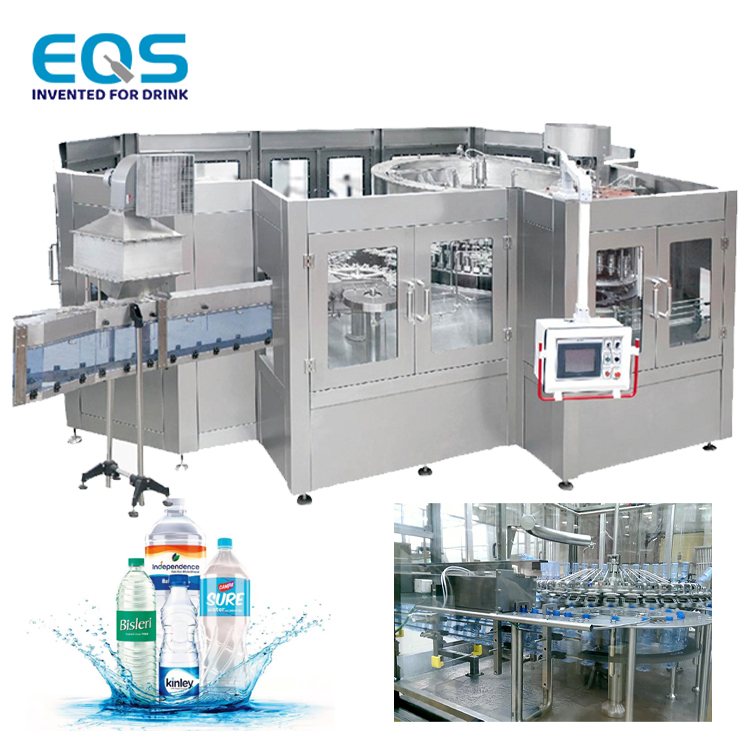 CE Certified
Professional Pure & Mineral Water Filling Line for PET & Glass Bottles
Explore Model ›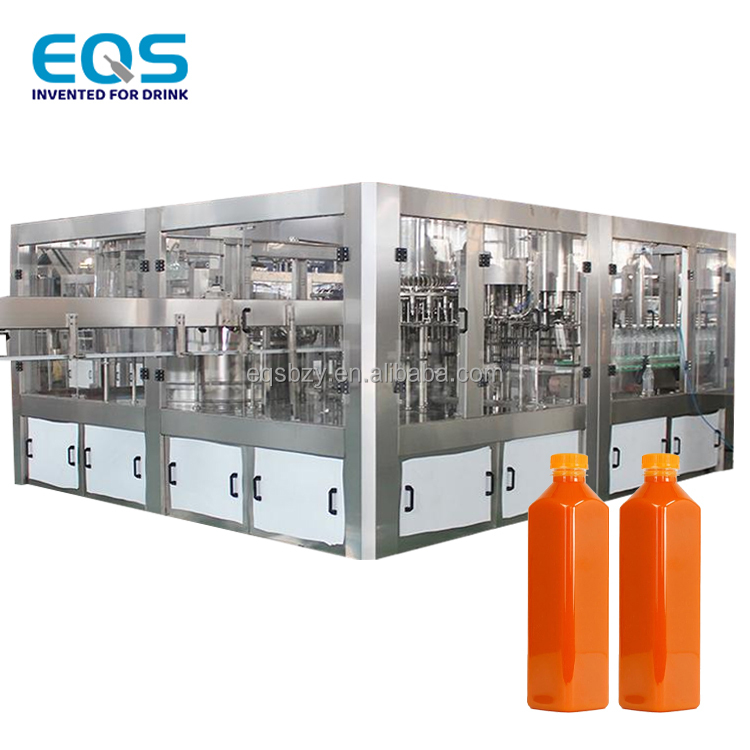 CE Certified
Hot Filling 4-in-1 Juice Filling Machine for Fruit Juice With Pulp PET Line
Explore Model ›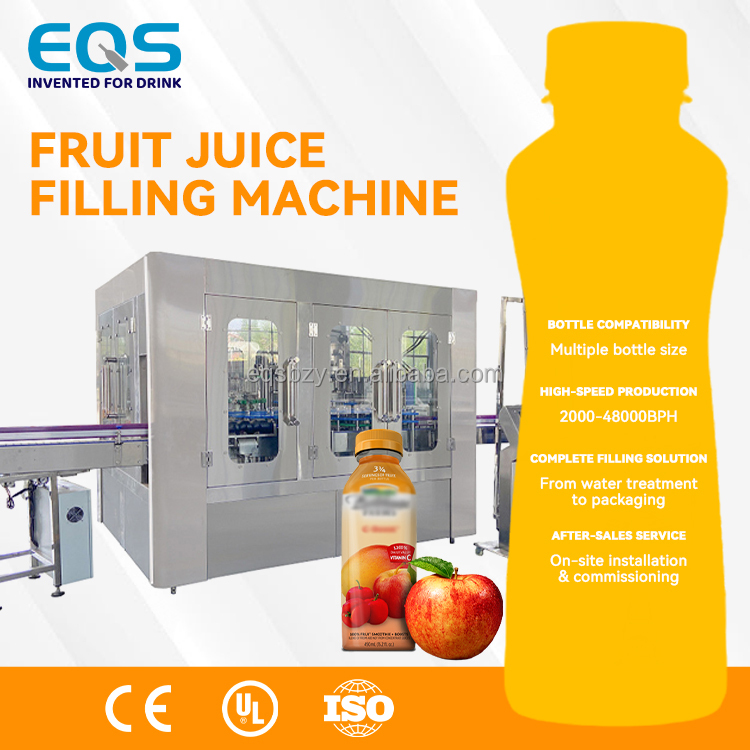 CE Certified
A to Z Automatic Hot Filling Bottling Capping Juice Beverage Production Plant
Explore Model ›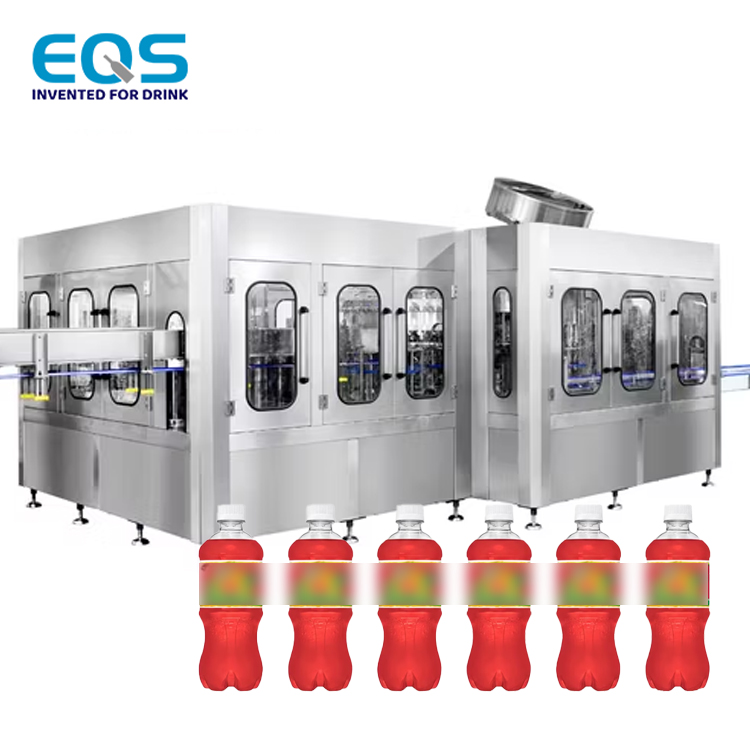 CE Certified
Complete Carbonated Soft Drink & Energy Drink Bottling Production Line
Explore Model ›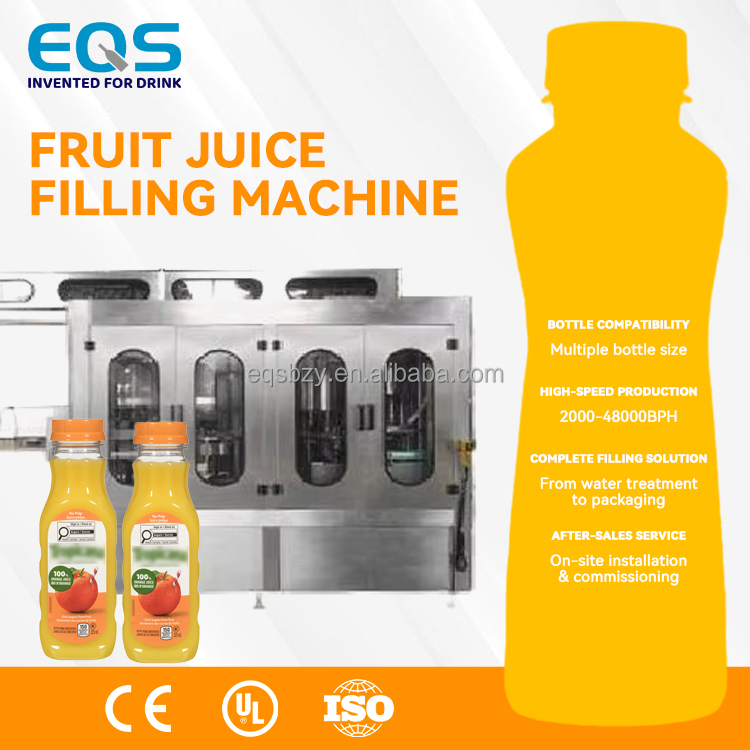 CE Certified
Fully Automatic 4-in-1 Pulp Fruit Juice Hot Filling Beverage Bottling Line
Explore Model ›1. The Nigerian Edible Oil Market Landscape: Industrializing Local Packaging Operations
The West African edible oil domain, anchored primarily by the Federal Republic of Nigeria, is undergoing a structural transition from bulk, unbranded commodity trading toward fully automated, hygienic, and branded consumer packaging. Driven by stringent national food safety directives enforced by the National Agency for Food and Drug Administration and Control (NAFDAC) and backed by the Standards Organisation of Nigeria Conformity Assessment Program (SONCAP), commercial oil millers and packaging enterprises across commercial hubs such as Lagos, Kano, Ogun, Rivers, and Edo states are rapidly modernizing their bottling facilities.
Nigeria remains one of the largest producers and consumers of palm oil, palm kernel oil (PKO), groundnut (peanut) oil, soybean oil, and sesame oil in Sub-Saharan Africa. However, historically high rates of product contamination, volumetric cheating, and oxidation in informal open-market distribution channels have catalyzed a massive shift toward tamper-evident PET bottles (ranging from 0.5 Liters to 5 Liters) and high-density polyethylene (HDPE) jerrycans (ranging from 10 Liters to 25 Liters).
To maintain commercial profitability and legal compliance, local oil refiners and importers require robust, highly automated, CE-certified edible oil filling machinery. These packaging systems must handle varying oil viscosities, resist tropical ambient temperatures, survive municipal power grid volatility, and eliminate costly product giveaway caused by inaccurate filling mechanisms.
Key Technical Insight for Nigerian Oil Packaging: Edible oils possess physical traits distinct from water-based beverages—notably high viscosity, temperature-dependent density fluctuations, surface tension, and a propensity to foam or drip during high-speed volumetric discharge. Machinery deployed in West Africa must feature positive-displacement servo-piston drives or net-weight load cell filling technology equipped with heated jacketing circuits and anti-drip diving nozzles.
2. Engineering Applications & Localized Scenario Adaptation in Nigeria
Exporting industrial liquid packaging machinery to Nigeria requires deep engineering adaptation rather than off-the-shelf standard assembly. Environmental conditions, raw material variations, and utility infrastructure in cities like Ikeja, Aba, Port Harcourt, and Kano demand specific design choices:
A. Viscosity Control & Thermal Management for Red Palm Oil & Olein
In Nigeria, Crude Palm Oil (CPO) and Palm Olein exhibit significant changes in viscosity during regional weather transitions, such as the dry Harmattan season when ambient temperatures fluctuate dramatically between day and night. Unrefined or semi-refined palm oil tends to fractionate, crystallize, or solidify at temperatures below 24°C.
- Thermal Balance Hoppers: Our specialized edible oil filling machines feature double-jacketed SUS316L stainless steel storage hoppers equipped with electric immersion heating elements and soft-stirring agitators to maintain a constant fluid temperature (typically 35°C to 45°C) without scorching the oil.
- Positive Displacement Servo Pistons: For viscous fats and thick vegetable oils, servo-driven piston cylinders ensure exact volumetric displacement regardless of fluid thickness variations.
B. Electrical Grid Resilience & Voltage Stabilization Compliance
Industrial plants in Nigeria frequently operate under severe voltage fluctuations or rely on heavy-duty industrial diesel generators. Sudden voltage sags or total power dropouts can corrupt standard PLC microcontrollers and burn out sensitive inverter drives.
- Heavy-Duty Electrical Cabinets: OGVU edible oil packaging systems incorporate international industrial-grade electrical components (Siemens PLC, Schneider Contactors, Omron Sensors, and Delta VFDs) with built-in surge suppression, phase-failure protection, and 24V DC control circuits.
- Generator-Tolerant Power Distribution: Control logic is engineered to gracefully handle unexpected power loss, saving operational memory and preventing nozzle drip or container jams upon restart.
C. Container Versatility: PET Bottling vs. HDPE Jerrycan Filling Lines
The Nigerian market demands diverse container formats tailored to both urban supermarkets and rural wholesale markets:
- Inline & Rotary PET Bottle Filling (0.5L – 5L): High-speed servo piston fillers matched with rotary capping turrets capable of applying anti-theft screw caps and pressure-sensitive plastic sleeve labels.
- Heavy-Duty Jerrycan Weighing Fillers (10L – 25L): Mass-flow meter or load-cell net-weight filling stations engineered to handle heavy HDPE containers. These systems eliminate container wall flex deformation errors by measuring absolute liquid mass rather than internal container volume.
Anti-Drip Diving Nozzles
Bottom-up liquid lance movement combined with pneumatic shut-off vacuum cut-off valves prevents bottle neck contamination and guarantees zero oil drops on bottle exteriors.
Servo Volumetric Precision
Micro-adjustments via HMI touch screen allow precise dosing control to within ±0.2%, eliminating product giveaway across thousands of daily operational cycles.
SONCAP & NAFDAC Ready
Full SUS304/SUS316L food-grade contact surfaces, food-grade seals, clean-in-place (CIP) bypass loops, and full document traceability for immediate regulatory audit approval.
3. Strategic Market Trends Shaping Nigerian Cooking Oil Processing
To maximize Return on Investment (ROI), investors and factory owners in Nigeria must align their equipment purchasing strategy with macroeconomic and technological trends:
- Backward Integration Policies: The Nigerian Federal Government’s restriction on foreign exchange allocation for crude palm oil imports has incentivized backward integration. Local agribusinesses are establishing integrated palm plantations and refineries, driving demand for localized, high-throughput automated filling equipment right at the oil mill level.
- Anti-Counterfeiting & Induction Sealing: Counterfeiting and product dilution remain significant threats to brand equity in West Africa. Modern edible oil lines now mandate high-frequency continuous foil induction seamers immediately after the capping stage to create a hermetic, tamper-evident barrier under the plastic cap.
- Combating Label Peeling on Oily Containers: Oil mist or neck spillages during filling can ruin traditional paper labeling. Leading Nigerian bottlers are adopting pre-filling air knife blowing stations and automatic self-adhesive or shrink-sleeve labeling machines equipped with oil-resistant rubber pressing rollers.
4. Technical Selection Matrix: Edible Oil Filling Technologies
Selecting the appropriate filling technology depends on bottle volume, target output (Bottles Per Hour - BPH), and product viscosity. The matrix below outlines our engineering options available for export to Nigeria:
| Filling Principle | Target Container Range | Dosing Accuracy | Speed Capacity (BPH) | Best Application Scenario |
|---|---|---|---|---|
| Servo Piston Volumetric | 250ml – 5,000ml PET / Glass | ±0.2% | 1,000 – 8,000 BPH | Refined Palm Olein, Vegetable Oil, Peanut Oil in rigid bottles requiring high speed. |
| Electronic Net Weight (Load Cell) | 5L – 25L HDPE Jerrycans / Drums | ±0.1% / ±2g | 300 – 2,500 BPH | Bulk wholesale packaging where container volume varies due to plastic shrinkage. |
| Linear Flowmeter (Mass/Magnetic) | 500ml – 10L PET / HDPE | ±0.15% | 2,000 – 10,000 BPH | Multi-product lines requiring rapid recipe changeover without mechanical piston cleaning. |
| Gravity Pressure Overflow | 100ml – 1,000ml Glass / Rigid PET | ±0.5% (Level fill) | 1,000 – 4,000 BPH | Economical entry-level lines focusing on consistent visual fill heights in clear glass bottles. |
5. The Enterprise Advantage: Zhangjiagang OGVU Machinery Co., Ltd.
Located in Zhangjiagang City, Jiangsu Province—China’s premier cluster for beverage and liquid packaging machinery—Zhangjiagang OGVU Machinery Co., Ltd. stands as a global leader in turnkey processing and bottling lines. Over 11 years of continuous international exporting experience on global procurement platforms, OGVU Machinery has deployed complete production solutions across more than 50 countries, with a deep focus on West Africa and the Nigerian market.
Why Nigerian Edible Oil Producers Partner with OGVU Machinery:
- On-Site Intertek Inspection Verification: Our manufacturing plant, operational capability, and legal registration have been audited and verified on-site by Intertek, providing complete procurement security for African buyers.
- Turnkey Engineering Integration: We eliminate integration friction by designing the entire line layout—from raw oil filtration tanks, PET blow molding systems, linear or rotary piston fillers, automatic capping machines, continuous induction sealers, non-contact inkjet coders, to automatic shrink packaging systems.
- CE & International Compliance Standard: All structural frameworks utilize heavy-walled SUS304 stainless steel. Electrical architectures meet CE Directives (2006/42/EC Machinery Directive and LVD/EMC safety standards), guaranteeing compliance during SONCAP pre-shipment inspections.
- Expatriate Installation & Local Technical Support: Our dedicated field engineering team provides overseas installation, plant commissioning, and hands-on factory personnel training directly at your facility in Nigeria.
Intertek Verified Plant
Factory premises and manufacturing workflow audited on-site by independent inspectors.
Factory FAT Testing
Full liquid trial run and video inspection prior to export packing and container loading.
Spare Parts Guarantee
Standardized wear-and-tear component inventory shipped with every turnkey machine order.
6. Frequently Asked Questions (FAQ) for Nigerian Oil Machinery Buyers
How do OGVU oil filling machines obtain SONCAP certification for shipment to Nigeria?
All OGVU machines are engineered in full alignment with international CE and ISO9001 standards. Prior to shipping to Lagos or Port Harcourt, we provide full technical documentation, electrical schematics, test certificates, and factory audit records required by authorized inspection agencies (such as SGS, Intertek, or Cotecna) to issue the Certificate of Conformity (CoC) needed for SONCAP final customs clearance.
Can a single filling machine handle both 1-Liter PET bottles and 5-Liter jerrycans?
Yes. Our linear servo piston filling lines are equipped with adjustable bottle guide rails, height-adjustable filling head gantries, and programmable recipe storage in the Siemens HMI touch screen. Operators can switch between 0.5L, 1L, 3L, and 5L PET bottles or small HDPE containers in under 15 minutes by selecting pre-set stroke parameters and adjusting basic mechanical change parts.
How does the machine prevent palm oil from solidifying in the pipes during operations in Nigeria?
We integrate a thermal balance protection system featuring double-jacketed heating pipes, temperature-controlled product holding hoppers, and an automated recirculation loop. If the production line pauses, the oil continuously circulates through heated manifolds to maintain fluid state without thermal degradation or nozzle blockage.
What measures are taken to prevent oil dripping on bottle necks before labeling?
We utilize specialized bottom-up diving filling lances coupled with pneumatic anti-drip cut-off valves and an oil-collection suction system. The nozzle descends deep inside the bottle near the bottom before liquid discharge begins, gradually rising with the liquid level. This eliminates bubble formation, splash-back, and surface neck contamination.
What are the standard payment terms and lead times for shipping to West Africa?
Standard payment terms are 30% T/T deposit upon contract signing and design approval, with the remaining 70% balance paid following successful Factory Acceptance Testing (FAT) video inspection prior to shipment. Confirmed Irrevocable Letters of Credit (L/C at sight) are also accepted. Manufacturing lead time typically ranges from 30 to 45 working days depending on line scale.
Does OGVU provide on-site installation and engineer training in Nigeria?
Yes. We dispatch experienced field commissioning engineers to your plant location in Nigeria to handle physical positioning, line wiring, pipe connection, trial commissioning, and hands-on maintenance training for your local operators until the target BPH efficiency rate is achieved.
Ready to Build or Upgrade Your Edible Oil Bottling Plant?
Connect directly with our senior engineering team to receive a customized plant layout drawing, full technical specification proposal, and transparent FOB/CIF pricing for the Nigerian market.