Flagship Beverage Bottling Machinery Solutions
Explore our high-performance bottling systems engineered for PET, Glass, and Can liquid packaging in high-ambient environments.
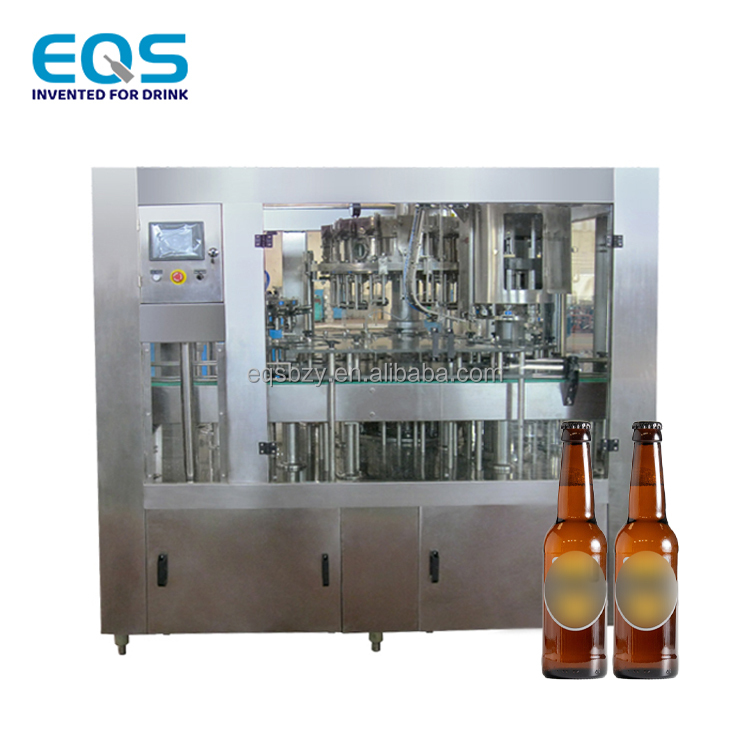
Complete PET Bottle Beer Bottling Plant 7000BPH Automatic Isobaric Filling Production Line
View Line Details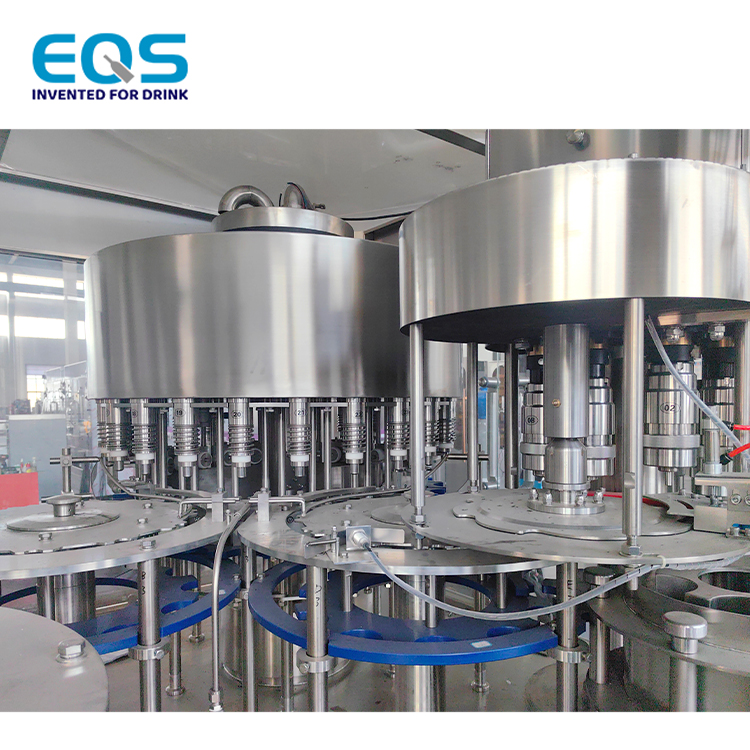
Industrial End-to-End Water Bottling Plant Integrated Solution for Glass PET Bottles
View Line Details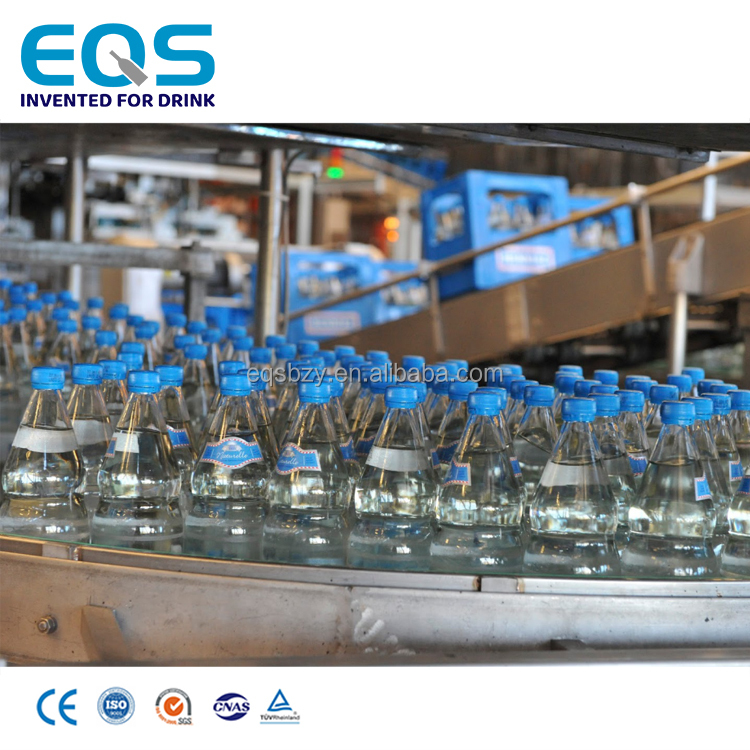
Premium Complete PET Bottle Water Bottling Production Line Filling Labeling Wrapping Case Packing
View Line Details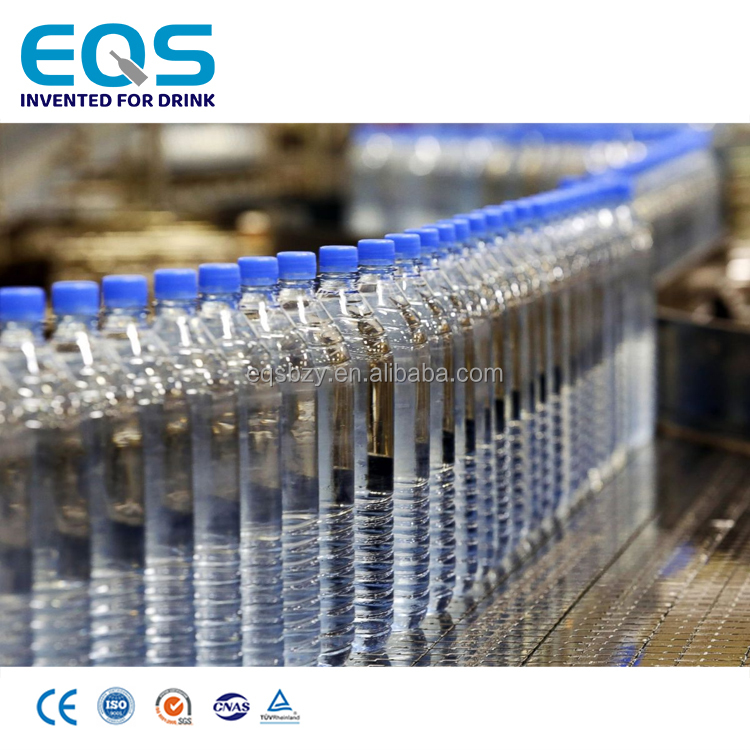
Fully Automatic Drinking Water Bottling Line for PET Bottle Filling Labeling Wrapping Packaging Solution
View Line Details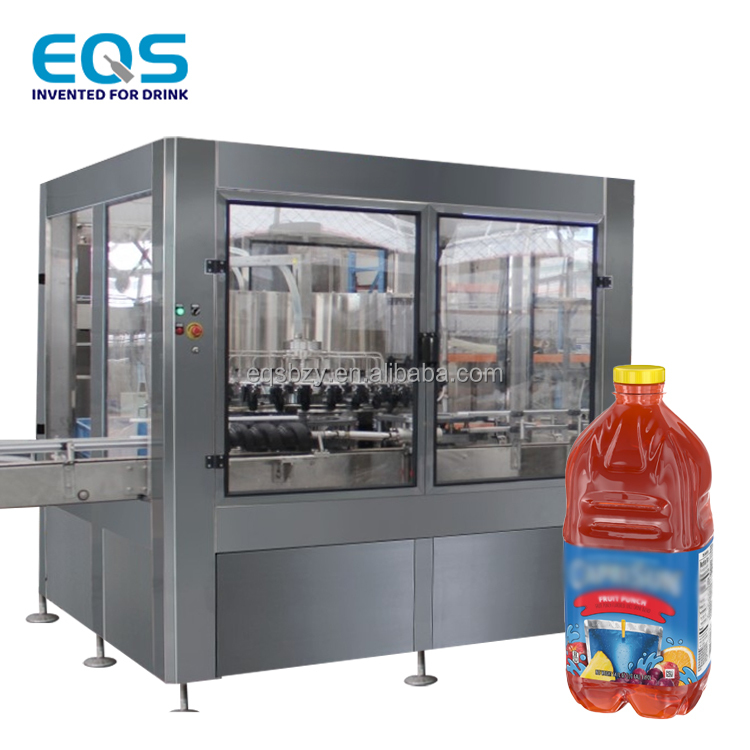
Factory Direct 4-in-1 Beverage Filling Machine for Fruit Juice With Pulp PET Bottling Production Line
View Line Details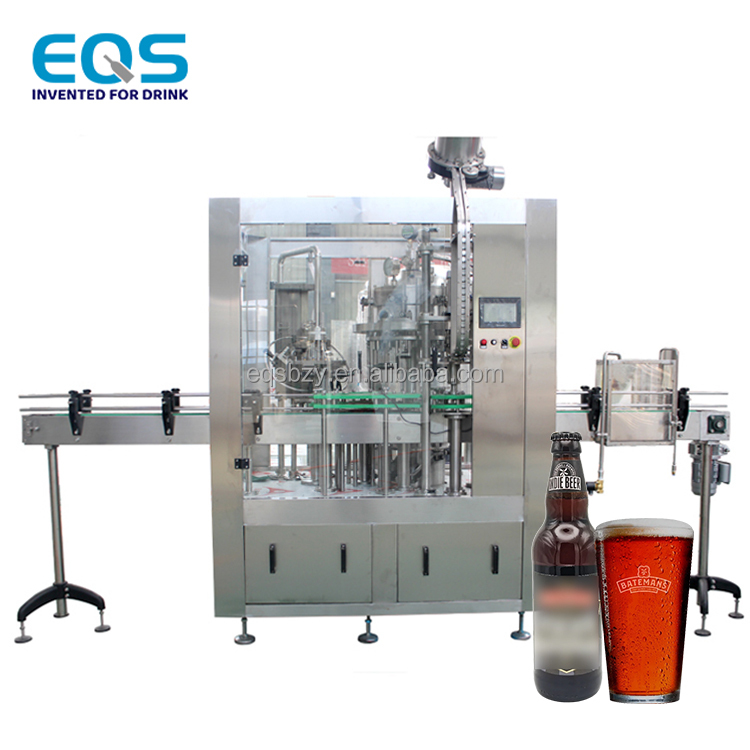
Automatic 24000BPH 2-in-1 Isobaric Beer Filling Monoblock Stable Running PET Glass Bottle Line
View Line Details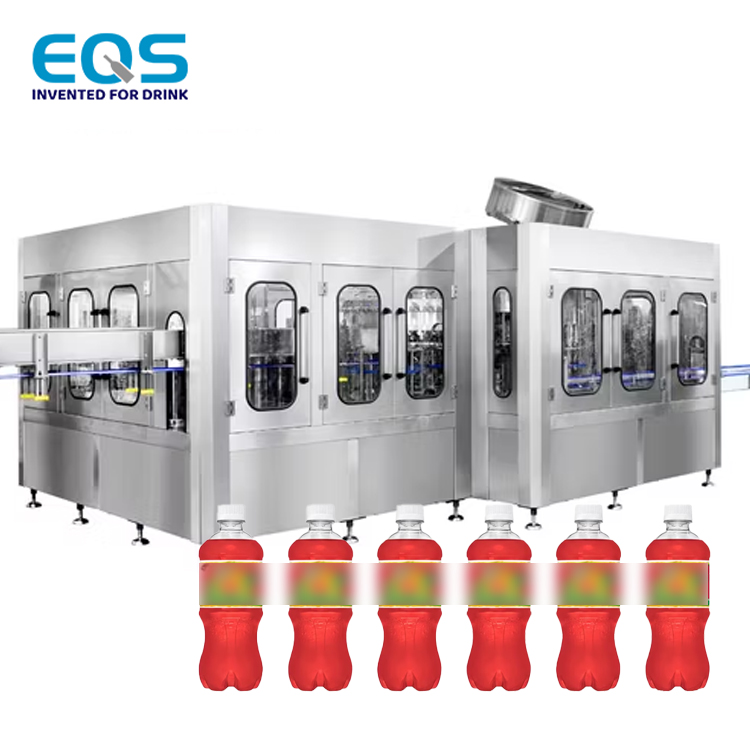
Complete Carbonated Soft Drink and Energy Drink Making Machine Filling Production Line
View Line Details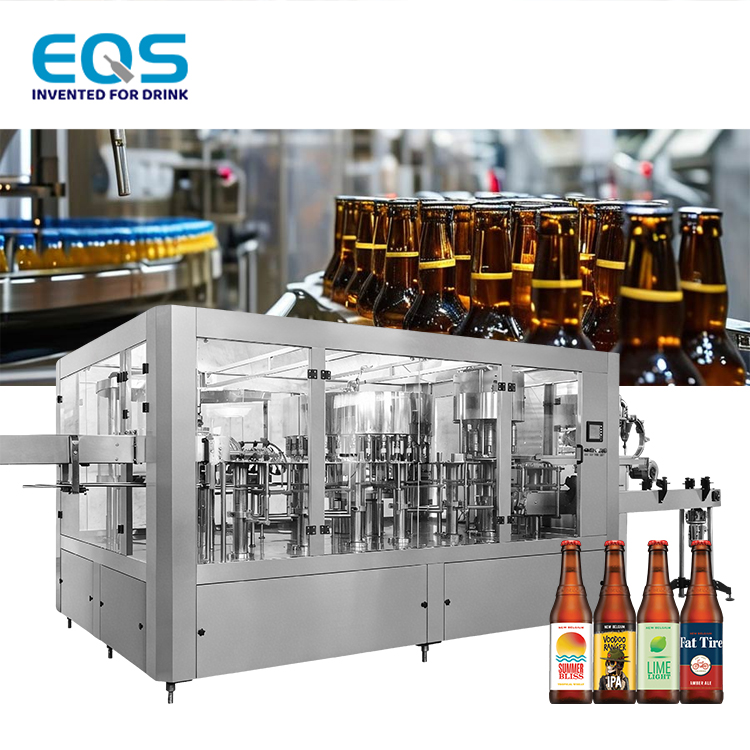
Automatic Rotary 3 in 1 Glass Bottle Beer Filling Machine Carbonated Drink Bottling Line
View Line DetailsExecutive Whitepaper: Industrial Juice Packaging Infrastructure in Egypt
A comprehensive engineering guide for beverage factory owners, plant managers, and procurement directors in Greater Cairo, 6th of October City, 10th of Ramadan City, Alexandria, and Upper Egypt.
The Egyptian beverage manufacturing sector represents one of the most dynamic FMCG markets in the Middle East and North Africa (MENA) region. Driven by a population exceeding 105 million, high ambient seasonal temperatures, and expanding export corridors to GCC and African Continental Free Trade Area (AfCFTA) nations, Egyptian juice producers face unique operational opportunities and technical demands. Manufacturing high-purity, shelf-stable fruit juices, pulp-infused nectars, and functional beverages in Egypt requires liquid packaging machinery that blends high thermal efficiency, extreme mechanical stability, and meticulous microbiological safety.
As China’s leading engineering group for beverage packaging machinery, Zhangjiagang OGVU Machinery Co., Ltd. provides specialized juice filling machines, 4-in-1 pulp monoblocks, thermal pasteurizer units, and ultra-clean bottling systems custom-engineered for Egyptian factory conditions. This technical document outlines the critical operational parameters, localized packaging trends, engineering selection matrices, and procurement protocols essential for establishing a profitable, low-downtime juice bottling operation in Egypt.
Localized Application Scenarios in the Egyptian Beverage Industry
Engineered machine configurations adapted to regional crop harvests, recipe viscosities, and Egyptian consumer preferences.
1. High-Viscosity Pulp & Sacs Processing (Egyptian Mango, Guava & Orange)
Egypt is renowned for its premium agricultural harvest, notably Ismailia mangoes and Nile Delta guava. Producing authentic Egyptian juice nectars requires handling natural fruit pulps with high Brix values and suspended solids without clogging filling valves or degrading product viscosity.
- 4-in-1 Monoblock Integration: Dedicated positive displacement pulp dosing pistons precede juice filling, ensuring homogenous distribution of fruit sacs prior to final thermal top-off.
- Anti-Clogging Valve Architecture: Large-orifice magnetic flowmeter or mechanical plunger valves eliminate fiber bridging and structural pulp shear.
- Recirculation & Thermal Balance: Continuous liquid circulation prevents solids settling in filling bowls during temporary conveyor pauses.
2. Thermal Hot-Filling for Clear Juices & Traditional Infusions (Karkadeh)
Traditional Egyptian beverages like Karkadeh (hibiscus infusion) alongside mass-market clear orange, apple, and grape juices demand strict hot-filling protocols (85°C–92°C) to achieve 12 to 18 months of ambient shelf life without chemical preservatives.
- Negative Pressure Hot-Filling: Ensures rapid, non-foaming filling while maintaining strict vacuum head-space controls to eliminate thermal neck contraction.
- Automatic Bottle Inversion & Cap Sterilization: Integrated post-capping tilt conveyors utilize the juice’s intrinsic heat to sterilize the interior cap surfaces.
- Multi-Stage Cooling Tunnels: Gradually cools hot bottles from 85°C down to 30°C using evaporative spray zones to prevent thermal shock and bottle deformation in Egyptian summer heat.
3. Ultra-Clean & Aseptic Cold Filling (Preservative-Free Lightweight PET)
To reduce plastic resin consumption and appeal to health-conscious urban consumers in Cairo and Alexandria, Egyptian bottlers are shifting toward Ultra-Clean and Aseptic Cold Fill lines. This technology allows lightweight PET bottle designs (down to 13.5g for 500ml) that cannot withstand hot-fill temperatures.
- Class 100 Isolation Enclosure: Sterile HEPA-filtered air positive pressure over the rinsing, filling, and capping zones.
- Dual-Sterilization (Peracetic Acid / H2O2): Dry or wet chemical decontamination of preforms and bottle interiors prior to sterile filling.
- Resin Cost Savings: Saves 25%–35% in raw PET material costs compared to thick-walled hot-fill panel bottles.
Engineering Architecture Built for Tropical Operational Rigor
How Zhangjiagang OGVU Machinery solves the primary technical failure points in North African bottling facilities.
Tropicalized Power & Electrical Shielding
Egyptian industrial zones frequently experience grid voltage fluctuations and heavy ambient dust. Our cabinets feature Schneider/Siemens PLCs, double-cabinet air conditioning (R134a units), and IP65-rated water isolation to operate continuously in ambient conditions exceeding 42°C.
316L Sanitary Liquid Pathways & CIP/SIP
All liquid contact components are manufactured from AISI 316L stainless steel with internal mirror polishing (Ra < 0.4μm). Automated CIP (Clean-in-Place) dummy cups enable full 3-stage chemical sanitization (Acid, Lye, Ozone Water) to maintain strict Halal and ISO 22000 standards.
Precision Temperature Recirculation
If filling bowl temperatures drop below 85°C during hot-filling due to upstream delays, automated pneumatic bypass valves redirect juice back to the tubular UHT pasteurizer, guaranteeing zero cold-product bottling and preventing batch contamination.
Multi-Format Neck-Handling Agility
Suspended neck-gripping technology allows rapid changeovers between 250ml, 500ml, 1.0L, and 1.5L PET bottles. Modular starwheels and quick-release guide rails cut format changeover times down to under 35 minutes.
Low-Downtime Servo Capping Rotaries
Equipped with magnetic hysteresis capping heads featuring adjustable torque control. Eliminates cap damage, reduces plastic dust accumulation, and ensures air-tight seals across plastic screw caps, aluminum crown seals, or sports closures.
Integrated De-aeration & Nitrogen Dosing
Integrated vacuum de-aerators remove dissolved oxygen prior to hot-filling, preserving juice color, vitamin C content, and flavor profile. Optional liquid nitrogen injectors pressurize non-carbonated light bottles for sturdy stacking in logistics.
Engineering Selection Matrix: Juice Packaging Technologies
Compare operational characteristics to select the exact machinery architecture for your Egyptian production facility.
| Technical Parameters | Standard Hot Fill (3-in-1) | Pulp + Juice Hot Fill (4-in-1) | Ultra-Clean Cold Fill | Full Aseptic Monoblock |
|---|---|---|---|---|
| Filling Temperature | 85°C - 92°C | 85°C - 92°C | 20°C - 25°C (Ambient) | 20°C - 25°C (Ambient) |
| Pulp / Sac Capability | Fine pulp (< 2mm) | Heavy pulp / Sacs (Up to 10mm) | Fine pulp / Clear juice | High/Low viscosity liquids |
| PET Bottle Weight (500ml) | 22g - 28g (Heat-set PET) | 24g - 30g (Heat-set PET) | 14g - 17g (Standard PET) | 13g - 16g (Lightweight PET) |
| Preservative Requirement | Zero Preservatives | Zero Preservatives | Zero Preservatives | Zero Preservatives |
| Shelf Life (Ambient Egypt) | 12 - 18 Months | 12 - 18 Months | 9 - 12 Months | 12 - 18 Months |
| Sterilization Level | Commercial Sterility | Commercial Sterility | Log 4 Reduction | Log 6 Reduction (Sterile) |
| CAPEX Investment Level | Moderate / Efficient | Moderate-High | High / Technical | Advanced Industrial |
| Optimal Egyptian Application | Clear Juices, Karkadeh, Tea | Mango Nectar, Guava, Orange Sacs | Functional Waters, Juice-Milk | Premium Organic & Export Lines |
Macro Trends Shaping Egypt's Juice Packaging Sector (2025–2030)
Insights for strategic capital equipment investments aligned with Egyptian economic and consumer shifts.
A. Cost Optimization & Bottle Lightweighting
Due to resin import dynamics and exchange rate considerations, Egyptian bottlers are prioritizing equipment that minimizes plastic weight per bottle. Nitrogen dosing combined with optimized preforms allows manufacturers to cut plastic expenditure by up to $120,000 USD annually per 10,000 BPH line.
B. Surge in Pulpy & Authentic Local Flavor Nectars
Consumer purchasing trends in Cairo, Giza, and regional capitals indicate a declining demand for heavily artificial carbonated drinks in favor of natural fruit nectars with real pulp. Lines equipped with 4-in-1 dual-filling bowls capture this high-margin market segment efficiently.
C. Regional Export Alignment (AfCFTA & COMESA)
Egypt's strategic position as a trade gateway into East and Central Africa means local beverage plants are scaling capacity to meet export specifications. High-speed, automated case packing, shrink bundling, and robotic palletizing systems are becoming standard requirements for regional competitiveness.
D. Green Energy & Thermal Energy Recovery
With rising fuel and electricity tariffs, modern Egyptian juice factories are adopting heat recovery circuits in pasteurizers and cooling tunnels. Recovering waste heat from hot bottles to pre-heat incoming cold juice cuts boiler energy consumption by up to 28%.
Why Leading Egyptian Beverage Brands Partner with Zhangjiagang OGVU Machinery
As an established pioneer in Zhangjiagang—China’s premier beverage packaging machinery industrial cluster—Zhangjiagang OGVU Machinery Co., Ltd. brings over 11 years of international export engineering authority. We don't merely manufacture standalone filling machines; we design, fabricate, test, and commission complete A-to-Z production ecosystems.
✓ End-to-End Line Integration
From Reverse Osmosis (RO) water treatment and blow molding to pasteurization, hot filling, labeling, and shrink wrapping, every station is synchronized under a single PLC master control.
✓ On-Site Field Commissioning in Egypt
Our multilingual engineering teams travel directly to your facility in Egypt for foundation layout, mechanical installation, electrical calibration, and comprehensive staff training.
✓ Nafeza & GOEIC Compliance Guarantee
Complete familiarity with Egyptian customs clearance protocols, including ACID (Advanced Cargo Information Declaration) registration, bill of lading documentation, and CE/ISO certifications.
✓ Rapid Spare Parts Logistics
We maintain dedicated stocks of wear-and-tear components (seals, filling nozzles, magnetic capping heads) with fast-track air dispatch to Cairo International Airport within 48–72 hours.
Frequently Asked Questions: Purchasing Juice Bottling Equipment in Egypt
Direct technical and logistical answers to help Egyptian investors and factory owners streamline equipment procurement.
How does OGVU support Egypt's Nafeza system and ACID number registration?
We are fully experienced with Egypt’s National Single Window for Foreign Trade Properties (Nafeza). Upon proforma invoice confirmation, our export documentation desk generates all mandatory invoice structured data, commercial certificates, and packing lists required for your company to secure the ACID number prior to shipment from Chinese ports.
What payment terms are supported for Egyptian buyers (L/C vs T/T)?
We accommodate standard international trade payments, including Irrevocable Commercial Letters of Credit (L/C at sight) issued by top-tier Egyptian banks, as well as telegraphic transfer (T/T) structures. Our team works closely with your financial department to meet Central Bank of Egypt import regulations.
Can one OGVU juice filling line run both 250ml single-serve and 1.5L family bottles?
Yes. Our rotary 3-in-1 and 4-in-1 hot filling monoblocks are designed with neck-handling grippers. Running different bottle volumes with the same neck finish (e.g., 28mm or 38mm hot-fill neck) requires zero height adjustment for the main machine body—only simple starwheel changes that take under 30 minutes.
How does hot-filling affect PET bottle design, and do you supply preforms/molds?
Hot filling at 85°C–92°C causes internal vacuum pressure during cooling. PET bottles must either feature structural vacuum panels or utilize nitrogen injection to prevent sidewall buckling. OGVU provides complete bottle CAD design, blow mold CNC machining, and preform specification matching tailored to your bottle aesthetics.
What cooling water capacity is required for thermal juice packaging in Egyptian summers?
Because ambient temperatures in Egyptian industrial cities can reach 40°C–45°C, cooling hot-filled bottles from 88°C down to 30°C requires a dedicated cooling water chiller and cooling tower circuit. Our engineers calculate the exact kcal/h refrigeration load during the plant layout design phase.
What is the typical delivery, installation, and commissioning timeline?
Standard manufacturing and factory acceptance testing (FAT) in Zhangjiagang takes 45 to 60 days. Maritime transit to Alexandria, Port Said, or Sokhna port takes approximately 22 to 30 days. On-site installation and staff training by our engineers in Egypt generally requires 14 to 21 days.
Plan Your Juice Bottling Plant in Egypt Today
Consult with our senior beverage packaging engineers. Receive a customized plant layout drawing, detailed equipment specification proposal, and transparent FOB/CIF Alexandria quotation within 24 hours.