±0.2%
Volumetric Filling Accuracy
11+ Years
Global Export Experience
<0.5 PPM
Headspace Residual Oxygen
100% JAS
Japanese Hygiene Compliance
1. Strategic Context: Kobe’s Culinary Heritage & Olive Oil Market Dynamics
Kobe City, located in Hyogo Prefecture, stands as one of Japan's premier maritime trade gateways and world-renowned culinary hubs. Famous globally for Kobe Beef, sophisticated European-influenced bakeries, and high-end gastronomy, Kobe represents an influential market for premium extra virgin olive oil (EVOO) and gourmet botanical oils. The broader Kansai region—encompassing Kobe, Osaka, and Kyoto—has witnessed a structural surge in the consumption of imported Mediterranean olive oil and locally cultivated artisanal olive oil from neighboring regions like Shodoshima (Kagawa) and Hyogo coastal groves.
However, bottling premium olive oil in Kobe presents distinct engineering and regulatory challenges that standard edible oil machinery cannot fulfill. Japanese consumers and commercial buyers in Hyogo demand impeccable product quality, extended shelf-life, visually flawless container presentation, and strict adherence to Japanese Agricultural Standards (JAS) and Food Sanitation Act regulations. For Chinese machinery exporters targeting the Kobe market, delivering high-performance, precision-engineered olive oil filling machinery requires a thorough understanding of localized operational intent.
Key Engineering Takeaway for Kobe Importers: Olive oil packaging in Japan is governed by three non-negotiable parameters: zero thermal degradation of delicate polyphenols, anti-oxidative nitrogen sparging to preserve acidity levels (<0.8% EVOO threshold), and absolute zero-drip bottle aesthetics to meet retail consumer expectations in Japanese department stores and boutique supermarkets.
Kobe Packaging Requirements: Glass Marasca, Dorica & Specialty Tinplate Cans
Unlike high-volume commodity oil markets that rely predominantly on large-format PET containers, Kobe’s premium olive oil sector is dominated by UV-blocking dark green or amber glass bottles (specifically 250ml, 500ml, and 750ml Marasca and Dorica square/round formats) alongside lithographed tinplate cans (100ml to 500ml). Handling dark glass containers on automated lines requires smooth neck-handling starwheels, soft-start servo conveyors, and precision bottle cushioning to eliminate micro-fractures during high-speed capping.
2. Technical Engineering Whitepaper: Advanced Servo Piston & Nitrogen Dosing
Olive oil is a non-Newtonian, temperature-sensitive liquid whose viscosity fluctuates drastically with ambient warehouse changes in Kobe—from cold winters (5°C to 8°C) to humid summers (28°C to 35°C). Traditional pneumatic overflow fillers suffer from volume drift when oil temperature alters liquid density. Zhangjiagang OGVU Machinery has solved this through proprietary Servo-Driven Rotary Piston Dosing Technology coupled with real-time temperature-compensated volumetric control.
Mechanical Design & Fluid Kinematics
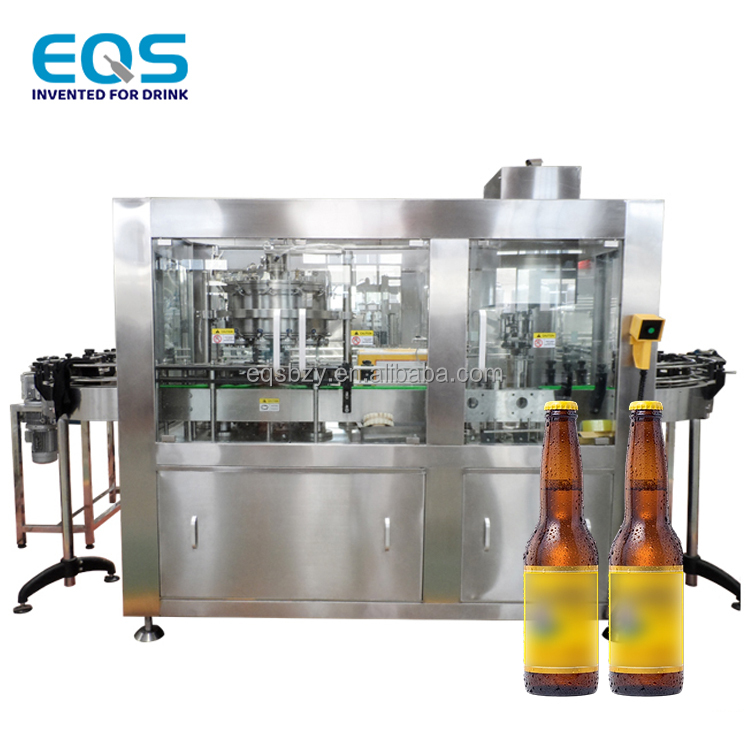
Our olive oil filling machines utilize dedicated 316L stainless steel volumetric piston cylinders machined to internal surface roughness of Ra < 0.4 μm. Each filling head is powered independently by a Schneider or Siemens servo motor. This allows micro-calibration of the piston stroke speed—enabling fast liquid draw-in followed by a decelerated anti-foaming dosing profile. By controlling fluid shear stress, the machine prevents oil splashing, air entrainment, and structural fracturing of suspended aromatic compounds.
Servo Anti-Drip Nozzles
Pneumatic positive-shutoff nozzles featuring liquid-suction back-draw valves prevent trailing oil droplets on bottle threads, guaranteeing zero grease residue on glass surfaces.
Nitrogen Headspace Sparging
Integrated pre-fill nitrogen purging and post-fill under-cap liquid nitrogen dosing lowers dissolved oxygen (DO) levels below 0.5 PPM, extending shelf life up to 24 months.
CIP Clean-In-Place Loop
Automated fluid circulation loops with sanitary rotary spray balls allow rapid washdowns between organic EVOO, flavored infused oils, and standard culinary oils without cross-contamination.
Mitigating Oxidation: The Science of Nitrogen Preservation
Oxidation is the primary cause of rancidity in high-grade extra virgin olive oil. Exposure to atmospheric oxygen during the filling phase leads to the formation of peroxides, causing off-flavors and degrading natural antioxidants (tocopherols). OGVU Machinery integrates a two-stage Nitrogen Purging System within the monoblock architecture:
- Stage 1 (Container Evacuation & Pre-Purge): Prior to oil injection, the glass bottle or tin can is flushed with food-grade Nitrogen gas (99.999% purity) to displace ambient oxygen inside the vessel.
- Stage 2 (Headspace Dosing): Immediately after oil filling and prior to cap placement, a micro-dose of liquid Nitrogen is injected into the bottle neck headspace. The liquid nitrogen expands rapidly into inert gas, driving out remaining air before the ROPP aluminum cap or wooden cork is crimped.
3. Machinery Engineering Specifications Matrix
Below is a detailed engineering overview comparing OGVU Machinery’s standardized Olive Oil Filling Series designed for boutique oil mills, medium-scale packers, and high-speed industrial bottling plants in Kansai.
| Machine Model |
Filling Principle |
Target Output (BPH) |
Container Types |
Dosing Precision |
Power & Air Rating |
| OGVU-OIL-P6 |
6-Head Linear Servo Piston |
1,200 - 1,800 BPH |
250ml - 1L Glass / PET |
±0.2% Volumetric |
3.5 kW / 0.6 MPa |
| OGVU-OIL-P12 |
12-Head Rotary Servo Piston |
3,000 - 4,500 BPH |
100ml - 1L Glass Marasca/Dorica |
±0.15% Volumetric |
7.5 kW / 0.8 MPa |
| OGVU-OIL-R18-N2 |
18-Head Rotary Monoblock + N2 Dosing |
6,000 - 8,000 BPH |
250ml - 750ml Dark Glass |
±0.1% Volumetric |
12.0 kW / 0.8 MPa |
| OGVU-CAN-O6 |
6-Head Can Filler & Seamer |
2,000 - 3,200 CPH |
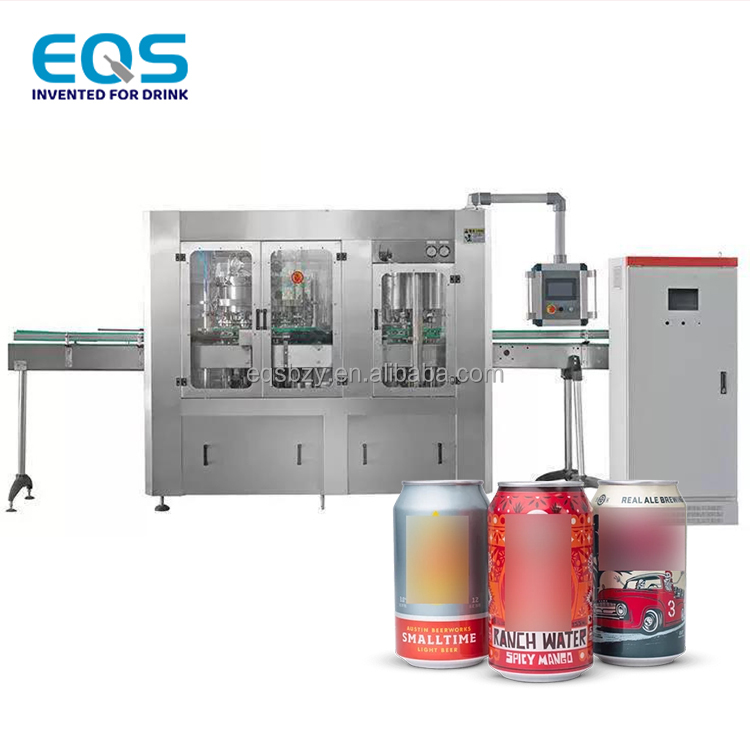
100ml - 500ml Tinplate Cans |
±0.2% Tare Weight |
5.5 kW / 0.6 MPa |
4. Localized Application Scenarios & Industry Trends in Hyogo Prefecture
Analyzing local procurement trends across Kobe, Himeji, and Nishinomiya reveals three dominant production scenarios where OGVU Olive Oil Filling Machinery delivers distinct operational ROI:
Scenario A: Port-of-Kobe Bulk EVOO Re-Bottling
Kobe Port receives large bulk shipments of certified organic EVOO from Spain, Italy, and Greece. Local logistics operators utilize OGVU automated linear and rotary fillers to break down bulk ISO tanks into retail-ready dark glass bottles under private labels for Japanese department stores.
Scenario B: Artisanal Domestic Olive Farms
Hyogo and Seto Inland Sea olive growers require compact, multi-format filling lines capable of switching between 100ml gift bottles, 250ml Dorica bottles, and premium metal tins with zero component changeover downtime.
Scenario C: Infused & Gourmet Culinary Oils
Kobe's luxury food processors produce chili-infused olive oil, white truffle oil, and garlic-infused oils. OGVU's heat-jacketed hopper systems keep infused particulates suspended for homogenous dosing.
Kansai Market Development Trends (2025–2030)
1. Transition to Lightweight Dark Glass & Recyclable Tins: Environmental initiatives in Hyogo Prefecture are driving bottlers away from heavy single-use plastics. OGVU machinery features delicate servo-driven capping heads designed to handle ultra-lightweight thin-wall glass containers without neck breakage.
2. High-Yield Protection against Oil Loss: With global olive oil commodity prices reaching record highs due to Mediterranean droughts, losing even 1.5ml per bottle due to overfilling costs thousands of dollars monthly. OGVU's ultra-precise servo piston calibration reduces product giveaway to virtually zero.
5. Enterprise Strengths: Why Kobe Importers Choose OGVU Machinery
Located in Zhangjiagang City, Jiangsu Province—China’s premier manufacturing hub for beverage and liquid packaging machinery—Zhangjiagang OGVU Machinery Co., Ltd. brings over 11 years of specialized export excellence to international markets. Our engineering capabilities directly address the strict standards expected by Japanese industrial buyers.
Intertek Verified Plant
Our manufacturing facility, CNC machining centers, and operational procedures have been audited on-site by Intertek, ensuring true transparency and verified quality.
CE & JIS Compliance
Electrical control cabinets feature Omron, Siemens, and Schneider components compliant with CE marking and Japanese industrial wiring standards (JIS).
Pre-Shipment FAT Protocol
Every line undergoes rigorous Factory Acceptance Testing (FAT) using the buyer's exact oil samples and bottles, backed by high-definition video inspection before export loading.
Our multilingual engineering team provides seamless technical communication in English, Japanese, and Chinese, offering remote PLC diagnostic support, rapid spare parts shipping, and on-site engineering installation across the Kansai region.
6. Frequently Asked Questions by Kobe Olive Oil Bottlers
Q1: How does OGVU machinery ensure compliance with Japanese Food Sanitation Act standards?
All liquid-contact components are forged from certified SUS316L stainless steel with food-grade PTFE/Viton seals. We provide material mill test certificates (MTC) and surface roughness documentation required by Japanese customs and quarantine inspectors at Kobe Port.
Q2: Can a single filling line handle both dark glass Marasca bottles and metallic tinplate cans?
Yes. Our modular filling monoblocks feature quick-change starwheels and height-adjustable telescoping pedestals. Switching from a 500ml glass Dorica bottle to a 250ml tin can takes less than 30 minutes with tool-less adjustment guides.
Q3: What filling technology is recommended for cold-pressed Extra Virgin Olive Oil?
We strongly recommend our Servo-Driven Volumetric Piston Filler with under-cap Nitrogen sparging. Gravity fillers introduce air entrainment and cannot handle viscosity variations, whereas vacuum fillers can strip delicate volatile aromas from premium EVOO.
Q4: What is the typical lead time for delivery and commissioning in Kobe?
Standard manufacturing takes 35 to 45 days upon bottle sample confirmation. Ocean freight from Shanghai or Ningbo port to Kobe Port takes approximately 3 to 5 days, making China the most logistically agile supplier for Japanese bottlers.
Q5: How is electrical power compatible with Kansai region grid standards?
We custom-build all motor drives and transformer control circuits to match Japan's Kansai grid specification: 3-Phase 200V / 60Hz. All PLC logic interfaces can be toggled between Japanese, English, and Chinese.
Start Your Kobe Olive Oil Bottling Project Today
Whether you are establishing a new boutique olive oil bottling line in Hyogo or upgrading an existing high-speed packaging plant in Kobe, our senior application engineers are ready to design a custom line layout and technical proposal.
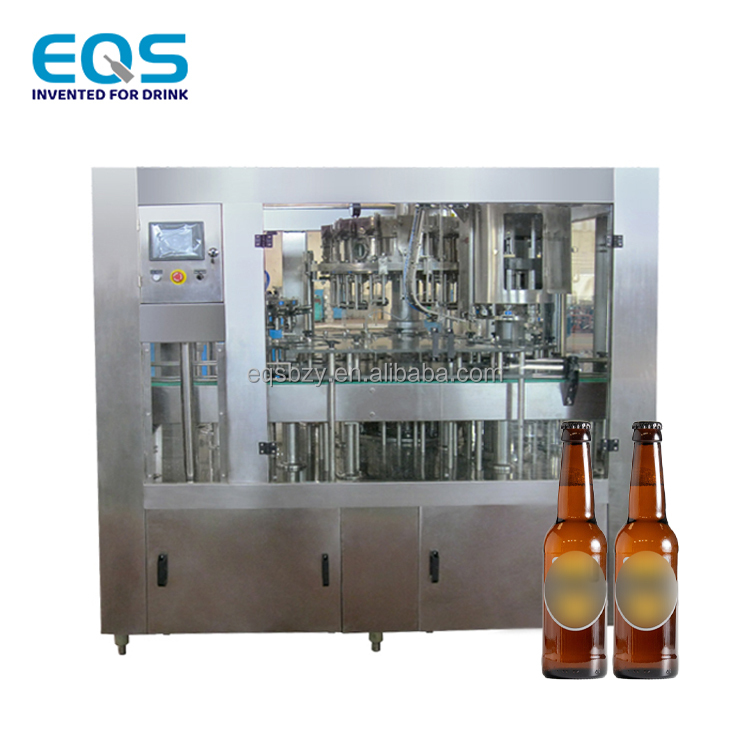 7000 BPH