High-Performance Bottling & Canning Machinery
Direct factory supply of state-of-the-art hot filling, aseptic monoblocks, and complete beverage automation engineered to meet stringent Japanese quality standards.
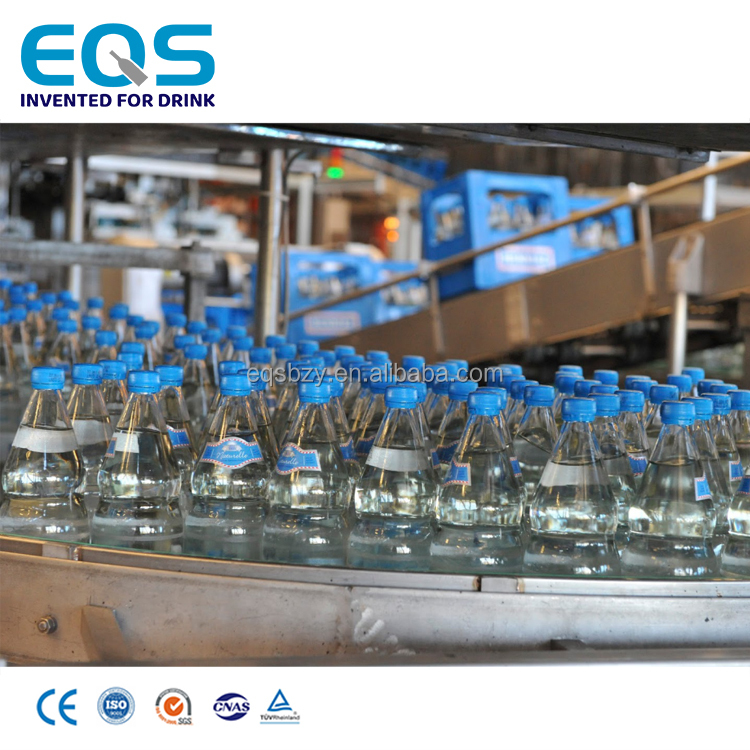
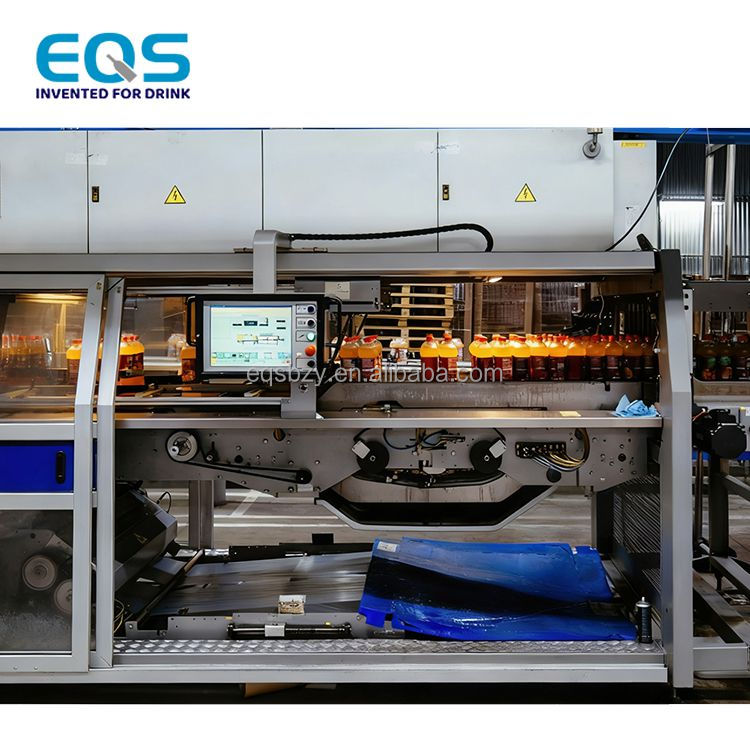
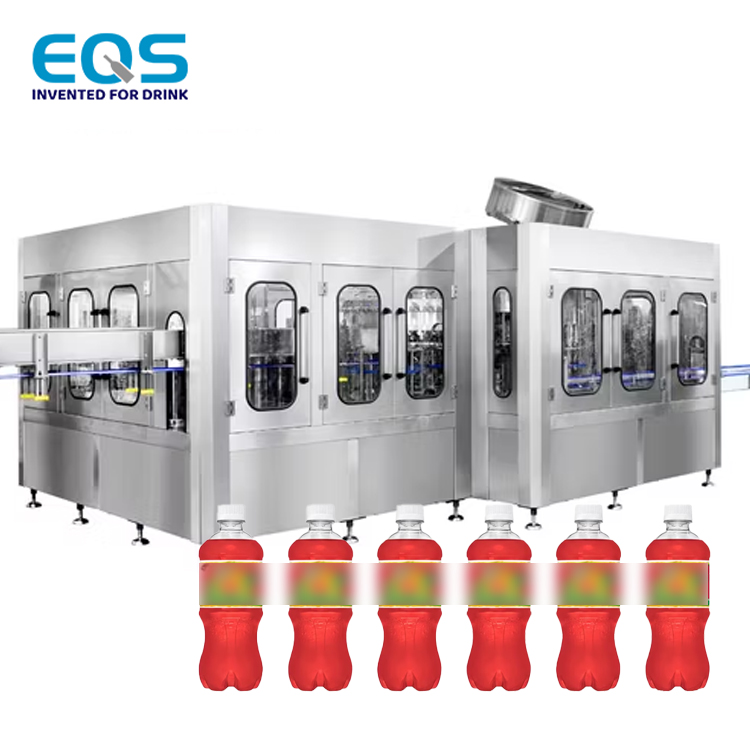
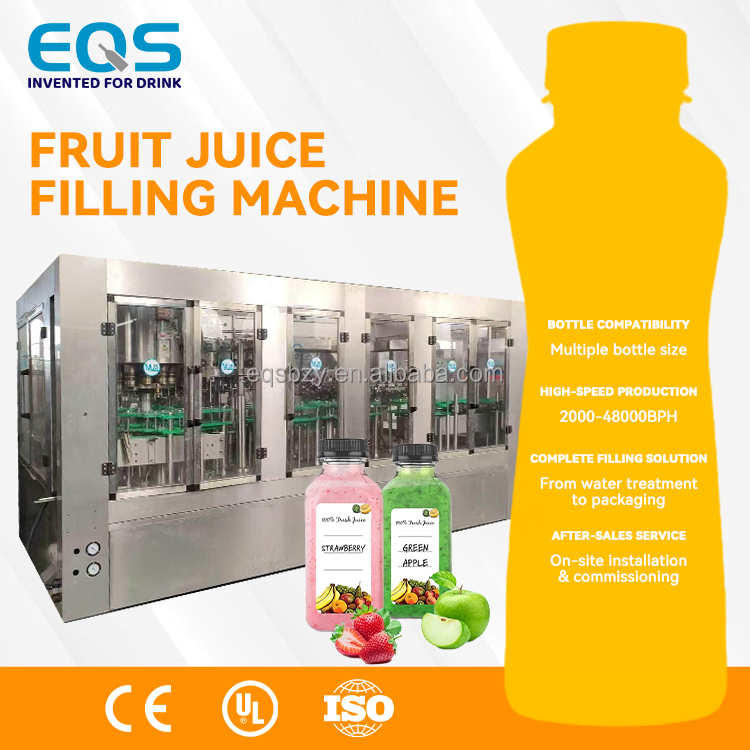
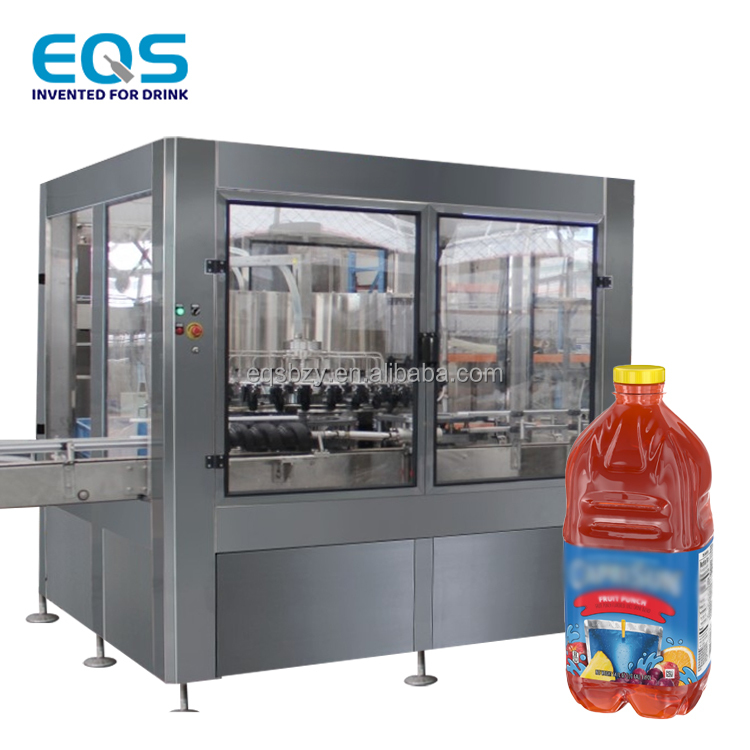
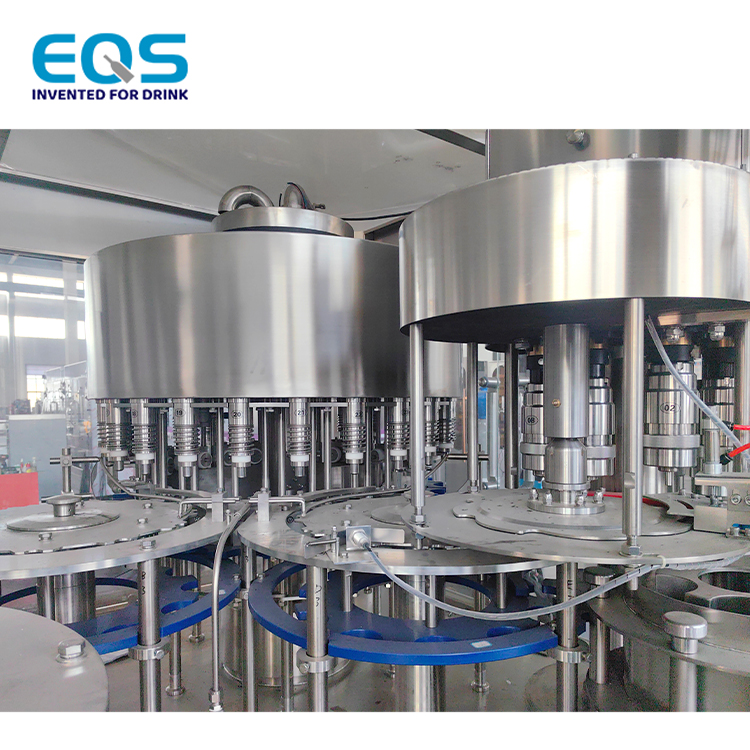
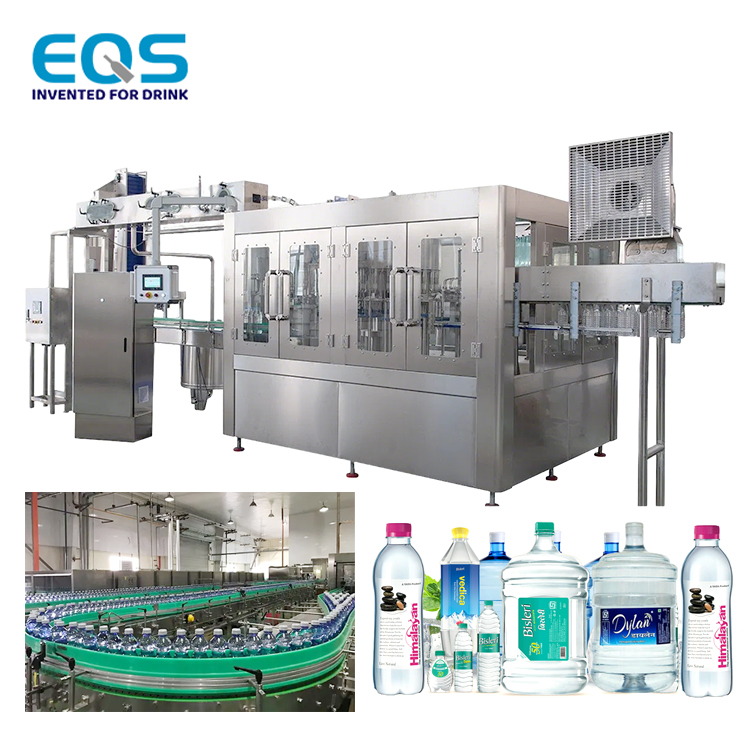
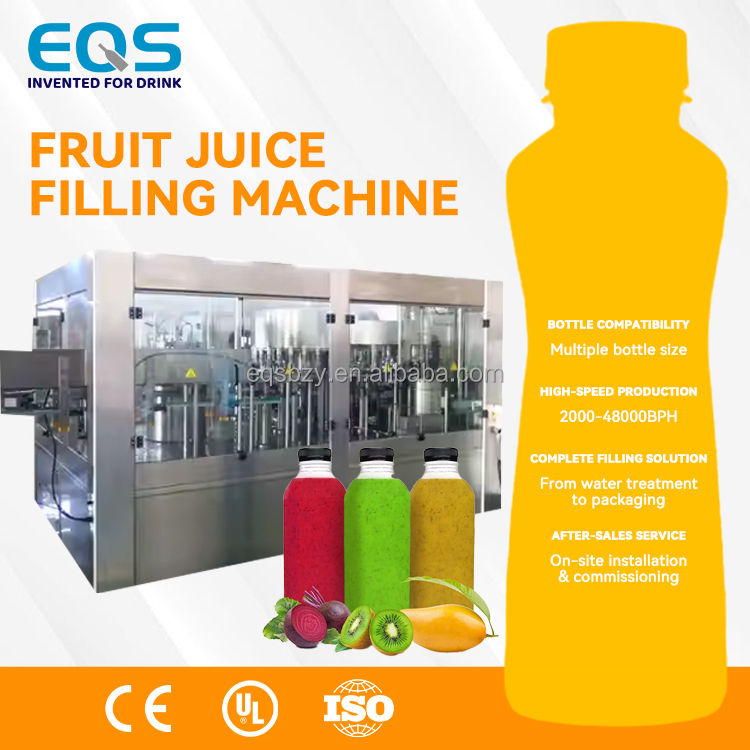
Engineering Architecture of Modern Hot Fill Bottling Systems
An in-depth technical breakdown of thermal packaging physics, heat-resistant PET bottle structural dynamics, and microbiological control for Osaka's demanding beverage market.
Thermal Fluid Dynamics & Processing
Hot filling operates within a strict thermal window of 85°C to 92°C. At these elevated temperatures, liquid viscosity drops, requiring specialized positive displacement filling valves equipped with continuous recirculation loops. This ensures that any liquid held in the filling bowl during short line pauses maintains a constant pasteurization temperature, completely preventing cold-spot micro-contamination.
Container Vacuum Compensation
As hot liquid cools inside a sealed PET container, internal gas contraction creates a strong internal vacuum. Our specialized hot-fill monoblocks work in tandem with vacuum-lug PET bottle designs and precise nitrogen dosing units to balance pressure, preventing side-wall collapse, bottle panel deformation, and ovality loss.
Sterile Canopy & Hygiene Zones
To meet Japan's strict food sanitation regulations (FSSC 22000), our hot fill filling block integrates a Class 100 laminar HEPA air filtration hood. Positive air pressure prevents ambient air infiltration, while automatic CIP/SIP (Clean-in-Place / Sterilization-in-Place) circuits wash liquid contact parts with caustic hot alkali and peracetic acid.
Hot Fill Application Scenarios Across Osaka & Kansai
Tailored packaging line configurations matching the regional production ecosystems, spatial limitations, and beverage profiles of West Japan.
1. RTD Green Tea & Botanical Extract Plants
Osaka serves as a primary distribution nerve center for Japanese Ready-To-Drink (RTD) green teas, roasted barley teas (Mugicha), and herbal infusions. These delicate beverages undergo thermal degradation if exposed to prolonged heat exposure. Our high-speed hot filling lines utilize micro-tubular UHT pasteurization combined with ultra-rapid cooling tunnels to preserve natural polyphenol profiles and delicate green aromas without artificial preservatives.
2. Wakayama Citrus & Kansai Fruit Juice Bottling
Positioned right next to Wakayama Prefecture—Japan's famous citrus and plum (Ume) growing region—Osaka packaging factories demand versatile fillers capable of handling high-pulp mandarin (Mikan) juices and acidic fruit concentrates. Our 4-in-1 monoblock systems incorporate pulp-suspension dosing valves that accurately deposit citrus vesicles before hot-filling liquid, preventing clogging and ensuring uniform particle distribution in every bottle.
3. Urban Space-Optimized OEM Production Facilities
Industrial real estate in metropolitan Osaka logistics hubs like Nanko, Suminoe, and Sakai demands high yield per square meter. Our compact Monoblock (Rinsing-Filling-Capping 3-in-1) design reduces plant footprint by up to 35% compared to traditional linear modular setups. The integrated footprint simplifies factory sanitation layout, airflow management, and utility routing for urban industrial parks.
Key Hot Fill Technology Trends Shaping Osaka's Industry
Strategic technological evolution balancing sustainability goals, energy savings, and stringent packaging integrity requirements.
| Technology Trend | Legacy Industry Standard | Next-Gen Hot Fill Innovation (OGVU) | Impact on Osaka Operations |
|---|---|---|---|
| Heat-Resistant PET Lightweighting | Heavy preforms (32g-38g for 500ml) with rigid vacuum ribs. | Ultra-lightweight preforms (24g-26g) using base vacuum compensation. | Reduces resin cost by ~18% while maintaining thermal stability against bottle distortion. |
| Thermal Heat Recovery Systems | Single-pass steam cooling; energy dumped into cooling towers. | Multi-stage heat exchanger recycling thermal energy back to pre-heating. | Cuts boiler thermal energy consumption by 32%, lowering factory operational expenses. |
| Sterile Air & Nitrogen Dosing | Ambient air headspace; risk of surface oxidation during cooling. | Liquid nitrogen micro-shot injection into container headspace prior to capping. | Flushes residual oxygen, preserves color, and adds structural positive pressure. |
| Electric Grid Adaptation | Standard European/US motor setups (50Hz or 480V specific). | Native Kansai 200V/220V 3-Phase 60Hz servo motor configuration. | Direct plug-and-play installation without transformer energy losses or line frequency drop. |
Hot Fill vs. Aseptic vs. Cold Carbonated Packaging
Selecting the optimal thermal processing method based on product chemistry, shelf-life targets, and investment economics.
Hot Fill Technology
Thermal Window: 85°C – 92°C
Best For: High-acid fruit juices, tea beverages, isotonic drinks, sports beverages.
Capex & Complexity: Moderate Capital Expenditure. Highly robust operational mechanics with low risk of sterile field compromise.
Container Compatibility: Heat-resistant PET (HR-PET), Glass Bottles, Aluminum Cans.
Cold Aseptic Filling
Thermal Window: Ambient (20°C – 25°C filling)
Best For: Low-acid dairy drinks, sensitive plant milks, premium clear teas.
Capex & Complexity: Very High Capital Expenditure. Requires complex isolators, cleanrooms, and chemical sterilants (H2O2).
Container Compatibility: Standard Lightweight PET, Aseptic Brick Cartons.
Isobaric Carbonated Filling
Thermal Window: Chilled (4°C – 8°C filling)
Best For: Carbonated soft drinks, sparkling water, cider, beer.
Capex & Complexity: Moderate to High. Requires pressure-rated filling bowl and CO2 carbonator system.
Container Compatibility: Glass, Standard PET, Aluminum Cans.
OEM Manufacturing Strengths & Export Engineering Credentials
Zhangjiagang OGVU Machinery Co., Ltd. provides complete end-to-end beverage packaging plant engineering, backed by rigorous quality control and third-party facility verification.
Intertek On-Site Facility Verification
Our manufacturing plant in Zhangjiagang—China's premium beverage machinery hub—is independently audited and verified on-site by Intertek. Buyers gain full transparency regarding workshop production capacity, machining equipment, welding standards, and engineering staff capabilities.
Turnkey Line Integration & Pre-Shipment FAT
Instead of piecing together disparate machines from multiple vendors, OGVU designs, manufactures, and integrates the entire system—from RO water treatment and UHT mixing tanks to monoblocks, bottle invert sterilizers, cooling tunnels, sleeve labelers, and shrink bundlers. Every line undergoes rigorous Factory Acceptance Testing (FAT) with actual bottle preforms and product samples prior to container dispatch.
Global Engineering & Multilingual Technical Support
Our senior commissioning engineers travel internationally to install equipment, fine-tune mechanical timing, integrate PLC network interfaces, and conduct comprehensive operator training. Our technical sales team provides seamless support in English, Spanish, Russian, and Chinese to ensure smooth ongoing plant operation.
Osaka & Kansai Procurement & Technical FAQ
Direct technical answers addressing power, shipping logistics, local regulatory standards, and machine maintenance for Japanese food and beverage plant operators.
Yes. West Japan (including Osaka, Kyoto, Hyogo, and Wakayama) operates on a 200V / 220V 3-Phase 60Hz electrical grid frequency. All of our motor drives, PLC controllers, touchscreens, UHT heating elements, and pneumatic solenoid valves are customized directly at our factory to match Kansai Electric Power Co. electrical specifications, avoiding frequency conversion issues or motor overheating.
Hot filling requires neck-handling technology. Our monoblocks use specialized heat-resistant neck gripper wheels that clamp the crystallized neck ring of the PET bottle during washing, filling, and capping. Because the bottle neck is made from thermally stabilized (crystallized) PET resin, the structural load is transferred away from the un-crystallized bottle wall, preventing container distortion during thermal processing.
We routinely ship machinery direct from Shanghai/Zhangjiagang ports to Osaka Port (Nanko Container Terminal) or Kobe Port. Transit times are exceptionally fast (typically 3 to 5 days ocean voyage). We supply full ISPM-15 compliant heat-treated wooden crate packing, sea-worthy moisture barrier vacuum wraps, and complete customs documentation for smooth Japanese customs clearance.
We offer specialized dual-purpose combo monoblocks equipped with interchangeable star wheels, bottle neck-grippers, and quick-change height adjustment pillars. However, because glass bottles utilize crown caps or metal screw caps while PET bottles use plastic thread caps, the line will feature dual capping turrets on a single monoblock frame, allowing rapid product changeover with minimal line downtime.
Our integrated 3-stage or 5-stage automated CIP system features dedicated tanks for hot water, caustic soda (NaOH), acid (HNO3), and sterile rinse water. Equipped with automatic pneumatic flow divert valves, conductivity sensors, and temperature feedback loops, the system thoroughly sanitizes filling valves and product pipelines. This completely flushes residual flavor compounds, essential oils, and pigments between tea, citrus, and juice production runs.
Every equipment shipment includes a 2-year wearable spare parts kit (O-rings, seal rings, pneumatic tubing, filling valve springs, and capping chuck inserts). In addition, our machines utilize globally accessible brand components—including Siemens/Mitsubishi PLCs, Schneider electronics, SMC pneumatics, and Omron sensors—allowing local Osaka technicians to source standard electrical replacement items locally if needed, supplemented by our 24/7 remote optical internet diagnostic system.
Request a Custom Hot Fill Line Proposal for Your Osaka Facility
Share your target beverage specifications, bottle volume requirements, workshop dimensions, and output capacity (BPH). Our senior mechanical engineers will generate a comprehensive plant layout drawing, utility demand sheet, and itemized quotation within 24 hours.