Featured Hot Filling & Bottling Machinery Solutions
Engineered for high thermal precision, rapid CIP cycle times, and strict Japanese sanitary standards. Browse our core hot filling monoblocks and turnkey bottling assemblies designed for beverage factories across Yokohama and Kanagawa Prefecture.
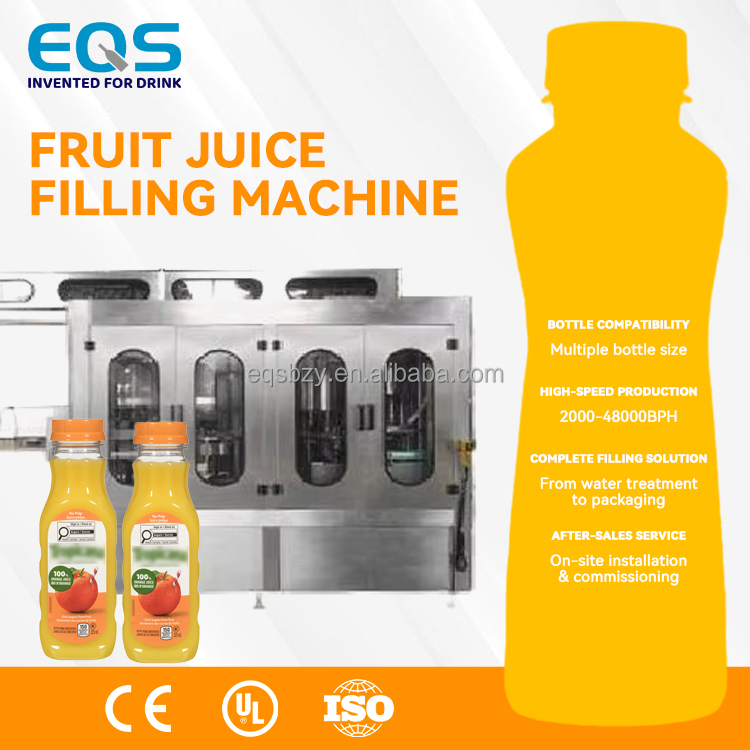 Hot Fill Monoblock
Fully Automatic 4-in-1 Fruit Juice Filling Machine With Pulp PET Bottle Hot Filling Beverage Bottling Line
- Filling Temp: 85°C – 90°C
- Pulp Size: Up to 10×10 mm
- Capacity: 3,000 – 24,000 BPH
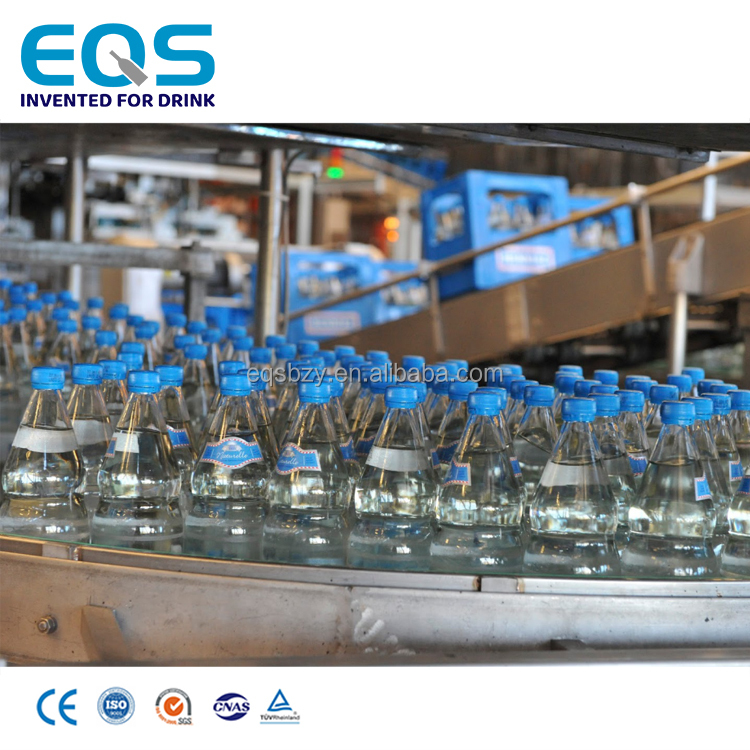 Turnkey Line
Premium Complete PET Bottle Water Bottling Production Line Filling Labeling Wrapping Case Packing
- Bottle Material: PET / Heat-Resistant
- Automation: Full PLC Control
- Speed: 5,000 – 30,000 BPH
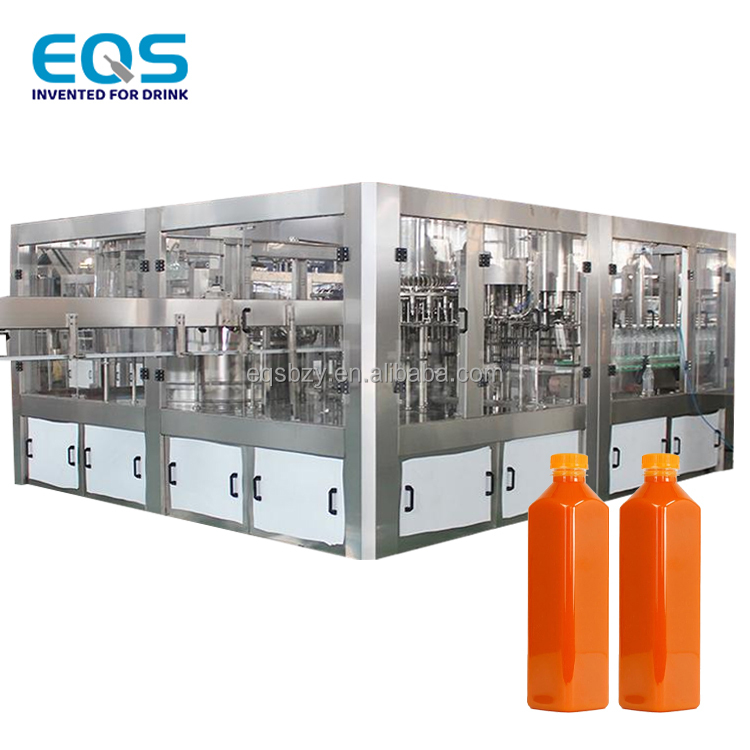 High Pulp Precision
Hot Filling 4-in-1 Juice Filling Machine for Fruit Juice With Pulp PET Bottle Beverage Bottling Line
- Valve Type: Anti-drip Sanitary
- Reflux System: Vacuum Recirculation
- Container: 250ml – 2.0L PET
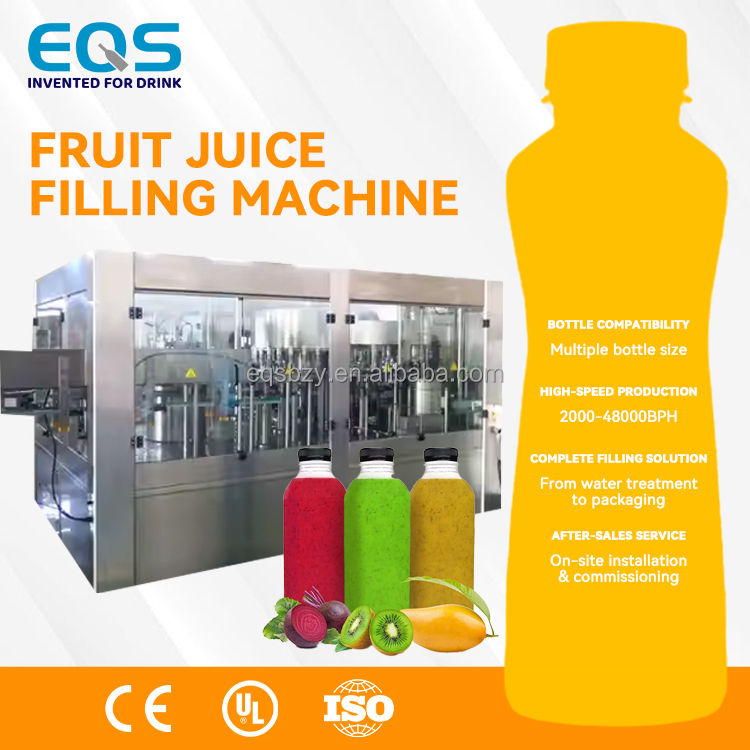 Can Seaming
Complete 2000BPH Juice Canning Line Aluminium Can Juice Filling & Seaming Whole Line
- Can Type: Standard / Slim / Sleek
- Seaming System: Hermetic Rotary
- Capacity: 2,000 – 6,000 CPH
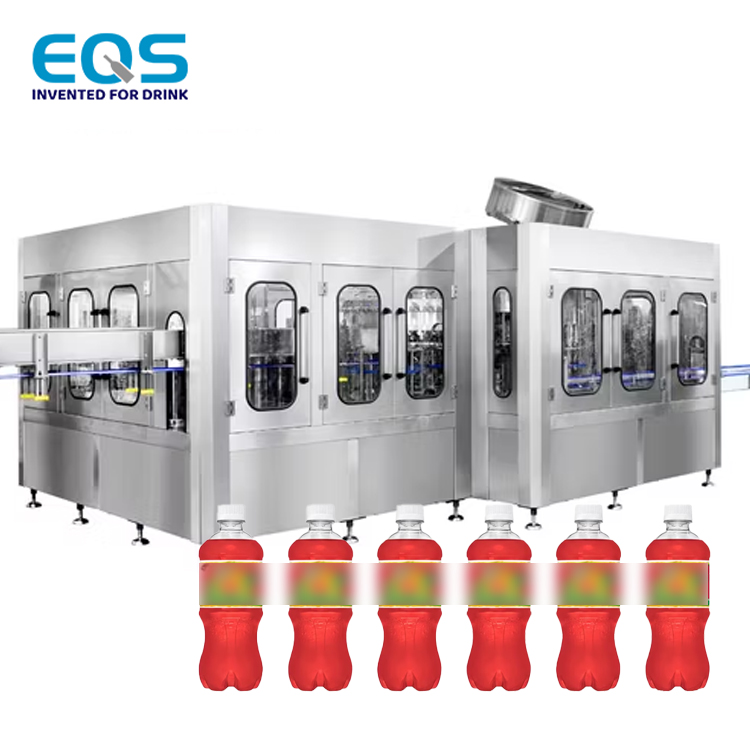 CSD & Energy
Complete Carbonated Soft Drink and Energy Drink Making Machine Filling Production Line
- Filling Tech: Isobaric Counter-Pressure
- CO2 Mixing: Chilled Carbo-Cooler
- Application: RTD Soda & Energy
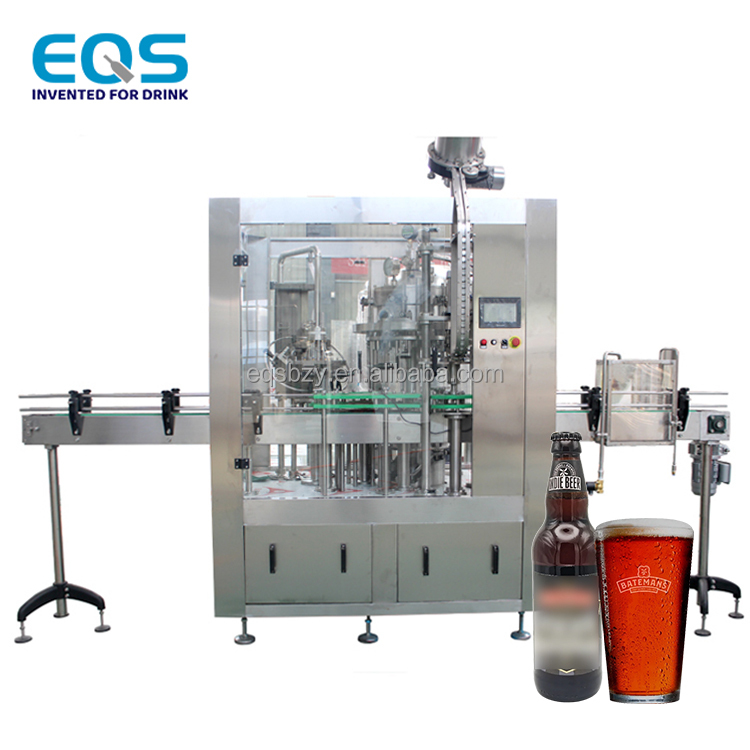 High-Speed Beer
Automatic 24000BPH Isobaric Beer Filling Monoblock PET/Glass Bottle Bottling Line
- DO Pickup: < 30 ppb Low Oxygen
- Cap System: Crown / Ring-Pull
- Output: Up to 24,000 BPH
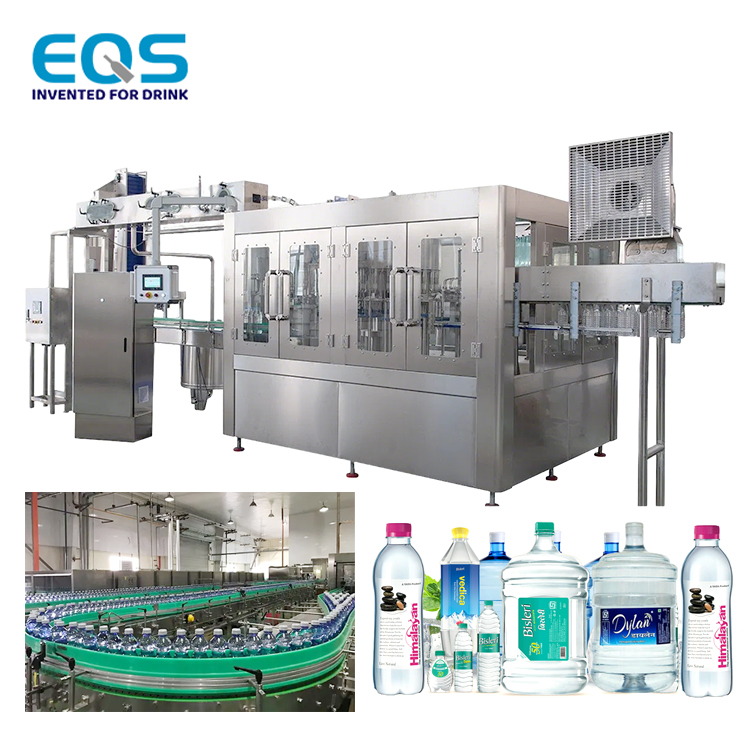 Sanitary Treatment
Advanced Water Treatment System with Automatic Filling Line for Pure Mineral Water Production
- Process: 2-Stage RO + UV/Ozone
- Material: SS316L Food Grade
- Filtration: 0.2 Micron Absolute
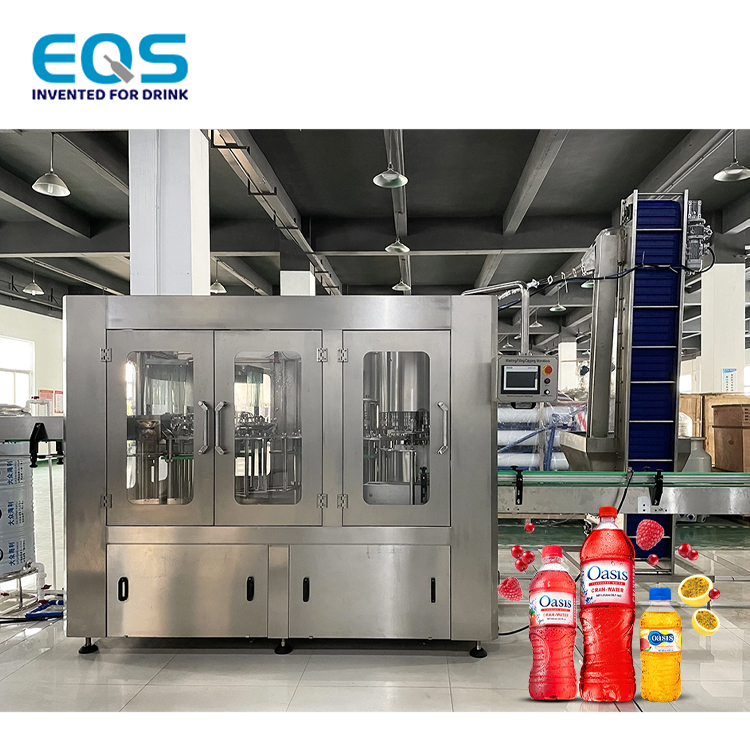 Flavor Protection
Reliable Flavor-Preserving Juice Production Line for PET Bottle with Cap Loader Labeling & Packing
- Packaging: Shrink Wrap / Carton
- Thermal Retain: Micro-Negative Pressure
- Line Control: Synchronized HMI
Yokohama's Strategic Position in the East Asian Bottling Ecosystem
As Japan’s largest port city and a critical manufacturing nexus within Kanagawa Prefecture, Yokohama represents a vibrant operational environment for high-capacity liquid packaging and ready-to-drink (RTD) beverage production. Serving both the massive Greater Tokyo Metropolitan consumer market and international export lanes across the Asia-Pacific region, Yokohama-based beverage bottlers operate under stringent quality benchmarks. Procuring state-of-the-art hot filling machinery requires a wholesale partner capable of integrating European-standard thermal dynamics with Japanese electrical, seismic, and sanitary standards.
Hot filling technology remains the cornerstone of preservative-free bottling for high-acid beverages, natural fruit nectars, fortified citrus juices (such as Yuzu, Kabosu, and Mikan blends), and authentic ready-to-drink green teas (Sencha and Barley tea). By maintaining product temperatures between 85°C and 92°C during liquid transfer, hot filling effectively pasteurizes both the container inner walls and cap neck zone without introducing synthetic preservatives. For local wholesalers, importers, and co-packers operating in Yokohama’s industrial parks—such as Tsurumi, Kanazawa, and Minato Mirai logistics belts—securing high-performance 3-in-1 or 4-in-1 hot filling monoblocks from an experienced wholesale supplier like Zhangjiagang OGVU Machinery Co., Ltd. guarantees maximum uptime, thermal efficiency, and complete regulatory compliance.
Information Gain: Why Thermal Reflux Stability Matters for Japanese Tea & Juice Formulation
In traditional cold filling or unmonitored hot filling, temperature drops during micro-stoppages cause bacterial vulnerabilities and volumetric inaccuracies. OGVU Machinery’s hot filling monoblocks incorporate an automated micro-negative pressure continuous thermal recirculation loop. If product temperature drops below 85°C inside the filling valve matrix, the liquid is automatically redirected back to the UHT tubular sterilizer loop, ensuring that zero under-temperature bottles ever pass to the capper.
Technical Architecture of Next-Gen Hot Filling Systems
Delivering commercial sterility while preserving delicate volatile aromatic compounds in teas and juices requires advanced thermodynamic and mechanical design.
4-in-1 Pulp & Liquid Monoblock
Integrates bottle rinsing, fruit pulp dosing, liquid thermal filling, and magnetic capping into a single sanitized enclosure. Eliminates secondary contamination vectors and reduces workshop footprint by up to 35%.
Vacuum Reflux & Anti-Foam Valves
Sanitary 316L stainless steel filling valves feature adjustable micro-negative pressure return channels. Rapidly draws out trapped air bubbles to prevent oxidation while maintaining precise liquid level height within ±2mm.
Heat-Resistant Neck Handling
Pneumatic star-wheel neck-hanging bottle transmission minimizes mechanical stress on structural PET walls during thermal expansion. Allows seamless transition between 330ml, 500ml, and 1.5L thermal PET containers.
Tailored Bottling Scenarios for Yokohama Beverage Facilities
Yokohama’s commercial landscape encompasses diverse RTD market segments. Our hot filling production lines are custom-engineered to address specific localized product characteristics across Kanagawa Prefecture.
1. Premium RTD Green Tea & Botanical Infusions
Japanese consumers demand clear, sediments-free, color-stable green tea (Sencha, Gyokuro, Hojicha). Thermal exposure must be carefully regulated to prevent catechins from browning. OGVU’s inline pasteurization and rapid cooling tunnel integration sterilize tea at 88°C with exact 15-second holding tubes before immediate cooling, preserving delicate sensory notes and vibrant natural green hues.
2. Citrus Juices & High-Pulp Nectars (Yuzu & Mikan)
Regional citrus drinks containing real fruit sacs (such as Japanese Yuzu and Satsuma Mikan) require non-clogging volumetric piston dosing prior to main liquid filling. Our 4-in-1 monoblocks deliver precise pulp distribution per bottle without crushing sac membranes, followed by high-temp top-off filling.
3. Functional Energy & Vitamin Wellness Beverages
Health-conscious urban demographics in the Tokyo-Yokohama corridor rely on hot-filled vitamin C, electrolyte, and collagen-infused beverages. Our machinery utilizes fully closed CIP/SIP loops with sanitary SUS316L contact surfaces, satisfying strict Japanese Food Sanitation Act (JFSL) hygiene requirements.
4. Plant-Based Dairy Alternatives & Liquid Condiments
Viscous soy milk, oat beverages, and traditional Japanese dashi/dashi-soy broths filled at elevated temperatures demand anti-drip, positive-displacement filling valves to ensure bottle thread neck areas remain pristine prior to thermal induction capping.
Comparison of Beverage Packaging Technologies
Selecting the appropriate filling technology is critical for capital allocation and long-term operating costs. Below is an engineering overview comparing Hot Filling against Cold Aseptic and Retort Sterilization.
| Evaluation Vector | OGVU Hot Filling (85-92°C) | Cold Aseptic Filling | Retort Autoclave Sterilization |
|---|---|---|---|
| Initial Capital Outlay (CAPEX) | Moderate / Optimal ROI | Very High (Complex cleanroom) | Moderate to High |
| Target Beverage Products | High-acid juices, RTD teas, pulp drinks | Low-acid dairy, sensitive teas | Canned coffee, heavy soups, meat broth |
| Bottle Requirement | Heat-resistant PET / Glass / Can | Standard lightweight PET | Aluminum cans / Retort pouch / Glass |
| Preservative Need | Zero Preservatives | Zero Preservatives | Zero Preservatives |
| CIP / SIP Complexity | Automated 3-Stage CIP Loop | Sterile Air/Chemical Isolator | Manual batch loading |
| Maintenance Overhead | Low to Moderate | High (Requires sterile technicians) | Moderate |
Key Technological Trends & Japanese Market Compliance
Bottling operators importing machinery into Yokohama must navigate distinct local technical specifications and environmental mandates:
Electrical & Frequency Standards
Eastern Japan (including Yokohama and Tokyo) operates strictly on 200V / 50Hz three-phase electrical power. All OGVU machinery exported to Yokohama is custom-fitted with premium Japanese Omron or Mitsubishi PLC hardware, Schneider electrical components, and dual-frequency inverter drives tuned specifically to 50Hz power grids.
Seismic-Resistant Structural Frames
Kanagawa Prefecture enforces stringent earthquake readiness standards. OGVU hot filling monoblocks feature heavy-duty reinforced 304 stainless steel base frames with vibration-dampening leveling mounts and anchor points engineered to withstand Japanese seismic shocks without misaligning filling turrets.
Energy Recovery & Thermal Efficiency
With electricity and fuel gas costs at premium rates in Japan, our lines feature integrated plate heat exchangers that capture waste heat from outgoing cooling tunnels to pre-heat incoming RO process water, reducing total line thermal energy expenditure by up to 22%.
Why Bottlers in Yokohama Partner with Zhangjiagang OGVU Machinery
Located in Zhangjiagang, Jiangsu Province—China’s premier cluster for beverage packaging technology—Zhangjiagang OGVU Machinery Co., Ltd. has spent over 11 years engineering, manufacturing, and exporting complete beverage filling production lines across Asia, Europe, and the Americas.
1. Intertek-Verified Manufacturing Facilities
Our manufacturing workshops, CNC machining centers, and quality control procedures are audited and verified on-site by independent third-party inspectorate Intertek. Importers in Yokohama can review complete audit credentials and factory video walkthroughs prior to contract execution.
2. End-to-End Turnkey Line Integration
We eliminate line mismatch bottlenecks by engineering every station in-house or through our verified technical network: raw water treatment (RO), stretch blow molding, UHT pasteurization, rinsing-filling-capping monoblocks, bottle inversion, cooling tunnels, sleeve labeling, and automatic shrink-wrapping case packers.
3. Direct Freight Logistics to Port of Yokohama
Leveraging our proximity to Shanghai and Ningbo ports, OGVU coordinates seamless oceanic container shipping directly to the Port of Yokohama. We prepare standard export wooden-case packing, moisture-proof vacuum wrapping, and comprehensive customs documentation for Japanese clearance.
4. Multilingual Engineering Support
Our international engineering group communicates directly in English, Spanish, Russian, and Chinese, offering remote PLC diagnostic troubleshooting, complete layout AutoCAD designs, and overseas technician dispatch for on-site commissioning and operator training.
Frequently Asked Questions by Yokohama Importers & Bottlers
What is the typical shipping lead time from your factory to the Port of Yokohama?
Manufacturing lead time for a standard hot filling monoblock is typically 35 to 45 days depending on BPH speed requirements. Ocean transit time from Shanghai Port to the Port of Yokohama takes approximately 3 to 5 days, making equipment delivery remarkably fast for Kanagawa-based projects.
How does your hot filling machine prevent PET bottle deformation at 90°C?
Hot filling requires specialized heat-resistant PET preforms designed with crystalline necks and vacuum panel bases. Furthermore, our filling system utilizes precise temperature control and a bottle inversion conveyor that immediately flips the capped bottle to sterilize the neck interior before entering a multi-stage cooling tunnel, reducing internal pressure and preventing container warping.
Are OGVU hot filling machines compliant with Japanese 200V 50Hz electrical standards?
Yes. Every unit exported to Yokohama or Eastern Japan is custom-built with 200V, 3-phase, 50Hz electrical configurations, complete with Japanese-language HMI options, CE/PSE certified wiring, and Japanese industrial standard PLC components (Omron/Mitsubishi).
Can a single hot filling line handle both fruit juice with pulp and clear tea drinks?
Absolutely. By choosing our 4-in-1 monoblock, you can operate the pulp dosing turret when running pulp-inclusive orange or yuzu juices, or bypass the pulp station via the touch-screen PLC interface to run high-speed clear green tea or botanical infusions.
What CIP (Clean-in-Place) support is provided with your hot filling systems?
OGVU monoblocks come equipped with fake cup CIP cleaning plates and automatic fluid recirculation loops. The system interfaces directly with your central CIP station to execute acid wash, caustic wash, and hot water rinse cycles, fully satisfying food safety requirements.
Accelerate Your Bottling Project in Yokohama
Connect directly with senior packaging engineers at Zhangjiagang OGVU Machinery Co., Ltd. We will analyze your bottle drawings, beverage formulation, and target BPH output to provide a comprehensive factory layout and custom wholesale quotation.