Turnkey Beverage Bottling Lines & Machinery
Explore specialized OEM/ODM bottling equipment engineered for fruit pulp juices, carbonated soft drinks, non-alcoholic craft beer, and mineral water processing in high-demand industrial zones.
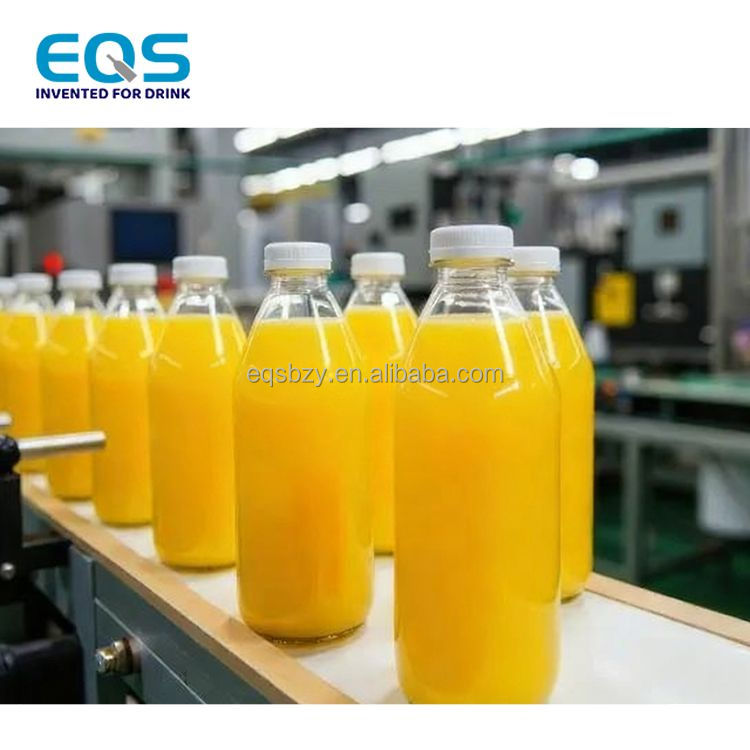 Hot Fill / Pulp
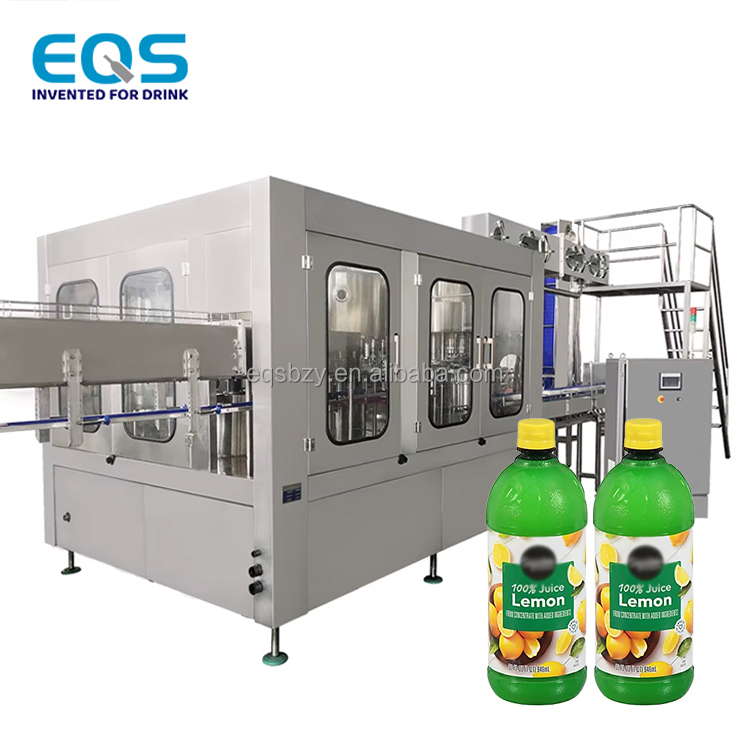 Turnkey Line
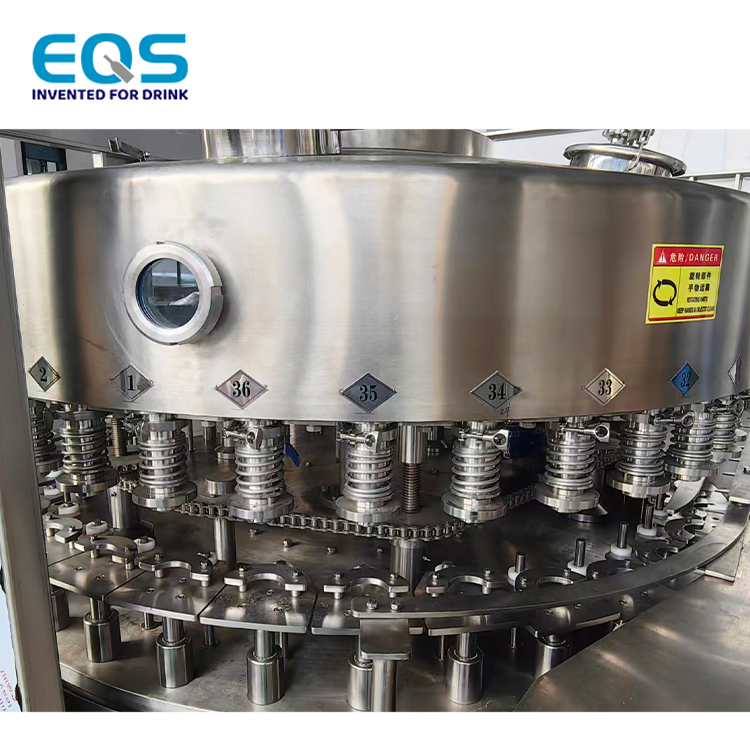 With Mixing
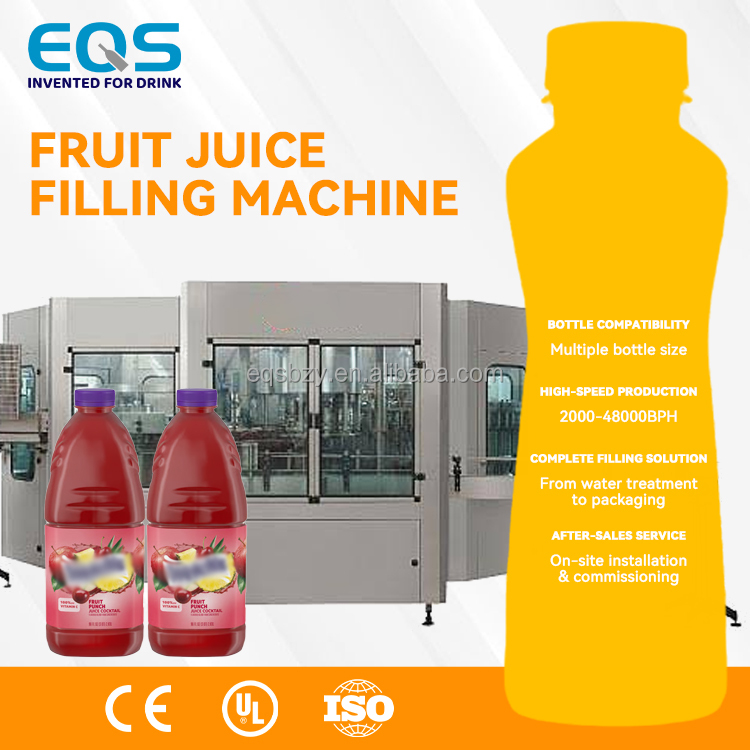 Automatic
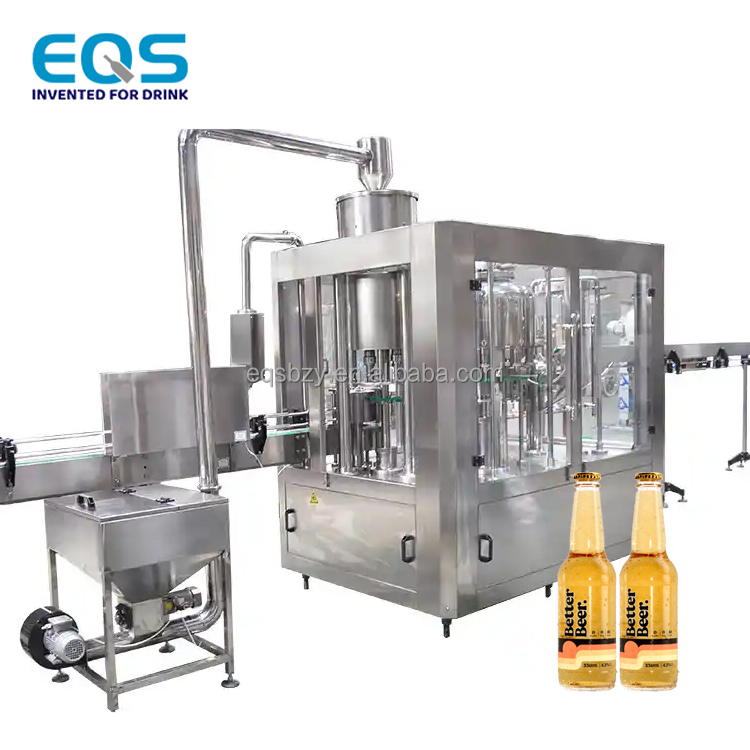 Isobaric Beer
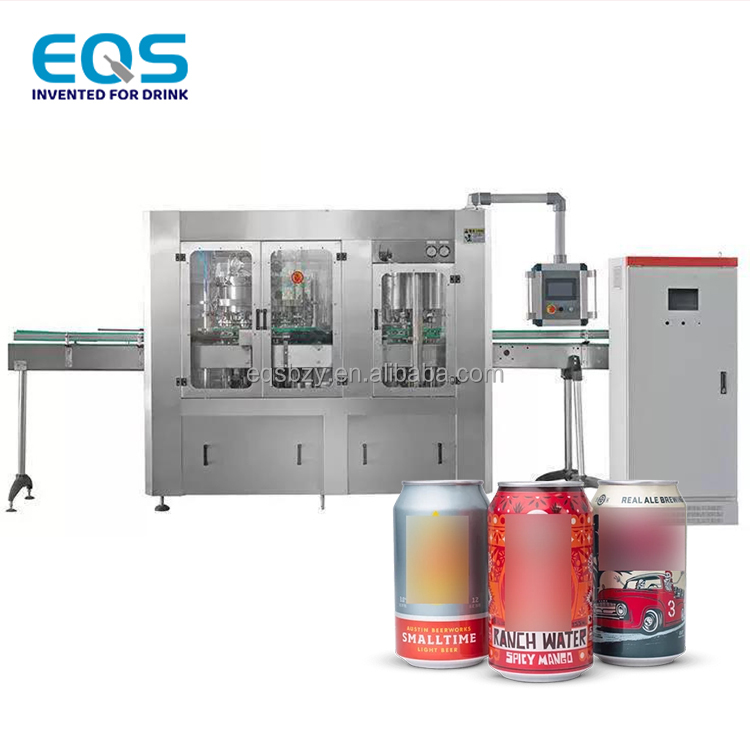 Can Seamer
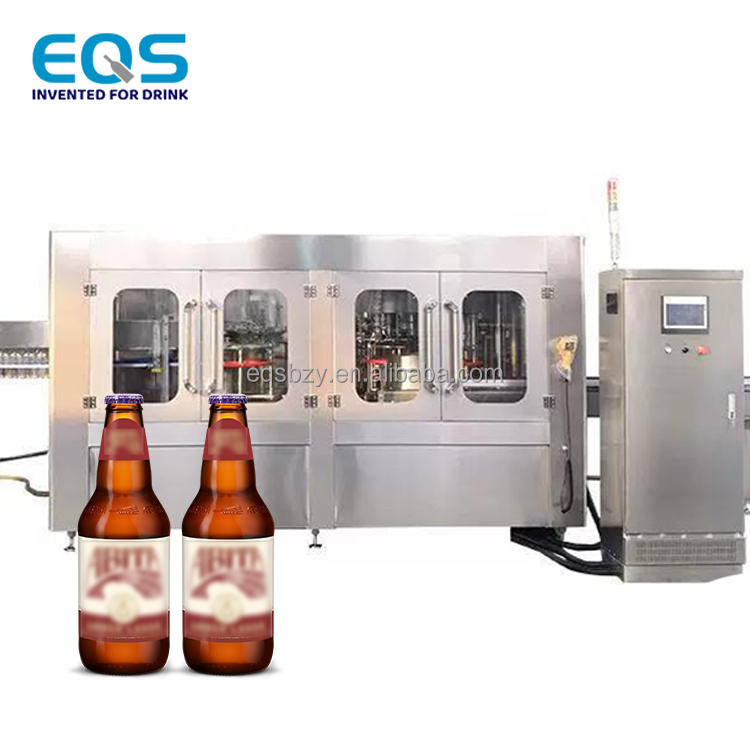 Glass Line
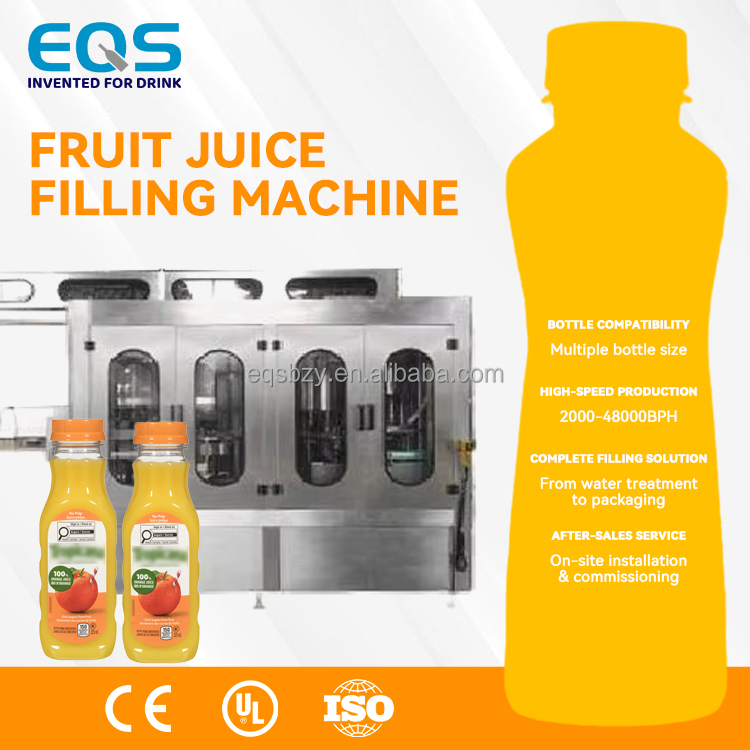
1. The Industrial Bottling Landscape in Karaj & Alborz Province
Karaj, situated as the administrative capital of Alborz Province, serves as the central artery of Iran's FMCG manufacturing, agro-processing, and liquid refreshment beverage (LRB) sector. Located along crucial transit corridors linking the agricultural basins of Northwestern Iran with the dense metropolitan consumer base of Tehran (home to over 14 million consumers less than 40 km away), Karaj host several major industrial parks—including Simindasht, Baharestan, Alborz Industrial City, and Eshtehard. These centers accommodate large-scale beverage production facilities specializing in fruit juices, carbonated soft drinks (CSDs), non-alcoholic malt beverages (delster), functional beverages, bottled water, and dairy-based liquids.
However, running a high-speed bottling facility in Karaj presents distinct mechanical and thermodynamic challenges. The regional ambient climate features hot, arid summers with temperatures exceeding 40°C, high dust concentrations, seasonal water table fluctuations, and atmospheric pressure conditions typical of an elevation around 1,300 meters above sea level. Standard off-the-shelf filling equipment imported without structural modification often suffers from rapid seal degradation, vacuum imbalance during hot-filling, CO2 off-gassing during carbonated filling, and micro-particle contamination.
Engineering Gain Insight: At 1,300m elevation in Karaj, atmospheric pressure drops to approximately 86.5 kPa (compared to 101.3 kPa at sea level). This 14.6% pressure reduction directly shifts the Henry’s Law equilibrium constant for dissolved carbon dioxide (CO2). Without customized pressure-compensated isobaric filling valves and precision neck-handling counter-pressure mechanics, beverage plants experience severe foamed fill rejection rates and inconsistent net fill volumes.
To establish operational stability, continuous throughput, and compliance with stringent national ISIRI standards as well as international ISO 22000 / HACCP food safety norms, beverage enterprise owners in Karaj increasingly rely on turnkey OEM/ODM filling machine manufacturers. Customized packaging machinery designed specifically for local altitude, thermal gradients, and raw ingredient chemistries guarantees low Total Cost of Ownership (TCO) and long-term mechanical uptime.
2. Technical Architectures: Isobaric, Hot Filling, and 4-in-1 Monoblocks
Modern beverage bottling demands specialized filling dynamics optimized for viscosity, surface tension, biological risk profiles, and container materials (PET, Glass, Aluminium Cans). Understanding the underlying mechanical engineering allows plant engineers to specify optimal OEM/ODM configurations.
4-in-1 Pulp Hot Filling
Dual-stage dosing for particulate fruit pulps (orange vesicles, peach cubes) followed by liquid top-off at 85°C–92°C with full thermal recirculation.
Isobaric Counter-Pressure
Pre-evacuation double vacuum flushing with CO2 pressurization for carbonated sodas and non-alcoholic beers, maintaining zero DO (dissolved oxygen) pick-up.
Ultra-Clean & Aseptic
H2O2 vapor/peracetic acid container sterilization combined with ISO Class 5 HEPA enclosure positive pressure air management.
2.1 Hot Filling & 4-in-1 Pulp Monoblocks for Fruit Drinks
Karaj serves as a key hub for processing natural fruit concentrates (pomegranate, sour cherry, grape, peach, and citrus). When packaging juices containing natural pulp or fruit sacs, standard 3-in-1 monoblocks (Rinsing-Filling-Capping) suffer from valve clogging and uneven pulp distribution. OEM 4-in-1 monoblocks integrate an independent primary pulp dosing turret before the primary hot liquid filling turret.
The operational sequence of a 4-in-1 Pulp Juice Monoblock comprises:
- Sterile Water Rinsing: Magnetic grippers invert PET or glass bottles, spraying ozone-sterilized water or chlorine dioxide solution to eliminate airborne dust and particulate matter.
- Volumetric/Piston Pulp Dosing: Dedicated anti-drip piston valves introduce exact quantities (e.g., 5ml to 30ml) of fruit vesicles directly into the container bottom without valve necking.
- Gravity/Magnetic Flowmeter Hot Liquid Filling: Clean juice top-off occurs at controlled temperatures between 85°C and 92°C. Return gas channels recirculate displaced air back to an external collection system to avoid product contamination.
- Steam-Injected Capping: Servo-driven magnetic capping heads apply plastic screw caps while steam injection evacuates residual oxygen from the headspace, creating a natural vacuum seal upon cooling.
2.2 Isobaric Filling Technology for Carbonated Soft Drinks & Non-Alcoholic Beer
For carbonated sodas, energy drinks, and non-alcoholic malt beverages, maintaining carbonation equilibrium (typically 3.0 to 4.5 volumes of CO2) requires rigid isobaric counter-pressure filling valves. The filling bowl is pressurized with CO2 matching the storage tank pressure (typically 0.3–0.5 MPa). The valve opens only when internal bottle pressure strictly matches filling bowl pressure.
To protect sensitive beverages (such as non-alcoholic beer) from rapid oxidation, custom ODM lines integrate a Double Pre-Evacuation Vacuum System. Air inside the container is evacuated down to -0.09 MPa, flushed with pure CO2, evacuated a second time, and re-pressurized. This procedure reduces dissolved oxygen (TPO - Total Package Oxygen) to under 30 ppb, significantly extending product shelf life without relying on chemical preservatives.
3. Technical Comparison: Standard vs. Heavy-Duty OEM/ODM Bottling Lines
Choosing the correct equipment specification requires evaluating component metallurgy, control automation, and mechanical endurance. Below is a engineering matrix comparing entry-level commercial units against OGVU's heavy-duty customized OEM machinery.
| Engineering Parameter | Standard Commercial Machinery | OGVU OEM/ODM Heavy-Duty Machinery |
|---|---|---|
| Fluid Contact Metallurgy | AISI 304 Stainless Steel | AISI 316L Electro-polished Stainless Steel |
| Liquid Level Accuracy | ±3 mm (Mechanical Float Valves) | ±1 mm (Magnetic Inductive Flowmeter / Pneumatic Isobaric) |
| Filling Temperature Range | Ambient (15°C – 25°C) | Broad Thermal Spectrum (4°C Cold CO2 / 92°C Hot Fill) |
| Drive Mechanism | Single Motor Chain Transmission | Multi-axis Servo Direct Drive (Gearless Starwheels) |
| CIP Cleaning Integration | Manual Spray Ball Attachment | Automated CIP/SIP with Dummy Cups & Return Scavenge Pump |
| Electrical & Automation Controls | Generic Microcontroller | Siemens S7-1500 PLC / Schneider Touch HMI / Probus System |
| Elevation Barometric Tuning | Fixed Factory Calibration (Sea Level) | Customized Pressure Balance Valves for Karaj (1,300m Altitude) |
4. Localized Application Scenarios & Regional Bottling Trends in Alborz
4.1 High-Viscosity Fruit Pulp Processing in Simindasht & Baharestan
Beverage manufacturers operating within the Simindasht and Baharestan industrial complexes process vast tonnages of regional tree fruits into value-added juices. Traditional filling machinery frequently struggles with pulp sedimentation inside the supply header tank during brief line stops. OGVU’s OEM juice lines incorporate continuous multi-stage jacketed agitation tanks equipped with variable-frequency drive (VFD) mixers and automatic temperature-guided bypass valves. If product temperature drops below 84°C, filling automatically halts, and liquid recirculates back to the UHT tubular sterilizer—preventing unpasteurized juice from entering the container stream.
4.2 Aluminium Can Packaging Shift for Carbonated Beverages & Malt Drinks
Across the wider Karaj market, consumer preferences are rapidly expanding from traditional PET containers toward eco-friendly 330ml slick and 500ml standard aluminium cans. Can filling demands specialized mechanics: thin-walled cans lack structural rigidity prior to filling and require precise neck-handling transport combined with high-precision double-seaming heads (mechanisms operating under 4-roller heavy-duty torque limits).
Local Trend Analysis: Aluminium can filling lines installed in Karaj require integrated liquid nitrogen dosing units (LN2) immediately between the filling carousel and the rotary seamer. Injecting a micro-droplet of liquid nitrogen expands into gaseous nitrogen, pressurizing the headspace to provide structural rigidity for stacking during transport across rough regional logistics networks.
4.3 Mineral Water Bottling under High Water Hardness Conditions
Water supplies extracted from deep municipal wells or mountainous aquifers surrounding Karaj often exhibit high Total Dissolved Solids (TDS) and elevated Calcium/Magnesium carbonate hardness. When feeding raw water into high-speed blow-fill-cap combi-blocks, scale buildup on internal rinse nozzles and valve seals causes premature wear. OEM solutions engineered for Karaj include multi-stage Reverse Osmosis (RO) pre-treatment plant integration, sanitization CIP loops, and anti-scaling ceramic valve inserts.
5. Procurement FAQ: Essential Guidance for Plant Managers in Karaj
Addressing the technical, logistical, and operational queries raised by plant directors, procurement managers, and chief maintenance engineers in Alborz Province.
6. Corporate Advantage: Why Leading Bottlers Choose OGVU Engineering
Zhangjiagang OGVU Machinery Co., Ltd. brings over 11 years of continuous international export engineering experience, delivering high-performance bottling machinery across global markets. For beverage plant operators in Karaj, our OEM/ODM model delivers unmatched technical value:
Request a Customized OEM/ODM Machine Proposal
Planning a new bottling facility or upgrading existing filling lines in Karaj? Share your beverage type, target bottle specs, and hourly output requirements with our senior engineering team.
Inquire Now →