Industrial OPP Labeling & Bottling Machinery
Engineered for high throughput, tropical climate resilience, and operational precision in Lagos, Ogun, and regional West African beverage plants.
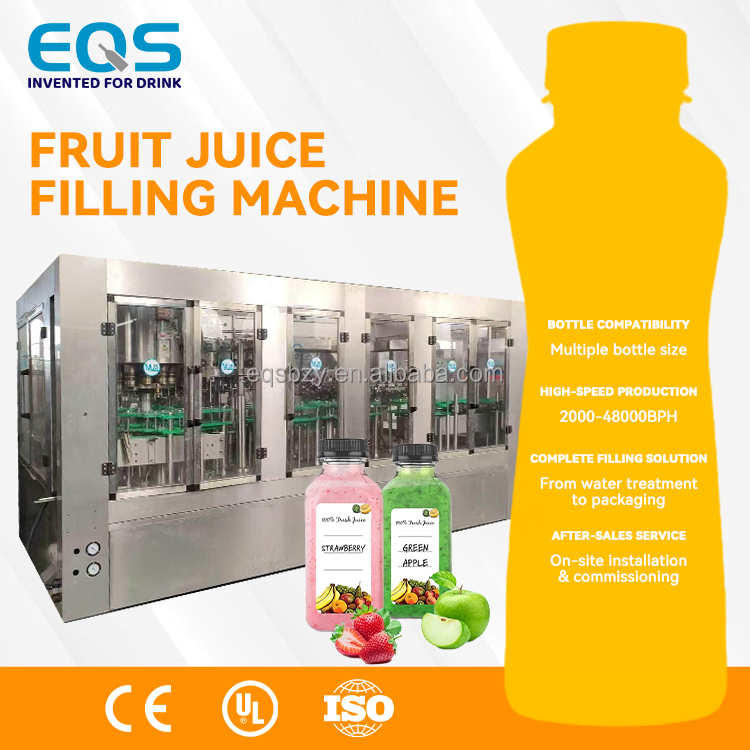 High Speed
Automatic 20000BPH Glass Bottle Hot Filling Line
- Speed: 20,000 BPH
- Container: Glass Bottles
- Application: Juice, Tea Drinks
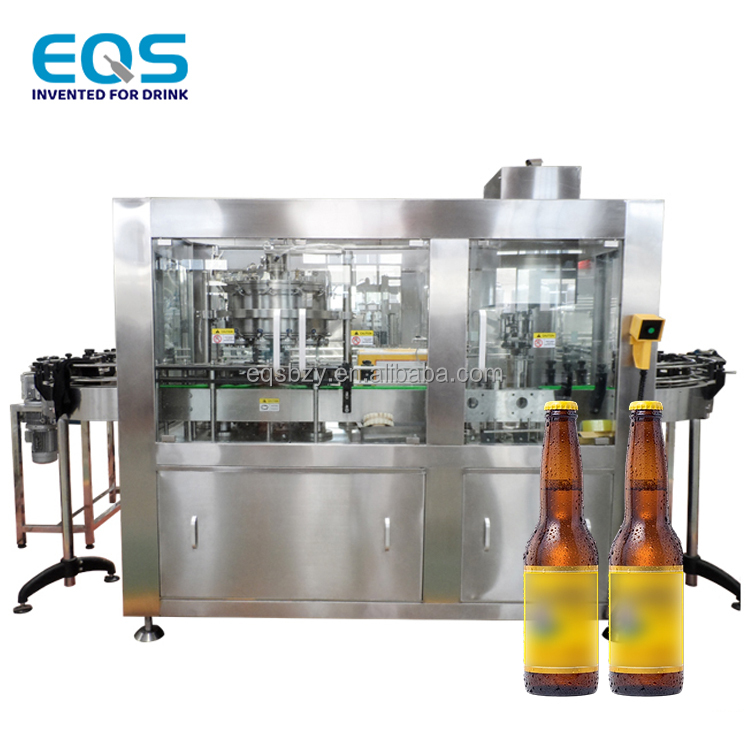 Turnkey
A to Z Turnkey Beer Bottling Line 7000BPH
- Capacity: 7,000 BPH
- Cap Type: Aluminum / ROPP
- Container: PET Bottle Beer
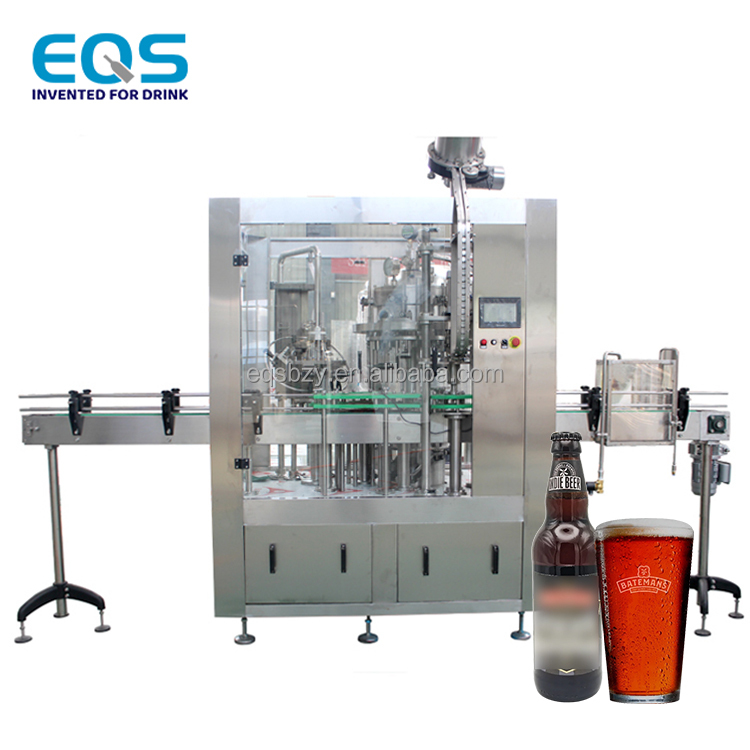 Isobaric
Automatic 24000BPH Isobaric Beer Bottling Line
- Output: 24,000 BPH
- Pressure: Counter-Pressure
- Suitability: PET & Glass
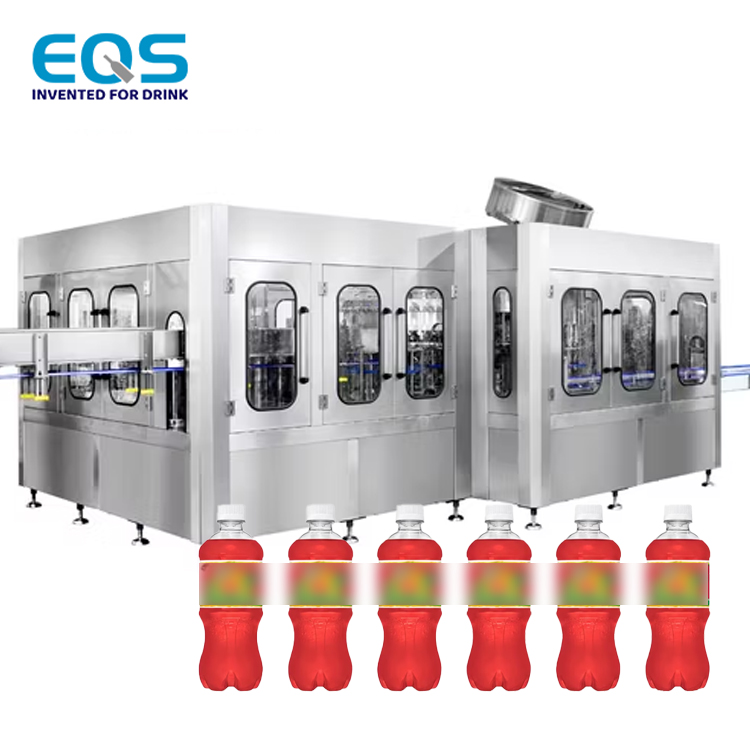 CSD / Energy
Complete Carbonated Soft Drink & Energy Drink Line
- Product: CSD, Soda, Energy
- Control: PLC Touch Screen
- Integration: OPP Labeling Ready
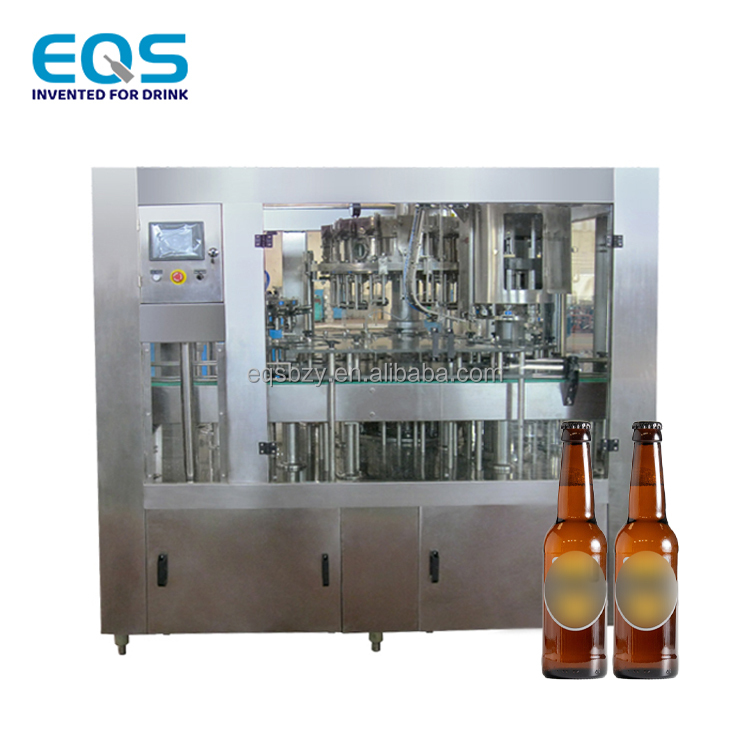 PET Beer
Complete PET Bottle Beer Bottling Plant 7000BPH
- Filling Tech: Isobaric Valve
- CO2 Control: Precision Mixing
- Automation: Full Automatic
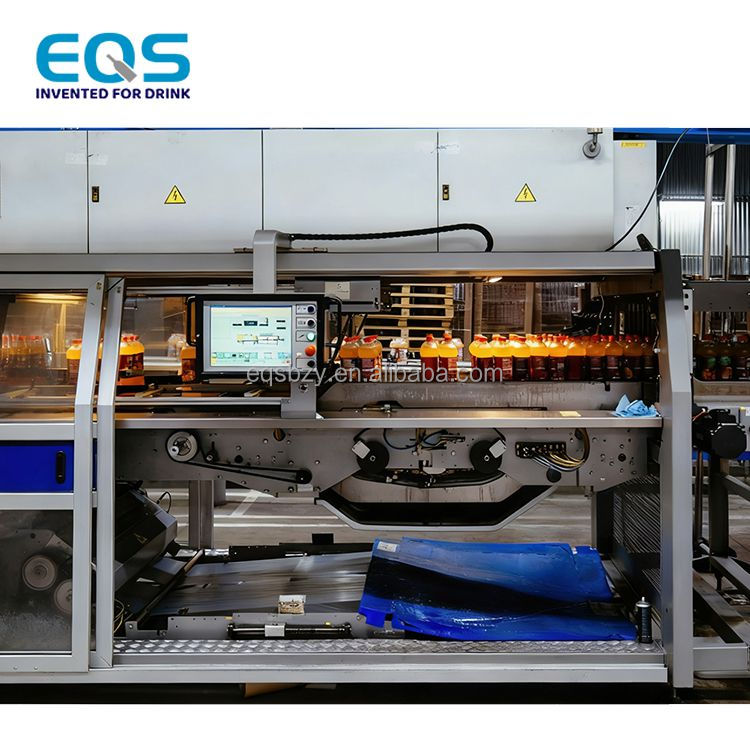 Full Set
Advanced Full Set Fruit Juice Production & Packing Line
- Process: Mixing to Packing
- Labeling: OPP Hot Melt / Sleeve
- Quality: CE Certified
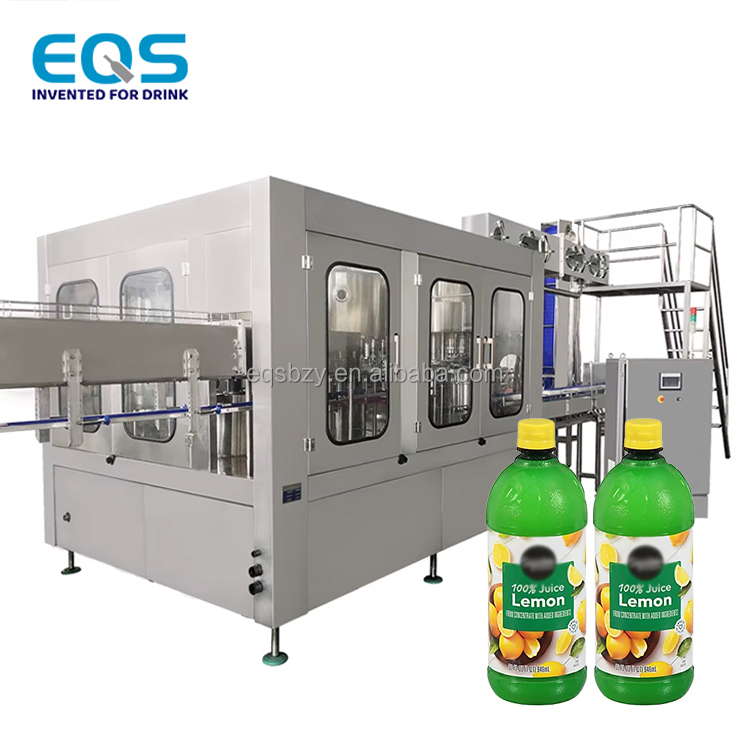 4-in-1 Pulp
Turnkey 4-in-1 Fruit Pulp Juice PET Bottling Machine
- Specialty: Pulp Beverage
- Monoblock: Rinse/Fill/Cap/Pulp
- Durability: SUS304/316 Steel
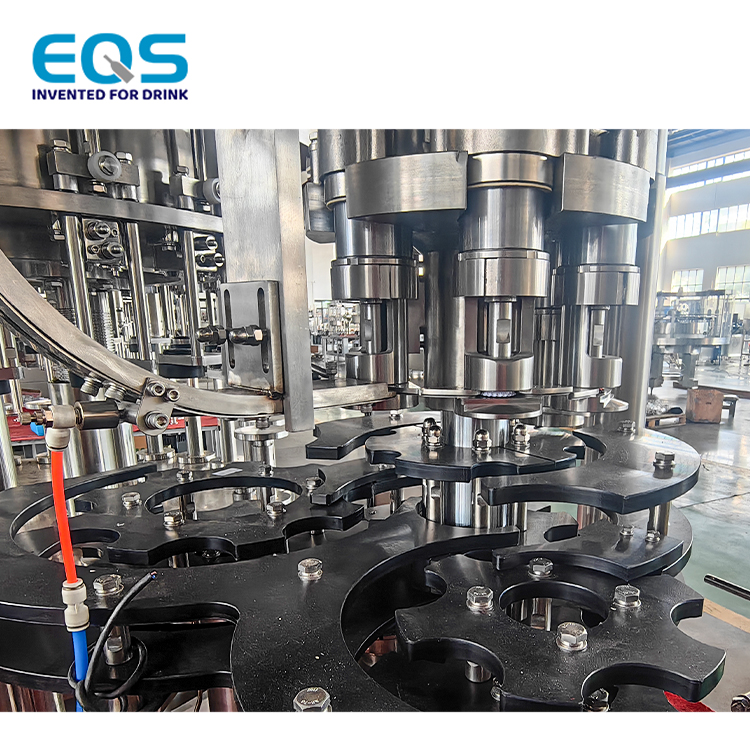 Monoblock
High-Speed 3-in-1 Beer Washing Filling Capping Unit
- Design: Compact Monoblock
- Efficiency: Low Maintenance
- Output: Stable Operation
Navigating the OPP Hot-Melt Labeling Equipment Market in Lagos, Nigeria
As the commercial heartbeat of West Africa, Lagos represents the largest beverage consumption hub in the sub-Saharan region. From the bustling industrial estates of Ikeja, Agbara, and Ikorodu to the emerging processing zones in the Lekki Free Trade Zone, beverage bottlers, edible oil manufacturers, and household chemical producers are undergoing a massive technological shift. The traditional self-adhesive sticker labels and high-energy-consuming heat-shrinkable PVC sleeve labels are rapidly being replaced by Oriented Polypropylene (OPP) roll-fed hot-melt glue labeling machines.
This whitepaper provides plant managers, procurement directors, and beverage entrepreneurs in Lagos with an exhaustive technical evaluation of OPP rotary hot-melt labeling machinery. It covers localized operational challenges, unit economics, thermal glue behavior under humid West African conditions, and key supplier evaluation criteria to maximize return on investment (ROI).
1. The Economic & Technical Advantage of OPP Labeling in Lagos
Lagos beverage manufacturers face unique competitive pressures: intense retail price sensitivity, escalating foreign exchange fluctuations, and high energy costs associated with captive diesel/gas power generation. In this environment, packaging operational efficiency becomes the decisive factor in profit margins.
Lower Material Cost
OPP film delivered in continuous rolls eliminates expensive release paper backings. Film thickness ranges from 28µm to 40µm, drastically reducing material volume and freight costs into Apapa or Tin Can ports.
Energy Efficiency
Unlike PVC/PET heat shrink tunnels that require 30kW–60kW of constant electrical heating, OPP hot-melt glue applicators consume under 8kW–12kW. This dramatically cuts diesel generator load for Lagos factories.
Recyclability & Compliance
Fully compliant with NESREA environmental guidelines. OPP labels separate cleanly from PET bottles during wash-and-flake recycling processes, supporting local Lagos circular plastic economies.
2. Engineering Anatomy: Hot-Melt Rotary Labeler Mechanics
A continuous-motion rotary OPP labeling machine operates through synchronized mechanical and mechatronic sub-systems designed to deliver millimetric registration accuracy at linear speeds exceeding 300 meters per minute.
Core Sub-Systems & Mechanical Dynamics
Understanding these core components helps local factory engineers perform accurate preventive maintenance and diagnose operational anomalies before line downtime occurs:
- Servo-Driven Infeed & Tension Control: Maintains constant web tension off the OPP film roll regardless of roll diameter decay, preventing label distortion during high-speed unwinding.
- Rotary Vacuum Drum & Rotary Knife Assembly: High-hardness alloy steel cutter blades cut the tensioned OPP film to exact pitch lengths. A vacuum drum holds the cut label cut-piece flat via negative pressure.
- Hot-Melt Glue Roller (EVA/Polyolefin System): Applies a razor-thin strip of hot-melt adhesive (typically 130°C–160°C) exclusively onto the leading and trailing edges of the label, minimizing glue consumption to less than 0.05 grams per bottle.
- Rotary Bottle Carousels with Cam-Guided Turntables: Bottles enter via starwheels onto individual motor-driven or mechanical cam-guided pedestals. The bottle rotates 360 degrees against the transfer drum to achieve a smooth, bubble-free wrap.
3. Technical Comparison: OPP Roll-Fed vs. PVC Shrink vs. Sticker Labelers
When selecting packaging machinery for factory installations in Lagos, evaluating total cost of ownership (TCO) across labeling formats is essential:
| Performance Index | Rotary OPP Hot-Melt Labeler | Automatic PVC Sleeve Labeler | Self-Adhesive Sticker Labeler |
|---|---|---|---|
| Label Material Cost | Lowest (35–45% of sticker cost) | Medium to High | Highest (Includes release liner) |
| Power Consumption | Low (8 kW – 15 kW total) | Very High (35–65 kW with tunnel) | Very Low (3 kW – 6 kW) |
| Speed Capability | 6,000 to 36,000 BPH | 6,000 to 24,000 BPH | 3,000 to 12,000 BPH |
| Moisture Resistance | Excellent (Hot-melt adhesion) | Excellent (360-degree shrink) | Moderate (Edge peeling risks) |
| Lagos Operational Fit | Ideal for High-Volume Water/CSD | Best for Premium/Complex Shapes | Best for Small Batches/Pharma |
4. Localized Operating Scenarios in Lagos & West Africa
Operating high-speed packaging machinery in West Africa introduces environmental and infrastructure variables that standard European or Asian factory defaults do not account for. Our machines installed across Ikeja and Agbara feature tailored adaptations:
Managing High Ambient Temperature & Humidity
Lagos records average ambient temperatures between 28°C and 35°C with relative humidity often exceeding 85%. Standard hot-melt adhesives can suffer from extended open times or "tackiness" failure if temperature controls are imprecise.
Power Volatility Mitigation & AVR Compatibility
Frequent switching between grid power (Eko / Ikeja Electric) and heavy-duty industrial diesel generators creates voltage spikes and frequency drift. OGVU labeling machines utilize wide-voltage range servo drives (380V ±15% 3-Phase) and embedded UPS backup for control PLCs, preventing label timing loss during sudden power transfers.
5. Enterprise Advantages of Sourcing via OGVU Machinery
Zhangjiagang OGVU Machinery Co., Ltd. brings over 11 years of international export expertise directly to Nigerian manufacturers and equipment wholesalers in Lagos:
Intertek On-Site Verified Factory
Our production plant in Zhangjiagang, Jiangsu is on-site audited by Intertek. Buyers can request full inspection reports, machine testing videos, and component traceability before dispatch.
Turnkey Line Integration
We do not just sell standalone OPP labelers. We engineer the complete line—matching water treatment, blowing monoblock, counter-pressure fillers, OPP labelers, and shrink bundlers to eliminate line bottlenecks.
Expatriate Field Engineers
Our experienced commissioning engineers travel directly to factory sites in Lagos, Ogun, Kano, and Port Harcourt for installation, operator training, and local spare parts setup.
Frequently Asked Questions by Lagos Bottlers
Practical engineering and commercial answers for plant managers sourcing OPP labeling equipment in Nigeria.
What is the minimum line speed where switching to an OPP Labeler makes financial sense?
While OPP rotary labelers exist for 6,000 BPH lines, the optimal financial ROI threshold in Lagos is reached at 8,000 to 12,000 BPH or higher. At this volume, the significant material savings per bottle pay back the higher initial capital expenditure of a rotary hot-melt machine within 8 to 14 months of operation.
What hot-melt adhesive grade should we specify for humid Lagos factory environments?
We recommend synthetic EVA or polyolefin-based hot-melt glues with a softening point between 80°C–90°C and an operating viscosity of 900–1200 mPa.s at 150°C. This prevents label slippage during storage in non-air-conditioned Lagos warehouses where ambient temperatures spike.
Can one OPP labeling machine handle both 350ml and 1.5L PET bottle sizes?
Yes. Rotary OPP labelers use quick-changeover starwheels, center guide columns, and bottle pedestal holding plates. Changing format parts from 350ml to 1.5L PET bottles takes approximately 30 to 45 minutes for a trained factory technician.
How do you handle shipping, customs clearance, and Form M compliance for Nigeria?
All OGVU machinery exported to Lagos comes with complete documentation required for Form M, PAAR processing, and SONCAP certification. Machines are packed in export-grade, moisture-proof, vacuum-sealed wooden cases to protect against ocean humidity during transit to Apapa Port.
What spare parts should Lagos wholesalers and factories stock locally?
We recommend maintaining a local fast-wear kit containing: 2 sets of high-speed rotary cutter blades, replacement vacuum drum rubber strips, silicone glue scraper seals, heating element cartridges for the glue tank, and spare photoelectric bottle/label sensors.
Do your OPP machines support both transparent and opaque metallic film labels?
Yes. The machine is equipped with dual-type optical registration sensors (German-made SICK or Japanese Keyence) capable of detecting color marks on opaque labels as well as contrast/reflection marks on clear transparent OPP films.
Upgrade Your Lagos Bottling Line with High-Yield OPP Labeling
Contact our senior engineering team today to receive a complete factory floor layout drawing, custom ROI calculation, and full machine catalog.
Get Catalog